How To Tell If Your Michigan Lettuce Has Bolted (And What To Plant Next)
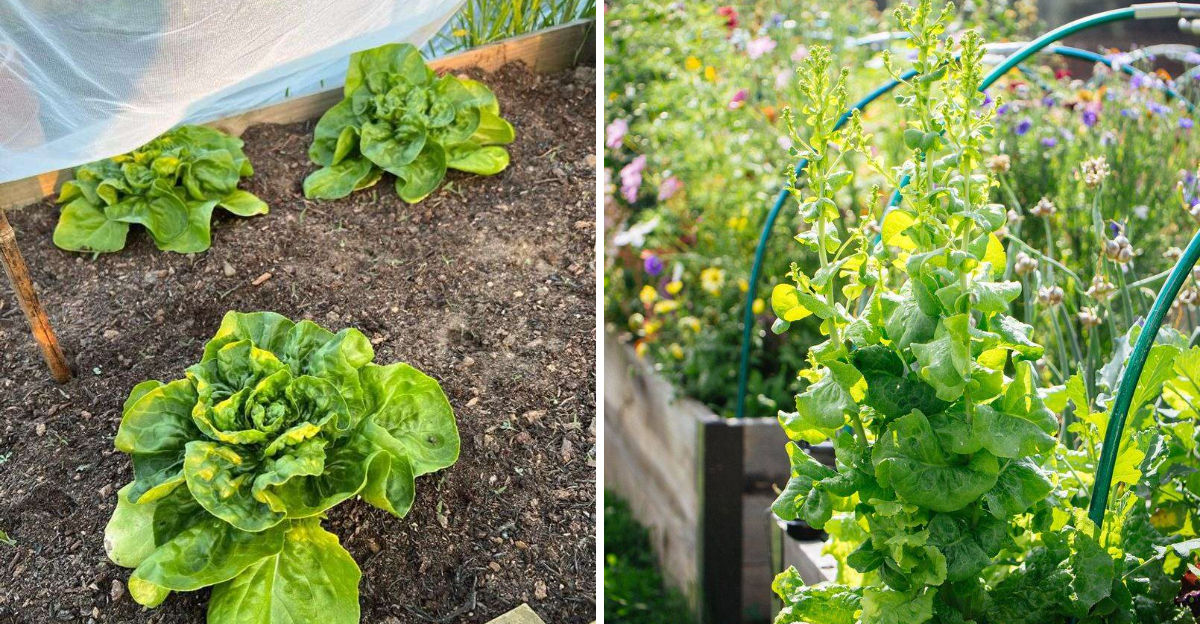
A lettuce patch can change almost overnight.
One week, the plants look low, lush, and salad-ready. A few warm Michigan days later, the centers stretch upward, the leaves spread apart, and the whole bed starts looking loose and untamed.
That shift has a name: bolting.
Lettuce bolts when it stops focusing on tender leaves and starts moving toward flowers and seeds. Heat, long days, dry soil, and summer stress can push the process along faster than gardeners expect.
The good news is that bolting does not have to end the garden.
Once you know the signs, you can harvest what still tastes good, clear the tired plants, refresh the soil, and turn that same space into a strong fall crop.
So how can Michigan gardeners tell when lettuce has bolted?
Start with the center stalk, taste, plant shape, flower buds, and harvest timing, then replant with cool-season crops that still have time to produce before fall settles in.
1. Tall Center Stalks Give It Away
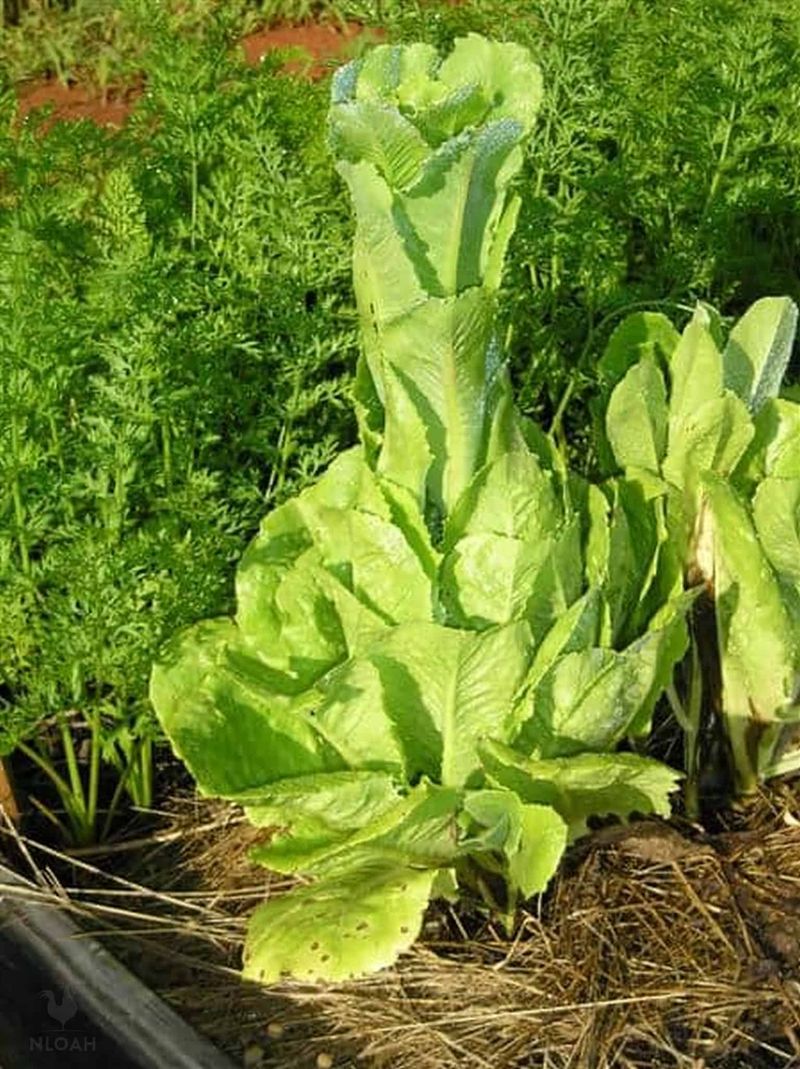
A rising center stalk is the clearest clue.
Lettuce that was once compact may suddenly push upward from the crown. The plant looks taller, looser, and less like a leafy rosette.
The center feels different. A true bolt forms a firm, round stalk that pushes straight up through the middle of the plant.
Romaine can confuse the picture. Upright lettuce varieties naturally grow taller, so focus on sudden change rather than height alone.
Check the spacing between leaves. Once bolting begins, leaves sit farther apart along the growing stem instead of staying tucked close together.
Warm weather speeds the shift. Michigan summer heat can push lettuce into reproductive growth quickly, especially during hot stretches in July and August.
Dry soil adds pressure. Moisture stress can encourage lettuce to bolt sooner, even before the plant has reached its best size.
Slow-bolt varieties help. Cultivars bred for heat tolerance may hold longer, but no lettuce stays tender forever in summer conditions.
Catch the stalk early.
That short window gives you time to harvest usable leaves before flavor declines.
2. Bitter Leaves Confirm The Shift
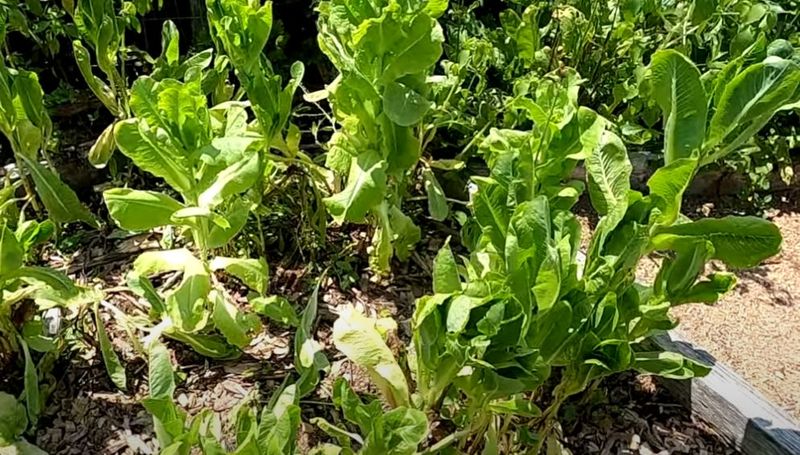
Your taste buds can confirm what your eyes suspect.
A lettuce plant may look only slightly stretched, but the flavor can already be changing. Bitterness often arrives before flowers become visible.
Taste one clean outer leaf. A sharp, milky bitterness that lingers usually means the plant has started shifting toward seed production.
The change is chemical. As lettuce bolts, bitter compounds increase inside the leaves, especially under heat stress.
Outer leaves turn first. Leaves closest to the base are often stronger-tasting before the younger inner leaves lose quality.
Act quickly once flavor changes. A plant that tastes slightly sharp today may become much less pleasant within a few more hot days.
Younger inner leaves may still be usable. Harvest them right away for salads, sandwiches, wraps, or cooked dishes.
Cooking can soften the bite. Bitter lettuce leaves can work better in soups, stir-fries, or wilted greens than in a fresh salad.
Your Michigan Garden Changes Every Week. Your Plan Should Too.
Gardening in Michigan changes quickly throughout the season. Every Friday you’ll receive a simple weekly plan showing exactly what to plant, prune, fertilize, harvest, and protect so you never miss the right timing.
Do not wait for flowers to prove it.
Once the flavor turns, the plant has already made its next move.
3. Tight Rosettes Start Opening
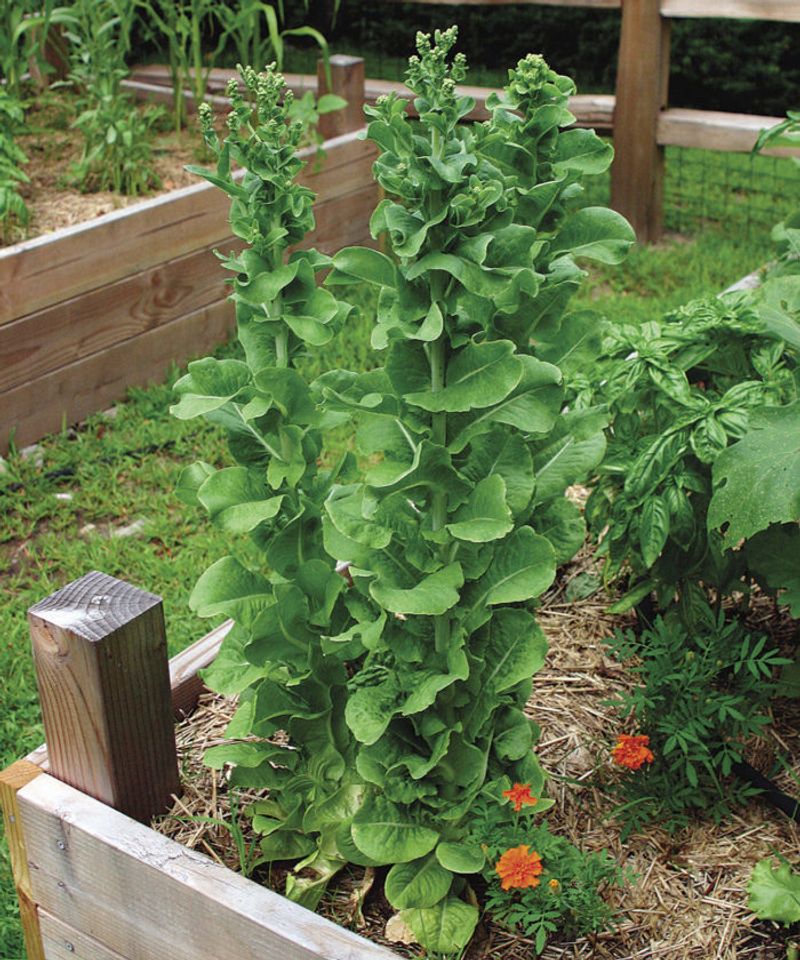
Healthy lettuce usually holds itself together.
Leaf lettuce forms a low, full shape. Head lettuce stays compact. Romaine stands upright but still keeps its leaves gathered with purpose.
Bolting loosens that structure. The plant begins stretching upward, and the tidy center starts opening out.
Leaves angle differently. Instead of spreading in a neat rosette, they pull upward along the lengthening stem.
Gaps appear between leaves. That spacing is a strong sign that the plant is no longer focused on producing tender new foliage.
Compare it with younger plants nearby. A younger lettuce plant will look squat, full, and leafy, while a bolting plant looks taller and more open.
Warm days can move the process fast. Once the center begins stretching, the plant may gain height quickly.
Green leaves can still be misleading. A bolting plant may look healthy from a distance while the structure is already changing.
Morning checks help. During hot Michigan spells, looking every day gives you a better chance to catch lettuce before it becomes too tough.
The shape tells the story before flowers do.
When the rosette opens, harvest time is closing in.
4. Flowers Are Coming Soon
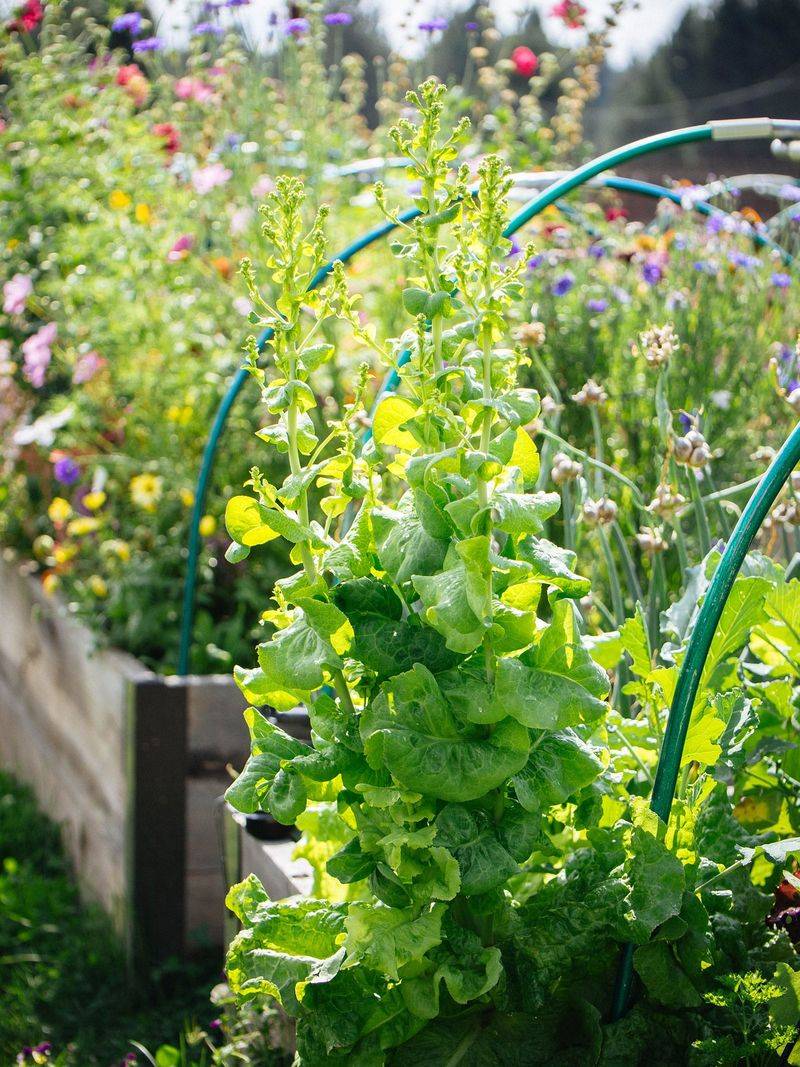
Flower buds mean the lettuce is nearly finished as a leaf crop.
Once a branching stalk forms from the center, small buds usually follow quickly. Lettuce flowers are small, yellow, and similar to tiny dandelion blooms.
The stalk starts branching. That separates late bolting from a simple stretched center stem.
Buds may open fast. Warm weather can move lettuce from bud to flower in a very short time.
Pollinators may visit. Bees and other insects can use the flowers, so one plant left in a quiet corner can have some value.
Seed saving is possible. A healthy plant from an open-pollinated variety can be left to mature seed, but keep in mind that nearby lettuce may affect seed purity.
Most garden beds need the space. For fall planting, it usually makes more sense to pull bolted lettuce before seeds scatter.
Remove roots and all. Clearing the whole plant gives the next crop a cleaner start.
Bag plants with mature seed heads. That keeps unwanted lettuce seedlings from spreading through the bed next season.
Flowers are not a failure.
They are simply the sign that this lettuce crop has moved past its best eating stage.
5. Harvest Tender Leaves Quickly
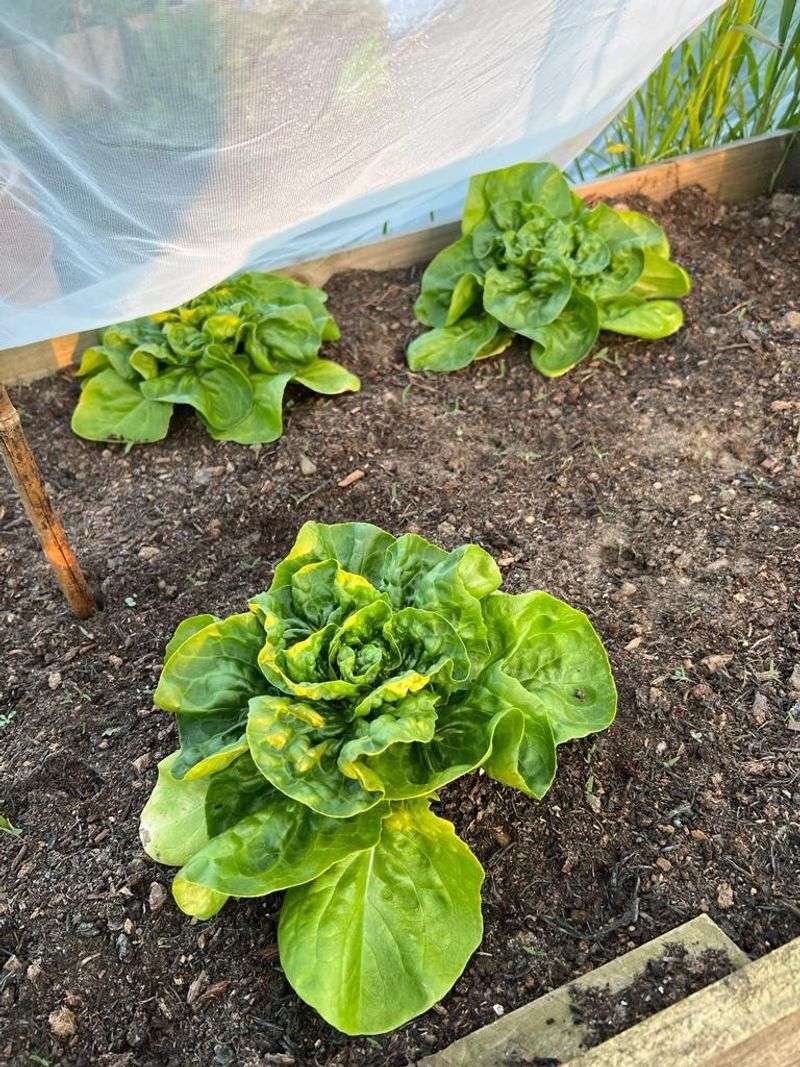
Early morning is the best time for a final harvest.
Leaves are cooler, firmer, and better hydrated before the day heats up. That helps them stay crisp after cutting.
Start with the best leaves. Choose young, tender, clean leaves that still taste mild.
Work from the outside inward. Larger outer leaves may still be usable, especially before bitterness becomes strong.
Check the inner growth too. The youngest leaves near the crown can remain pleasant for a short time after the first bolting signs appear.
Use clean scissors or a sharp knife. A clean cut keeps the harvest tidy and avoids tearing leaves you want to keep.
Cool the leaves quickly. Rinse in cold water, spin or pat dry, and refrigerate soon after harvest.
Pull plants that are too tough. Once leaves are woody, sharply bitter, or stretched around a flower stalk, the bed is more useful for the next crop.
Refresh the open spot. Loosen the surface, add a thin layer of compost, and water lightly before replanting.
Bolted lettuce still gives one last chance.
Take the usable leaves now, then let the fall garden move in.
6. Plant Spinach For Cool Nights
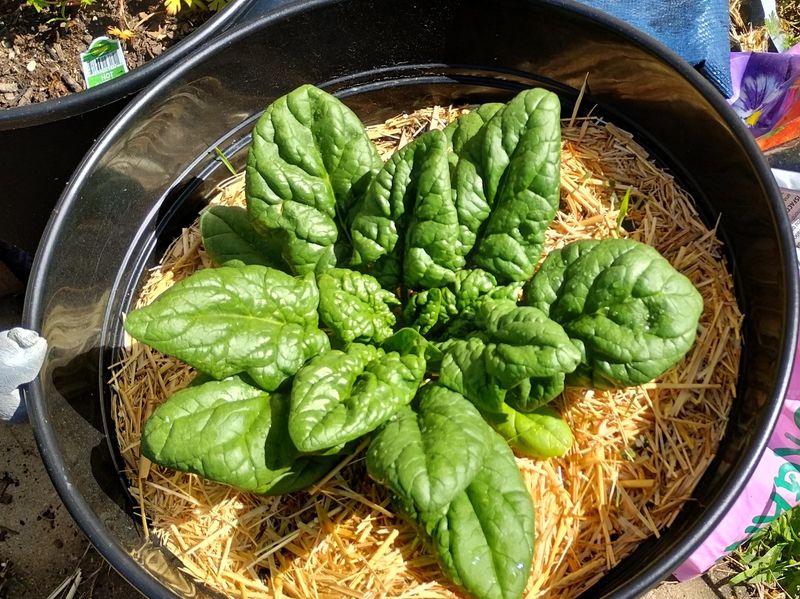
Spinach is a natural follow-up after summer lettuce.
It prefers cooler conditions and can handle Michigan’s fall weather better than heat-sensitive lettuce. Once nights begin cooling, spinach becomes much easier to grow.
Timing matters. In southern Michigan, late July through mid-August can work for fall spinach, while northern gardeners usually need the earlier end of that window.
Cooler soil improves germination. Spinach struggles to sprout in very hot soil, so shade cloth or light mulch can help keep the seedbed more comfortable.
Sow shallowly. Plant seeds about half an inch deep and keep the top layer evenly moist until seedlings emerge.
Thin for strong plants. Crowded spinach stays small and weak, so give seedlings a few inches of space once they grow.
Choose quick varieties. Fast-maturing types give Michigan gardeners a better chance at a fall harvest before deep cold arrives.
Light frost can improve flavor. Spinach often tastes sweeter after cool weather settles in.
Row cover extends the season. A light cover can protect young plants from insects first, then cold later.
Spinach turns a cleared lettuce bed into a second act.
It likes the weather that made lettuce quit.
7. Sow Radishes For Speed
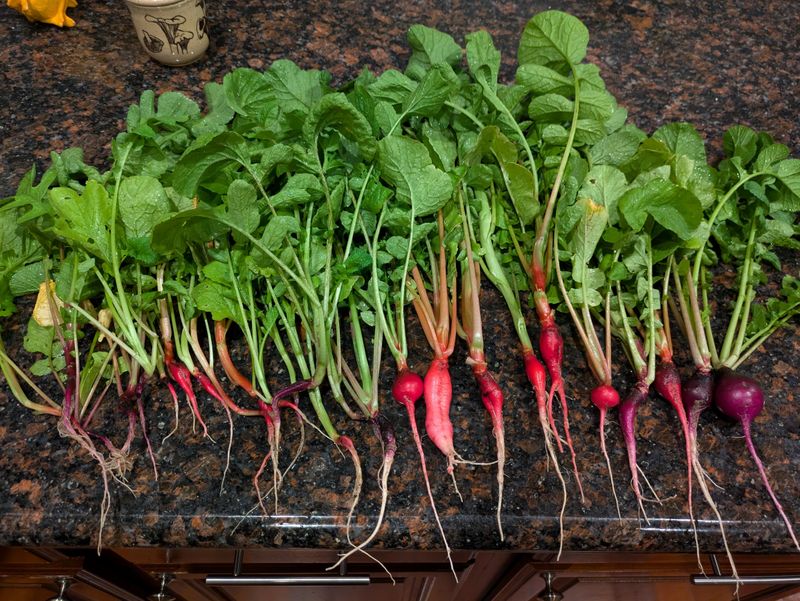
Radishes are the fast answer for empty lettuce space.
Few crops move from seed to harvest as quickly, which makes them perfect after bolted lettuce comes out in late summer.
Many varieties mature in under a month. That gives Michigan gardeners a useful harvest even with frost waiting later in the season.
Warm soil helps seeds sprout quickly. The roots develop best as days begin cooling, so late summer timing can work beautifully.
Keep moisture steady. Dry swings followed by heavy watering can lead to cracked, tough, or overly sharp roots.
Sow seeds about half an inch deep. Space them lightly at first, then thin seedlings so roots have room to round out.
Thin early. Crowded radishes produce skinny or misshapen roots.
Use mulch lightly. A thin layer helps hold moisture and keeps the soil surface from crusting.
Harvest on time. Radishes left too long can turn pithy and harsh, especially after warm spells.
Radishes are the crop for gardeners who want quick proof that the bed is still useful.
They turn a bolted lettuce patch into harvest space again in just a few weeks.
8. Start Kale For Fall Harvests
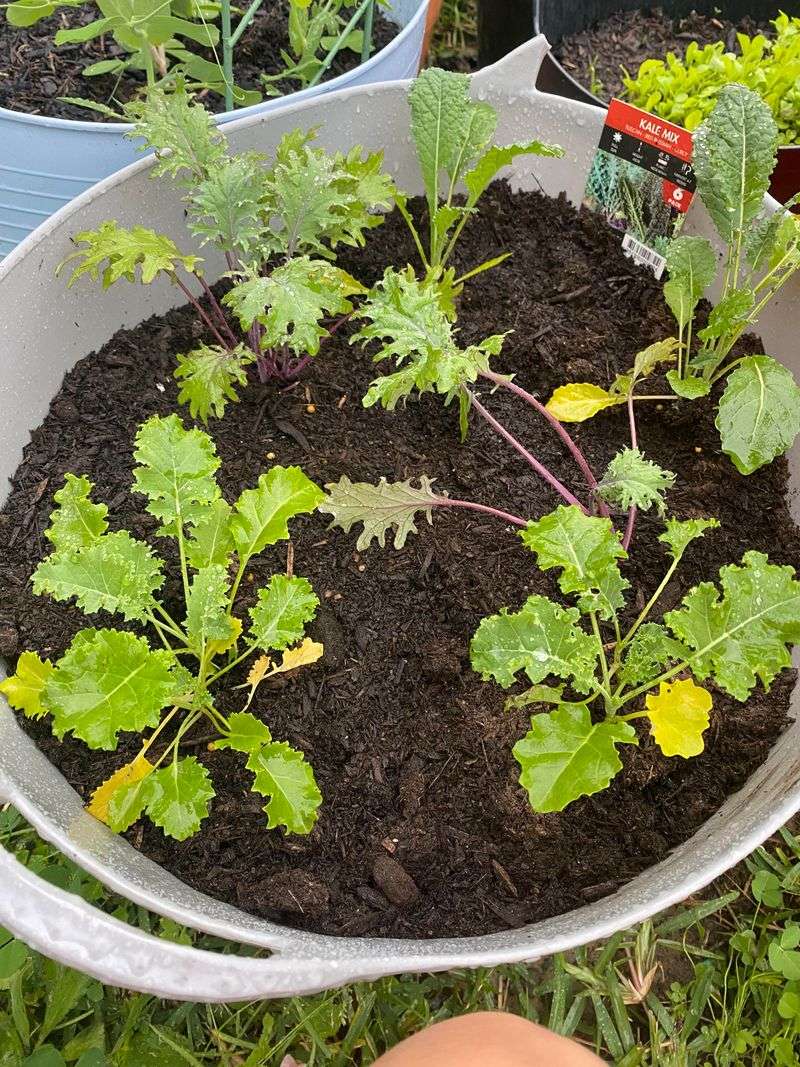
Kale takes over when lettuce loses the season.
It handles cool weather, light frost, and shorter days with much more confidence. That makes it one of the best crops to plant after a summer lettuce patch fades.
Transplants save time. In many Michigan gardens, setting out young kale plants works better than waiting for seed to reach size late in the season.
Direct sowing can still work in warmer areas. Southern Michigan gardeners may have enough time with quick varieties and good late-summer moisture.
Give plants space. Kale needs room for airflow, broad leaves, and steady growth, so avoid crowding it into the old lettuce spacing.
Watch for cabbage worms. Check leaf undersides often, especially while plants are young and tender.
Row cover helps. It protects new plantings from insects early and can provide extra cold protection later.
Harvest outer leaves first. The center keeps growing while you pick from the outside, giving repeated harvests.
Cold improves flavor. Fall kale often tastes sweeter after chilly nights arrive.
Kale is the dependable follow-up.
When lettuce bolts from heat, kale waits for the cool weather and gets better as the season turns.
9. Sow Arugula For Fast Fall Greens
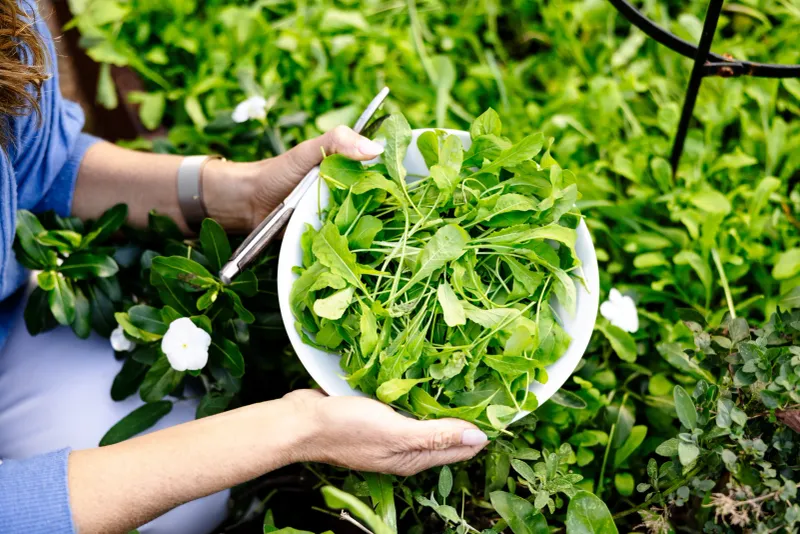
Arugula is another quick crop for a cleared lettuce bed.
It grows fast, likes cooler weather, and brings a peppery bite that feels perfect in fall salads, sandwiches, and grain bowls.
Seed it directly. Arugula does not need much fuss, and it usually performs best when sown right where it will grow.
Keep the soil evenly moist. Warm late-summer soil can dry at the surface quickly, and small seeds need steady moisture to sprout well.
Give it light shade during hot spells. A bit of row cover or afternoon protection can help seedlings establish before cooler September weather arrives.
Harvest young leaves. Baby arugula is tender and mild compared to older leaves, which can turn stronger and sharper.
Sow a small patch every week or two. Succession planting keeps fresh leaves coming instead of giving you one big harvest all at once.
Watch flea beetles. Tiny holes in the leaves can appear quickly, so row cover is useful right after sowing.
Arugula is the fast, flavorful follow-up.
When lettuce bolts, this crop can step into the same space and keep the salad bowl going.