This Is How To Get Dahlias Blooming Like Crazy In Your Ohio Garden
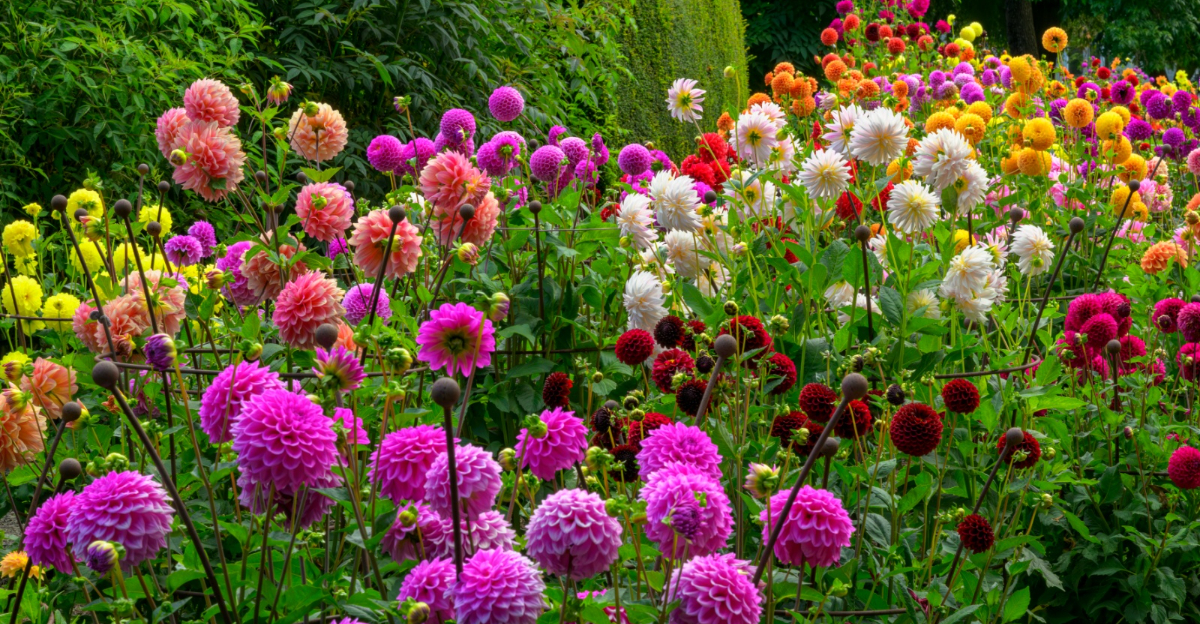
Few flowers dare to bloom this boldly, yet you can grow them anyway. You don’t need tropical weather to grow show-stopping dahlias in Ohio. Your garden can rival any professional display with the right approach and effort.
Storms, heat, and sudden frosts test your Ohio garden each year. Timing and soil prep decide whether your blooms dazzle or disappoint. Feeding your tubers correctly fuels growth that neighbors will notice instantly.
Watering habits decide whether your stems stand tall or collapse under pressure. Protecting your plants carefully from sudden storms keeps months of effort intact.
Saving your tubers properly means next year starts even stronger. Confidence grows the moment you see your biggest bloom open wide. Every detail you master now pays off through late summer color.
Patience matters, but your effort will outshine every doubting neighbor’s yard. Ignore any single step here, and your dahlias will make you regret it.
Why Ohio’s Climate Makes Dahlias Worth The Extra Effort
Ohio weather shifts quickly and unpredictably. One week brings intense sun, the next brings a storm strong enough to damage unstaked plants.
Dahlias, originally from Mexico, actually thrive in warm summers with cool nights. Ohio delivers exactly that kind of contrast from July through September.
Most of the state sits in USDA hardiness zones 6a through 6b, with small pockets of the colder zone 5b and the warmer zone 7a near Lake Erie, which means dahlias grow as warm-season annuals here.
You plant them after frost, enjoy months of color, then dig them up before winter arrives. That extra effort pays off in a big way.
Few garden flowers offer as wide a range of bloom sizes, forms, and colors as dahlias do during an Ohio summer.
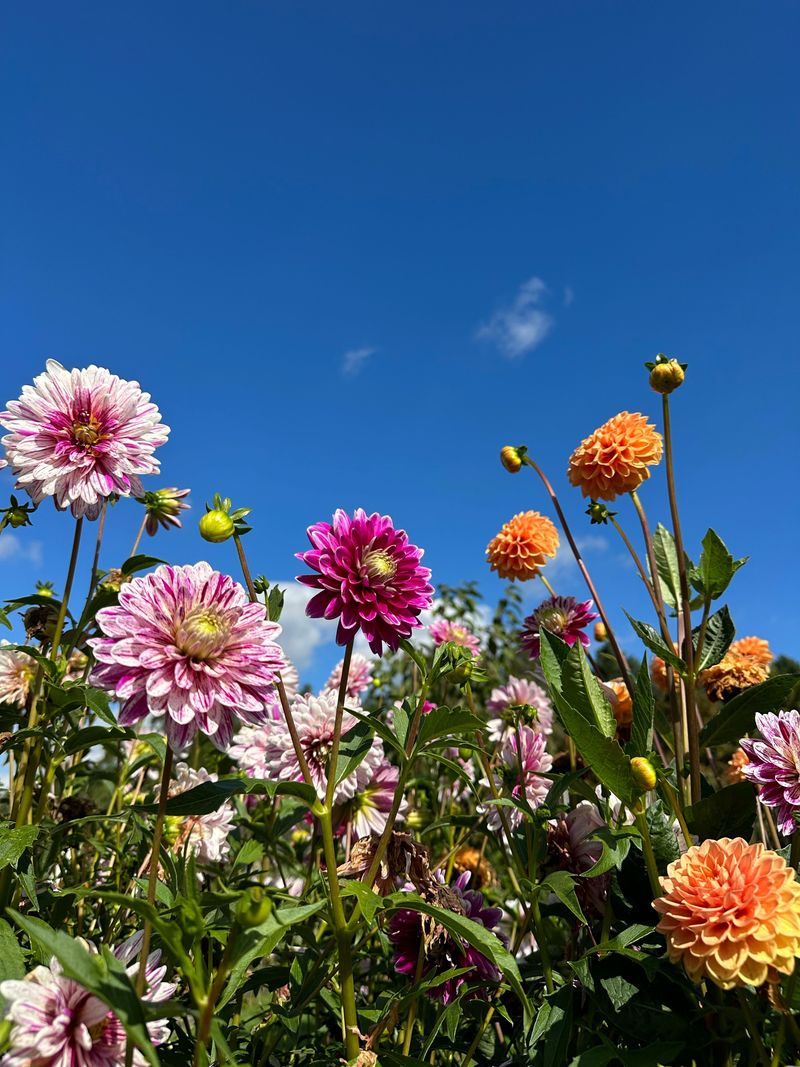
Gardeners who commit to the process are rewarded with flowers that range from dinner-plate size to tiny pompoms. Colors span every shade except true blue, giving you endless combinations to play with.
Getting dahlias to bloom fully starts with understanding why this climate actually works in your favor. Ohio’s warm days and cool nights trigger the kind of flower production that makes neighbors stop their cars to stare.
Choosing The Right Dahlia Varieties For Ohio Summers
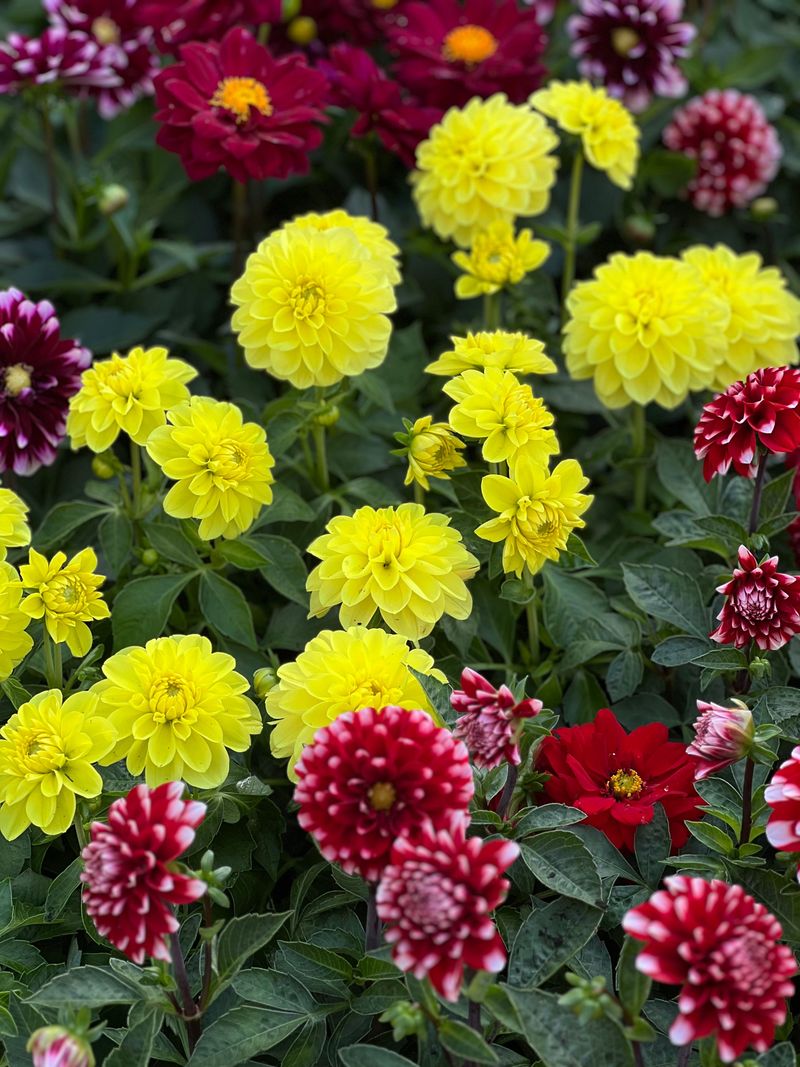
Not every dahlia handles Ohio’s heat and humidity with equal grace. Picking the right variety from the start saves you a season of frustration and wasted effort.
Dinner-plate dahlias like ‘Cafe au Lait’ and ‘Thomas Edison’ are absolute showstoppers and handle Ohio summers beautifully. Their large root systems anchor them against afternoon storms better than smaller types.
Ball dahlias and pompon types are also excellent choices for Ohio gardens. They produce dozens of tight, round blooms on sturdy stems that resist flopping even in heavy rain.
Decorative dahlias like ‘Kelvin Floodlight’ and ‘Mystic Spirit’ offer a middle ground between size and resilience. These mid-sized bloomers tend to flower earlier, which is a smart advantage in a state where fall frost arrives before you expect it.
Your Ohio Garden Changes Every Week. Your Plan Should Too.
Gardening in Ohio changes quickly throughout the season. Every Friday you’ll receive a simple weekly plan showing exactly what to plant, prune, fertilize, harvest, and protect so you never miss the right timing.
Avoid very tall, single-stem varieties if your yard gets strong afternoon winds. Stick with compact or medium-height selections that stay under four feet for easier staking and storm protection.
Local garden centers across the state often stock Ohio-proven varieties that nursery staff have tested themselves. Ask which ones performed best last season and trust that firsthand knowledge when building your collection.
Planting Time And Site Prep For Maximum Blooms
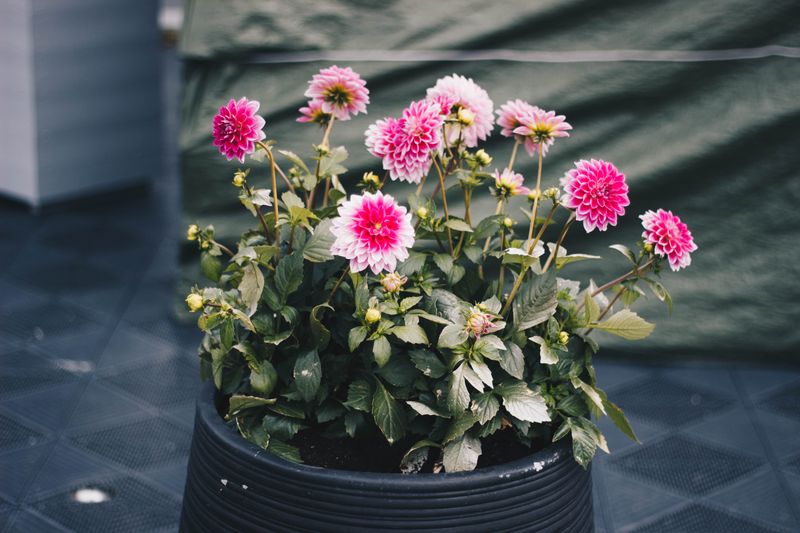
Timing is everything when planting dahlias in Ohio, and getting it wrong means waiting an extra year to try again. Tubers rot in cold, wet soil, so patience in spring is not optional.
Wait until soil temperature reaches at least 60 degrees Fahrenheit before planting. In most parts of the state, that falls between mid-May and early June depending on your county.
Choose the sunniest spot in your yard because dahlias demand at least six to eight hours of direct sunlight daily. Shaded plants produce weak stems and far fewer blooms, no matter how well you feed them.
Soil prep makes or breaks your results before a single tuber goes in the ground. Work in two to three inches of compost along with a low-nitrogen fertilizer to create the loose, rich environment dahlias love.
Plant tubers horizontally about four to six inches deep with the eye facing upward. Space them at least eighteen inches apart so air can circulate freely between plants as they grow.
Good drainage is non-negotiable because tubers sitting in standing water will rot within days. Raised beds or slightly mounded rows solve drainage problems and warm up faster in spring, giving you a head start on the season.
Feeding And Watering For Nonstop Flowering
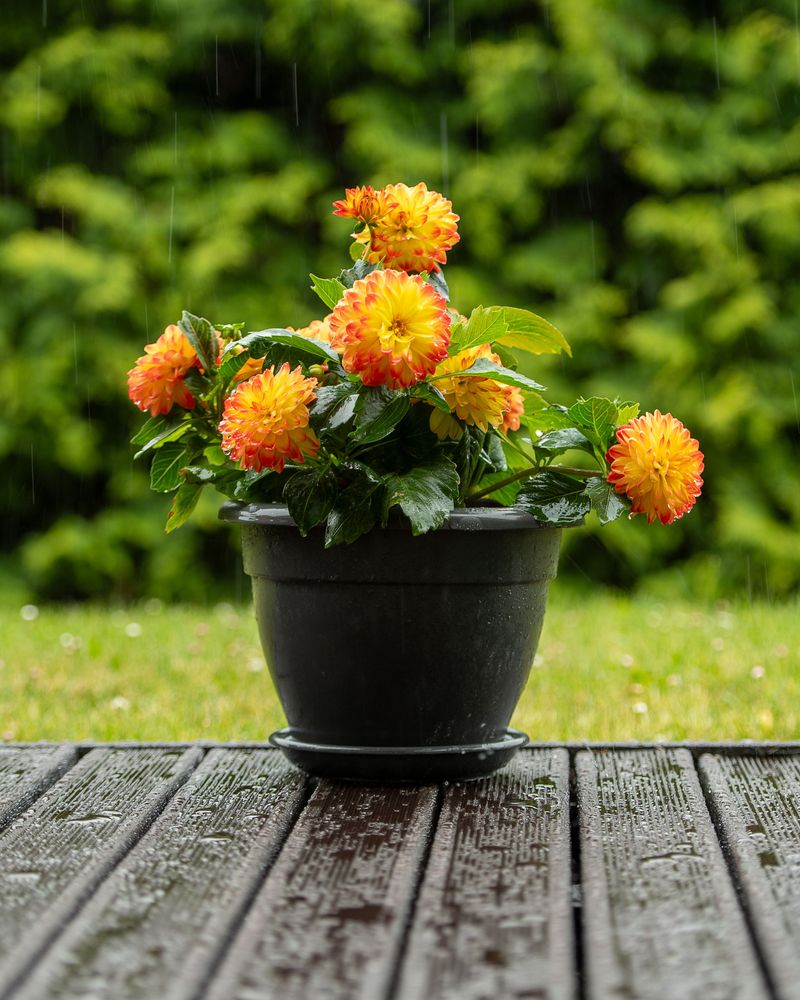
Dahlias are hungry, thirsty plants that respond dramatically to good feeding and consistent moisture. Neglect either one and your blooms shrink fast.
Start with a low-nitrogen fertilizer when plants are young to encourage strong root development. Too much nitrogen early on pushes leafy growth at the expense of flowers, which is the opposite of what you want.
Once plants reach about twelve inches tall, switch to a phosphorus-heavy formula like a 5-10-10 blend. Phosphorus is the nutrient most directly linked to flower production, and dahlias will reward that shift with a noticeable bloom surge.
Water deeply two to three times per week rather than giving shallow daily drinks. Deep watering encourages roots to grow downward, making plants sturdier and more drought-resistant during Ohio heat waves.
Mulch around the base of each plant with two to three inches of shredded wood or straw. Mulch locks in soil moisture, regulates temperature, and cuts down on the watering frequency you need to maintain.
Avoid wetting the foliage when you water because damp leaves invite fungal problems that spread quickly in Ohio’s humid summers. A soaker hose or drip line delivers moisture right to the root zone where it does the most good for nonstop flowering.
Pinching And Disbudding To Multiply Your Blooms
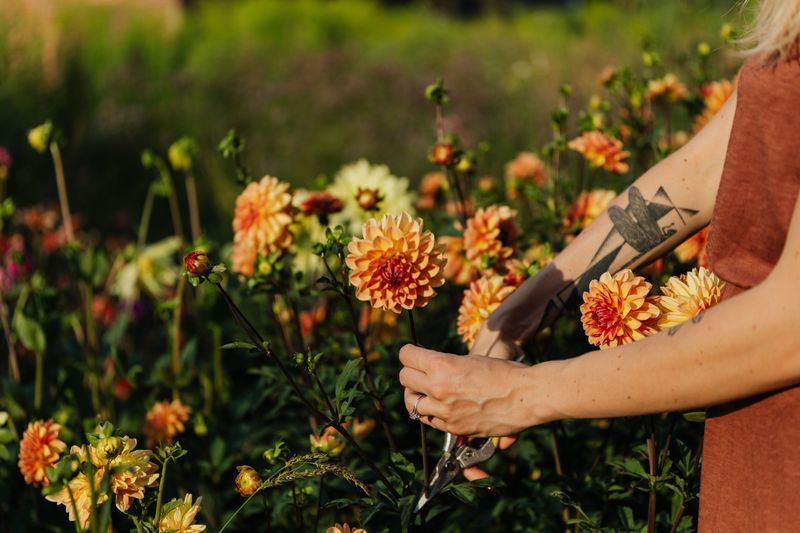
Most gardeners skip pinching because it feels wrong to cut a healthy plant. That one mistake can cut your total bloom count in half for the entire season.
When your dahlia plant reaches about twelve inches tall, pinch out the central growing tip just above a set of leaves. This single action forces the plant to branch out and produce multiple stems instead of just one.
More stems mean more flower buds, and more buds mean a fuller, more spectacular display from midsummer through frost. Plants that are pinched correctly can produce noticeably more blooms than unpinched ones.
Disbudding is a separate technique used when you want fewer but larger flowers. Remove the two smaller side buds flanking each main bud, and the plant channels all its energy into that central bloom.
For dinner-plate varieties, disbudding produces those enormous show-stopping flowers that can reach twelve inches across. For garden display rather than cut flowers, skip disbudding and let all buds develop naturally for a fuller look.
Getting dahlias to bloom fully in your garden almost always involves pinching early and staying consistent with removing spent blooms throughout the season. Remove spent blooms every few days and new ones appear faster than you might expect.
Protecting Dahlias Through Ohio Storms And Heat Waves
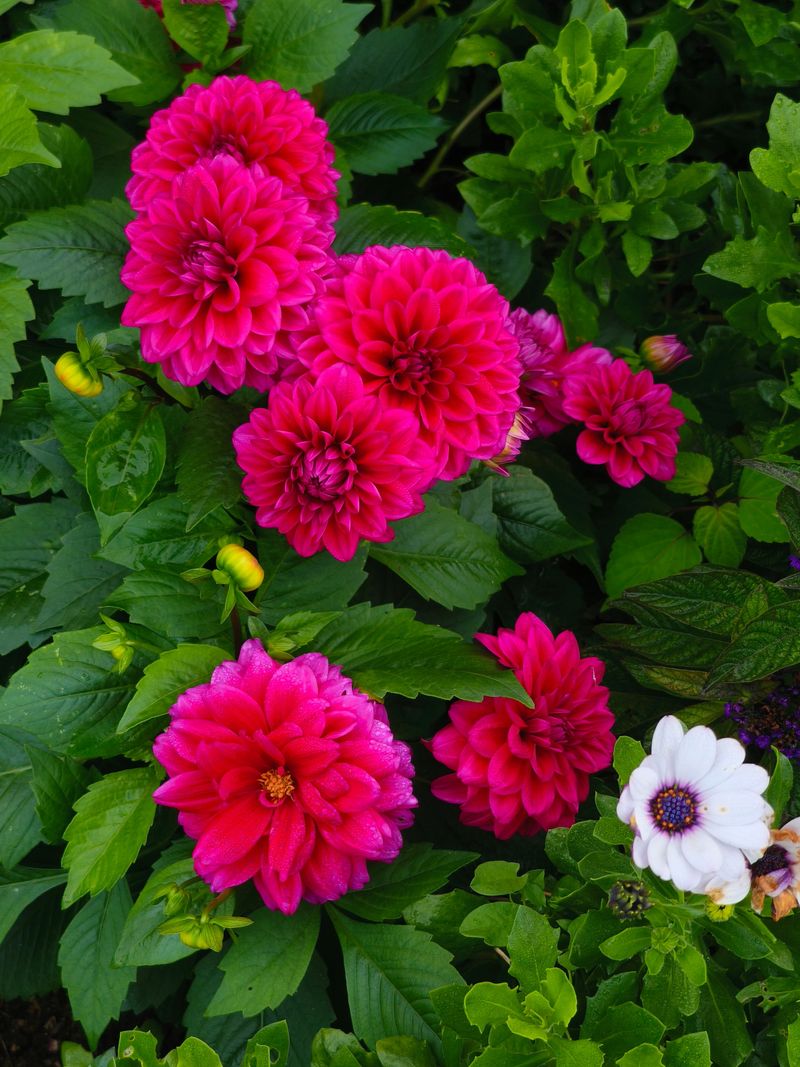
Ohio summers can turn quickly, and a fast-moving thunderstorm can snap unstaked dahlia stems. A few minutes of prep can prevent significant storm damage.
Stake every plant when it reaches about eighteen inches tall, before it actually needs support. Waiting until stems lean means you are already behind and risking damage with every gust of wind.
Use bamboo stakes or metal garden posts placed close to the main stem without piercing the tuber below. Tie stems loosely with soft garden twine or stretchy plant tape so they can flex slightly without snapping.
Heat waves above 90 degrees Fahrenheit slow bloom production and can cause buds to drop before opening. Providing afternoon shade with a light shade cloth during extreme heat events protects both buds and foliage from scorching.
Water more frequently during heat spikes because soil dries out faster and plants stress quickly without adequate moisture. Early morning watering gives foliage time to dry before evening, reducing fungal risk during humid Ohio nights.
After any major storm, walk your garden and gently straighten stems that have shifted in the wind. Catching problems early prevents permanent bending and keeps your plants pointed toward the sun where they belong.
Fall Care And Storing Tubers Over Winter
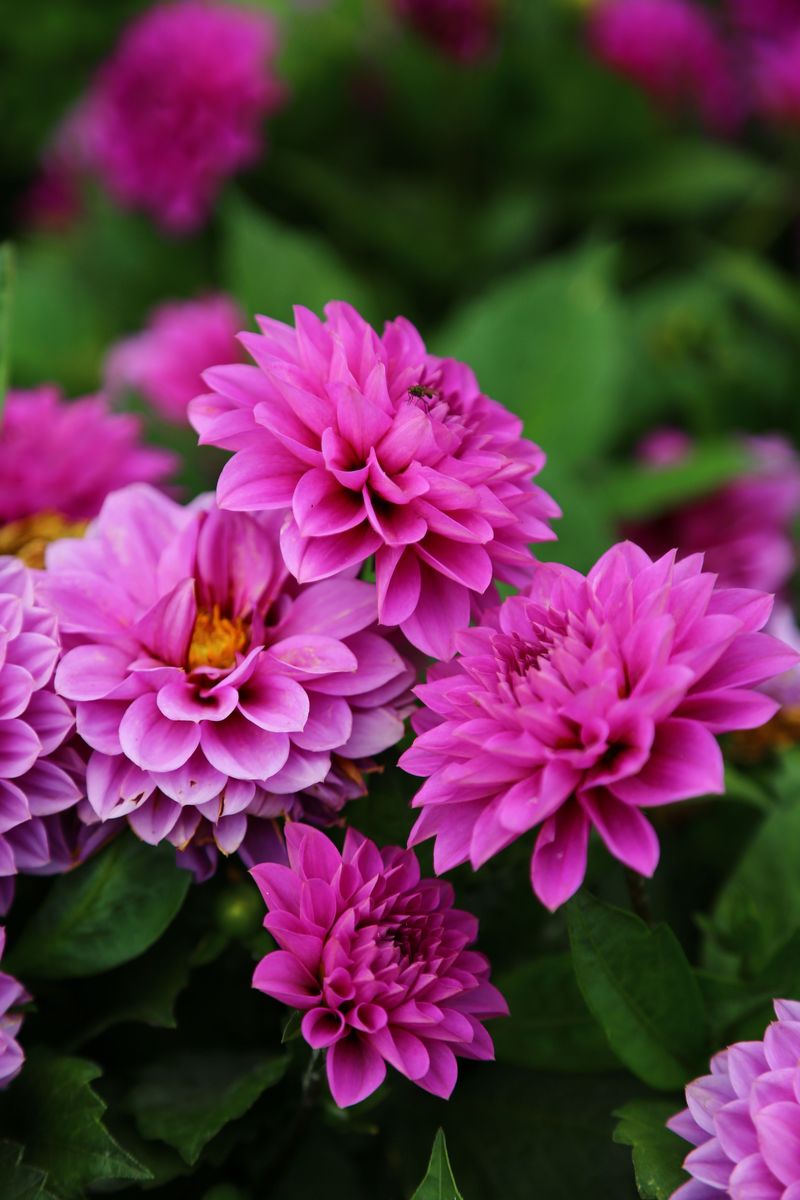
When the first frost blackens your dahlia foliage, the growing season has ended. What comes next determines how well your dahlias return next year.
Wait two weeks after the first frost before digging up your tubers. That brief waiting period allows starches to move from the stems down into the tubers, making them stronger and more viable for storage.
Cut stems back to about four inches above the soil before digging carefully around the clump. Use a garden fork rather than a spade to avoid slicing through tubers, which creates entry points for rot during storage.
Rinse clumps gently with a hose and let them dry in a shaded, well-ventilated space for two to three days. Never leave freshly dug tubers in the sun because they shrivel quickly and lose viability.
Pack dried tubers in a box or crate filled with peat moss, dry vermiculite, or shredded newspaper. Store the container in a cool, dark space between 40 and 50 degrees Fahrenheit, like a basement or attached garage.
Check tubers once a month through winter and discard any that feel mushy or show mold. Come spring, getting dahlias to bloom fully in your Ohio garden starts all over again with healthy, well-rested tubers ready to go.