The Simple Summer Habit That Keeps Georgia Rose Of Sharon Blooming Longer
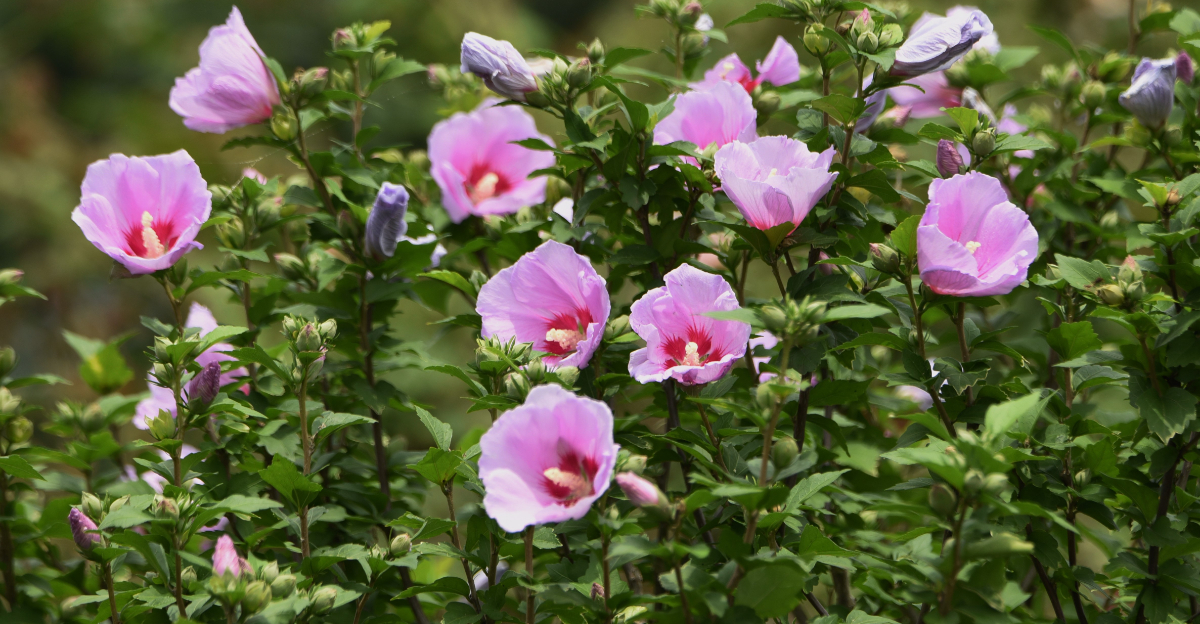
Plenty of shrubs begin slowing down as summer wears on, but Georgia Rose of Sharon can keep producing colorful blooms with the right care. One simple habit makes a noticeable difference.
New flowers continue forming throughout the season. Giving the plant a little attention helps it focus on making even more.
Many gardeners skip this step because the shrub already looks healthy. That small oversight can lead to fewer blooms over time.
The good news is that it takes only a few minutes. Done consistently, it encourages a longer and more impressive display.
You do not need expensive products or complicated techniques to see the results. Timing matters much more than effort.
Keeping this easy habit throughout the season helps your shrub stay colorful well into late summer.
It is one of the simplest ways to enjoy more blooms before the season begins to wind down.
1. Remove Spent Flowers Before Seed Pods Form
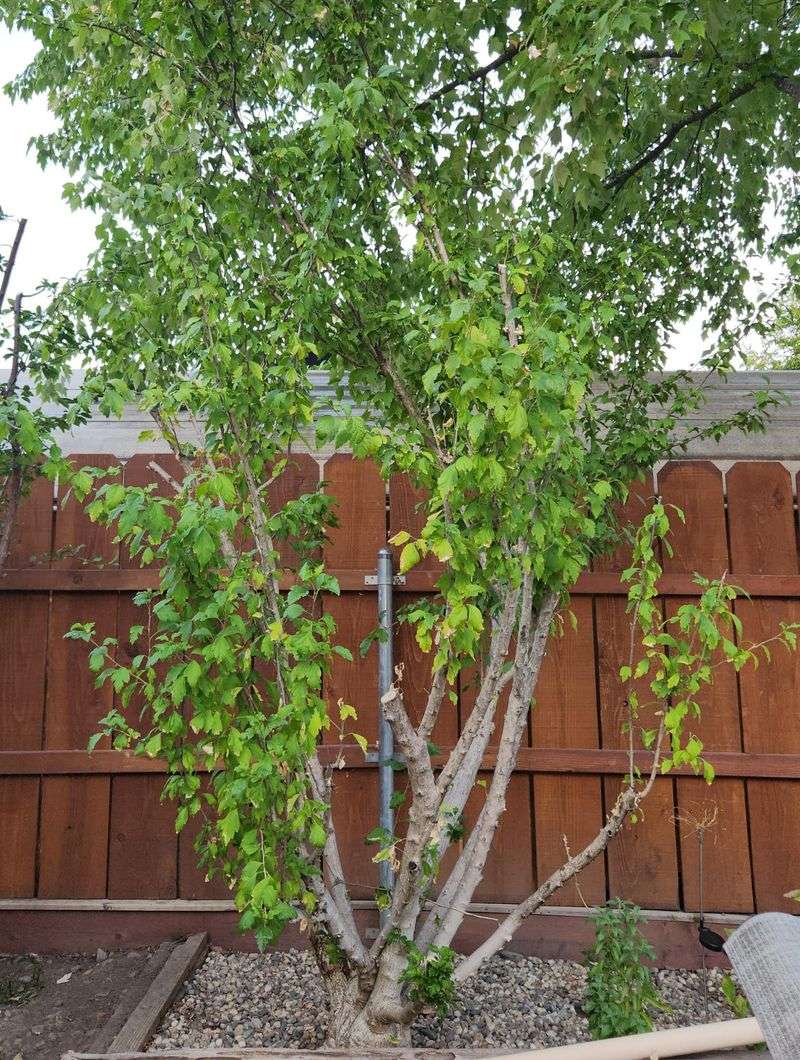
Spent blooms left on the shrub will turn into seed pods fast. Once that happens, the plant shifts its energy toward making seeds instead of new flowers.
Deadheading is simply removing those old, faded blooms before the pod forms. Pinch or snip them off right at the base of the flower.
It takes only a few minutes each week.
Doing this regularly can encourage the plant to keep producing fresh buds. It is not a guaranteed fix, but most gardeners notice a real difference in bloom count when they stay on top of it.
Rose of Sharon can produce a surprising number of seeds. If you have ever found dozens of seedlings popping up in your garden beds, you know exactly what that looks like.
Removing spent flowers also helps keep the shrub looking tidy. A clean, well-maintained plant just looks better in the landscape.
Plus, it gives you a chance to check the branches for any signs of stress or damage while you are out there.
Start checking your shrub every few days once blooming begins. Make it part of your regular garden walk.
A small habit like this can stretch your bloom season noticeably longer without a lot of extra effort.
2. Water Thoroughly During Long Dry Spells
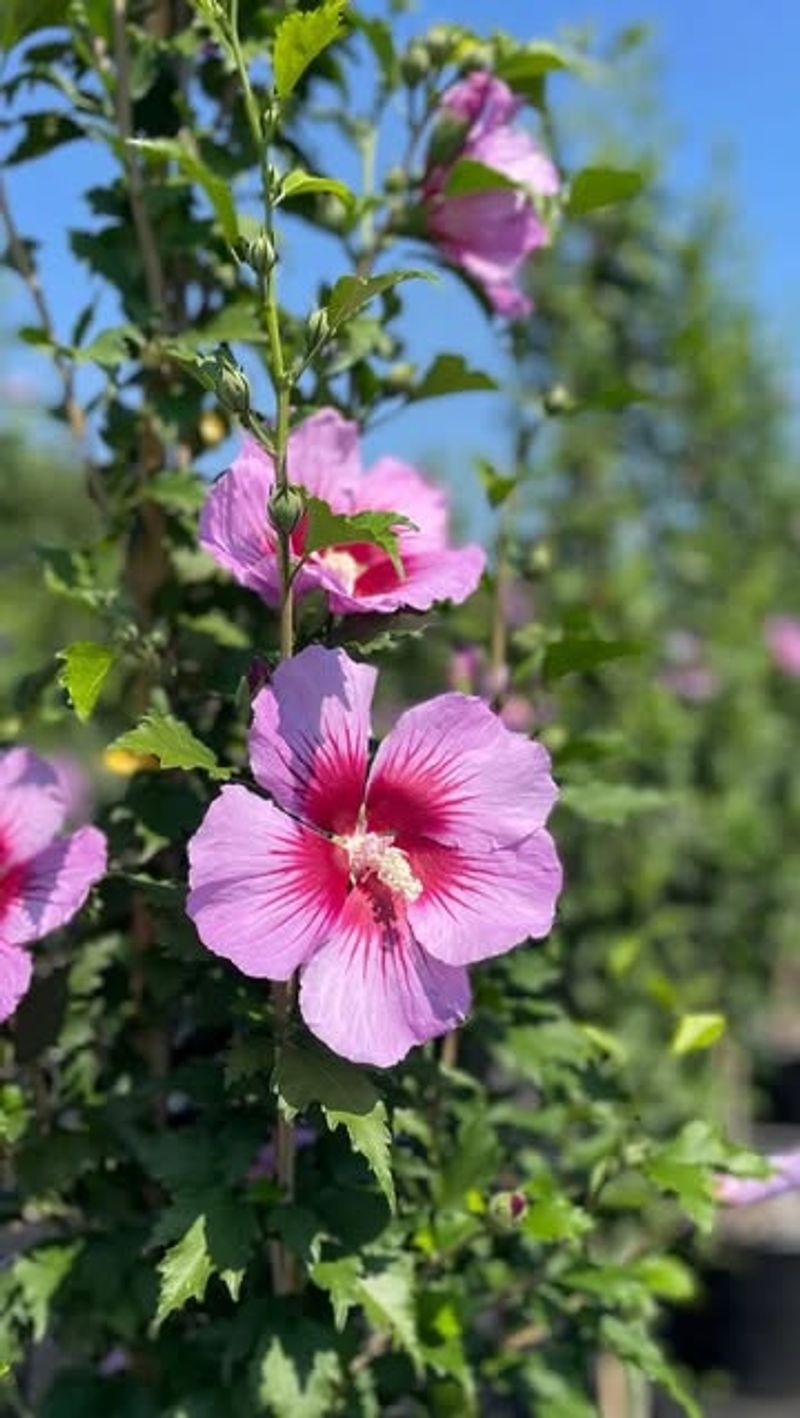
Summer heat can be brutal on flowering shrubs. When rainfall drops off for a week or more, Rose of Sharon starts to feel it.
Dry soil stresses the plant and can cause buds to drop before they even open. That means fewer blooms and a shorter season overall.
Deep watering is more helpful than a quick surface rinse. Slow, thorough watering lets moisture reach the roots where it actually matters.
A soaker hose or a slow trickle at the base works well for this.
Watering in the early morning is a smart move. It gives the foliage time to dry before evening, which helps reduce the chance of fungal issues, especially in humid conditions.
You do not need to water on a strict daily schedule. Check the soil a few inches down.
If it feels dry at that depth, it is time to water. Sandy soils dry out faster than clay-heavy ones, so your local soil type will affect how often you need to step in.
Your Georgia Garden Changes Every Week. Your Plan Should Too.
Gardening in Georgia changes quickly throughout the season. Every Friday you’ll receive a simple weekly plan showing exactly what to plant, prune, fertilize, harvest, and protect so you never miss the right timing.
Established shrubs have deeper roots and can handle short dry periods better than younger ones. Still, even mature plants benefit from a good soak during extended dry stretches.
Consistent moisture during peak bloom season helps flowers last longer and keeps the plant looking strong.
3. Full Sun Produces The Most Blooms
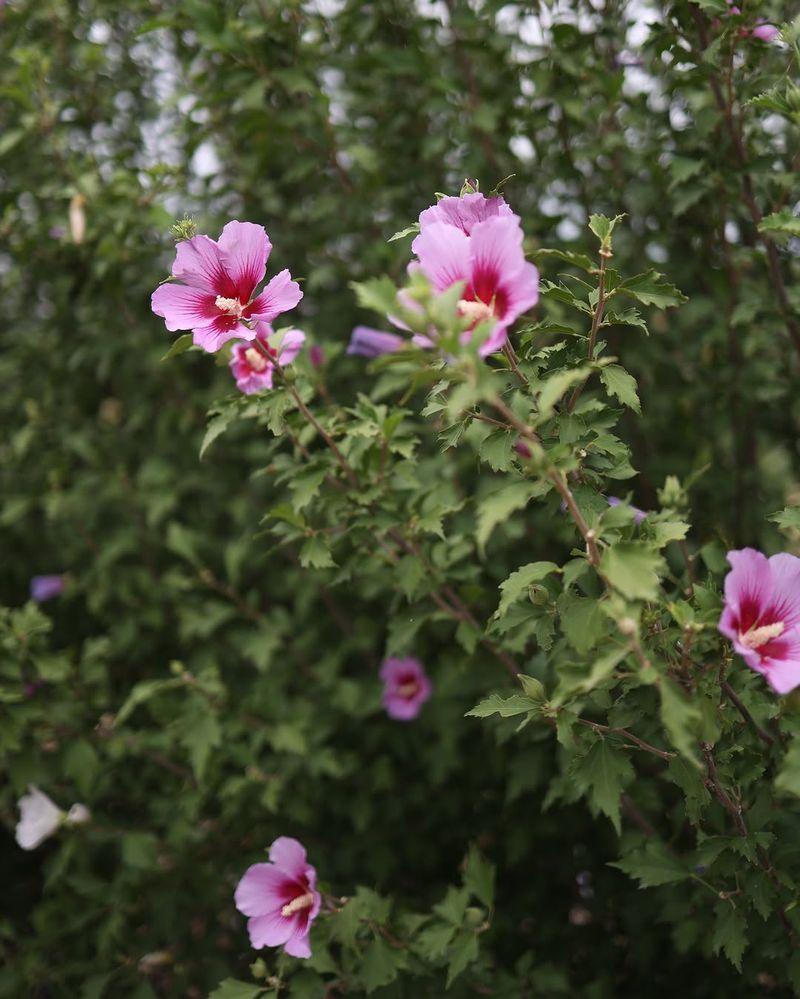
Shade is one of the biggest reasons a Rose of Sharon underperforms. When a shrub sits in too much shadow, bloom production drops noticeably.
Full sun means at least six hours of direct sunlight each day. Morning sun with a little afternoon shade can work in hotter climates, but more sun generally means more flowers.
If your shrub is getting crowded by nearby trees or structures, it might be worth stepping back and reassessing its placement. Gradually increasing light exposure over time can help, though moving an established shrub is a bigger project.
Young plants are easier to relocate than older, well-rooted ones. If you are planting a new Rose of Sharon, choose the sunniest spot available in your yard.
Sunlight also affects how upright and full the plant grows. Shrubs reaching for light tend to get leggy and sparse.
A plant with good sun exposure stays more compact and bushy, which supports better blooming across the whole canopy.
In Georgia, summer sun is strong and consistent. Placing your shrub where it can take full advantage of that long daily light window gives it the best possible conditions for a long, productive bloom season.
Soil quality and water still matter, but light is often the starting point for real improvement.
4. Apply Mulch To Keep Soil Moist
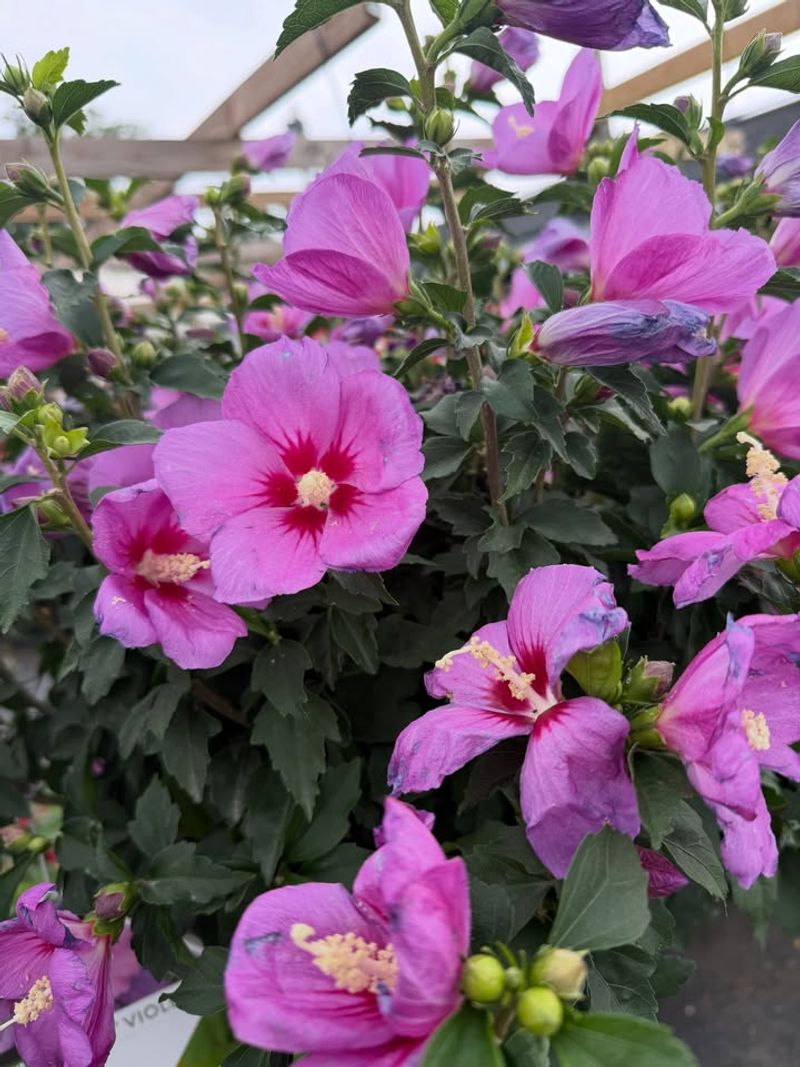
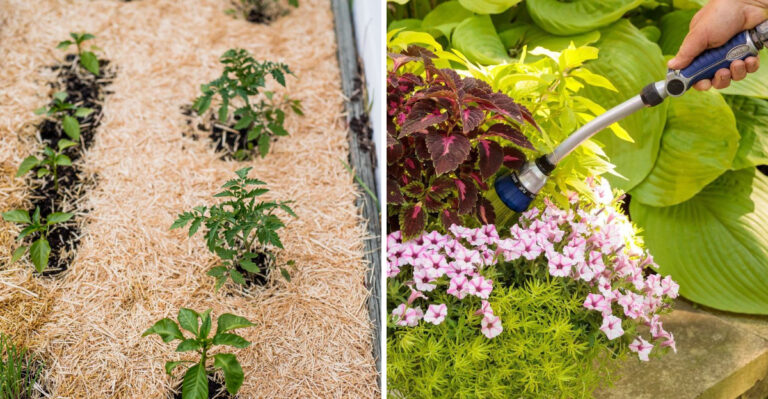
Bare soil loses moisture fast in summer heat. A layer of mulch around your shrub acts like a protective cover that slows that process down considerably.
Wood chips, shredded bark, or pine straw all work well. Spread a two to three inch layer around the base of the plant.
Keep the mulch a few inches away from the main stem to allow air circulation.
Mulch does more than hold moisture. It also helps moderate soil temperature.
Roots stay cooler under a mulched surface, which reduces stress on the plant during peak summer heat.
In Georgia, where summer temperatures can climb high and stay there for weeks, that temperature buffer genuinely matters. Cooler roots support better nutrient uptake, which in turn supports more consistent flowering.
Organic mulches break down over time and add a small amount of nutrients back into the soil. Refreshing the mulch layer once or twice a season keeps it working effectively.
Weeds are also suppressed by a good mulch layer, which is a bonus. Fewer weeds mean less competition for the water and nutrients your shrub needs.
It is a low-effort step that pays off in multiple ways throughout the season. Adding mulch in late spring before the hottest months arrive is a practical habit worth building into your routine.
5. Avoid High Nitrogen Fertilizer In Summer
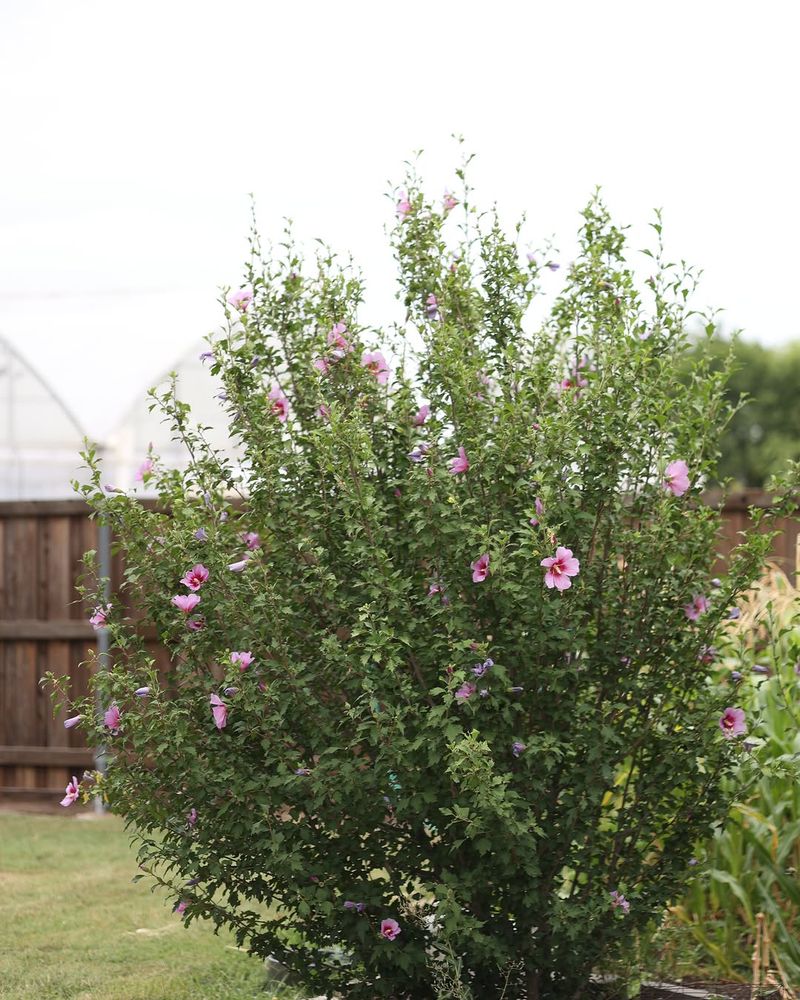
Fertilizer seems like a straightforward fix when a plant looks like it needs a boost. With Rose of Sharon, though, the type of fertilizer matters as much as whether you use it at all.
High nitrogen fertilizers push rapid green growth. That sounds good in theory, but in practice, it often comes at the expense of flowering.
The plant channels energy into leaves instead of buds.
Summer is already a high-energy time for the shrub. Adding a nitrogen-heavy product during active bloom season can throw off its natural balance.
You may end up with a lush, leafy shrub that produces fewer flowers than expected.
A balanced, slow-release fertilizer applied in early spring is a more measured approach. It feeds the plant gradually without spiking nutrient levels during the sensitive bloom period.
If your shrub looks healthy and is blooming well, it may not need supplemental fertilizer at all. Soil quality varies a lot by location, so a soil test can give you a clearer picture of what your specific plant actually needs.
Skipping fertilizer mid-summer is not neglect. It is actually a reasonable choice for a plant that is already in full bloom mode.
Less interference during that window often leads to a more consistent, longer-lasting flower display through the end of the season.
6. Avoid Heavy Summer Pruning
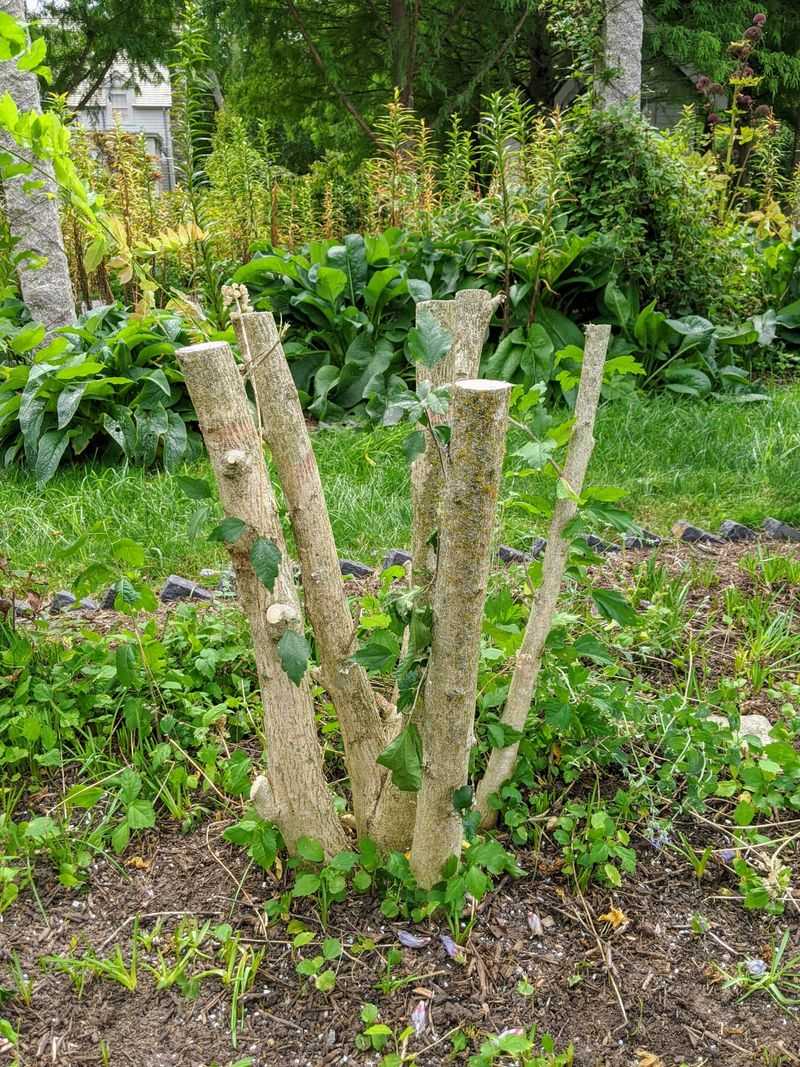
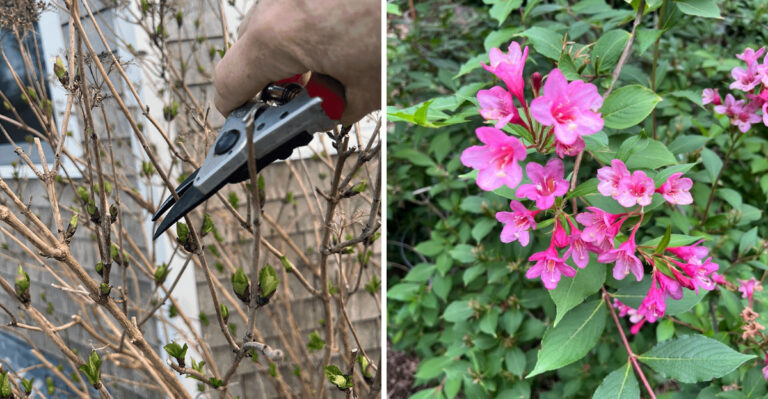
Picking up the pruning shears in the middle of summer feels productive, but timing matters a lot with Rose of Sharon. Heavy pruning during active bloom season can set the plant back significantly.
Rose of Sharon blooms on new growth from the current season. When you cut back large portions of the shrub mid-summer, you remove the very branches that are producing or preparing to produce flowers.
Light cleanup is fine. Removing a broken branch or trimming a stray shoot will not cause problems.
The issue is cutting back hard while the plant is in full swing.
Major pruning is better saved for late winter or very early spring, before new growth begins. At that point, you can shape the shrub without sacrificing the season’s blooms.
If you are in a situation where the shrub has gotten very large and needs significant reduction, consider doing it in stages over two or three seasons. Gradual reduction is gentler on the plant than a single aggressive cutback.
In Georgia, the growing season is long. Rose of Sharon has a real window to bloom from midsummer into fall, and that window closes faster when the plant is recovering from heavy pruning.
Protecting that growth by holding off on major cuts during summer is one of the simplest ways to extend the bloom season without any extra products or tools.
7. Healthy Plants Bloom Longer Into Fall
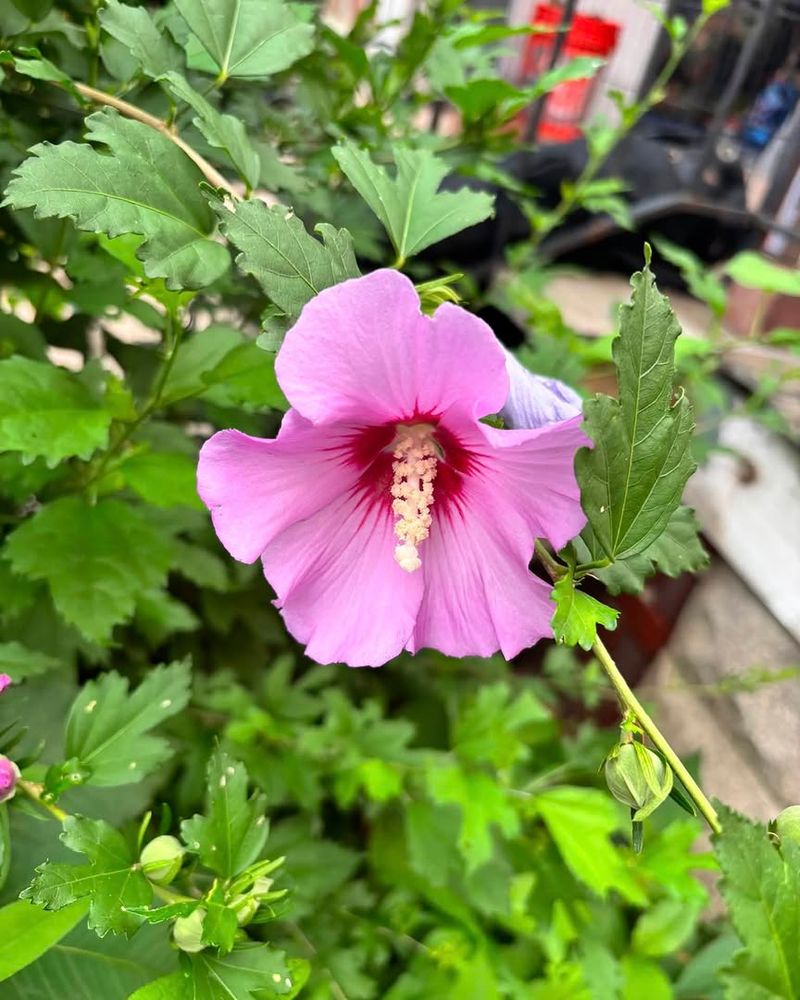
A stressed plant wraps up its bloom season early. When a shrub is well-fed, properly watered, and growing in good conditions, it tends to keep flowering well past when neglected plants have stopped.
Overall plant health is not one single thing. It comes from a combination of good soil, adequate moisture, appropriate light, and minimal stress from pests or disease.
Each piece supports the others.
Watch your shrub throughout the season. Yellowing leaves, wilting despite watering, or sparse bud production can all signal something is off.
Catching issues early gives you a chance to adjust before they affect the bloom cycle.
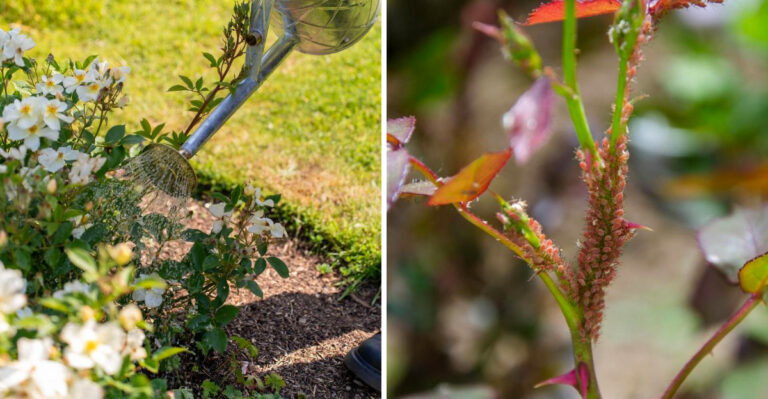
Common pests like aphids and Japanese beetles can impact Rose of Sharon. A healthy, vigorous plant tends to handle pest pressure better than a weak one, though it is not immune.
Check the leaves and stems regularly and address problems promptly.
Soil health is worth paying attention to over the long term. Compacted or nutrient-poor soil limits what any shrub can do, regardless of how well you manage the rest of its care.
In Georgia, fall can stay warm well into October. A healthy Rose of Sharon has a real shot at blooming through much of that stretch.
Building good habits from spring through summer sets the plant up to take full advantage of those extra weeks. Consistent, attentive care is what separates a short bloom season from a long one.