The Florida Garden Habit That Improves The Whole Yard Without Adding A Single New Plant
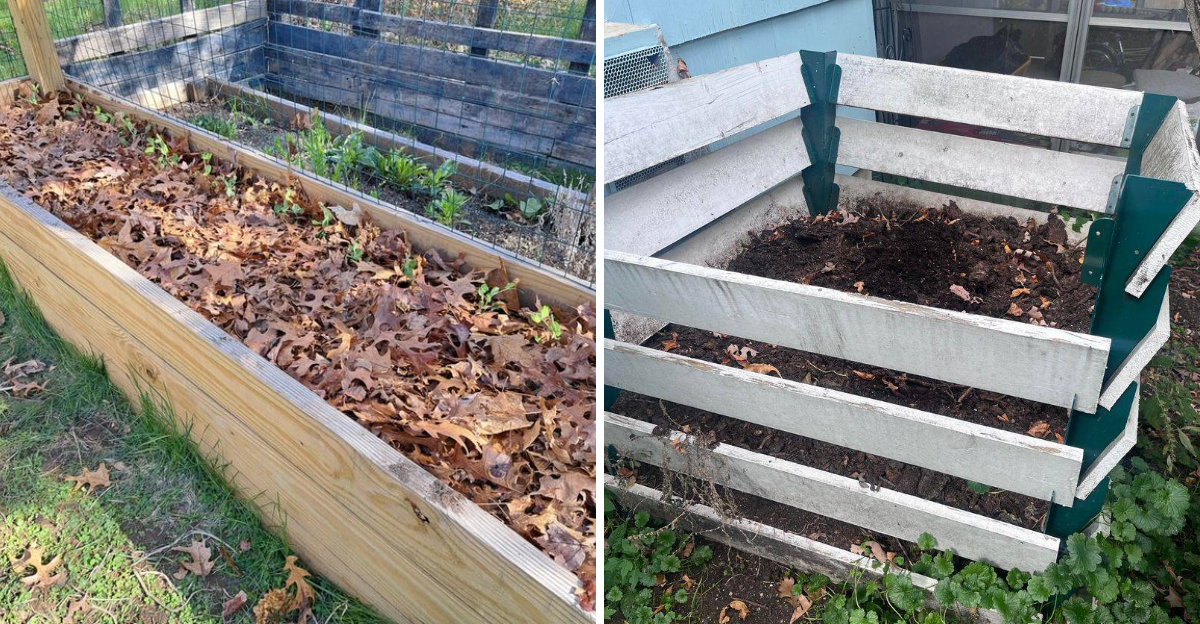
A healthier Florida yard may already be sitting in the rake pile.
Leaves, grass clippings, and clean plant trimmings often get treated like waste the moment they hit the ground.
They are swept into bags, dragged to the curb, or blown toward the street, even though most of that material still has work to do.
That work belongs in the yard.
Recycling suitable yard waste in place returns organic matter to the soil, protects bare ground, helps hold moisture, supports soil life, and reduces the need to haul away material your landscape can use again.
No new plants are required.
No fancy product has to come home from the garden center.
The habit is simple: stop treating every fallen leaf and fresh clipping like trash. Move clean organic material where it can break down safely, and keep it out of streets, drains, and plant crowns.
So what Florida garden habit improves the whole yard without adding a single new plant?
Recycle yard waste in place, then use each type of material where it helps most.
1. Recycle Yard Waste In Place
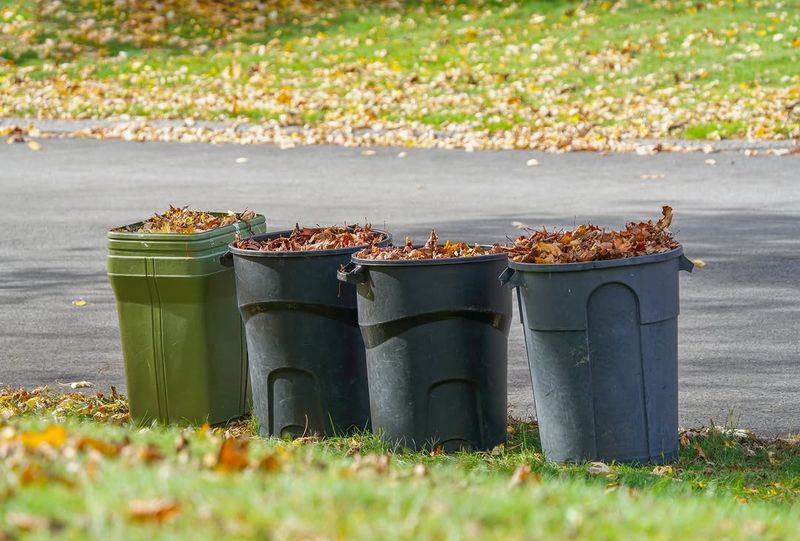
The best yard improvement may be keeping useful material on site.
Florida landscapes produce leaves, grass clippings, palm bits, shrub trimmings, and seasonal cleanup debris all year. A lot of that material can return to the soil instead of leaving in plastic bags.
Clean organic material belongs in the landscape. Leaves can become mulch, grass clippings can feed the lawn, and small trimmings can become compost.
That cycle supports the soil. As plant material breaks down, it adds organic matter and feeds the organisms that help keep soil active.
Florida soil often needs that help. Many yards have sandy soil that drains fast, dries quickly, and holds fewer nutrients than gardeners expect.
Recycling in place slows that loss. Organic material helps the soil hold moisture a little longer and gives roots a better growing environment over time.
Choose suitable material. Dry leaves, untreated grass clippings, and small clean plant trimmings are the easiest place to start.
Skip problem debris. Pest-heavy material, aggressive weeds with seeds, invasive plants, pet waste, and treated wood do not belong in a home recycling routine.
Start with one small change. Leave clippings on the lawn after mowing, or rake leaves under shrubs instead of bagging them.
That first step matters.
Once yard waste starts becoming soil support, the whole landscape begins working more like a system and less like a cleanup project.
2. Leave Grass Clippings On The Lawn
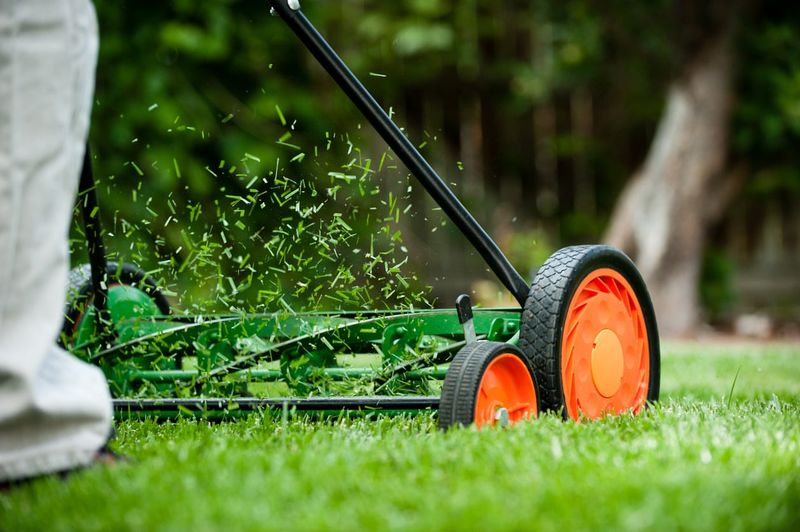
Grass clippings are lawn food in disguise.
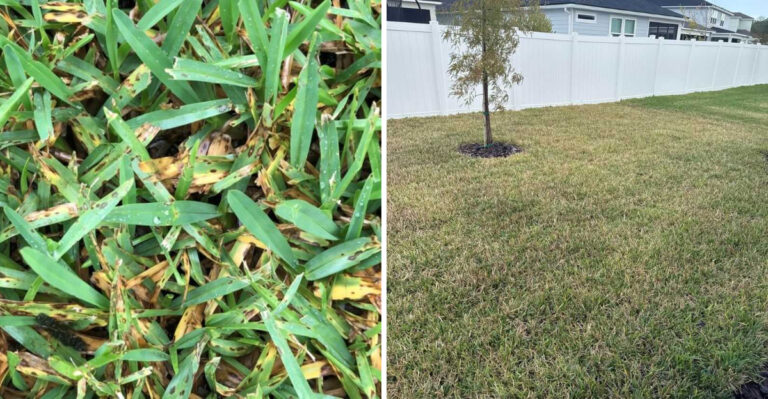
When they are short and evenly spread, they settle between the grass blades and break down quickly. That returns small amounts of nutrients to the soil right where the lawn can use them.
Mowing height matters. Cutting too much at once creates long, heavy clippings that sit on top of the turf instead of falling through.
Follow the one-third rule. Remove only about one-third of the grass blade height at a time so clippings stay small and useful.
Your Florida Garden Changes Every Week. Your Plan Should Too.
Gardening in Florida changes quickly throughout the season. Every Friday you’ll receive a simple weekly plan showing exactly what to plant, prune, fertilize, harvest, and protect so you never miss the right timing.
Dry mowing works better. Wet clippings clump together, smear across the surface, and can block light from reaching the grass below.
Spread clumps right away. Thick piles should be raked out or blown back across the lawn in a thin layer.
Do not bag healthy clippings by habit. Bagging removes organic material the lawn could have reused.
Keep clippings off hard surfaces. Sidewalks, driveways, and streets should be swept or blown back onto the lawn after mowing.
Storm drains are not compost bins. Clippings washed into drains can carry nutrients into local waterways where they contribute to water quality problems.
Sharp mower blades help. Clean cuts create healthier turf and finer clippings that break down more evenly.
A mulching mower makes the habit easier. It chops grass into smaller pieces that disappear into the lawn faster.
This is one of the simplest Florida yard upgrades.
The grass gives you the material, and all you have to do is let it go back where it came from.
3. Move Fallen Leaves Into Beds
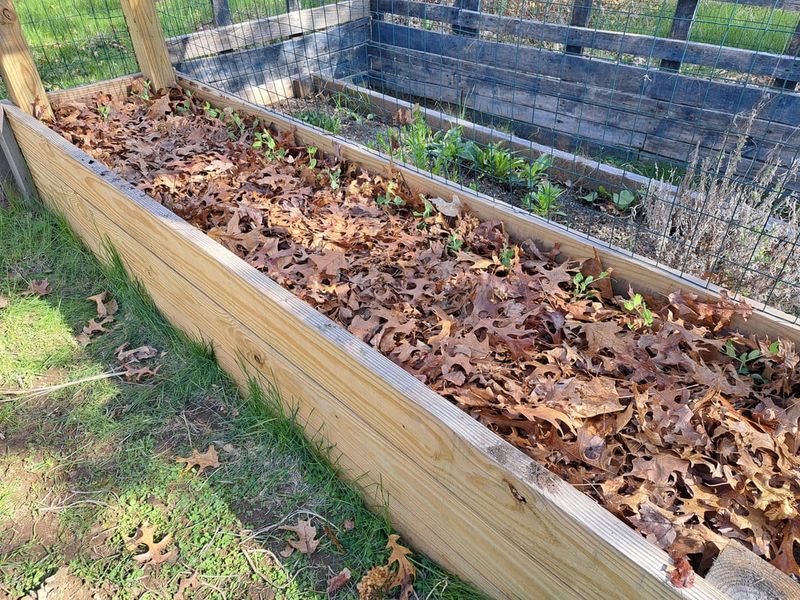
Leaves are too useful to send away automatically.
A loose layer of fallen leaves beneath shrubs, trees, and perennials can protect the soil like a natural blanket. It helps reduce moisture loss, softens temperature swings, and gives the bed a more finished look.
Move leaves out of traffic areas. Driveways, sidewalks, patios, and street edges are not the right place for them to collect.
Garden beds are better. Leaves spread beneath shrubs or between established plants can break down slowly and enrich the soil surface.
Keep the layer airy. Two to three inches is usually enough for most beds without creating a packed, soggy mat.
Leave plant bases clear. Leaves piled against trunks, palm crowns, shrub stems, or perennial crowns can trap moisture where air should move.
Pull the layer back a few inches. A donut shape around woody plants is safer than a mound pressed against the bark.
Use clean leaves first. Leaves that look healthy are easier to recycle directly into beds.
Be cautious with problem leaves. Heavy spotting, obvious pest activity, or questionable material should be kept out of fresh mulch areas.
Mix different leaves when possible. A blend of leaf types breaks down more evenly than a thick pile of one leathery kind.
Check after heavy rain. Florida downpours can push leaves into piles, drains, or plant crowns, so a quick reset helps.
Fallen leaves are not a mess by default.
In the right place, they become free mulch that improves the bed every time they break down.
4. Shred Thick Leaf Piles First
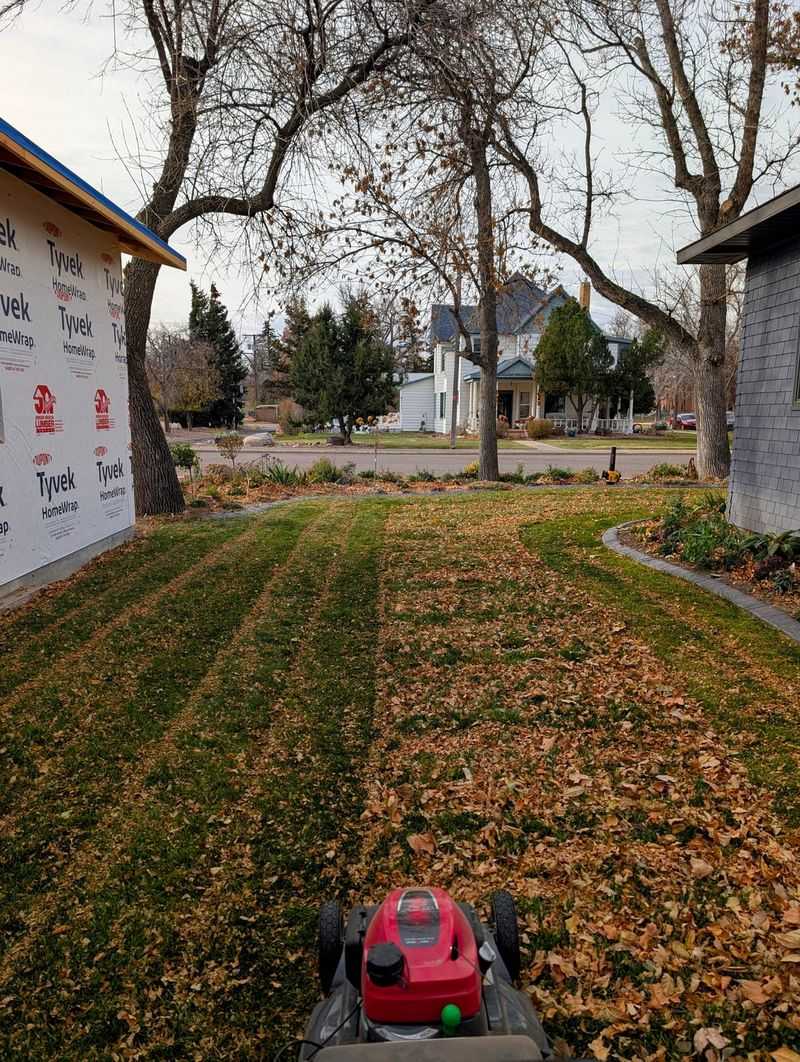
Whole leaves can become too much of a good thing.
Large, leathery, or waxy leaves can mat together when they pile up. Once that happens, water may run over the top instead of soaking through, and roots beneath the layer may get less air than they need.
Shredding solves much of that problem. Smaller pieces settle more evenly, stay in place better, and break down faster.
A mower can do the job. Pile dry leaves on the lawn and run over them a few times until the pieces are smaller.
A leaf shredder works for heavy cleanup. Larger yards with frequent leaf drop may benefit from a tool that chops material quickly.
Quarter-size pieces are useful. Leaves do not need to become dust, but smaller pieces are easier to spread and manage.
Spread shredded leaves thinly. A two-inch layer in beds is often plenty, especially around shrubs and perennials.
Avoid dumping one huge pile. Deep layers can hold too much moisture and create hiding places for pests near plant bases.
Use shredded leaves in compost too. They make excellent brown material and help balance fresh green trimmings.
Shredded leaves also blow less. Whole dry leaves can travel across a yard with the first gust, while chopped pieces settle into the bed more easily.
Refresh as needed. As the layer breaks down, add a little more rather than burying plants under a thick blanket all at once.
Shredding turns awkward leaf piles into garden-ready material.
It is the difference between a slippery mat and a useful soil-building layer.
5. Compost Extra Plant Trimmings
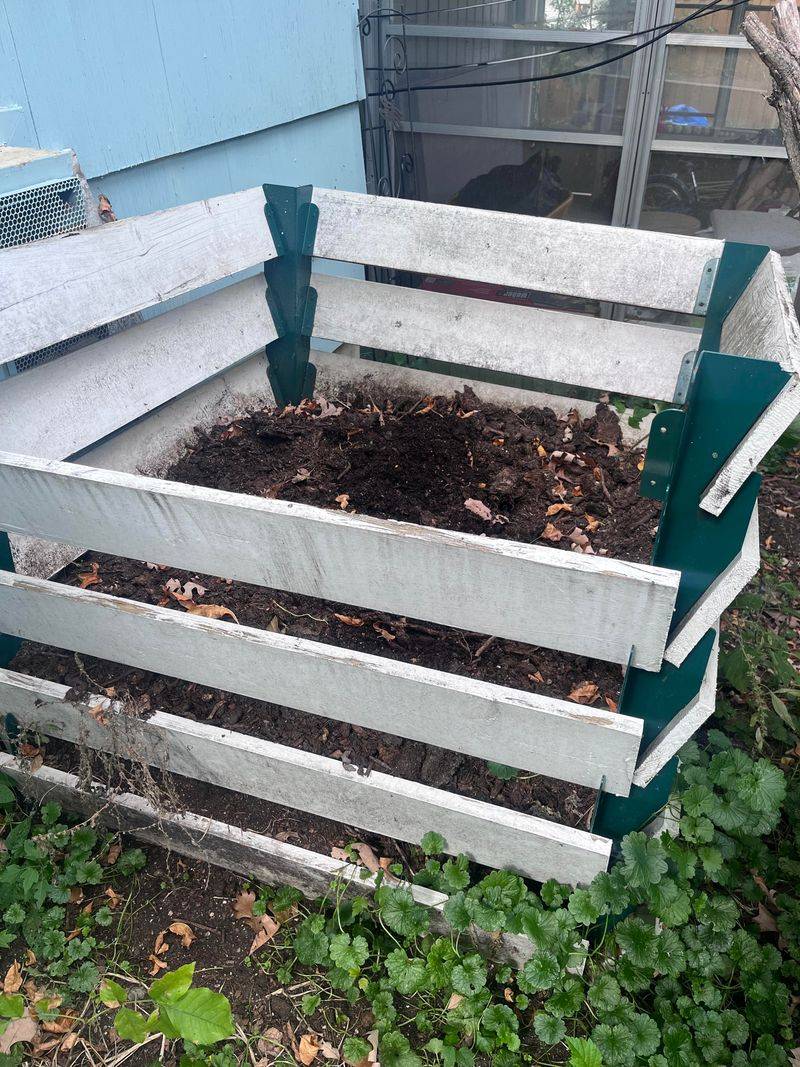
Not every trimming should go straight into a bed.
Bulky stems, clipped foliage, small twigs, and mixed cleanup debris often work better in a compost pile. There, they can break down into a darker, crumbly material that improves soil later.
Compost needs balance. Fresh green material should be mixed with dry brown material so the pile stays active without turning slimy or smelly.
Greens include fresh clippings and soft trimmings. Browns include dry leaves, small woody pieces, pine needles, and shredded plant material.
Too many greens can sour. A pile overloaded with wet clippings may smell bad and compact quickly.
Too many browns slow things down. Dry leaves alone break down, but they often need moisture and green material to move faster.
Cut large pieces smaller. Thick stems and woody trimmings decompose more quickly when chopped into shorter sections.
Moisture should feel steady. A good compost pile should be damp like a wrung-out sponge, not dry as dust or soaking wet.
Air keeps it working. Turning the pile occasionally brings oxygen back into the mix and helps reduce odors.
Leave out risky material. Aggressive weeds with seeds, invasive plant pieces, pest-heavy debris, pet waste, treated wood, and diseased-looking plants are better kept away from home compost.
Use finished compost wisely. When it becomes dark and crumbly, spread it thinly in beds or mix it into planting areas.
Composting gives bulky yard waste a second life.
It turns cleanup scraps into something your soil can actually use.
6. Keep Debris Out Of Storm Drains
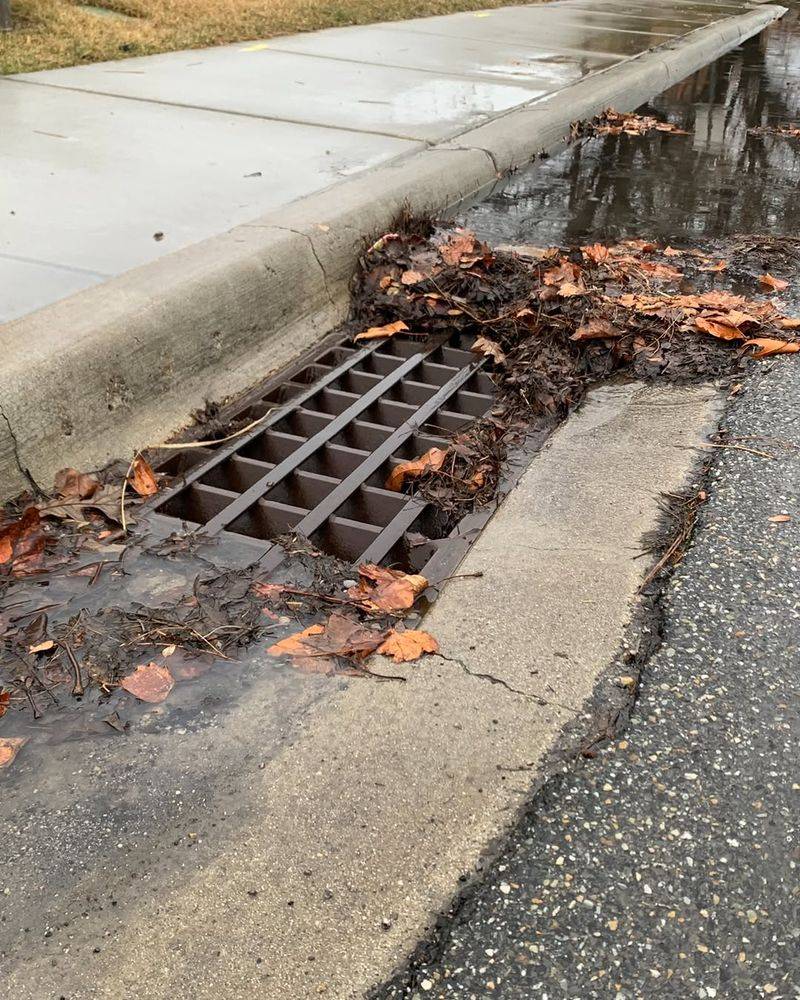
Yard waste should never be blown into the street.
In Florida, rain can move fast across driveways, curbs, and gutters. Leaves and clippings left in those paths can wash straight into storm drains, taking nutrients with them.
That material does not disappear. It travels toward ponds, canals, lakes, rivers, bays, and coastal waters.
Nutrients can feed algae. Grass clippings and leaves may seem harmless, but they carry nitrogen and phosphorus as they break down.
The better place is your yard. Organic material should return to lawns, beds, compost piles, or mulched areas where soil organisms can use it.
Sweep after mowing. Any clippings on sidewalks, driveways, or the street should be moved back onto the lawn.
Check the curb line. Leaves often collect there after blowing or raking, especially before a storm.
Clear storm drain grates. A few minutes of cleanup can keep organic debris from piling up where water needs to flow.
Do not use a blower to push the problem away. Blowing clippings into the road only moves useful material into the wrong system.
Keep piles away from drainage paths. Even bagged or loose yard debris can shift during a heavy Florida rain.
Teach the habit by repetition. Every mowing, edging, and cleanup day should end with a quick hardscape check.
This habit protects more than the yard.
It keeps useful organic material where it belongs and helps prevent the garden from adding stress to local water.
7. Leave Clear Space Around Trunks
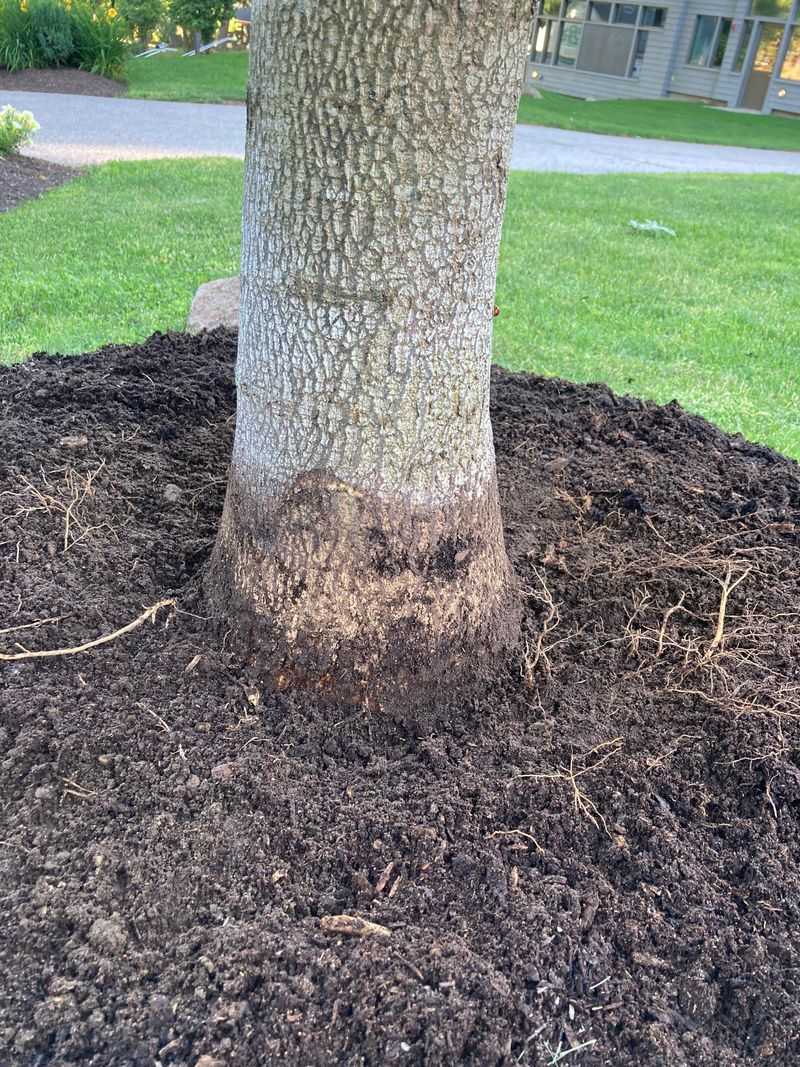
Mulch is helpful until it touches the wrong place.
Leaves, compost, and clippings can improve soil around trees and shrubs, but piling them against trunks, stems, or crowns can create moisture problems. Florida humidity makes that mistake even riskier.
The base needs air. Bark and crowns should be able to dry between rains and irrigation cycles.
Use the donut shape. Mulch should spread around the root zone while leaving an open ring near the trunk.
Avoid the volcano shape. A mound of leaves or mulch stacked against bark traps moisture and can stress the plant.
Keep two to three inches clear. That small gap helps reduce crown problems and makes it easier to inspect the base.
Palms need special care. Material piled against palm crowns or bases can hold moisture where it should not sit.
Shrubs need breathing room too. Leaf mulch should sit around the root zone, not packed into the stem cluster.
Perennials can suffer from burial. Crowns covered with wet debris may struggle during humid weather.
Check after storms. Rain and wind can push mulch back against plant bases even after you placed it correctly.
Pull old layers back before adding more. Repeated top-ups can creep toward trunks over time.
Mulch should protect roots, not smother stems.
That small clear ring is one of the easiest ways to recycle yard material safely.