Why Florida Yards With The Least Maintenance Always Have These Three Things In Common
That yard next door has been quietly bothering you for months. Nothing about it looks accidental once you truly look closer today. Florida heat and sandy soil expose every shortcut you take.
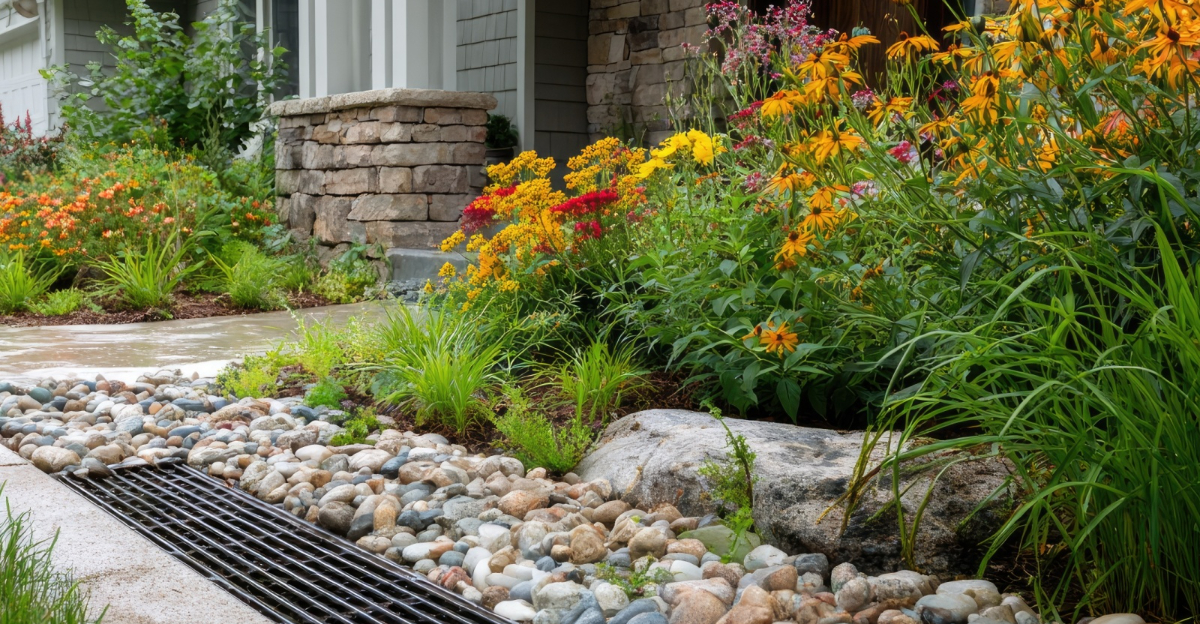
Humidity turns weak landscaping choices into visible problems within days. Smart owners stopped guessing years ago and started following patterns that work. Water finds its way exactly where you tell it to go.
Soil gets treated like a foundation instead of an afterthought. Plants get chosen for toughness, not merely for looks. Your weekends stop disappearing into hoses and wasted effort completely now.
Calm replaces effort once you understand what Florida actually rewards. Every decision you make either saves time or costs it. None of this requires a landscaping degree or a large budget.
Momentum builds the moment you apply the right approach. A specific set of choices decides your yard’s outcome, and you’re about to learn it.
Why These Three Things Matter Most
Most Florida yards fail for the same handful of reasons, even though every property looks different on the surface. Once you understand the three core factors at play, the pattern becomes easy to see everywhere you look.
Plant selection, soil preparation, and water management form the backbone of nearly every low-maintenance yard in the state.
When these three elements work together, they tend to reduce the workload that usually comes with Florida’s climate.
Skipping even one of these factors often creates problems that ripple through the others. A yard planted with the wrong species, for example, may still struggle even with excellent soil and watering habits.
That’s why homeowners who get consistent results usually treat these three things as a connected system rather than separate tasks. They choose plants suited to their specific soil type, then adjust their watering routine to match both.
This approach tends to save time because it prevents small issues from becoming bigger ones. A yard built this way often needs less correcting, less replacing, and less guessing over time.
Many people assume low-maintenance yards happen by luck or by spending more money upfront. In most cases, though, the yards that require the least ongoing effort are simply set up with these fundamentals in mind from the start.
Understanding why these three things matter gives you a framework you can apply almost anywhere in Florida. Once you see how they interact, the rest of the process tends to feel much more manageable.
Native Plants That Work With Florida’s Climate, Not Against It
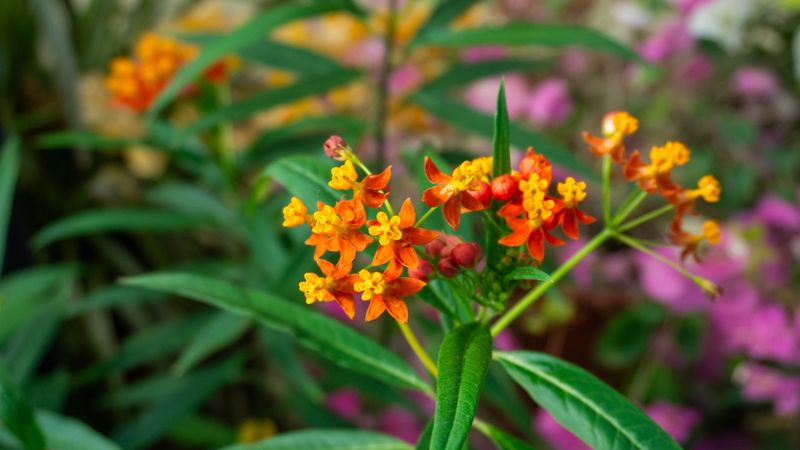
Walk past the right yard on a hot July afternoon and something feels different. The plants look calm, almost unbothered, while everything else on the block is wilting.
That’s the power of native plants in a Florida landscape. They evolved here over thousands of years, adapting to the heat, the sandy soil, and the summer downpours.
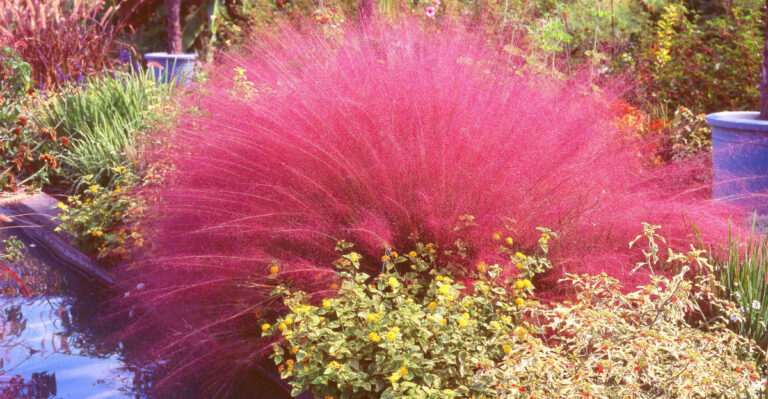
Low-maintenance Florida yards frequently include a strong mix of native plants. Plants like muhly grass, coontie, firebush, and Simpson’s stopper are tough by nature. They don’t need constant watering once they’re established.
Your Florida Garden Changes Every Week. Your Plan Should Too.
Gardening in Florida changes quickly throughout the season. Every Friday you’ll receive a simple weekly plan showing exactly what to plant, prune, fertilize, harvest, and protect so you never miss the right timing.
Native species also resist local pests far better than imported ornamentals. They’ve developed natural defenses against the bugs and fungi that are common here. That means fewer chemical treatments and less weekend scrambling.
Drought-tolerant species handle the dry season without much help from you. When the rains return, they bounce back quickly and keep growing strong. You’re not babysitting them through every weather shift.
Another underrated bonus is that native plants attract pollinators naturally. Butterflies, bees, and birds show up without any extra effort on your part. That biodiversity actually helps keep pest populations balanced.
Swapping even a portion of your lawn for native groundcovers can meaningfully improve yard maintenance. Sunshine mimosa, beach sunflower, and wild blue indigo spread on their own. They fill gaps before weeds can take hold.
Smart plant choices are the foundation of every easy yard. Once the right plants are in the ground, the whole system gets easier. Everything else builds from here.
Efficient Irrigation Systems That Do the Work For You
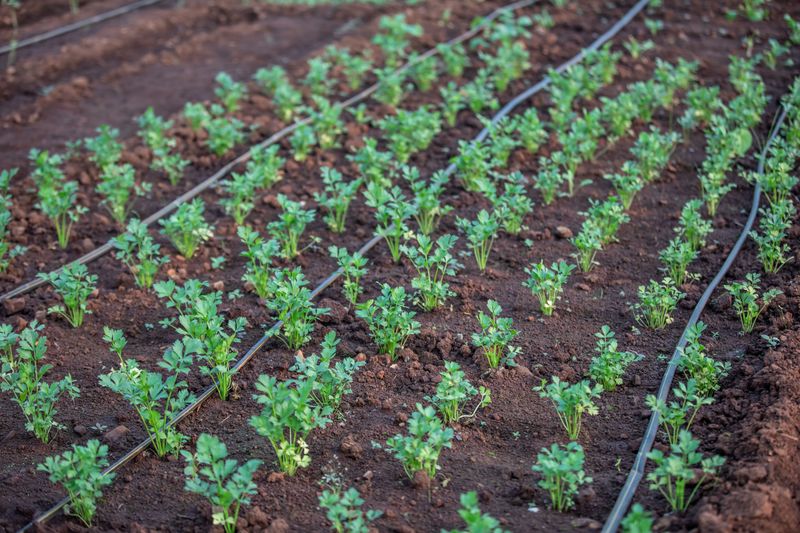
Watering by hand tends to be time-consuming. You spend an hour moving a hose around and still miss half the root zones.
The yards that stay healthy with the least effort frequently have a smart irrigation setup. It’s not glamorous, but it can significantly ease the maintenance routine. A drip system or low-volume sprinkler on a timer does the job while you sleep.
Efficient irrigation means water goes directly to the roots, not the sidewalk. That precision can meaningfully reduce water waste. Your water bill drops, and your plants actually get more of what they need.
Smart controllers take it even further by adjusting schedules based on rainfall. When it rains, the system skips a cycle automatically. You never come home to a soaked yard after a summer storm.
Soaker hoses are another favorite in low-maintenance setups. They deliver moisture slowly at ground level, which reduces evaporation. That slower delivery also discourages fungal growth on leaves.
Grouping plants by water needs is a trick called hydrozoning. Put your thirsty plants together and your drought-tolerant ones in another zone. Each group gets exactly what it needs, nothing more.
Installing a rain sensor costs less than most people expect. It connects to your existing system and prevents overwatering automatically. That one upgrade alone can noticeably reduce monthly water usage.
Irrigation done right means you stop thinking about watering altogether. The system handles it, and your weekends open back up. That freedom is the whole point.
Mulch And Groundcover That Reduce Most Weekend Chores
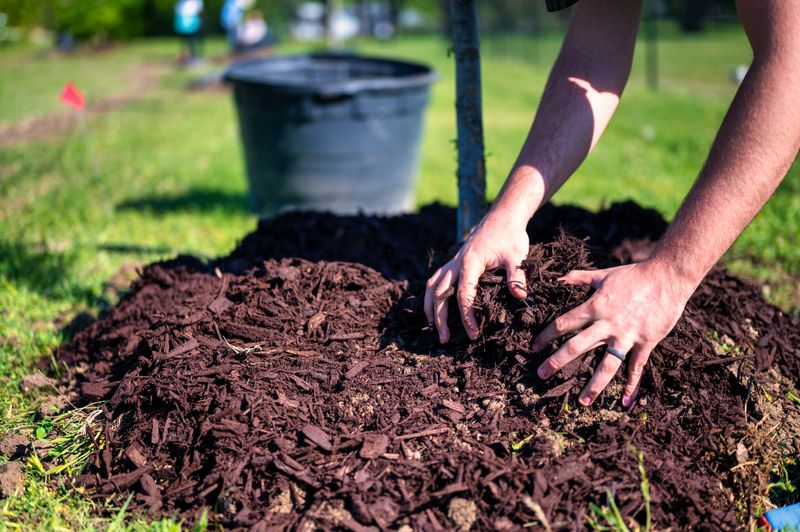
Here’s something experienced Florida gardeners know well: mulch significantly reduces manual upkeep. Spread it thick and it works around the clock without any input from you.
The easiest yards typically have generous mulch coverage in their beds. A three-to-four inch layer blocks weeds before they sprout. That alone reduces one of the most time-consuming weekend tasks.
Mulch also holds moisture in the soil during dry stretches. The ground stays cooler, roots stay hydrated, and you water less often. In the summer heat, that moisture retention is genuinely valuable.
Pine bark, eucalyptus mulch, and melaleuca mulch all work well here. They break down slowly and add organic matter to the soil over time. Your garden beds actually improve each season with no extra effort.
Groundcovers are the other half of this strategy. Plants like sunshine mimosa, asiatic jasmine, and dwarf fakahatchee grass spread naturally. They crowd out weeds and reduce the amount of bare soil in your yard.
Less bare soil means fewer weeds and fewer erosion problems after heavy rain. The roots hold everything in place while the leaves shade the ground. That combination is hard to beat in a humid climate.
Reducing your grass footprint can meaningfully help low-maintenance Florida yards. Every square foot of turf you replace with groundcover is one less area to mow. Over time, those small swaps add up to hours saved each month.
Mulch and groundcover are the finishing layer that ties the whole system together. When all three elements are in place, the yard practically runs itself. That’s the payoff every smart homeowner is working toward.
Drought-Tolerant Species Resist Local Pests
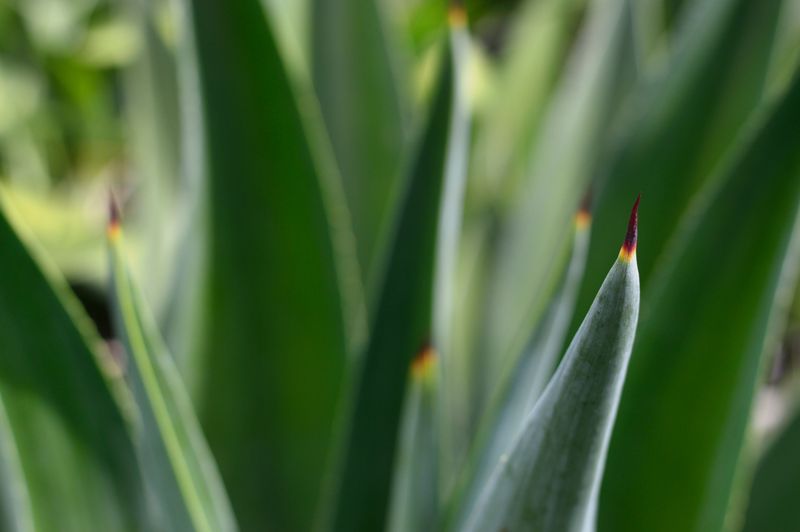
Choosing plants that can handle long dry stretches often does more than conserve water. Many drought-tolerant species native to Florida have also developed natural resistance to some of the pests common in the region.
This resistance usually comes from thicker leaves, deeper root systems, or natural oils that many local insects tend to avoid.
Because these plants aren’t struggling to adapt, they typically have more energy available to fend off occasional pest pressure.
Coontie palms, muhly grass, and firebush are a few examples that tend to hold up well in Florida landscapes. These species have adapted over time to the state’s sandy soil and unpredictable rainfall patterns.
When a plant isn’t stressed by inconsistent watering, it generally becomes a less attractive target for pests looking for an easy meal. Weakened, overwatered, or poorly matched plants tend to send out signals that invite trouble.
This is part of why matching plant selection to your specific yard conditions can matter so much. A plant that thrives in one part of Florida may not perform the same way just a few counties over.
Taking time to research species suited to your specific microclimate tends to pay off in fewer pest issues later. It also means less reliance on chemical treatments, which can be both costly and time consuming to maintain.
Over time, a yard filled with well-suited, drought-tolerant plants often requires noticeably less intervention. That reduced need for pest control becomes one of the clearest signs that your plant choices are working in your favor.
Fewer Pest Problems Mean Less Upkeep
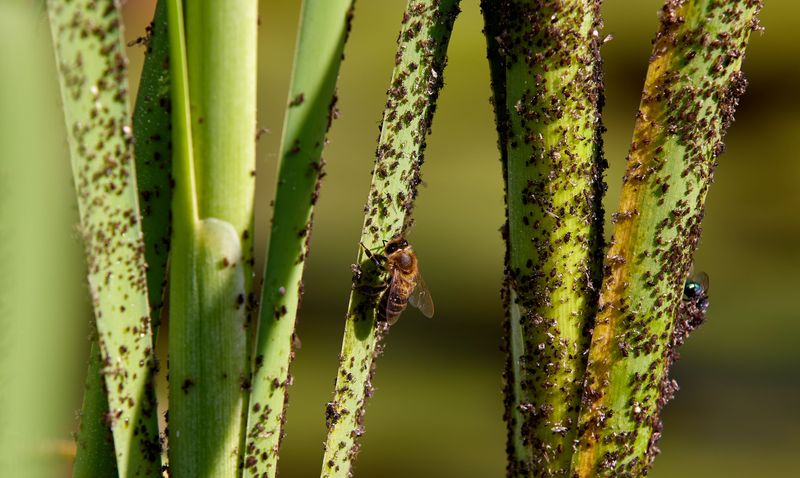
Pest control tends to be one of the most time-consuming parts of yard maintenance, especially in a state like Florida.
Warm temperatures and high humidity create conditions where insects and fungal issues can spread quickly if left unchecked.
When your yard is built around plants that naturally resist common pests, that entire category of upkeep tends to shrink.
Fewer pest problems generally mean fewer treatments, fewer product purchases, and fewer weekends spent troubleshooting new issues.
This connects directly back to plant selection and soil health, since both play a role in how resilient your yard becomes.
Healthy soil supports strong root systems, and strong root systems tend to produce plants that are naturally more resistant to stress.
Reducing pest problems can also mean using fewer pesticides, which may benefit the surrounding ecosystem and any pets that spend time in the yard.
Many homeowners appreciate this shift, since it often makes outdoor spaces feel safer for children and animals alike.
Over time, a yard with fewer pest issues tends to need less monitoring overall. That means less time spent inspecting leaves, checking for damage, or researching treatment options online.
This reduction in upkeep is one of the more overlooked benefits of building a low-maintenance yard the right way.
It’s not just about saving time on watering or mowing, but about avoiding entire categories of recurring work.
When pest problems drop, so does the mental load of yard ownership. That combination of less physical work and less worry tends to be what many homeowners value most.
Florida’s Climate Rewards Smart Plant Choices
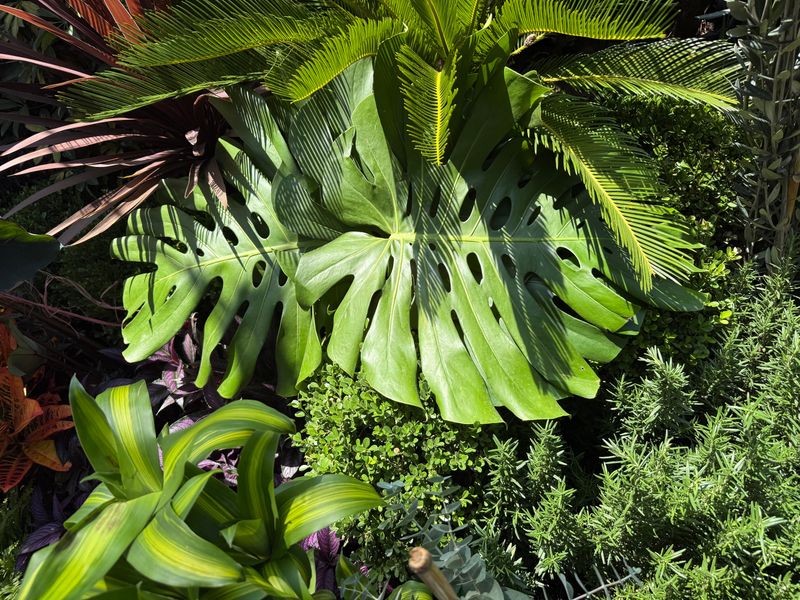
Florida’s climate is unlike most other regions in the country, which makes generic landscaping advice less useful here.
Long, humid summers combined with sandy soil and occasional drought create a unique set of challenges for plant life.
Species that evolved in or adapted well to this environment tend to perform better with less intervention. This is why smart plant choices often matter more in Florida than in states with more moderate, predictable weather patterns.
Native and Florida-friendly plants have typically developed traits suited to heavy rainfall followed by dry spells.
These traits can include deep root systems, waxy leaf coatings, or the ability to store water efficiently during lean periods.
Choosing plants with these characteristics tends to reduce the amount of supplemental watering your yard requires.
It also tends to lower the risk of root rot, a common issue in Florida yards where soil retains inconsistent moisture levels.
Beyond watering, smart plant choices tend to reduce mowing and trimming needs as well. Many well-suited species grow at a slower, more manageable pace compared to fast-growing alternatives that require frequent maintenance.
This is part of why a yard built around Florida’s specific climate often looks fuller with less regular care. The plants aren’t fighting against their environment, so they don’t need as much help to look their best.
Understanding your climate zone within Florida can further refine these choices, since conditions vary between coastal and inland areas.
Taking the time to match plants to your specific location tends to produce the most consistent, lasting results.
These Elements Work Together, Not Alone
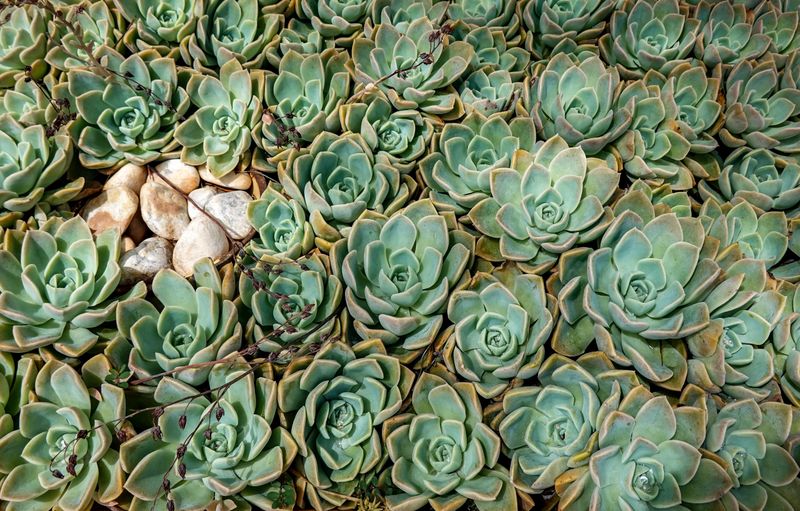
None of these three factors tends to work particularly well in isolation. Plant selection, soil preparation, and water management typically function as a connected system rather than as separate checklist items.
For example, choosing a drought-tolerant plant does little good if the surrounding soil doesn’t drain properly.
Similarly, well-prepared soil can only support healthy growth if paired with plants suited to your specific water conditions.
This interconnected relationship is part of why some yards struggle even when homeowners follow individual pieces of advice correctly. A single missing element can limit the effectiveness of everything else in the system.
Thinking of your yard as a system, rather than a collection of separate tasks, tends to shift how you approach maintenance overall. Instead of reacting to individual problems, you start anticipating how each decision affects the others.
This mindset also tends to make troubleshooting easier when something does go wrong. If a plant struggles, you can look at soil conditions and watering habits together rather than assuming the plant itself is simply a poor choice.
Many low-maintenance yards succeed not because every individual element is perfect, but because the elements complement one another well. That balance tends to matter more than any single decision made in isolation.
Approaching your yard this way can also make future changes easier to plan. When you understand how these pieces interact, adding new plants or adjusting your setup becomes a more informed process.
Over time, this systems-based approach tends to be what separates yards that stay low-maintenance from those that slowly become more demanding again.
The Long-Term Payoff Of Low-Maintenance Yards
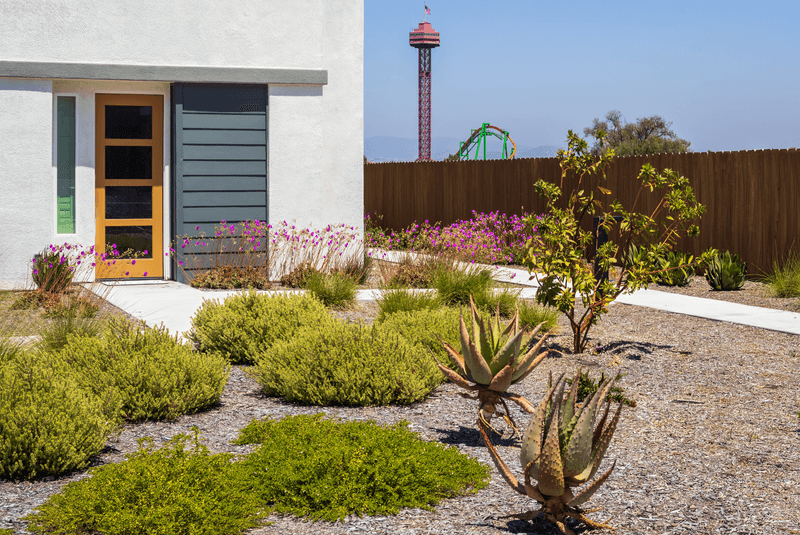
Building a yard around these three elements tends to pay off well beyond the first season. As plants mature and soil conditions improve, many yards actually require less intervention over time rather than more.
This is different from yards built around trends or short-term aesthetics, which often demand consistent upkeep to maintain their appearance. A well-planned Florida yard tends to become more self-sufficient as its systems mature.
Homeowners who invest early in proper plant selection often notice a steady decline in watering needs within the first couple of years. Established root systems become more efficient at accessing available moisture in the soil.
Soil health also tends to improve over time when it isn’t disrupted by excessive fertilizers or inconsistent watering.
This gradual improvement often supports stronger plant growth without requiring much additional effort from the homeowner.
Reduced pest pressure, as discussed earlier, adds another layer to this long-term payoff. Yards that need fewer chemical treatments over time tend to remain healthier and more balanced overall.
There’s also a financial benefit worth considering, since lower maintenance needs often translate to reduced spending on water, products, and professional services.
Many homeowners find that their yard becomes more cost-effective the longer these systems stay in place.
Beyond time and money, there’s a quieter benefit as well. A yard that requires less constant attention tends to become a source of ease rather than a recurring obligation.
This long-term payoff is ultimately what makes the initial effort worthwhile. A low-maintenance Florida yard isn’t just easier to manage, it’s designed to keep working in your favor for years to come.