Texas Plants That Attract Lacewings And Reduce Spider Mite Activity
Spider mites have a way of showing up in Texas gardens at the worst possible moment. The heat is already putting plants under pressure, and then a spider mite infestation arrives to compound the stress, stripping chlorophyll from leaves and spreading from plant to plant with efficiency that feels almost personal.
Chemical treatments work but come with real costs to the broader garden ecosystem. Nature has a better answer. And it’s called a lacewing.
Lacewings are one of the most effective natural predators of spider mites, along with aphids, thrips, and a range of other soft bodied pests that cause problems in Texas gardens.
Their larvae in particular are relentless hunters, consuming pest insects in numbers that genuinely move the needle on a garden’s overall pest pressure.
The key to getting lacewings to show up and stay is planting what attracts them. Certain Texas plants reliably draw lacewings in, providing the nectar, pollen, and shelter they need to establish and thrive.
Here’s what to plant if you want lacewings working your garden all season long.
1. Dill
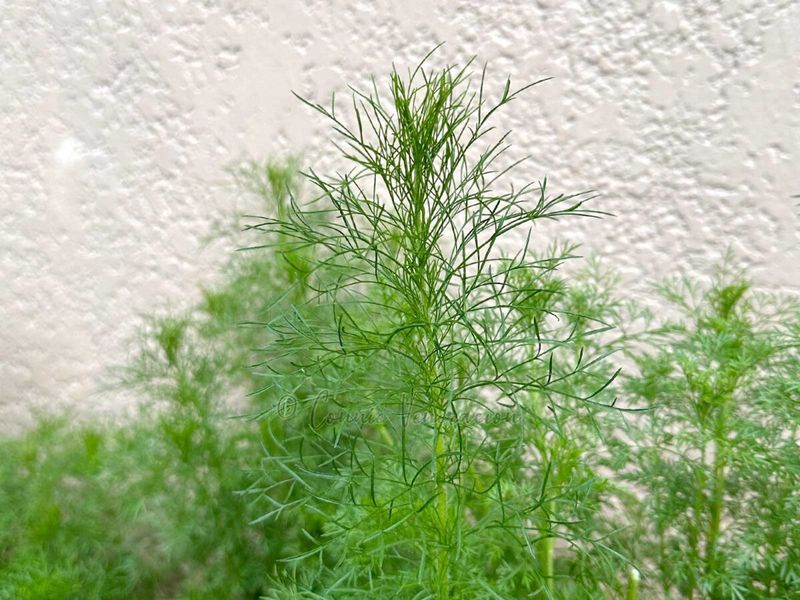
Few herbs pull double duty quite like dill. Most gardeners grow it for the kitchen, but dill is also one of the most powerful companion plants you can add to a Texas garden if you want to attract lacewings.
The secret is in its flowers. Dill produces wide, umbrella-shaped clusters called umbels, and those flat, open blooms make it incredibly easy for lacewing adults to access the nectar they need to survive and reproduce.
Adult lacewings do not eat pests themselves. They need nectar and pollen to fuel up before they lay eggs.
Once those eggs hatch, the larvae are the real pest fighters, chowing down on spider mites, aphids, and whiteflies with impressive speed.
By planting dill, you are essentially setting up a feeding station that keeps adult lacewings healthy and encourages them to stick around your garden long enough to lay eggs.
Dill grows best in Texas during the cooler months, typically from fall through early spring. It does not handle intense summer heat well, so plan to plant it in September or October and again in late February.
It grows quickly from seed and prefers full sun with well-drained soil. You can let some plants bolt and flower fully rather than harvesting all of them.
Those flowering stalks are exactly what lacewings are looking for. Pairing dill with vegetable crops like tomatoes, peppers, and squash gives you built-in pest protection right where you need it most.
It is a simple, low-cost strategy that delivers real results in Texas gardens of all sizes.
2. Fennel
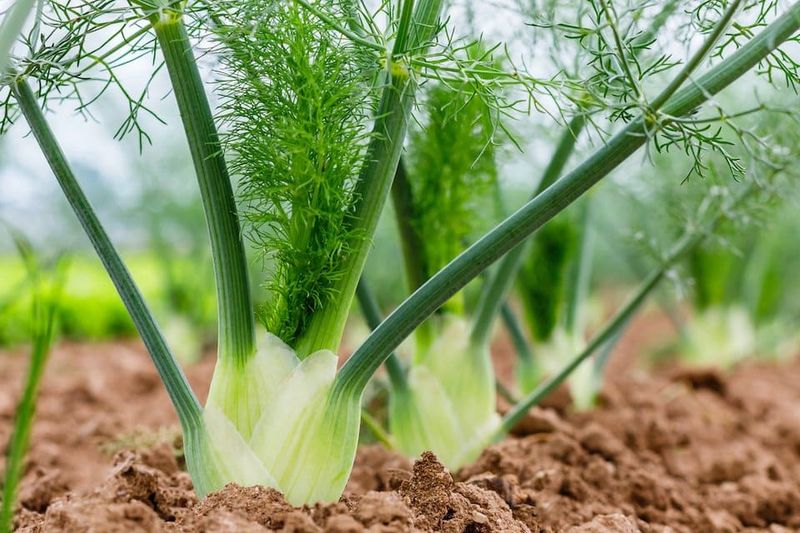
Fennel has a reputation for being a bit of a loner in the garden world. It is famously known for not playing well with many other plants because it releases chemicals that can slow the growth of nearby vegetables.
But here is the thing: when it comes to attracting lacewings, fennel is absolutely worth growing in a dedicated spot. Adult lacewings are strongly drawn to fennel’s yellow, flat-topped flower clusters, which offer easy-to-reach nectar that these beneficial insects love.
Your Texas Garden Changes Every Week. Your Plan Should Too.
Gardening in Texas changes quickly throughout the season. Every Friday you’ll receive a simple weekly plan showing exactly what to plant, prune, fertilize, harvest, and protect so you never miss the right timing.
Pairing fennel with dill in a separate herb bed creates a fantastic one-two punch for season-long nectar coverage in Texas gardens.
Dill handles the cooler months, and fennel can push further into the warmer shoulder seasons, giving lacewings a consistent food source across a longer stretch of the year.
That kind of continuity matters because lacewings need regular nectar access to stay active and keep reproducing in your garden.
Fennel is a perennial in many parts of Texas, which means it comes back year after year without replanting. It grows tall, sometimes reaching five or six feet, and it thrives in full sun with minimal watering once established.
Bronze fennel is a popular ornamental variety that adds a gorgeous copper color to the garden while still delivering the same lacewing-attracting benefits as common green fennel.
Plant fennel along a fence line or garden edge where it will not compete with your vegetables, and let it flower freely.
The more blooms it produces, the more lacewings you will attract. It is a reliable, low-maintenance addition to any Texas beneficial-insect strategy.
3. Yarrow
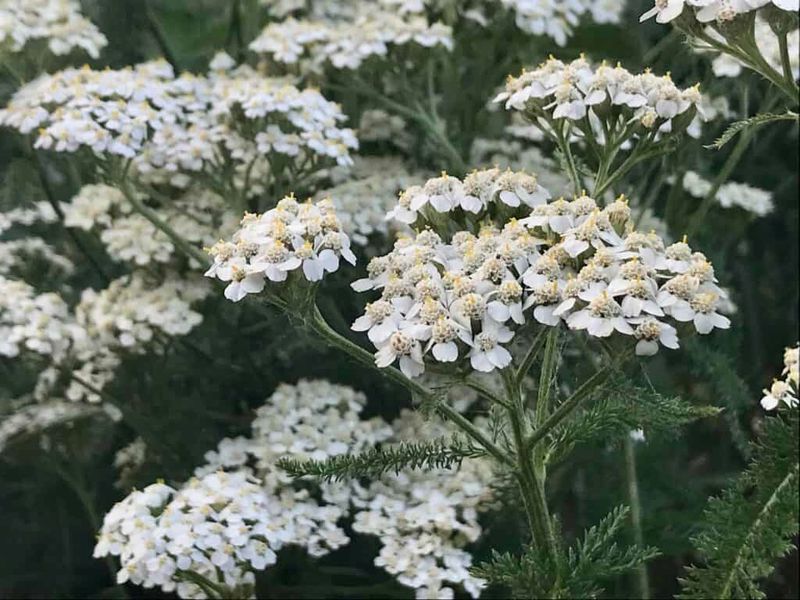
Yarrow is the kind of plant that makes Texas gardeners breathe a sigh of relief. It is tough, drought-tolerant, and practically thrives on neglect, which makes it a natural fit for the intense heat and dry spells that Texas summers are famous for.
On top of all that, yarrow has a well-documented track record of attracting adult lacewings, making it one of the most reliable beneficial-insect plants you can add to a hot, sunny Texas landscape.
The flowers are the main attraction. Yarrow produces wide, flat clusters of tiny blooms in colors ranging from white and yellow to pink and red.
That flat, open shape is exactly what lacewing adults prefer because it allows them to land easily and access nectar without any trouble.
Research on companion planting has consistently found yarrow to be among the top performers when it comes to drawing in lacewings and other beneficial predatory insects like parasitic wasps and hoverflies.
Yarrow is a perennial across most of Texas, meaning it will return each spring and grow more robust over time. It spreads gradually, filling in bare spots and creating a low-growing carpet of foliage topped with cheerful flower clusters from late spring through summer.
Plant it in full sun and well-drained soil, and avoid overwatering because yarrow genuinely does better with less moisture. It works beautifully along garden borders, in rock gardens, or planted near vegetable beds where spider mite pressure tends to be highest.
Few plants offer this combination of toughness, beauty, and pest-fighting power in a Texas garden setting. Yarrow earns its place every single season.
4. Sweet Alyssum
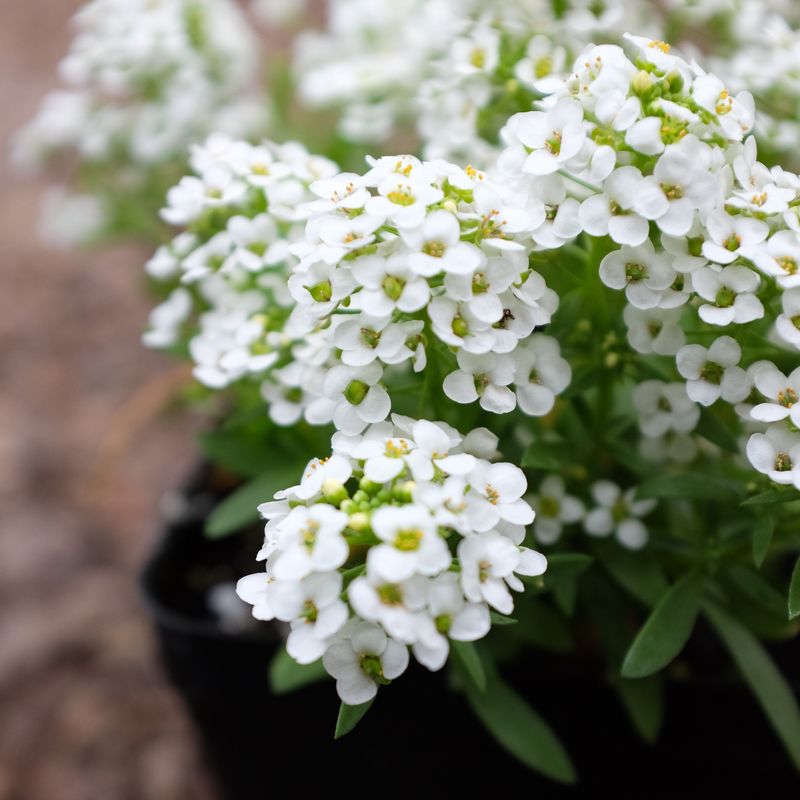
Walk past a patch of sweet alyssum in bloom, and you will immediately notice the soft, honey-like fragrance drifting through the air. That scent is not just pleasant for humans.
It is a powerful signal for beneficial insects, including lacewings, that a reliable nectar source is nearby.
Sweet alyssum is widely recognized as one of the most effective companion plants for attracting the broadest range of beneficial insects in the garden, and lacewings are definitely on that list.
What makes sweet alyssum stand out is its ability to stay in bloom for extended periods, especially in Texas’s mild fall and spring seasons.
A garden that includes sweet alyssum alongside other lacewing-friendly plants creates a layered, season-spanning nectar buffet that keeps beneficial insects present and active.
If you are building a broader beneficial-insect habitat, sweet alyssum is essentially the anchor plant that ties everything together, attracting not only lacewings but also parasitic wasps, hoverflies, and minute pirate bugs.
Sweet alyssum is low-growing, typically reaching only four to six inches tall, which makes it a wonderful edging plant along garden beds or a living mulch beneath taller crops.
It thrives in cooler Texas weather and tends to fade back during the peak of summer heat, but it self-seeds readily and often returns on its own when temperatures drop again.
Plant it near tomatoes, peppers, cucumbers, and other crops that are prone to spider mite and aphid damage.
The combination of constant bloom, irresistible fragrance, and broad beneficial-insect appeal makes sweet alyssum a must-have for any Texas gardener serious about natural pest management.
5. Cilantro And Coriander
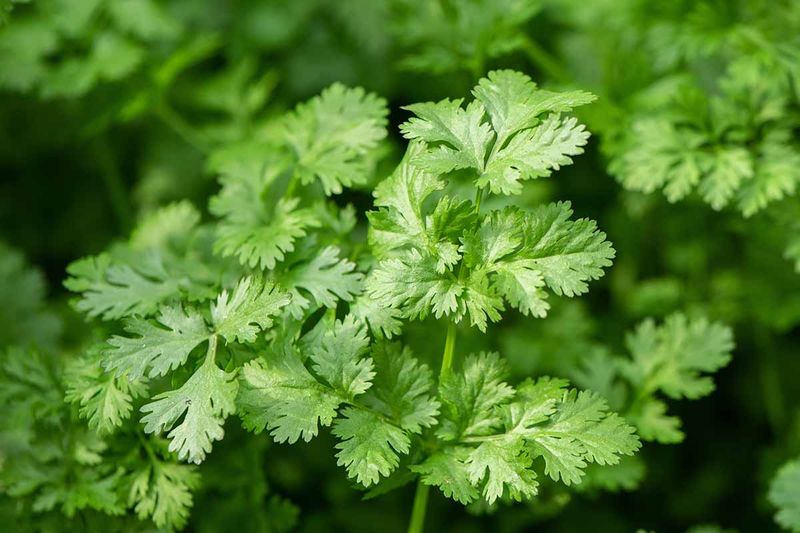
Most Texas gardeners grow cilantro for tacos and salsas, then pull it out the moment it starts to bolt. But what if bolting was actually the best thing cilantro could do for your garden?
When cilantro is allowed to flower and go to seed, it transforms into coriander, and those lacy white flower clusters become a magnet for adult lacewings looking for nectar.
Letting a few plants flower instead of harvesting them all is one of the simplest upgrades you can make to a Texas pest-management garden.
Coriander flowers are small, delicate, and grouped in open clusters that give lacewings easy landing access.
Studies on insectary plants consistently show coriander among the top choices for attracting beneficial predatory insects, including lacewings, parasitic wasps, and tachinid flies.
The more diverse your beneficial-insect community, the more layers of protection your garden has against pest outbreaks like spider mites.
Cilantro is a cool-season crop in Texas, doing its best work from September through November and again from February through April. It bolts quickly when summer heat arrives, but that is actually fine for your pest-management goals.
Let it flower in spring before the heat gets intense, and it will attract lacewings right at the time of year when spider mite populations start ramping up.
Sow seeds directly in the garden every few weeks during the cool season for a staggered succession of plants, ensuring some are always in flower.
Cilantro is inexpensive, fast-growing, and multifunctional, making it one of the highest-value plants a Texas gardener can include in a natural pest control strategy.
6. Desert Willow
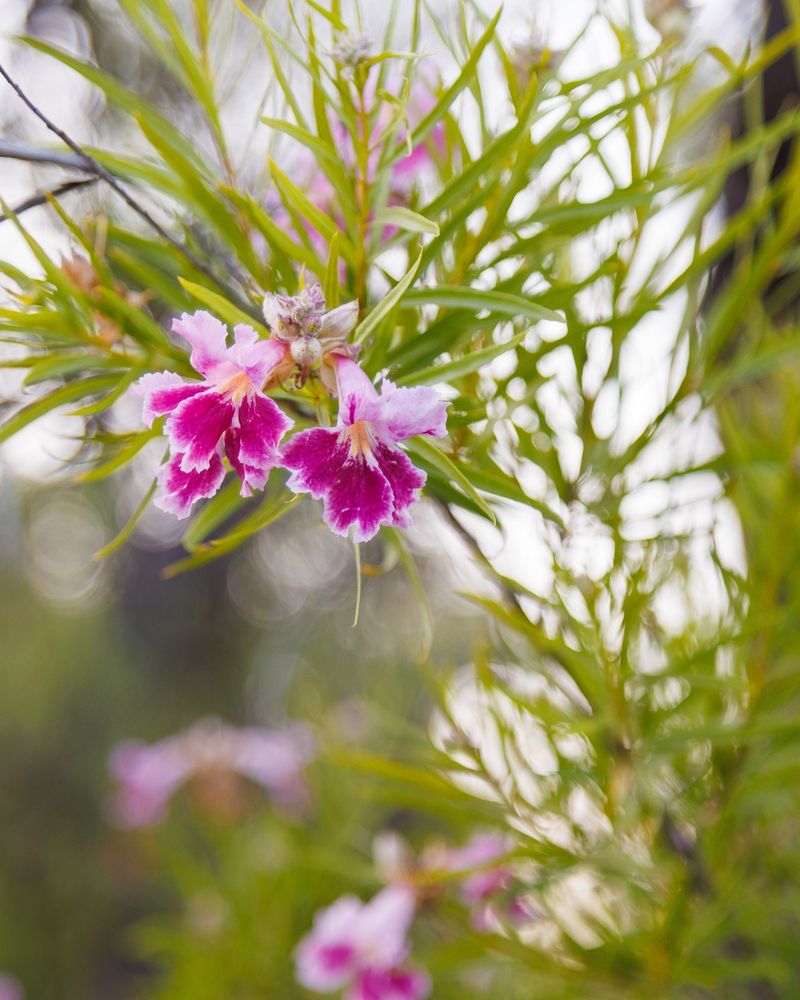
Not every lacewing-attracting plant has to be a small herb tucked into a vegetable bed. Desert willow is a native Texas tree that brings serious curb appeal along with powerful beneficial-insect credentials.
Research comparing plants in hot, low-desert conditions found desert willow performing just as well as classic lacewing attractors like dill and yarrow, which is impressive for a tree-sized plant adapted to some of Texas’s harshest growing conditions.
Desert willow produces stunning trumpet-shaped flowers in shades of pink, purple, and white throughout the summer, which is exactly when Texas gardens face the most intense spider mite pressure.
Most flowering plants that lacewings love tend to fade in summer heat, but desert willow keeps blooming through the hottest months, providing a critical nectar source when other options dry up.
That summer-blooming window makes it uniquely valuable in a Texas lacewing garden.
This tree thrives in full sun and rocky, well-drained soils, making it perfectly suited for Central, West, and South Texas landscapes where alkaline caliche soils and long dry spells are the norm. It is drought-tolerant once established and requires very little supplemental watering.
Desert willow grows to about 15 to 25 feet tall, making it a great choice for a specimen tree near garden beds or along a property line where it can cast light shade and shelter beneficial insects.
Planting one or two desert willows near your vegetable or ornamental garden creates a year-round lacewing habitat anchor that no small herb plant can match in scale or summer-long impact. It is a native solution built for Texas conditions.
7. Sunflower

Sunflowers are cheerful, bold, and unmistakably Texan. They grow tall and fast, they love the heat, and they brighten up any garden with their giant golden blooms.
But here is something most gardeners do not realize: sunflowers are also one of the cleverest tools you can use to pull lacewings into your garden and keep spider mites from getting out of control.
The strategy works through a concept called trap cropping, and it is surprisingly effective.
Sunflowers naturally attract aphids to their stems and leaves. Aphids love sunflowers, and they tend to cluster on them in large numbers.
This might sound like a problem, but it is actually an opportunity. Those aphid colonies act as a prey reservoir, a built-in food source that draws lacewing larvae in to feed.
Once lacewing larvae arrive and start working through the aphid population on the sunflowers, they do not stop there. They spread outward into the surrounding garden and start targeting spider mites and other pests on nearby plants.
Think of sunflowers as a welcome mat for lacewings. They bring the insects in before pest populations explode on your more vulnerable crops, giving beneficial insects a head start on population control.
Sunflowers grow easily from seed in Texas from spring through early summer and perform best in full sun with regular watering.
Plant them along the edges or borders of your garden rather than in the center so lacewings can move inward from the sunflowers toward your vegetables.
They also attract pollinators, provide seeds for birds, and add genuine visual drama to any Texas garden space.