Why Some Pennsylvania Yards Have More Stink Bugs Than Their Neighbors
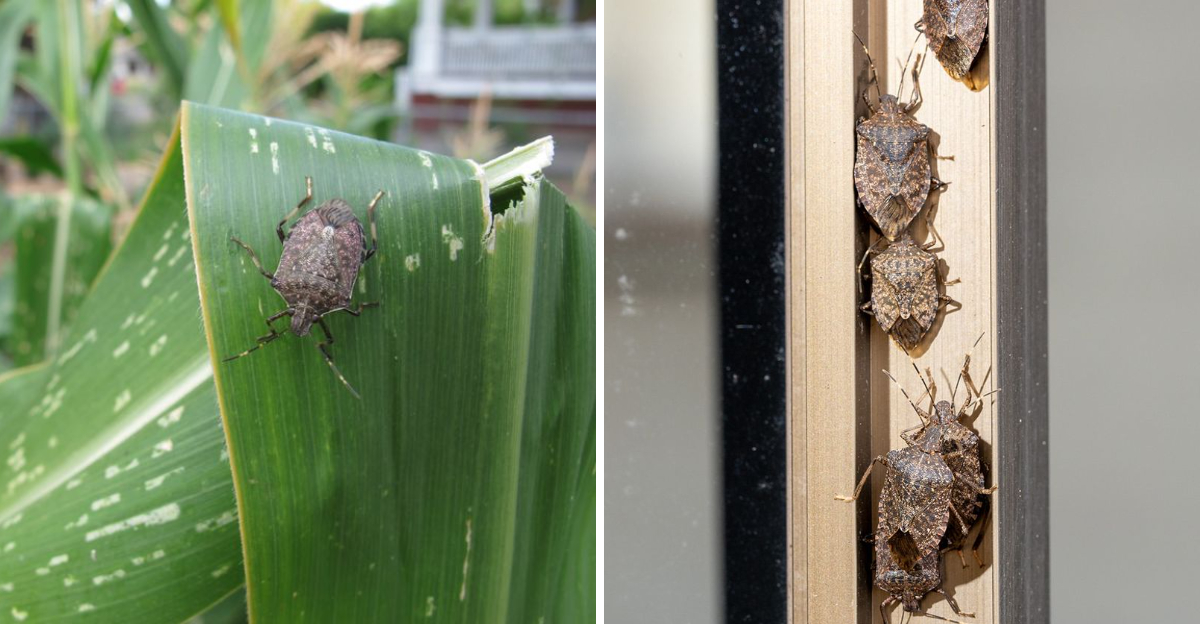
Stink bugs seem to descend on certain Pennsylvania homes with a focus that feels personal. One house on the street is dealing with them constantly while the neighbors barely see any, and there’s no obvious reason why.
Same neighborhood, same general conditions, completely different experiences. If your home has been consistently on the wrong end of that equation, the explanation is almost certainly in the details of your yard and your house.
Stink bugs are not randomly distributed. They’re selective. They move toward specific conditions that signal warmth, shelter, and accessible entry points, and certain properties provide those conditions more generously than others without the homeowners ever realizing it.
Landscape choices, exterior features, sun exposure, and even the plants growing in your yard all play into why stink bugs show up in higher numbers at some homes than others.
Understanding what your property is offering them is the most useful first step in actually reducing the annual invasion.
1. Certain Host Trees And Shrubs Are Present
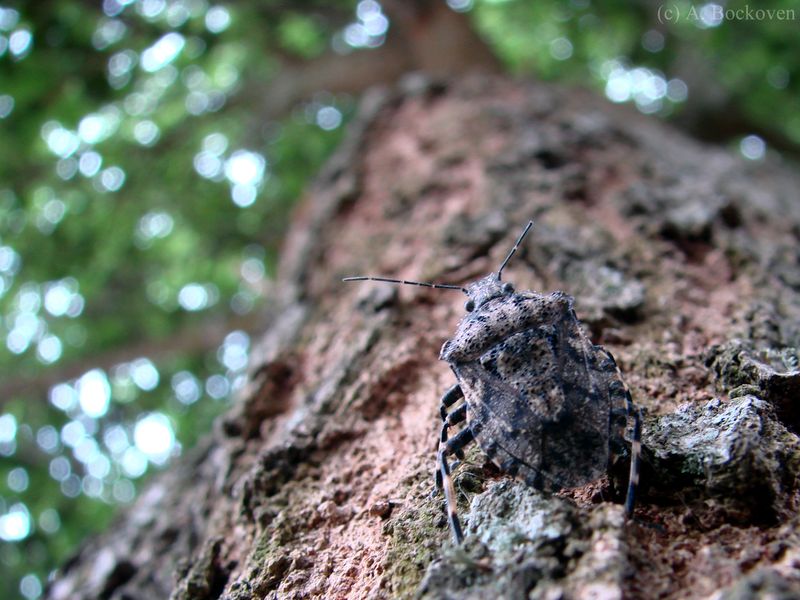
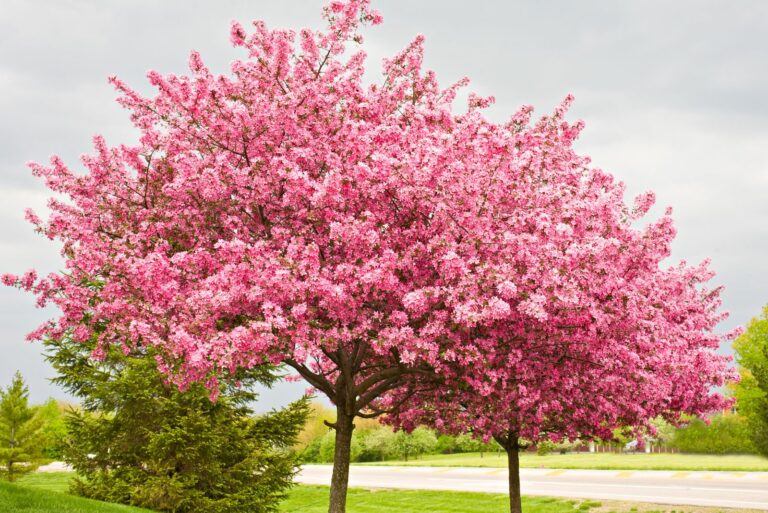
Walk through a yard loaded with Eastern redbud, mimosa, butterfly bush, and fruit trees, and you are basically walking through a stink bug buffet. Brown marmorated stink bugs are not random about where they feed.
They have clear favorites, and many popular Pennsylvania landscaping plants are right at the top of their list.
Apple, pear, and crabapple trees are among the biggest draws. Maples, magnolias, and hollies are also well-known favorites.
Add in oaks, ash trees, serviceberry, cherry, honey locust, hawthorn, and lilac, and you have a yard that is practically advertising free meals to every stink bug in the neighborhood.
A yard with several of these plants simply offers more food sources than a yard without them. Stink bugs use their piercing mouthparts to feed on the juices inside fruits, seeds, and plant stems.
The more variety a yard has, the longer stink bugs can stay and feed through the season. This does not mean you have to remove every beautiful tree or shrub. But knowing which plants are the biggest magnets can help you make smarter choices.
If your yard has five or six of these preferred species grouped closely together near your house, that combination is likely pulling in more bugs than a yard with just one or two.
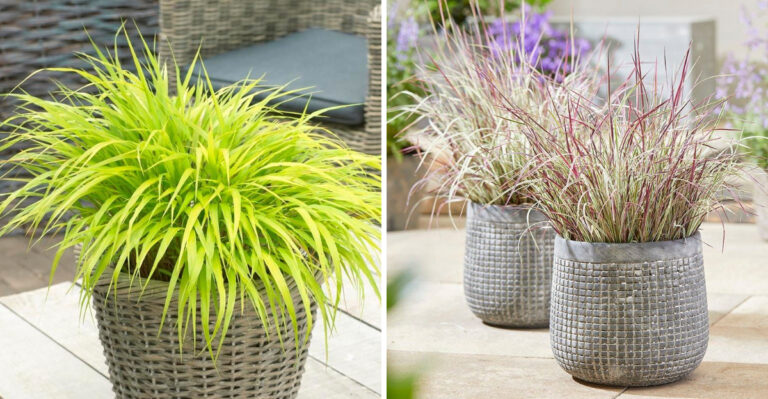
Some homeowners choose to plant less-preferred species like ornamental grasses, lavender, or native ferns to reduce the overall appeal of their yard. Others focus on monitoring and trapping near their most attractive plants.
Either way, identifying your host plants is the first step toward understanding why your yard gets more stink bug activity than your neighbor’s.
2. A Vegetable Garden With Their Favorite Crops
Gardeners in Pennsylvania often notice something frustrating: the more food they grow, the more stink bugs show up. That is not a coincidence.
Brown marmorated stink bugs are strongly attracted to certain vegetable crops, and a home garden packed with their favorites is basically a flashing neon sign.
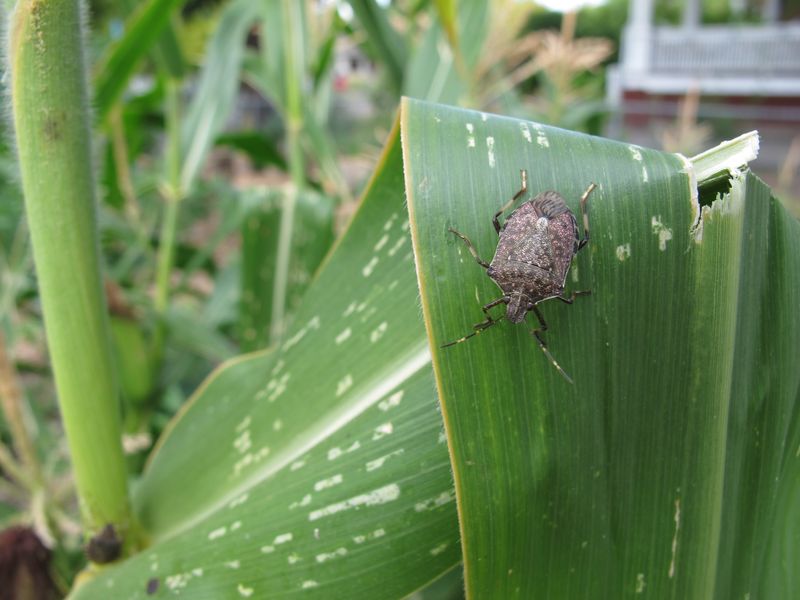
Corn is one of the top draws. Stink bugs love to feed on corn ears while they are still forming, leaving behind dimpled, discolored kernels that look like they were punched from the inside.
Your Pennsylvania Garden Changes Every Week. Your Plan Should Too.
Gardening in Pennsylvania changes quickly throughout the season. Every Friday you’ll receive a simple weekly plan showing exactly what to plant, prune, fertilize, harvest, and protect so you never miss the right timing.
Tomatoes and peppers are also major targets, often showing cloudy, mushy spots under the skin where a stink bug fed. Sunflowers and berry crops round out their greatest hits list.
A neighbor without a vegetable garden simply does not have this kind of draw working against them. Their yard might look similar on the surface, but without those food sources, stink bugs have less reason to linger.
The garden acts like an anchor, keeping stink bugs close to your property for weeks at a time during the growing season.
Row covers and fine mesh netting can help protect individual plants without using chemicals.
Some gardeners also plant trap crops, which are sacrificial plants placed at the garden’s edge to lure stink bugs away from the main beds. Mustard greens and sunflowers work well for this purpose.
Checking plants early in the morning, when stink bugs are slower and easier to spot, can also help you catch infestations before they spread.
Drop any bugs you find into a container of soapy water rather than crushing them, since crushing releases that signature unpleasant odor they are named for.
3. South- Or West-Facing Walls
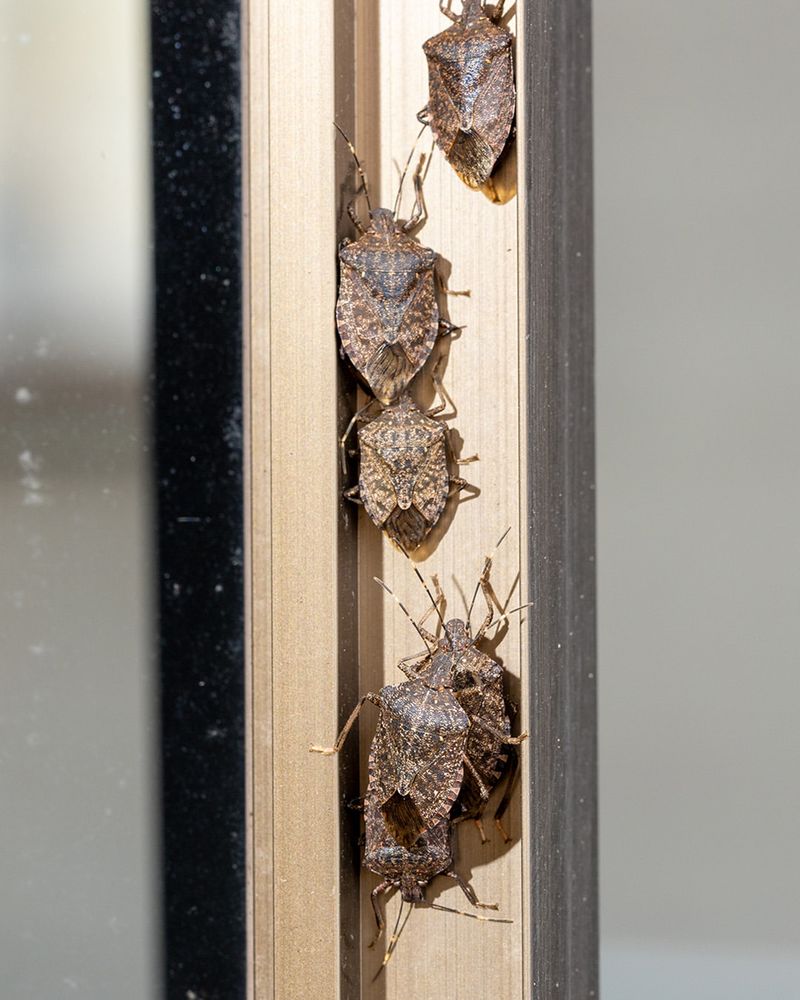
Here is something most people never think about: the direction your house faces could be making it more attractive to stink bugs than your neighbor’s home. It sounds strange, but it is backed by real observation.
Stink bugs are drawn to warmth and sunlight, especially as temperatures start dropping in late summer and early fall.
South- and west-facing walls get the most direct sunlight during the afternoon hours. That sun warms the siding and creates a cozy, sun-soaked surface that stink bugs find irresistible.
They gather on these warm walls as a way of soaking up heat before temperatures drop overnight. It is a survival behavior that just happens to make certain homes look like stink bug conventions.
Light-colored siding also plays a role. Pale colors reflect more light, and stink bugs seem to be drawn to bright surfaces.
A white or cream-colored house with a south-facing wall can attract noticeably more stink bugs than a darker house with a north-facing wall just a few houses down the street.
You cannot easily change which direction your house faces, but there are a few things you can do. Installing window screens in good repair and checking for gaps where warm air escapes from inside can help reduce how many bugs actually make it indoors.
Bugs are not just sitting on your wall for fun. They are looking for a way inside to stay warm through winter.
Some homeowners have had success using residual insecticide sprays around the perimeter of their home in early fall, focusing on the sunny sides of the house where stink bugs are most likely to congregate before attempting to enter.
4. Gaps And Entry Points Around The Home
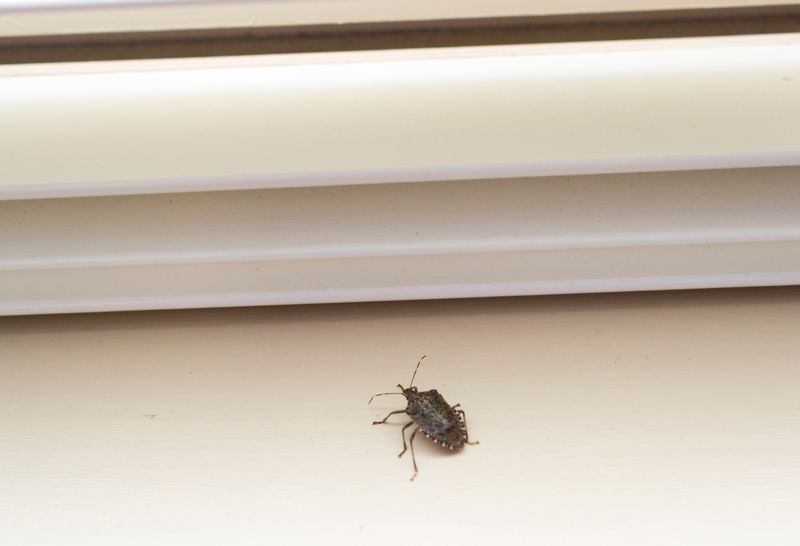
Stink bugs are surprisingly good at finding weak spots in a home’s exterior. A house that looks solid from the outside can still have dozens of tiny entry points that bugs exploit every single fall.
The difference between a home that gets invaded and one that stays mostly bug-free often comes down to how well it has been sealed.
Common problem areas include gaps around window frames, door sweeps that no longer sit flush, cracks where siding meets the foundation, and openings around utility pipes, cables, and vents. Chimneys without proper caps are also popular entry points.
Even the space underneath fascia boards along the roofline can provide enough room for stink bugs to squeeze through.
Window-mounted air conditioners deserve special attention. The foam insulation strips that come with most units break down over time and leave noticeable gaps on the sides.
Stink bugs can and do use these gaps to enter attics and wall voids, sometimes in large numbers before anyone notices.
A well-sealed home simply gives stink bugs fewer footholds. Caulking around windows and doors, replacing worn door sweeps, and adding foam backer rod to larger gaps can make a meaningful difference.
Hardware cloth with small mesh openings can be used to cover vents and chimney openings without blocking airflow.
Walking around the outside of your home in early September, before stink bug season peaks, is one of the most practical things you can do. Look for any spot where light comes through from inside or where you can feel air moving.
If air can move through it, a stink bug can too. Sealing those spots early keeps them outside where they belong.
5. Proximity To Overwintering Sites From Prior Years
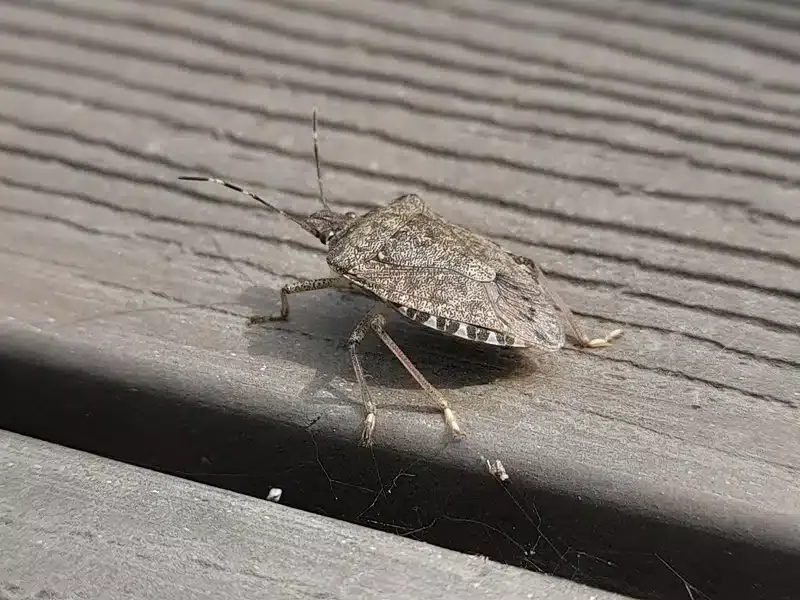
Stink bugs have a strong connection to places where they have successfully spent the winter before. Once a location proves to be a safe and warm shelter, it tends to attract activity again the following year.
A yard that hosted a stink bug colony last winter is already at a disadvantage heading into the next fall season.
In spring, adult stink bugs that have been overwintering inside walls, attics, wood piles, or dense vegetation begin to emerge. The trees, shrubs, and ornamental plants closest to those overwintering spots are typically the first places these adults are spotted.
They do not travel far right away. They warm up, feed nearby, and begin the cycle of activity all over again close to where they started.
This creates a pattern where certain yards see stink bug activity earlier in the season and in greater numbers than neighboring yards that were not used as overwintering sites. The bugs are not coming from far away.
They are already there, waking up and spreading out from the same spots they used last year.
Reducing overwintering habitat around your property can help interrupt this cycle. Wood piles stored directly against the house, dense brush piles left over from yard cleanup, and thick layers of leaf litter along the foundation all provide shelter that stink bugs love.
Moving wood piles away from the house, clearing debris in late summer, and keeping vegetation trimmed back from the exterior walls can make your yard less hospitable.
It takes some effort, but reducing the number of bugs that successfully overwinter on your property year after year is one of the most effective long-term strategies for lowering your overall stink bug pressure.
6. They’re Drawn To Each Other Once Settled
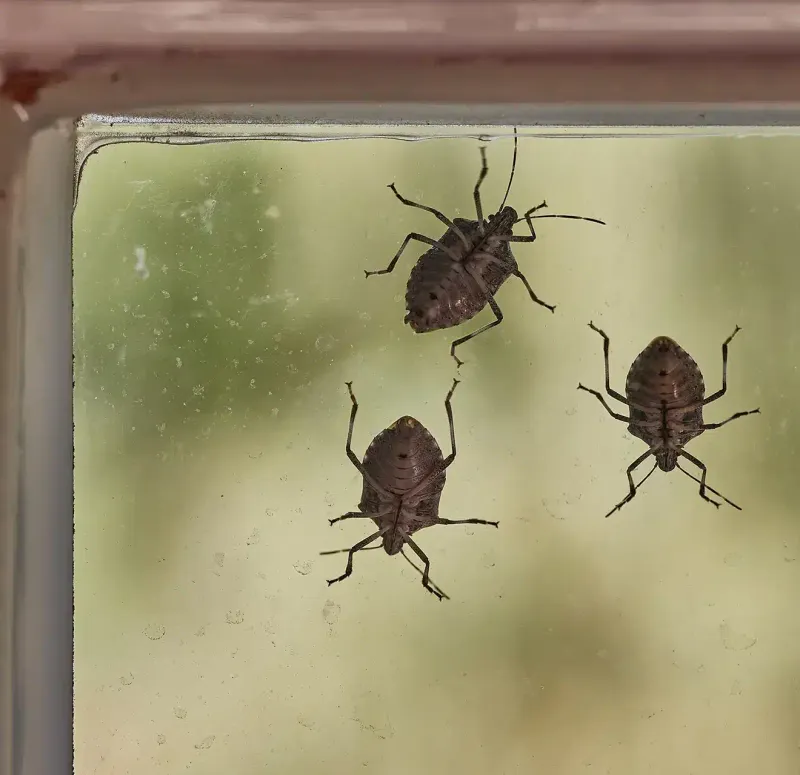
Stink bugs have a secret communication system, and it works against homeowners in a sneaky way. Once a group of stink bugs finds a good overwintering spot, they release chemical signals called aggregation pheromones.
These invisible signals act like a broadcast message to other stink bugs in the area, essentially saying the shelter here is good, come join us.
This behavior explains why one yard can go from having a few stink bugs to having a serious infestation in just a matter of weeks. It is not that the yard suddenly changed.
It is that the first arrivals called in reinforcements. Neighboring yards that never got that initial foothold simply never triggered the chain reaction.
The pheromone effect is powerful enough that researchers have studied it as a potential tool for trapping. Some commercially available stink bug traps use synthetic versions of these aggregation chemicals to lure bugs in.
Placing these traps away from your home, rather than near it, can help pull bugs away from your walls instead of toward them.
Understanding this behavior also explains why stink bug problems tend to get worse each year in the same locations. The chemical signals can linger on surfaces even after the bugs are gone, and returning bugs may be responding to residual scent cues from previous seasons.
Thoroughly cleaning exterior surfaces in late summer, including walls and window frames, may help reduce this effect.
The bottom line is that a yard with even a small established population has a built-in recruitment advantage over a yard that never hosted any. Breaking the cycle early, before large numbers settle in, makes a real difference in how bad things get by mid-October.