Why Florida HOA Landscaping Rules Are About To Change And What To Plant Now
Picture your entire HOA board adjusting to a law it long assumed nobody would enforce. Florida has already rewritten what counts as acceptable landscaping, and enforcement is finally catching up.
Boards built your covenant strictly around turf, and now that covenant wavers. Homeowners near you have quietly discovered a statute shielding native plants from petty fines.
Disputes are surfacing quickly in gated communities from Tampa to Tallahassee. Grass lawns still consume water your community can no longer justify losing.
Native beds cut bills, handle drought, and quietly surprise compliance officers. Florida residents are leaning hard on protections most neighbors never even knew existed.
Ignoring this shift invites disputes against your board and public embarrassment. Change is already moving fast through mailboxes, meetings, and stacks of violation letters.
Your covenant might already be completely unenforceable and nobody has bothered telling you. Read what happens next, because your yard is not the only thing at stake.
Statute 720.3075 Limits Turf-Only Covenants
Your HOA’s turf-only rule might already be increasingly difficult to enforce. Passed to support water conservation, this law directly limits what an HOA can force you to grow.
Any covenant that bans all Florida-Friendly landscaping is now legally unenforceable under this statute.
That means your neighbor’s letter demanding you replant St. Augustine grass may carry limited legal weight, though your board can still review the plan.
HOAs across the state are moving to update their rulebooks as more homeowners learn their rights.
Many associations wrote their landscaping rules decades ago, when turf was considered the gold standard. Back then, nobody was thinking about drought, rising water bills, or native plant benefits.
Now the law says otherwise, and that shift is enormous. Homeowners who understand Statute 720.3075 hold real power in disputes with their associations.
Some HOA attorneys report anecdotally that landscaping-related complaints are becoming more common, though no statewide data currently tracks this trend. Boards that ignore this statute risk costly legal challenges from informed residents.
The Florida-Friendly Landscaping rules are backed by the University of Florida’s IFAS program. That program gives homeowners a science-based defense against outdated HOA demands.
Knowing this statute exists is your first step toward a smarter, lower-maintenance yard. Understanding it fully could save you hundreds in fines and thousands in water costs.
Water Restrictions Push Drought-Tolerant Standards
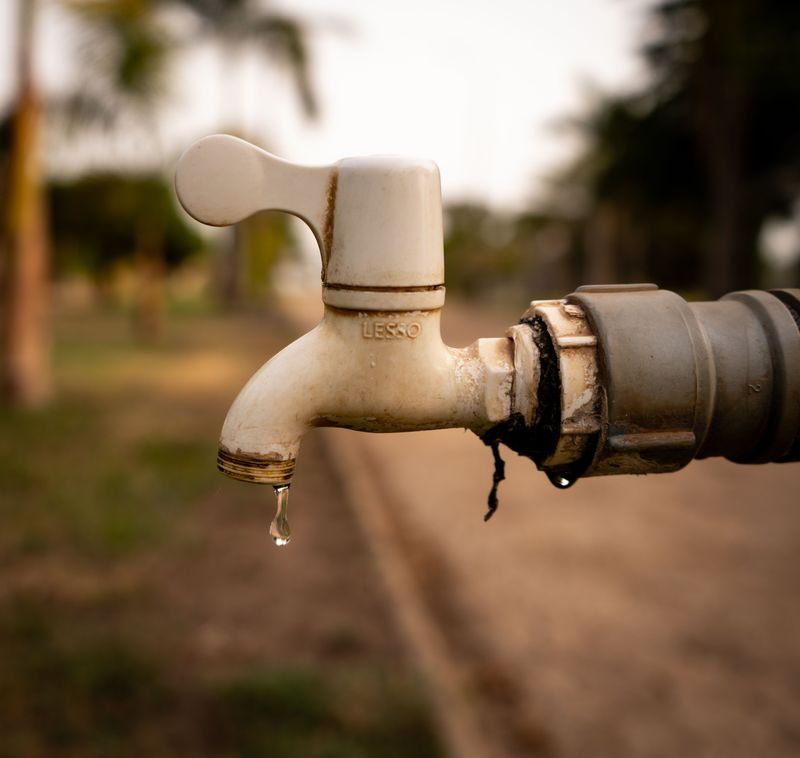
Water is getting expensive, scarce, and politically charged all at once. South Florida water management districts have tightened irrigation schedules, and the pressure is only growing statewide.
HOAs that once required lush green lawns are now facing pushback from their own members. Residents paying sky-high water bills are demanding rule changes that allow drought-tolerant plants.
Some associations have already updated their approved plant lists voluntarily. Others are waiting for legal pressure to force their hand, which is coming faster than many boards expected.
Drought-tolerant landscaping does not mean ugly or bare. Plants like firebush, beautyberry, and native grasses create stunning yards that need almost no supplemental watering after they establish.
Your Florida Garden Changes Every Week. Your Plan Should Too.
Gardening in Florida changes quickly throughout the season. Every Friday you’ll receive a simple weekly plan showing exactly what to plant, prune, fertilize, harvest, and protect so you never miss the right timing.
Florida HOA landscaping rules are shifting because the old model simply does not work anymore. Aquifer levels are dropping, and local governments are stepping in with stricter water use ordinances.
Several Florida water management districts restrict lawn irrigation to specific days each week, with exact schedules varying by county and season, so check your local district’s current rules.
Keeping traditional turf alive on that schedule is nearly impossible without wasting water. HOAs that cling to turf-heavy standards are putting residents in an impossible position.
You cannot follow both the county water rules and the HOA’s old landscaping mandates at the same time.
Smart associations are getting ahead of this conflict by adopting drought-tolerant plant standards now. Boards that act early protect their communities from legal disputes and unhappy homeowners.
Rising Costs Force Irrigation Rule Changes
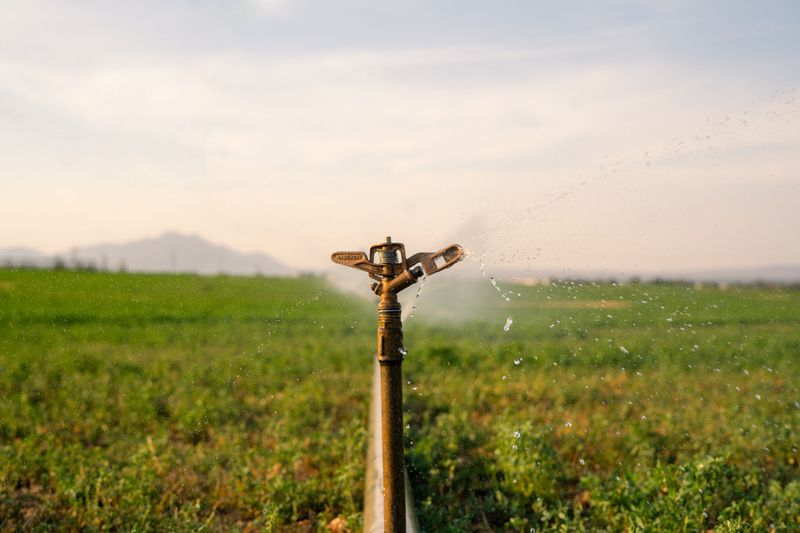
Nobody budgeted for water bills this high. Across central and south Florida, homeowners are reporting a significant rise in irrigation costs in recent years.
HOAs are feeling the pressure too, especially in communities with shared green spaces. Maintaining common-area turf has become a significant financial strain for many boards.
Some associations spend a substantial amount annually just to keep grass green through dry season. That money could fund road repairs, amenity upgrades, or reduced dues instead.
The financial reality is forcing a practical rethink of irrigation rules. Boards that once fined homeowners for skipping watering days are now quietly relaxing those requirements.
Florida HOA landscaping rules tied to irrigation schedules are becoming harder to justify. When a homeowner shows their water bill alongside the county restriction schedule, boards lose the argument fast.
Smart technology is also changing the conversation. Some Florida counties encourage or require smart irrigation controllers that adjust based on rainfall data, and HOAs are generally expected to accommodate them where local ordinances apply.
Older HOA rules often specified fixed watering schedules that conflict with modern smart systems. Updating those rules is not just helpful, it is increasingly legally necessary.
Associations that embrace efficient irrigation standards attract buyers who care about sustainability. A neighborhood known for smart water use becomes a selling point in today’s eco-conscious market.
Lower water costs generally mean happier homeowners and healthier reserves. Boards that make the switch now will thank themselves in two years.
Homeowners Cite Florida-Friendly Law To Fight Fines
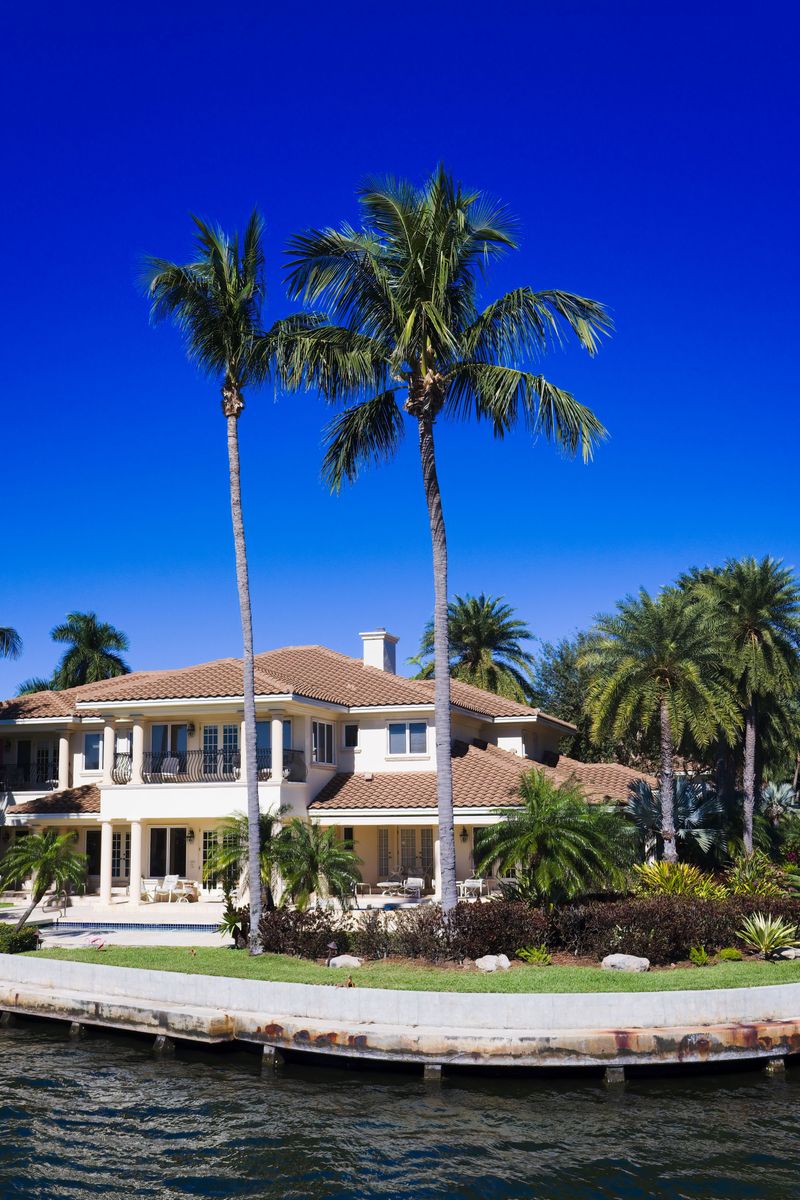
Getting a fine for planting native flowers feels unfair, but it happens every week somewhere in Florida. More homeowners are now fighting back, and they are winning.
The Florida-Friendly Landscaping law gives residents a specific legal shield against HOA overreach. If your yard meets the nine principles outlined by the program, your association cannot legally fine you simply for choosing Florida-Friendly landscaping.
It may still require your plan to go through standard architectural review, though.stormwater runoff. Meeting even a few of them can be enough to challenge a fine in mediation.
Homeowners who document their plant choices and cite the statute in writing often see fines dropped quickly. HOA boards do not want a legal dispute they are likely to lose.
Legal disputes over landscaping covenants have occurred in Florida communities, though outcomes vary depending on the specific covenant language and how the case is argued.
In cases that have gone to mediation or court, homeowners who can document that their landscaping meets Florida-Friendly standards have a stronger legal position.
The University of Florida offers free resources to help homeowners build their case. Printouts from the IFAS Florida-Friendly Landscaping program carry real weight in HOA hearings.
Florida HOA landscaping rules are being rewritten because of homeowners brave enough to push back. Each successful challenge sets a precedent that makes the next fight easier for everyone.
You do not always need a lawyer to start the process. A well-written letter citing Statute 720.3075 and the Florida-Friendly program has helped many homeowners resolve fines without escalation.
This is general information, not legal advice, and consulting an attorney is recommended for disputes specific to your situation.
Muhly Grass Adds Color, Meets Standards
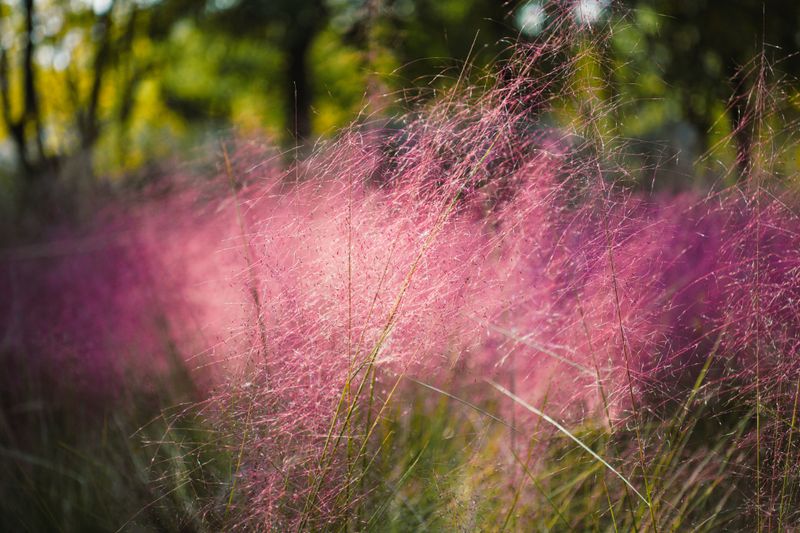
Imagine cotton candy growing in your front yard, and your HOA cannot say a word about it. Muhly grass blooms in breathtaking pink clouds every fall, turning heads in any neighborhood.
Muhlenbergia capillaris is native to Florida, which means it qualifies under the Florida-Friendly Landscaping program. That native status gives homeowners solid legal ground when HOAs push back.
This ornamental grass is highly resilient once it settles in. It handles drought, poor soil, and full sun without complaint, making it perfect for Florida’s intense summers.
Muhly grass grows in clumps about three feet tall and three feet wide. That tidy size fits neatly into foundation beds, borders, and median strips without looking wild or unkempt.
HOAs that worry about messy native plantings rarely object to muhly grass for long. Its clean, structured shape and spectacular bloom season satisfy even the pickiest architectural review committee.
Florida HOA landscaping rules often require a certain percentage of lawn coverage. Pairing muhly grass clusters with low groundcovers can meet those requirements while slashing your water use.
This grass attracts birds and butterflies without becoming invasive or spreading aggressively. Pollinators love the feathery plumes, and the plant seeds itself modestly without taking over.
Planting muhly grass in fall gives it the cool months to establish roots before summer stress hits. Buy three or more plants for a mass planting effect that looks intentional and impressive.
Coontie Offers A Tidy Native Alternative
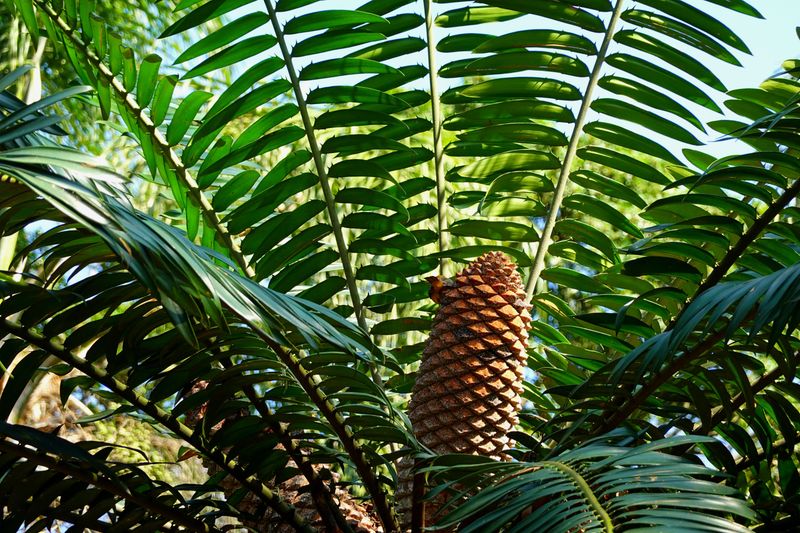
Coontie belongs to an ancient plant lineage, and it still looks sharp in a modern front yard. This ancient cycad is the only cycad native to the continental United States.
Zamia integrifolia stays low, grows slowly, and never needs pruning to look polished. That low-maintenance profile makes it a dream plant for homeowners who want beauty without weekend labor.
HOAs love plants that stay in their lane, and coontie delivers exactly that. It will not creep into your neighbor’s yard or suddenly shoot up and block a sightline.
The plant reaches about two to three feet tall with a similar spread. Its dark, glossy fronds look intentional and formal, which pleases architectural review boards across the state.
Coontie is also the sole host plant for the Atala butterfly, a species that nearly went extinct. Planting it in your yard brings this stunning blue-and-orange butterfly back to your neighborhood.
Florida HOA landscaping rules are shifting toward plants with ecological value, and coontie checks every box. It supports wildlife, conserves water, and looks tidy without any chemical inputs.
This plant handles full sun, partial shade, and sandy soil with equal ease. Once established, it rarely needs supplemental water, even during the driest months of the year.
Coontie is widely available at native plant nurseries and many big-box garden centers now. Pick up a few and tuck them into shady spots where grass always struggled to grow.
Beach Sunflower Fills Beds Fast
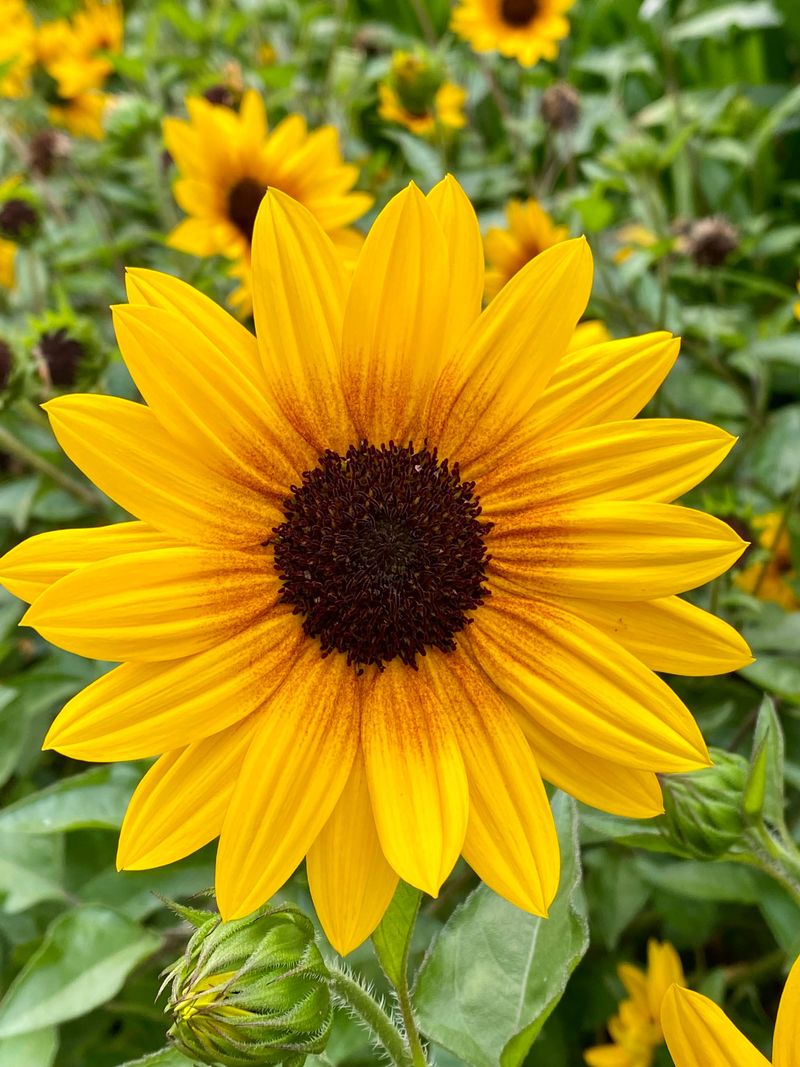
Need something that grows fast, blooms nonstop, and practically takes care of itself? Beach sunflower is your answer, and it will cover a bare bed in one season flat.
Helianthus debilis is a sprawling groundcover that spreads eagerly across sunny spots. It produces cheerful yellow flowers almost year-round in south and central parts of the state.
This plant is native to Florida’s coastal areas, which means it is built for heat, salt air, and sandy soil. It thrives in conditions that would finish off most traditional landscaping plants.
HOA boards sometimes worry about groundcovers looking messy or uncontrolled. Beach sunflower is easy to edge along bed borders, giving it a neat, intentional appearance that satisfies most committees.
Florida HOA landscaping rules increasingly recognize groundcovers as acceptable lawn alternatives. Pairing beach sunflower with mulch creates a polished look that meets modern association standards.
The plant attracts goldfinches, which eat the seeds eagerly through the cooler months. Watching bright yellow birds on bright yellow flowers is one of those backyard moments you cannot plan.
Beach sunflower does spread, so give it room and plan to trim it back from sidewalks seasonally. A quick edge once a month keeps it looking deliberate rather than abandoned.
Plant it in full sun and skip the fertilizer entirely. Rich soil actually makes it bloom less, so your sandy Florida yard is exactly what this wildflower wants.
Simpson’s Stopper Replaces Boundary Hedges
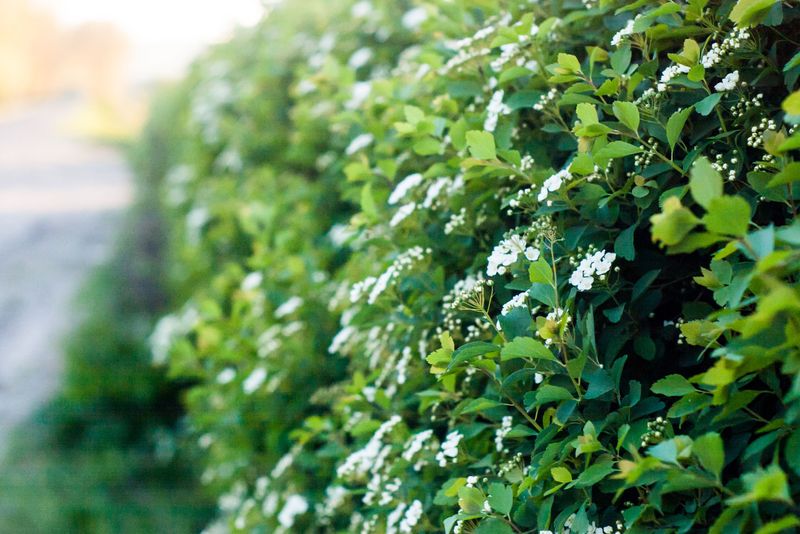
Wax myrtle and clusia get all the attention, but Simpson’s stopper is the hedge plant that serious Florida gardeners swear by. It is dense, fragrant, and genuinely wildlife-friendly in a way few shrubs can match.
Myrcianthes fragrans grows into a tight, multi-stemmed shrub that works perfectly as a privacy screen. It reaches six to fifteen feet tall depending on how much you prune it.
The small white flowers smell faintly sweet and attract native bees throughout the warm months. Red berries follow the blooms and bring mockingbirds, catbirds, and waxwings flocking to your yard.
HOAs that require a specific hedge height will find Simpson’s stopper easy to manage. Regular trimming keeps it at any height you need, and it responds to shaping without looking stressed or sparse.
Florida HOA landscaping rules often mandate screening between properties of a certain height. This shrub meets those requirements while also qualifying as a Florida-Friendly native plant.
It handles full sun to partial shade, which makes it flexible for different yard orientations. Whether your boundary line gets morning sun or afternoon shade, this plant adapts without complaint.
Simpson’s stopper is also resistant to most pests and diseases common in Florida landscapes. You will not need a pest control schedule to keep it looking sharp through the seasons.
Swap out your old areca palms or invasive ficus for Simpson’s stopper this season. Your yard will look better, your HOA will stay quiet, and the birds will thank you personally.