How To Keep Georgia Cosmos Blooming Continuously Through Autumn

Cosmos have a way of stealing the show just when many other flowers begin to slow down. Their bright blooms and airy stems can keep a garden looking full well into the cooler months.
By late summer, though, it is easy to think the best display is already over. A few common habits can leave plants producing fewer flowers than they are capable of.
Fortunately, cosmos are eager to keep blooming when they get the care they need at the right time. They respond quickly to small adjustments instead of complicated routines.
That is one reason they remain a favorite in Georgia gardens year after year.
With a little attention now, those colorful flowers can keep brightening your yard long after many summer annuals have finished.
1. Give Them At Least Six Hours Of Sunlight
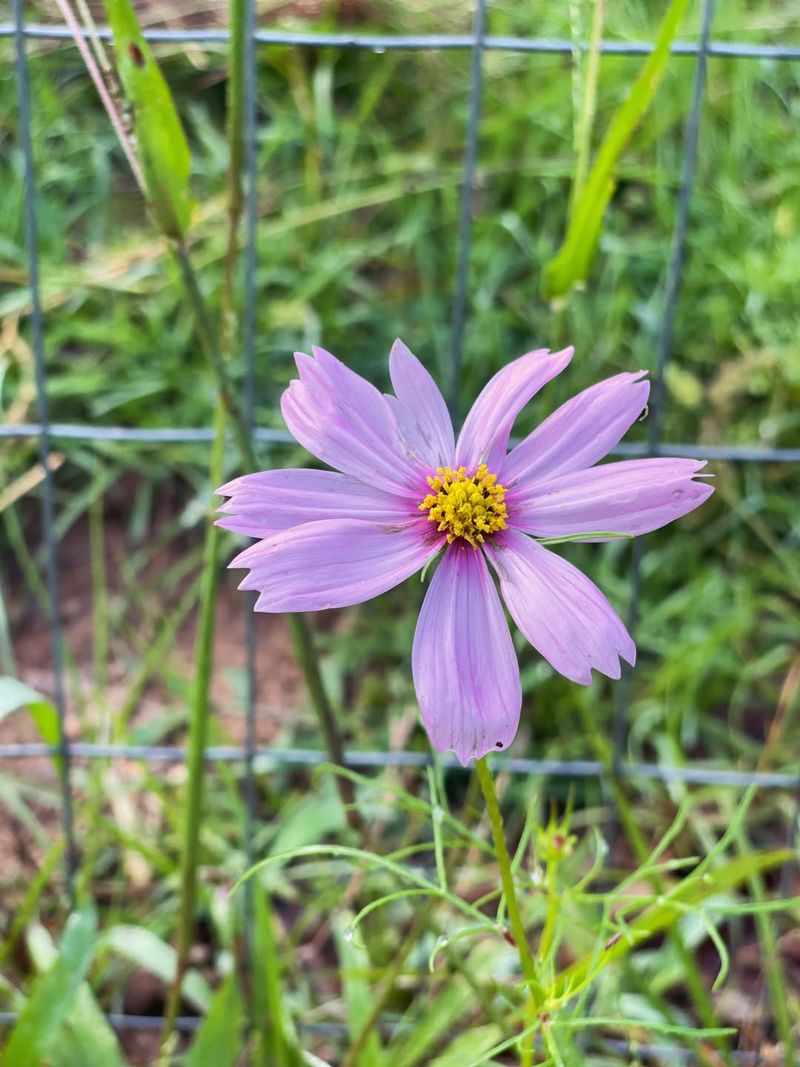
Sunlight is non-negotiable for cosmos. Without enough of it, your plants stretch out, get leggy, and produce far fewer flowers than they should.
Cosmos need a minimum of six hours of direct sun each day. Eight hours is even better, especially heading into late summer when the days start getting shorter.
Pick your planting spot carefully. South-facing beds or open garden areas away from tree shade tend to work best.
Spots that get morning sun and afternoon shade can sometimes work, but full sun exposure typically produces stronger, bushier plants.
In Georgia, summer sun is intense. Cosmos actually handle that heat better than most flowers.
They evolved in warm, open meadows, so they thrive when the sun beats down.
Watch for signs that your plants are not getting enough light. Tall, floppy stems with sparse blooms usually point to shade problems.
Relocating container plants to a sunnier spot can help, but transplanting established cosmos in the ground is trickier and often stresses the plant.
Keep the area around your plants clear. Nearby shrubs or fast-growing neighbors can quietly steal sunlight over time.
A little trimming around the bed goes a long way toward keeping your cosmos happy and flowering through autumn.
2. Water Thoroughly When The Soil Turns Dry

Cosmos are surprisingly tough when it comes to drought. Overwatering actually causes more problems than underwatering for these plants.
Water deeply but only when the top inch or two of soil feels dry to the touch. Shallow, frequent watering encourages weak root systems that struggle during dry spells.
A good deep soak every five to seven days is often enough during moderate weather. During hot, dry Georgia summers, you may need to water every three to four days depending on your soil type and sun exposure.
Sandy soils drain fast and dry out quicker. Clay soils hold moisture longer but can become waterlogged if you water too often.
Know your soil before setting a watering schedule.
Water at the base of the plant, not overhead. Wet foliage sitting overnight raises the risk of fungal issues, especially during humid Southern summers.
Morning watering is a solid habit. It gives leaves time to dry before evening and puts moisture where roots need it most.
Your Georgia Garden Changes Every Week. Your Plan Should Too.
Gardening in Georgia changes quickly throughout the season. Every Friday you’ll receive a simple weekly plan showing exactly what to plant, prune, fertilize, harvest, and protect so you never miss the right timing.
Skip watering right after heavy rain and check the soil first before adding more.
Consistent but moderate watering keeps cosmos blooming longer. Stressed plants slow their flower production.
A steady routine through late summer and fall helps maintain a continuous display of blooms right up to the first frost.
3. Remove Spent Flowers To Encourage New Buds

Deadheading is one of the most effective things you can do to keep cosmos blooming. Skip it, and plants shift their energy toward making seeds instead of new flowers.
Check your plants every few days. Once a flower fades and the petals start to drop, pinch or snip it off just below the spent bloom.
You do not need special tools, just clean fingers or a small pair of scissors work fine.
Focus on removing blooms that have fully faded. Leaving even a few spent flowers to mature can signal the plant to slow down its blooming cycle noticeably.
Regular deadheading through July, August, and September keeps the plant in active flowering mode. Cosmos can produce a steady flush of new buds when old blooms are removed consistently.
Do not stress about being perfect. A quick pass through the garden every couple of days is enough to make a real difference.
You will notice more buds forming within a week or so of starting a regular routine.
Late in the season, you can let a few flowers go to seed if you want cosmos to self-sow for next year.
Southern gardens often see volunteer cosmos seedlings pop up in spring from seeds that fell the previous autumn, which is a nice bonus without extra effort.
4. Feed With A Low-Nitrogen Fertilizer

Feeding cosmos sounds straightforward, but the type of fertilizer you choose makes a significant difference in how well they bloom.
High-nitrogen fertilizers push plants to produce lush, dark green leaves. That sounds good, but it often comes at the cost of flowers.
Cosmos fed too much nitrogen tend to grow big and leafy with very few blooms.
A low-nitrogen, phosphorus-rich fertilizer supports root development and flower production. Look for a balanced formula where the middle number on the label is higher than the first.
Something like a 5-10-10 or similar ratio works well for flowering plants.
Apply fertilizer sparingly. Cosmos are light feeders and do not need heavy doses.
One light feeding in midsummer is often enough to carry them through the rest of the blooming season.
Avoid fertilizing right before a heavy rain event. Nutrients can wash away before roots absorb them, which wastes product and does not help your plants at all.
Scratch granular fertilizer gently into the soil surface around the base of the plant, then water it in. Liquid fertilizers diluted to half strength are another option that tends to be gentler on cosmos roots.
Overfertilizing is a common mistake. When in doubt, use less and observe how your plants respond before adding more.
5. Add Mulch To Hold Soil Moisture

Mulch does quiet, steady work in a garden. It sits on the soil surface and slows down moisture loss, which matters a lot during dry Southern summers.
Apply a two-to-three inch layer of mulch around your cosmos plants. Straw, shredded leaves, or wood chips all work well.
Avoid piling mulch directly against the stems, as that can trap moisture and encourage rot at the base.
A good mulch layer can reduce how often you need to water. In Georgia’s summer heat, soil can dry out fast between waterings.
Mulch acts like a buffer, keeping the root zone cooler and more evenly moist.
Mulch also helps suppress weeds. Fewer weeds mean less competition for water and nutrients, which gives your cosmos a cleaner shot at continuous blooming.
Organic mulches break down slowly over the season and add a small amount of organic matter back into the soil as they decompose. That is a gradual benefit, not a quick fix, but it adds up over time.
Check your mulch layer occasionally. It can thin out over the season as it breaks down or gets moved by rain.
Top it off as needed to keep that protective layer consistent through the fall months.
Mulching is low-effort with solid payoff.
6. Space Plants For Better Air Circulation
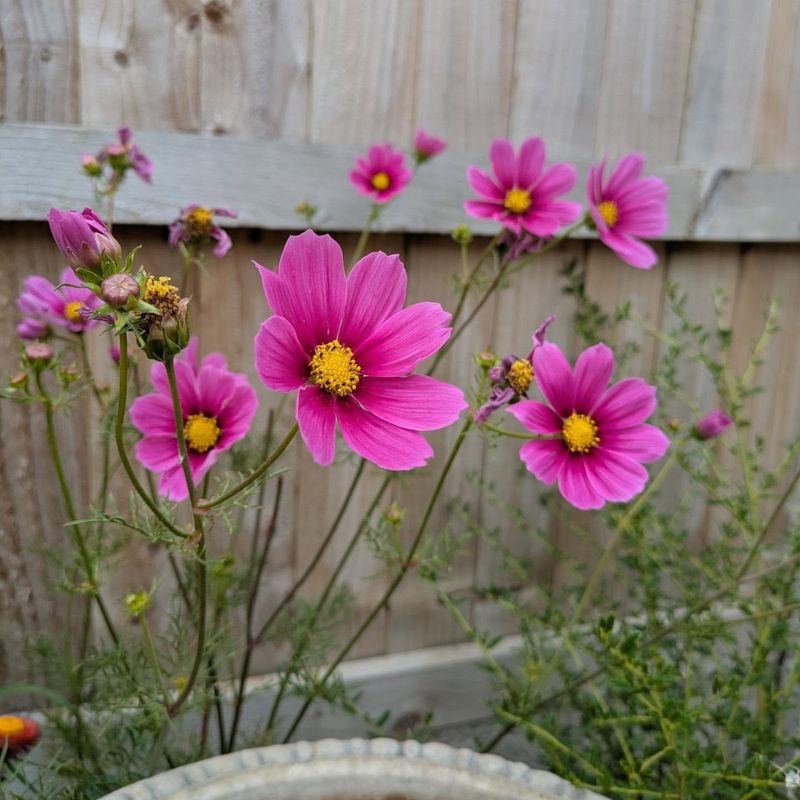
Crowded plants create problems. When cosmos are packed too close together, air cannot move freely between stems, and that trapped humidity becomes a breeding ground for powdery mildew and other fungal issues.
Plant cosmos about twelve to eighteen inches apart. That spacing gives each plant room to grow outward without pressing into its neighbors.
Good spacing also means each plant gets its fair share of sunlight.
If you started with seedlings planted too close, thinning them out mid-season can still help. Remove weaker plants to open up space and improve airflow for the remaining ones.
Humid summers in the South make fungal pressure a real concern. Powdery mildew shows up as a white, dusty coating on leaves and can spread fast in crowded, poorly ventilated beds.
Proper spacing reduces that risk noticeably.
Avoid planting cosmos in areas where air tends to stagnate, like tight corners between fences or dense shrub borders. Open garden beds with some natural breeze work much better for these plants.
Healthy air circulation also helps flowers dry faster after rain or irrigation. Wet petals and foliage sitting for long periods in humid conditions can accelerate flower deterioration and reduce how long each bloom lasts.
Spacing correctly from the start saves effort later.
7. Harvest Fresh Blooms Throughout The Season

Cutting cosmos for bouquets is not just enjoyable, it actively encourages the plant to produce more blooms. Regular harvesting works similarly to deadheading in keeping the plant focused on flowering.
Cut stems in the morning when flowers are freshest. Choose blooms that have just opened or are still slightly in bud.
Fully open flowers tend to fade faster once cut and placed in a vase indoors.
Use clean scissors or garden snips. Cut stems at a long angle and place them in water right away.
Cosmos stems are delicate and can wilt quickly if left out of water for more than a few minutes.
Harvesting every few days keeps production moving. Plants that are regularly cut tend to branch more aggressively and push out new buds faster than plants left untouched.
Mid-season is a great time to start cutting seriously. From July through September in warmer Southern climates, cosmos can produce a steady supply of fresh stems when managed well.
Strip any leaves that would sit below the waterline in your vase. Submerged foliage breaks down quickly and clouds the water, shortening the vase life of your flowers.
Bringing cosmos inside also lets you enjoy the blooms up close.