The Most Underrated Pennsylvania Native Bloom That Feeds Bees Into September
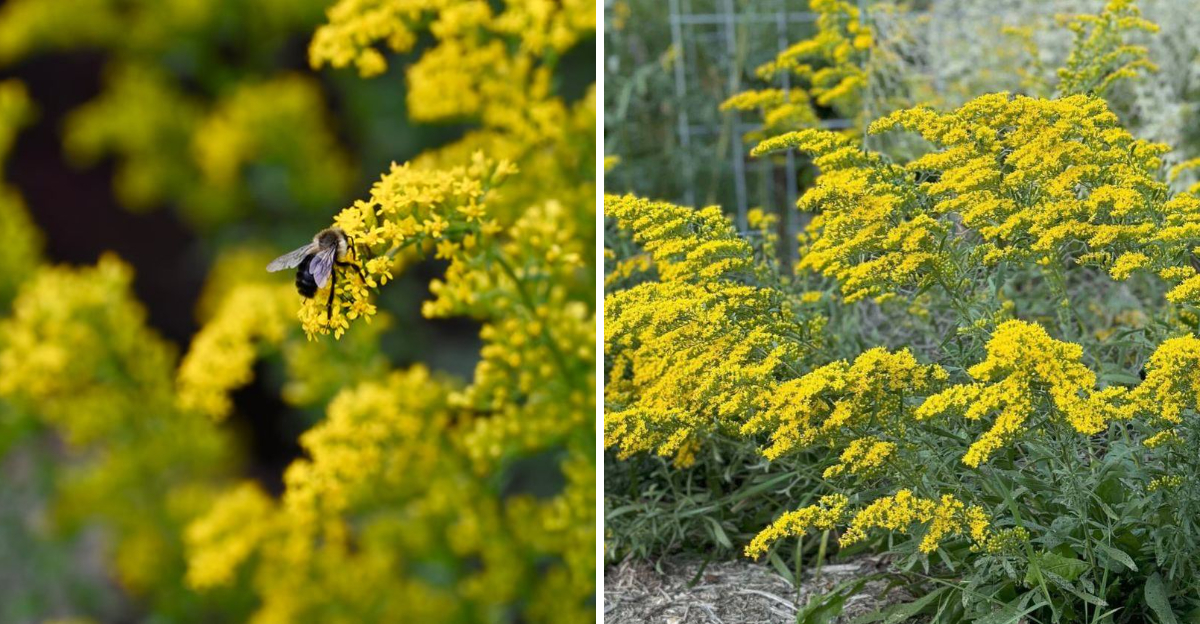
By the time September arrives, most Pennsylvania gardens have already given most of what they’re going to give for the season.
The peak summer bloomers are winding down, the beds are looking tired, and the bees that were visiting in numbers just weeks ago are now searching a landscape that is becoming increasingly sparse.
For native bees building winter reserves, that late season food gap is a genuine survival challenge.
One native Pennsylvania bloom keeps feeding them into September when almost everything else has stopped.
It’s not a plant most gardeners would recognize by name. It doesn’t have the profile of coneflower or black eyed Susan, the native plants that get most of the late summer attention.
But pollinators find it with an enthusiasm that reflects exactly how important it is to them at this specific point in the season.
It’s been growing in Pennsylvania’s meadows and woodland edges for centuries. And most residential gardens have never included it.
Here’s the underrated native bloom that could be the most valuable addition to your Pennsylvania garden this fall.
This Native Bloom Feeds Bees Into September
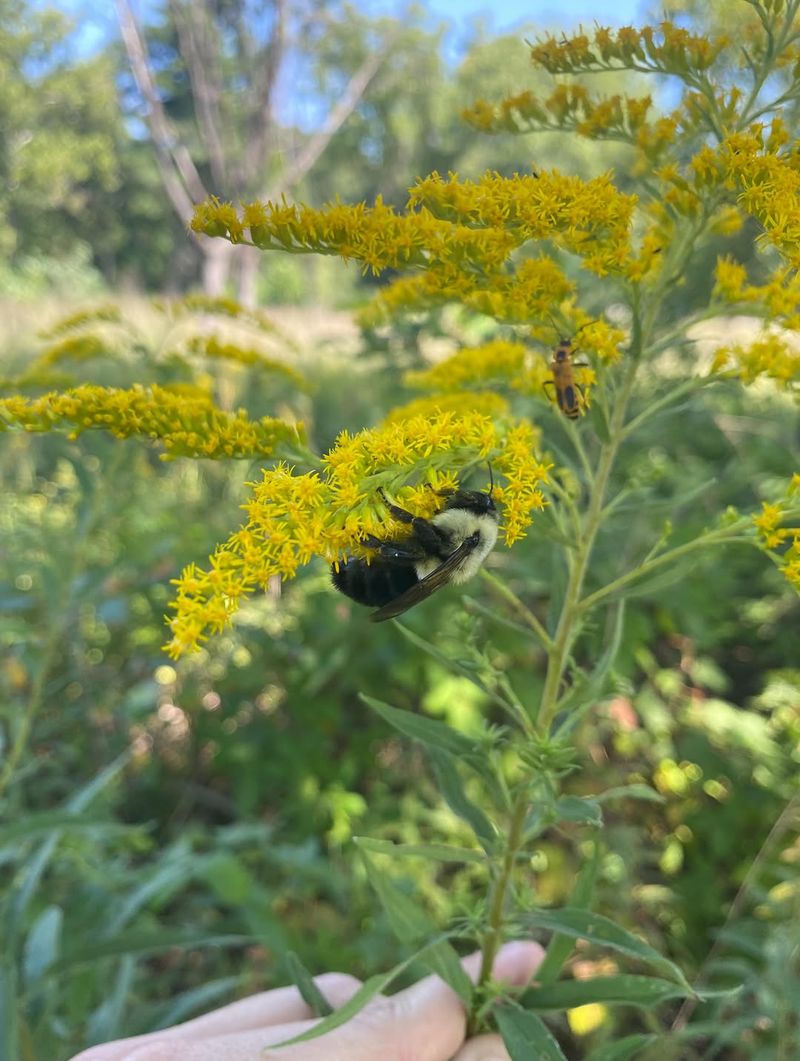
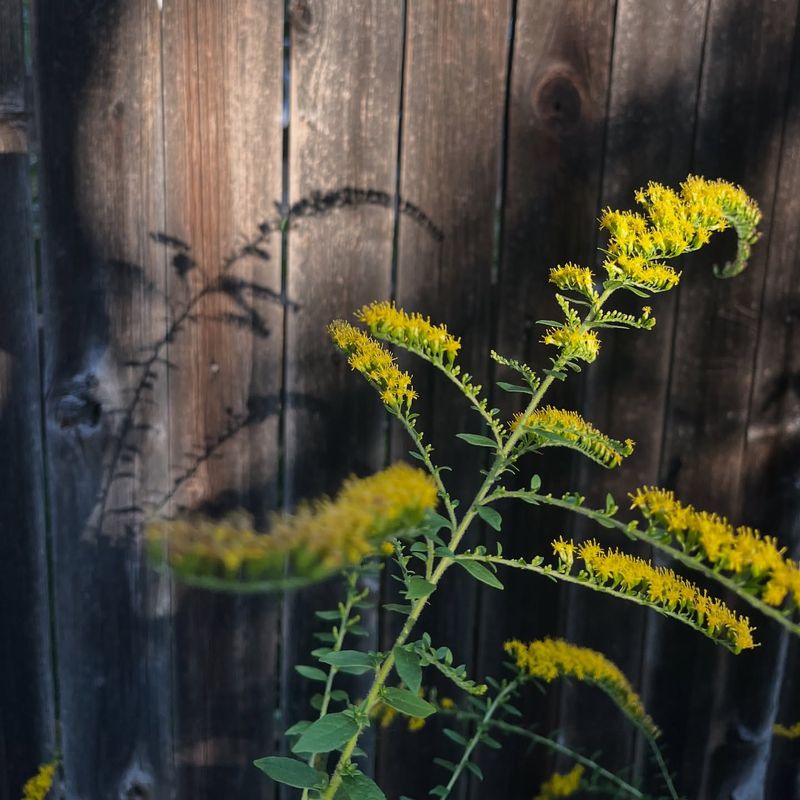
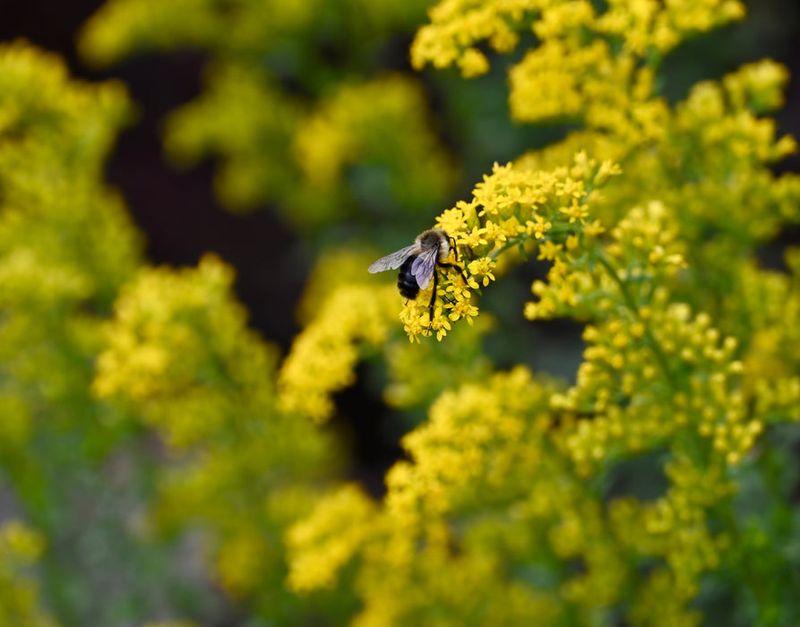
Picture a plant that looks like it belongs in a painting of an old Pennsylvania meadow, with slender stems that arch gracefully at the tips and tiny yellow flowers clustered so tightly they almost look like golden feathers waving in the breeze.
That plant is Gray Goldenrod, and it is more beautiful up close than most people ever give it credit for.
Solidago nemoralis is a true native wildflower that has been growing across Pennsylvania long before anyone planted a formal garden.
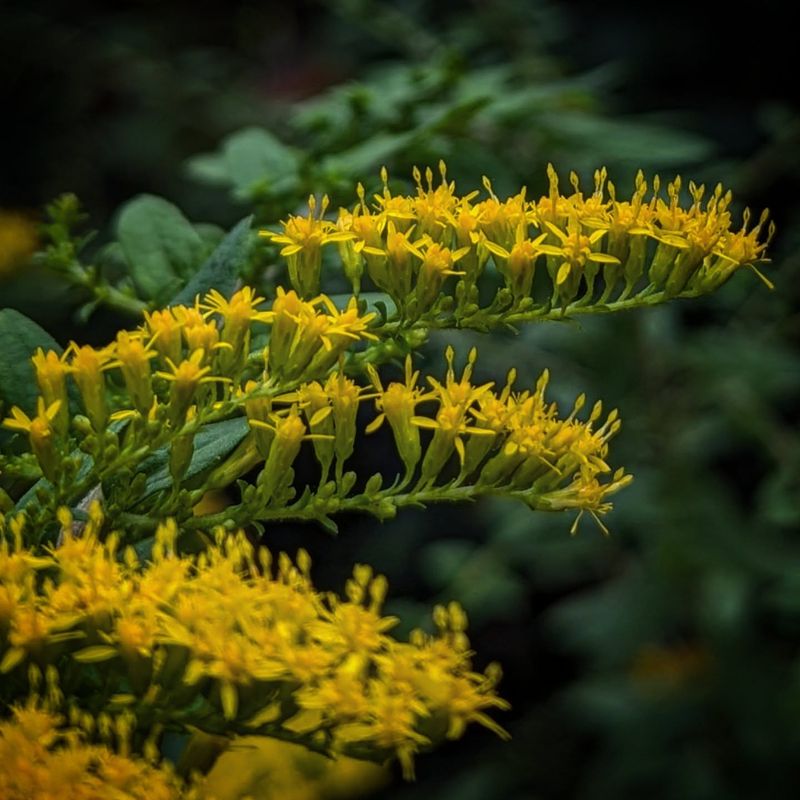
Its flowers are small but packed together in curved, one-sided clusters that cascade from the top of each stem, almost like a little golden fountain tipping over.
The foliage is soft and gray-green, which gives the whole plant a muted, natural look that blends into a landscape without screaming for attention.
Unlike hybrid flowers bred to look bold and dramatic, Gray Goldenrod has a quiet confidence about it. The leaves stay attractive even before the blooms open, so the plant earns its place in the garden across multiple seasons.
It typically reaches about one to two feet tall, which makes it easy to layer with taller plants behind it and lower ground covers in front.
Gardeners who discover it for the first time often wish they had planted it sooner. It fits naturally into meadow plantings, along woodland edges, and on dry sunny slopes where other plants refuse to thrive.
Once you see it in full bloom in late summer, surrounded by buzzing bees, it becomes very hard to keep calling it underrated.
Why It’s Genuinely Overlooked
Walk through any garden center in Pennsylvania and you will find shelves stocked with flashy hybrid flowers in every color imaginable. Gray Goldenrod will not be one of them.
It does not have oversized blooms, it does not come in neon colors, and it does not beg for your attention the moment you walk past it. For a lot of gardeners, that is exactly why it gets passed over.
Your Pennsylvania Garden Changes Every Week. Your Plan Should Too.
Gardening in Pennsylvania changes quickly throughout the season. Every Friday you’ll receive a simple weekly plan showing exactly what to plant, prune, fertilize, harvest, and protect so you never miss the right timing.
Most people shopping for plants are drawn to drama. They want bold, eye-catching flowers that make an immediate statement in the yard.
Gray Goldenrod’s understated look works against it in that setting, even though that same quality is actually one of its greatest strengths in a real garden. It blends in.
It fills space without competing. It makes everything around it look more intentional and natural.
Gardening trends have also played a role in keeping it invisible. For decades, the focus was on manicured beds with uniform plants and no wildflower-style growth.
Gray Goldenrod has the relaxed, informal look of a wildflower, which made it easy to dismiss as a weed rather than a worthy garden plant.
That attitude is slowly changing as more people embrace native plant gardening and pollinator-friendly landscaping. Gardeners are starting to realize that a plant does not have to be showy to be valuable.
Gray Goldenrod has been quietly waiting for this moment, and it is finally starting to get the recognition it deserves from people who care more about ecological impact than Instagram-worthy flower arrangements. Sometimes the best plants are the ones nobody noticed first.
Why It Matters So Much For Bees In Late Summer
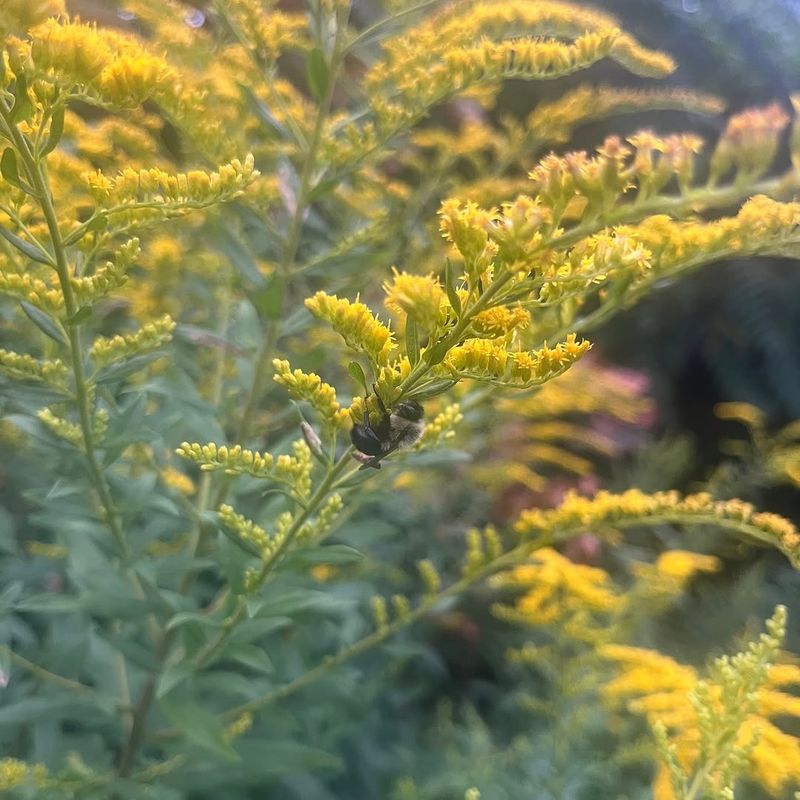
By the time August rolls into September, most flowering plants have already finished for the year. The garden starts to look tired.
Bees, however, still need to eat, and that is where Gray Goldenrod steps in and does something that very few other plants can do at that point in the season.
Goldenrod as a group is one of the single most important late-season pollinator plants in all of North America. Honeybees visit the flowers specifically to collect nectar and store it as honey before cold weather arrives.
That last-minute nectar collection is not optional for a hive. It is survival. Without enough stored food, a colony cannot make it through winter, so every late-blooming flower becomes critically important.
Native bees also rely heavily on goldenrod pollen in late summer. Many species of native bees time their nesting cycles so that the final round of larvae gets fed right when goldenrod is blooming.
The pollen is protein-rich and produced in large quantities, making it an ideal food source for provisioning nests that need to support the next generation.
Gray Goldenrod blooms a little later than some other goldenrod species, which means it fills a gap that even other goldenrods sometimes miss. Planting it in your yard means you are extending the food supply for pollinators right into the most difficult stretch of the season.
No other single plant you could add to a Pennsylvania garden does more for late-summer bee populations than a healthy patch of Gray Goldenrod in full bloom. That is not an exaggeration.
The Allergy Myth Worth Clearing Up
Ask almost anyone why they avoid goldenrod and they will say the same thing: allergies. It is one of the most persistent plant myths in American gardening, and it has unfairly kept goldenrod out of countless yards for generations.
The truth is actually pretty simple once you understand how plant pollination works. Gray Goldenrod is pollinated by insects, not by wind.
That means its pollen is sticky and heavy, designed to cling to the body of a bee or butterfly and travel from flower to flower on a living carrier. Sticky pollen does not float through the air. It does not drift into your nose.
It cannot cause hay fever because it never gets airborne in the first place. The plant that is actually responsible for most fall allergies is ragweed. Ragweed releases enormous amounts of lightweight, powdery pollen that the wind carries for miles.
It happens to bloom at exactly the same time as goldenrod, which is why the two plants have been confused for so long. Goldenrod is bright yellow and easy to spot, so people naturally blame it when their eyes start watering. Ragweed is green and easy to miss.
Researchers and allergists have confirmed this distinction repeatedly, but the myth keeps spreading. The good news is that once people learn the truth, they often feel a lot better about adding goldenrod to their gardens.
Sneezing at goldenrod is a little like blaming the dog for a mess the cat made. Now that you know the real story, there is no reason to keep goldenrod off your planting list over a concern that was never accurate.
How Tough And Low-Effort It Is
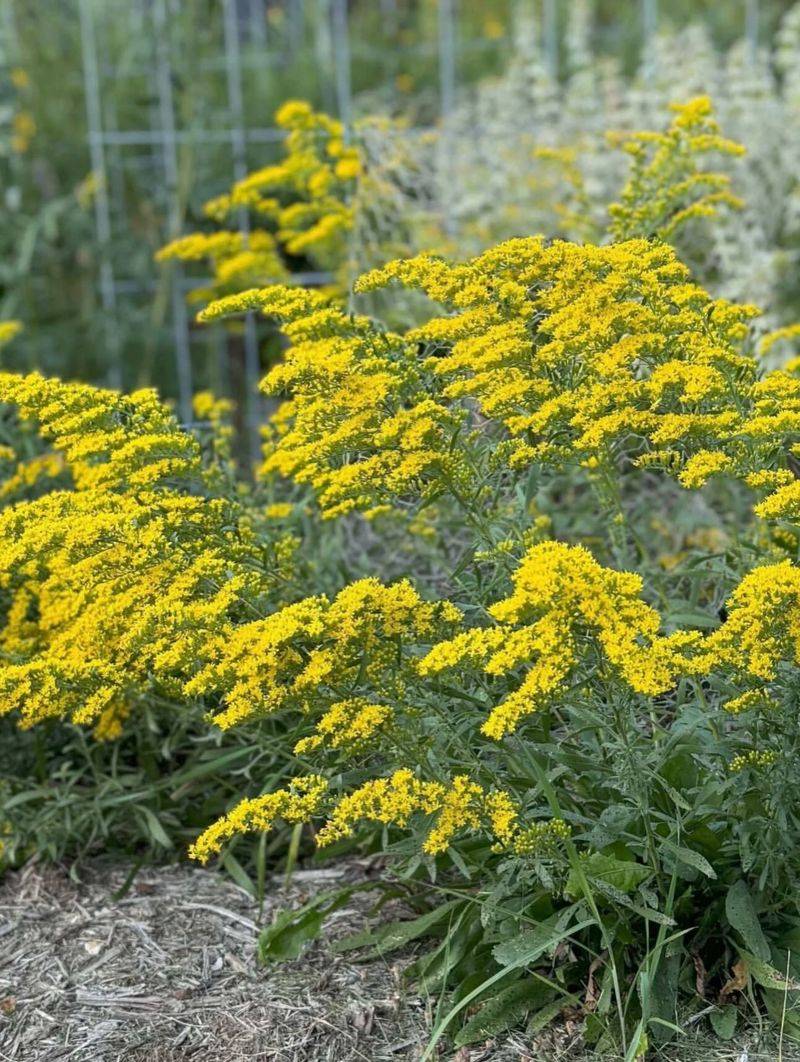
Some plants need constant attention to survive. They want regular watering, rich soil, fertilizer every few weeks, and careful protection from heat and drought.
Gray Goldenrod is the opposite of all of that, and that is a genuinely refreshing quality in a garden plant.
Drought tolerance is one of its standout traits. Once established, Gray Goldenrod can handle dry spells that would leave other plants looking wilted and miserable.
It evolved on dry slopes, open fields, and woodland edges across the eastern United States, which means it is built for conditions that a lot of gardeners consider challenging.
Poor soil is not a problem for it. Sandy, rocky, or nutrient-thin ground is actually where it tends to perform best.
Most Pennsylvania yards have at least one spot that fits this description. Maybe it is a sunny bank that dries out fast, a strip along a fence line where the soil is compacted, or a corner of the property where nothing else seems to want to grow.
Gray Goldenrod was practically designed for those spots. Plant it, water it a few times while it gets settled in, and then mostly leave it alone.
It also spreads gradually over time through underground rhizomes, slowly filling in an area without becoming aggressive or invasive. If a patch gets too wide, it is easy to trim back in early spring before new growth starts.
Maintenance beyond that is minimal. No deadheading is required, no staking, and no special soil prep.
For gardeners who want big ecological impact with very little weekly effort, Gray Goldenrod is one of the most practical choices available in Pennsylvania’s native plant palette.
How To Pair It For A Fuller Late-Season Garden
Gray Goldenrod looks great on its own, but pairing it with the right companion plants turns a simple wildflower patch into something that genuinely looks designed.
The best combination most gardeners land on is pairing it with native asters, and once you see it in person, it is hard to imagine them apart.
Native asters like New England Aster and Smooth Blue Aster bloom at almost exactly the same time as Gray Goldenrod. Their flowers come in shades of purple, lavender, and soft pink, which contrast beautifully with goldenrod’s warm yellow clusters.
The two plants together create a color palette that feels intentional and layered, even though both are completely wild by nature. Bees, butterflies, and other pollinators move back and forth between the two plants constantly, which makes the whole planting feel alive.
For a fuller effect, try adding native grasses like little bluestem or prairie dropseed behind the goldenrod. The grasses add height, texture, and movement, and their fall color shifts to warm copper and rust tones that tie the whole planting together visually.
The combination of goldenrod, asters, and native grasses gives a garden a natural, meadow-inspired look without requiring any special design skills.
Front-of-border plants like wild blue indigo or short sedges work well in front of the goldenrod to anchor the planting at ground level. Spacing the goldenrod about eighteen inches apart gives it room to fill in naturally over two to three seasons.
By the third year, a well-planned native planting centered on Gray Goldenrod can carry a Pennsylvania garden’s color and pollinator activity right through the seasonal slowdown and into the first cool nights of autumn.