How To Stop Squash Bugs From Taking Over Your Kentucky Garden
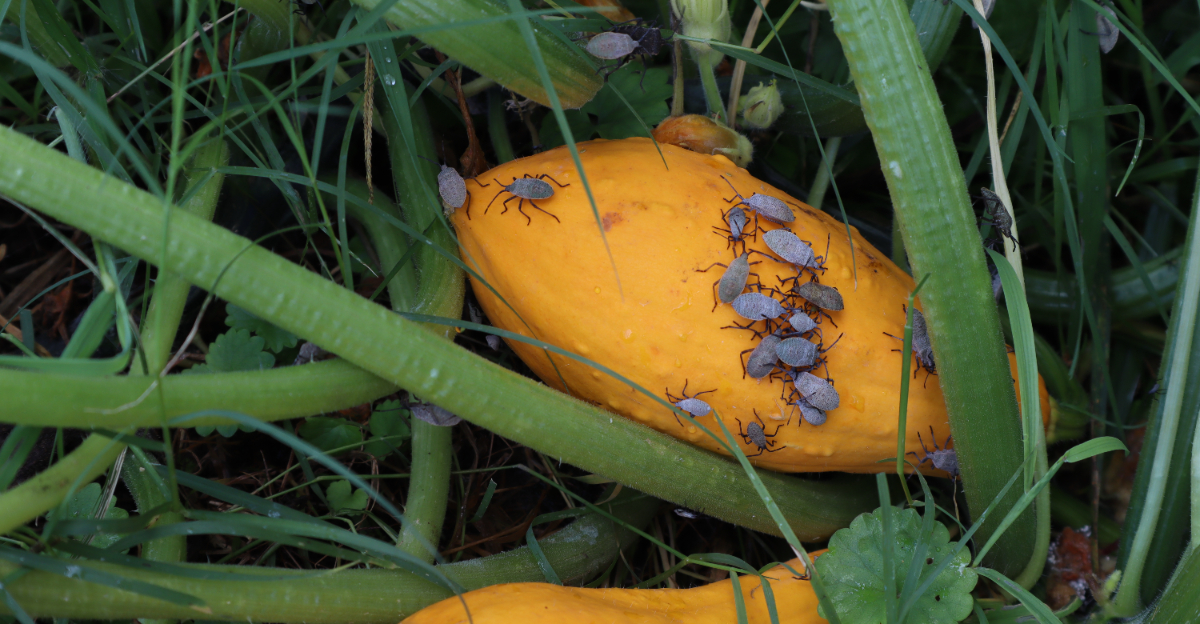
Something is moving beneath your squash leaves right now. Kentucky summers quickly turn your garden into a breeding ground fast.
Your zucchini can look perfect at dawn and collapse by dusk. Squash bugs spread across your plants fast, hide well, then multiply.
Bronze egg clusters hide silently underneath your squash leaves now. Hatching happens quietly, then activity spreads across your entire patch.
Humidity fuels their growth, turning Kentucky summers into a serious challenge. Chemicals are not your only option here.
Simple, sharp habits can protect your garden from persistent pests now. Consistency matters more than any spray you could buy.
Watching closely gives you power these bugs cannot match. Every stage of their life cycle has a weakness you can exploit.
Nothing about protecting your garden requires guesswork or luck. Their weakness becomes your greatest defensive advantage across this season. Ignore this pest, and your harvest quality can decline quickly.
1. Check Leaf Undersides Daily For Egg Clusters
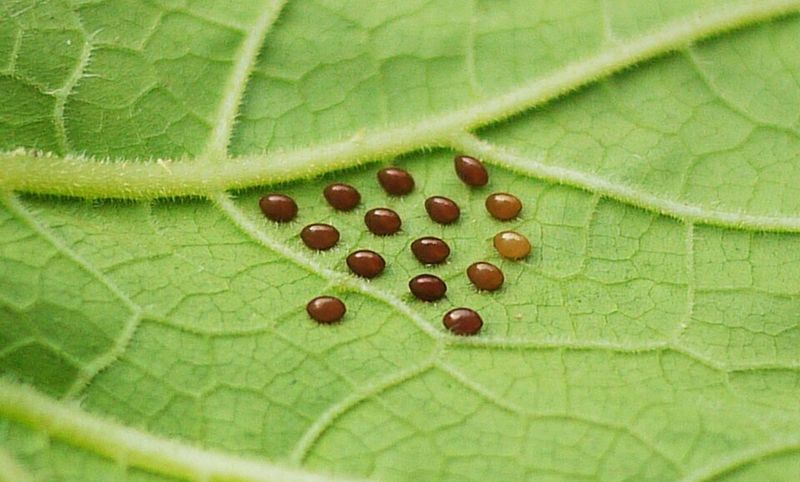
Flip every leaf and look underneath. Squash bug eggs are bronze, shiny, and arranged in neat diamond patterns on leaf undersides.
Most gardeners miss them completely because they only look at the tops of leaves. The eggs blend into the leaf surface and are easy to overlook during a quick walk-through.
Make daily checks part of your morning routine. Grab a coffee, head outside, and spend five focused minutes turning leaves over on every squash plant you have.
Early detection is the single most powerful move in stopping squash bugs from taking over your Kentucky garden. Finding eggs before they hatch means fewer nymphs, less feeding damage, and healthier plants overall.
Each egg cluster typically holds several dozen eggs, and they usually hatch within one to two weeks. That gives you a short window to act before a new wave of nymphs starts feeding on your stems and leaves.
Check the base of stems too, not just the broad leaves. Squash bugs love to lay eggs near the crown of the plant where it meets the soil.
Keep a small notebook or use your phone to track where you find clusters. Patterns will emerge, and you will get faster at spotting hot spots each day.
Consistency is what separates gardens that survive squash bug season from ones that do not. Show up every day, check every leaf, and you stay one step ahead of the problem.
2. Squash Any Eggs Found Before They Hatch
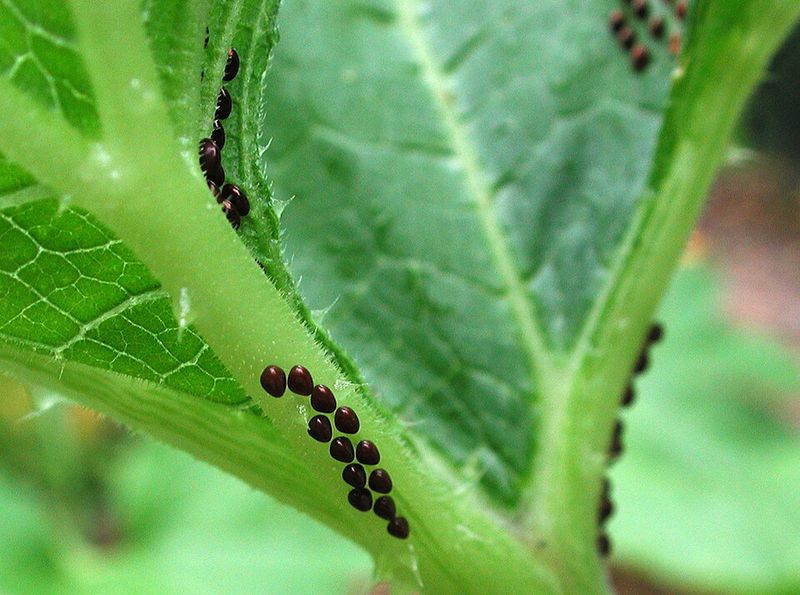
Found a cluster? Crush it immediately. Do not wait, do not hesitate, and do not walk away planning to come back later.
Squash bug eggs are surprisingly tough, so press firmly with your thumb or a flat tool. Make sure every single egg in the cluster is destroyed before moving to the next leaf.
Some gardeners use a piece of tape to pull the entire cluster off the leaf cleanly. The tape method works well when you want to avoid touching the eggs directly with your skin.
Your Kentucky Garden Changes Every Week. Your Plan Should Too.
Gardening in Kentucky changes quickly throughout the season. Every Friday you’ll receive a simple weekly plan showing exactly what to plant, prune, fertilize, harvest, and protect so you never miss the right timing.
Another solid approach is scraping the eggs into a small container of soapy water. The soap breaks surface tension and makes the water effective at removing the eggs before they ever get a chance to hatch.
Speed matters here more than technique. A cluster found and crushed in thirty seconds does more good than a perfect removal method applied two days later.
If you find eggs but cannot stop to deal with them right away, mark the leaf with a twist tie or small flag. Return within the hour and finish the job before forgetting.
Egg removal is free, chemical-free, and effective. There is something satisfying about protecting your squash plants one tiny cluster at a time.
Stopping squash bugs from taking over your Kentucky garden starts at the egg stage. Every cluster you destroy is dozens fewer bugs that will never feed on your plants this season.
3. Handpick Adult Bugs Into Soapy Water
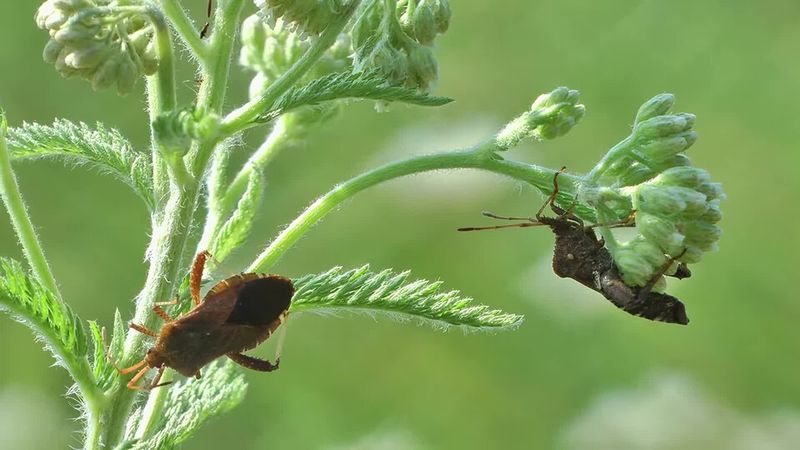
Adult squash bugs are fast and flat. They scurry under leaves and into soil cracks the moment they sense movement near them.
The trick is moving slowly and deliberately when you approach the plant. Quick movements send them scrambling before you can grab them.
Fill a wide-mouth jar with a few inches of water and a generous squirt of dish soap. The soap makes the water effective at removing squash bugs that fall or are dropped into it.
Approach each plant from the side, not from above. Tilt the jar under a leaf cluster before disturbing the bugs so they fall directly into the soapy trap.
Early morning is the best time for handpicking. Bugs are slower and less alert in cool morning temperatures, giving you a real advantage in the chase.
Wear gloves if the smell of squash bugs bothers you. Adult squash bugs release a distinct odor when handled, which is one reason many gardeners avoid touching them bare-handed.
Do this every day during peak season, which in Kentucky typically falls during the warmer summer months. Consistent removal keeps the adult population from rebounding between your egg-hunting sessions.
Handpicking feels old-fashioned, but it can be effective. Stopping squash bugs from taking over your Kentucky garden often comes down to simple, hands-on effort done every single day.
4. Lay Boards Down Overnight To Trap Them
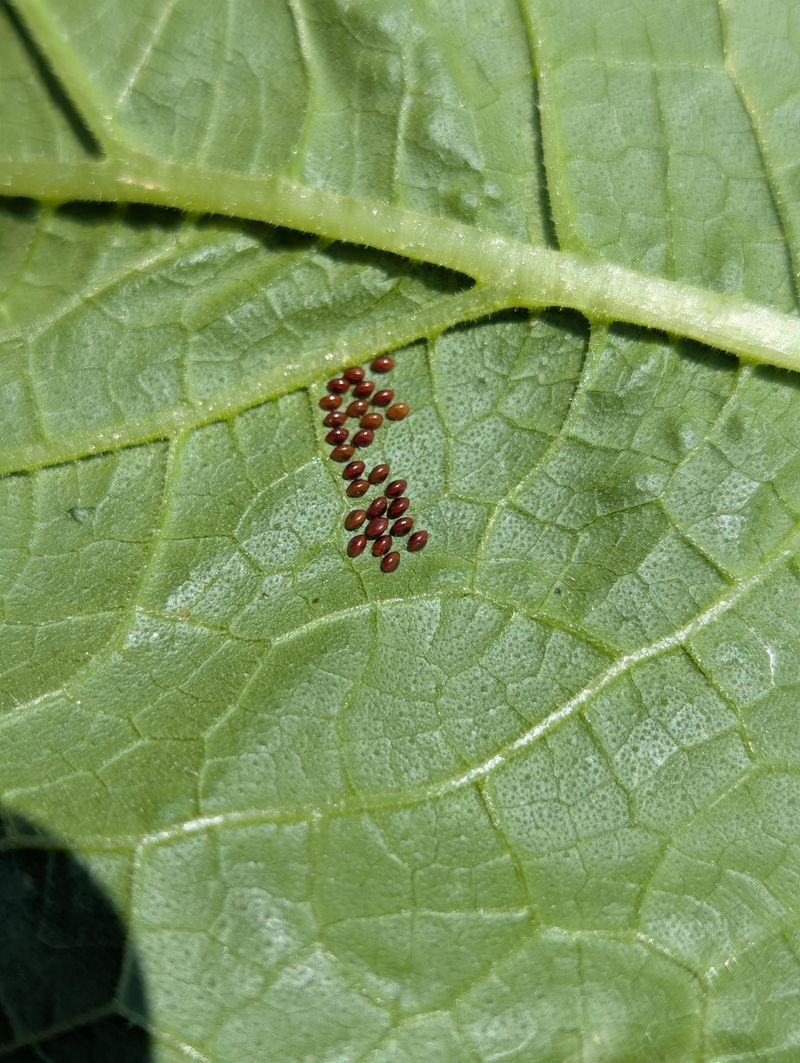
Squash bugs are creatures of habit. They seek dark, flat hiding spots at night, and you can use that predictable behavior against them.
Place old boards, pieces of cardboard, or burlap sacks directly on the soil near your squash plants before sunset. The bugs will crawl underneath overnight, looking for shelter from cooler air.
Go out early the next morning before the sun warms the ground. Lift each board quickly and drop the gathered bugs into your jar of soapy water before they scatter.
This method works especially well mid-season when adult populations are high and handpicking alone cannot keep up. The traps collect large numbers of bugs with minimal effort on your part.
Refresh the boards every few days to keep them effective. Bugs eventually learn to avoid traps that smell like humans, so rotating locations helps maintain the element of surprise.
Old wooden shingles work great for this trick because they lie flat and seal tightly against the soil. No gaps means no escape routes for the bugs hiding underneath.
Some gardeners pair this method with handpicking the same morning for maximum impact. A double-effort morning session can dramatically reduce the adult population in just a week or two.
Trapping is low-cost, low-effort, and effective. Used consistently, this simple overnight strategy helps stop squash bugs from taking over your Kentucky garden without any sprays or products at all.
5. Apply Row Covers Early Before Bugs Arrive

Prevention beats cure every single time. Getting row covers on your squash plants before squash bugs show up is one of the smartest moves you can make all season.
Floating row covers are lightweight, breathable fabrics that let in light, air, and rain while keeping insects out. They create a physical barrier that bugs simply cannot penetrate.
Install them the moment your transplants go in the ground or right after seeds germinate. The earlier you cover the plants, the longer they grow without any bug pressure at all.
Secure the edges with garden staples, rocks, or soil to prevent gaps. Squash bugs are surprisingly determined and will find any opening you leave unattended.
The one catch with row covers is pollination. Squash flowers need bees to set fruit, so you will need to remove the covers when plants start to bloom.
Plan to uncover plants during the coolest part of the morning when bees are most active. Replace the covers by midday to limit the window when bugs can sneak in.
Some gardeners hand-pollinate using a small paintbrush, which lets them keep covers on longer. It takes a few extra minutes each morning but gives plants maximum protection during the vulnerable early weeks.
Row covers are a proven, practical tool for stopping squash bugs from taking over your Kentucky garden. A small investment in fabric now can save an entire season’s harvest later.
6. Rotate Crops Away From Last Year’s Location
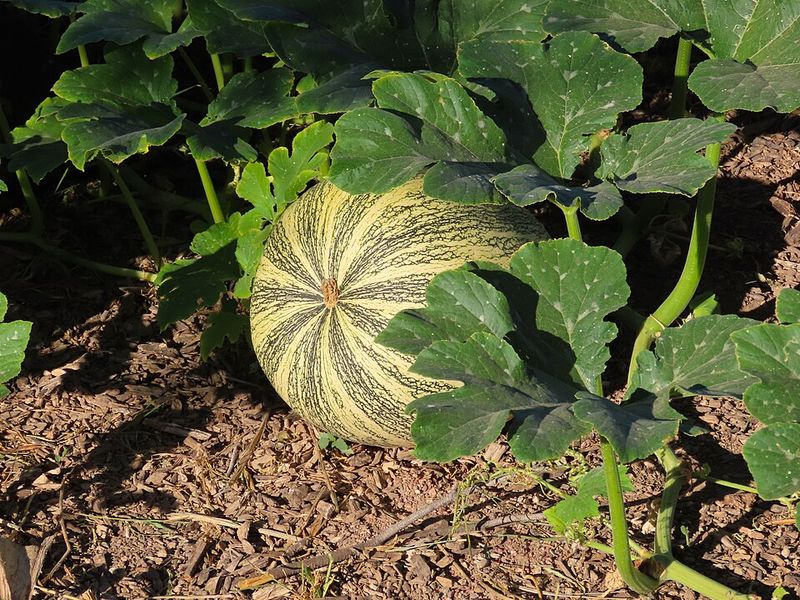
Squash bugs overwinter in the same spots where they fed the previous year. Planting squash in the same bed two seasons in a row is practically an invitation for trouble.
Crop rotation breaks the cycle by moving your squash family plants to a completely different section of the garden each spring. Bugs that survived winter have less chance of finding familiar ground.
Aim to move squash as far as possible from last year’s location, ideally across the garden. Greater distance generally makes it harder for overwintering adults to find their old feeding grounds.
Plan your rotation in late winter before seed catalogs tempt you into planting the same spots again. Draw a simple map of your garden beds and assign each family of vegetables a new zone.
Squash, pumpkins, and zucchini belong to the same genus, while cucumbers share the broader plant family. Moving any of these away from last year’s location reduces the bug pressure on all of them.
Pair rotation with a fall cleanup of old squash debris for even better results. Removing hiding spots and moving next year’s plants further reduces overwintering bug survival.
Rotation also improves soil health by preventing nutrient depletion in a single area. Your squash plants grow stronger when they move to fresh ground each season.
Stopping squash bugs from taking over your Kentucky garden gets significantly easier when you deny them the comfort of familiar territory. Rotate your crops and make them work harder to find you.
7. Clear Debris Where Adults Overwinter Nearby
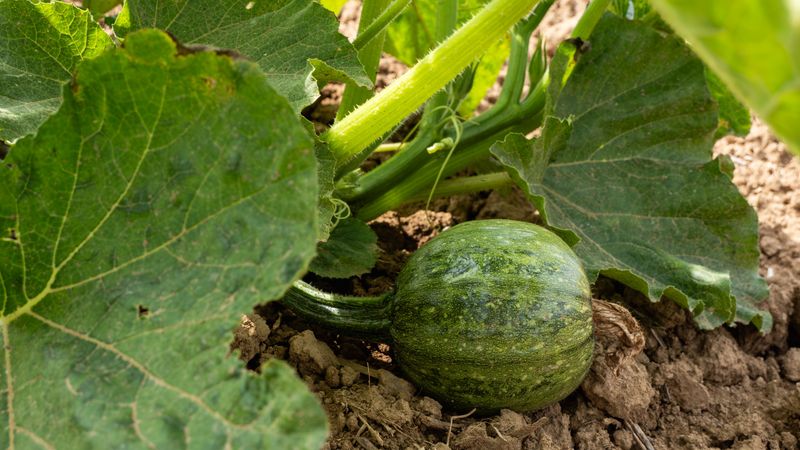
Squash bugs do not disappear in winter. They hide under fallen leaves, old vines, mulch piles, and garden debris waiting for warm spring weather to return.
Clearing that debris in fall removes the shelter they depend on to survive cold Kentucky winters. No shelter means far fewer bugs emerging when your new plants go in the ground.
Pull out all squash vines after the season ends and bag them for trash pickup rather than composting. Compost piles often stay warm enough to let overwintering bugs survive inside them.
Rake away fallen leaves near your garden beds too. Squash bugs are not picky about where they hide as long as the spot is dark, damp, and insulated against frost.
Check around fence posts, wood piles, and the edges of raised beds where debris tends to collect. Those forgotten corners are prime overwintering real estate for adult squash bugs.
Do your big fall cleanup before the first hard frost if possible. Bugs move slowly in cold weather and are easier to find and remove before they dig in deep for winter.
Spring cleanup matters as well. Clearing any debris that accumulated over winter before planting season gives you a cleaner start and fewer bugs already on site when transplants go in.
Stopping squash bugs from taking over your Kentucky garden is partly about what you do in October. Clean up thoroughly and next June will feel a whole lot calmer.
8. Spray Neem Oil On Nymphs When Spotted
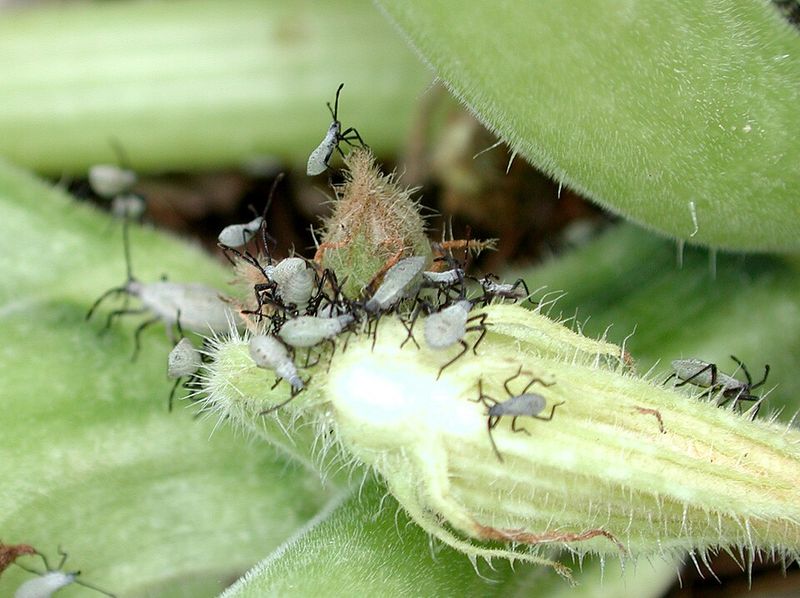
Young squash bugs, called nymphs, are pale green and cluster together in groups. They are far easier to control than adults, and neem oil is one of the best tools for the job.
Neem oil is a natural product pressed from the seeds of the neem tree. It disrupts the hormonal system of young insects and prevents them from maturing into breeding adults.
Mix neem oil with water and a few drops of dish soap to help it blend properly. The soap acts as an emulsifier so the oil stays suspended in the water as you spray.
Apply the mixture directly to nymph clusters on leaf undersides, stems, and around the base of the plant. Full coverage matters because neem oil only works on contact.
Spray in the early morning or late evening to avoid burning leaves in direct sun. Neem oil can cause leaf scorch if applied during the hottest part of a bright summer day.
Reapply every five to seven days and after any heavy rainfall that washes the coating off. Consistency is what makes neem oil effective rather than just a temporary fix.
Neem oil is considered lower-risk to bees once dry, though it should still be applied before flowers open to minimize exposure to pollinators. Applying early protects both your plants and any visiting bees.
Stopping squash bugs from taking over your Kentucky garden becomes more effective when you target nymphs early and consistently. Catch them young with neem oil and they never get the chance to grow up.