The Florida Garage Plant That Keeps Roaches From Using It As An Entry Point
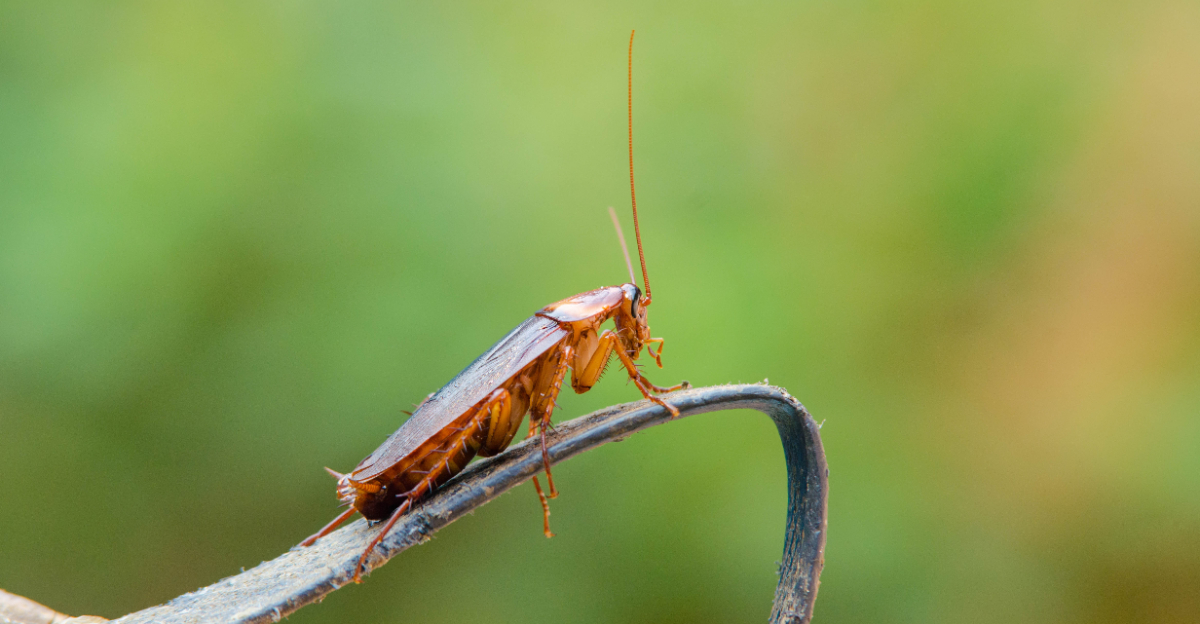
Florida garages have a way of turning into roach hotels the moment summer humidity kicks in. One minute the space looks clean, the next it’s crawling with unwanted tenants who found their way in through the tiniest opening.
Most homeowners reach for chemical sprays or sticky traps, only to watch roaches reroute around them within days. The bugs adapt fast, and store-bought solutions rarely solve the root problem.
There’s a leafy little plant thriving in pots across Florida porches that roaches seem to actively avoid. Its scent throws off their senses long before they get anywhere near your garage door.
Gardeners swear by it and it costs less than a single can of insecticide. Once you see how it works, skipping it will feel like a mistake.
One Potted Plant Can Guard Your Garage Door
Roaches treat garage doors like welcome mats. They slip through the tiniest cracks and make themselves at home before sunrise.
One simple potted plant can change that whole story. Placing it right beside your garage entry point sends a chemical signal roaches strongly dislike.
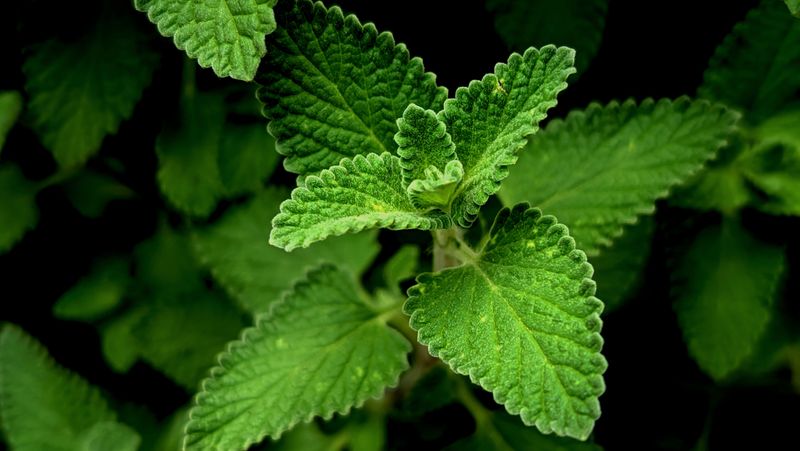
That plant is catnip, and it is surprisingly powerful. Researchers at Iowa State University found it repels roaches far better than many synthetic sprays.
The Florida garage plant that keeps roaches from using it as an entry point works because of a natural compound inside its leaves. You don’t spray anything, mix anything, or call anyone.
Just pot it, place it, and let nature handle the rest. A single container near your garage door creates a scent barrier roaches tend to avoid.
Catnip is low-maintenance, affordable, and easy to find at most garden centers. It thrives in containers, which makes it perfect for garages with limited soil space.
You can grab a four-inch starter pot for just a few dollars. Within weeks, it grows full and bushy, pumping out roach-repelling compounds around the clock.
Positioning matters too. Place the pot within two feet of the door frame for maximum effect. Roaches approaching from outside are likely to pick up the scent and steer clear of your threshold.
This Plant Thrives In Florida’s Heat And Humidity
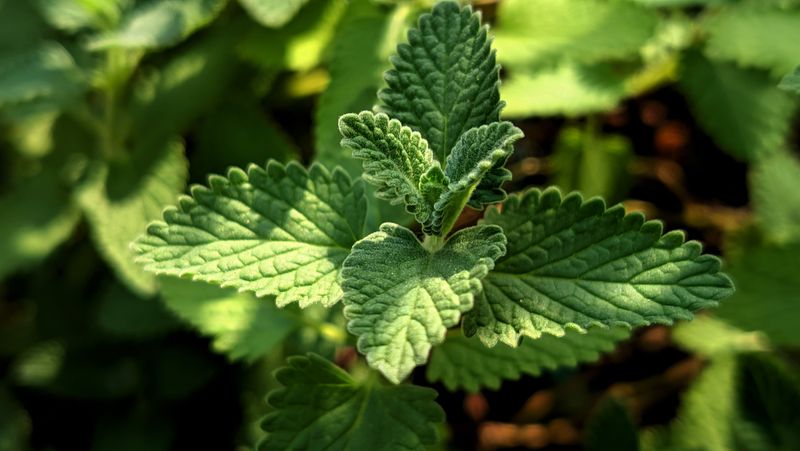
Florida summers are brutal, and most plants suffer for it. Catnip, though, handles the heat like a champ.
It belongs to the mint family, which means it is naturally tough and adaptable. Warm, humid conditions suit catnip well, and a thriving plant naturally produces more of its signature oils.
Those oils are exactly what repels roaches at your garage entry. A healthy, sun-fed plant tends to produce a stronger scent, which translates to better protection.
Catnip grows well in containers placed in partial shade during peak afternoon hours. Morning sun followed by afternoon shade keeps the plant healthy without scorching the leaves.
Watering is simple in humid climates. You may only need to water every two to three days depending on rainfall and pot size.
Sandy soil common across much of the state drains quickly, so a pot with good drainage holes is essential. Soggy roots are the one thing that will take catnip down fast.
Your Florida Garden Changes Every Week. Your Plan Should Too.
Gardening in Florida changes quickly throughout the season. Every Friday you’ll receive a simple weekly plan showing exactly what to plant, prune, fertilize, harvest, and protect so you never miss the right timing.
Adding a layer of mulch on top of the soil helps retain moisture between waterings. That small step keeps the plant thriving even during dry stretches between summer storms.
Fertilizing every four to six weeks with a basic liquid fertilizer keeps growth strong. A healthy, leafy plant produces more nepetalactone, the active compound that does all the repelling work.
Catnip planted near a Florida garage is not just surviving, it is thriving and working overtime to protect your home.
Catnip Is The Roach Repellent You Need
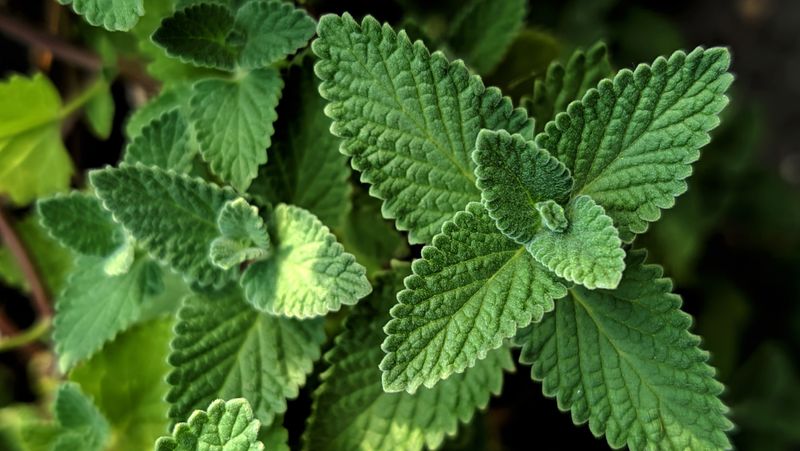
Forget the sprays that smell like chemicals and fade after two days. Catnip offers something better: a living, breathing repellent that refreshes itself constantly.
Its leaves release nepetalactone, a natural oil that overwhelms the roach’s sensory system. They detect it, panic, and retreat.
Iowa State University researchers found that catnip’s active compound kept repelling roaches consistently in lab trials. That kind of staying power is impressive for a plant you can grow in a four-inch pot.
Catnip does not attract roaches the way food or standing water does. It actively pushes them away, which is the kind of pest control you actually want near your garage.
The plant is also non-toxic to humans and safe around children when handled normally. That makes it a smart choice for families who want pest control without harsh chemicals near the house.
You can crush a few leaves and rub them along the door frame for an extra boost. The oils transfer directly to surfaces and create a scent barrier roaches tend to steer clear of.
Dried catnip also works in sachets tucked into garage corners. Fresh or dried, the plant delivers consistent protection without any complicated prep work.
Buying catnip seeds is even more economical than buying starter plants. A small seed packet can yield dozens of plants for just a couple of dollars, giving you roach protection across multiple entry points.
How Nepetalactone Throws Roaches Off Balance
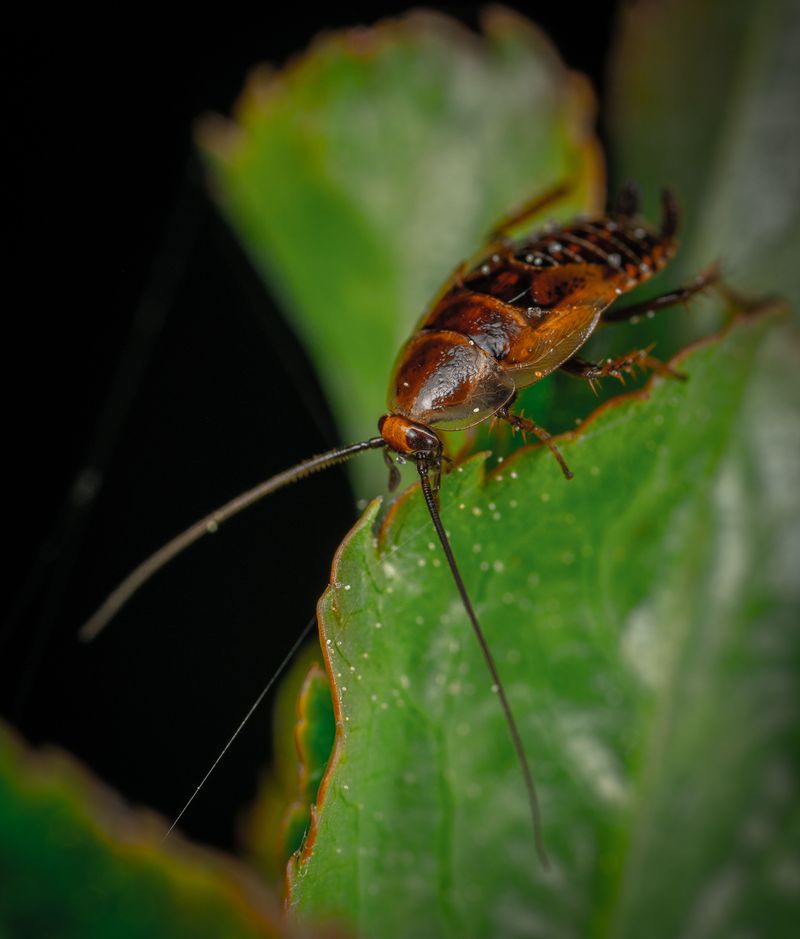
Nepetalactone sounds like something from a chemistry textbook, but it works in a beautifully simple way. It overwhelms the roach’s scent receptors, scrambling the signals it relies on to navigate.
Roaches navigate using chemical signals called pheromones. When nepetalactone floods their sensory system, it scrambles those signals almost entirely.
The roach loses track of which way to go or if a path is safe. It essentially gets confused and backs away from the source.
This is not a poison, and it does not harm the insect permanently. It simply makes your garage door an area roaches choose to avoid entirely.
Lab research has shown that nepetalactone affects cockroach behavior even at low concentrations. You do not need a massive plant to get results.
Even a small, well-maintained catnip pot releases enough compound to deter roaches within a few feet. The effect is strongest closest to the plant, so positioning near the door gap matters.
Interestingly, nepetalactone also repels mosquitoes and flies, giving your garage multiple layers of pest protection from one source. That is a serious bonus in a state known for its insect population.
The compound is most potent in fresh, actively growing leaves. Pinching off old growth regularly encourages new leaf production and keeps the repellent effect at full strength throughout the season.
Growing And Caring For Catnip In Pots
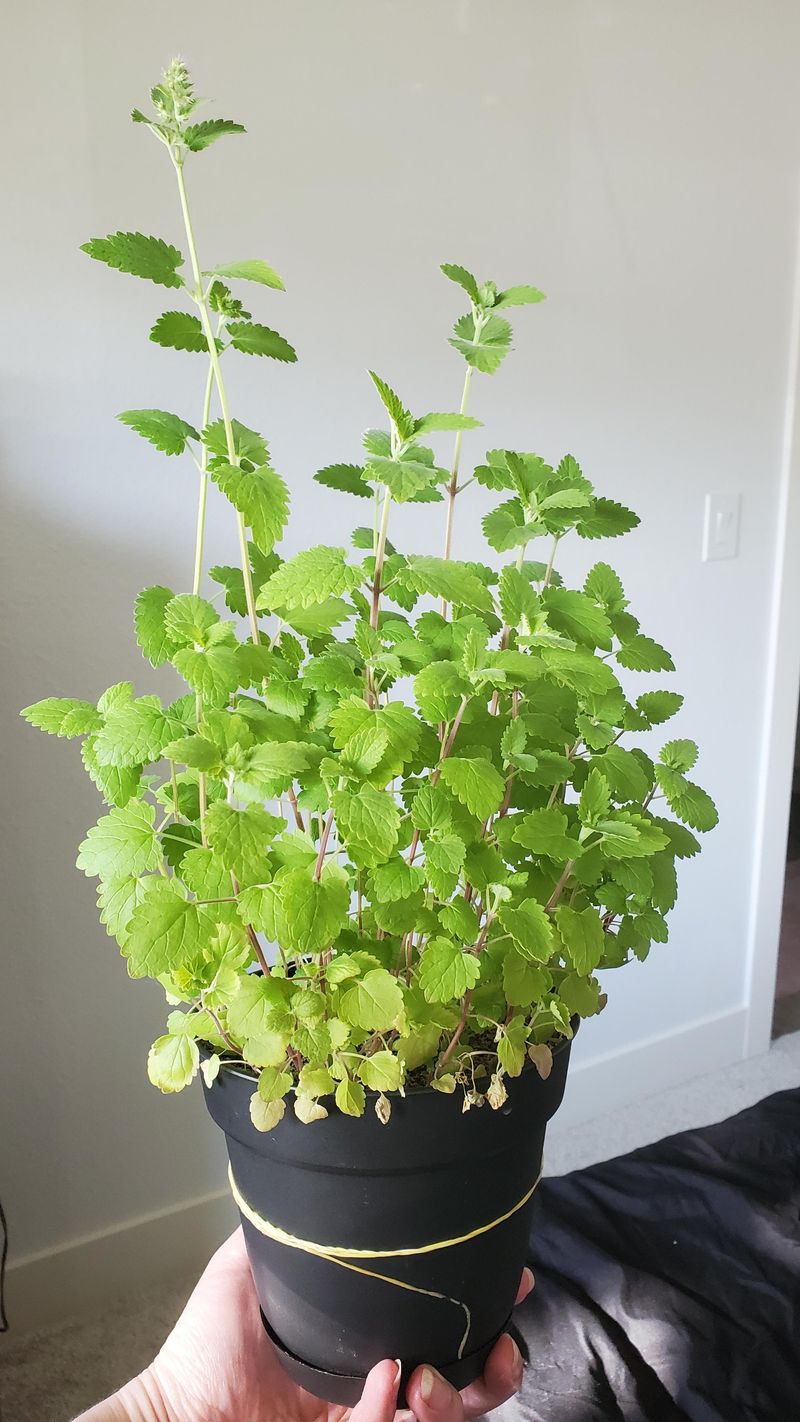
Growing catnip in containers is almost foolproof. Even gardeners who have struggled with other herbs tend to succeed with this one.
Start with a pot at least eight inches wide and deep. Catnip roots spread out, and a cramped container stunts growth and reduces oil production.
Use a well-draining potting mix rather than dense garden soil. Good drainage prevents root rot, which is the most common way catnip fails in humid climates.
Place the pot in a spot that gets four to six hours of direct sunlight daily. Morning sun is ideal because it warms the plant without the punishing afternoon heat of a southern summer.
Water when the top inch of soil feels dry to the touch. Overwatering is a bigger risk than underwatering once the plant is established.
Pinch off flower buds as they appear to keep the plant producing leaves. Once catnip flowers fully, it puts energy into seeds rather than leaves, reducing the oil content you depend on.
Trim the plant back by one-third every few weeks during the growing season. Regular pruning keeps it bushy, productive, and full of the aromatic leaves that do the real work.
Repot into a larger container once a year to keep roots healthy. A thriving, well-fed catnip plant near your garage adds solid long-term protection against roach entry points.
Pairing It With Other Roach Deterrent Plants
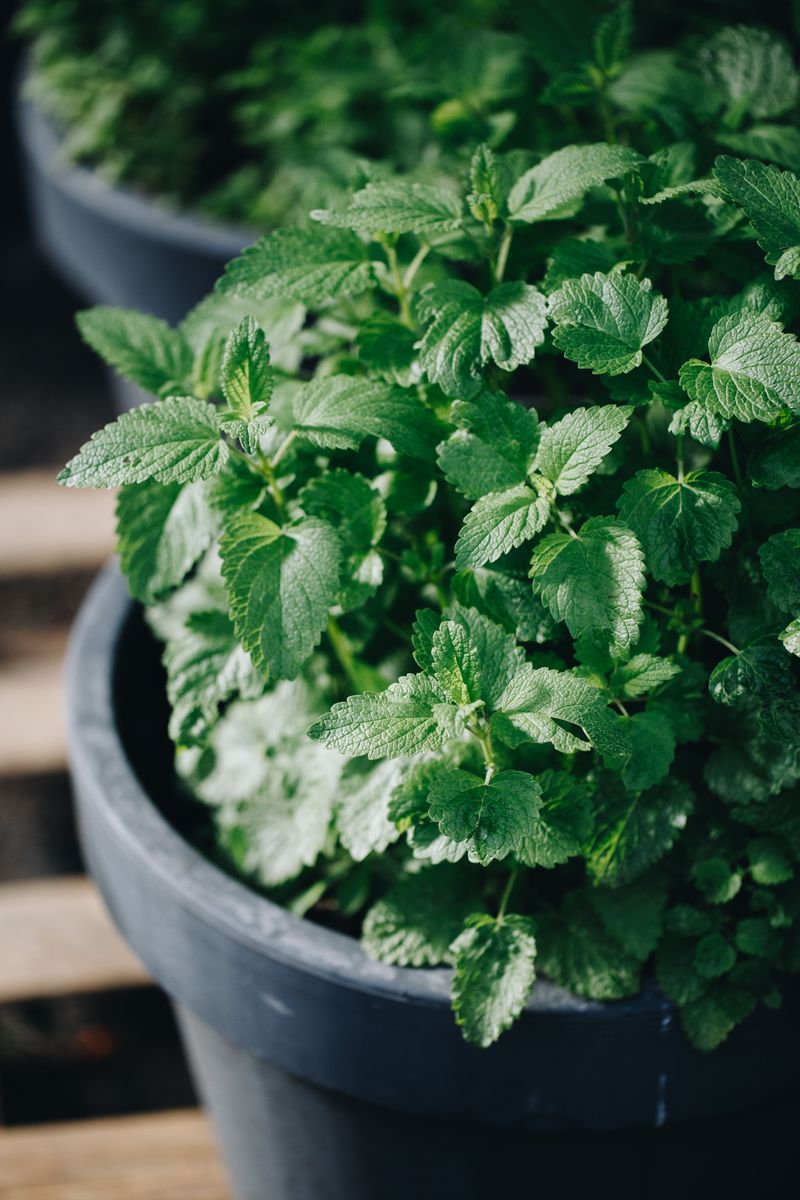
Catnip is powerful on its own, but pairing it with other repellent plants creates a stronger barrier. Think of it as building a scent wall roaches have a hard time getting past.
Lavender is an excellent companion plant. Its linalool compound repels roaches and also smells wonderful to humans, which is a rare win in pest control.
Peppermint is another strong ally. The menthol in peppermint leaves overwhelms roach receptors the same way nepetalactone does, doubling the sensory assault.
Citrus peels, especially lemon and orange, carry an oil compound roaches find overwhelming. Scatter a few dried peels along the garage floor near the door for extra coverage.
Rosemary is tough, drought-tolerant, and also repels roaches and other insects. A small rosemary pot next to your catnip container adds another layer of protection without much extra effort.
Lemongrass packs a sharp citronella punch that roaches want no part of. Plant a clump near the garage door for a citrusy scent barrier that pulls double duty against mosquitoes too.
Arranging these plants in a small cluster near the garage entrance creates overlapping scent zones. Each plant contributes a slightly different compound, making it harder for roaches to adapt or find a workaround.
Rotating plants occasionally keeps the scent profile fresh and unpredictable. Roaches are adaptable creatures, but a constantly shifting scent barrier keeps them guessing and struggling to settle in.