Florida Plants That Attract Ladybugs (And What That Does To The Chinch Bug Population)
A Florida yard can have two very different insect stories happening at the same time. In one corner, a spotted lady beetle crawls across a bloom, feeding and resting between hunts.
Nearby, a patch of St. Augustinegrass starts turning yellow along the edge, and the lawn begins to look stressed in a way that water alone does not fix.
It is tempting to connect those moments too neatly.
Lady beetles, often called ladybugs, are genuinely helpful predators. They feed on many soft-bodied pests and add real value to a yard with vegetables, herbs, flowers, and ornamentals.
But the main natural enemies of southern chinch bugs tend to work much lower, inside the turf and thatch where chinch bugs actually feed.
That difference matters.
Flowers can support a stronger predator community across the whole property. They can also reduce the need for broad spraying that harms beneficial insects.
But a flower border cannot stop an active chinch bug infestation spreading through the lawn.
So what can ladybug-attracting plants really do for Florida chinch bug pressure?
They help build a healthier yard ecosystem, while the turf still needs its own scouting, diagnosis, and targeted care.
1. Let Dill Bloom Beyond The Kitchen
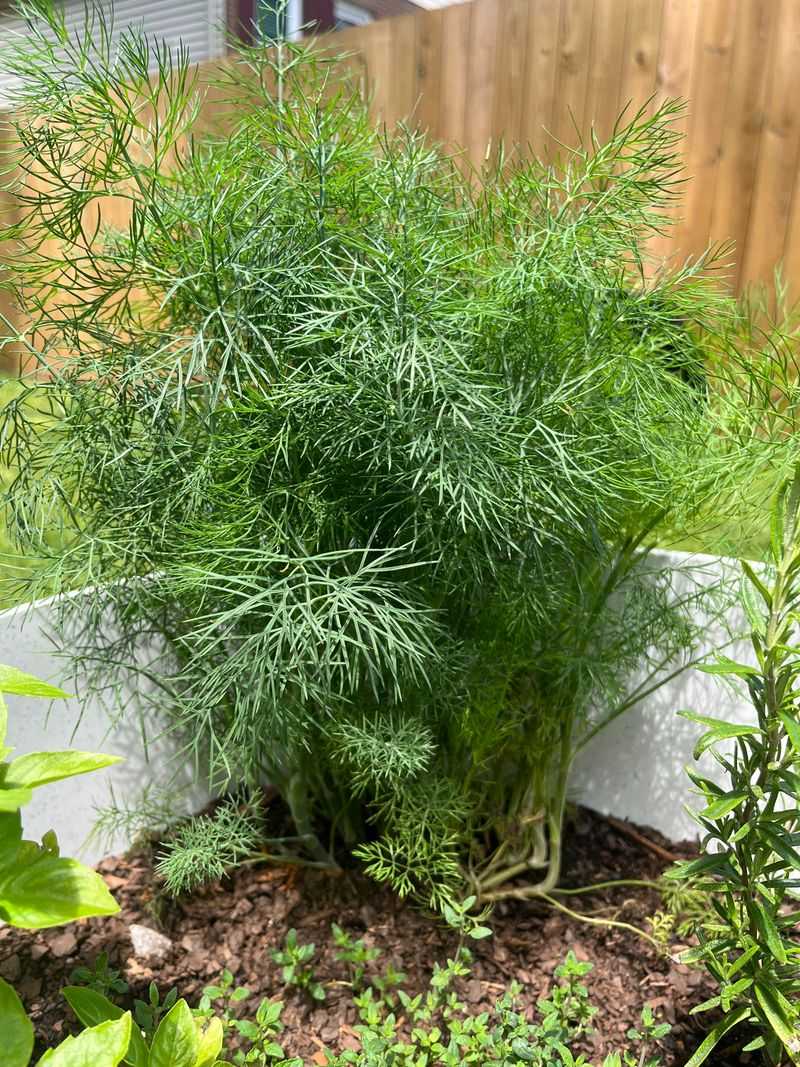
Dill becomes more valuable once it flowers.
In the kitchen, most gardeners use the feathery leaves while the plant is young. In the garden, the real insectary value begins when dill sends up flat-topped flower clusters filled with tiny yellow blooms.
Those blooms are easy for small insects to use. Adult lady beetles can visit for nectar and pollen when prey is scarce.
The flower shape matters. Dill belongs to the carrot family, and its open umbels make food accessible to many short-tongued beneficial insects.
Parasitic wasps may visit too. Those tiny wasps often go unnoticed, but they help control several garden pests.
Florida timing is important. Dill grows best during the cooler season rather than peak summer heat.
Plant it in fall or winter. North and Central Florida gardeners often get their best results from cool-season sowing.
Give dill full sun. It also needs well-drained soil so the roots do not sit wet.
Let a few plants bolt on purpose. The flowers may no longer be ideal for leafy harvest, but they become useful feeding stations.
Keep dill near vegetable beds or borders. Do not plant it inside turf where mowing, irrigation, and lawn pests need different management.
Avoid spraying near the flowers. Broad insecticides can remove the helpful visitors you are trying to support.
Dill does not send lady beetles into the thatch to hunt chinch bugs.
It simply helps feed beneficial insects above ground, which makes the surrounding garden more balanced.
2. Fennel Raises A Tall Nectar Station
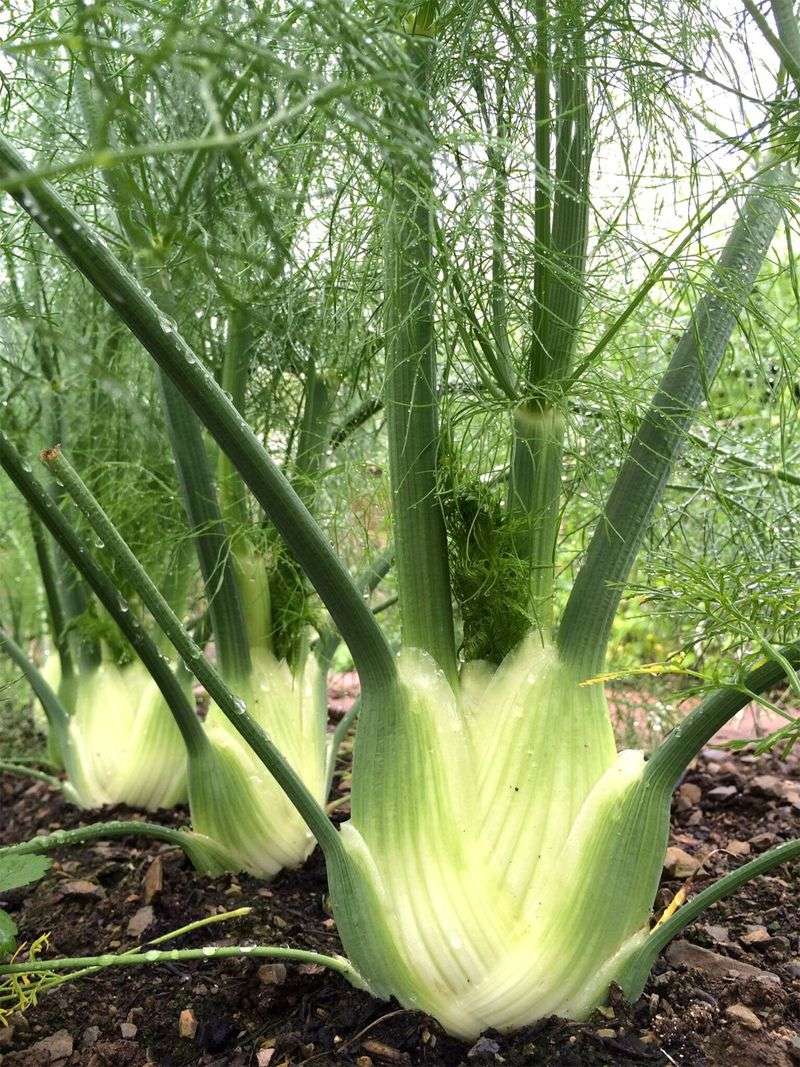
Fennel turns into a tall beneficial-insect tower.
Once it matures, the plant sends up sturdy stalks topped with golden flower umbels. Those blooms attract many small insects, including adult lady beetles searching for nectar, pollen, and resting places between prey meals.
The height gives it presence. Fennel can rise well above lower herbs and flowers, making it easy for insects to locate.
Your Florida Garden Changes Every Week. Your Plan Should Too.
Gardening in Florida changes quickly throughout the season. Every Friday you’ll receive a simple weekly plan showing exactly what to plant, prune, fertilize, harvest, and protect so you never miss the right timing.
Give it room from the start. A mature plant spreads wider than many gardeners expect.
Use culinary fennel carefully. Some fennel types reseed freely, so keep it in a defined bed where volunteers can be managed.
Full sun is best. Strong light helps the plant grow sturdy and bloom well.
Drainage matters. Wet Florida soil can stress fennel, especially during rainy periods.
Cool-season planting works best. Fennel tends to perform better before intense heat pushes it too hard.
Trim selectively. Leave some flowers for insects, then remove others before too much seed drops.
Keep it away from mowing routes. Tall stems near turf edges can get knocked over or tangled in equipment.
Watch for swallowtail caterpillars. Fennel can also serve as a host plant for black swallowtails, which adds wildlife value.
Fennel supports activity above the lawn, not inside the turf.
The blooms can help sustain predators, but southern chinch bugs still need to be checked directly in St. Augustinegrass.
3. Cilantro Bolts Into Beneficial Blooms
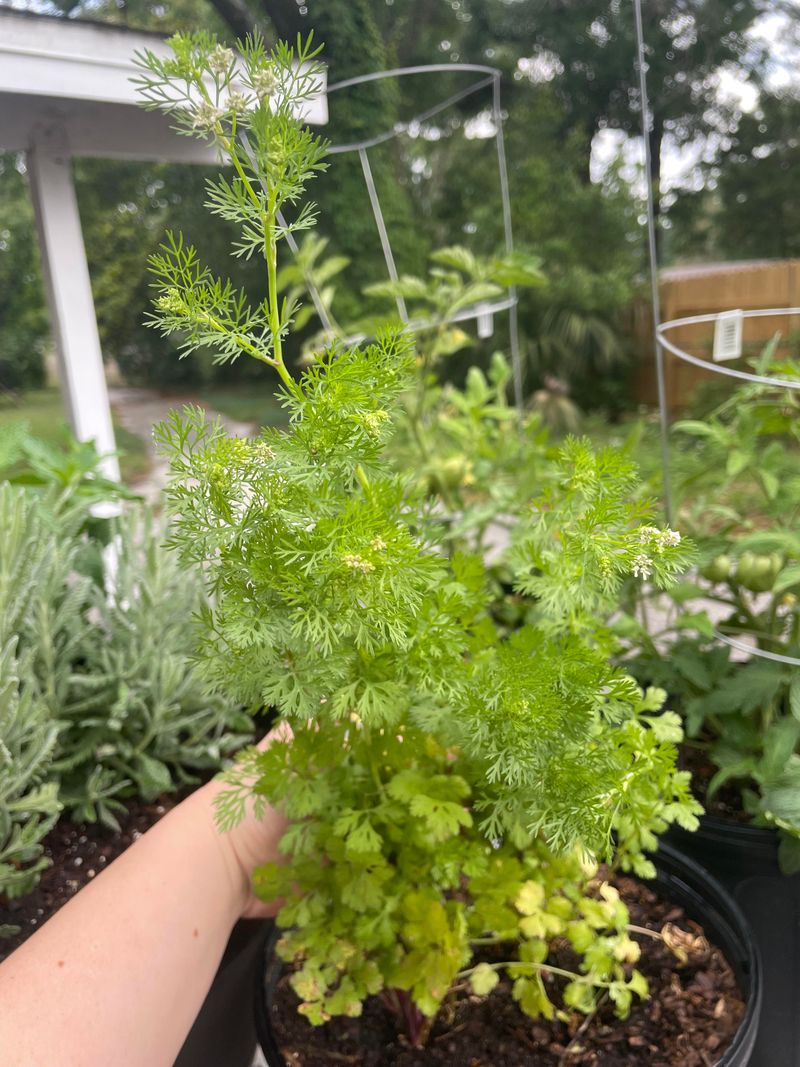
Bolting cilantro is not a failure.
In Florida, cilantro often rushes toward flowers once temperatures rise. Gardeners who wanted leaves may feel frustrated, but those small white blooms are useful for beneficial insects.
Lady beetles can use the flowers. Nectar and pollen help adult beetles remain in the garden when aphids or other prey are temporarily low.
The blooms also attract tiny wasps and hoverflies. Those insects add more predator and parasitoid diversity to the yard.
Cilantro is a cool-season crop in Florida. Plant it during fall and winter for the best leaf harvest and later blooms.
Succession sowing helps. A few small plantings spaced over time can extend both kitchen harvest and insectary value.
Let several plants flower. Pulling every bolting stem removes the stage that beneficial insects want most.
Keep the soil evenly moist. Cilantro has shallow roots and struggles when it swings from dry to soggy.
Use well-drained beds or containers. Drainage keeps the plant healthier through Florida’s changing weather.
Learn the lady beetle larva. It looks long, dark, and somewhat spiky, often with orange markings.
Do not mistake the larva for a pest. It is one of the most useful stages in the lady beetle life cycle.
Cilantro flowers support helpful insects near vegetables and herbs.
They do not create a control zone for chinch bugs feeding at the base of grass plants.
4. Parsley Pays Off After Harvest Ends
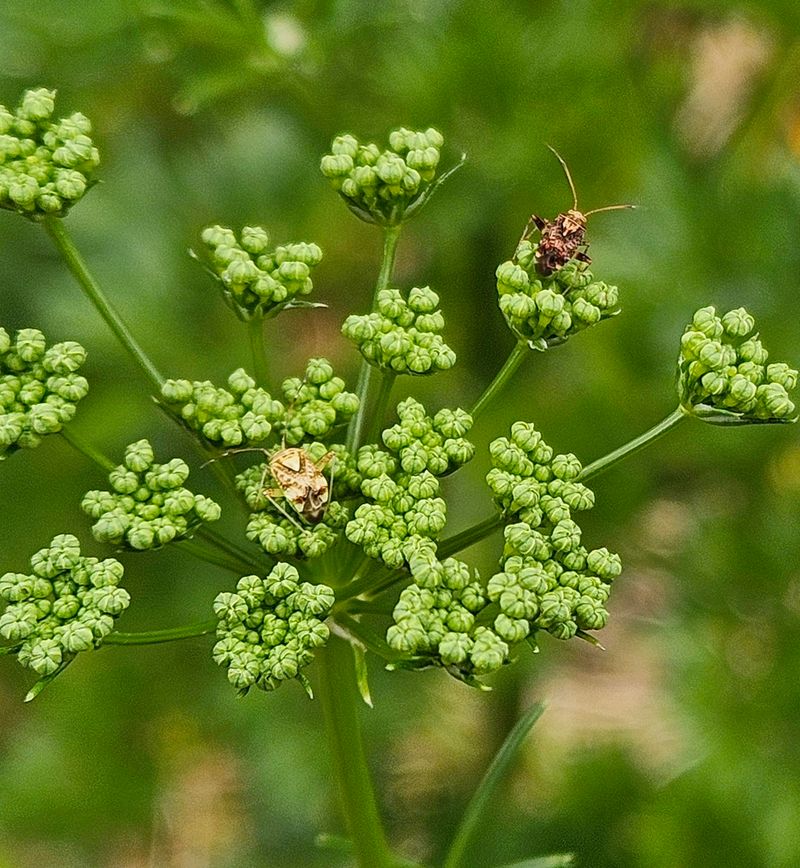
Parsley becomes a wildlife plant when given time.
Most gardeners harvest leaves until the plant gets tired, then replace it. But parsley can send up flower stalks when it moves into its next stage, and those blooms offer small accessible flowers for beneficial insects.
Adult lady beetles may use those blooms. So can parasitic wasps and other small insects that help balance pest populations.
Parsley tolerates some shade. That makes it useful in Florida beds that receive morning sun and afternoon relief.
Fall planting works well. The plant performs best when it avoids the worst heat of summer.
Containers are practical. A parsley pot can sit near a vegetable bed, patio edge, or pollinator border.
Keep moisture steady. Parsley dislikes drying out completely, but it also does not want soggy soil.
Let some plants age. A few flowering parsley plants can feed beneficial insects after the main leaf harvest ends.
Expect caterpillars. Black swallowtail larvae often use parsley as a host plant.
Plant extra for them. A few caterpillar-chewed stems are not damage in a wildlife-friendly garden.
Avoid insecticides on parsley. Spraying removes the beetles, wasps, and butterfly larvae the plant is supporting.
Parsley adds layered value.
It feeds people first, then supports beneficial insects and butterflies, while chinch bug control still belongs in the turf inspection routine.
5. Sweet Alyssum Covers The Low Layer
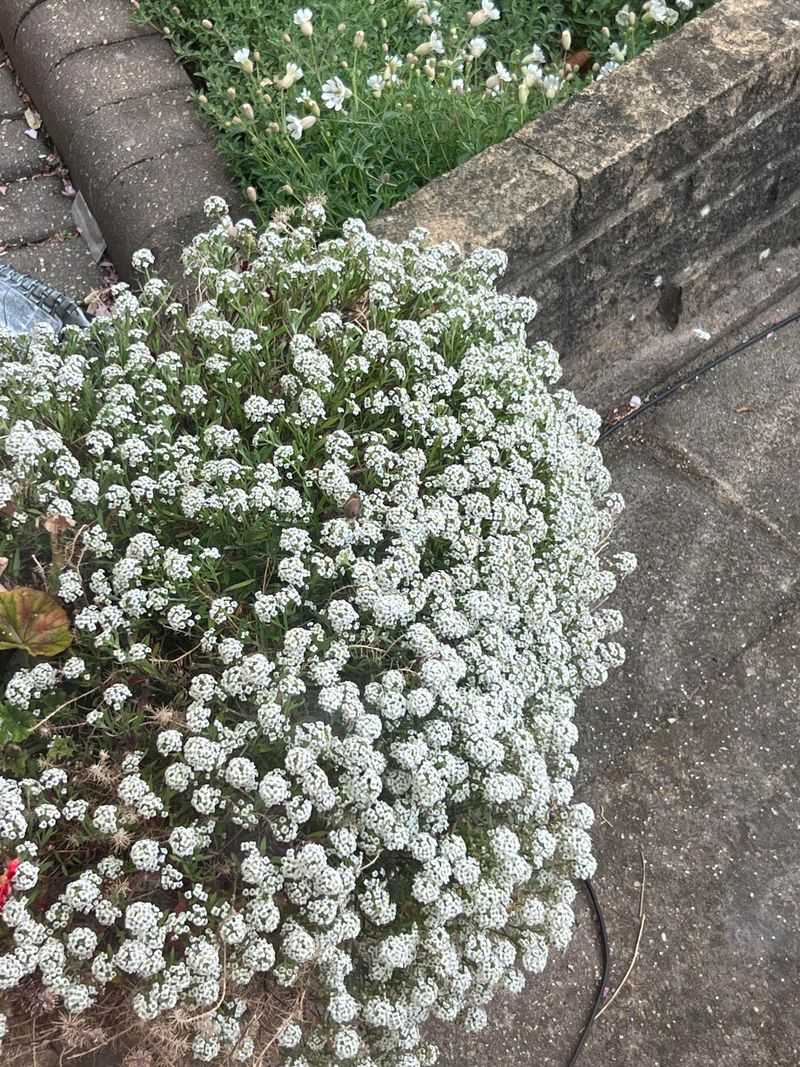
Sweet alyssum brings benefits close to the ground.
Its tiny white, purple, or lavender flowers form soft mats along bed edges and containers. Those small blooms are easy for adult lady beetles, hoverflies, and parasitic wasps to use.
The low habit is useful. It fills gaps without creating a tall thicket that blocks inspection. Florida’s cool season is its best window. Alyssum often looks freshest from fall through early spring.
Heat can make it fade. By late spring or summer, it may turn sparse, brown, or tired in many Florida yards. Use it as seasonal insectary color. Replace it when the plant declines instead of letting old growth collapse.
Well-drained soil helps. Soggy roots and humid mats can create the wrong kind of shelter. Trim lightly after bloom flushes. A quick cut can encourage fresh flowers during mild weather.
Plant it along vegetable beds or landscape borders. Its value sits in the flower bed, not inside the lawn. Avoid crowding against St. Augustinegrass. Turf needs airflow, mowing access, and separate pest scouting.
Keep the edge clean. Decaying plant material between bed and lawn can hide moisture and insects.
Sweet alyssum supports small beneficial insects beautifully. It helps the garden border, but it does not reach the chinch bugs feeding down in the thatch.
6. Coreopsis Keeps Native Blooms Working
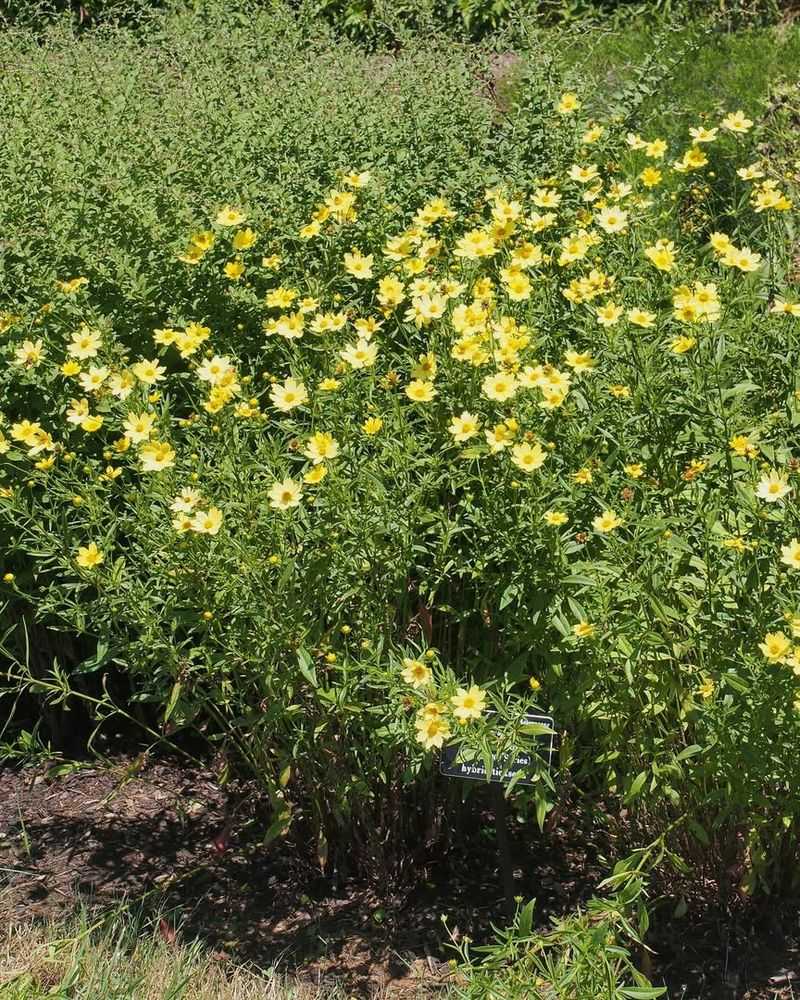
Coreopsis brings native flower power to the yard.
Florida has several coreopsis species, and the bright yellow blooms support a broad range of insects. Lady beetles may visit for nectar or pollen, especially when prey is not abundant nearby.
Native blooms are useful because they fit local conditions. They also support more than one kind of beneficial insect.
Coreopsis works well in sunny beds. Many types handle Florida light and seasonal rainfall with less fuss than delicate ornamentals.
Mass plantings are stronger. A patch of several plants is easier for insects to find than one isolated flower.
Let some flowers mature. Seed production can support wildlife and help the planting return in future seasons.
Trim selectively. Remove enough spent blooms to keep the plant tidy, but leave some for natural reseeding.
Match species to region. North, Central, and South Florida conditions are not identical, so choose the right coreopsis for your area.
Keep the planting defined. A natural-looking bed can still have clean edges that make lawn care easier.
Avoid spraying during bloom. The flowers are serving beneficial insects, so keep broad insecticides away.
Use coreopsis near mixed borders. It pairs well with grasses, herbs, and other native flowers.
Coreopsis builds biodiversity above ground.
That richer insect community is valuable, but southern chinch bugs still need turf-level monitoring.
7. Passionflower Feeds Beetles Beyond Bloom
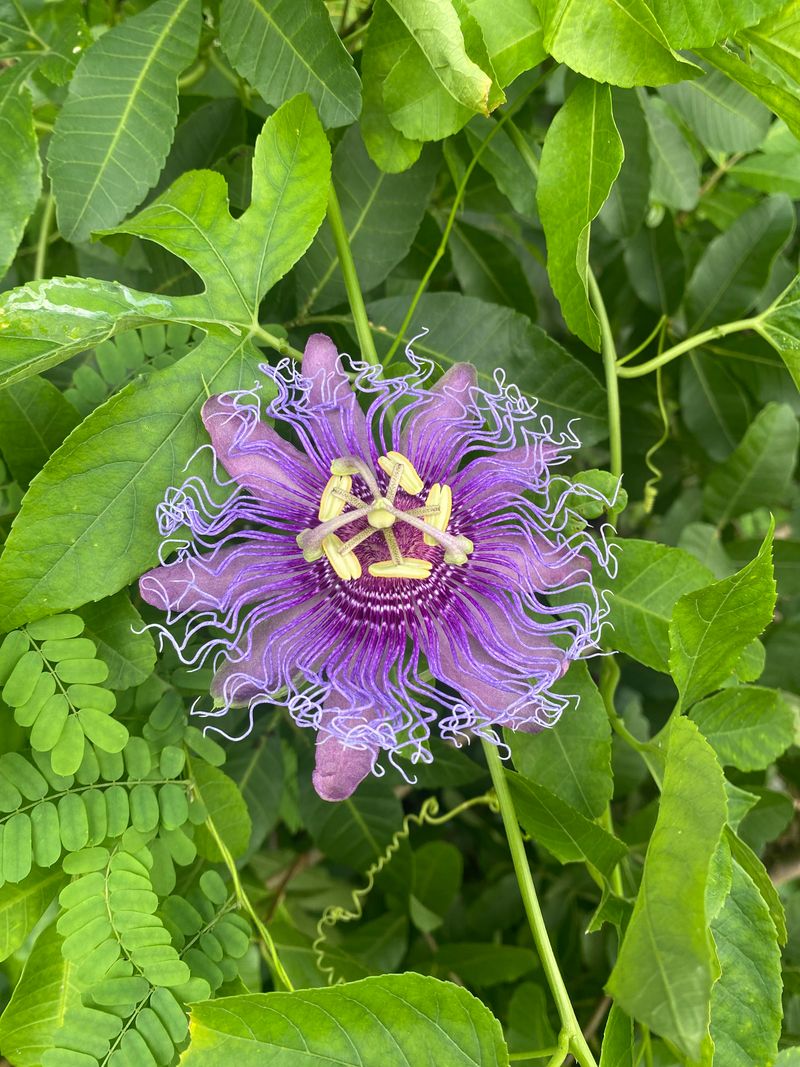
Passionflower supports insects in more than one way.
Native passionflower vines can produce spectacular blooms, but some also have extrafloral nectaries. These small glands provide sugary liquid outside the flower itself, giving insects another food source.
Lady beetles may use that nectar. Ants and other insects may visit too, so observation matters.
The steady food source can help adult predators remain in the landscape. A predator that stays nearby has a better chance of finding prey when pest numbers rise.
Choose Florida-native species. Native passionflowers also support gulf fritillary and zebra longwing butterfly caterpillars.
Give the vine support. A trellis, fence, or arbor keeps growth off the ground and easier to manage.
Plan for vigor. Passionflower can spread quickly in warm Florida conditions.
Prune regularly. A managed vine is useful habitat, while a tangled mess can create hidden corners and maintenance problems.
Keep vines away from turf equipment. Mowers and string trimmers can shred stems and spread growth where it is not wanted.
Avoid pesticide use on the vine. Butterfly larvae, beetles, and other visitors may all be present at once.
Watch the whole plant before reacting. Chewed leaves may mean caterpillars are using the plant successfully.
Passionflower helps keep beneficial insects and butterflies active.
Its connection to chinch bugs is indirect, because the vine feeds predators in the garden rather than in the grass canopy.
8. Big-Eyed Bugs Carry The Chinch Bug Load
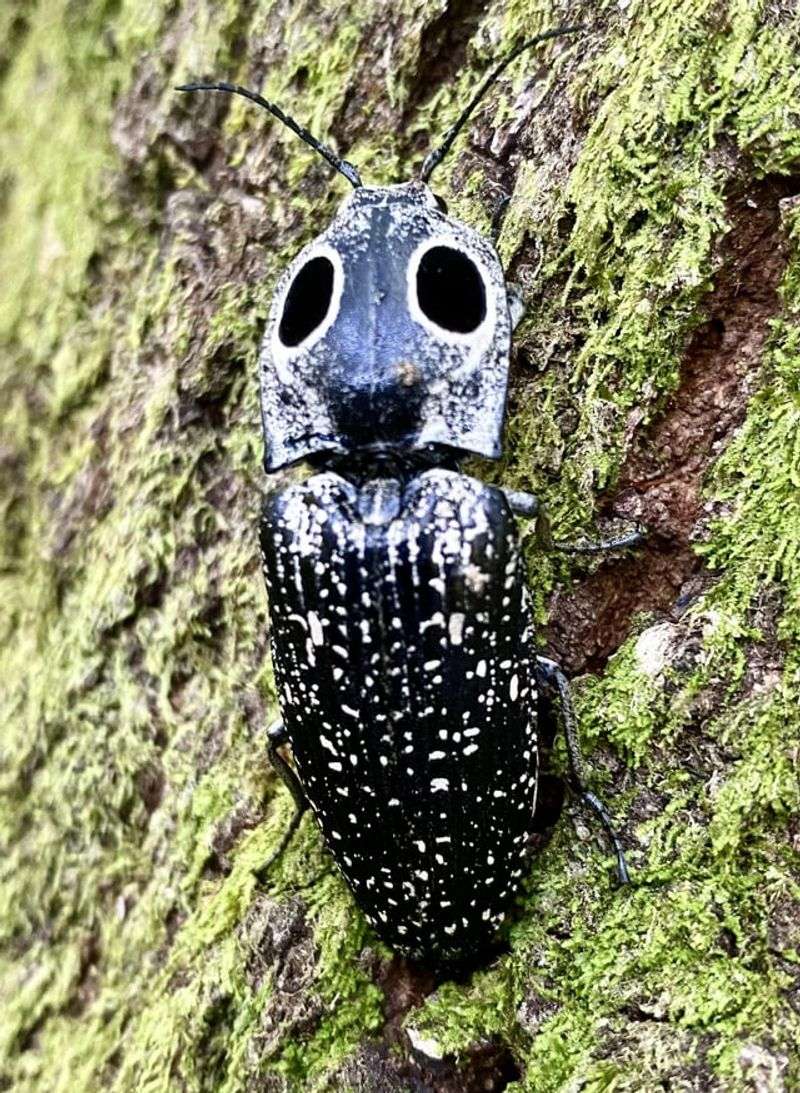
The most important chinch bug predators are often not the lady beetles.
Southern chinch bugs feed low in St. Augustinegrass, close to the soil surface and within the thatch. That is where their most relevant natural enemies need to operate.
Big-eyed bugs are key players. These small predators live in turf and feed on chinch bugs and other tiny insects.
Earwigs may help too. Spiders, ants, and other turf-dwelling predators can also be part of the natural-enemy community.
Lady beetles usually shine elsewhere. They are better known for feeding on aphids, scales, mealybugs, whiteflies, mites, and other soft-bodied pests on leaves and stems.
That does not make lady beetles useless. It just means their strongest benefits may show up in vegetable beds, ornamentals, herbs, and shrubs.
Flowers support the wider team. A blooming border can feed adult beneficial insects and make the yard less dependent on chemical control.
Broad sprays can hurt the turf helpers. Insecticides applied carelessly may reduce big-eyed bugs along with the target pest.
That can create rebound problems. A lawn with fewer predators may become easier for pests to dominate later.
Protecting natural enemies is a strategy. It starts with correct pest identification and careful product use.
Lady beetle plants help the ecosystem.
Big-eyed bugs and other turf predators carry more of the direct chinch bug work.