Stop Making These Ohio Fall Sowing Mistakes With Carrots And Beets
Late August can trick an Ohio gardener.
The tomatoes are still ripening, the soil feels warm, and the garden still looks fully summer. Fall may seem far away, but root crops follow a different clock.
Carrots and beets need enough time to germinate, grow leaves, and build roots before colder weather slows everything down.
That window closes faster than it feels.
A fall row can struggle before seedlings even appear. Seed may go in too late, land too deep, dry out in the surface soil, or sit in ground too rough for straight root growth.
Later, crowded seedlings can quietly ruin the harvest while everything still looks green from above.
The fixes are not complicated.
They come down to timing, shallow sowing, steady moisture, loose soil, proper thinning, and choosing varieties that match the weeks left in your season.
So what mistakes keep Ohio gardeners from getting a strong fall crop of carrots and beets?
Start with the calendar, then protect every step between the seed packet and the first crisp root pulled from cool soil.
1. Waiting For Cool Weather Shrinks The Window
Waiting for fall weather is the first mistake.
Carrots and beets need time before cool weather becomes useful. They have to germinate, establish seedlings, grow enough leaves to power the plant, then push energy into root development. That process takes weeks.
Late summer warmth is not the enemy. Warm soil can help seeds germinate quickly when the seedbed stays moist.
The real danger is delay. By the time the air finally feels crisp, there may not be enough growing time left for roots to size up well.
Ohio’s first frost timing varies. Northern, central, and southern parts of the state do not share the exact same planting calendar.
Days to maturity matter. A variety listed at 55 days gives you more room than one listed at 80 days.
Fall growth slows later. Shorter days and cooler nights stretch the finish line, so add a buffer rather than counting the packet days exactly.
Plan backward. Start with your local average first frost date, subtract the variety’s days to maturity, then add extra time for germination and slower fall growth.
Plant sooner when the math is tight. A warm seedbed with careful watering is better than a perfect autumn day that arrives too late.
Use shade tricks rather than waiting. A light row cover, temporary shade, or board over the row during germination can protect seed from harsh sun.
The crop starts before fall feels obvious.
For carrots and beets, late summer is not too early. It is the moment that makes fall harvest possible.
2. Using One Ohio Date Misses Local Frost
One statewide sowing date is too simple for Ohio.
A gardener near Lake Erie may face a different fall pattern than someone in rural central Ohio or the hills of southern Ohio. Even gardens only a few miles apart can differ because of elevation, pavement, tree cover, and cold air movement.
A generic chart can get you close. It cannot replace local timing.
Your Ohio Garden Changes Every Week. Your Plan Should Too.
Gardening in Ohio changes quickly throughout the season. Every Friday you’ll receive a simple weekly plan showing exactly what to plant, prune, fertilize, harvest, and protect so you never miss the right timing.
Lake influence matters. Areas near Lake Erie may have moderated fall temperatures compared with inland spots.
Rural gardens can frost earlier. Cold air settles in low pockets and open fields more easily than in dense neighborhoods.
Urban gardens may hold warmth longer. Buildings, pavement, and protected beds can stretch the season slightly.
That does not make the season unlimited. Root crops still slow down as day length shortens.
Use your county as the starting point. Then adjust for the actual garden site.
A low backyard may cool faster than the front bed. A raised bed near a wall may hold warmth longer than an open in-ground row.
Track frost from year to year. A small garden notebook can become more accurate than a broad chart over time.
Do not rely on winter hardiness zones. Those zones describe cold extremes for perennial survival, not the best sowing date for fall vegetables.
The calendar should be local.
Carrots and beets reward the gardener who plants for the bed they actually have, not for a one-size-fits-all Ohio average.
3. Choosing Slow Varieties Runs Out The Clock
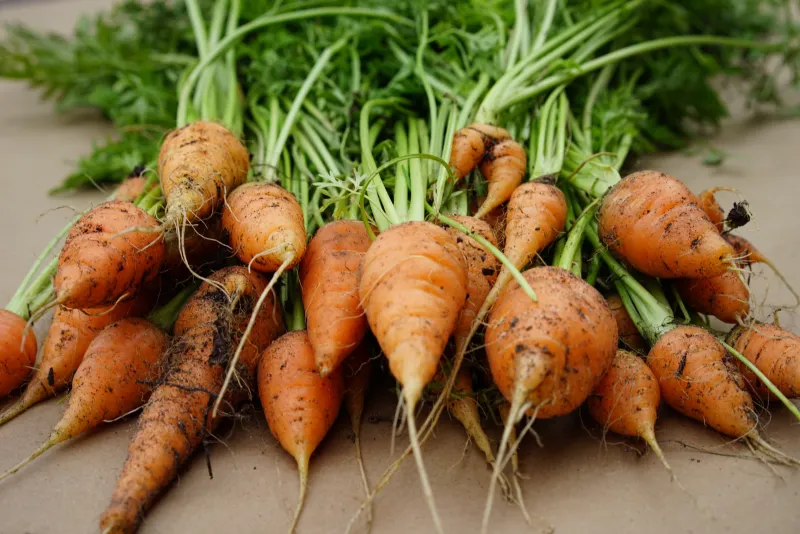
The seed packet small print matters.
Fall carrots and beets do not care how beautiful the catalog photo looks. They care about days to maturity, root type, and how much growing season remains after sowing.
Long-season carrots can miss the window. A storage type that needs 75 to 80 days may not size up before hard cold slows growth.
Fast varieties give you a cushion. Baby carrots, short carrots, and early beets fit the fall calendar more easily.
Short carrots often suit Ohio soil better. Chantenay and Danvers types can handle heavier ground more gracefully than long, slender Imperator types.
Beets offer some flexibility. Smaller roots can be harvested young, and the greens are useful before full root size.
Do not overharvest beet greens. The leaves feed the developing root, so repeated stripping can reduce root growth.
Read the packet before buying. Days to maturity should fit your local frost window with extra time added.
Choose root size on purpose. A small, quick beet may be better for fall than a giant variety that needs more time.
Consider pelleted carrot seed. It can make spacing easier, though it still needs consistent moisture to germinate.
Match the variety to the season. Spring ambitions and fall reality are not always the same.
A fast, dependable variety is not a compromise.
It is the difference between pulling usable roots and watching a row run out of time.
4. Transplanting Roots Creates Crooked Results
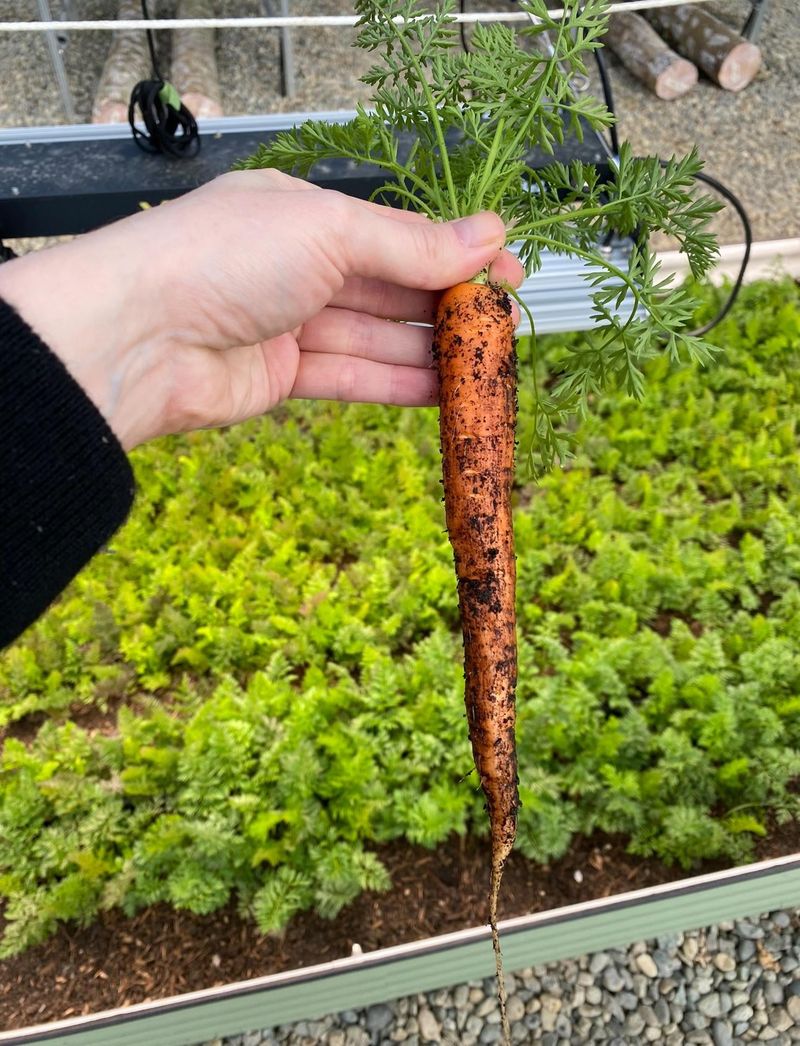
Carrots and beets belong directly in the bed.
A tray of little seedlings may look like a clever head start, but transplanting root crops usually creates more trouble than it solves. The root begins forming early, and disturbance at that stage changes the final shape.
Carrot taproots are especially sensitive. A slight bend, pinch, or pause can create forked, twisted, or stunted roots.
The storage root follows the early path. Damage done during transplanting often shows up later at harvest.
Beets tolerate handling a little better. Even so, direct sowing gives them a cleaner start and a better root shape.
Biodegradable pots are not a perfect fix. Pot walls can restrict roots when they do not break down quickly enough.
Direct sowing avoids that problem. The seed starts exactly where the root will grow.
Use seed tape for spacing help. It gives more control without requiring transplanting.
Hand sowing works too. A careful pinch of seed in a prepared furrow is still one of the simplest methods.
Thin later rather than transplanting extras. Crowded seedlings should be cut away, not lifted and moved into gaps.
Fill gaps with fresh seed only when time remains. A late transplant rarely performs as well as a seed started in place.
Straight roots need undisturbed soil.
Let carrots and beets start where they will finish, and the harvest will show the difference.
5. Sowing Into Cloddy Soil Misshapes The Crop
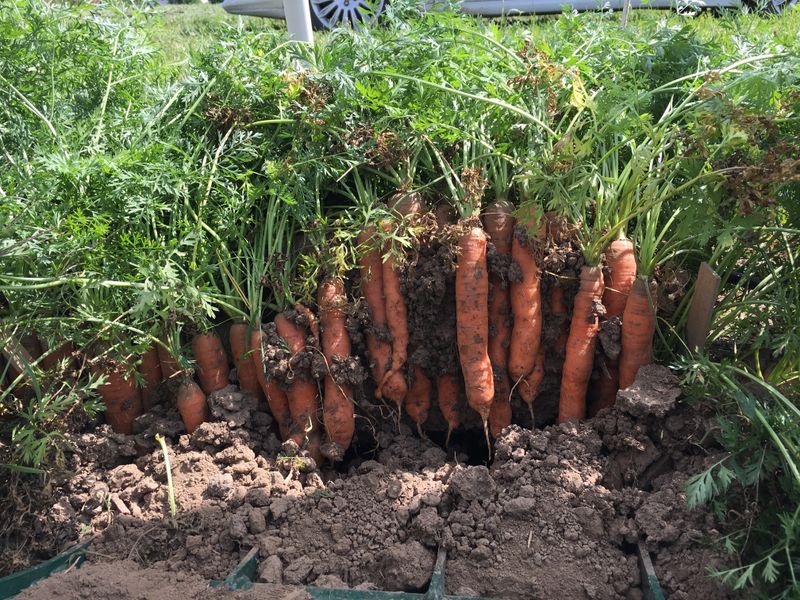
Rough soil leaves a mark on root crops.
Carrots show it most clearly. A taproot heading downward will bend, fork, or split around stones, clods, and compacted layers. The row may look fine from above while the roots below are fighting every inch.
Test the bed with your hand. Soil that falls apart into small crumbs is ready. Soil that drops in hard chunks needs more preparation.
Work the bed deeply. Carrots need loosened soil several inches below the surface, not just a smooth top layer.
Beets are a little more forgiving. Their rounded roots expand closer to the surface, but dense soil can still limit size.
Remove stones and roots. Even small obstacles can push carrots off course.
Avoid working wet clay. Ohio clay handled while wet can smear, compact, and dry into hard layers.
Use finished compost. It improves texture without pushing excessive leafy growth.
Skip fresh manure. It can encourage forked carrots and too much top growth.
Break crusts before sowing. A sealed surface makes seedling emergence harder.
Create a fine seed cover. Small seeds need loose, sifted soil above them, not chunks.
The bed preparation may feel fussy.
But carrots and beets are shaped by the ground they enter, and loose soil gives them a clean path.
6. Burying Small Seeds Delays Emergence
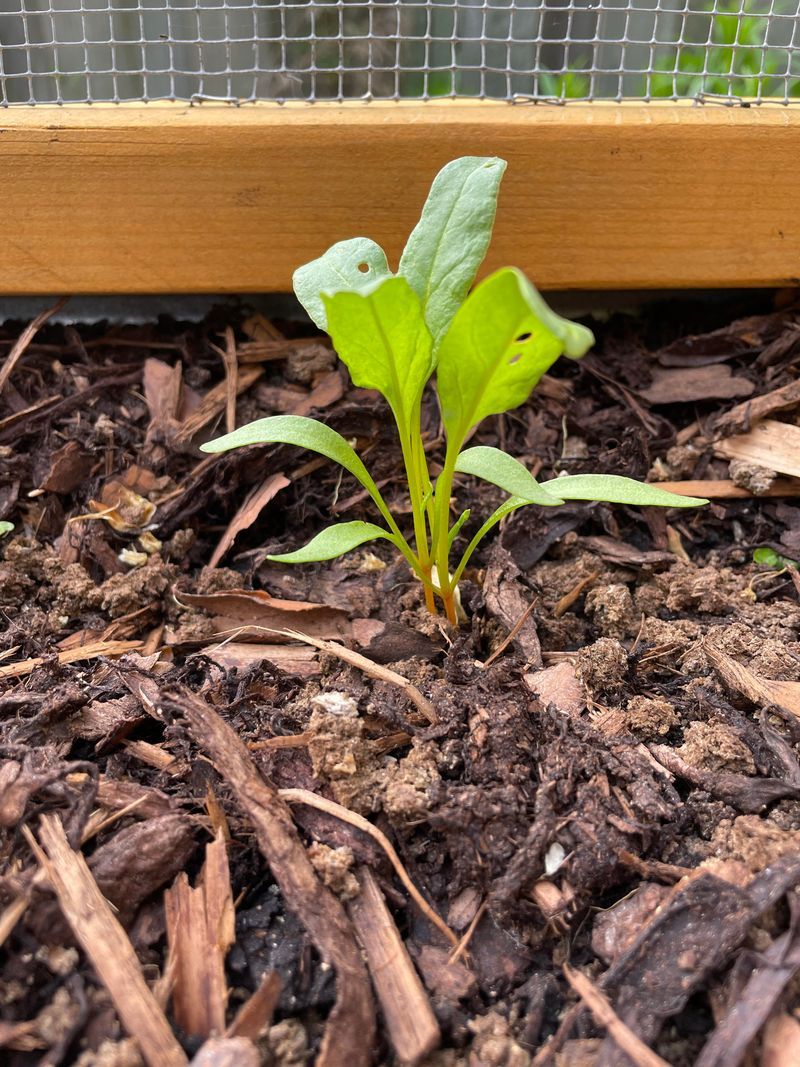
Small seeds should not be buried deep.
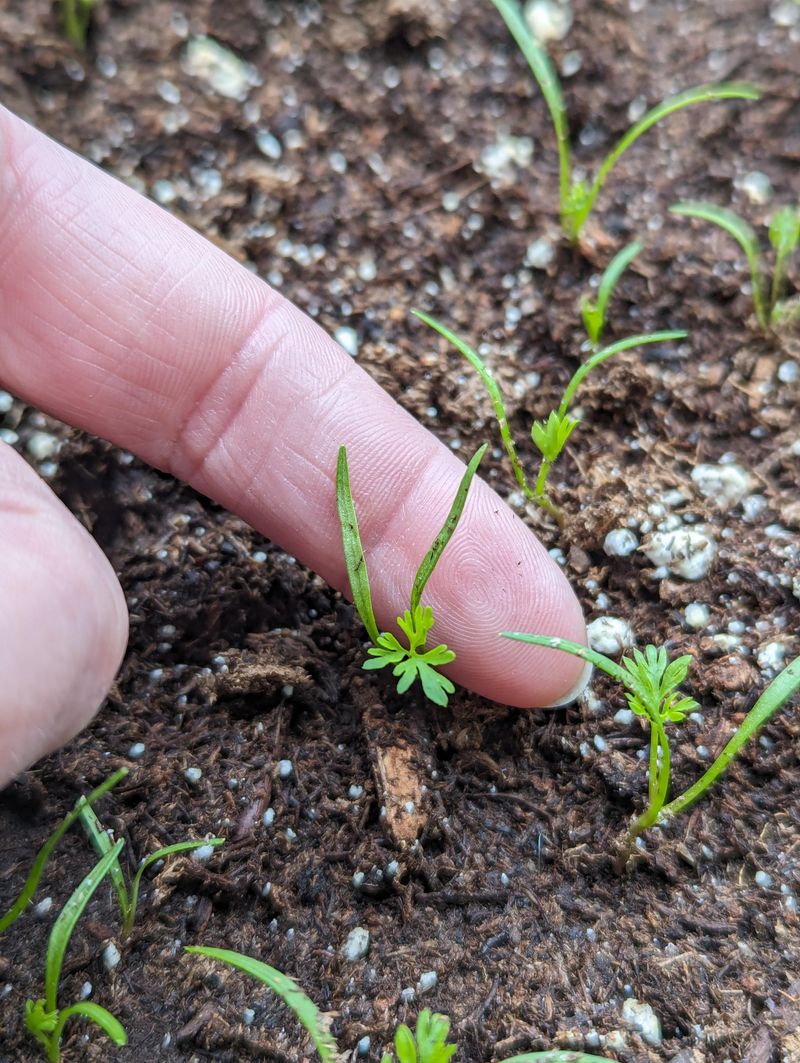
Carrot seed is tiny and has limited energy to push through soil. Planting it too deeply can delay emergence or prevent seedlings from reaching the surface at all.
Do not chase moisture with depth. It feels logical to plant deeper during dry late summer weather, but carrot seed does better shallow with careful moisture management.
Cover carrots lightly. A quarter inch to a half inch of fine soil is usually enough.
Beet seed can sit deeper. The planting material is larger and can generally handle about a half inch to one inch, depending on the seed packet and soil texture.
Fine soil matters. A shallow seed covered with clods still struggles.
Firm gently after sowing. Good seed-to-soil contact helps moisture reach the seed. Do not pack the row hard. A crusted surface traps small seedlings below.
Water with a gentle spray. A heavy stream can wash seeds into piles or push them too deep. Label immediately. Carrot rows can take time to show, and an unmarked row is easy to disturb.
Protect the surface. Burlap, a board, or lightweight cover can slow drying during germination when checked daily.
Depth decides emergence.
A shallow, steady, carefully watered seedbed beats a deep furrow every time.
7. Letting The Seedbed Dry Breaks Germination
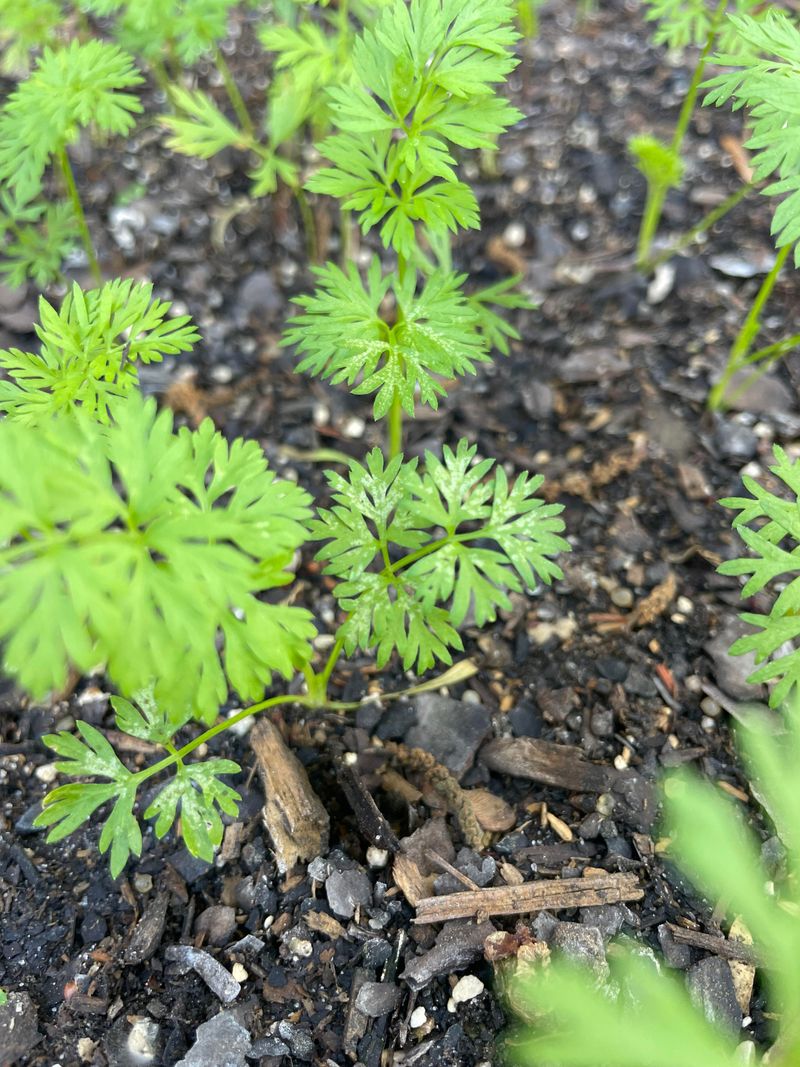
Drying out can stop the row before it starts.
Carrot seed is especially vulnerable because it sits close to the surface. Once it absorbs water, it needs that seed zone to stay consistently moist until the seedling establishes.
One deep watering is not enough. Late August sun and wind can dry the top layer quickly.
Check the row daily. During hot spells, shallow seedbeds may need gentle moisture more than once a day. Use a fine mist. The goal is damp soil, not moving seed around with a hard blast.
Drip tape can help. Slow water keeps the row moist without beating down the surface. Cover carefully. A board, burlap strip, or row cover can reduce evaporation.
Lift covers daily. Seedlings need light and air once they begin to emerge. Remove covers promptly. Leaving them too long can overheat or flatten young seedlings.
Watch for crusting after storms. A hard surface can trap emerging seedlings below. Loosen crusts gently. Use a fingertip or small tool to break only the top layer without disturbing roots.
Beet seed has a little more buffer. It still needs steady moisture for strong germination.
The seedbed is the nursery. Letting it swing from wet to powder-dry is one of the fastest ways to lose a fall root crop.
8. Skipping Early Thinning Crowds Every Root
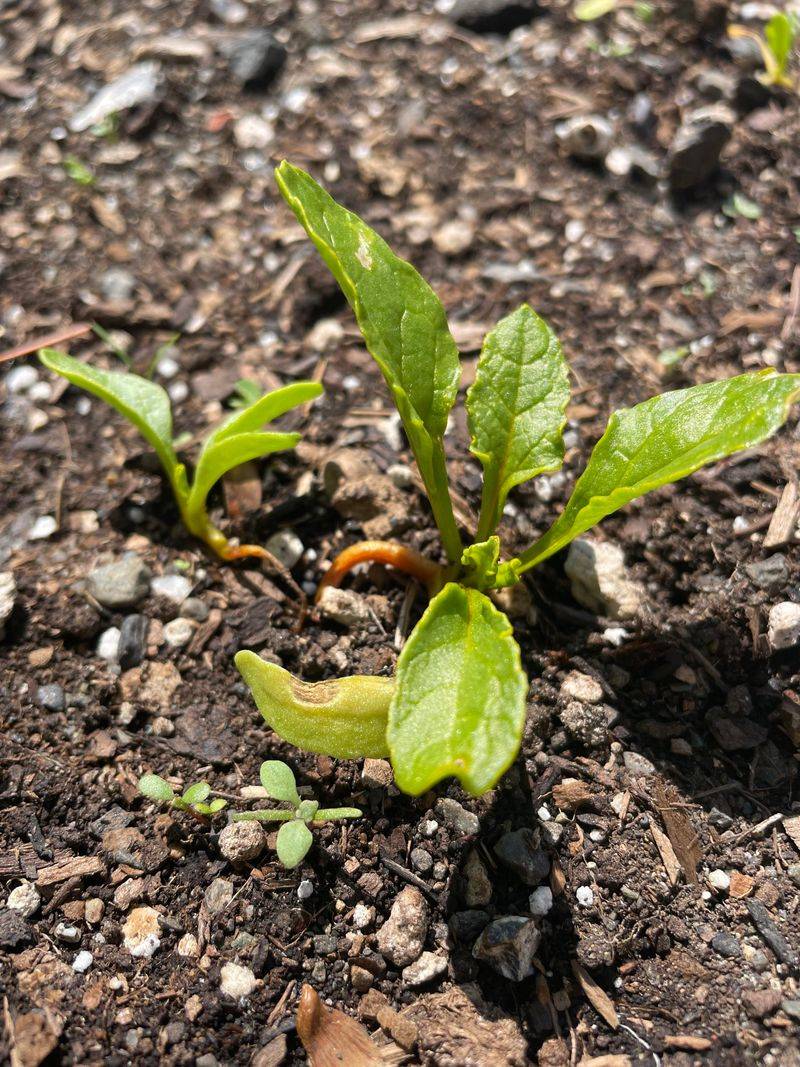
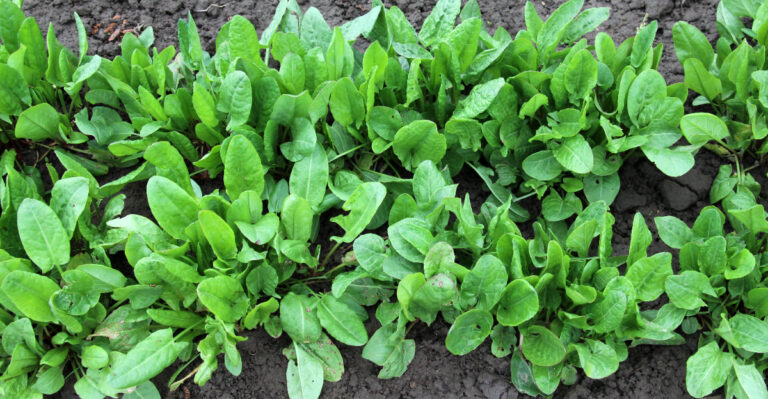
A thick green row can look like success.
It is not success yet. Carrots and beets need room below the surface, and crowded seedlings can ruin root size long before the gardener notices anything wrong.
Thin carrots early. Once seedlings reach a small workable size, create space before roots begin tangling.
Aim for about two to three inches between carrots. Baby varieties may tolerate slightly closer spacing, but crowding still reduces quality.
Beets need more room. Three to four inches between plants is a common target for usable roots.
Beet seed often sprouts in clusters. What looks like one seed can produce more than one seedling.
Expect a second thinning pass. The first round may not catch every crowded spot.
Use scissors for thinning. Cutting extras at soil level protects the roots you want to keep.
Pulling can disturb neighbors. Tiny root shifts can affect growth, especially in carrots.
Use beet thinnings as greens. Clean, tender leaves can go into salads or sautés.
Do not delay for sympathy. Leaving every seedling means fewer good roots later.
Thin after watering. Moist soil and hydrated seedlings make the process easier on the row.
Thinning feels ruthless only for a moment.
By harvest, the plants left behind will prove why space mattered.