Can You Legally Cut A Neighbors Invasive English Ivy Off Your Oregon Fence?
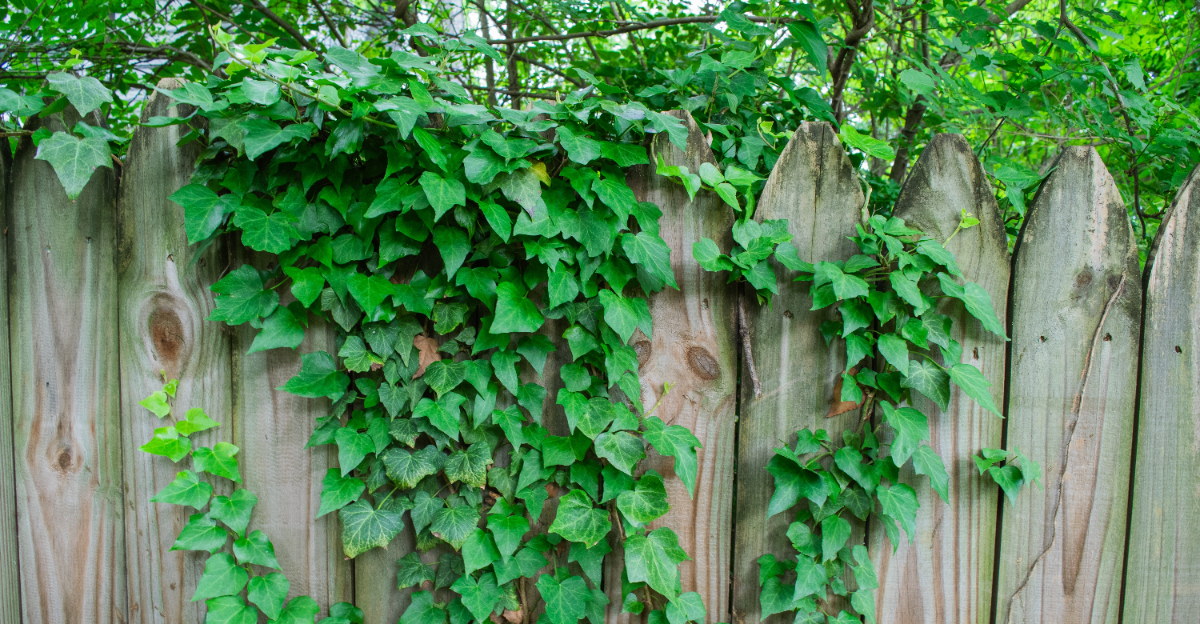
An overgrown vine does not always stay on the side of the fence where it started. Before long, it can creep across property lines, wrap around posts, and turn a simple boundary into a frustrating headache.
English ivy is especially good at finding new places to spread, which leaves many Oregon homeowners asking the same question when it starts invading their yard.
It seems like a simple fix at first glance, but property lines and landscaping do not always mix as neatly as people expect.
Taking action without knowing the rules can create problems that are much harder to untangle than the vine itself. A little knowledge now can save you a lot of frustration and help you handle the situation with confidence.
1. Your Side Of The Fence Does Not Mean You Own The Ivy
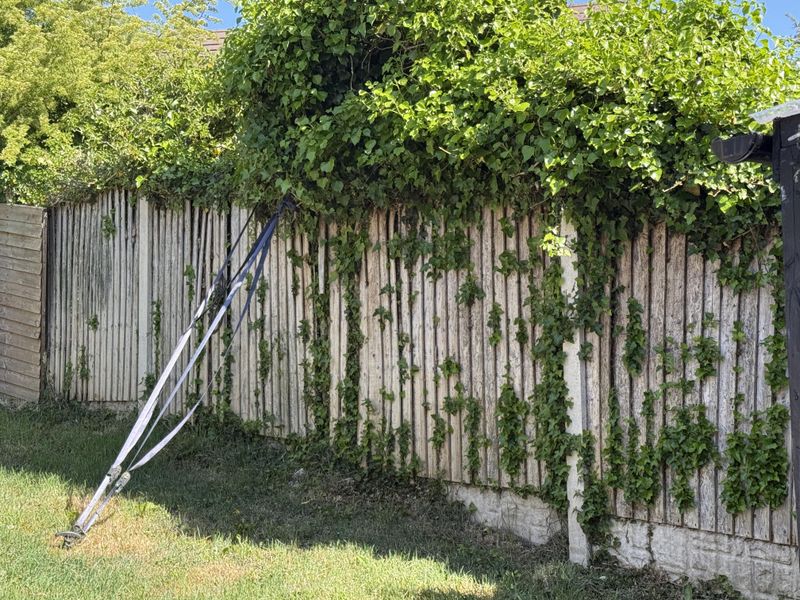
A lot of homeowners assume that if ivy is growing on their side of the fence, they have full control over it. That assumption can get you into trouble fast.
Property law in Oregon is more nuanced than most people realize, and ownership of a plant is not always tied to which side of the fence it sits on.
The ivy may have started in your neighbor’s yard. The roots could still be anchored on their property, even if the vines have traveled several feet onto yours.
In legal terms, the plant may still belong to your neighbor, even if it looks like it lives on your side.
Oregon courts have looked at cases where plants grew across property lines and found that the original owner of the plant could still be held responsible for damage it caused. That means your neighbor might owe you for fence repairs if their ivy caused the harm.
But cutting the plant without permission could also open you up to a complaint.
Before you do anything, take a close look at where the roots are located. If the base of the plant is on your neighbor’s property, the ivy technically belongs to them.
Document what you see with photos. Knowing who legally owns the plant is the first step before taking any action.
2. The Ivy Over The Fence Line Creates A Legal Gray Area
When a plant crosses a property line, things get legally complicated. The law does not always give a clear black-and-white answer about who is responsible or what either party is allowed to do.
This is what lawyers call a legal gray area, and it affects homeowners across the state more often than you might think.
In general, you do have the right to cut back any plant that crosses onto your property. This is called the “self-help” rule, and it is recognized in Oregon.
However, this right comes with limits. You can only cut back to the property line.
You cannot go onto your neighbor’s property to remove the plant entirely.
There is also a risk of causing harm to the plant’s root system if you cut too aggressively. If your cutting causes the entire plant to suffer or the roots to become unstable, your neighbor could argue that you caused damage to their property.
Your Oregon Garden Changes Every Week. Your Plan Should Too.
Gardening in Oregon changes quickly throughout the season. Every Friday you’ll receive a simple weekly plan showing exactly what to plant, prune, fertilize, harvest, and protect so you never miss the right timing.
Courts have sided with neighbors in cases like this before.
The safest approach is to cut only what is clearly on your side of the fence. Keep the cuts clean and avoid pulling at the roots.
If the ivy keeps coming back, document each instance. A paper trail can be very helpful if the situation ever needs to go before a mediator or judge.
3. One Wrong Cut Can Start A Neighbor Dispute
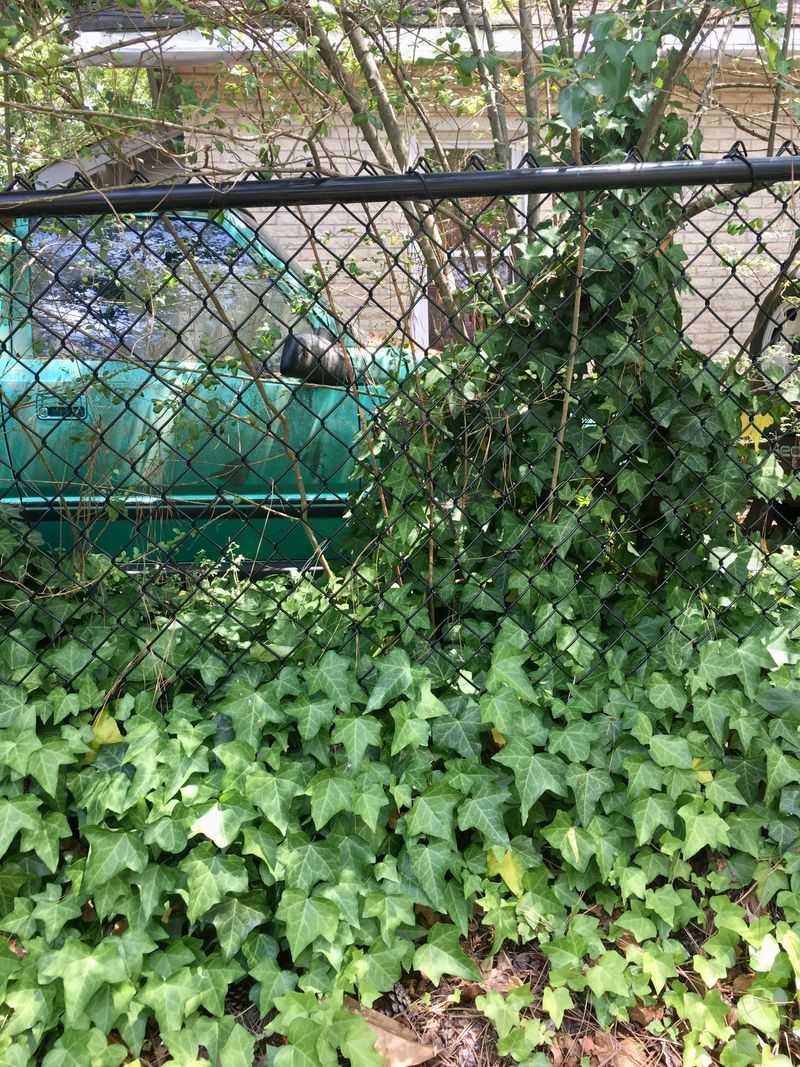
Neighbor disputes over plants and fences are more common than most people expect. What starts as a simple trim can quickly turn into a heated argument, especially if the other person feels like their property was damaged or disrespected.
A single wrong move with a pair of clippers can create tension that lasts for years.
Oregon property disputes between neighbors often start over something that seemed minor at first. Ivy removal is no different.
If your neighbor planted that ivy intentionally and values it as part of their landscaping, they may feel strongly about how it is handled. Even if the plant is invasive and harmful, emotions can run high.
Communication is one of the most powerful tools you have. Before cutting anything, try talking to your neighbor directly.
Keep the conversation friendly and factual. Explain that the ivy is causing damage to your fence and ask if you can work together to manage it.
Many disputes are avoided simply because someone took the time to have a calm conversation first.
If your neighbor refuses to cooperate or becomes hostile, do not escalate the situation by taking matters into your own hands. Instead, send a written notice explaining the problem.
This creates a record and shows that you made a reasonable effort to resolve things peacefully. A written record can make a big difference if the issue ever goes further.
4. That “Simple Trim” Could Create A Bigger Problem
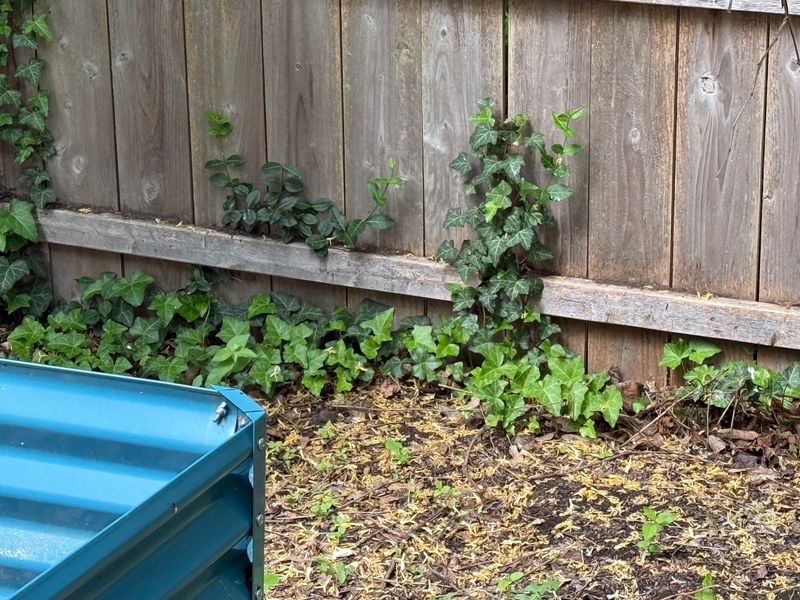
Grabbing a pair of scissors and snipping a few vines might sound harmless. But cutting ivy incorrectly can actually cause the plant to spread faster.
English ivy responds to cutting by sending out new growth in multiple directions. What was one vine can quickly become three or four after an improper trim.
There is also the issue of plant debris. If you cut ivy and leave the pieces on the ground, those cuttings can root themselves and start new plants.
This is especially true in the wet climate found throughout much of the Pacific Northwest. A small pile of trimmings left near a fence can become a new infestation within weeks.
Cutting ivy without proper disposal is a mistake many homeowners make. All cuttings should be bagged and placed in yard waste bins, not composted.
Composting ivy can allow it to survive and re-root. Your local waste management guidelines may have specific rules about how to dispose of invasive plants, so check before you act.
Beyond the plant itself, aggressive cutting near a wooden fence can also loosen the ivy’s grip in a way that pulls at fence boards or damages the wood surface. Ivy attaches using rootlets that dig into surfaces.
Yanking or cutting those rootlets too quickly can leave holes, cracks, or exposed wood that becomes vulnerable to moisture and rot over time.
5. English Ivy Can Turn A Fence Into A Battleground
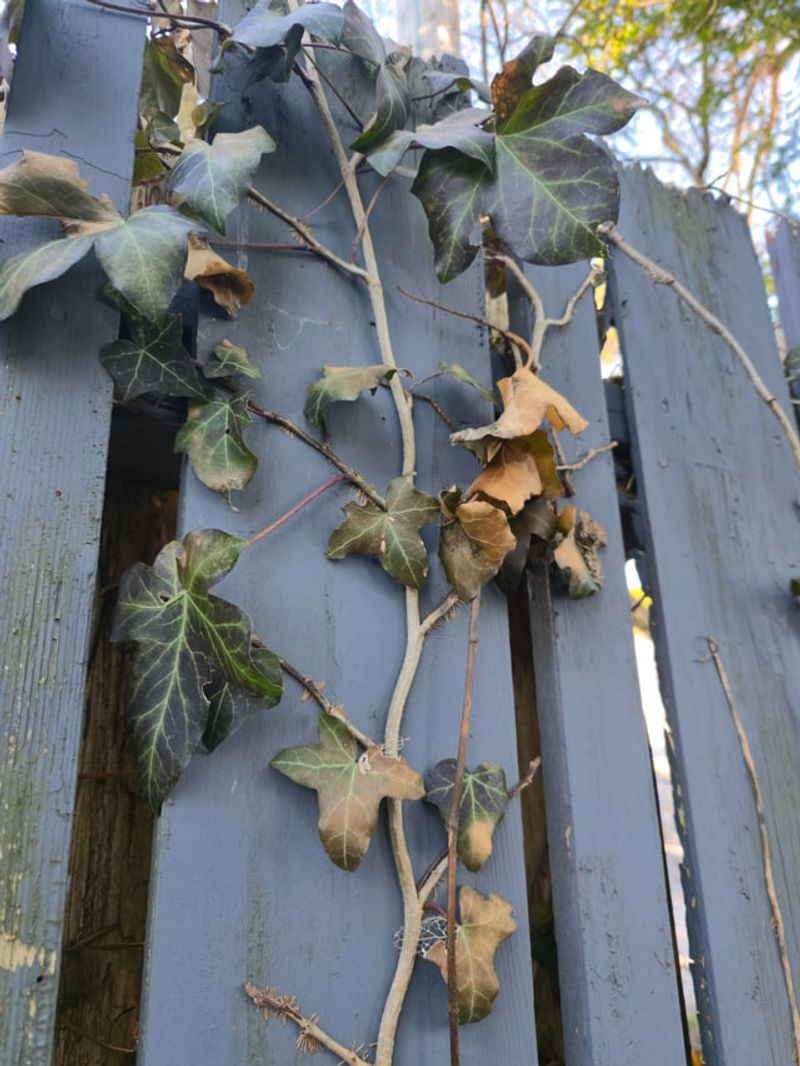
Few plants cause as much physical damage to fences as English ivy does. The plant uses tiny rootlets to attach itself to surfaces.
Over time, those rootlets work their way into the wood, loosening boards and trapping moisture. That trapped moisture leads to rot, and rot leads to a fence that needs to be replaced.
A wooden fence that has been covered in ivy for several years may look solid from the outside but be structurally compromised underneath. Homeowners have torn down ivy-covered fences only to find that the wood beneath was completely deteriorated.
Rebuilding a fence is expensive, and the question of who pays for it can become a serious legal matter.
In this state, shared fences are often subject to shared responsibility laws. If a fence sits exactly on the property line, both neighbors may be legally required to maintain it.
If your neighbor’s ivy caused the damage, you may have grounds to request that they share in the repair cost. However, proving that the ivy caused the damage requires documentation.
Take photos regularly if ivy is growing on or near your fence. Note dates and the progression of the damage.
If you ever need to make a legal claim, those photos are strong evidence. The more detailed your records, the better your chances of recovering repair costs or getting a court to order your neighbor to remove the plant.
6. Before You Cut Ivy, Know Where The Problem Starts
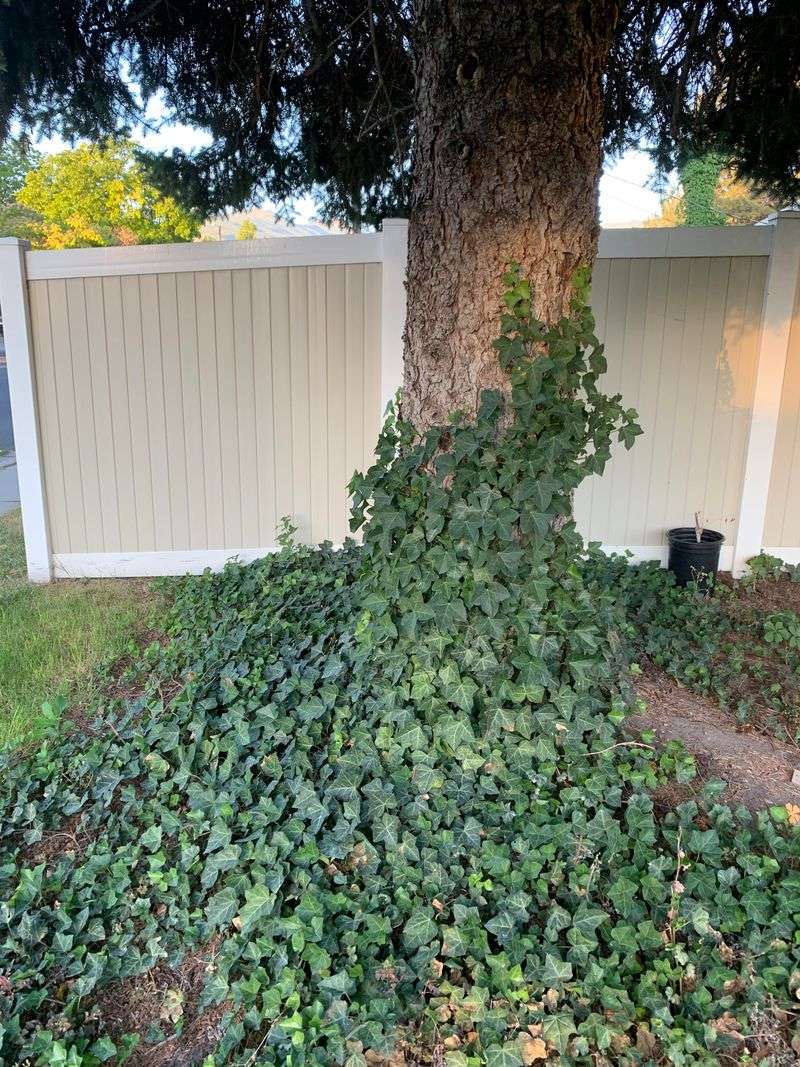
Cutting ivy without knowing where it originates is like treating a symptom without addressing the cause. The visible vines on your fence may only be a small part of the plant.
The root system could extend several feet back into your neighbor’s yard. If you only cut what you can see, the plant will grow back quickly.
Identifying the source of the ivy is an important first step. Walk along the fence line and look for where the thickest stems are coming from.
The main plant is usually located close to the base of the fence on your neighbor’s side. That is where the real growth originates, and that is what needs to be addressed for long-term control.
Once you know where the problem starts, you have a clearer picture of what you can legally do. You can remove everything on your side of the fence line.
But addressing the source requires your neighbor’s involvement. Without their cooperation, the ivy will continue to grow back no matter how many times you cut it.
Consider reaching out to your local county extension office or a licensed landscaper for advice.
Professionals familiar with invasive plant management in the Pacific Northwest can help you understand your options and create a removal plan that is both effective and legally sound.
Getting expert advice early can prevent a lot of frustration down the road.
7. The Fence Is Not The Only Thing You Need To Check
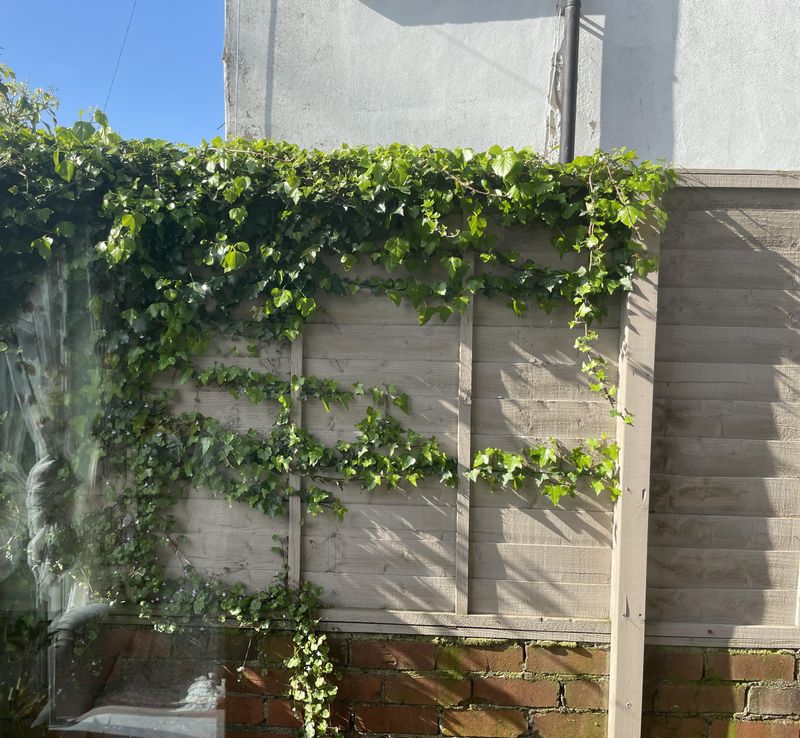
When ivy starts causing problems, most homeowners focus on the fence. But the fence is just one piece of a larger puzzle.
Before you take any action, you need to verify where your actual property line is located. Many homeowners are surprised to find that their fence does not sit exactly on the property line.
Fences are sometimes built a few inches or even a foot inside the actual boundary. If that is the case, the area between your fence and the true property line technically belongs to you, but it may look like it belongs to your neighbor.
Any ivy growing in that strip is your responsibility, not theirs.
Getting a property survey done is the most reliable way to confirm your boundaries. Survey records may also be available through your county assessor’s office.
Knowing exactly where your land ends and your neighbor’s begins protects you legally and helps you communicate more clearly with your neighbor about the problem.
Beyond the property line, you should also check if your neighborhood has a homeowners association with specific rules about invasive plants or fence maintenance.
Some municipalities in this state also have local ordinances that address invasive species like English ivy.
Violating those rules, even accidentally, can result in fines or complaints. A quick call to your city or county planning office can save you from unexpected legal headaches.
8. Removing A Neighbor’s Ivy Takes More Than Clippers
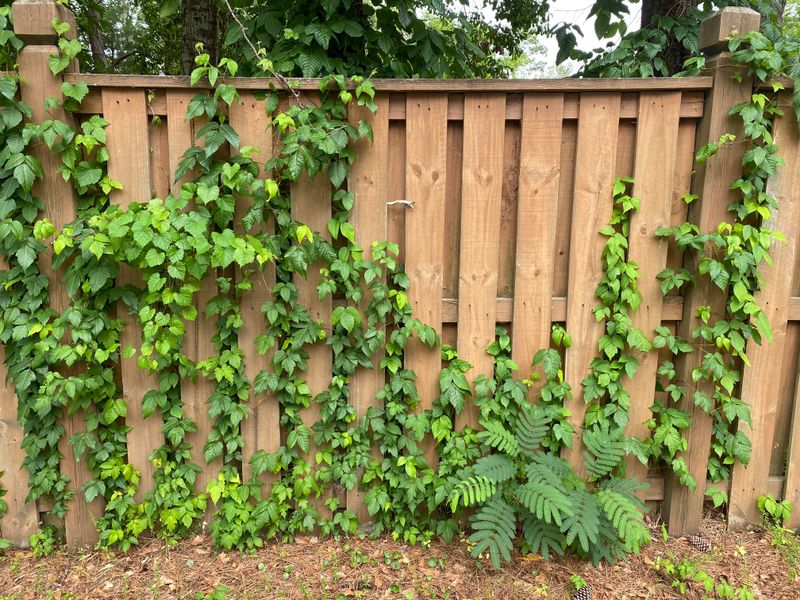
Getting rid of English ivy for good is not a quick job. This plant is tough, persistent, and very good at coming back.
Even after a thorough removal, new sprouts can emerge from tiny root fragments left in the soil. Effective removal requires a strategy, the right tools, and in many cases, professional help.
For ivy on your side of the fence, start by cutting the vines at the base, close to the fence. Let the cut sections dry out for a week or two before pulling them off the fence.
Trying to pull fresh ivy off a wooden fence can damage the surface. Dried ivy releases its grip more easily and causes less harm to the wood underneath.
After removing the vines, dig out as much of the root system as you can reach. Wear thick gloves because the sap from English ivy can irritate skin.
Bag all material in heavy-duty yard waste bags and follow your local disposal guidelines. In many parts of this state, ivy is classified as an invasive species, and improper disposal can spread the problem to new areas.
If the ivy keeps returning or the infestation is large, hiring a licensed landscaper who specializes in invasive plant removal is a smart move. Professionals have the equipment and knowledge to handle large-scale removal safely.
They can also advise you on how to prevent regrowth and what to plant instead to keep the area from being reinvaded.