These Arizona Porch Light Habits Are Drawing Scorpions Closer
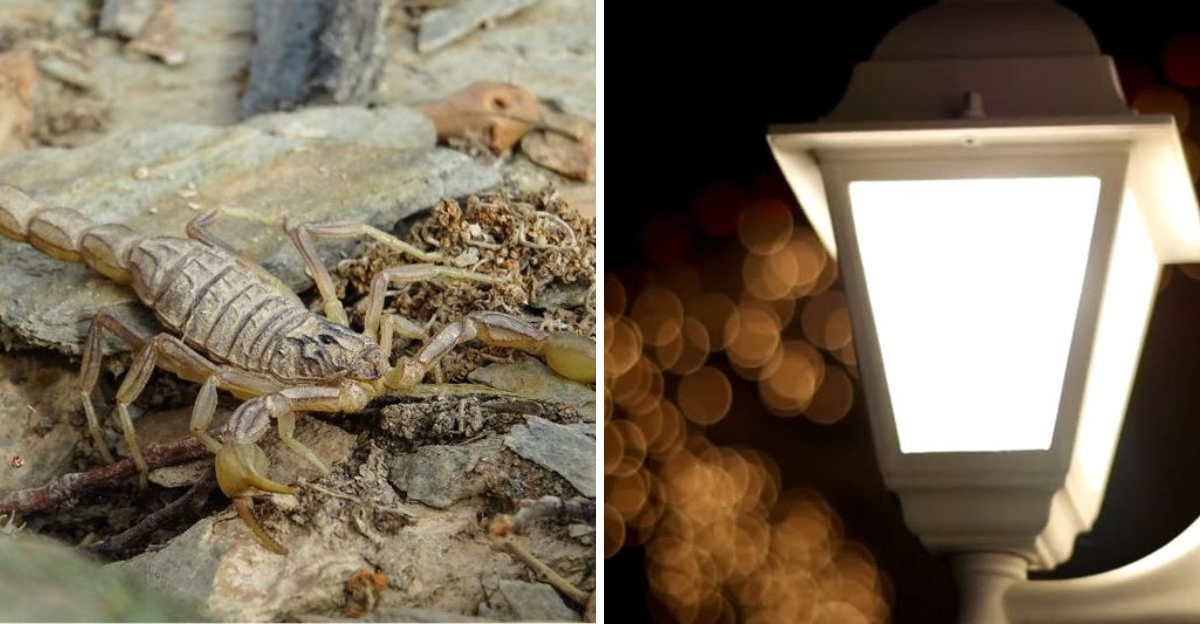
Most people blame scorpions when they start seeing them around the porch. Few stop to think their own habits might be making the area more inviting.
Outdoor lighting does more than brighten a summer evening. It changes what shows up after the sun goes down.
Tiny insects gather around certain lights every night. They bring a chain reaction that is easy to miss until unwanted visitors start appearing.
Many Arizona homes have the perfect setup without realizing it. A few small habits can make porches much busier after dark.
Tonight is a good time to notice what happens once your lights come on. You may see a pattern that has been there all along.
Small changes can make a surprising difference when it comes to what visits your porch after sunset.
1. Bright White Bulbs Attract More Nighttime Insects
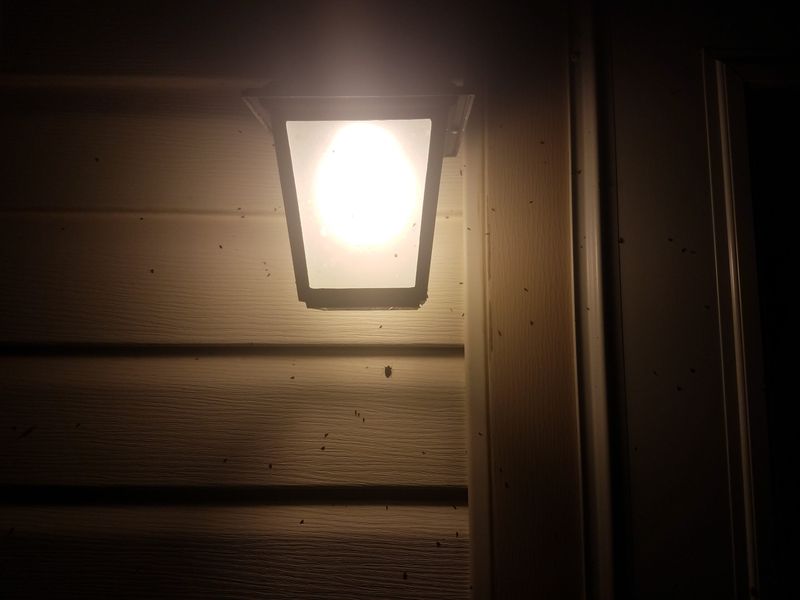
Swap out that white bulb and you might be surprised what changes around your porch. Bright white and cool-toned LED bulbs put out a strong ultraviolet light spectrum.
Flying insects are naturally drawn to UV light, and white bulbs produce a lot of it.
Moths, beetles, flies, and other small insects swarm around these bulbs on warm desert nights. The more insects gathering near your door, the more attractive that spot becomes to scorpions looking for a meal.
Scorpions are opportunistic hunters. If bugs are clustering near your porch, scorpions will eventually find their way there too.
Bright white bulbs essentially set up a free buffet right at your front door.
Switching to a warmer-toned bulb is one of the simplest fixes available. Bulbs labeled 2700K or lower produce less UV output.
Fewer insects means less reason for scorpions to hang around your entryway.
It does not mean zero insects will appear, but the reduction can be noticeable. Paired with other habits, changing your bulb color is a low-effort step with real potential.
Check the color temperature listed on the bulb packaging before your next purchase.
2. More Insects Give Scorpions An Easy Food Source
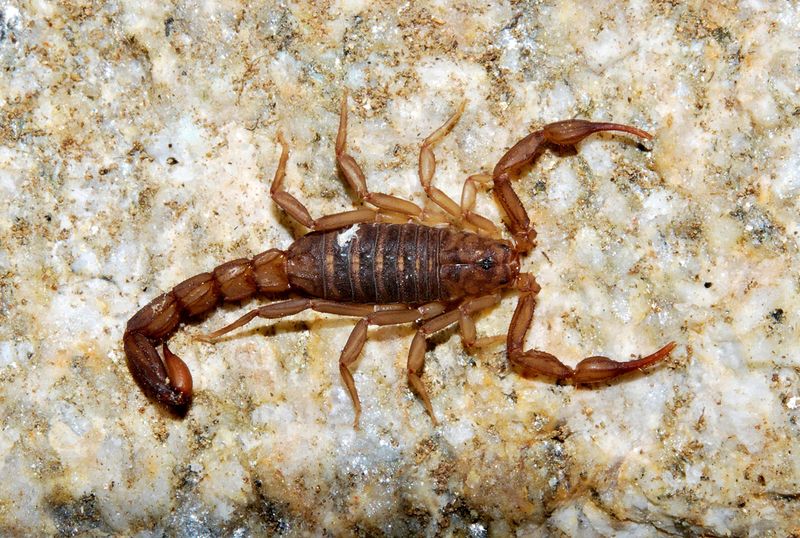
Scorpions do not wander onto your porch by accident. Food brings them there.
Crickets, roaches, beetles, and moths are all part of a scorpion’s regular diet.
When porch lights pull in large numbers of insects, scorpions pick up on that activity. They are patient hunters and will wait near reliable food sources.
Your lit-up porch can become exactly that kind of reliable spot.
Bark scorpions, which are common across much of the Southwest, are especially active hunters at night. They move along walls, under door frames, and across patios in search of prey.
A bug-covered porch wall is an easy hunting ground for them.
Reducing the insect population around your porch directly reduces scorpion interest in that area. Fewer bugs means less reason for scorpions to linger near your home’s entry points.
Practical steps include trimming back plants near the porch, removing leaf piles, and keeping outdoor clutter minimal. Each of those spots can shelter both insects and scorpions.
Addressing the food source is just as useful as addressing the light itself.
Your Arizona Garden Changes Every Week. Your Plan Should Too.
Gardening in Arizona changes quickly throughout the season. Every Friday you’ll receive a simple weekly plan showing exactly what to plant, prune, fertilize, harvest, and protect so you never miss the right timing.
Thinking of it as a chain reaction helps. Light draws insects, insects draw scorpions.
Breaking any link in that chain reduces the overall risk near your home.
3. Porch Lights Left On Until Morning Draw More Pests
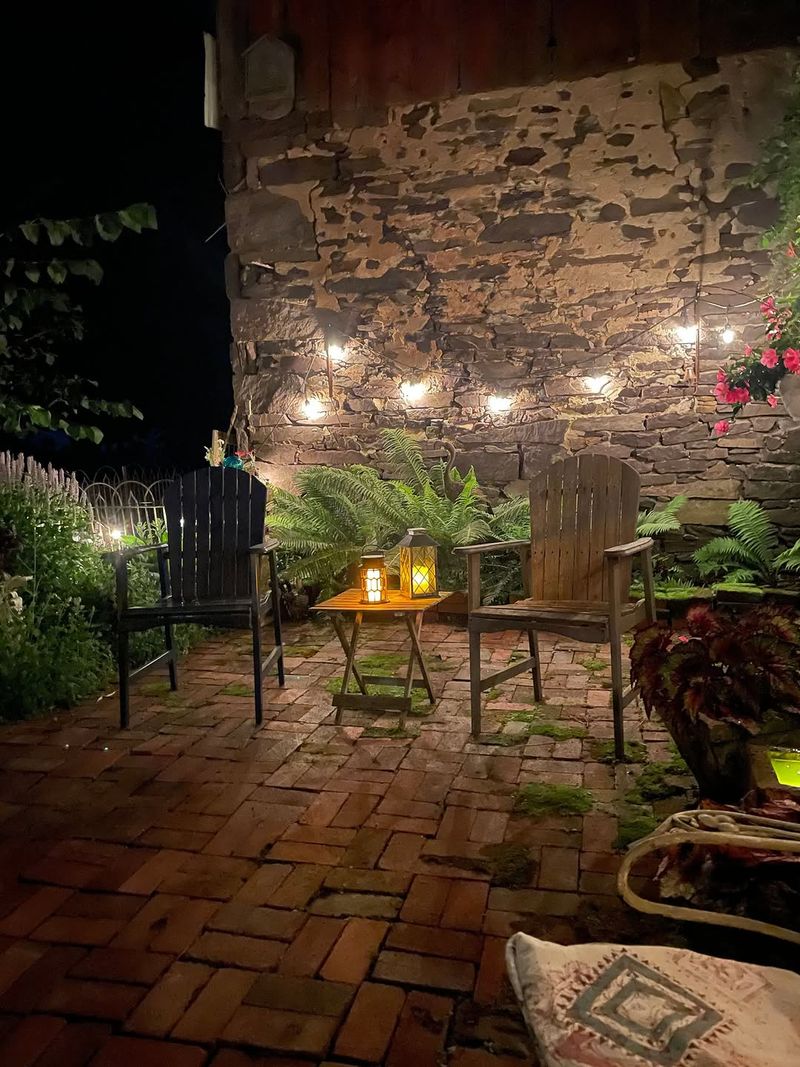
Leaving your porch light burning from dusk to dawn is one of the most common habits that quietly works against you. The longer the light stays on, the more time insects have to gather around it.
A light left on all night gives flying insects hours to accumulate near your door. More bugs over more hours means a larger, more consistent food signal for scorpions in the area.
Scorpions are most active during the warmer months, especially late at night when temperatures drop slightly. A porch light that stays on through those peak activity hours creates a consistent lure right at your entryway.
Cutting back on total light-on time reduces exposure. Turning the light off after a couple of hours, or setting it on a timer, limits how long insects have to gather.
Fewer insects late at night means less scorpion activity near your door.
Timers are inexpensive and easy to install on most standard outdoor fixtures. Setting the light to shut off around 10 or 11 p.m. can make a practical difference without leaving your porch completely dark early in the evening.
Consistent overnight lighting is one of the easier habits to adjust. Small schedule changes can reduce pest pressure without requiring any major home modifications.
4. Amber Bulbs Attract Fewer Flying Insects
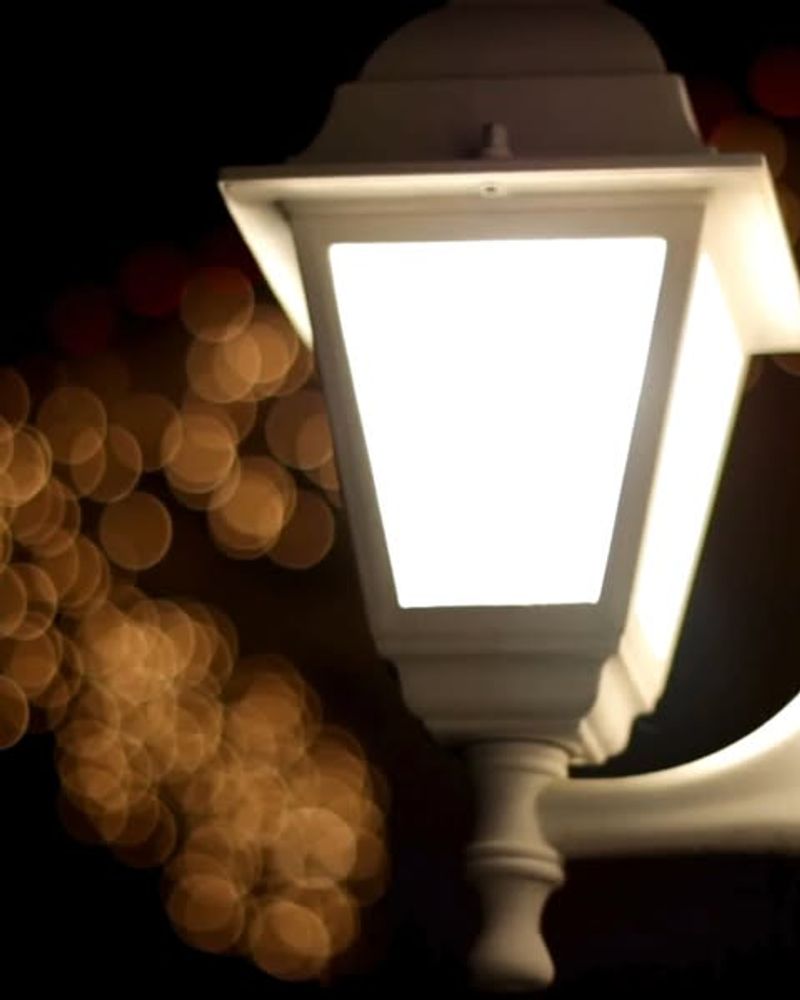
Amber bulbs are a practical upgrade that many desert homeowners overlook. Warm amber or yellow-toned bulbs produce very little UV light, which is the spectrum that draws most flying insects in.
Bugs like moths and beetles navigate partly using light wavelengths. UV-heavy white light disrupts their navigation and pulls them in close.
Amber light does not have the same effect, so fewer insects end up clustering near the bulb.
Pest control professionals and entomologists generally agree that warm-toned lighting reduces flying insect attraction compared to cool white or daylight-spectrum bulbs. It is not a perfect fix, but the reduction is real and noticeable in many cases.
Look for bulbs with a color temperature around 2200K to 2700K. These are widely available at hardware stores and online.
They work in standard outdoor fixtures without any special adapters.
Amber bulbs do not change the brightness of your porch significantly. Your space still gets lit up well enough for safety and visibility.
The main difference is just in the light spectrum being emitted.
In a state like Arizona where scorpion activity is a genuine concern for many residents, this simple swap is worth considering. It is one of the lowest-effort changes with a reasonable payoff in reduced insect traffic near your front door.
5. Motion Sensors Reduce Unnecessary Lighting
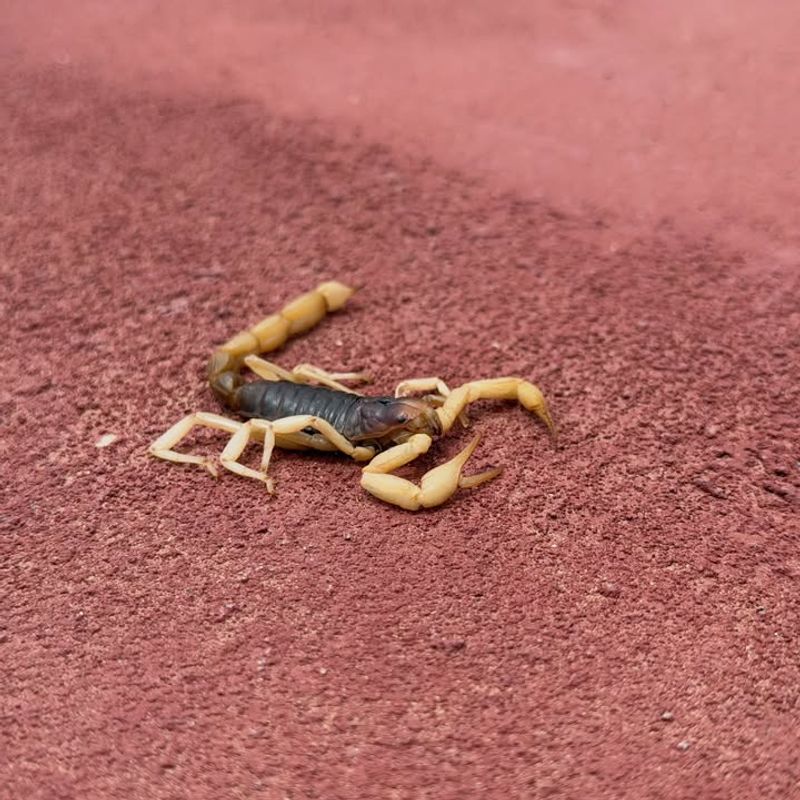
Motion sensor lights are one of the smarter upgrades for desert homes. Instead of lighting up your porch for hours, they only switch on when something moves nearby.
Less total light time means fewer insects gathering around your door.
A standard porch light running all evening gives bugs a long window to accumulate. A motion-activated light cuts that window down to seconds or minutes at a time.
Insects do not get the chance to swarm and settle near your entryway.
Scorpions rely on the insect clusters that form under consistent lighting. Remove the steady light source, and you remove a big part of what draws both insects and scorpions to that spot.
Motion sensors are widely available in both hardwired and plug-in styles. Many replace standard bulb fixtures without requiring an electrician.
Setup is straightforward for most homeowners.
Sensitivity and duration settings on most models are adjustable. You can set them to stay on for 30 seconds, a minute, or longer depending on your preference.
That flexibility makes them practical for both security and pest reduction.
Paired with an amber or warm-toned bulb, a motion sensor creates a setup that limits insect attraction significantly. It is a combination worth trying, especially during the hotter months when scorpion activity tends to increase across the Southwest.
6. Sealed Door Gaps Make It Harder For Scorpions To Get Inside
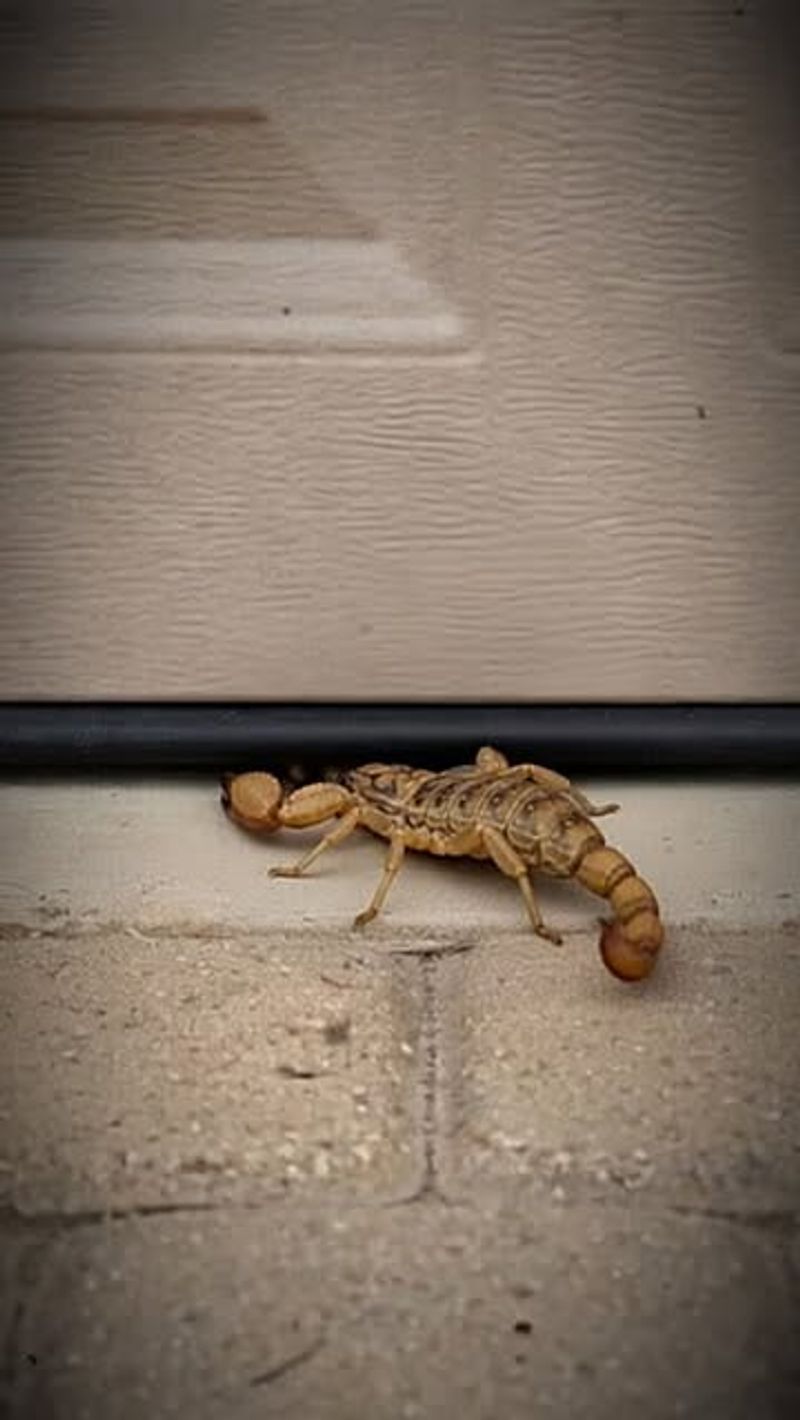
Even the best lighting habits will not help much if scorpions can slip under your front door. Gaps as small as the width of a credit card are wide enough for a bark scorpion to squeeze through.
Sealing those entry points matters.
Door sweeps are inexpensive rubber or bristle strips that attach to the bottom edge of a door. They block the gap between the door and the threshold.
Most hardware stores carry them in standard sizes that fit common door widths.
Check your door frame edges too. Small gaps along the sides or top can also provide entry points, especially in older homes where frames have shifted slightly over time.
Weatherstripping handles those spots well.
Sliding glass doors are another common weak point. The gaps along the track edges can be surprisingly large.
Foam or rubber track seals are available specifically for this type of door.
Garage doors often have gaps at the bottom corners where the rubber seal does not lay flat against the concrete. Replacing worn garage door seals is a practical step that reduces entry points significantly.
Sealing gaps does not require professional help in most cases. A basic inspection around all exterior doors, followed by simple hardware store fixes, can close off many of the routes scorpions use to enter Arizona homes.
7. Regular Cleaning Removes Bugs That Draw Scorpions
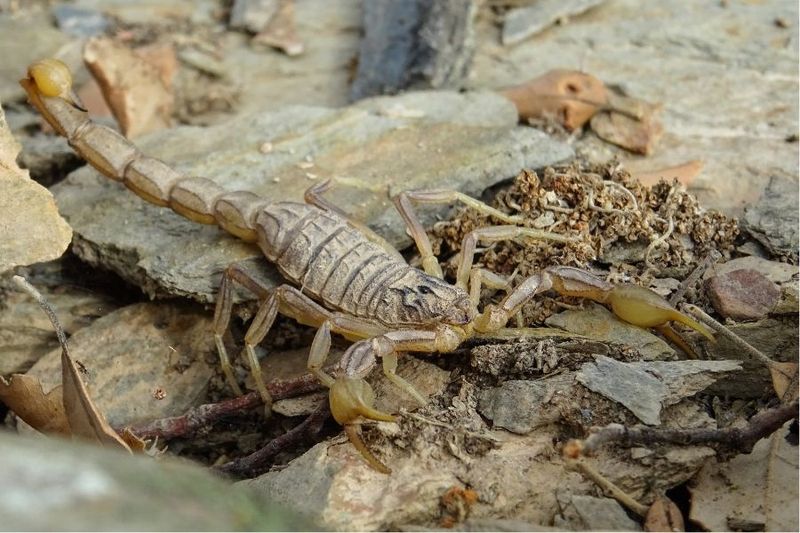
A cluttered, bug-covered porch is an open invitation. Insects that gather near lights often drop to the ground when they tire out.
Those grounded bugs become easy targets for scorpions patrolling nearby.
Sweeping your porch regularly removes the insect debris that builds up under and around light fixtures. Even small piles of bugs near the door threshold can signal a reliable food spot to nearby scorpions.
Cobwebs are also worth clearing out. Spiders build webs near porch lights to catch insects.
A web full of trapped bugs is essentially a concentrated food source sitting right next to your door. Spiders themselves can also attract scorpions.
Outdoor furniture, potted plants, and storage boxes near the porch provide shelter for both insects and scorpions. Moving items away from the immediate door area reduces hiding spots significantly.
Wiping down the walls and ceiling near your porch light a few times a week takes only a few minutes. Removing egg cases, spider webs, and accumulated insects keeps the area less appealing to scorpion hunters.
Consistency matters more than intensity here. A quick sweep every couple of days is more effective than one deep clean per month.
Keeping the porch clean is one of the most straightforward habits that supports every other pest-reduction effort you make around your home.