What to Do With Your Florida Bougainvillea in August So It Doesn’t Drop Everything
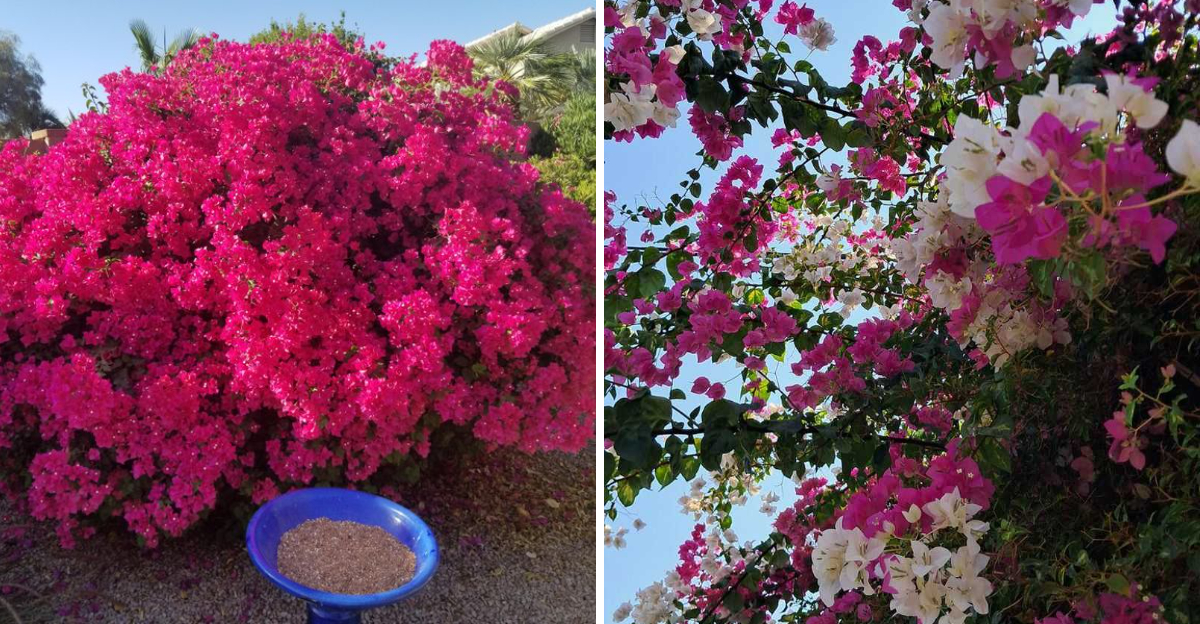
A Florida August morning can make a patio look like a colorful storm passed through before breakfast.
Papery bracts scatter across the floor. Yellow leaves collect beneath the pot. A plant that looked spectacular last week suddenly seems thin, moody, and dramatic.
The first instinct is usually to do something fast: water more, feed harder, or grab the pruners and tidy the whole thing up.
That rush can make the problem worse.
Late summer in Florida brings heat, humidity, heavy afternoon rain, soggy containers, shifting sun exposure, and pest pressure all at once. A colorful plant may drop bracts because a bloom cycle finished naturally.
It may drop leaves because roots stayed wet too long. It may pause because the pot overheated, the light changed, or fertilizer pushed the wrong kind of growth.
The fix is not constant fussing.
So what should Florida gardeners do with bougainvillea in August so it does not drop everything?
Start by checking the root zone, drainage, light, fertilizer, pruning habits, and hidden leaf pests before assuming the plant is in real trouble.
1. Check The Soil Before Watering
Bougainvillea does not want a blind watering routine.
In August, the top of the soil can lie to you. A container may look dry on the surface while the root zone several inches down still holds plenty of moisture from yesterday’s storm.
Use a wooden skewer or two fingers. Push several inches into the mix near the edge of the pot or root zone.
Cool, damp soil means wait. Dry soil at that depth means watering may be needed.
Lift the container when possible. A light pot usually needs water sooner than a heavy one.
Weight is a useful clue. Potting mixes can hold water deep down even when the surface looks dusty.
Afternoon wilt can fool gardeners. Leaves may droop during extreme heat even when roots have adequate moisture.
Check again in the evening. Foliage that perks back up after the sun drops was likely reacting to heat, not drought.
Water thoroughly only when needed. Moisture should move through the pot and out the drainage holes.
Do not give tiny sips every day. Shallow watering keeps roots near the surface and creates a weaker plant.
Avoid watering because bracts dropped. Fallen bracts alone do not prove the roots are dry.
This plant prefers a dry-side rhythm.
A careful soil check prevents the classic August mistake: watering a plant that was already wet below the surface.
2. Empty Saucers After Every Storm
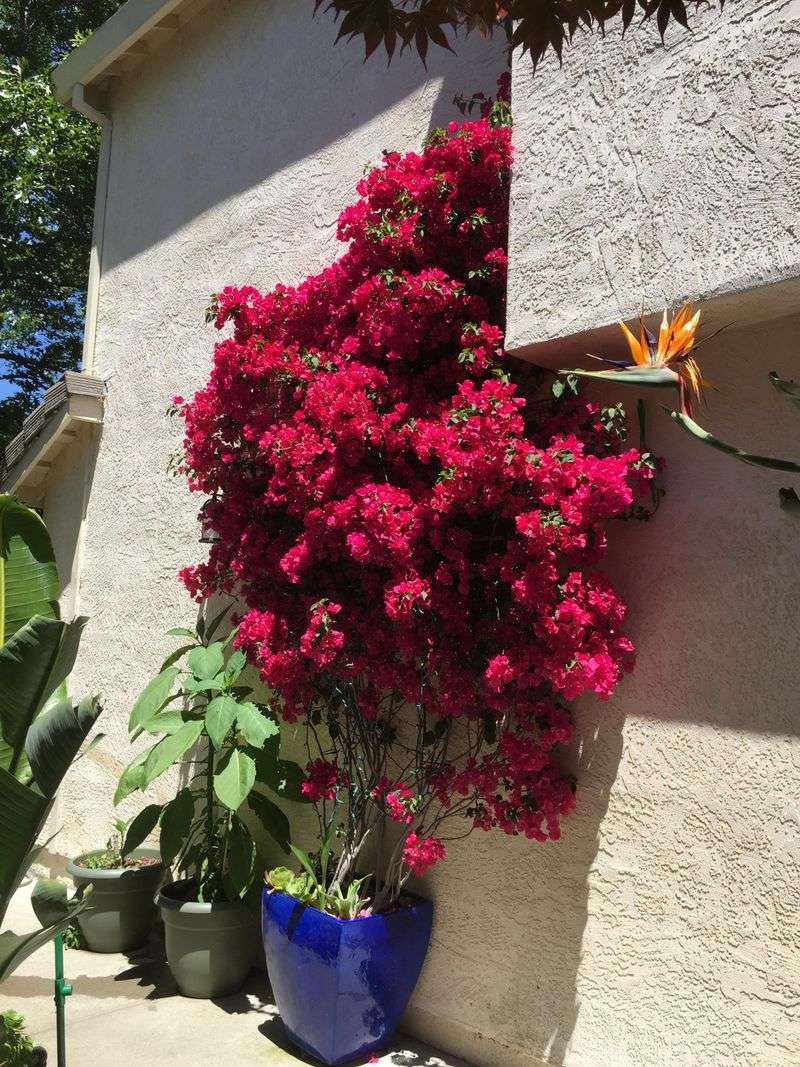
A saucer can turn a rainstorm into root stress.
Florida thunderstorms can drop serious water fast, and containers sitting in saucers often hold that runoff long after the sky clears. The plant may look fine above ground while roots sit in standing water below.
Check saucers after every storm. It takes less than a minute and can save the root system from staying soaked.
Empty water promptly. A full saucer wicks moisture back into the potting mix.
Decorative cachepots are even trickier. A nursery pot tucked inside a solid outer container may sit in hidden water with no visible warning.
Your Florida Garden Changes Every Week. Your Plan Should Too.
Gardening in Florida changes quickly throughout the season. Every Friday you’ll receive a simple weekly plan showing exactly what to plant, prune, fertilize, harvest, and protect so you never miss the right timing.
Look inside the outer pot. Do not assume drainage is happening just because the inner pot has holes.
Use pot feet. Lifting the container slightly lets water escape and air move under the base.
Check flat patio surfaces. Drainage holes pressed against concrete can become partly blocked.
Clear clogged holes with a thin dowel or chopstick. Work gently so roots and pot walls are not damaged.
Watch for fertilizer runoff too. Standing water can concentrate salts around the lower root zone.
Tilt heavy pots slightly after rain. This can help trapped water move out when drainage is slow.
Do not let the plant sit wet overnight. Roots need oxygen as much as they need water.
A saucer looks harmless until August storms keep refilling it.
Emptying that water is one of the simplest ways to prevent yellow leaves, bract drop, and confusing wilt.
3. Keep Sprinklers Off The Root Zone
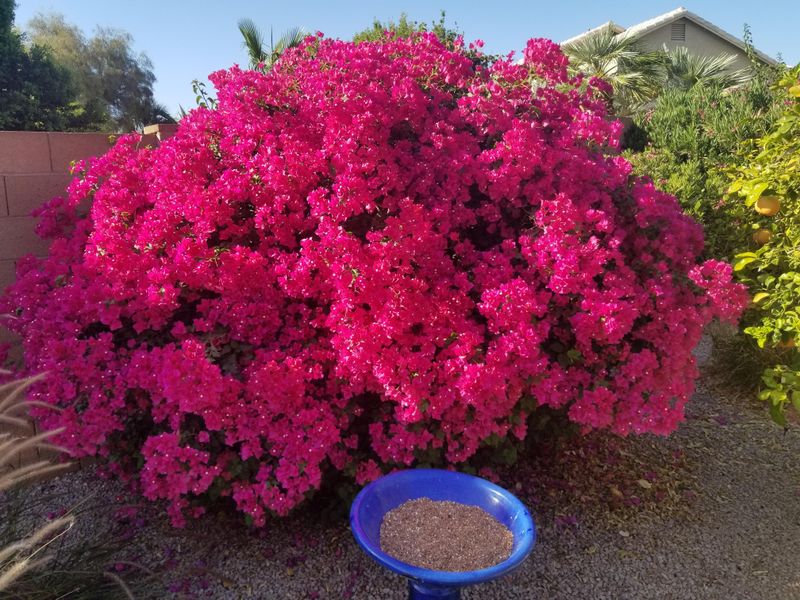
Lawn irrigation can quietly overwater bougainvillea.
Automatic systems are often set for turf, not drought-tolerant flowering plants. A sprinkler head that keeps St. Augustine grass happy can soak the root zone of a nearby vine far more often than the plant wants.
Watch the system run. Do not guess where the water lands.
Look at the spray arc. A single misdirected head can hit a container, trellis, or foundation bed several times a week.
Check roof runoff too. A plant near the house may receive heavy water from gutters, roof edges, or downspouts during every storm.
Look for leaking hose connections. Slow drips can keep one section of soil wetter than the rest.
Established in-ground bougainvillea usually needs less water than surrounding turf. Treating the whole area the same creates problems.
Redirect sprinkler heads where possible. The root zone should dry between rains and irrigation.
Use separate zones for different plant needs. Turf, annuals, shrubs, and drought-tolerant plants should not all share the same schedule.
Check after rain sensor failures. A system that runs after a storm can push wet soil into trouble.
Do not confuse wet foliage with the main issue. Leaves usually dry faster than saturated roots recover.
The problem is repeated root soaking. Too much water below ground can make the plant shed and wilt like it is thirsty.
Bougainvillea performs best when irrigation respects its dry-side nature.
During Florida’s storm season, the sprinkler may need to stay off more often than on.
4. Give The Bracts Full Sun
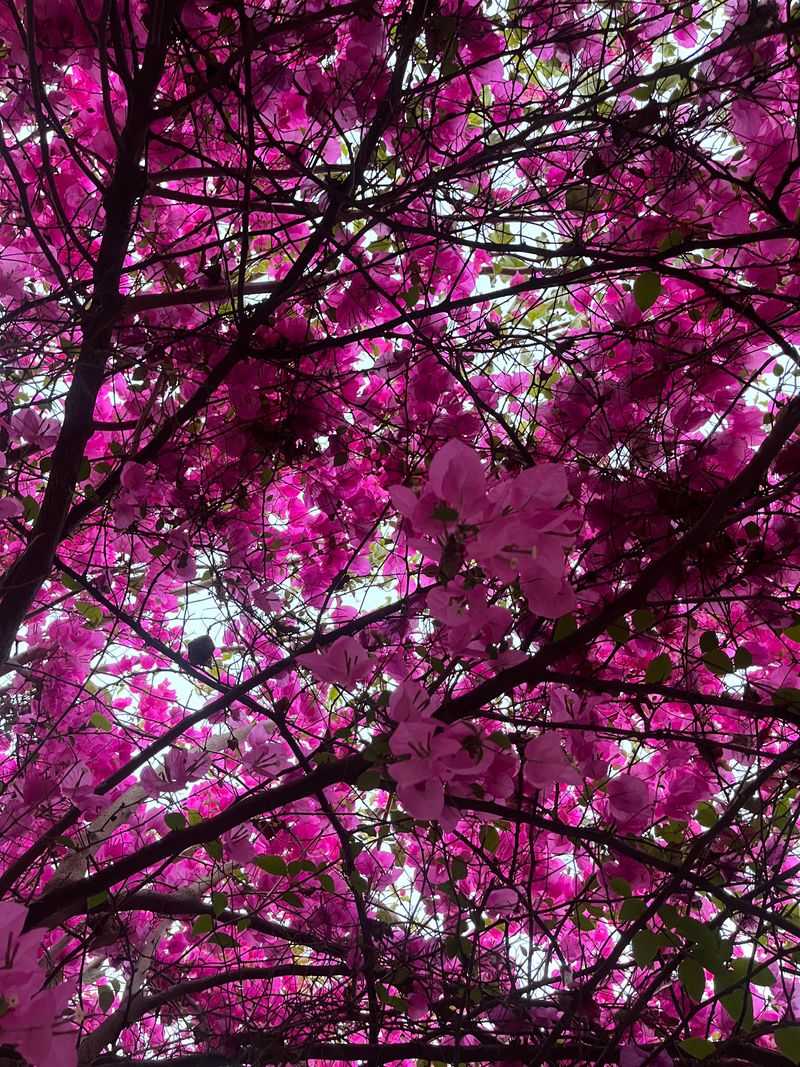
The color depends on real sun.
Bougainvillea’s famous show comes from papery bracts, not the tiny true flowers in the center. Those bracts develop best when the plant receives several hours of direct sunlight each day.
Bright shade is not the same. A porch can look luminous to human eyes while still giving the plant too little direct exposure.
Watch the light pattern in August. Sun angles change, and a spot that worked earlier may now sit under more shade.
Roof overhangs matter. A container tucked too far back may lose the direct light needed for strong color.
Nearby trees fill in. Summer canopy growth can shade a plant that once had full exposure.
Balcony rails, screens, and neighboring buildings can also steal light. The change may happen gradually enough to miss.
Move containers carefully. A plant moved from shelter to brutal afternoon sun in one day can scorch.
Increase exposure over a week or two. Gradual adjustment protects leaves while improving bloom potential.
In South Florida, reflected heat can be intense. Shade the pot when needed while keeping the upper growth in sun.
Do not bury the plant in shade cloth all season. Temporary heat protection should not become permanent darkness.
Low light often creates more leaves and fewer bracts. It can also make the plant look stretched and thin.
The plant may not need fertilizer at all.
It may simply need more direct light before it can color up again.
5. Stop High Nitrogen Feeding
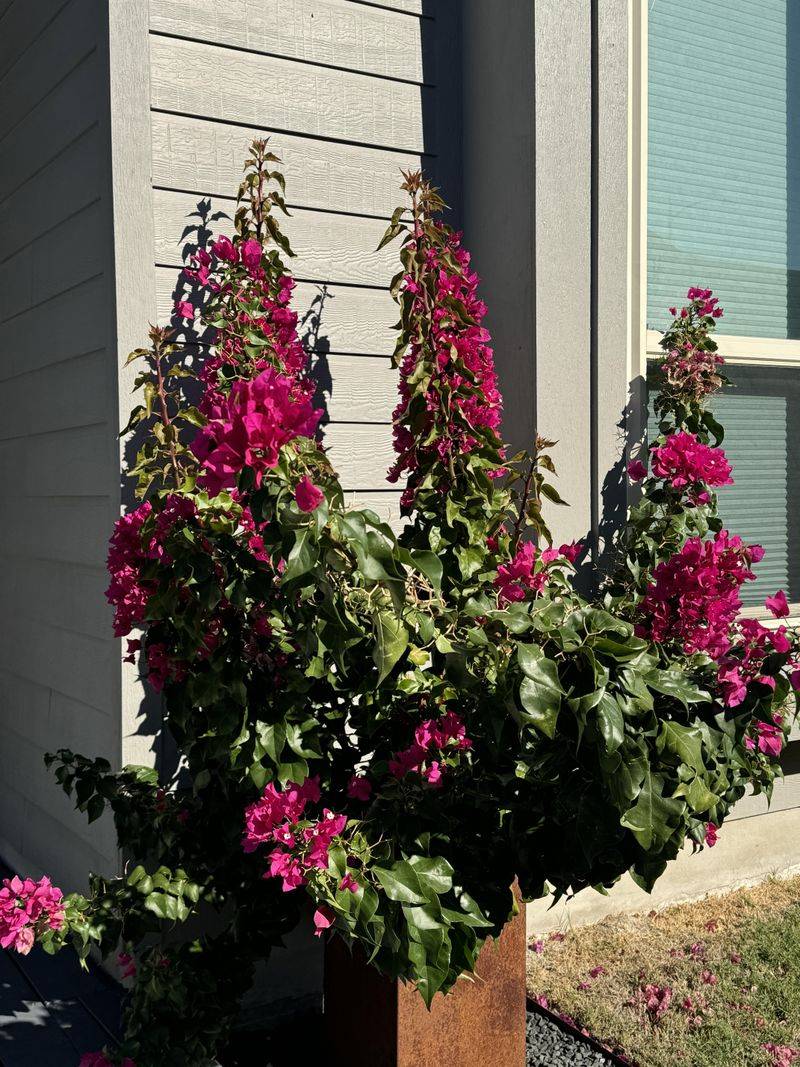
A nitrogen push can steal the show.
When bracts fall, fertilizer feels like an easy rescue. But high-nitrogen feeding encourages leafy green growth, and that can work against the colorful display gardeners actually want.
Big green growth is not the same as bloom strength. A vine can look lush and still produce fewer bracts.
August rain complicates feeding. Containers may lose nutrients faster, but wet roots do not handle fertilizer well.
Soggy soil raises risk. Fertilizer salts can stress roots that are already short on air.
Yellow leaves need diagnosis first. Overwatering, root stress, pests, and normal aging can all cause yellowing.
Nitrogen will not fix saturated roots. It may make decline worse.
Check local fertilizer rules. Many Florida communities restrict certain landscape fertilizer applications during the rainy season.
Use restraint when feeding is allowed and needed. Measured applications beat anxious overfeeding.
Avoid feeding dry roots. Dry soil can concentrate salts close to tender root tissue.
Avoid feeding right before heavy rain. A storm can wash nutrients away or leave the root zone too wet.
Choose bloom-supportive care first. Sun, drainage, and correct watering often matter more than another product.
Fertilizer should support a ready plant.
In August, bougainvillea often needs stability and restraint, not a heavy nitrogen command to grow leaves.
6. Skip Hard August Pruning
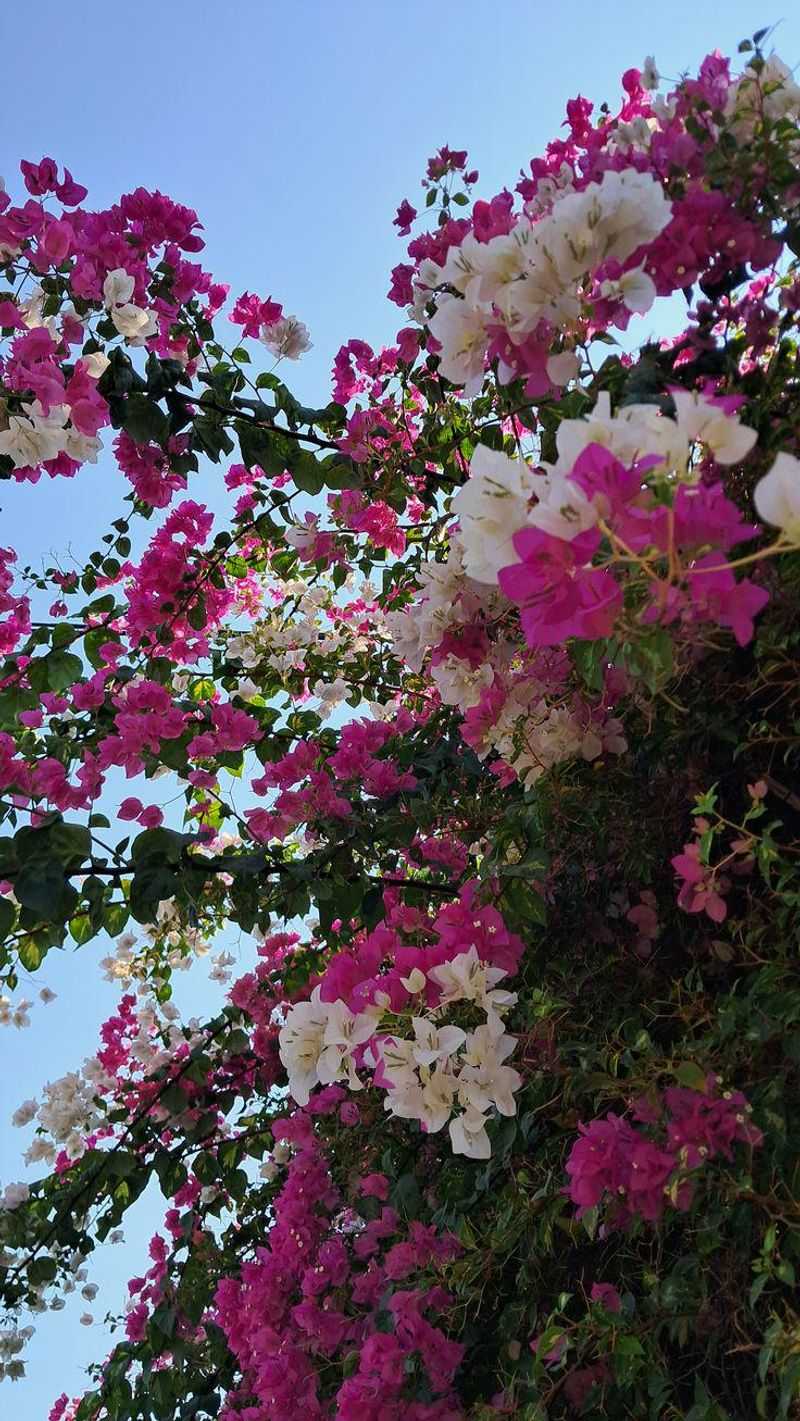
August is the wrong time for a dramatic haircut.
Bougainvillea blooms on new growth, and bracts often form near shoot tips. Heavy pruning during late summer can remove the very growth that would have produced the next color wave.
Light cleanup is different. Broken, diseased, or dangerous stems can be removed when needed.
Major reshaping should wait. Hard cuts during hot, stormy weather can leave the plant stressed and bare.
Do not clip constantly for neatness. Repeated trimming keeps the plant in a leafy, juvenile growth pattern.
Every cut redirects energy. The plant responds with new shoots that need time to mature before they color.
Look for developing tips before pruning. Small buds or active growth may be preparing the next display.
Train long stems instead of cutting them all. Soft ties can guide growth along a trellis or support.
Wear heavy gloves. Bougainvillea thorns are not gentle.
Use long sleeves and eye protection. Reaching through thorny stems casually is a quick way to regret the chore.
Clean pruners before cutting. Sharp, clean tools make better cuts and reduce disease spread.
Step back between cuts. This plant can look sparse quickly once too many stems come off.
Pruning can be useful, but timing matters.
In August, guide the plant lightly and let healthy tips keep working toward the next flush.
7. Check Folded Leaves For Leaftiers
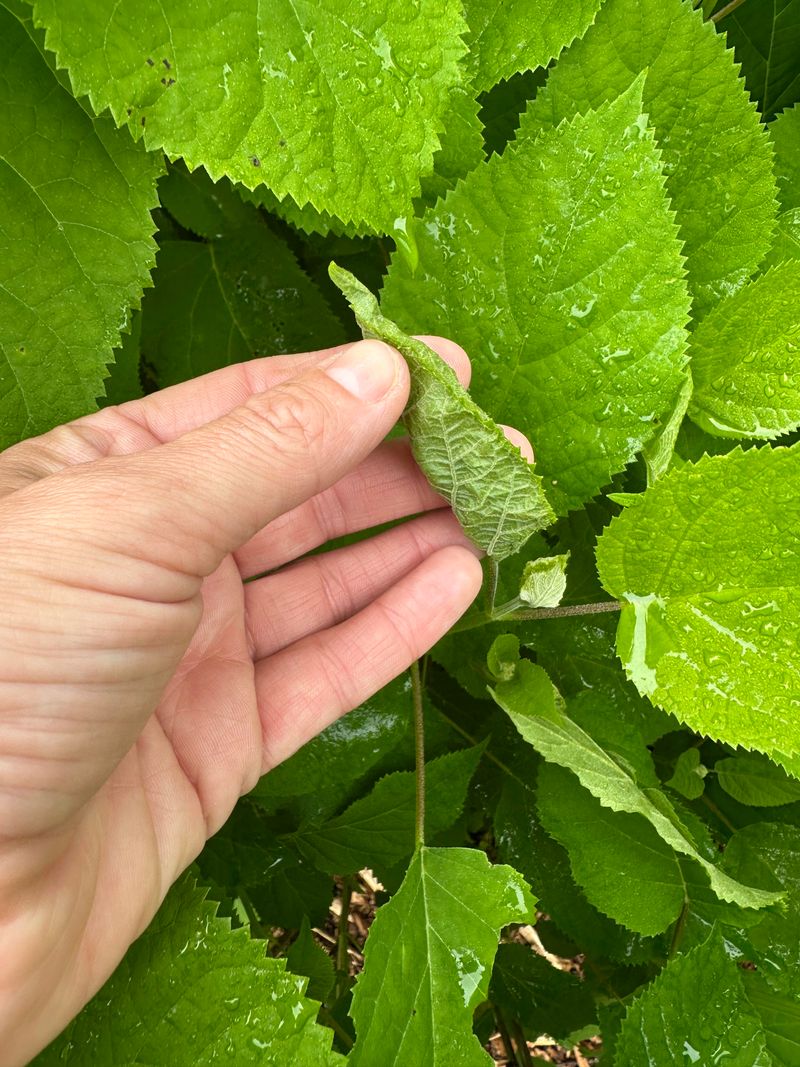
A folded leaf can hide the real problem.
Bougainvillea leaftiers are small caterpillars that tie leaves together with silk, tuck inside the folded shelter, and feed from that protected pocket. Their damage can make new growth look ragged, distorted, and messy.
Run your fingers gently along fresh shoots. Leaves that feel stuck together deserve a closer look.
Open folded leaves carefully. A small caterpillar may be curled inside.
Look for webbing. Fine silk is a strong clue.
Check for dark droppings. Tiny pellets near chewed tissue point toward caterpillar feeding.
Damage usually stays localized at first. Catching it early makes hand removal practical.
Pick off folded leaves. Seal them in a bag and dispose of them away from the garden.
Do not compost infested growth. Larvae may continue developing in discarded material.
Avoid random spraying. A caterpillar protected inside folded leaves may not be reached by a casual contact spray.
Confirm the pest first. Other issues can distort new leaves, and the response should match the cause.
Encourage beneficial insects by avoiding broad treatments. Predators and parasitoids can help with small pest populations.
Leaftier damage is not the same as normal bract drop.
A close look at folded leaves can reveal a hidden feeder before it affects a larger portion of the plant.
8. Let Normal Post Bloom Drop Pass
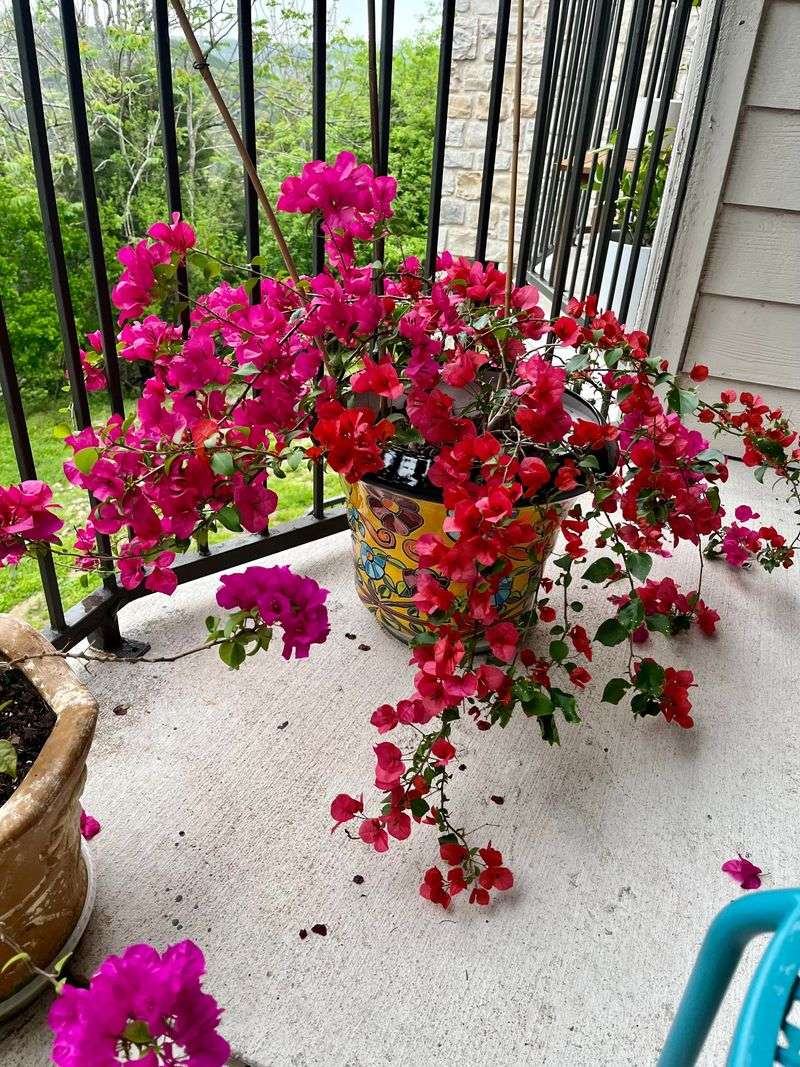
Not every mess means trouble.
Bougainvillea naturally drops spent bracts after a flowering flush. The patio may look dramatic for a few days, but that can simply mean the plant finished one cycle and is preparing for another.
Look at what fell. Mostly faded papery bracts point toward normal bloom cycling.
Check the stems. Firm stems and fresh growing tips are reassuring.
Look for green leaf loss. A few yellow older leaves may be normal, while heavy green leaf drop deserves more investigation.
Watch the soil. Stable moisture supports the idea that the plant is not in crisis.
Check for new buds. Tiny developing tips may already be setting up the next color push.
Do not panic-prune after normal drop. Cutting hard can delay the next flush.
Do not flood the pot. Fallen bracts are not proof of drought.
Do not overfeed. A resting cycle does not need a heavy fertilizer push.
Clean up the fallen material. Wet bracts can mat on soil, saucers, and patios.
Give the plant a week. Observation often reveals whether it is resting or truly declining.
Normal shedding can look messy, but it has a rhythm.
A bougainvillea that drops spent bracts and keeps firm stems is often doing exactly what it should.