5 Shrubs Virginia Homeowners Can Trim Now, And 3 To Save For Spring
Some shrubs in your yard are begging for a fall trim right now. Cut them today and they will thank you with fuller shape and heavier blooms come spring.
Others are the opposite story entirely. One wrong snip in October and a homeowner spends the following summer staring at bare, awkward branches instead of flowers.
Most shrubs look identical from the outside no matter their readiness for the shears, and Virginia’s shifting fall weather only raises the stakes.
Sorting out which category your shrubs fall into takes only a few minutes, and the payoff shows up months later in ways your neighbors will notice.
Crape Myrtle

Crape myrtles are the drama queens of the Southern yard, and they deserve better than a bad haircut. Too many homeowners hack them down to ugly stubs every fall, a heavy-handed practice that strips the shrub of its natural shape.
You can trim crape myrtles now in Virginia, and late fall is actually one of the best windows to do it. The shrub has gone dormant and the leaves have dropped, making the structure easy to see.
Start by removing any crossing branches that rub against each other. Those friction points invite disease and weaken the overall structure of the plant.
Next, cut off any suckers growing from the base. These thin, wispy shoots steal energy from the main trunk and clutter the plant’s silhouette.
You can also snip off the old seed pods if they bother you aesthetically. Some gardeners love the textural interest they add through winter, so this one is purely personal preference.
Avoid cutting the main trunk down to a flat stub. That brutal chop ruins the natural vase shape and leads to weak, overcrowded regrowth every single spring.
Instead, aim to remove no more than one-third of the plant’s total height. Light shaping and cleanup cuts are generally safer than dramatic reductions.
A sharp, clean pair of loppers or hand pruners will give you the best results. Dull blades crush stems instead of cutting them, which slows healing and opens the door to pests.
Trim your crape myrtle with intention, and it will reward you with a showstopping bloom next summer.
Butterfly Bush
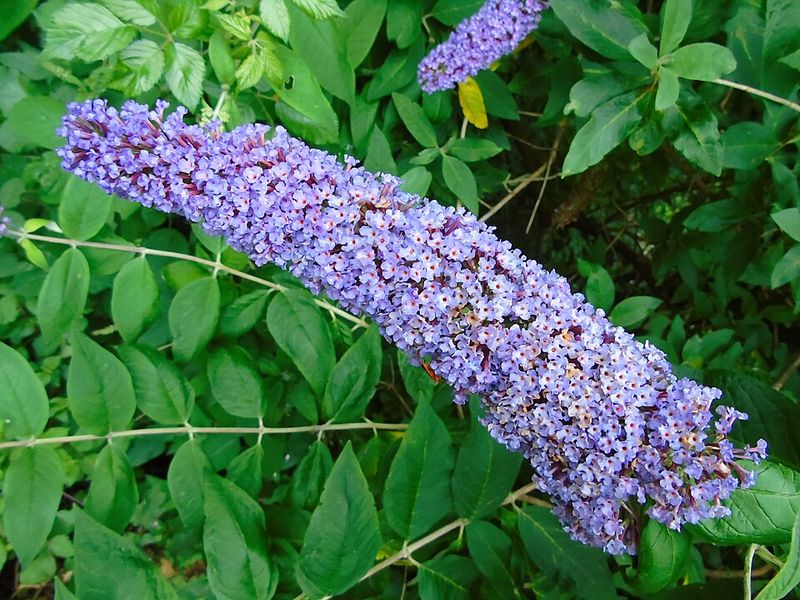
If you have a butterfly bush in your yard, you already know how fast this plant grows. One season it is a tidy mound, and the next it is a sprawling monster reaching past your fence.
Fall is a perfectly acceptable time to cut butterfly bush back in Virginia. The plant is a fast grower and handles aggressive pruning without complaint.
Most gardeners choose to cut it down to about 12 inches from the ground. That might feel dramatic, but butterfly bush will bounce back vigorously once warm weather returns.
Removing the spent flower spikes now also prevents unwanted self-seeding. Butterfly bush can spread aggressively if those dried seed heads are left to scatter over winter.
Your Virginia Garden Changes Every Week. Your Plan Should Too.
Gardening in Virginia changes quickly throughout the season. Every Friday you’ll receive a simple weekly plan showing exactly what to plant, prune, fertilize, harvest, and protect so you never miss the right timing.
In fact, Virginia has placed this shrub on its statewide invasive plant list due to its seeding habits. Removing spent blooms in fall is one of the most responsible things you can do as a gardener.
Use a sturdy pair of loppers for the thick main stems near the base. Hand pruners work fine for the thinner upper branches.
After cutting, clear away all the debris from around the base. Old stems left on the ground can harbor fungal issues that carry over into the next growing season.
A light layer of mulch after trimming will help protect the root system through any hard freezes. Virginia winters can be unpredictable, and a little insulation goes a long way.
Trim it back boldly now, and next July your yard will be alive with wings.
Rose Of Sharon
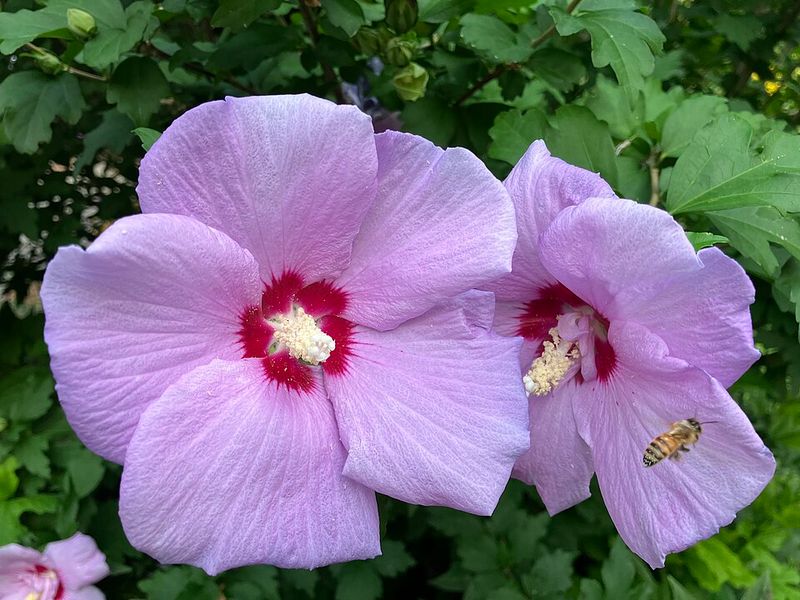
Rose of Sharon is one of those shrubs that feels like it has been in every grandmother’s yard since the beginning of time. Its late-summer blooms in purple, pink, and white are well worth the small effort of fall maintenance.
You can safely trim Rose of Sharon now, after it has finished blooming and dropped its leaves. Fall pruning helps shape the plant and keeps it from getting too leggy over time.
Focus your cuts on removing any damaged wood first. Those weak branches will not produce blooms anyway, so cutting them now is a clean win.
Thin out any crossing branches to open up the plant’s center for better air circulation. Good airflow reduces the risk of powdery mildew, which loves to settle into crowded shrubs.
One important thing to address is the seed pods. Rose of Sharon produces enormous quantities of seeds, and if you leave those pods on the plant, you will find seedlings popping up everywhere next spring.
Snip off every dried seed pod you can reach before they split open. A few minutes of work now saves hours of weeding later in the season.
You can reduce the overall height by up to one-third without stressing the plant. Cutting back to a strong outward-facing bud gives you the best shape going forward.
Rose of Sharon responds well to consistent annual pruning, getting fuller and more floriferous with each passing year. Give it a clean trim now, and it will show off next August.
Reblooming Roses
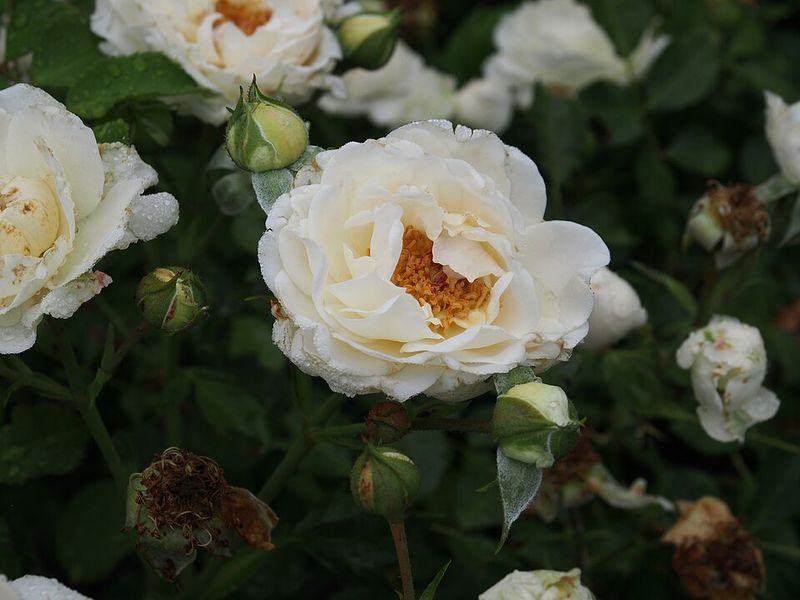
Roses have a reputation for being high-maintenance, but reblooming varieties are actually pretty forgiving when it comes to fall care. A light cleanup trim now sets them up for a stronger performance next spring.
The key word here is light. Fall is not the time for a major cutback on roses in Virginia.
Save the hard pruning for late winter or very early spring, just as the forsythia starts to bloom. That timing signals the right moment for aggressive shaping and cane reduction.
Right now, focus on removing any spent blooms still clinging to the canes. Removing late-season flowers keeps the plant looking tidy through the dormant months.
You can also trim off any obviously dry or diseased canes you spot during your walkthrough. Cut those back to healthy wood, making your cut at a slight angle just above a leaf node.
Remove any leaves that look spotted or discolored before they drop on their own. Diseased foliage left on the ground can reinfect the plant when wet spring weather arrives.
Do not fertilize roses in fall. A nitrogen boost now encourages tender new growth that will get burned by the first hard frost.
A generous layer of mulch around the base is the best gift you can give your roses heading into winter. Pile it about three inches deep to protect the crown and root zone.
Treat your reblooming roses well this fall, and they will greet you with blooms from June all the way through October.
Abelia
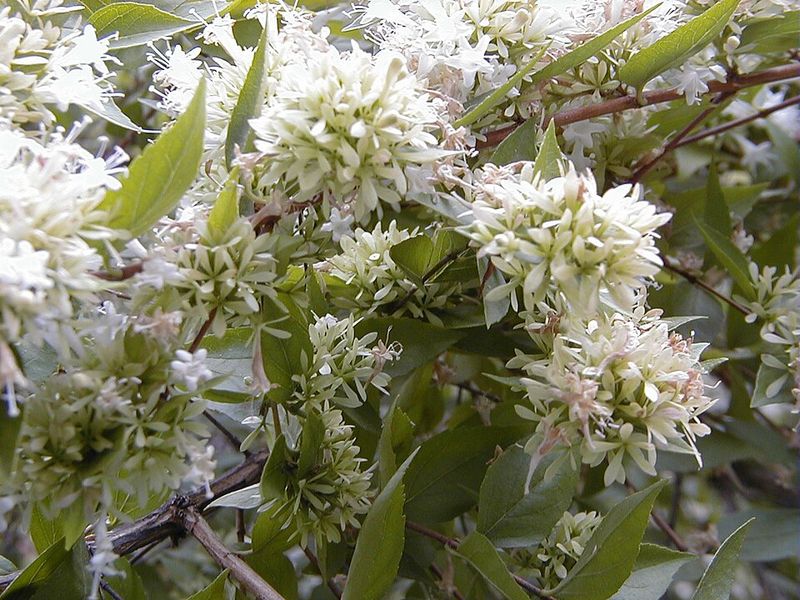
Abelia might be the most underrated shrub in the mid-Atlantic garden. It blooms from late spring all the way through fall, attracts pollinators like a magnet, and handles Virginia summers without breaking a sweat.
Fall is a good time to give abelia a light shaping trim. The plant has slowed its growth for the season, making it easy to see the overall structure and decide what needs to go.
Start by removing any arching branches that have grown too long and are flopping over onto walkways or neighboring plants. Cutting these back to a healthy side branch keeps the plant compact and manageable.
Abelia has a naturally graceful, arching form, so try to preserve that flowing silhouette as you work. Shearing it into a tight ball ruins the very quality that makes it so appealing.
Remove any bare wood you find tucked inside the canopy. Old woody stems that no longer carry leaves are just taking up space and blocking light from reaching the productive inner branches.
A light thinning cut on the oldest, woodiest canes can rejuvenate the plant over time. Each year, remove two or three of the thickest old stems right at the base.
This gradual renewal approach keeps abelia vigorous without the shock of a full renovation cut. You get a perpetually fresh, blooming shrub without ever having to start from scratch.
Abelia is semi-evergreen in Virginia, meaning it may hold some leaves through mild winters. Appreciate that bonus color while everything else in the garden goes bare and gray.
Lilac
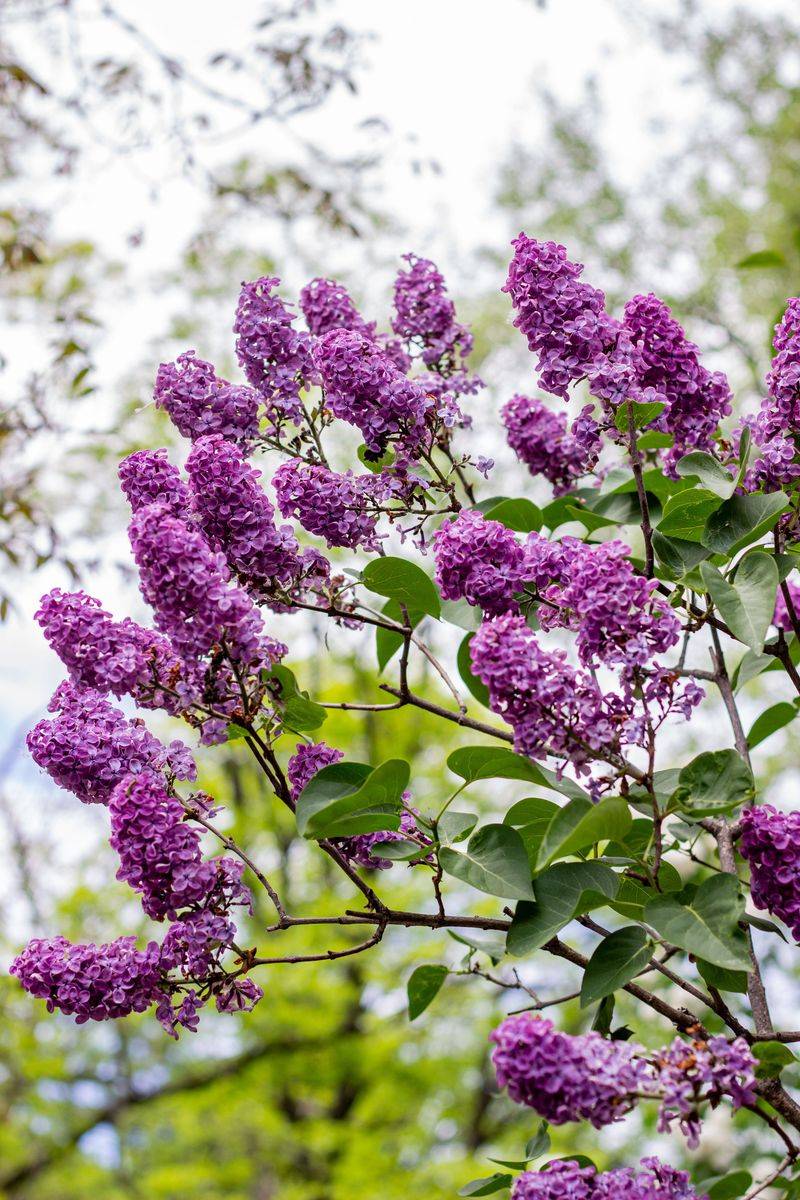
Put down the pruners and step away from the lilac. Seriously, this is the one shrub that will leave you without blooms if you trim it in fall.
Lilacs bloom on old wood, meaning the flower buds for next spring are already sitting on the branches right now. Cut those branches in fall, and you cut away your blooms.
The only safe window for pruning lilac is right after it finishes blooming in spring. That short two-to-three-week window is your only opportunity without sacrificing next year’s flowers.
Wait until the last blossom fades, then make your cuts quickly. The plant immediately begins setting new buds for the following year, so delay costs you another season of blooms.
If your lilac has grown too tall or too wide, resist the urge to tackle it now. Note the problem, mark it on your calendar, and address it the moment spring flowering ends.
Older lilacs that have become very woody and sparse can benefit from a gradual renewal program. Remove one-third of the oldest, thickest canes each year right after blooming.
Over three years, you will have fully refreshed the plant without ever losing a full season of flowers. Patience is genuinely the best tool in your shed when it comes to lilacs.
For now, enjoy the architectural silhouette of your lilac against a winter sky. Those bare, twisting branches hold a quiet beauty that is easy to overlook when you are focused on spring.
Leave it alone this fall, and next May your patience will smell incredible.
Forsythia
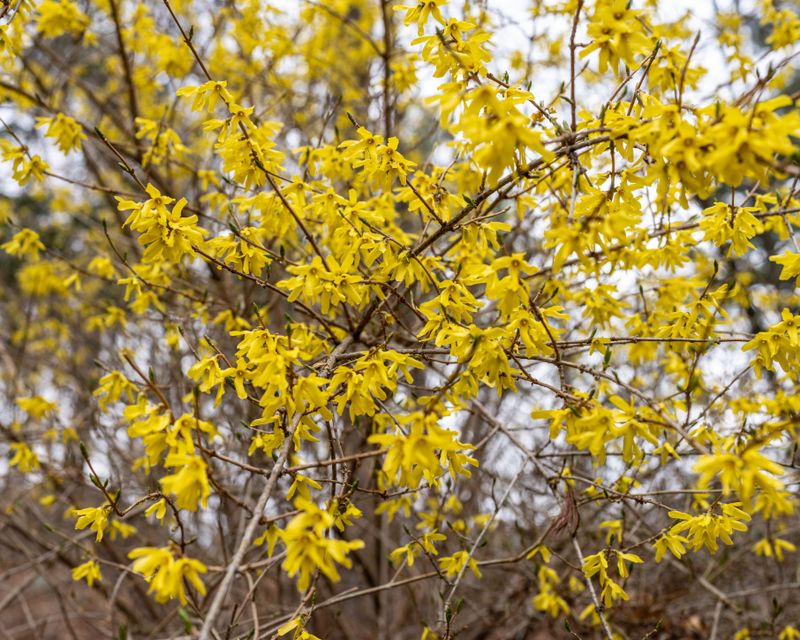
Forsythia is the unofficial alarm clock of the Virginia spring garden. Those electric yellow blooms are often the first real color to appear after a long gray winter, and everyone looks forward to them.
Here is the problem: forsythia also blooms on old wood, just like lilac. Trim it in fall, and you are trimming away the very branches loaded with next spring’s buds.
Save all forsythia pruning for right after it blooms in March or early April. That short post-bloom window is the only time you can cut without costing yourself a season of color.
Forsythia is a fast grower and can get quite large if left unchecked for several years. Some older shrubs reach eight or ten feet tall and equally as wide.
If yours has gotten out of hand, a post-bloom renovation cut can bring it back under control. Cut the entire shrub down to about 12 inches and let it start fresh.
That sounds scary, but forsythia rebounds from hard pruning with impressive speed. By midsummer, you will have a fresh, vigorous plant with a much better shape.
For a shrub that is just slightly overgrown, a gentler thinning approach works well. Remove the oldest, woodiest canes at the base each spring to encourage new growth from below.
New canes produce the most flowers, so encouraging fresh growth is a smart strategy. Keep the youngest stems and cut the old ones, and your forsythia will stay full and floriferous.
Leave it alone this fall, and let those yellow blooms be your first reward of spring.
Rhododendron
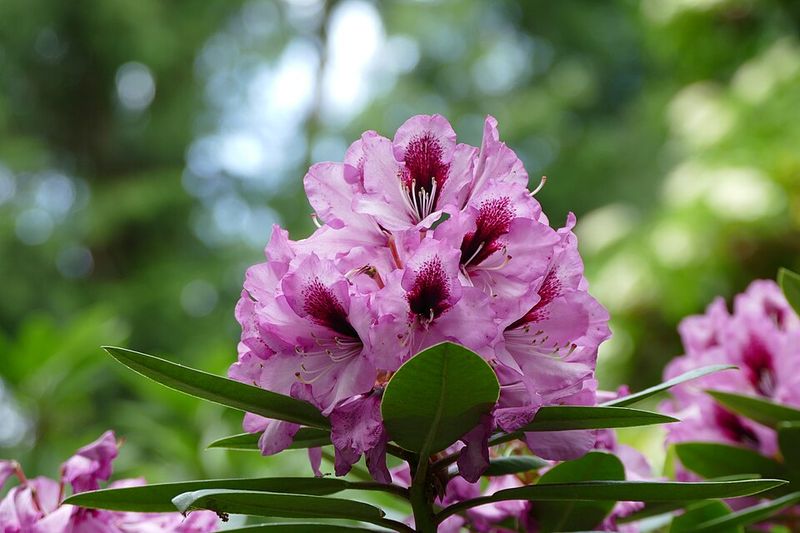
Rhododendrons are the royalty of the spring flowering shrub world, and they demand a certain level of respect in how you care for them. One wrong move with the pruners in fall can cost you an entire season of those spectacular blooms.
Like lilac and forsythia, rhododendrons set their flower buds during summer and carry them through winter. Those fat little buds you see on the branch tips right now are next spring’s flowers, fully formed and waiting.
Cutting branches in fall removes those buds along with the wood. You will end up with a nicely shaped shrub that produces zero flowers the following spring.
The right time to prune rhododendrons is immediately after they finish blooming, typically in May or June depending on your specific variety. Act fast because new growth begins almost immediately after the flowers fade.
For light shaping, simply snap off the spent flower heads right after blooming ends. This process redirects the plant’s energy from seed production into new vegetative growth.
If your rhododendron has gotten leggy or overgrown, a more significant renovation cut can be done in late winter, just before new growth begins. This sacrifices one season of blooms but restores the plant’s shape for years ahead.
Rhododendrons prefer acidic soil, so a soil test this fall is a great investment of your time. Adjusting pH now gives amendments months to work before the growing season begins.
Proper pruning timing for your shrubs Virginia homeowners rely on most is the difference between a garden that thrills and one that disappoints every spring.