Best Ways To Create Privacy In Florida Yards With Plants That Handle Extreme Heat
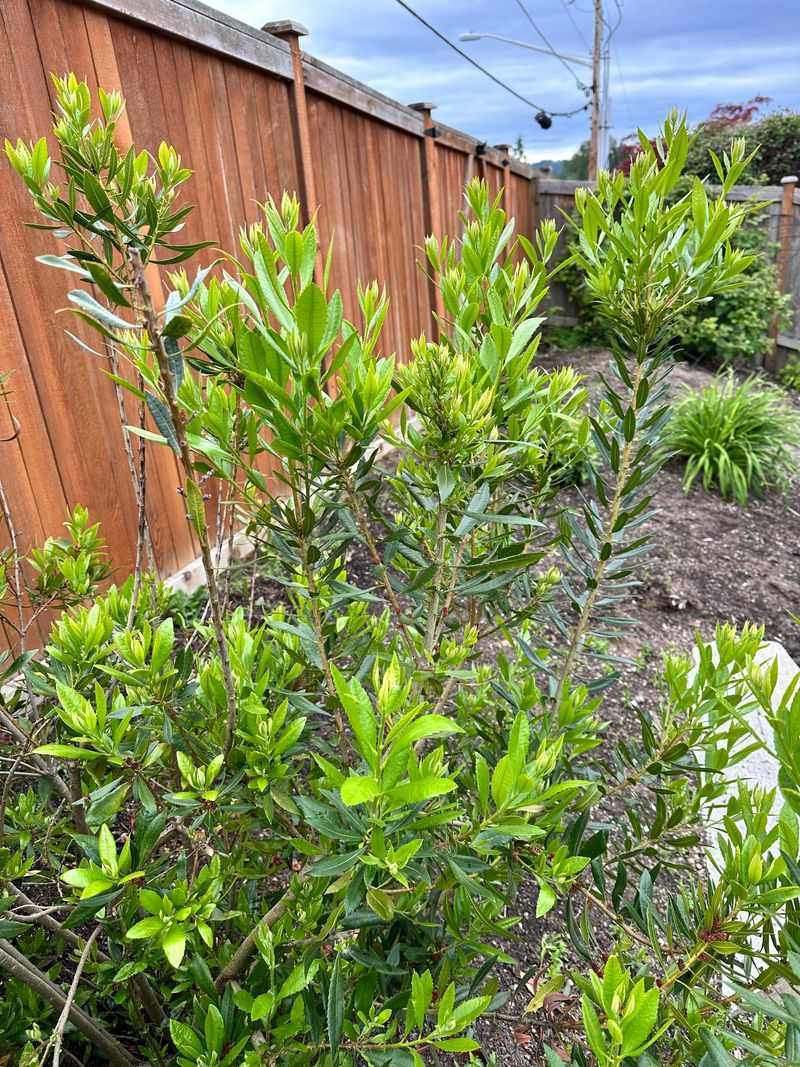
Florida privacy can feel personal fast.
One patio chair faces the street. One kitchen window lines up with a neighbor’s grill. One thin fence does about as much as a polite cough.
Add July heat, salt air, sandy soil, and hurricane season, and the hedge advice starts to look suspicious.
You need a screen that can take Florida weather, not fussy green soldiers that beg for shade by noon.
The best yard buffers do more than block a view. They cast shade. Soften noise. Feed birds. Cool a patio edge. Make the yard feel less exposed and more yours.
The trick is the right layer for the right region. North Florida is not South Florida. A tight side yard is not a wide back lot. A patio corner is not a road-facing property line.
Good privacy should feel calm, not like a landscape dare with bonus sunburn on top.
So which heat-tough plant strategy gives your Florida yard privacy without a summer care routine that feels like a second job?
1. Layer Live Oak Over Wax Myrtle
Big yards can afford a little drama.
A live oak over wax myrtle gives privacy in layers instead of one flat green wall. The oak brings the roof. Wax myrtle fills the curtains. Together, they turn an exposed yard into a cooler, more settled space.
This strategy needs room. Live oak can spread wide with age, so it belongs well away from the house, driveway, septic area, and tight property lines. A narrow side yard is not the place for a future shade giant with big elbows.
Wax myrtle handles the lower view. It grows fast, stays leafy through the year in much of Florida, and can reach the height needed to block patio or street sight lines. Space plants about 6 to 8 feet apart for a fuller screen.
Let wax myrtle keep some natural shape. A harshly shaved row can look stiff and thin inside. Selective cuts keep the plant denser and less like a green haircut gone too serious.
Water both plants well during the first couple of seasons. Once roots settle, the pair becomes much less needy.
This combo is privacy with patience. You plant it for shade, birds, breeze control, and that lovely feeling that the yard finally has a backbone.
2. Build A Dense Cocoplum Hedge
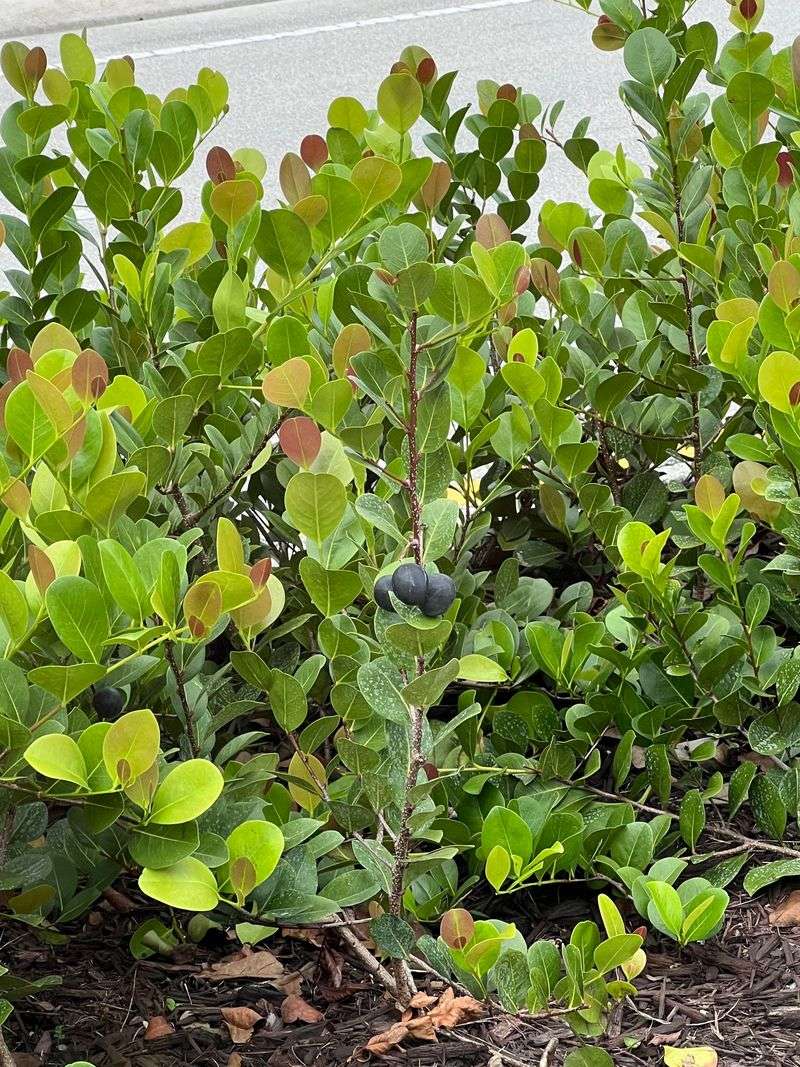
Cocoplum is for gardeners who want privacy with volume.
This South Florida shrub gets thick, glossy, and confident fast when planted in the right place. A row can block a neighbor’s patio, soften a pool cage view, or turn a street-facing yard into something that feels less like public seating.
Heat does not scare it much once established. Salt air, sandy soil, and bright sun are also part of its comfort zone, which makes it especially useful near the coast.
Give young plants a strong start. Water deeply during the first year, especially through dry weeks. After the roots settle, reduce the schedule instead of keeping them on nursery life support forever.
Your Florida Garden Changes Every Week. Your Plan Should Too.
Gardening in Florida changes quickly throughout the season. Every Friday you’ll receive a simple weekly plan showing exactly what to plant, prune, fertilize, harvest, and protect so you never miss the right timing.
Spacing decides the final look. Plant 4 to 6 feet apart for a tighter hedge. Give more room for a softer, rounded screen.
Skip the buzz-cut approach. Cocoplum can take pruning, but constant shearing can leave the outer shell leafy while the inside grows bare. That is hedge theater, not real privacy.
Use hand pruning to shape it. Remove long shoots, keep the base full, and let the plant build depth.
The fruit can attract birds, which gives the screen a little backyard entertainment. Privacy plus bird visits feels like a fair trade for a few pruning days a year.
3. Screen Patios With Simpson’s Stopper
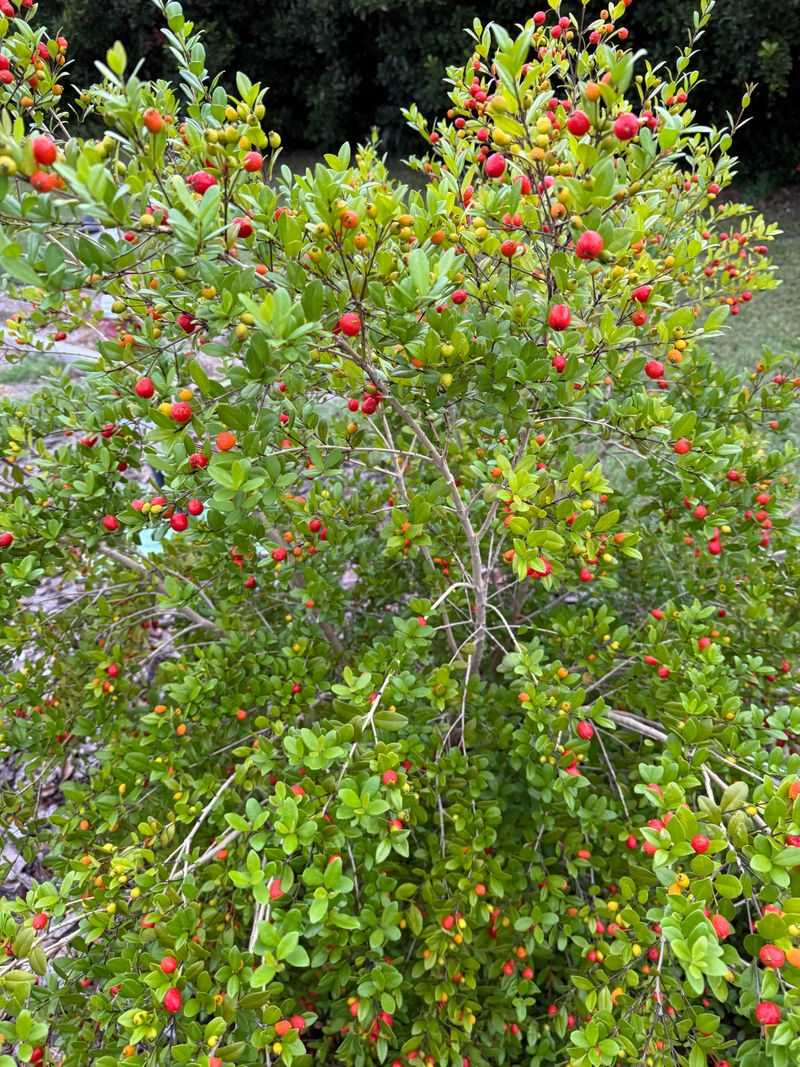
Simpson’s stopper is patio privacy with a little perfume.
This Florida native works as a shrub or small tree, which makes it flexible around outdoor seating. It can screen a neighbor’s window, soften a bare fence, or anchor the corner of a patio without acting like it wants the whole yard.
The small white flowers bring a sweet scent. Not loud. Not pushy. More like the garden decided to be polite for once.
Red berries follow and bring birds into the scene. Mockingbirds and other fruit lovers may treat the screen like a snack bar, which is much more fun than staring at a blank fence.
Sun gives the densest growth. Partial shade can still work, but the plant may stay more open. For a privacy screen, that difference matters.
Plant 4 to 6 feet apart for a connected barrier. Use one in a large container near a patio corner when ground space is limited.
Drainage matters. This plant does not appreciate soil that stays soggy, so low, wet spots need a different plan or a raised planting area.
Prune from the inside instead of shaving the outside flat. Remove crossing branches and guide the shape slowly.
A good screen should block a view without feeling like a wall. Simpson’s stopper manages that with flowers, berries, fragrance, and just enough charm to show off.
4. Fill Side Yards With Walter’s Viburnum
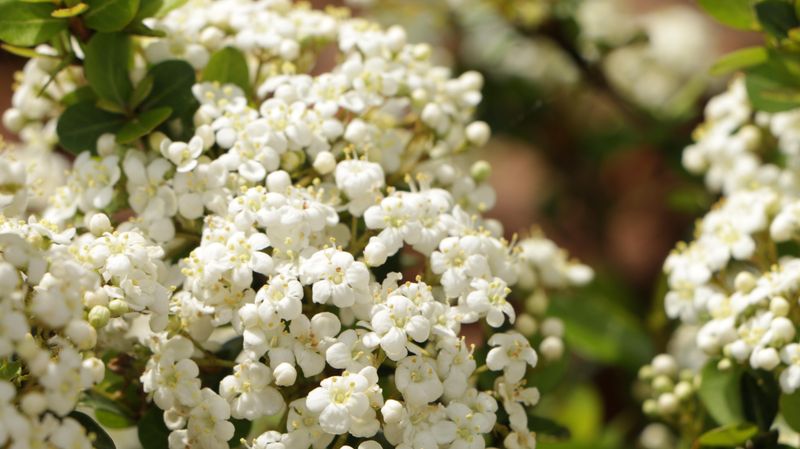
Side yards need plants with manners.
Walter’s viburnum fits the assignment because it can screen without turning a narrow space into a leafy traffic jam, as long as you choose the right form. That last part matters more than the plant tag may admit.
The straight species can become a tall screen for larger areas. Compact cultivars stay much shorter and suit tight corridors, low windows, and small borders.
Measure before you buy, because a side yard is no place for botanical wishful thinking.
This native handles Florida heat well after establishment. It also tolerates moist to moderately dry soil, which gives it useful range across many North and Central Florida yards.
White flower clusters arrive in late winter or early spring. That early bloom gives pollinators a helpful stop before the louder part of spring begins.
Dark berries can follow and draw birds. Privacy that also feeds wildlife gets extra credit.
Space plants 4 to 6 feet apart for a fuller screen. Leave some clearance from fences and property lines so air can move and maintenance does not become a sideways crab-walk.
Water regularly during the first two summers. A new hedge needs support before it can act tough.
Prune lightly after bloom when needed. Keep the base leafy, and this side-yard problem solver stays useful instead of turning into a twiggy green curtain.
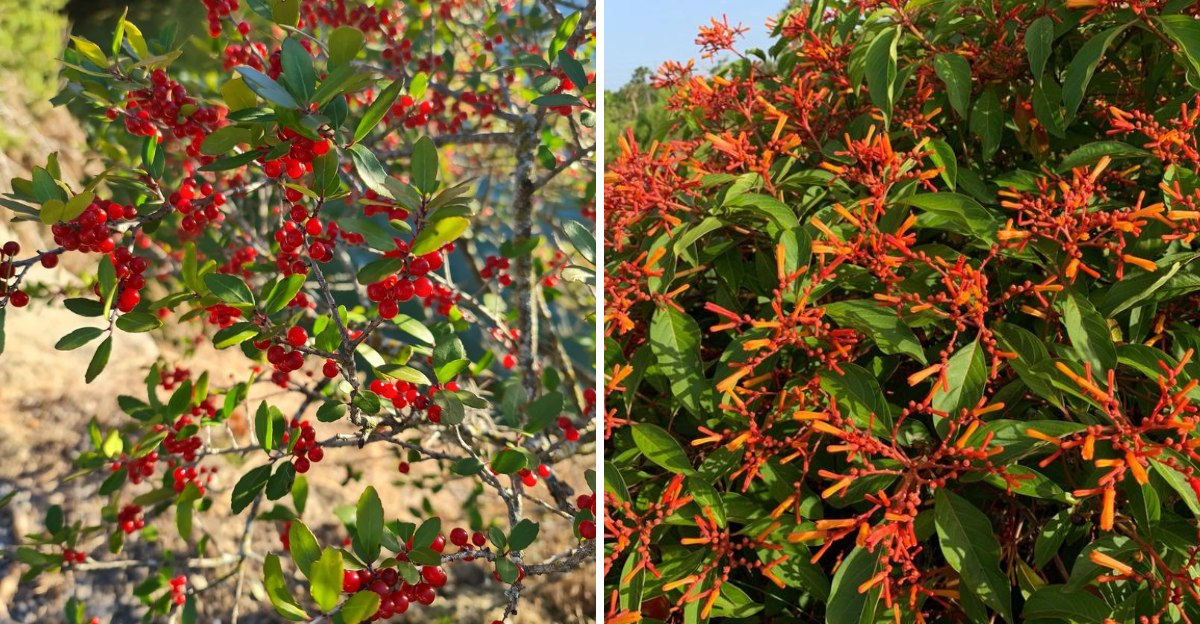
5. Use Yaupon Holly For Narrow Screens
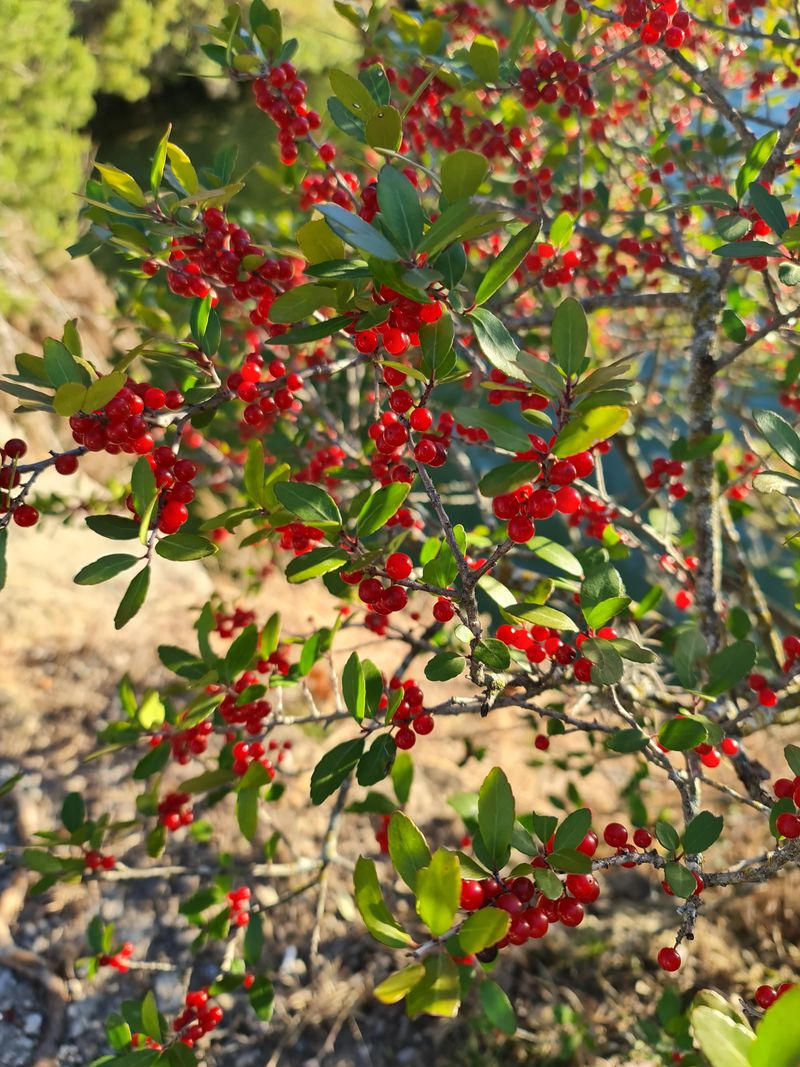
Yaupon holly is the narrow screen that does not need much fuss.
That makes it valuable in Florida yards where the fence line is tight, the sun is rude, and the soil is not exactly luxury real estate.
This native handles heat, drought after establishment, salt exposure, and poor soil better than many prettier but weaker choices.
Cultivar choice is the whole game. The straight species can grow into a broad shrub or small tree. Upright forms stay slimmer and work better along property lines, driveways, and narrow garden strips.
Check the mature size before the plant goes in the ground. A cute three-gallon shrub can become a very assertive roommate with time.
Upright selections can be spaced about 2 to 3 feet apart for a tight screen. Use wider spacing for a looser, more natural look.
Female plants produce red berries, and birds appreciate them. A male plant nearby helps fruit set, so a mixed planting gives you better wildlife value.
Yaupon can handle pruning, but it looks better when guided instead of bullied. Trim for shape, remove awkward shoots, and let the plant keep some natural movement.
After the first couple of seasons, water needs drop sharply in most sites.
This is not a flashy privacy plant. It is the dependable friend who brings snacks, shows up on time, and somehow still looks good in August.
6. Mix Jamaican Caper With Marlberry
Mixed screens feel more alive than one-note hedges.
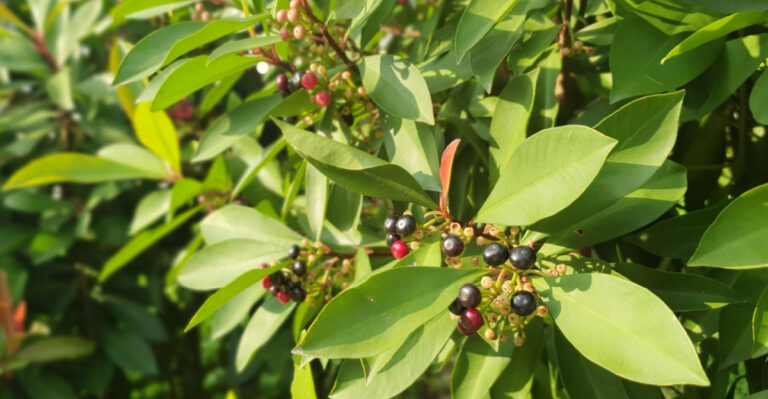
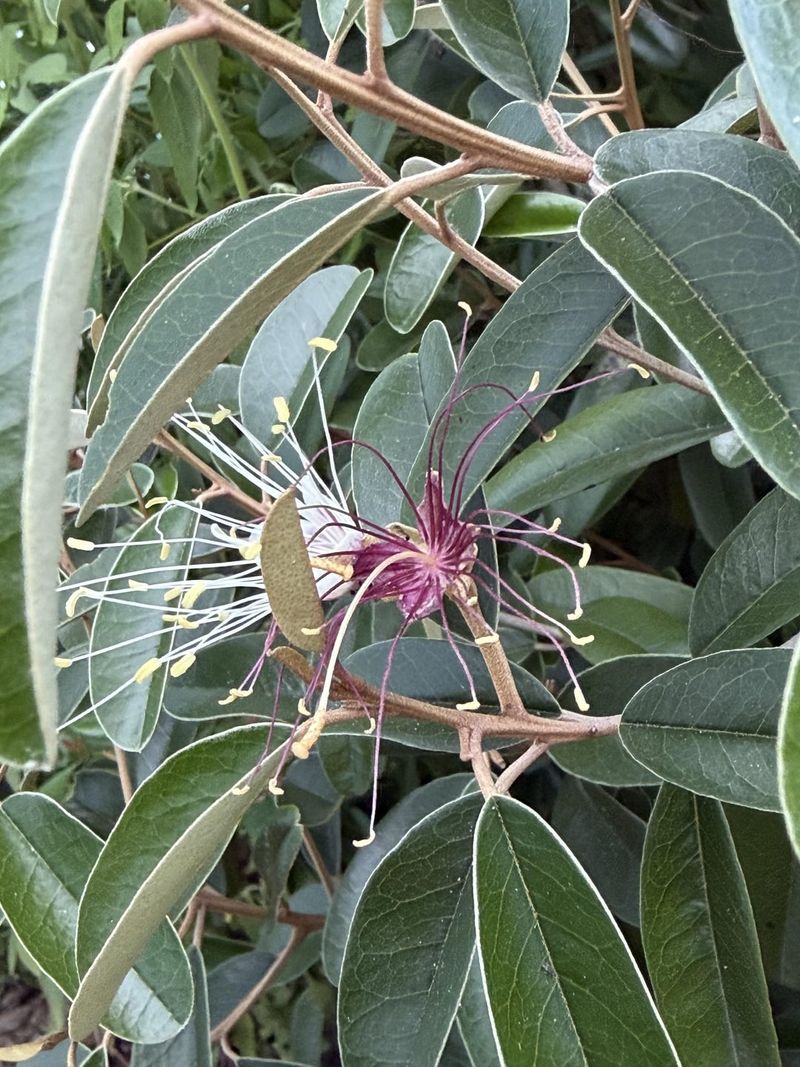
Jamaican caper and marlberry give South Florida yards that layered look without losing privacy. One brings broad, rounded leaves and showy flowers.
The other adds glossy foliage and dark berries for birds. Together, they create depth instead of a flat green fence.
This pairing suits warm, frost-free areas best. Cold pockets in Central Florida may need a safer choice from the list.
Jamaican caper handles sun, heat, sandy soil, and coastal exposure with style. Its flowers look almost theatrical, with pale petals and long purple stamens. A privacy plant with flair is not a bad thing.
Marlberry fills the middle layer. It adds dense evergreen foliage and fruit that can make the hedge feel busy in the best possible way.
Stagger the plants instead of lining them up like soldiers. Place Jamaican caper about 5 to 6 feet apart, then tuck marlberry between them at closer spacing.
That staggered layout blocks sight lines from more angles. It also makes the planting look planned rather than copied from a parking lot.
Prune selectively once or twice a year. Keep flowering and fruiting branches when possible.
The result is privacy with texture, birds, bloom, and movement. A wall can block a view, but a mixed screen can make you forget the view was ever there.
7. Block Harsh Views With Southern Redcedar
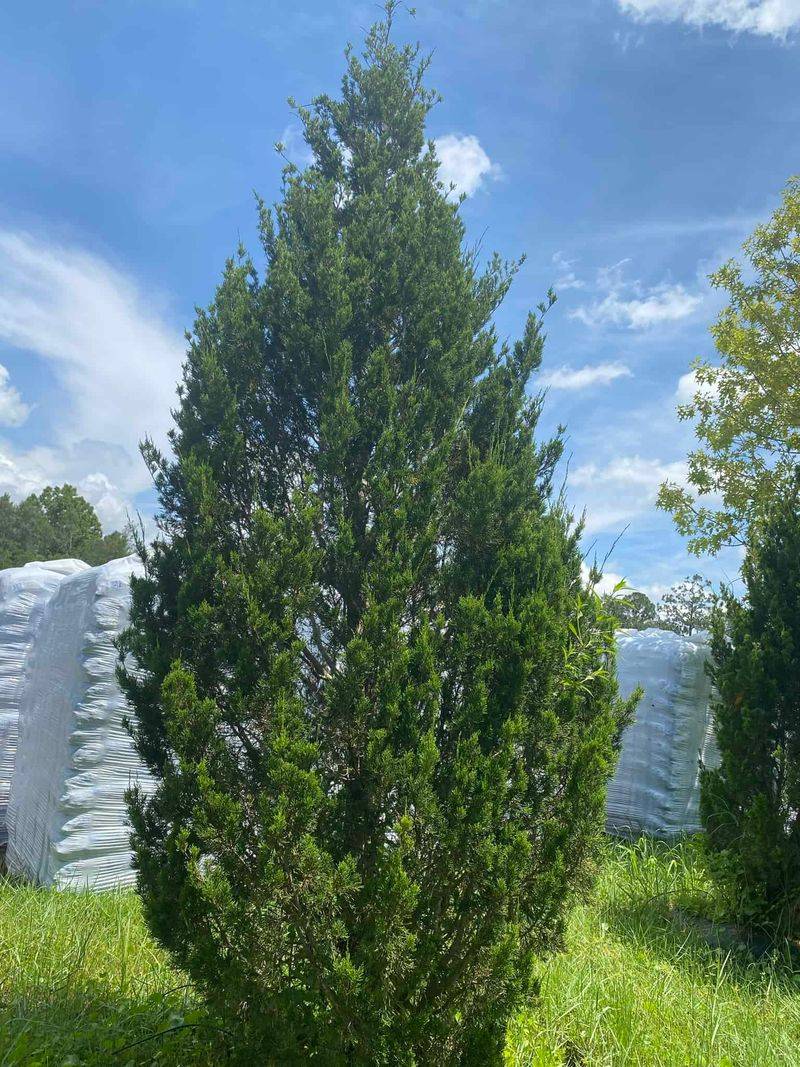
Southern redcedar is for the view that needs backup.
A busy road, chain-link fence, rooftop, or service area can overpower a small shrub. On a larger Florida property, this evergreen gives height, density, and year-round cover with a lot more patience than panic.
Scale is the first rule. Southern redcedar can grow tall and broad, so it does not belong under power lines, beside a tiny patio, or against the house. Give it room to become the screen you planted it to be.
Full sun is important. Shade makes the plant thinner, and a thin redcedar row will not solve a tough view.
Drainage matters too. It prefers well-drained soil and can struggle in wet, compacted ground.
Plant a single row 12 to 15 feet apart for a natural screen. Use a staggered double row on large properties for stronger coverage and better wind buffering.
Do not limb up young trees too early. The lower branches are doing the privacy work near eye level.
Water during establishment, then ease back as roots develop. Once settled, this plant handles dry periods well.
Birds use the cover, which gives the planting extra value beyond privacy.
Southern redcedar is not the cute little hedge by the mailbox. It is the long-game screen for a big, harsh view that needs a serious green answer.
8. Add Firebush For A Softer Heat Screen
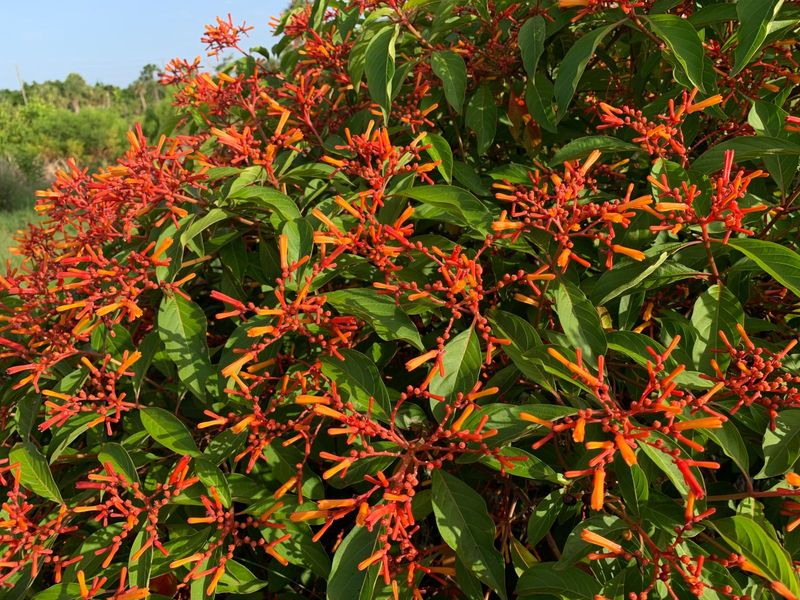
Firebush is the privacy plant for gardeners who want color with the cover.
It will not act like a formal wall, and that is part of the charm. Instead, it creates a loose, leafy screen with red-orange tubular flowers that hummingbirds, butterflies, and curious neighbors may all notice.
Use it where privacy can feel relaxed. Around patios, pool edges, side fences, and sunny corners, firebush softens views without making the yard feel boxed in.
Heat suits it well. Full sun gives the strongest flower show, though light shade can work with fewer blooms.
In South Florida, it can grow into a substantial shrub. In cooler parts of the state, winter cold may cut it back, so gardeners there should treat it as a warm-season screen rather than a permanent tall barrier.
Give it space. A cramped firebush loses the airy shape that makes it attractive.
Plant several in a staggered line for a fuller effect. Pair with denser evergreens behind it when year-round privacy is the main goal.
Water regularly during establishment. After roots settle, it handles dry stretches better than many patio plants.
Prune lightly to shape after flushes of growth. Avoid turning it into a box. Nobody invited the cube.
Firebush brings privacy with motion, color, and wildlife energy. It blocks just enough while reminding the yard to have a little fun.