What Happens If You Prune Ohio Lavender Too Late In The Season
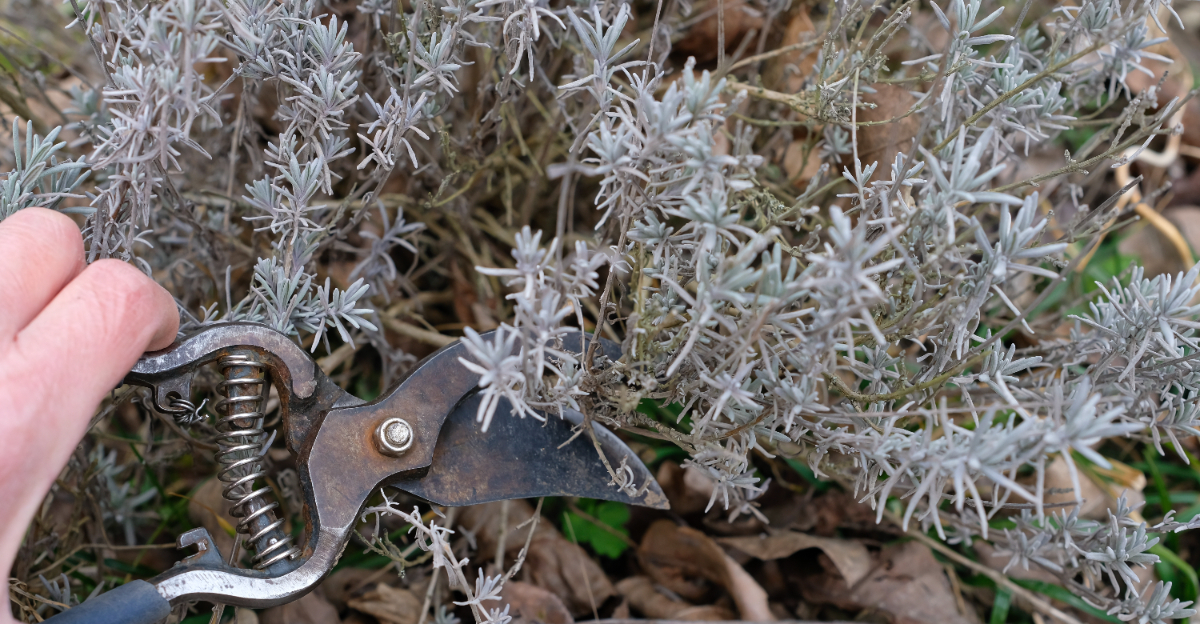
Ohio lavender has a pruning window and a pruning cliff. The window produces a plant that comes back strong, holds its shape through winter, and arrives at spring ready to perform.
The cliff produces something softer and slower to recover. It arrives faster in the season than most lavender growers realize.
Prune too late and the new growth triggered by the cut does not harden before cold arrives. Tender stems heading into an Ohio winter are not a resilience story.
The timing around Ohio lavender pruning is specific. It is not a flexible task.
The plant operates on its own schedule and does not negotiate with a gardener who got around to it a few weeks too late. That window is closer than it feels right now.
Missing it by even a short stretch changes what March looks like considerably.
1. Late Cuts Can Push Tender Growth Before Frost
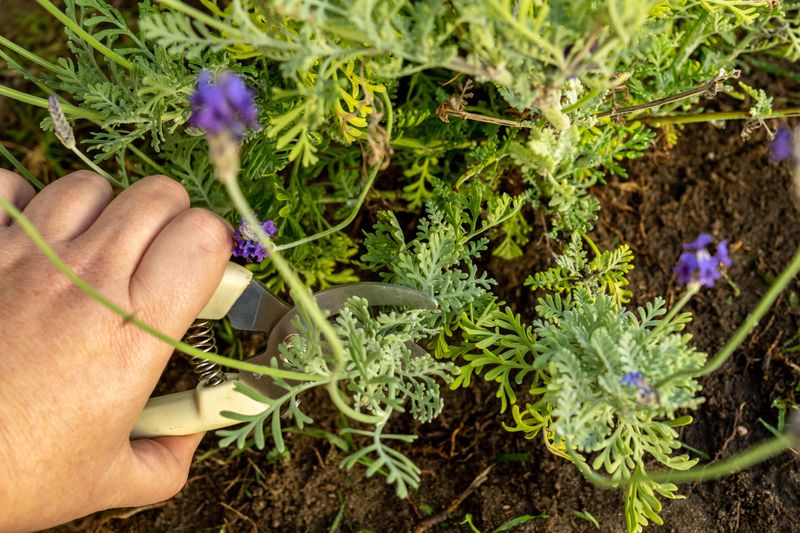
Small green shoots appearing after a late trim can look encouraging at first glance. Pruning removes leaf and stem tissue, and under the right conditions that signal can wake up dormant buds.
New growth begins pushing out, sometimes within days of a cut made in late summer or early fall.
Soft, pale shoots are far more vulnerable to cold than the mature gray-green growth they replace. Established stems have had weeks or months to toughen up.
Fresh growth has not had that time, and an early frost can damage it before it has any chance to mature.
Frost timing shifts from year to year across Ohio, and it varies by location within the state. A site in a low-lying area may freeze two or three weeks earlier than a nearby hilltop garden.
Planning around a single calendar date is not reliable enough when tender growth is at stake.
Harvesting a few flower stems for drying is a much lighter intervention than shortening the whole mound. A light flower harvest removes very little leafy material and rarely triggers a flush of new vegetative shoots.
Routine shaping or hard pruning is a different action with a different level of risk.
Once the recommended seasonal window for your region has passed, pause any shaping work. Save structural cuts for a time when the plant can recover without cold weather arriving right behind them.
2. Fresh Stems May Enter Winter Without Hardening
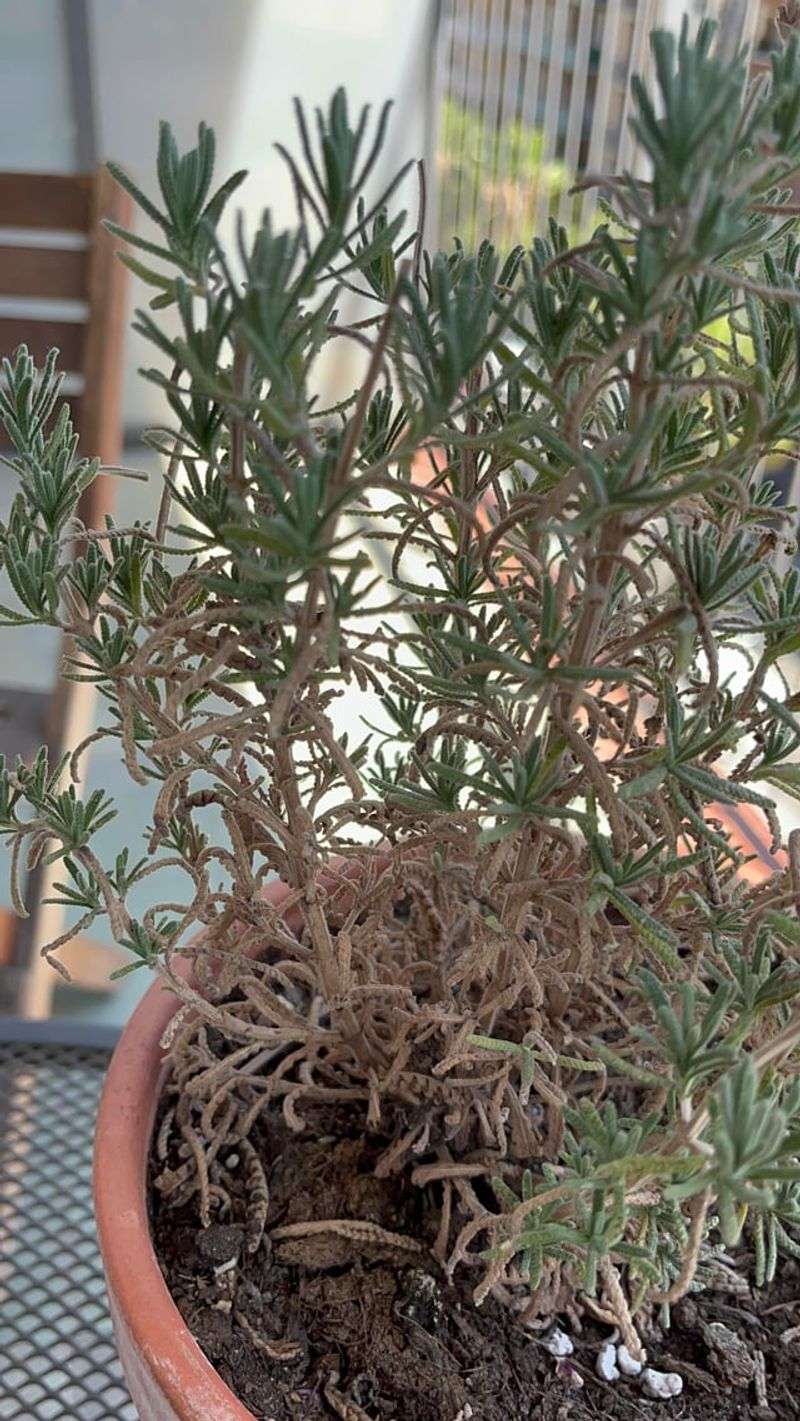
Pale new stem tips standing above older gray-green foliage are a clear sign that a plant has been recently cut. Those soft tips have not gone through the gradual process that prepares plant tissue for freezing temperatures.
Cold acclimation happens slowly as days shorten and nights cool through late summer and fall.
Established growth responds to those seasonal cues by reducing water content in cells and building up protective compounds. Freshly cut stems and the shoots that follow them miss part of that preparation window.
The result can be tissue that enters winter in a less protected state than the rest of the plant.
Sun exposure, soil drainage, air movement, and site moisture all shape how well any lavender handles cold. Wet soil is a serious concern on its own.
Your Ohio Garden Changes Every Week. Your Plan Should Too.
Gardening in Ohio changes quickly throughout the season. Every Friday you’ll receive a simple weekly plan showing exactly what to plant, prune, fertilize, harvest, and protect so you never miss the right timing.
Many lavenders struggle far more with saturated roots during winter than with cold air temperatures alone.
Late fertilizer applications can also encourage soft growth at the wrong time of year. Applying nitrogen-rich fertilizer in fall may push new shoots that face the same hardening problem as a late pruning cut.
Supporting the plant’s natural seasonal slowdown is a more helpful approach as temperatures drop.
Keeping soil well-drained, avoiding late fertilizer, and allowing existing growth to mature naturally gives lavender the best foundation for winter. A plant moving into cold weather on its own schedule is generally more prepared than one that was recently stimulated.
3. Deep Pruning Can Leave Bare Wood Behind
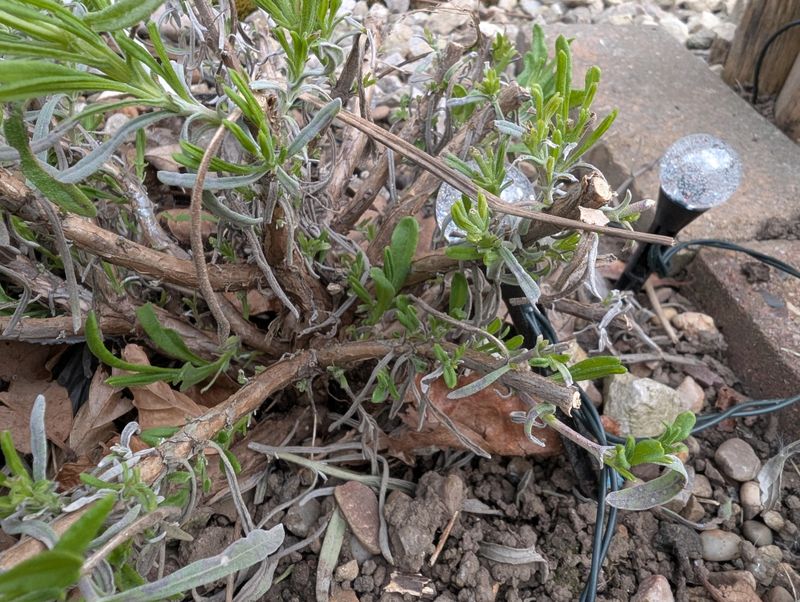
A cut stem with leaves above the blade but gray, leafless wood below it shows the challenge of pruning lavender too deeply. Lavender is a woody subshrub, and its older wood does not reliably produce new growth the way younger, leafy stems do.
Cutting below the green zone can leave sections that simply sit there without recovering.
Before making any cut, look closely at each stem and find where living green growth begins. Keep the blade above that point whenever possible.
Removing all leafy material from a stem gives it very little to work with as it tries to push new shoots.
Responses from old, bare wood vary by species, cultivar, plant age, and overall health. Some plants may eventually produce a shoot from a woody base.
Others may not, leaving a permanent gap in the mound. Using cautious language here matters because there is no single answer that covers every plant.
Carving an overgrown lavender into a small compact shape in one session is especially risky. A large reduction exposes a lot of bare wood at once and stresses the plant significantly.
Gradual reshaping over more than one season is a more measured approach for plants that have grown out of bounds.
For very woody plants that have lost most of their leafy growth, replacement is a realistic option worth considering. Starting fresh with a healthy young plant suited to your site is not a failure.
It is a practical gardening decision.
4. Final Flowers Disappear Before Their Last Show
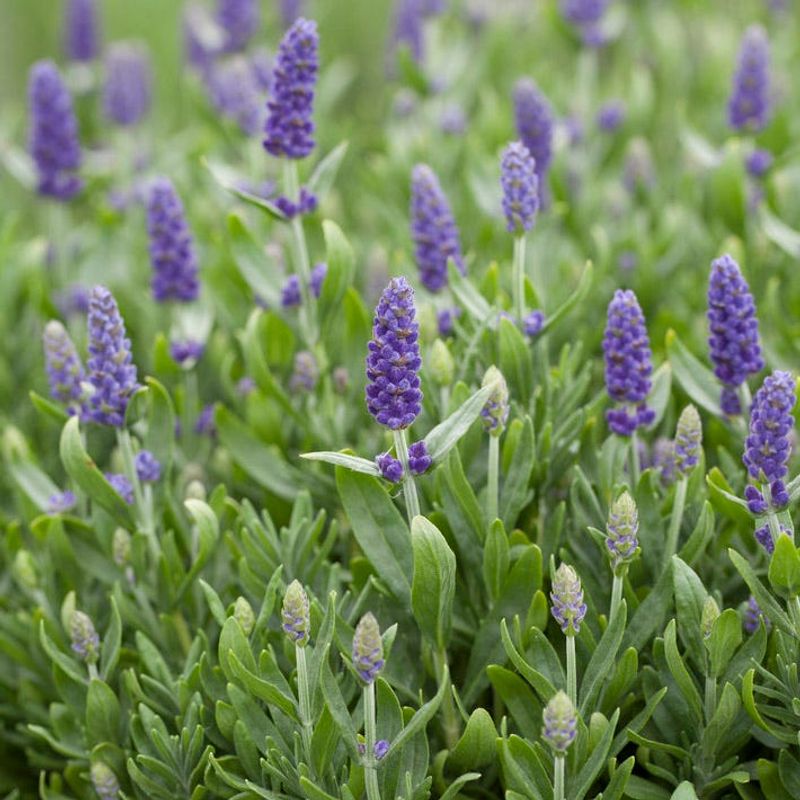
Unopened flower spikes or fading blooms still carrying color are easy to overlook when a plant starts to look untidy. Reaching for shears before those buds open removes whatever display remains.
Bloom timing shifts based on species, cultivar, weather patterns, and how the plant was pruned earlier in the season.
Not every lavender flowers into fall, but some types do carry a second flush of blooms after their main summer show. Cutting the plant back before that secondary bloom appears means losing those flowers entirely.
Checking for buds before picking up the shears takes only a moment and can save a pleasant late display.
Harvesting flower stems for indoor drying or fresh use is a targeted action. You choose which stems to cut and leave the rest.
Cosmetic shaping of the whole mound is a broader cut that removes whatever is in the way, buds included.
Late blooms also attract pollinators that are still active in early fall. Bees and other visitors may use those flowers as a late-season food source.
Removing that forage does reduce what is available at that specific spot, though one trimmed plant is a small part of a much larger foraging landscape.
Removing faded flowers earlier in the season may encourage some lavender types to rebloom. That response is not universal, and it depends on species and growing conditions.
Inspect the plant carefully before any cut to avoid removing growth that still has something to offer.
5. Hard Cuts Can Leave The Mound Thin And Patchy
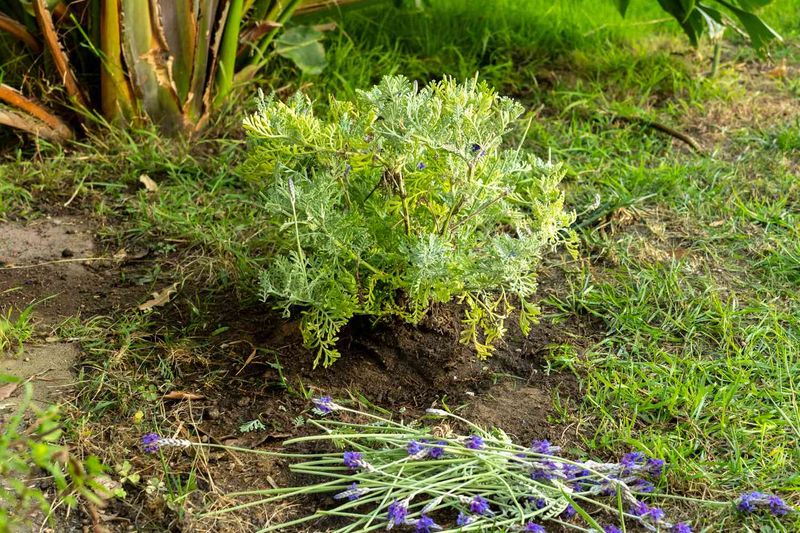
One side of a rounded lavender plant cut lower than the other is a familiar sight after uneven pruning. The asymmetry itself is easy enough to correct over time, but the exposed interior stems it reveals are a different concern.
Bare stems inside the mound may not fill back in quickly, leaving the plant looking patchy through the following season.
Repeated cuts at different depths gradually push the foliage outward and upward, hollowing out the center. Once the interior loses its leafy coverage, air and light reach the bare wood but new growth may be slow to follow.
Shearing the entire surface at once can create the same result when the blade reaches below the green layer.
Selective shaping within the green foliage zone is a gentler approach. Small, balanced cuts that follow the natural shape of the mound remove the longest shoots without exposing bare wood underneath.
Staying within the leafy growth preserves the structure the plant needs to recover evenly.
A plant that consistently outgrows its space may simply be too large for its location. Pruning can manage size for a while, but it is not a permanent substitute for choosing a cultivar suited to the available space.
Airflow through the mound matters for plant health, though pruning alone does not prevent every disease.
A practical rule worth keeping: preserve a leafy framework across the whole plant with every cut. If the blade is reaching bare wood, it has gone too far.
6. English And Tender Lavenders Do Not React Alike
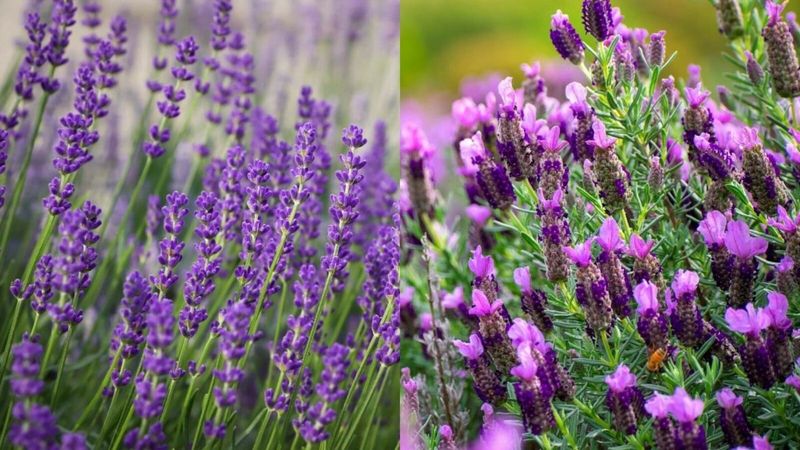
Two plants carrying the same common label at a garden center can behave very differently once winter arrives. Lavender is sold under a range of common names that do not always point to the same species.
Relying on a tag that says only “lavender” leaves out information that matters when pruning and winter protection are involved.
English lavender, known botanically as Lavandula angustifolia, is among the more cold-tolerant types. Many of its cultivars handle Ohio winters reasonably well when drainage is good and the site is not exposed to harsh wind.
Still, cold tolerance varies among cultivars within that species, so not every English lavender performs the same way.
Lavandin, a hybrid known as Lavandula x intermedia, is widely grown for its large flower spikes and strong fragrance. Many lavandin cultivars are hardy but may be somewhat less cold-tolerant than the best English lavender selections.
Pruning timing and depth matter for these plants as well.
Tender lavenders, including many plants sold as French or Spanish lavender, may not survive outdoors through a cold Ohio winter at all. These types are sometimes grown as annuals or moved indoors when temperatures drop.
Indoor overwintering can work in some situations, but it is not guaranteed.
Checking the plant label and confirming the species before following any pruning guidance is a straightforward step. Species-specific advice that fits one type may not apply to the plant actually growing in your garden.
7. Winter Damage May Stay Hidden Until Spring
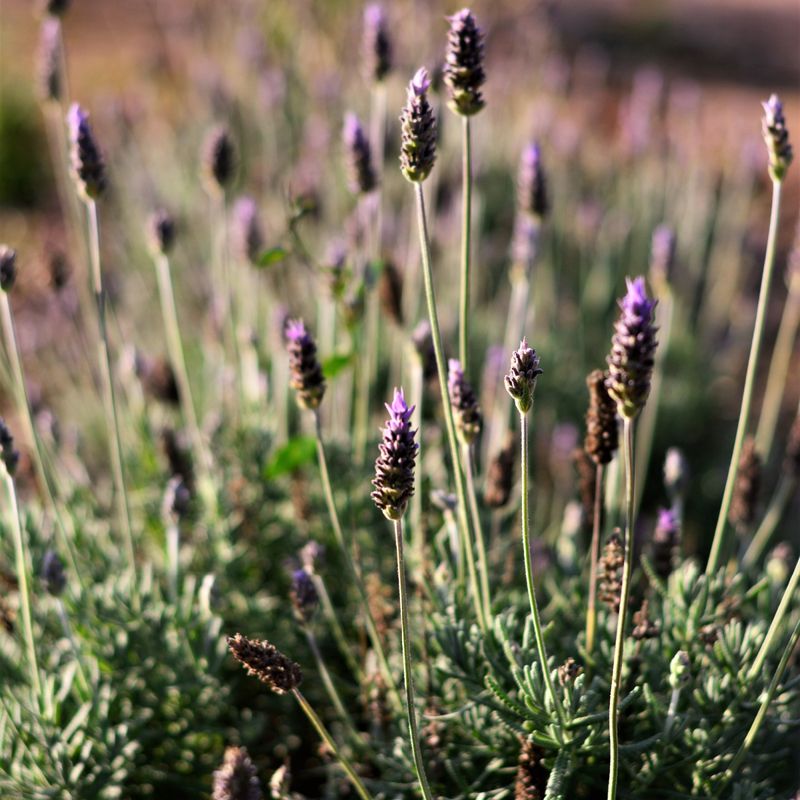
Gray stems that look uncertain after the coldest weather has passed can leave a gardener guessing. Some of those stems may still be alive.
Others may not be. The difference is not always visible from the outside during winter, and stem color alone is not a reliable guide to what is living and what is not.
Winter injury can develop gradually or appear suddenly after a hard freeze. The full picture often does not become clear until temperatures rise and the growing season begins.
Cutting stems during winter to search for green tissue can remove growth that would have recovered on its own with a little more time.
Waiting for spring growth before making major corrective cuts is a more measured approach. New shoots emerging along a stem show which sections remain active.
Sections that produce no new growth after surrounding plants have clearly broken dormancy are more likely to need removal.
Growth timing varies across Ohio based on local weather, elevation, and site conditions. A plant in a sheltered urban spot may wake up weeks before one in an exposed rural location.
Delayed growth does not always mean the entire plant is lost, so patience through the early weeks of spring matters.
When damaged or diseased material is removed, clean cuts and sanitary tools reduce the chance of spreading problems. Beyond that, patient observation is the most useful tool at this stage.
Let the plant show you what it still has before deciding what to cut.
8. New Spring Growth Marks The Safer Cutting Line
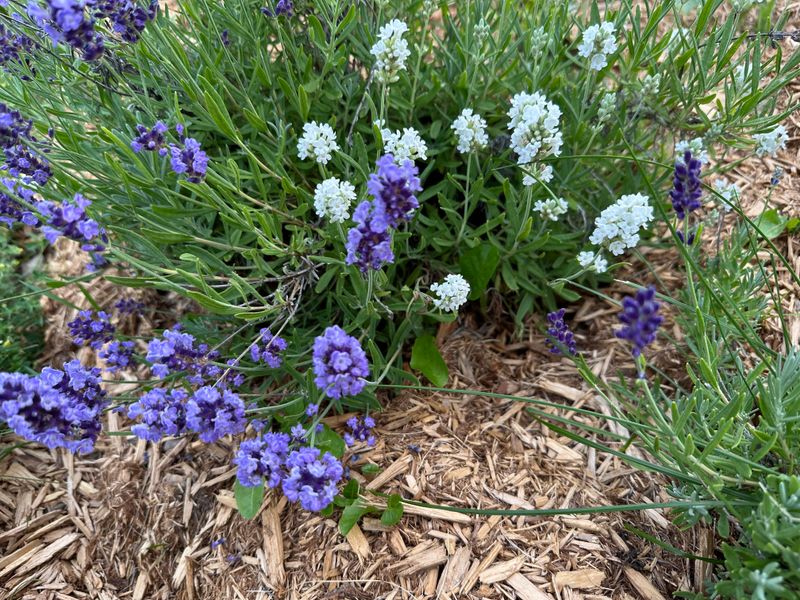
Fresh leaves emerging along stems after winter are the clearest guide a gardener can use for spring pruning. Those new leaves show exactly where the plant is actively growing.
Cutting just above a cluster of new leaves keeps the blade within living tissue and gives the stem a clear point from which to continue growing.
Confirmed winter injury should come off before any light shaping begins. Stems that produced no new growth after the surrounding plant has clearly broken dormancy are reasonable candidates for removal.
Cutting into bare wood without new growth present is a less certain approach and may remove sections that were still viable.
Clean, sharp hand pruners make precise cuts without tearing stem tissue. Hedge shears cover ground quickly on a large planting, but they are harder to control when cutting close to the boundary between green and bare wood.
Hand pruners give more control for careful work near woody sections.
Older plants that have become very woody over several seasons may benefit from gradual renovation. Remove the most overgrown sections across more than one spring rather than cutting everything back at once.
That approach preserves more leafy growth at each stage and reduces stress on the plant.
The seasonal lesson that pruning lavender teaches is straightforward. Use spring growth as your guide, preserve stems that carry green leaves, and stop before the blade reaches old bare wood.
That habit, repeated each spring, keeps the plant shapely and productive without the risk that a late-season cut can bring.