The Lantana Tasks Arizona Gardeners Should Never Skip In August
August has a way of separating healthy lantana from plants that are only getting by. The difference often comes down to a few small choices made at the right time.
Lantana may have a reputation for being easy to grow, but it should not be ignored through the hottest part of the season. Even tough plants benefit from the right care.
This is the month when little problems can quietly become much bigger ones. Giving your plant a little attention now can help it stay colorful much longer.
Arizona’s summer heat pushes every landscape plant a little harder. Lantana is no exception, even though it handles heat better than most.
Now is the perfect time to check on yours.
A little effort this month can keep those bright blooms going well into the weeks ahead.
1. Water When The Top Inch Of Soil Feels Dry
Watering lantana in August is more art than science. Stick your finger about an inch into the soil near the base of the plant.
If it feels dry, water it. If it still feels slightly cool or damp, wait another day.
Lantana handles drought better than most flowering plants. Overwatering is actually a bigger risk than underwatering in hot desert conditions.
Soggy roots in warm soil can lead to root rot faster than you might expect.
In most Arizona yards, lantana in the ground may need water every two to three days during peak summer heat. Container plants dry out faster and may need daily attention depending on pot size and sun exposure.
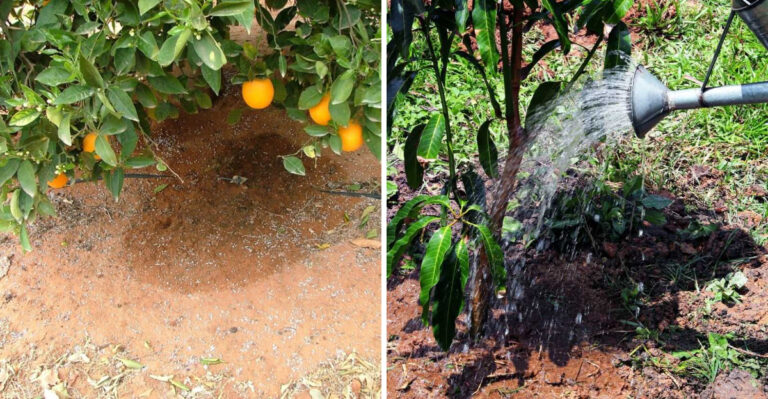
Water deeply each time so moisture reaches the root zone. A shallow splash on the surface does not help much.
Slow, deep watering encourages roots to grow downward, which makes the plant more stable and resilient over time.
Early morning is the best window for watering. It gives foliage time to dry before the hottest part of the day arrives.
Wet leaves sitting in intense afternoon sun can sometimes develop scorch spots.
Pay attention to how your specific plant responds. Some spots in a yard drain faster than others.
2. Check For Spider Mites On New Growth
Spider mites love hot, dry conditions. August in the desert is basically their ideal habitat.
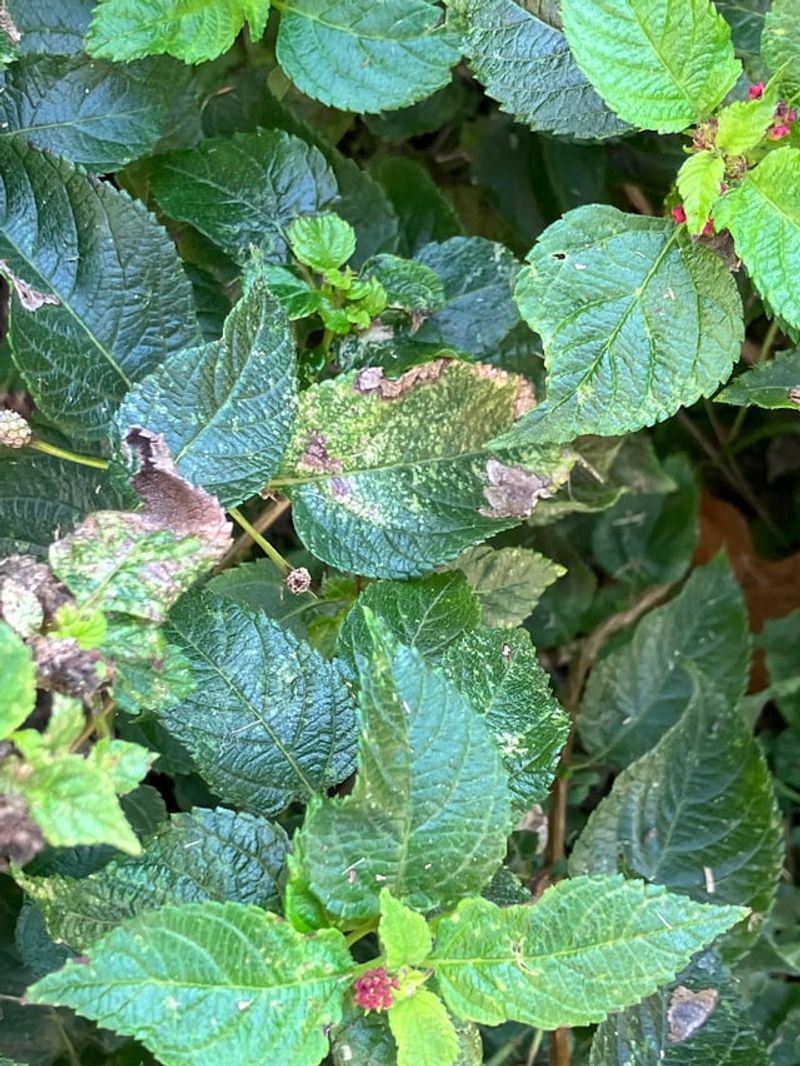
New, tender growth on lantana is usually where they show up first, so that is exactly where to look.
Flip over a few young leaves and inspect the undersides closely. Tiny moving dots, fine webbing, or a dusty, grayish look on the leaf surface are common signs.
Infestations can build quickly when the weather stays hot and dry for long stretches.
A strong spray of water from a garden hose can knock mite populations back significantly. Focus the spray on the undersides of leaves where mites tend to cluster.
Repeat every two to three days for best results.
Neem oil is another option many gardeners reach for. Mix it according to label instructions and apply in the early morning or evening to avoid burning foliage.
Avoid spraying during the hottest part of the day.
Your Arizona Garden Changes Every Week. Your Plan Should Too.
Gardening in Arizona changes quickly throughout the season. Every Friday you’ll receive a simple weekly plan showing exactly what to plant, prune, fertilize, harvest, and protect so you never miss the right timing.
Keeping plants well-watered and not overly stressed helps reduce vulnerability. Mites tend to target plants that are already struggling.
A lantana getting consistent care is better equipped to handle minor pest pressure without much intervention.
Check new growth at least once a week through August.
3. Make Sure Water Drains Away Quickly
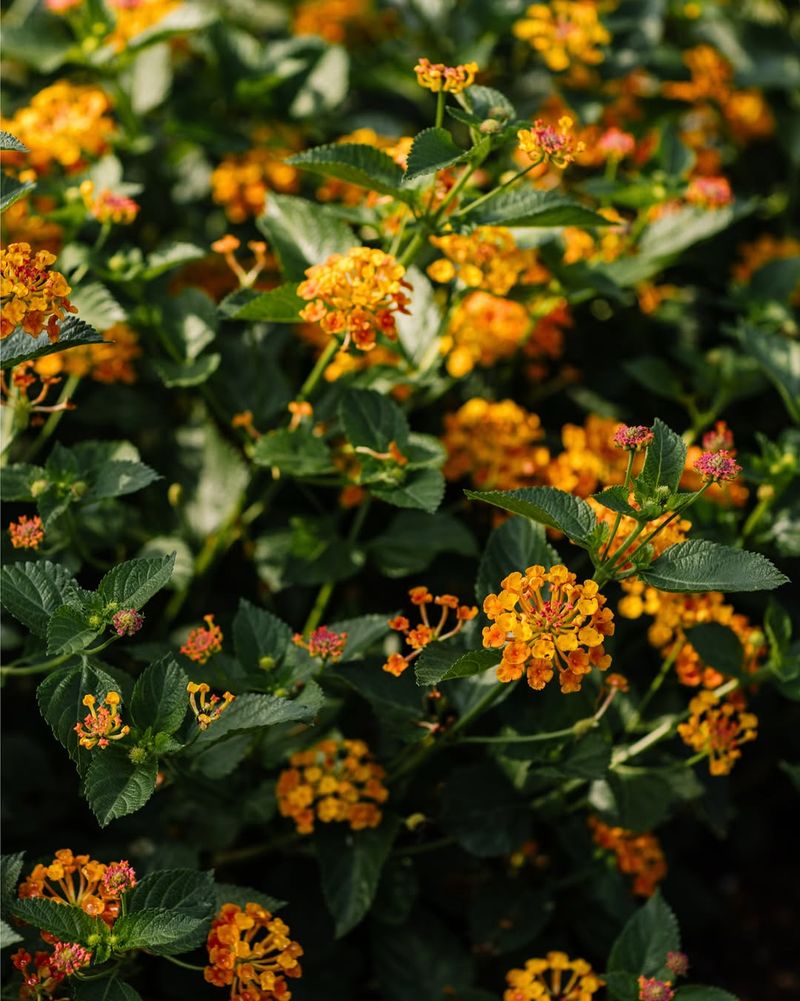
Standing water around lantana roots is a serious problem, especially during monsoon season. Heavy rains can dump inches of water in a short time, and if your soil holds that moisture too long, roots suffer.
Lantana thrives in fast-draining soil. Sandy or gravelly soil is ideal.
Heavy clay soil that holds water for hours after rain is not a great match for this plant without some amendment or raised bed setup.
Walk your garden after a heavy monsoon rain. Look for low spots where water pools and lingers.
If water is sitting near your lantana for more than an hour or so, drainage is likely an issue worth addressing.
Adding coarse sand or decomposed granite to the planting area can improve drainage noticeably. Working it into the top several inches of soil makes a real difference in how fast water moves through.
Raised beds are another practical solution for problem spots.
For container plants, always check that drainage holes are clear and not blocked by roots or debris. A pot that cannot drain freely will keep roots sitting in moisture far longer than lantana can tolerate.
Good drainage matters year-round in Arizona, but August monsoons make it especially critical.
4. Refresh Mulch To Help Hold Soil Moisture
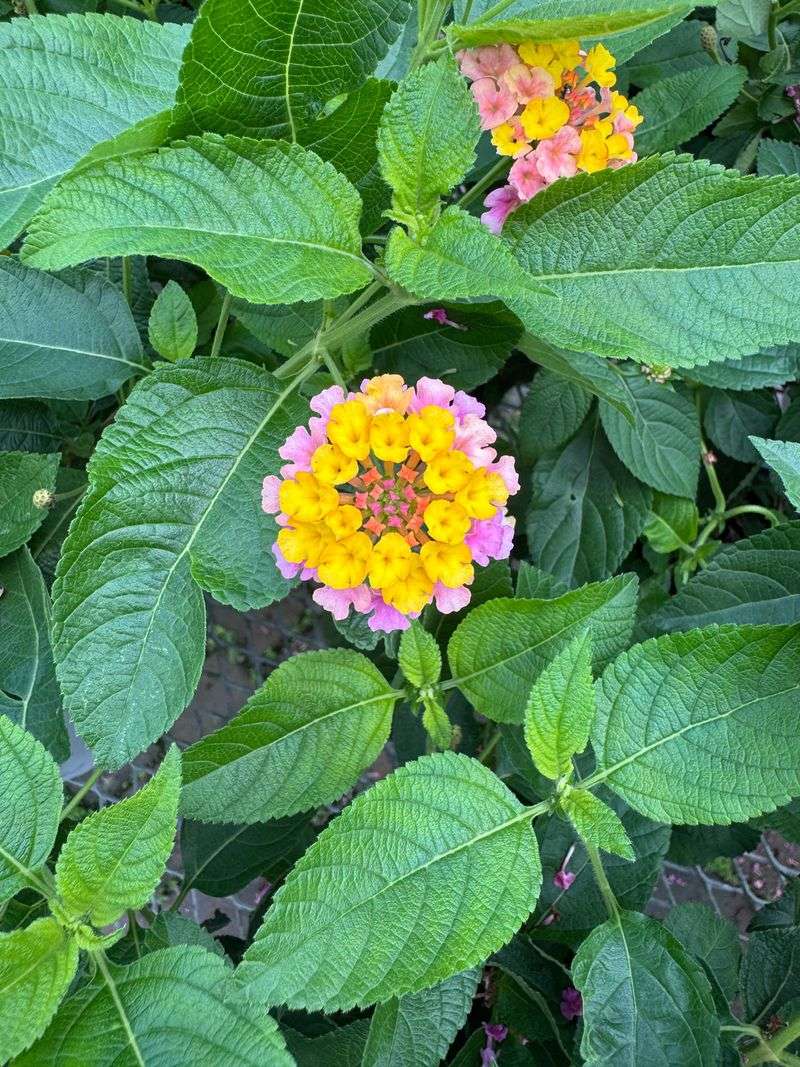
Bare soil bakes fast under August sun. Temperatures at the soil surface can get surprisingly high, and that kind of heat stresses roots even when air temperatures cool slightly at night.
A fresh layer of mulch around your lantana creates a buffer. It keeps soil temperatures more stable and slows moisture evaporation between watering sessions.
Both of those benefits matter a lot during peak summer heat.
Aim for about two to three inches of mulch around the base of the plant. Keep it a few inches away from the main stem to allow airflow and reduce the chance of moisture buildup directly against the plant crown.
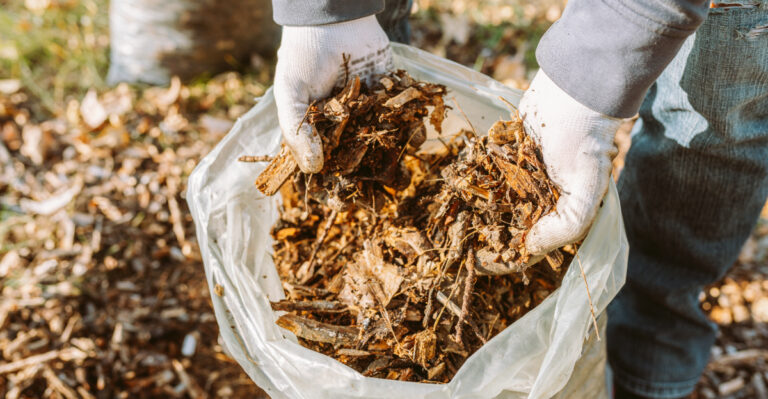
Organic mulches like wood chips or straw work well and break down over time to add some organic matter to the soil. Decomposed granite and gravel are popular choices in desert landscapes and do a solid job of reducing soil temperature too.
Check your existing mulch layer before adding more. If it has thinned out or compacted over the summer, top it off rather than piling on a thick new layer.
Overly thick mulch can sometimes trap too much moisture in wet conditions.
Refreshing mulch is a low-effort task with noticeable payoff.
5. Avoid Too Much Fertilizer Late In The Season
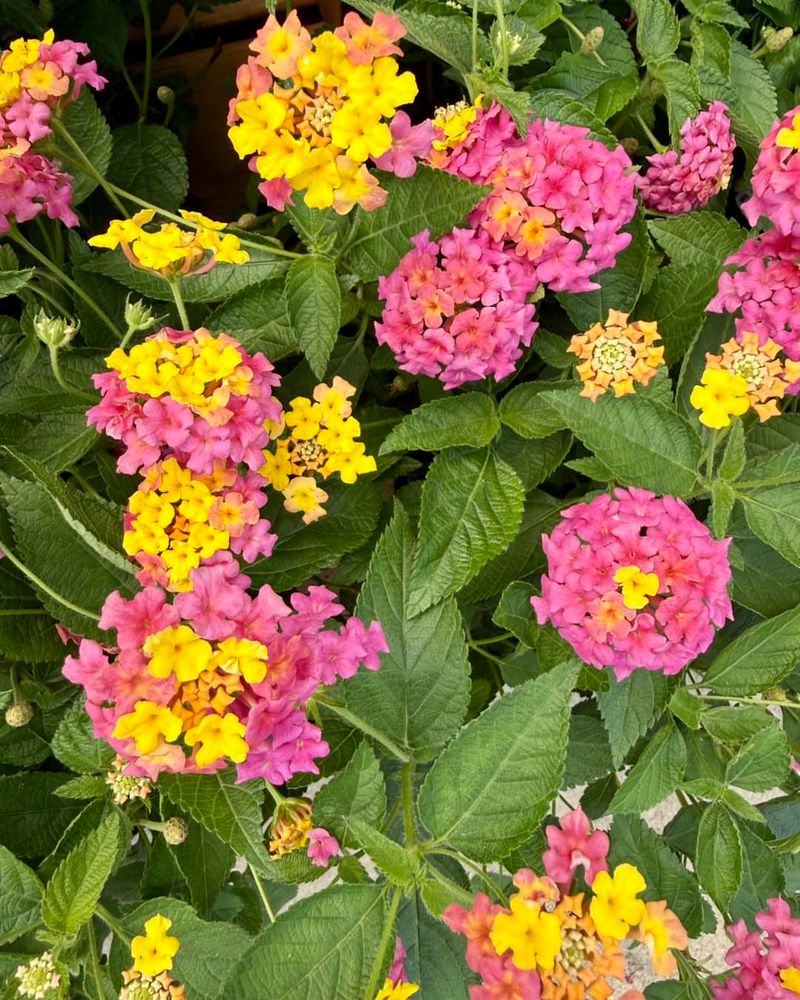
Fertilizing feels productive, but August is not the time to go heavy on it. Pushing too much fertilizer into lantana late in the season can trigger a flush of soft, leafy growth that is vulnerable to heat stress.
Lantana is not a heavy feeder to begin with. In most desert garden settings, a light application of balanced fertilizer once in spring and possibly once in early summer is enough for the whole growing season.
High-nitrogen fertilizers are especially worth avoiding at this point. Nitrogen drives leafy green growth, which sounds good but can actually work against the plant when temperatures are extreme and resources are stretched thin.
If you feel the plant needs a boost, a diluted dose of a balanced, slow-release fertilizer is a more cautious approach. It feeds gradually without shocking the plant or forcing rapid growth it cannot support in intense heat.
Yellowing leaves sometimes get misread as a sign of nutrient deficiency. More often in August, yellowing is connected to watering issues, heat stress, or poor drainage rather than a lack of fertilizer.
Feeding a plant that actually needs better drainage will not solve the real problem.
Hold off on any significant fertilizer applications until temperatures start to drop in September or October. Letting the plant coast through August with minimal interference is often the smarter move for long-term health.
6. Remove Spent Flowers To Encourage More Blooms
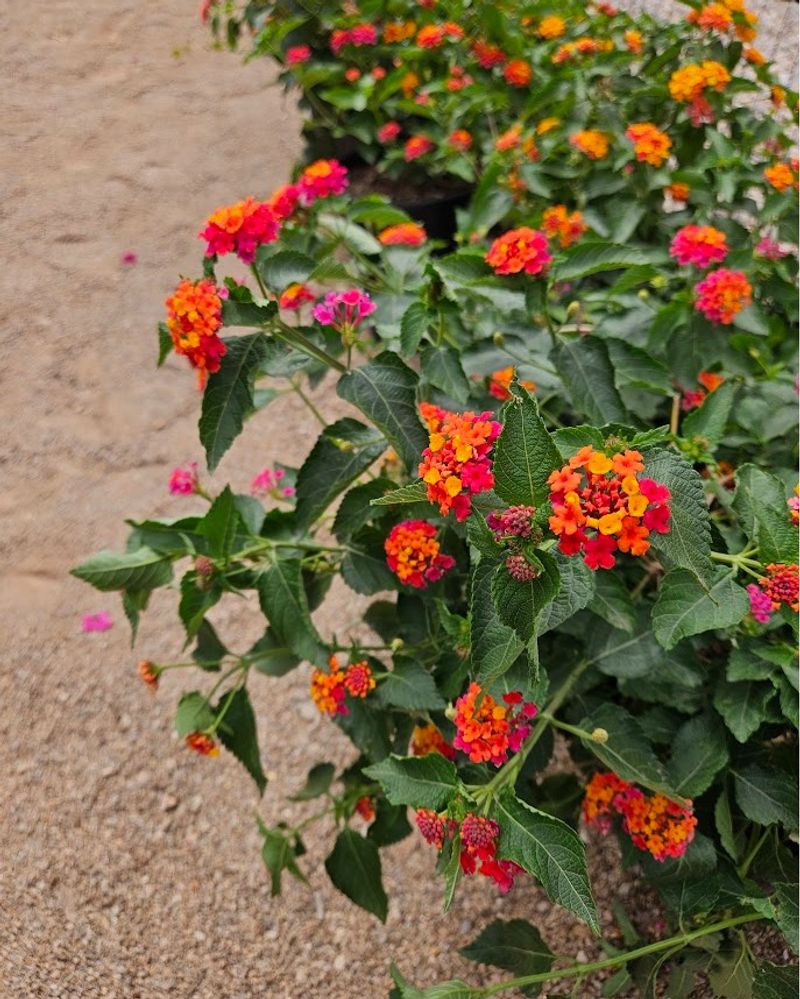
Lantana keeps blooming through summer, but spent flower clusters can slow things down if left on the plant. Removing them gives the plant a clear signal to push out fresh flowers instead of putting energy into seed production.
Deadheading lantana is simple. Pinch or snip off the old flower clusters once they start to look faded and dry.
You do not need to cut far back into the stem. Removing just the spent head is enough to get the job done.
Some gardeners skip this step because lantana seems to bloom regardless. That is partly true.
Lantana is a reliable bloomer even without deadheading. But removing spent flowers does tend to encourage a noticeably fuller and more consistent bloom cycle.
August is also a good time to do light shaping if the plant has gotten leggy or uneven. Trim back a few of the longer stems while you are removing spent blooms.
Keep cuts modest so you are not removing too much foliage during intense heat.
Avoid heavy pruning in August. Cutting back hard can stress the plant when temperatures are at their peak.
Light, regular grooming is a much better approach this time of year than one aggressive trim.
Make deadheading a weekly habit through the rest of summer.
7. Watch For Signs Of Heat Stress
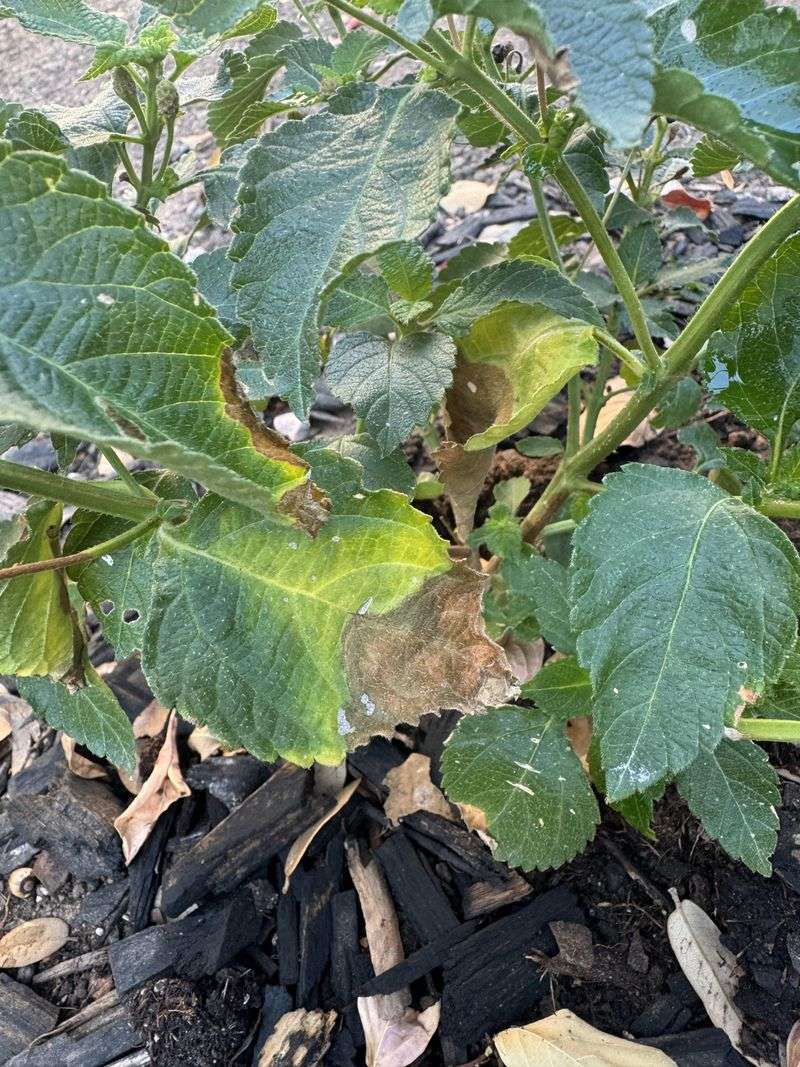
Wilting in the afternoon is not always a red flag. Lantana sometimes droops slightly during the hottest hours of the day and bounces back once temperatures drop in the evening.
That kind of temporary wilting is normal and expected.
Wilting that persists into the evening or early morning is a different story. If the plant still looks limp after the sun goes down, something more significant may be going on.
Check soil moisture first before drawing any conclusions.
Leaf curl, browning leaf edges, and bleached-out flower color are other signs worth paying attention to. These can point to heat stress, especially on plants in full afternoon sun with no shade relief during peak hours.
Providing some afternoon shade can help plants in especially exposed spots. A shade cloth rated at 30 to 40 percent works well and can be set up temporarily without much effort.
Even nearby structures or taller plants that block late-afternoon sun can reduce stress noticeably.
Check the root zone if stress signs keep showing up despite consistent watering. Compacted or waterlogged soil can limit a plant’s ability to absorb water even when moisture is present.
Good drainage and loose soil matter more than many gardeners realize.
Lantana is resilient across much of the Southwest, but even this tough plant has limits.