10 Proven Natural Ways To Keep Pests Out Of Your Wyoming Vegetable Garden Without Chemicals
Wyoming gardens do not play fair. One week your squash looks unstoppable, the next it is riddled with holes and half eaten by something you never even saw arrive.
The wind that keeps your air so clean also carries in every beetle and moth looking for a free meal. Add short summers and unpredictable frost windows, and your vegetables become an easy target the moment your back is turned.
Most people reach for a spray bottle out of panic, but that fix rarely lasts and often does more harm to your soil than to the pests themselves.
There is a quieter approach that experienced growers across the state have relied on for years, one that protects your harvest without a single chemical involved.
1. Companion Planting Confuses Hungry Insects
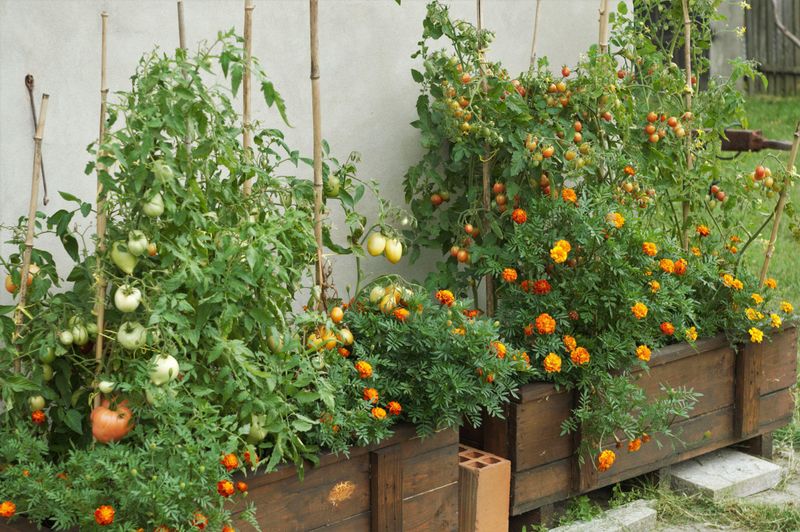
Picture your garden as a neighborhood where every plant looks out for its neighbors. That is exactly how companion planting works, and it is one of the oldest natural pest control tricks in the book.
Certain plants release scents and chemicals that confuse or repel insects. Marigolds, for example, give off a smell that aphids and whiteflies tend to avoid.
Planting basil near your tomatoes does double duty. It boosts flavor and sends spider mites packing at the same time.
Nasturtiums act as a trap crop, luring aphids away from your prized vegetables and onto themselves instead. You sacrifice the nasturtium, but your kale and beans stay largely undamaged.
Garlic planted near roses and peppers keeps Japanese beetles confused and moving along. Dill and fennel attract beneficial wasps that hunt the caterpillars eating your cabbage.
The key is to think in layers. Tall plants, low-growing herbs, and flowering companions all work together to create a confusing, unwelcoming environment for pests.
Start small by pairing one companion with each vegetable bed. Track what works over a season and expand from there. Your garden will become a natural pest-repelling machine.
2. Row Covers Block Pests From Reaching Crops
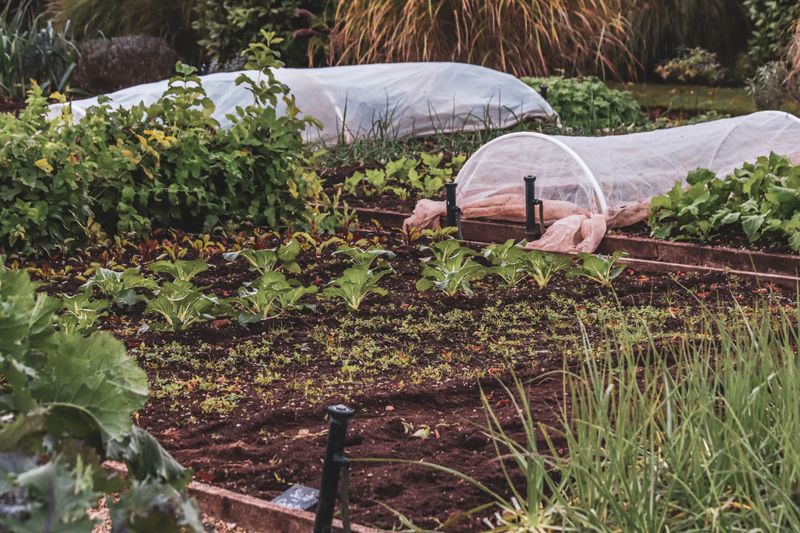
Sometimes the simplest barrier is the best defense. Floating row covers are lightweight fabric sheets that let in sunlight and rain while keeping insects out.
They work especially well against flea beetles, cabbage moths, and aphids. These pests cannot reach your plants if there is a physical wall in the way.
Lightweight spunbonded fabric is the go-to choice for most gardeners. It is breathable, affordable, and easy to cut to any bed size you need.
Secure the edges with soil, rocks, or garden staples so wind cannot lift them. Wyoming winds are no joke, and a loose cover becomes useless fast.
Remove covers when plants begin to flower so pollinators can do their job. Timing matters, so check your plants every few days during the growing season.
Row covers are especially powerful during the early weeks after transplanting. Young seedlings are the most vulnerable to insect damage, and covers give them time to toughen up.
You can reuse the same cover for multiple seasons if you store it carefully after each use. Fold it clean and dry, and it will last three to five growing seasons easily.
This method pairs well with every other strategy on this list, making it one of the most versatile natural pest control tools available.
3. Beneficial Insects Keep Populations Under Control
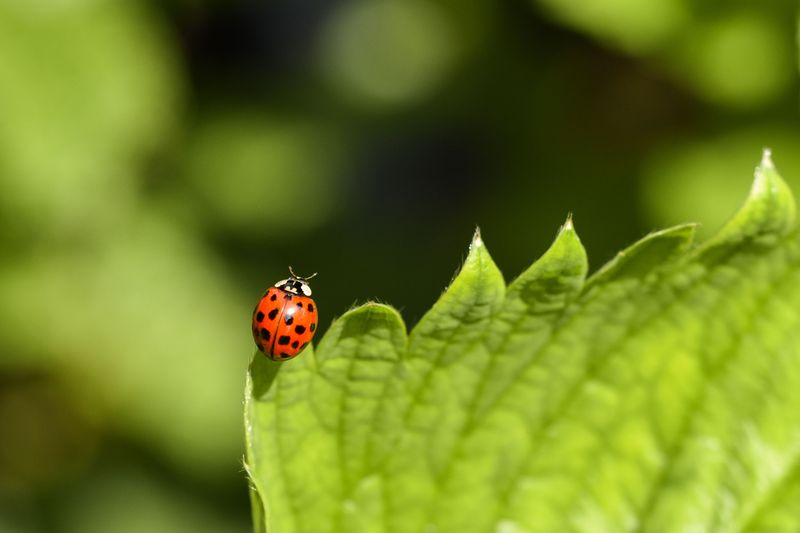
Not every insect in your garden is the enemy. Some are actually working overtime to protect your crops from the ones that are.
Ladybugs are tiny heroes. A single ladybug can eat up to 50 aphids in one day, making them one of the most powerful natural pest controllers around.
Lacewings, parasitic wasps, and ground beetles all feed on common garden pests. Attracting them is easier than most people think.
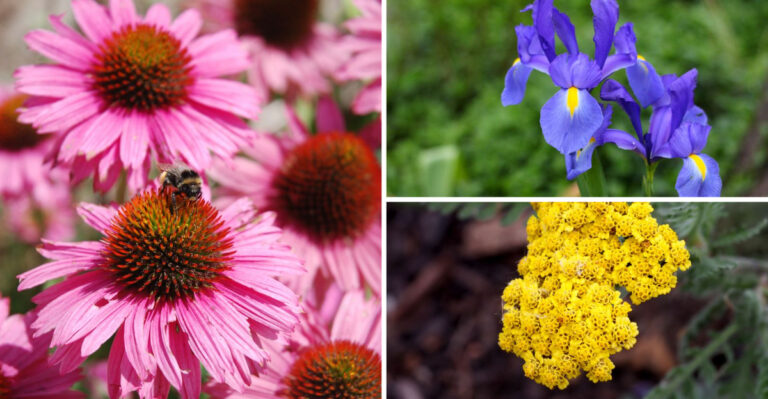
Plant dill, fennel, yarrow, and sweet alyssum near your vegetables. These flowering plants produce nectar that draws beneficial insects in and keeps them close to your crops.
Avoid broad-spectrum sprays, even organic ones, during peak season. Many of these products cannot tell the difference between a pest and a helpful predator.
You can also purchase beneficial insects from garden supply stores. Releasing them early in the season gives them time to establish before pest populations explode.
Create habitat by leaving a small section of your garden slightly wild. A patch of native flowers or a shallow dish of water makes your space more attractive to helpful bugs.
Once you have a healthy population of beneficial insects, your garden essentially polices itself. That kind of natural balance is the goal every gardener should be working toward.
4. Diatomaceous Earth Stops Crawling Insects
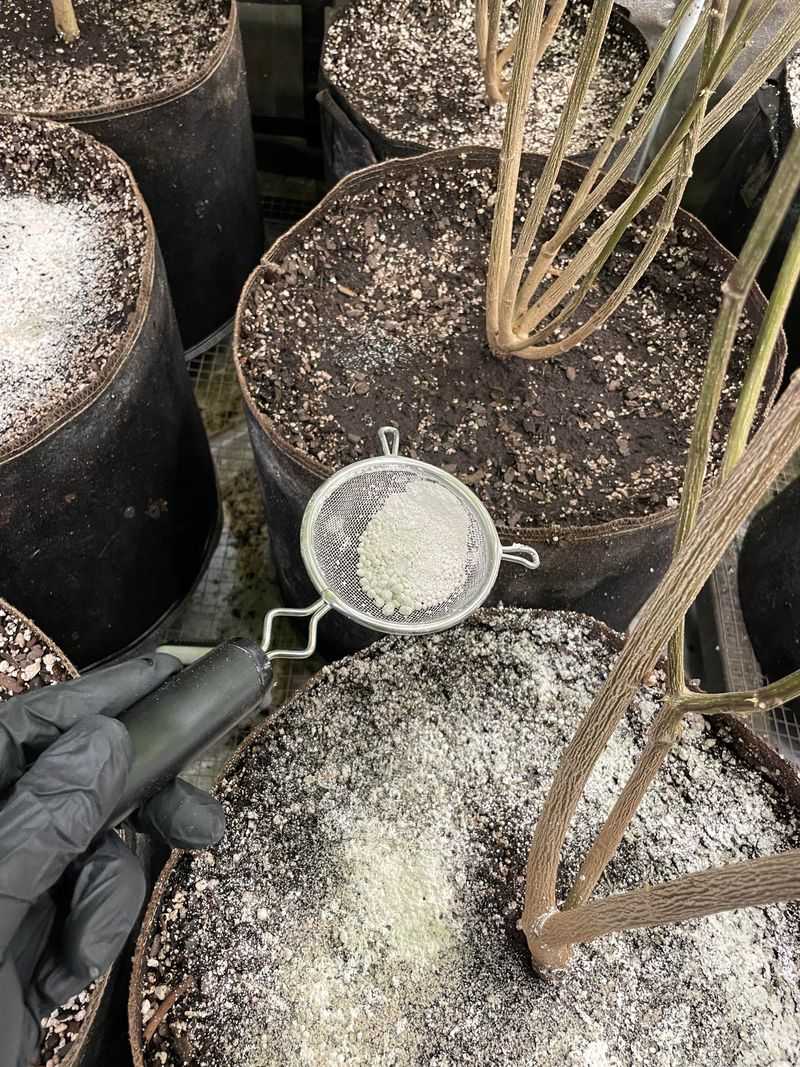
Imagine a powder so fine it looks like flour but works like broken glass for crawling insects. That is diatomaceous earth, and it is one of the most satisfying natural tools in your garden toolkit.
Made from the fossilized remains of tiny aquatic organisms, it cuts through the exoskeletons of insects on contact. Slugs, beetles, and ants cannot cross it without damage.
Apply a thin ring around the base of vulnerable plants. Focus on crops like cabbage, broccoli, and squash that tend to attract crawling pests.
Use food-grade diatomaceous earth, not the kind sold for pool filters. The pool version is chemically treated and not safe around edible plants.
Reapply after rain or heavy watering since moisture reduces its effectiveness. Dry conditions are when it works best, which works in your favor during Wyoming summers.
Wear a dust mask when applying because the fine particles can irritate your lungs. A light dusting is all you need, so do not go overboard with the application.
Diatomaceous earth does not harm earthworms or most beneficial insects unless they crawl directly through a heavy concentration. Apply it strategically rather than broadcasting it across entire beds.
Used correctly, it forms an invisible barrier that crawling pests simply cannot survive. Your plants get a real chance without a single chemical involved.
5. Neem Oil Sprays Deter Common Garden Pests
Pressed from the seeds of the neem tree, neem oil has been used as a natural insect deterrent for centuries. Farmers in India discovered its power long before modern pesticides existed.
It works by disrupting the feeding and reproductive cycles of common garden pests. Aphids, spider mites, whiteflies, and caterpillars all respond poorly to its active compound, azadirachtin.
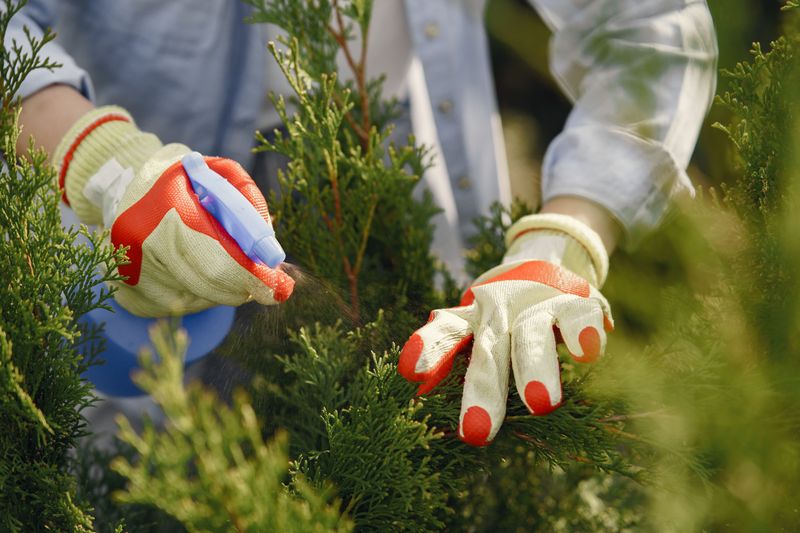
Mix one to two teaspoons of pure neem oil with a few drops of dish soap in a quart of warm water. Shake well before each application to keep the solution blended.
Spray directly onto plant leaves, covering both the tops and undersides where insects like to hide. Early morning or evening applications reduce the chance of leaf burn in bright sunlight.
Repeat every seven to fourteen days during active pest season. Consistency is what makes neem oil effective, not just a one-time spray.
It breaks down quickly in the environment, leaving no harmful residue on your vegetables. That makes it safe to use right up until harvest day.
Neem oil also has antifungal properties, which means it helps control powdery mildew and black spot at the same time. One spray handles two problems at once, which is a serious bonus.
Keep your bottle stored in a cool, dark spot to extend its shelf life. A fresh batch each season gives you the strongest results.
6. Crop Rotation Disrupts Pest Life Cycles
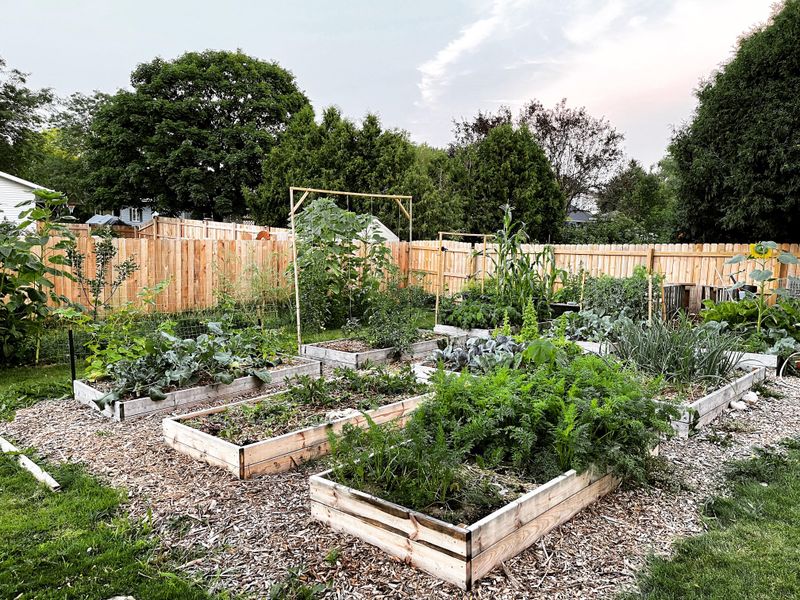
Pests are creatures of habit. They overwinter in the soil beneath the crops they love, waiting for spring to bring the same meal back around.
Crop rotation breaks that cycle by moving plant families to different sections of the garden each season. When pests emerge and the food they expected is gone, their populations crash.
Divide your garden into at least three or four sections. Rotate nightshades, brassicas, legumes, and root vegetables through each section on a yearly schedule.
Avoid planting the same family in the same spot two years in a row. Tomatoes, peppers, and eggplant all belong to the nightshade family and share the same pests.
Keeping a simple garden map each season makes rotation easier to track. A notebook or a basic phone app works perfectly for this purpose.
Rotation also benefits soil health by preventing nutrient depletion. Legumes fix nitrogen, which feeds the heavy-feeding crops that follow them the next year.
Colorado potato beetles, cabbage root flies, and corn rootworms are all disrupted by consistent rotation. These are some of the most destructive pests in mountain-region gardens.
A three-year rotation is the minimum recommended by most extension services. Four or five years gives you even stronger protection against soil-dwelling pest populations.
Stick with it, and rotation becomes one of your most reliable long-term defenses.
7. Handpicking Removes Larger Garden Invaders
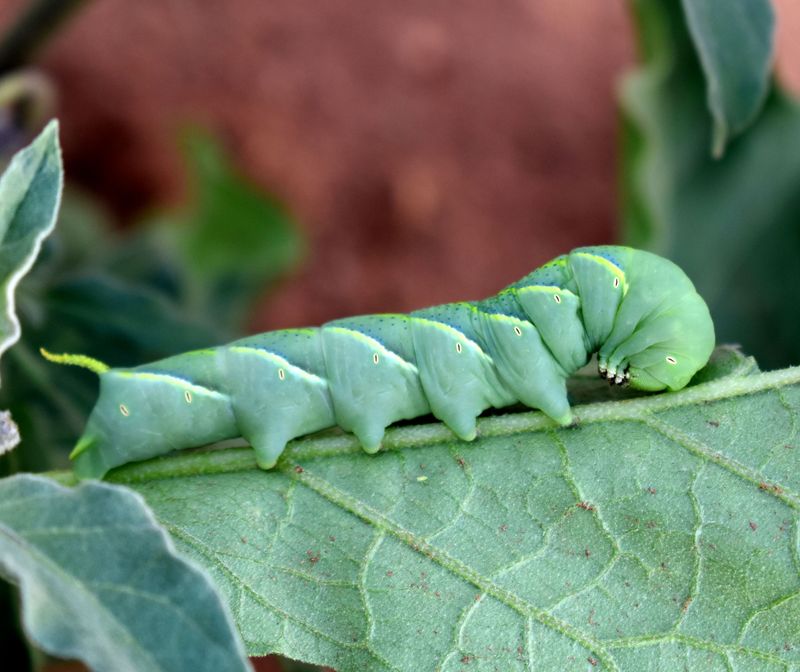
Old-fashioned as it sounds, handpicking is one of the most effective methods for dealing with larger pests. Nothing beats the satisfaction of catching a hornworm and dropping it in a bucket of soapy water.
Tomato hornworms, squash bugs, cucumber beetles, and Colorado potato beetles are all large enough to spot and remove by hand. Early morning is the best time to hunt since pests are slower when cool.
Check the undersides of leaves where eggs and clusters of juveniles like to hide. A few minutes of daily inspection prevents a small problem from becoming a full infestation.
Wear rubber gloves if the texture bothers you, or use small tongs for larger specimens. The goal is to remove and dispose of them before they reproduce.
Drop collected pests into a container of soapy water to prevent escape. Seal the container and toss it in the trash rather than leaving it near the garden.
Get your kids involved if you have them around. Children often find pest hunting exciting, and it teaches them about the natural world at the same time.
For egg masses, scrape them off leaves using an old credit card or butter knife. Dispose of them immediately rather than leaving them on the ground nearby.
Consistent handpicking, done daily, keeps populations low enough that other natural methods can handle the rest.
8. Garlic And Pepper Sprays Repel Insects
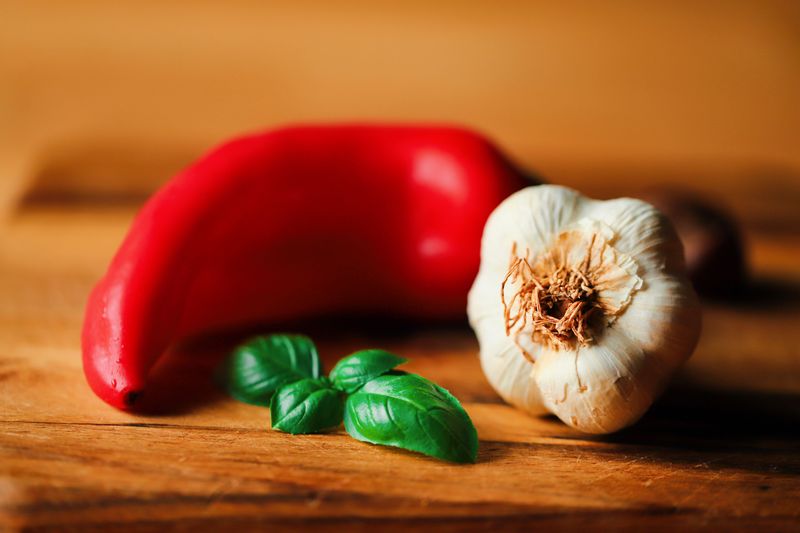
Your kitchen pantry is hiding some seriously effective pest repellents. Garlic and hot pepper sprays are cheap, easy to make, and genuinely offensive to most garden insects.
Capsaicin, the compound that makes peppers hot, irritates the sensory organs of insects on contact. Garlic’s sulfur compounds are equally unpleasant to soft-bodied pests like aphids and mites.
To make a basic spray, blend six cloves of garlic with two cups of water and strain the liquid. Add one teaspoon of dish soap and a tablespoon of cayenne pepper powder.
Pour the mixture into a spray bottle and apply it directly to affected plants. Cover both leaf surfaces for maximum coverage and effect.
Reapply every three to five days, especially after rain washes the coating away. Fresh applications keep the scent strong enough to work as a deterrent.
This spray works best as a preventive measure rather than a cure for heavy infestations. Apply it before you see large pest numbers, not after they have taken over.
Test it on a small section of plant first to check for any leaf sensitivity. Most vegetables handle it well, but delicate seedlings may need a more diluted version.
Homemade sprays like this one are a perfect example of natural pest control at its most accessible. A few dollars of ingredients protect your entire garden all season long.
9. Healthy Soil Builds Stronger Plant Defenses
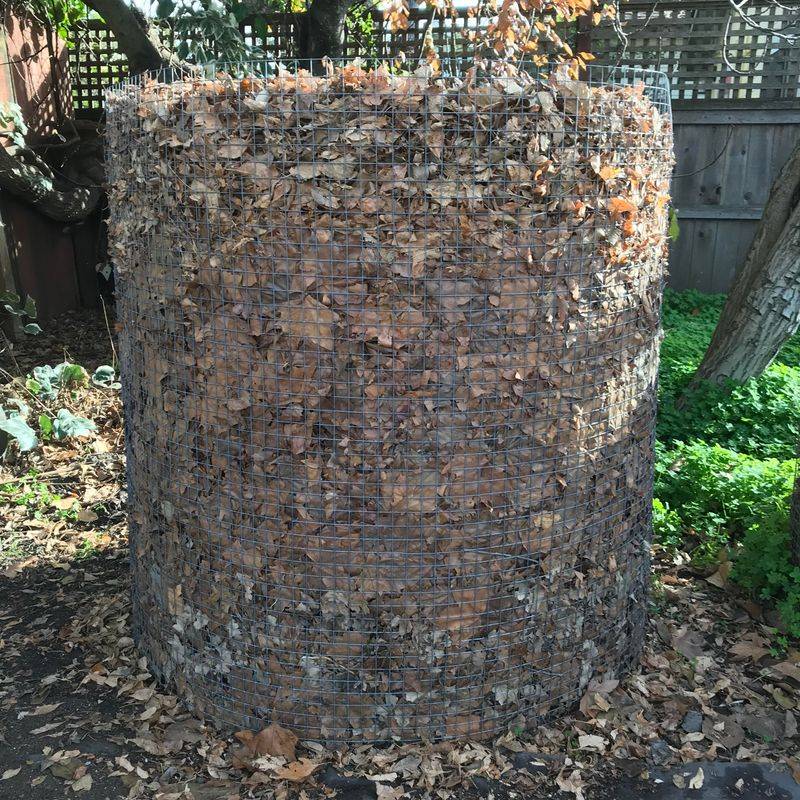
Strong plants start below the surface. Healthy soil packed with organic matter and beneficial microbes creates vegetables that are naturally more resistant to insect damage.
Plants grown in poor, compacted soil are stressed. Stressed plants release chemical signals that actually attract certain pests, essentially advertising their own weakness.
Compost is the single best investment you can make in your garden’s long-term health. A two-inch layer worked into your beds each spring transforms the entire growing season.
Worm castings are another powerful soil amendment that boosts plant immunity. Some evidence suggests plants grown with worm castings may be less appealing to spider mites and aphids.
Avoid over-fertilizing with synthetic nitrogen, which creates soft, lush growth that insects love. Balanced, organic fertilizers produce tougher plant tissue that resists feeding damage better.
Mulching your beds with straw or wood chips retains moisture and regulates soil temperature. Consistent moisture levels reduce plant stress and keep defenses strong throughout the season.
Cover crops like clover and buckwheat improve soil structure during the off-season. They also suppress weeds that can harbor overwintering pest populations near your main crops.
Think of building healthy soil as investing in your garden’s immune system. A strong foundation means less intervention and more harvests from natural pest control in Wyoming gardens.
10. Regular Monitoring Catches Problems Early
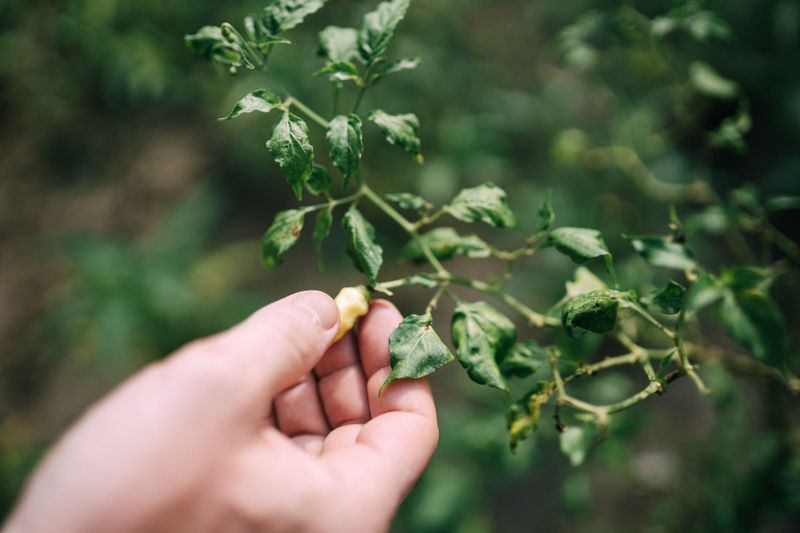
The gardener who pays attention wins every time. Catching a pest problem in its first week is far easier than dealing with a full-scale infestation three weeks later.
Set a routine of walking through your garden at the same time each day. Morning checks work well because insects are less active and easier to spot on cool leaves.
Look for telltale signs like holes in leaves, sticky residue, wilting tips, or discolored patches. Each symptom points to a specific culprit if you know what to look for.
Keep a small notebook or use your phone to photograph and log what you find. Patterns over time reveal which pests appear in which seasons and which crops they prefer.
Yellow sticky traps placed near plants catch flying insects and give you an early count of what is moving through your garden. Check them weekly and replace when full.
Share your observations with local extension offices or gardening groups. Other Wyoming growers often know exactly what pest is causing the symptoms you are seeing.
Early detection means smaller interventions. A targeted spray of neem oil or a quick handpicking session handles a minor problem before it multiplies into something overwhelming.
Consistent monitoring is the backbone of natural pest control in Wyoming vegetable gardens. Stay curious, stay attentive, and your garden will reward you with clean, abundant harvests all season.