8 Plants To Divide This August For A Stronger Wyoming Garden
Frost is already approaching, even while your perennials still act like it’s summer. Wyoming asks you to stop waiting so much longer now.
Roots crowded beneath dense soil lose strength while you wait. Dense clumps limit nutrients your struggling plants desperately need underground. Shrinking blooms are rarely just your bad luck.
They are a very clear signal your garden wants you to notice. Cooler nights are shrinking your window for real recovery fast. Division now builds your stronger roots before winter settles in fully.
Bigger, healthier blooms next year depend entirely on what you do this week. Delay reduces your color, vigor, and next season’s full impact. Every gardener across Wyoming knows your time truly matters now.
Nothing about your slow process ever rewards quiet hesitation. Momentum always matters more than your perfection ever could. Gloves on, fork ready, because now is the moment your garden needs you.
1. Hostas
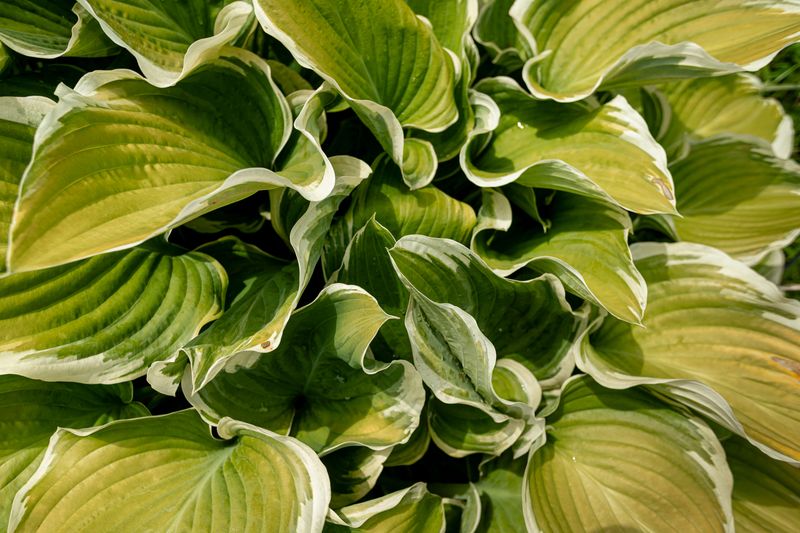
Hostas are the quiet workhorses of the shaded garden. They grow bigger every single year, and August is when you can really see how crowded they have become.
When a hosta clump starts to look overcrowded, that is your sign to act. Grab a sharp spade and push it straight down through the center of the clump.
Each division needs at least one or two healthy eyes, which are those pale nubby growth points near the base. Replant each piece at the same soil depth it was growing before.
Water each new division deeply right after planting. Hostas in Wyoming appreciate afternoon shade, especially during the warm weeks of late summer.
A divided hosta will spend the rest of August pushing new roots into fresh soil. By next June, you will not even believe how full and lush those new plants look.
One big clump can easily give you four or five new plants. That means more coverage under trees and along shady borders without spending a single dollar.
Keep the soil consistently moist for the first two weeks after dividing. A light layer of mulch helps hold that moisture in during the unpredictable late-summer weather.
Hostas are forgiving plants, so even a beginner can divide them successfully. Strong, healthy divisions now mean a bold, leafy display waiting for you next spring.
2. Peonies
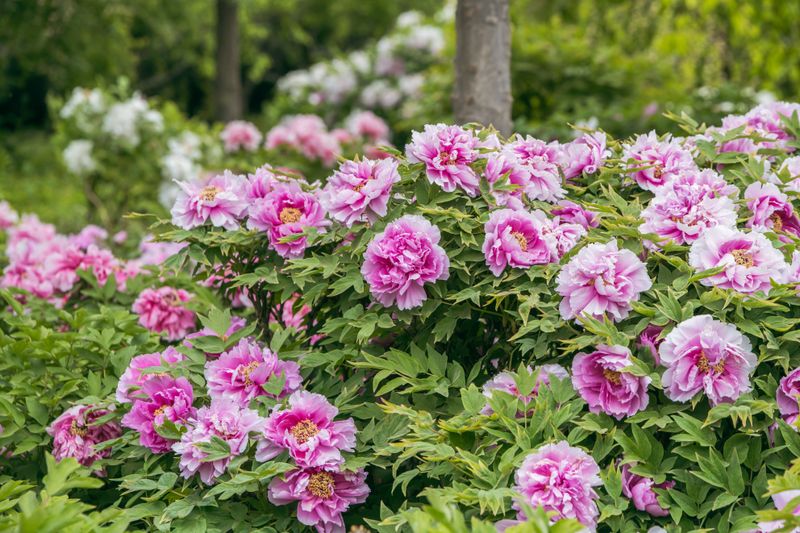
Peonies have a reputation for being fussy, but dividing them in August is actually one of the best moves you can make. These long-lived beauties can sit in one spot for decades, and eventually they just need a reset.
Wait until the foliage starts to look a little tired and the summer heat begins to ease. That is the sweet spot for lifting peony roots without stressing the plant too much.
Use a garden fork to loosen the soil all the way around the clump before lifting. Shake off the extra dirt so you can clearly see the root structure.
Each division must have three to five healthy pink or red eyes on it. Those eyes are what will become next year’s gorgeous blooms, so do not rush this step.
Plant divisions so the eyes sit no more than one to two inches below the soil surface. Planting too deep is the number one reason peonies refuse to bloom.
Wyoming gardeners should choose a spot with full sun and excellent drainage. Heavy clay soils can be amended with compost before replanting to give roots a better start.
Water new divisions well and mark their location so you do not accidentally dig them up later. Peonies are slow to show new growth, so patience is truly your best tool here.
A well-divided peony will reward you with massive, fragrant blooms for many years to come with proper care.
3. Bearded Irises
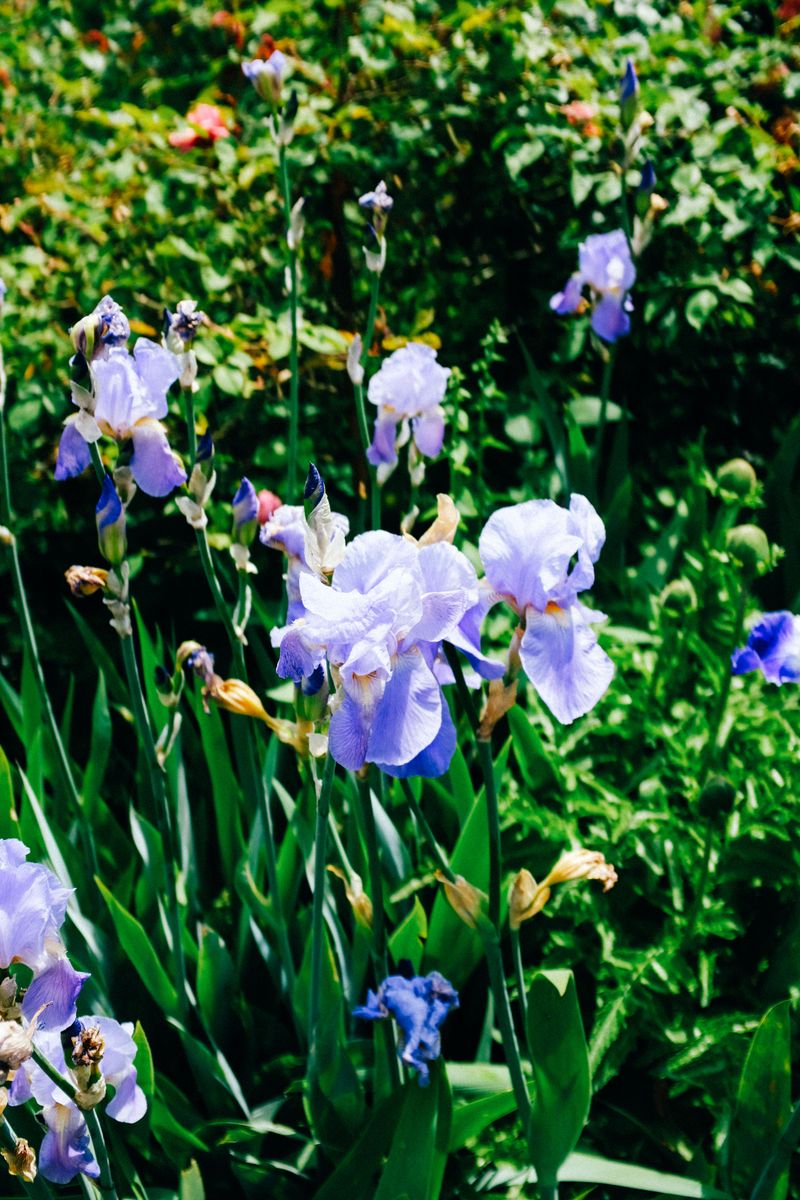
Bearded irises are dramatic, architectural plants that absolutely love being divided in late summer. If your irises bloomed poorly this year or the center of the clump looks bare and woody, division is the fix.
August timing works perfectly because irises are just finishing their summer dormancy. New root growth is about to kick in, and fresh divisions will anchor themselves quickly.
Dig up the entire clump with a spade or garden fork. You will find a tangle of flat, fleshy rhizomes that look a bit like ginger root.
Snap or cut apart the rhizomes, keeping only the firm, healthy outer sections. Toss any mushy or hollow pieces, as those will not recover and can spread rot.
Trim the fan of leaves down to about four to six inches tall. This reduces moisture loss while the plant focuses energy on making new roots.
Replant rhizomes so they sit just at the soil surface, almost like little boats floating on top. Plenty of sun helps cure the rhizome and prevents rot from developing.
Space new divisions about twelve to eighteen inches apart so air can circulate freely. Good airflow keeps the fungal diseases that plague irises in check.
Water in well after planting, then ease off to avoid soggy conditions. Come next May, those freshly divided irises will put on a bloom show that draws attention from every neighbor.
4. Daylilies
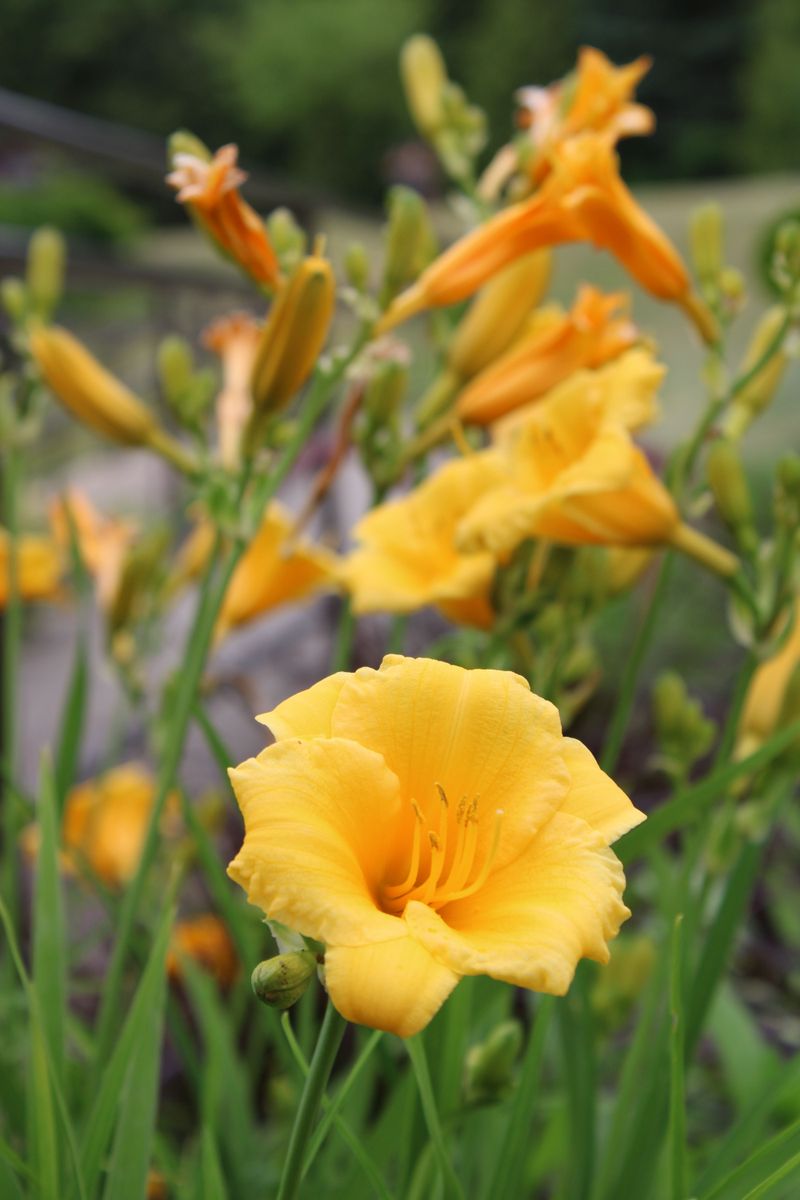
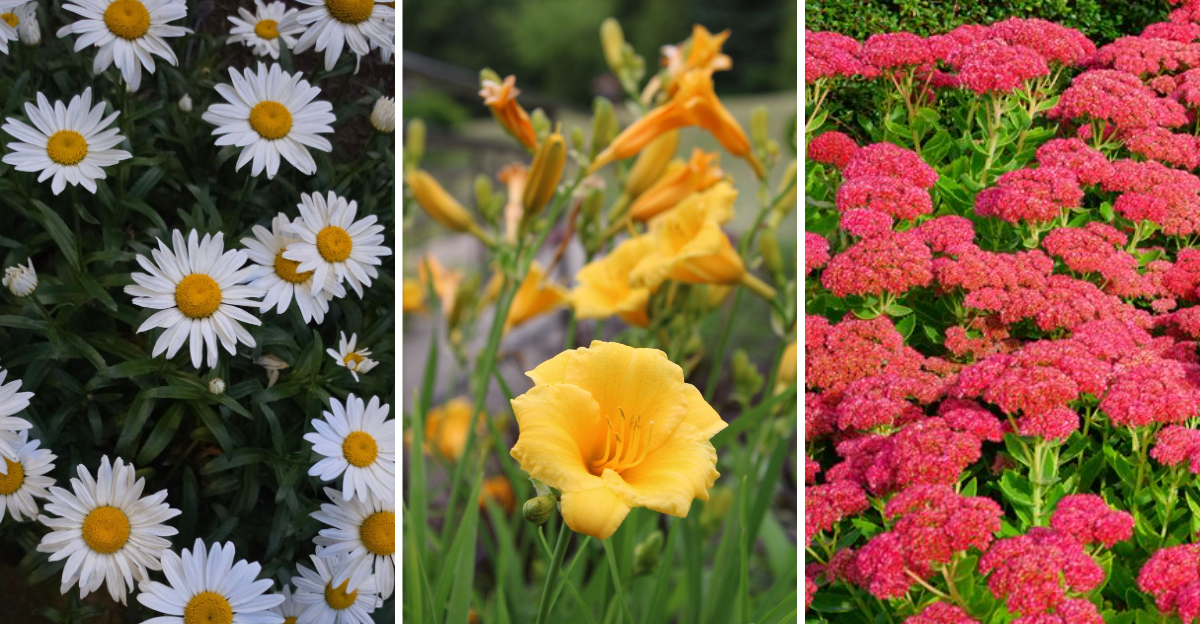
Few plants are as cheerful and tough as daylilies, and they thrive when divided regularly. A crowded clump of daylilies starts producing smaller blooms and fewer of them, which is a clear signal to act.
August division works well because the bloom season is winding down. The plant is ready to shift its energy from flowers to roots, which is exactly what you want after dividing.
Soak the ground around the clump the night before you plan to dig. Wet soil makes it much easier to pull out those dense, tangled root masses.
Use two garden forks pushed back-to-back to pry the clump apart. This method protects the roots better than hacking with a spade.
Each division only needs three to five fans of leaves to grow into a strong new plant. Smaller pieces actually establish faster than large, heavy chunks.
Replant divisions at the same depth they were originally growing. Setting them too deep can delay blooming by a full season.
Late-summer heat can be intense, so water new divisions every other day for the first two weeks. A thin layer of compost around the base helps the soil hold moisture longer.
Daylilies are incredibly adaptable and bounce back fast from division. By next July, those new clumps will be covered in blooms, making your garden look intentional and full of color.
5. Black-Eyed Susans
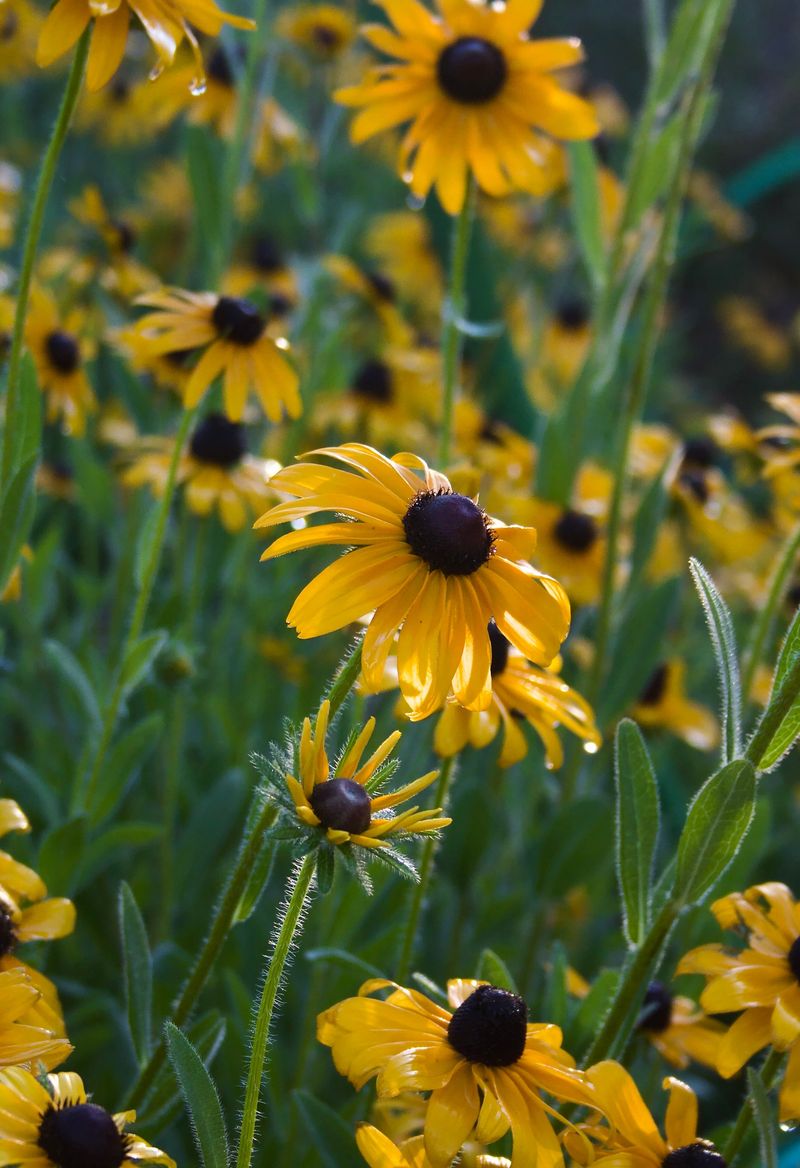
Black-eyed Susans bring that wild, golden energy to any garden, and they spread fast. After a few seasons, a single plant becomes a dense colony that starts to decline from overcrowding.
August is a great time to thin these out because the soil is still warm and workable. New divisions will have enough time to root before the ground freezes solid.
Use a sharp spade to cut straight down around the edge of the clump. Lift the whole mass and set it on the ground where you can work with it comfortably.
Pull or cut the clump into smaller sections, each with a good handful of roots attached. Smaller divisions tend to establish more quickly than oversized chunks.
Replant divisions in a sunny spot with well-drained soil, which black-eyed Susans absolutely demand. Heavy, wet soils cause root rot and will undo all your hard work.
These plants are native to North American prairies, so they are built for tough conditions. Dry summers and cold winters are no challenge for a well-established black-eyed Susan.
Water new divisions regularly for the first few weeks, then ease back as roots take hold. Once established, they are remarkably drought-tolerant and need very little extra care from you.
Dividing these plants also controls their spread, keeping your garden looking polished rather than overgrown. A tidy row of black-eyed Susans along a fence makes an attractive addition to any garden.
6. Shasta Daisies
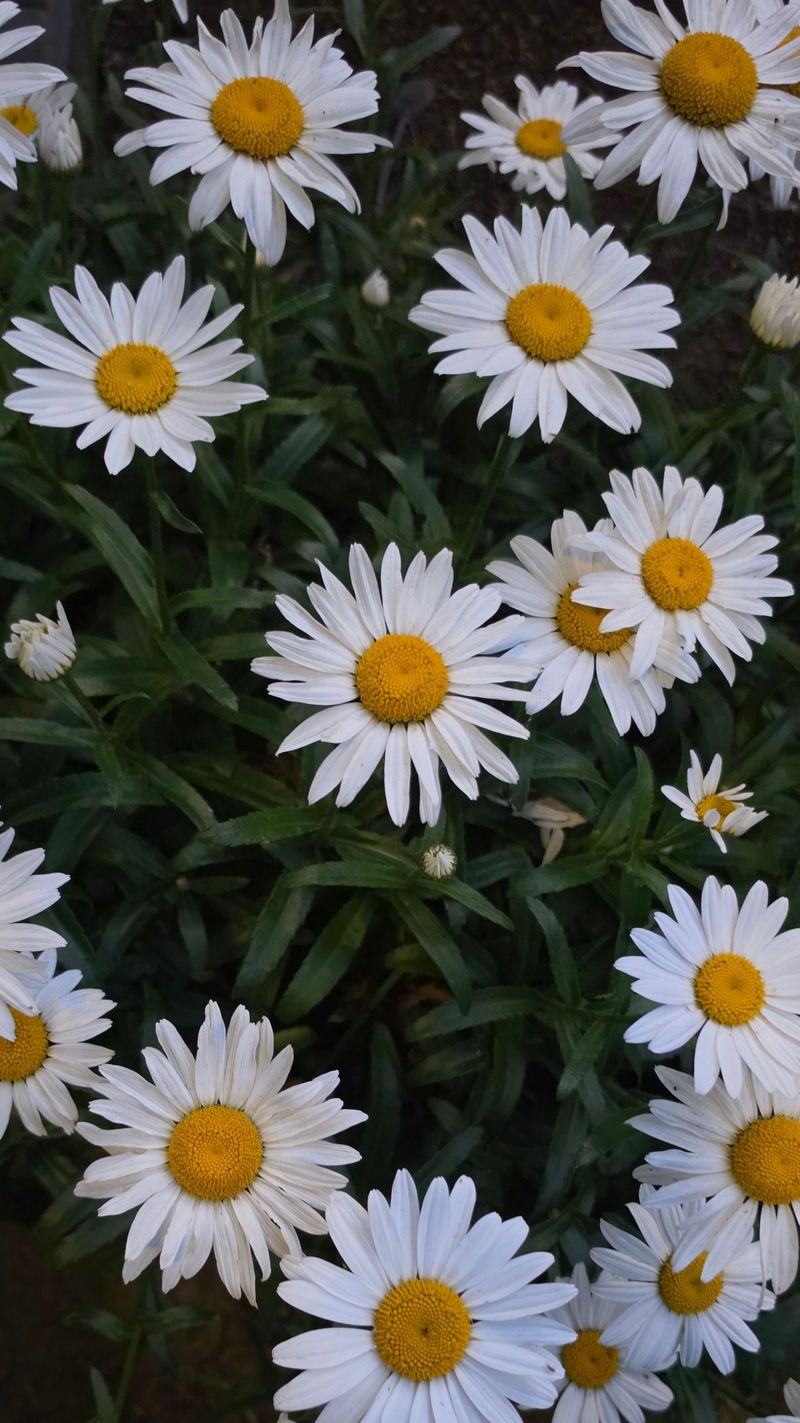
Shasta daisies look like pure summer joy, but they can get out of hand fast. Every two or three years, these plants need to be split up or they start declining from the center.
That bare or hollow center is the classic sign that division is overdue. August gives you the right conditions to dig, divide, and replant before cooler weather takes over.
Dig up the entire clump and you will find a ring of healthy growth around a spent middle section. Discard that spent center and work only with the vigorous outer growth.
Break the outer ring into smaller sections, each with a solid root system attached. Aim for pieces about the size of your fist for the best results.
Choose a sunny location with good drainage for replanting your new divisions. Shasta daisies planted in soggy soil will struggle through the winter and may not come back at all.
Space plants about eighteen inches apart to allow for good air circulation. Crowded plants are more likely to develop powdery mildew, which is a common problem in humid late-summer conditions.
Water new divisions deeply right after planting and add a light mulch layer. This simple step keeps roots cool and moist during any remaining hot August days.
Shasta daisies divided now will come back next summer with more stems, more blooms, and stronger root systems. That fresh white-and-yellow display will make your garden feel brand new.
7. Yarrow
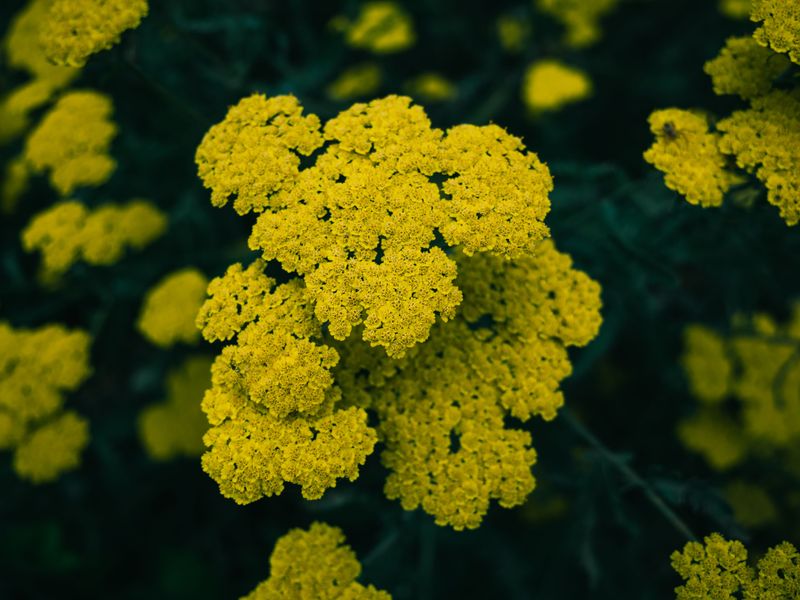
Yarrow is one of those plants that seems to thrive on neglect, but even it benefits from division every few years. Left alone too long, yarrow clumps get woody in the center and stop producing those beautiful flat-topped blooms.
August is an ideal time to tackle yarrow because the blooms are fading and the plant is shifting focus underground. That shift means new roots will develop quickly after you replant.
Dig up the clump and you will likely be surprised by how wide it has spread. Yarrow is a determined spreader, and division is a great way to manage that energy.
Use a sharp spade to cut the clump into quarters or even smaller sections. Each piece needs a healthy crown and some roots to succeed on its own.
Yarrow thrives in poor, well-drained soil, which makes it a natural fit for many high-plains gardens. Avoid adding too much compost or fertilizer, as rich soil encourages floppy, weak stems.
Plant divisions in a sunny spot and space them twelve to eighteen inches apart. Yarrow needs plenty of airflow to keep the foliage looking clean and healthy through the season.
Water new divisions well for the first week, then scale back dramatically. Overwatering is the fastest way to lose a yarrow plant, especially in heavier, poorly-drained soils.
Come next summer, those lean, tough little divisions will burst into bold color. Yarrow divided this August pays off beautifully in June.
8. Sedum
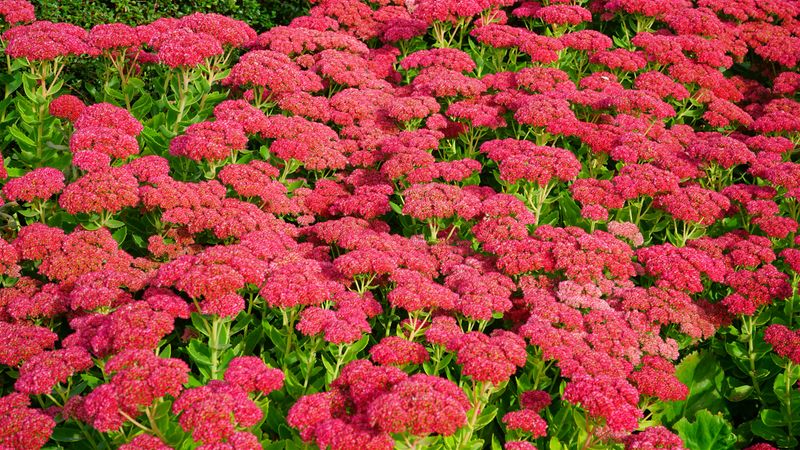
Sedum is the dependable anchor of the late-season garden, and August is prime time to divide it. The tall varieties, often called Autumn Joy, form wide clumps that flop open in the middle as they age.
That open, floppy center is a sure sign your sedum is ready for a fresh start. Dividing now gives new sections time to root before the first frost arrives.
Use a sharp spade to slice through the center of the clump cleanly. Sedum roots are sturdy but not overly deep, so this job goes faster than you might expect.
Each division needs a firm crown with a few healthy stems attached. Thin or leggy sections without a solid base will not establish well, so set those aside.
Sedum thrives in lean, rocky, well-drained soil, which is why it fits so perfectly into a low-maintenance garden. Rich, wet soil causes the stems to grow tall and weak before falling over.
Replant divisions in a sunny spot and firm the soil around the crown. Sedum does not need much help getting established, but one good deep watering after planting does make a difference.
These plants are remarkably cold-hardy once rooted, which is a huge advantage in a climate with early fall frosts. New divisions planted in August will be firmly settled before temperatures really start to drop.
By next September, those divided sedums will be covered in rosy pink blooms, making your garden feel warm and abundant right through the first chill of autumn.