Michigan Trees You May Need Permission To Remove After A Storm
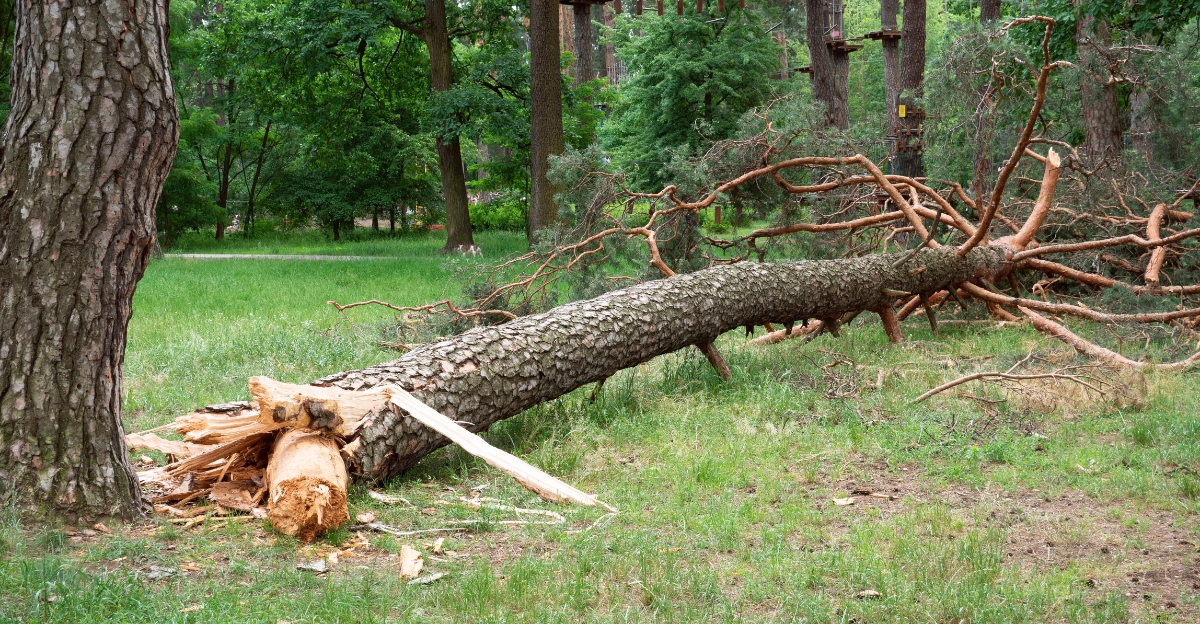
A storm-damaged tree can look like an emergency the moment a Michigan homeowner sees a split trunk, hanging crown, or fresh lean toward the house.
The legal question starts somewhere else.
Michigan does not maintain one statewide list of ordinary yard-tree species that always need a removal permit.
Local rules can instead turn on where the tree stands, how large it is, city ownership, woodland or development approval status, and what the municipality requires after storm damage.
So which familiar trees deserve an extra pause before the saw starts?
Large oaks, maples, elms, sycamores, walnuts, pines, and silver maples can all fall under local controls in the right setting, but the species name alone does not create the permit requirement.
That distinction matters after a storm.
Photograph the damage, identify the property line and right-of-way, check the local ordinance, and call the responsible city or township office before removing a tree whose legal status is unclear when safety allows you time to check before the cleanup scene changes around you.
1. Northern Red Oak
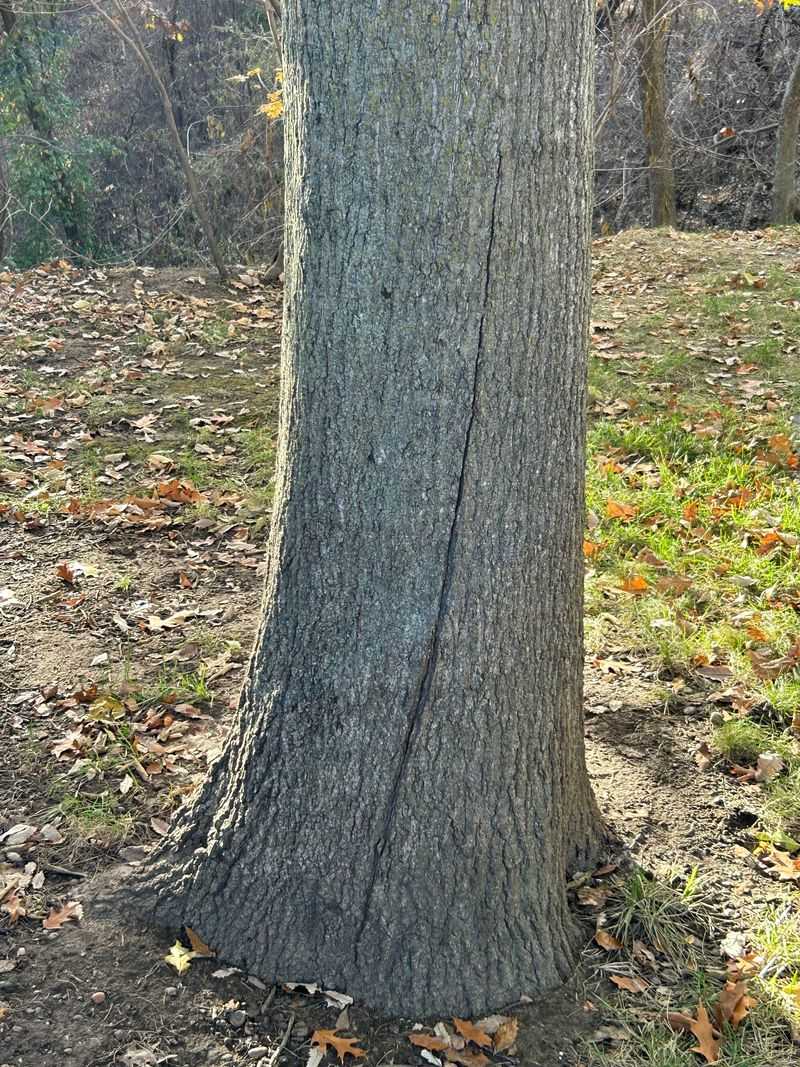
A mature northern red oak can become the kind of storm-damaged tree that looks too dangerous to leave standing for another afternoon. Its size, however, is also exactly why local rules may deserve a check before removal.
The species itself is not protected statewide simply because it is an oak. Michigan’s Department of Natural
Resources directs residents to the municipality when a tree is on municipal property, and local governments can create their own tree and woodland controls.
Ann Arbor provides a useful example of how local regulation can work. Its development rules recognize Landmark and Woodland trees in projects subject to the city’s natural-features requirements, and removal can create mitigation obligations.
The city also maintains a Landmark Tree List rather than treating every large tree identically.
A red oak on an ordinary private lot may therefore face a different process from an equally large red oak tied to a regulated development plan or woodland area.
After a storm, document the split, lean, uprooting, or major limb failure before cleanup begins. Then confirm the tree’s legal status with the local planning, forestry, or community-development office.
The oak may be the biggest thing in the yard, but the permit question is still rooted in location and local law rather than the name on the leaves.
Large mature oaks are also more likely to intersect preservation criteria based on size or woodland context.
2. Sugar Maple
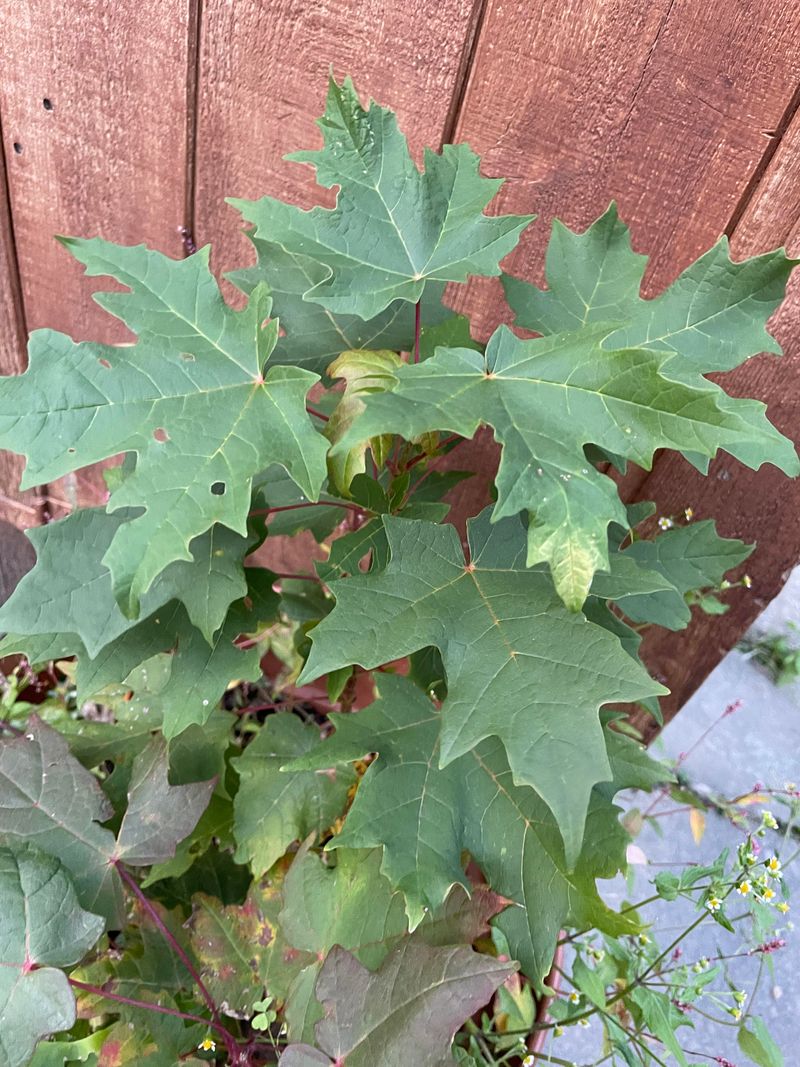
A sugar maple can lose a major scaffold limb in a thunderstorm and still leave a homeowner with more than one question to answer before removal.
The first is ownership and location.
A maple standing fully inside an ordinary private yard may be treated differently from one preserved through a site plan, natural-features approval, or other local development condition.
Ann Arbor’s current tree-and-development guidance specifically recognizes Landmark and Woodland trees within development projects and provides mitigation rules when regulated trees are removed.
That does not mean every sugar maple in Ann Arbor, or anywhere else in Michigan, needs a permit.
Your Michigan Garden Changes Every Week. Your Plan Should Too.
Gardening in Michigan changes quickly throughout the season. Every Friday you’ll receive a simple weekly plan showing exactly what to plant, prune, fertilize, harvest, and protect so you never miss the right timing.
It means a familiar species can become legally significant because of the parcel and approval history attached to it. Novi offers another current example of local woodland regulation.
In 2026, the city published hearings for woodland permits involving regulated woodland trees on single-family residential parcels, showing that private-property tree removal can require municipal approval in some Michigan communities.
Storm damage does not erase that paperwork automatically.
Take clear photographs before the trunk is reduced to rounds and chips. Save any arborist report describing structural failure, and ask the planning or zoning office about recorded site plans, woodland permits, or preservation conditions tied to the parcel.
A maple can look like a straightforward cleanup job while the property file tells a more complicated story.
Older subdivision files can matter long after the original developer has left the neighborhood.
3. American Elm
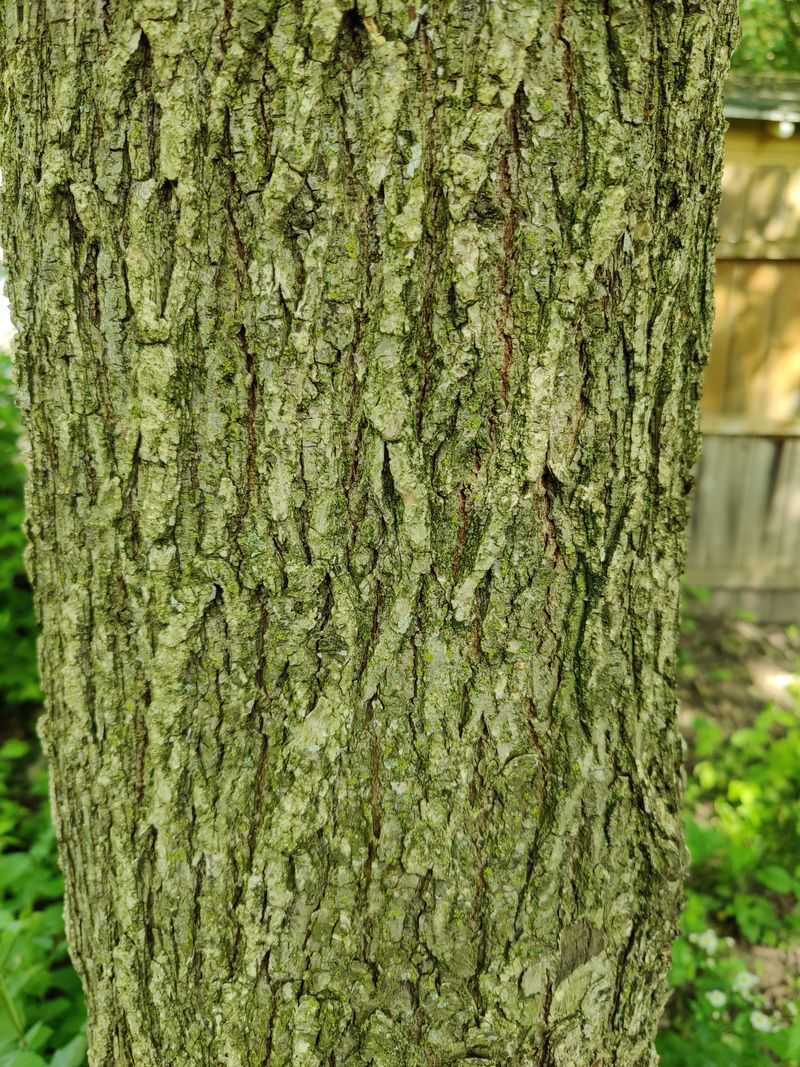
An American elm near the sidewalk can create one of the easiest post-storm ownership mistakes to make.
The trunk may appear to sit in the front yard, yet the tree can actually stand inside the public right-of-way.
Michigan’s DNR specifically tells residents to contact the municipality when a tree is on municipal property, including trees between the sidewalk and curb.
Local rules can then control what happens next.
Ann Arbor requires approval for work that affects a city-owned street tree in the right-of-way, including removal and trimming.
Its forestry guidance also says residents may hire a private tree-care company for city street-tree work only through the city’s permit process.
Grand Rapids uses a similar permit system for pruning or removing trees in the city right-of-way.
That means storm damage does not automatically transfer control of a street elm to the nearest homeowner.
Photograph the tree, locate the sidewalk and curb, and check the parcel or right-of-way information before authorizing removal.
Report an immediate public-tree hazard through the municipality’s emergency or public-works channel rather than assuming a contractor can proceed independently.
The elm may shade your porch and drop leaves on your lawn, but those everyday facts do not prove the tree is legally yours to remove.
Street-tree maps or municipal GIS records can help confirm that status before work is scheduled.
4. Sycamore
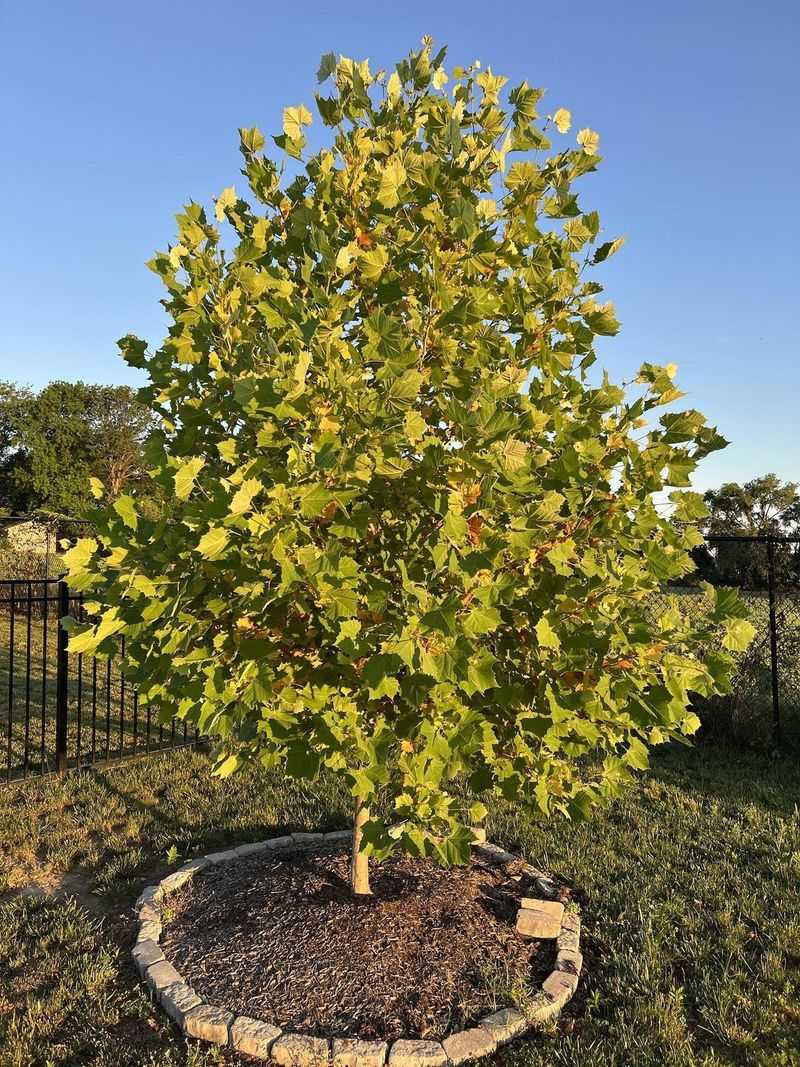
A towering sycamore beside a road can shed an enormous limb during a Michigan storm, and the cleanup can look like a private-yard problem even when the tree is publicly controlled.
Right-of-way boundaries are the key.
The Michigan DNR notes that trees on municipal property, including the strip between sidewalk and curb, should be handled through the city, village, township, or county.
Ann Arbor likewise describes the right-of-way as the lawn extension along public roads, and its street-tree permit rules cover removal, trimming, and other work on city-owned trees there.
A street tree can also carry financial consequences when unauthorized work occurs.
Ann Arbor currently applies a canopy-loss fee to projects removing city-owned street or park trees, calculated from tree size and replacement planting.
That is a strong reason to report rather than self-authorize.
Photograph the storm damage from a safe distance and note fallen limbs, traffic obstruction, sidewalk blockage, or contact with structures.
For city trees, use the municipality’s reporting system or emergency number. Ann Arbor, for example, directs residents to its forestry reporting channels and gives separate instructions for emergency tree problems.
A sycamore can stand only a few feet from your mailbox and still belong to the public side of the property line.
Measure the boundary before measuring the chainsaw bar.
That check matters especially on older streets where right-of-way lines are not visually obvious.
5. Black Walnut
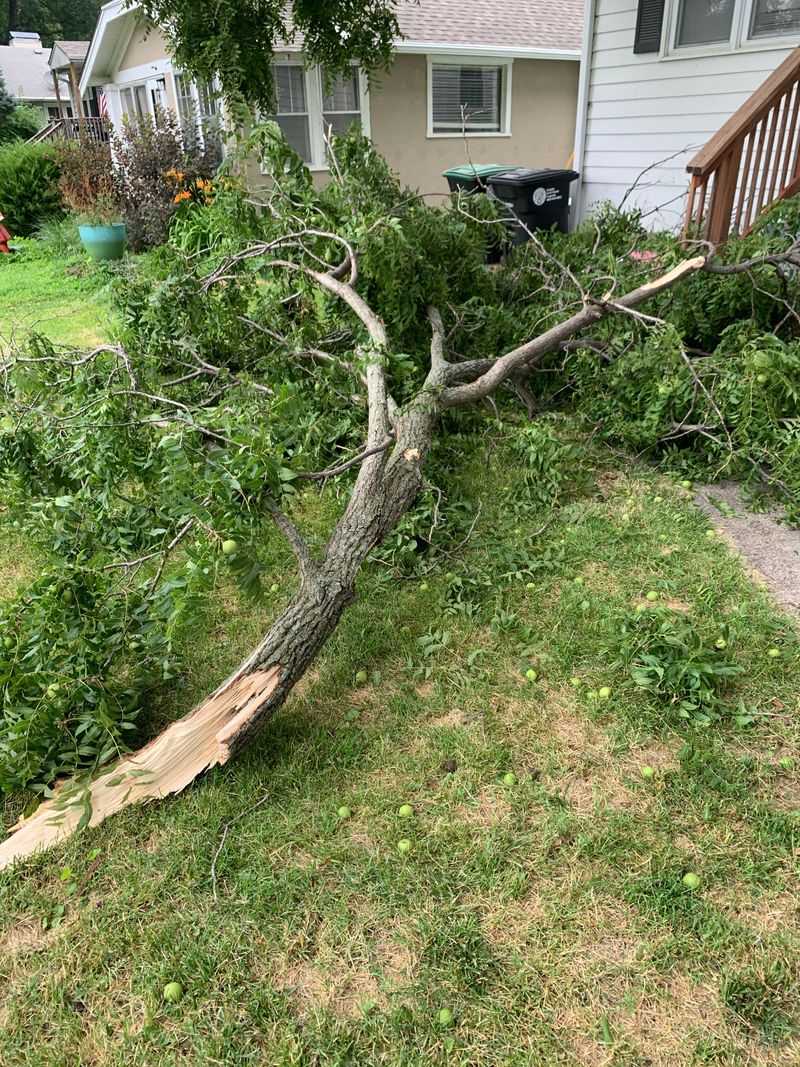
A black walnut can be completely inside a private yard and still fall under local tree rules in the right Michigan community.
Novi is a current example.
The city published multiple 2026 notices for woodland permits involving regulated woodland trees on single-family residential parcels, including proposals to remove trees for additions and fences.
Those notices show that private ownership does not always eliminate municipal review when a parcel contains regulated woodland trees.
The species name still is not the legal trigger by itself.
A black walnut in one neighborhood may have no special local removal process, while another on a parcel governed by a woodland ordinance or approved development plan may require permission, mitigation, or replacement.
Storm damage adds urgency but not certainty.
Before the trunk disappears into a chipper, photograph major splits, root movement, broken leaders, and the tree’s relationship to buildings and property lines.
A written assessment from a qualified arborist can also help document why removal became necessary.
Then call the local planning or community-development office and ask about woodland regulations tied to the parcel.
This is especially important on wooded lots, newer developments, and properties with prior site-plan approvals.
The walnut may have grown there long before the subdivision around it. The paperwork that matters, though, may be much newer than the tree.
A contractor’s willingness to cut is not proof that local approval has been satisfied.
6. Eastern White Pine
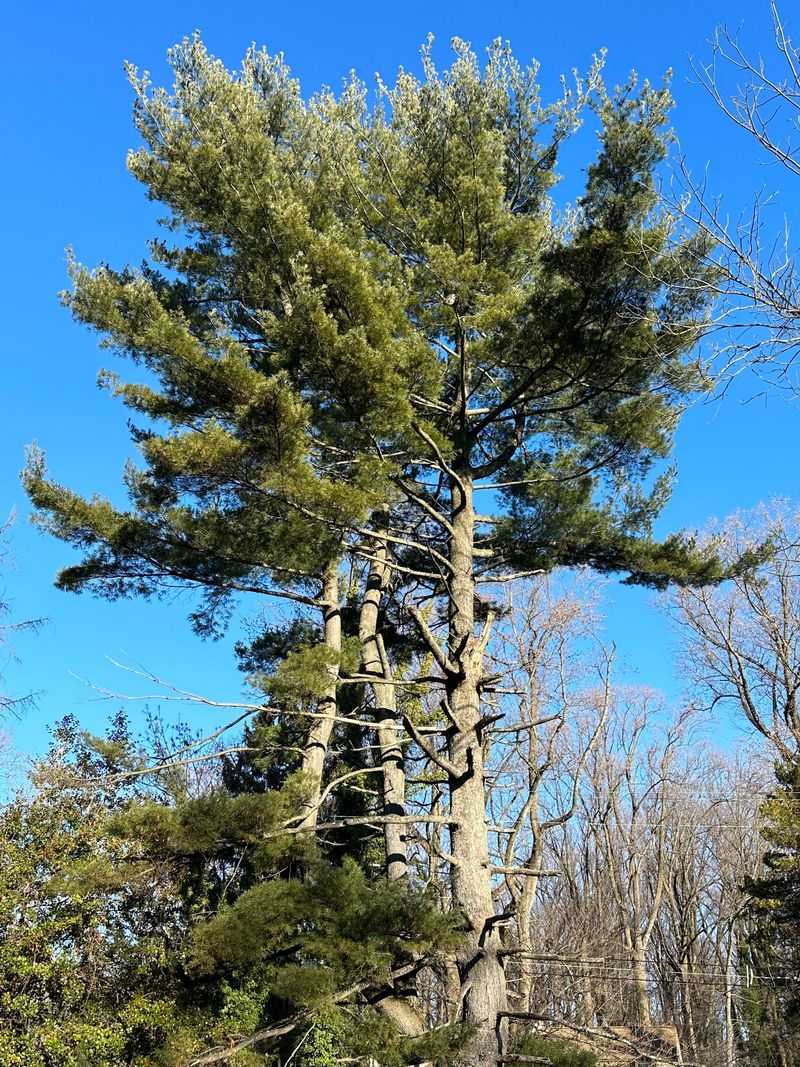
An eastern white pine beside a road or utility corridor can create a second layer of storm cleanup rules because the tree may involve more than the homeowner and municipality.
Michigan’s DNR advises residents to contact electric utilities when damaged or overgrown trees threaten lines or equipment.
Its March 2026 storm guidance also warns people to stay far away from trees or branches that are touching, or may be touching, power lines and to contact the utility instead.
State-highway frontage adds another possibility.
MDOT requires permits for trimming or removing trees and other vegetation within certain state highway rights-of-way.
That rule is about location, not white pines specifically, and it can apply even when the adjacent landowner feels responsible for the roadside edge.
Storm damage near wires or a highway should therefore start with distance and reporting, not a ladder.
Take photographs only from a safe location. Identify the road authority and utility involved, then let those agencies explain what work belongs to them and what requires a contractor or permit.
A private white pine well away from roads, wires, and regulated development may be a much simpler removal.
The same species planted ten feet away can fall into a completely different legal and safety situation.
Location changes the answer long before the saw touches wood.
That extra phone call is much easier than sorting out unauthorized roadside work afterward.
7. Silver Maple
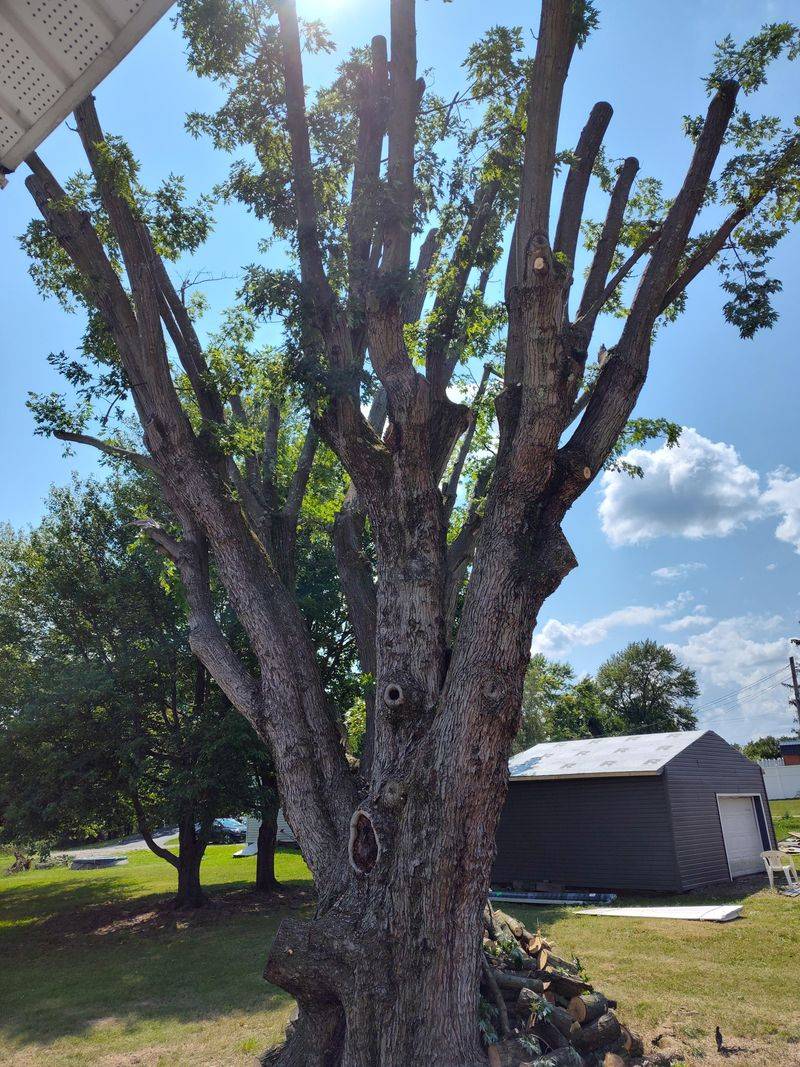
Silver maples can lose large limbs in wind and ice, which makes them a useful example of the difference between an urgent hazard and an automatic permission slip.
Michigan does not publish one statewide storm rule that gives every homeowner blanket authority to remove any damaged municipal or locally regulated tree.
Local procedures still matter.
Ann Arbor’s forestry department tells residents to report nonemergency public-tree problems through its reporting system and directs emergency tree issues to city customer service during business hours or 911 after hours.
After the April 2026 tornado, the city again told residents to report fallen public trees while handling debris from private-property trees through ordinary cleanup channels.
That illustrates the distinction clearly.
A silver maple standing on private property and threatening a structure may call for immediate professional assessment. A silver maple in the lawn extension may belong in the city’s response system instead.
Photograph the condition before work begins whenever safety allows.
Capture the split, lean, root plate, broken canopy, nearby wires, structures, and right-of-way position. Then contact the relevant municipal office and a qualified tree professional for the next step.
The storm may make the tree dangerous overnight.
It does not necessarily change who owns it or which local rules control its removal the next morning.
The safer assumption is that storm urgency changes timing, not ownership.