Blue-Tailed Lizards Are On The Rise In Illinois Gardens This Summer
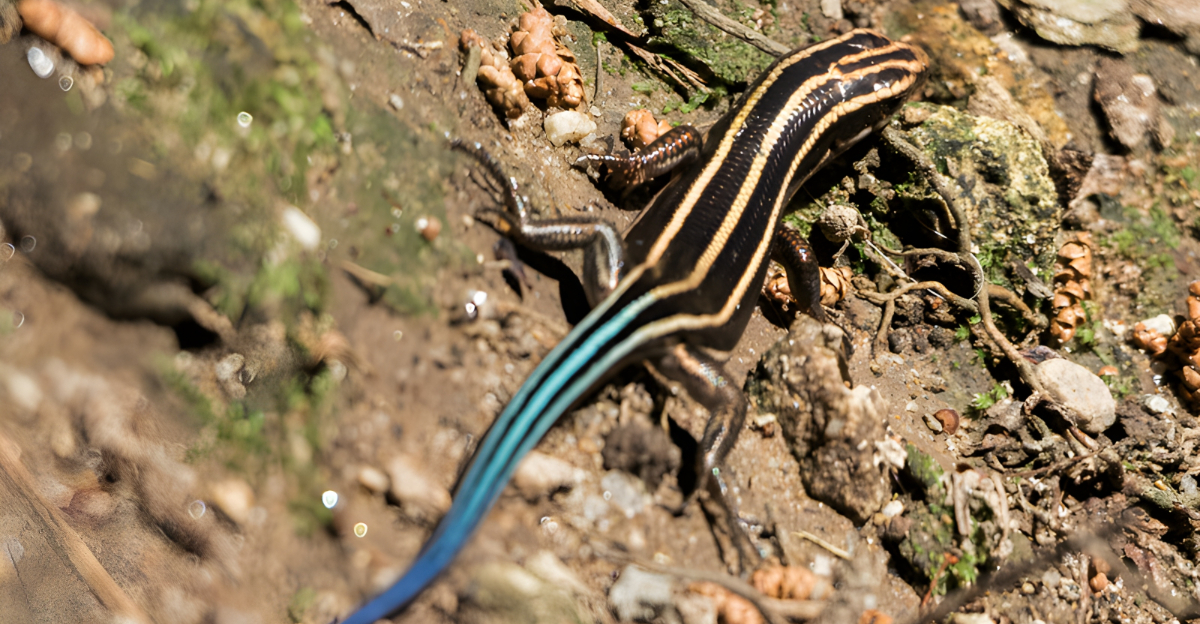
Blue streaks catch your eye near the tomato stakes. Illinois yards are hosting a guest you probably didn’t invite.
Gardeners keep freezing mid-task, prompted to curiosity by a streak of color. That electric tail is not a trick of the light.
Blue-tailed lizards are turning up across Illinois faster than you’d expect. Scientists point to warmer springs as a likely factor in the season’s higher sightings.
Your garden offers exactly what these reptiles crave right now. Woodpiles and flower beds have become prime real estate.
Neighbors are comparing notes, and you might be next. Nobody expected you to become part of this story.
Curiosity turns to concern the moment claws touch your skin. Fear fades fast once you learn what these creatures actually do.
Understanding beats panic every time surprises land in your space. Local experts confirm what you’re seeing is consistent with the season’s trend. You will never look at your quiet garden the same way again.
The Five-Lined Skink Is Turning Up In Illinois Yards
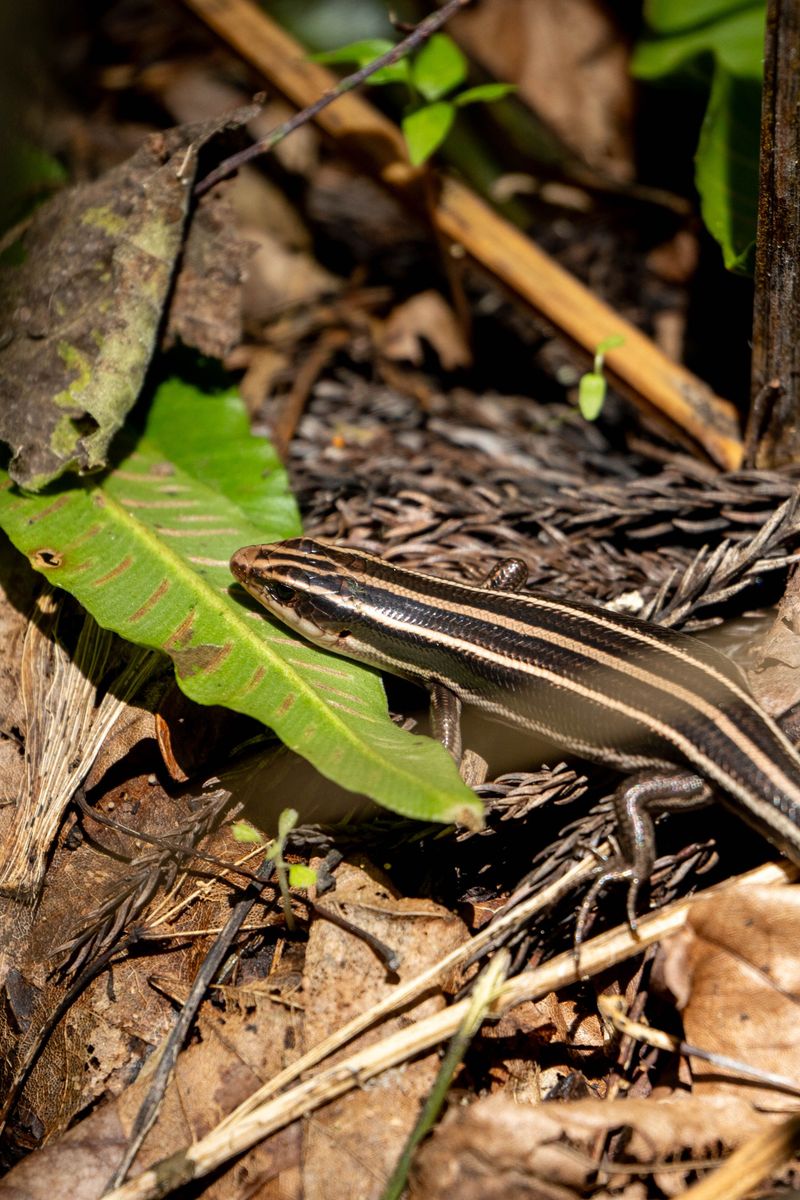
Chances are, that flashy little reptile in your garden is a five-lined skink. Blue-tailed lizards across Illinois are almost always this exact species.
The five-lined skink is one of the most common lizards in the eastern United States. Young skinks have five bold yellow stripes running down their dark brown or black bodies.
That electric blue tail is the real showstopper. It catches light in a way that seems almost unreal for a backyard creature.
Adult skinks can grow up to eight inches long, including the tail. They move fast, so most people only catch a quick glimpse before the lizard vanishes under a rock or log.
Skinks are cold-blooded, which means they rely on the sun to warm their bodies. You will often spot them basking on flat stones, wooden fences, or garden borders on warm mornings.
These reptiles are native to Illinois and have lived here for a very long time. They are not invasive, and they are not dangerous to your plants, pets, or family.
Seeing one near your flower bed can be a good sign for your garden’s ecosystem. A yard that supports skinks usually has good moisture, shelter, and plenty of insect activity.
Many gardeners are surprised to learn that these lizards have been native neighbors all along. The increase in sightings this summer does not mean they suddenly appeared. It likely means more people are paying attention to what is already living around them.
That Bright Blue Tail Fades With Age
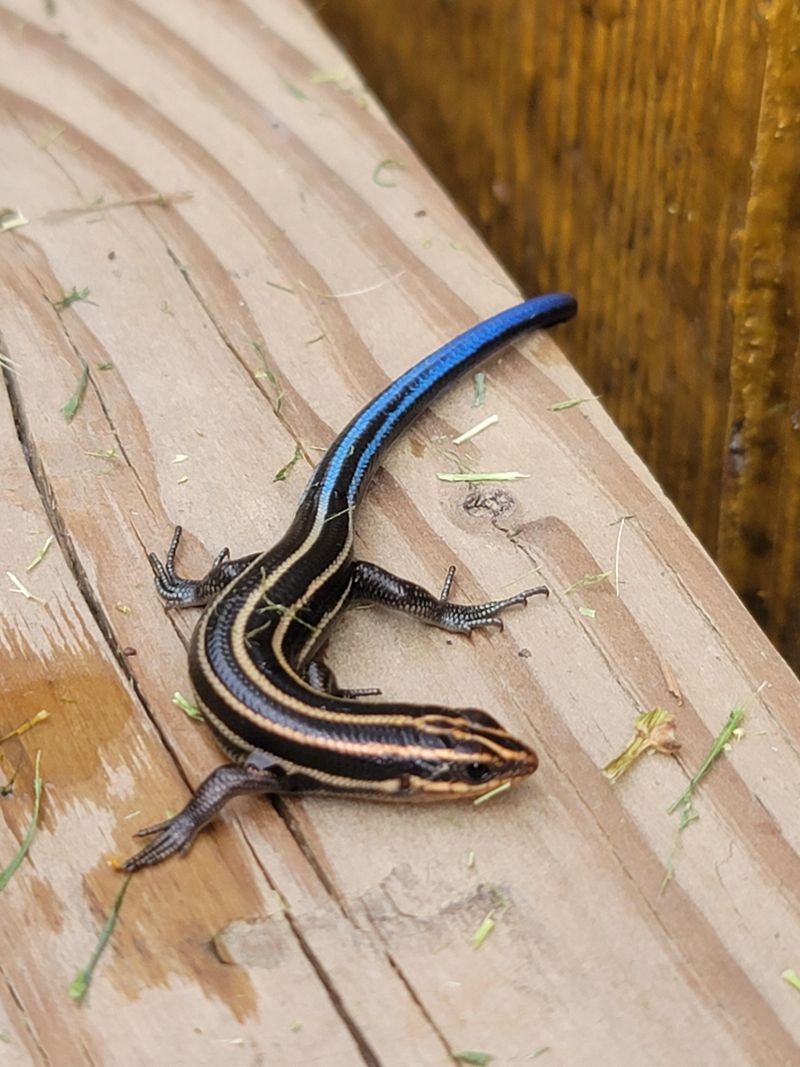
That striking blue tail is not permanent. It is an effective survival adaptation, and it belongs only to the young.
Juvenile five-lined skinks sport that brilliant turquoise-blue tail as a survival tool. When a predator grabs the tail, it snaps off and keeps wiggling while the skink escapes.
The bright color draws attention away from the lizard’s body. A hawk or a cat is far more likely to lunge at something that bright and moving.
Your Illinois Garden Changes Every Week. Your Plan Should Too.
Gardening in Illinois changes quickly throughout the season. Every Friday you’ll receive a simple weekly plan showing exactly what to plant, prune, fertilize, harvest, and protect so you never miss the right timing.
As skinks mature, that vivid blue slowly fades. By adulthood, the tail shifts to a dull gray or brownish tone that blends into the environment.
The stripes also become less defined as the lizard ages. Adult males often develop a reddish-orange tint on their heads, especially during mating season in late spring.
Tail regrowth is possible after a skink loses one. The replacement tail is made of cartilage instead of bone, and it usually comes back slightly shorter and duller in color.
This process is called autotomy, and it has helped skinks survive for millions of years. Seeing a skink with a slightly stubby or off-color tail means it likely had a close encounter with a predator.
Kids especially love learning about this tail trick. Knowing the science behind that blue color makes backyard wildlife feel like something out of a nature documentary. The lizard you spotted may be protecting itself in ways you never expected.
Why Sightings Seem To Be Increasing This Summer
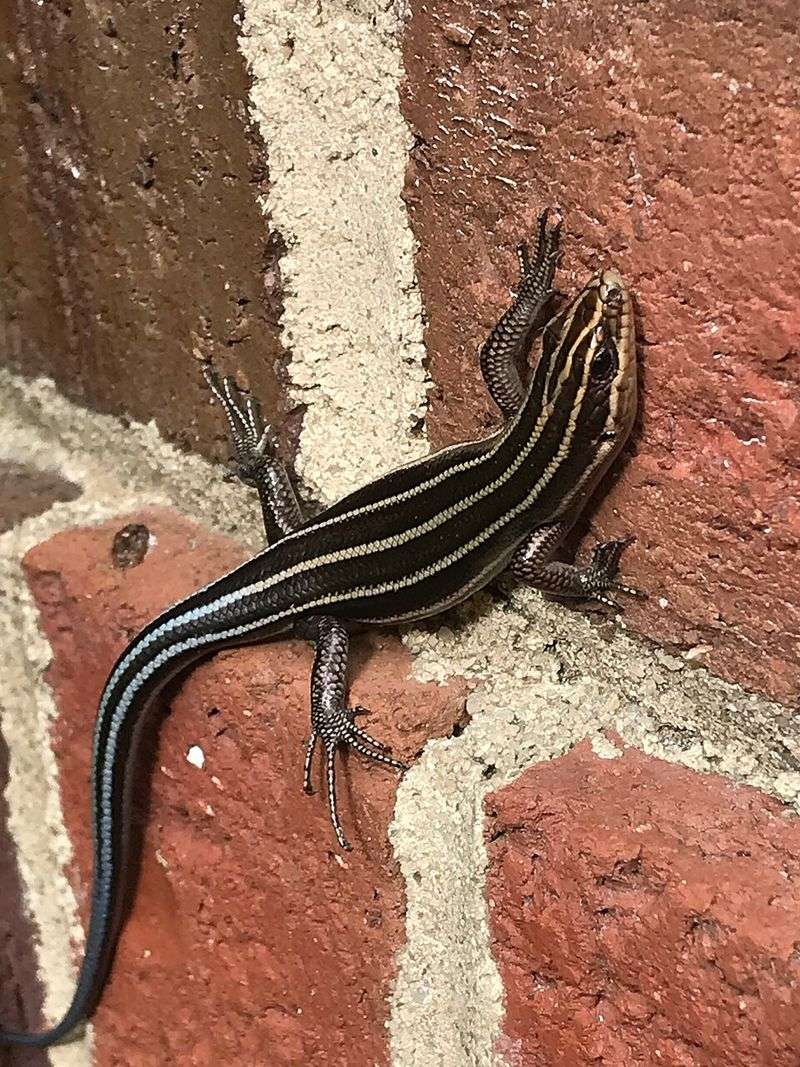
Walk outside on a warm July morning and you may spot more skinks than ever before. There are a few solid reasons why blue-tailed lizards are appearing more frequently this season.
Illinois summers have generally trended warmer in recent years, a pattern widely tracked by regional climate data. Warm weather speeds up skink metabolism and encourages them to move around more, making them easier to spot.
More activity means more sightings, even if the total population itself may not have changed dramatically. A lizard that stays hidden in cool weather becomes bold and visible when temperatures climb.
Insect populations have also surged this summer after a wet spring. More bugs mean more food for skinks, which supports healthier populations and more active foraging behavior.
Urban and suburban gardens have also become more wildlife-friendly in recent years. Gardeners are planting native species, reducing pesticide use, and adding features like rock piles and water sources.
Those changes create ideal conditions for skinks to move in and stay. A yard with native ground cover and fewer chemicals is a highly suitable habitat for a small reptile.
Social media has also played a role in the apparent spike. When one person posts a photo of a blue-tailed skink, neighbors start looking for their own. Suddenly everyone is noticing what was always there.
Anecdotal reports on citizen science apps like iNaturalist suggest more skink observations may be getting logged this summer, though no official count confirms the scale of the increase.
It is difficult to say whether this reflects more skinks or simply more people noticing them, but the attention itself is real. More eyes on nature means more discoveries.
Gardens And Woodpiles Offer Ideal Hiding Spots
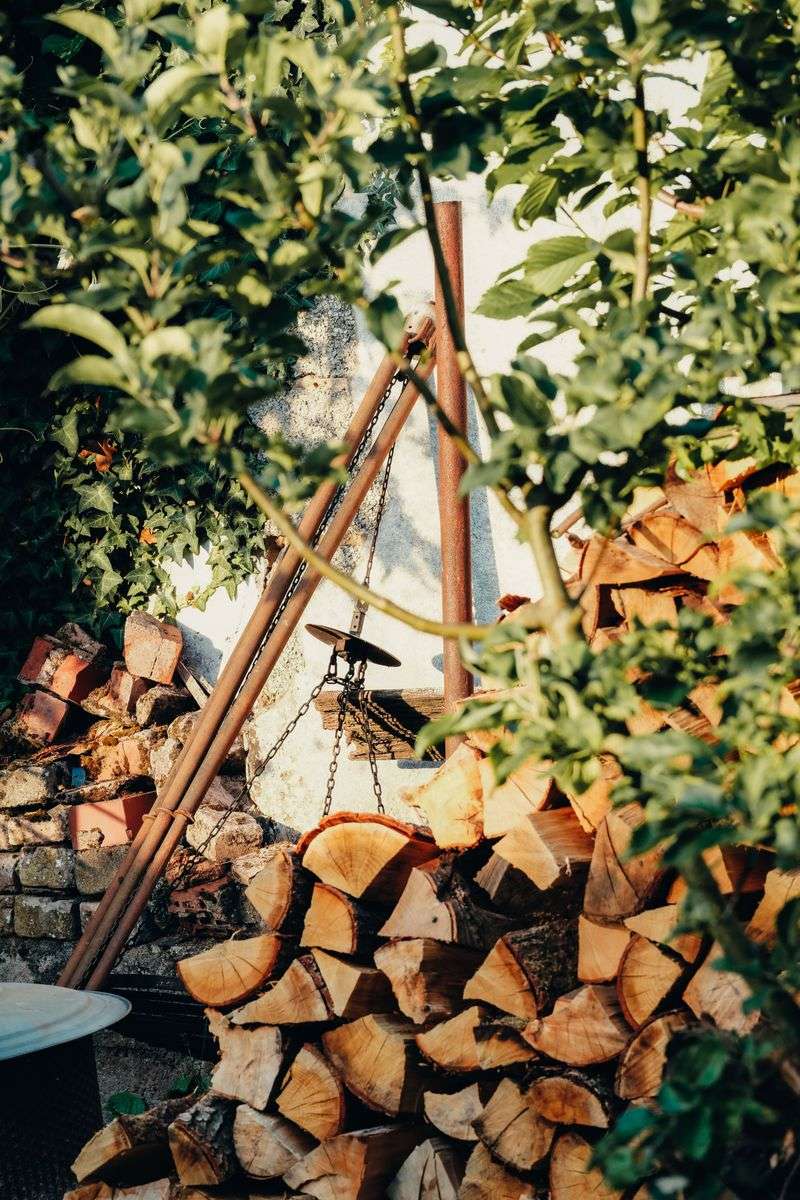
Skinks are not randomly wandering into your yard. They are choosing it for very specific reasons, and your garden might be the perfect match.
Five-lined skinks love areas with loose soil, leaf litter, and plenty of cover. A well-mulched flower bed checks every box on their ideal habitat list.
Woodpiles are especially popular. The gaps between logs create sheltered tunnels that stay cool during the day and trap warmth at night.
Flat stones and pavers are another magnet for these lizards. They bask on the surface in the morning and slip underneath when temperatures get too intense.
Dense ground cover plants like hostas, creeping phlox, and ornamental grasses give skinks the shelter they need to feel safe. A yard with open, bare soil is far less appealing to them.
Compost bins and brush piles attract insects, which in turn attract skinks. If your yard has a consistent food source, a resident skink will likely stick around all season.
Moisture matters too. Skinks prefer environments that stay somewhat humid, so shaded garden beds near a downspout or garden hose area are prime real estate.
You do not need to do anything special to welcome them. Simply maintaining a garden with natural materials and avoiding heavy pesticide use creates a habitat where skinks thrive.
The more natural your yard feels, the more likely these colorful little neighbors will settle in for the whole summer season.
Harmless To Humans, Helpful For Pest Control
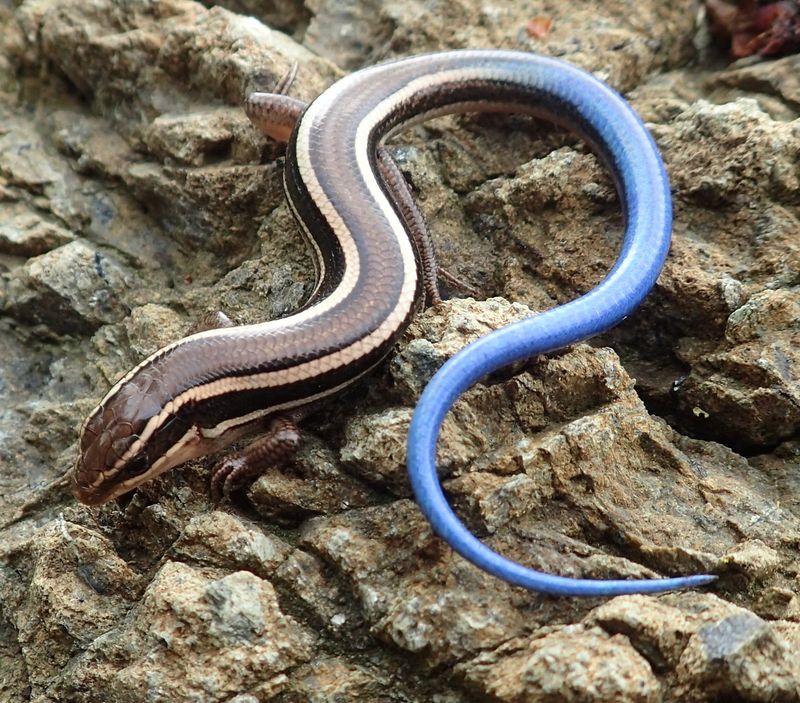
There’s no need for concern if you spot one. These lizards are completely harmless to people, pets, and gardens.
Five-lined skinks do not bite unless handled roughly and persistently. Even then, a bite from one is no more serious than a minor scratch.
They are not venomous in any way. No toxins, no venom, no threat to your dog sniffing around the garden beds.
What they do offer is free pest control, and that is genuinely useful. Skinks eat crickets, grasshoppers, beetles, caterpillars, and a wide range of soft-bodied insects.
A single skink can consume a surprising number of pests in one day. That is fewer insects chewing through your garden without a single drop of pesticide.
Gardeners who embrace skinks often notice a reduction in certain pest populations over the course of a season. It is a natural, low-effort form of integrated pest management.
Some skinks will also eat small spiders and slugs. If slugs have been a persistent problem in your beds, a resident skink is a welcome ally.
Outdoor cats are among the most common predators of skinks. If you have an outdoor cat, it may occasionally catch one, but skinks are fast and usually escape.
Thinking of these lizards as garden helpers rather than intruders changes everything. Once you see them as part of your backyard ecosystem, their presence feels like a bonus rather than a surprise. They earn their spot.
What To Do If You Spot One
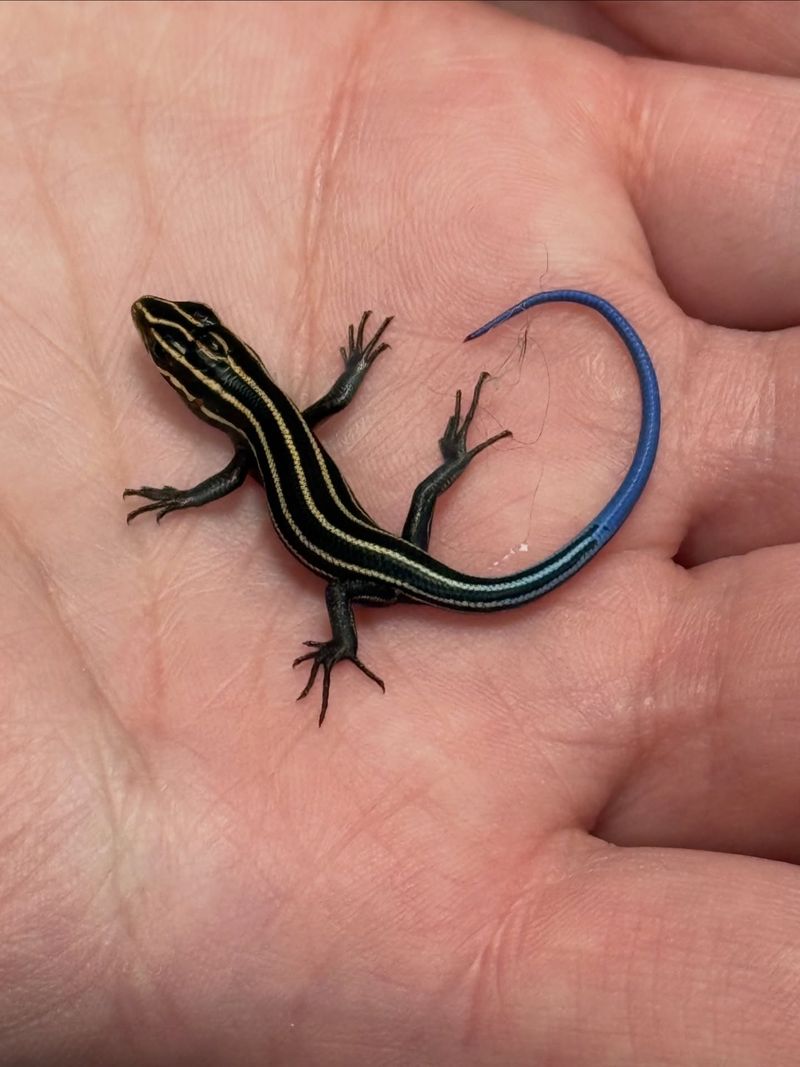
You just saw a flash of blue dart under your raised bed. Now what? The best move is simpler than you think. Leave it alone. Skinks are wild animals that do not need human help to survive in a garden environment.
Resist the urge to catch it, even if you are curious or want to show your kids. Handling causes stress for the lizard and may cause it to drop its tail defensively.
If a skink ends up inside your home, stay calm. Gently guide it toward an open door using a piece of cardboard or a broom held flat against the floor.
Do not use chemicals to chase it out. A skink indoors is just confused, not dangerous, and it will leave on its own if given a clear exit path.
Take a photo if you want to remember the moment. Submitting it to iNaturalist or a local nature group helps track blue-tailed lizard populations across the region.
If you want to encourage more skinks in your yard, add a flat stone or two near a shaded garden bed. A small brush pile in a corner also creates a favorable habitat feature.
Avoid using broad-spectrum pesticides near areas where you have spotted them. Chemicals reduce the insect food supply and can harm skinks directly through contact or ingestion.
Blue-tailed lizards suggest your garden supports healthy insect and plant life. Welcoming them means choosing a more natural approach to the backyard ecosystem you have already built this summer.