Plant This Native Maryland Species And Watch For Luna Moths This Summer
Green wings do not choose your porch light by accident. You already witnessed something most neighbors completely overlook.
Luna moths depend entirely on one specific tree you might already own. That tree hides in plain sight across countless Maryland yards.
Maryland happens to sit inside prime luna moth territory. Few states offer you this exact natural advantage right now.
Backyards near you are quietly becoming launch points for wings. Nobody warned you how fast this transformation actually happens.
Yet you alone hold the power to start it tonight. Choosing the wrong tree means you miss the entire season.
Timing alone decides whether you witness wings or only silence. Understanding this connection shifts how you view every tree nearby.
Ordinary yards become extraordinary the moment you commit fully. Ignoring this opportunity means you miss a distinctive natural experience.
What unfolds in your yard next depends entirely on a tree whose identity you are about to discover.
Why Sweetgum Belongs In Every Maryland Backyard
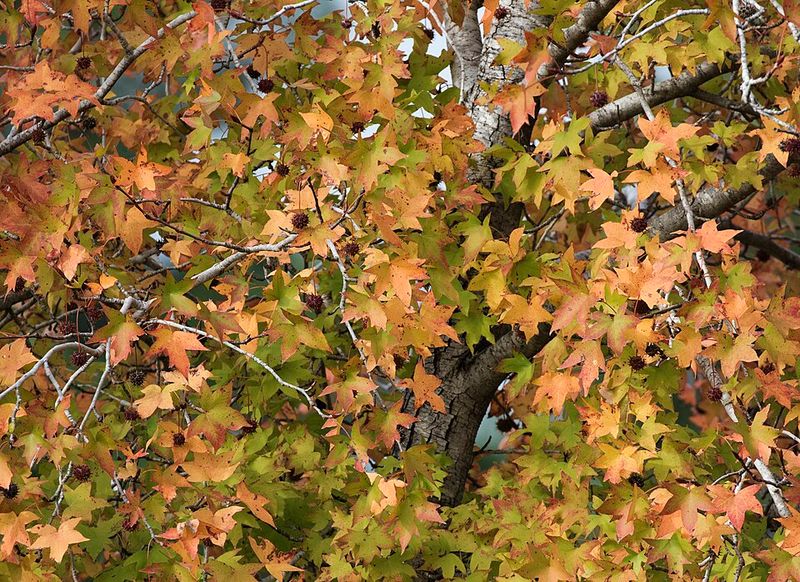
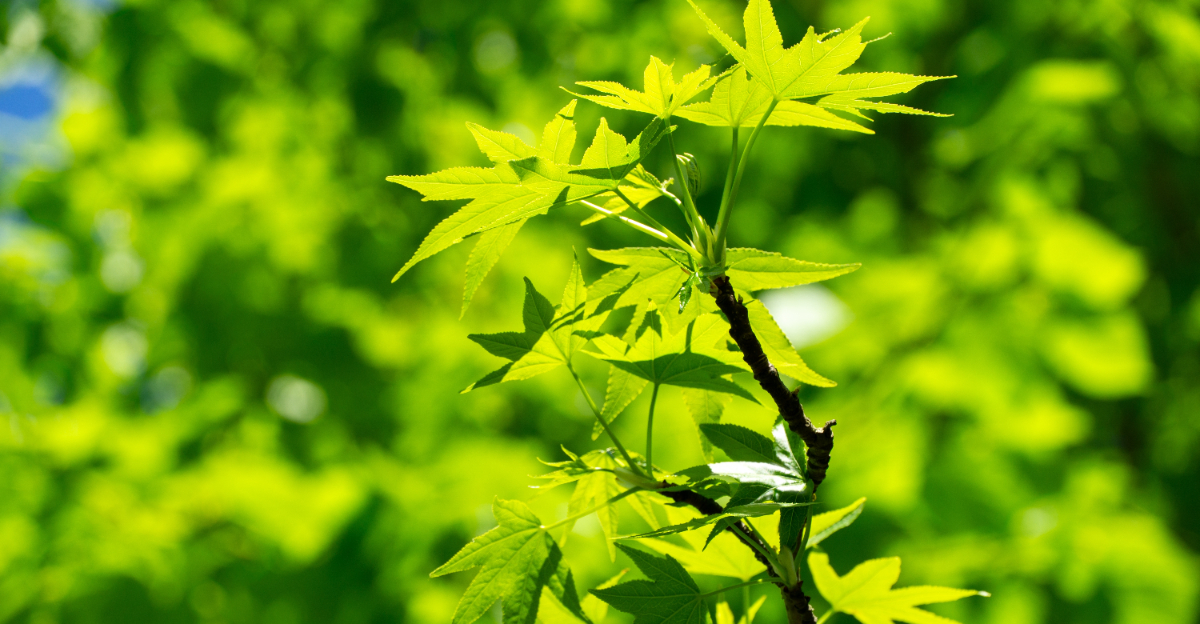
Sweetgum is a powerhouse native tree. It grows naturally across Maryland and thrives in the region’s climate without much fuss.
Luna moths depend on native trees like sweetgum for laying their eggs. No host tree means no caterpillars, and no caterpillars means no glowing green moths on summer nights.
Sweetgum supports more than 30 species of moths and butterflies, according to several wildlife agencies. That number puts it among the notable native trees for wildlife in the eastern United States.
Planting one sweetgum tree can quietly transform your yard into a habitat hub. Birds, insects, and pollinators all notice the difference fast.
Native trees also ask very little from you once established. Sweetgum handles drought, wet soil, and full sun with quiet confidence.
Many gardeners overlook sweetgum because of its spiky seed balls. Those balls are actually food for goldfinches and other small songbirds through winter.
Choosing native plants is one of the smartest moves a homeowner can make. Your yard becomes part of a larger ecological web that helps the whole neighborhood.
Sweetgum grows quickly compared to many native hardwoods. With consistent growth, your tree could reach a height that attracts luna moths within several years.
Think of sweetgum as a living invitation sent to every moth, bird, and butterfly nearby. Once you plant it, minimal care keeps it thriving for years to come.
One Tree, Countless Luna Moth Caterpillars
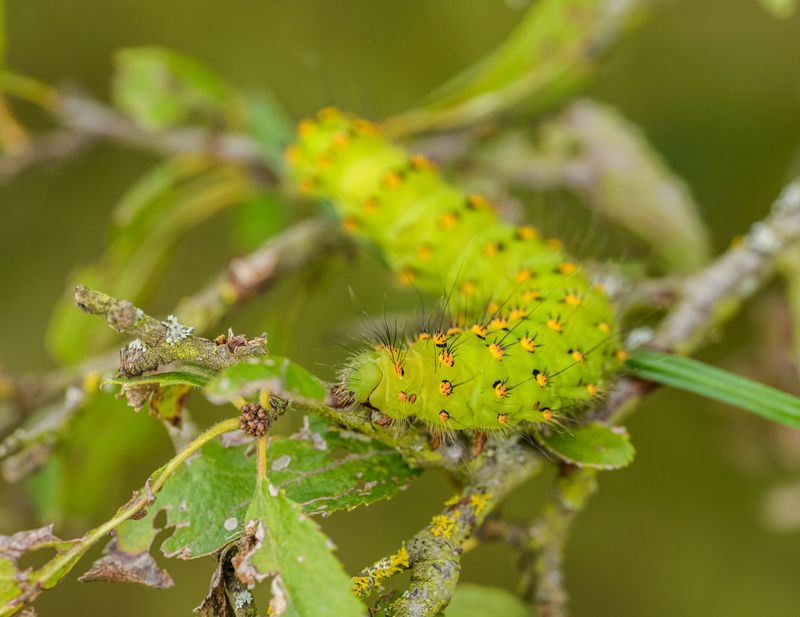
Luna moth caterpillars are shockingly beautiful. They are plump, bright green, and covered in tiny yellow dots that almost glow in sunlight.
Sweetgum leaves are a top food source for these caterpillars. Female luna moths actively seek out sweetgum when choosing where to lay their eggs in late spring.
A single female can lay between 200 and 400 eggs over several nights. If your sweetgum is nearby, it becomes a prime target for egg-laying activity.
The caterpillars hatch and begin feeding almost immediately. Watching them grow from tiny hatchlings to fat, inch-long larvae is genuinely exciting for kids and adults alike.
Your Maryland Garden Changes Every Week. Your Plan Should Too.
Gardening in Maryland changes quickly throughout the season. Every Friday you’ll receive a simple weekly plan showing exactly what to plant, prune, fertilize, harvest, and protect so you never miss the right timing.
Luna moth caterpillars go through five growth stages called instars. Each stage looks slightly different, making the whole process feel like watching a slow-motion transformation.
They feed for about a month before spinning a papery cocoon. That cocoon is often tucked among fallen sweetgum leaves on the ground below the tree.
One healthy sweetgum can support dozens of caterpillars without showing stress. The tree is tough enough to handle the feeding while still growing strong.
Avoiding pesticides near your sweetgum is strongly recommended. Even one spray event can significantly reduce that season’s caterpillar population before they get a chance to pupate.
Every caterpillar on that tree is a future luna moth waiting to happen. Protect the sweetgum, protect the caterpillars, and the moths will come to you.
Fall Turns Its Leaves Into A Star-Shaped Show

Sweetgum leaves are shaped like a perfect five-pointed star. That shape alone makes this tree stand out in any yard from spring all the way through fall.
Come autumn, those star-shaped leaves shift into a wide range of color. One single tree can show red, orange, yellow, and deep purple all at the same time.
Few native trees can match that kind of seasonal drama. Sweetgum gives you a front-row seat to a striking seasonal display every October.
The color change happens gradually over several weeks. This means your yard stays visually interesting long after other trees have already dropped their leaves.
Gardeners often plant sweetgum specifically for fall color. It rivals maples in showiness, yet it also delivers all those habitat benefits that ornamental trees simply cannot offer.
Those falling star-shaped leaves create a thick layer of natural mulch. Leaving them on the ground helps luna moth cocoons stay insulated and safe through winter.
Raking them all away is actually a mistake many well-meaning homeowners make. A loose layer of sweetgum leaves over garden beds acts like a cozy blanket for overwintering pupae.
The spiky seed balls that drop in fall are worth mentioning again here. Goldfinches crack them open and eat the seeds, turning your yard into a busy winter feeding station.
Sweetgum earns its keep in every single season. Spring growth, summer habitat, fall fireworks, and winter wildlife feeding all happen on one impressive native tree.
Backyards Come Alive With Moths This Time Of Year
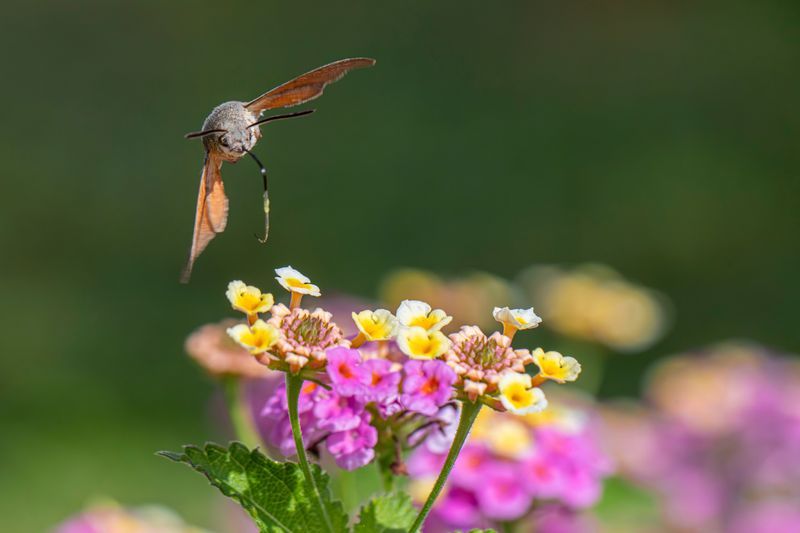
Summer nights in Maryland carry a certain electricity. When luna moths are flying, that feeling goes from pleasant to absolutely unforgettable.
Adult luna moths typically emerge from late April through July in the mid-Atlantic region. Peak activity often falls right in the middle of June on warm, humid nights.
They are drawn to light and to the trees where they were born. A sweetgum in your yard increases the odds that a luna moth will land somewhere you can actually see it.
Luna moths do not eat as adults. They live for only about a week, spending that time entirely focused on finding a mate.
Spotting one feels like finding a rare treasure. Their wingspan stretches up to four and a quarter inches, and those long trailing tails make them look almost unreal.
Keeping your porch lights off on warm summer nights helps them navigate more easily. Luna moths use moonlight for orientation, and bright artificial lights can throw them completely off course.
Switching to amber or red porch bulbs is a small change with a big payoff. Moths are far less attracted to those wavelengths, so they stay safer and more focused.
If you sit quietly outside on a June night near your sweetgum, patience often pays off. Many Maryland homeowners report seeing luna moths for the first time after planting this tree.
Planting sweetgum is essentially sending out a personal invitation. Your yard offers exactly the conditions these moths depend on.
Birds, Bees, And Beyond Also Take Notice
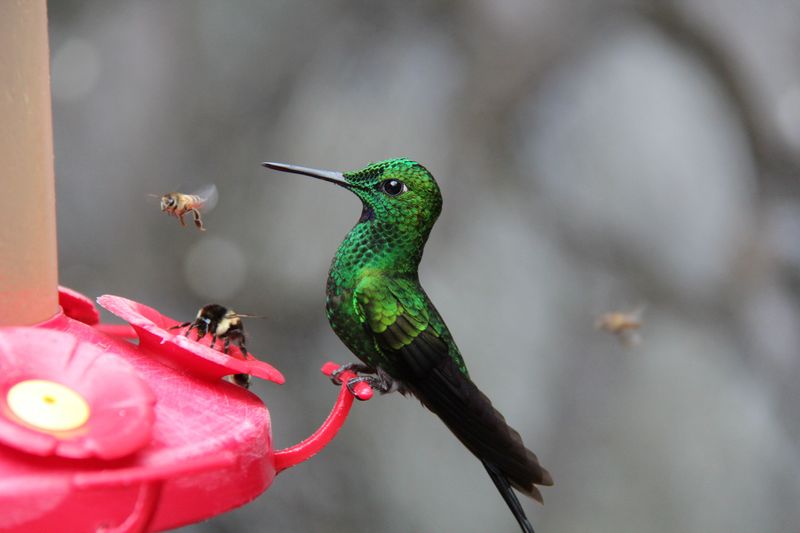
Sweetgum does not just attract moths. It quietly becomes one of the most active spots in the yard once wildlife discovers what you have planted.
Goldfinches, chickadees, and dark-eyed juncos all feed on sweetgum seeds during the colder months. Watching them work through those spiky balls is genuinely entertaining on a slow winter afternoon.
Songbirds also hunt caterpillars among the branches during summer. Sweetgum essentially sets a well-stocked table for birds in every single season of the year.
Native bees visit sweetgum flowers in early spring. The tree blooms before most people even notice, offering pollen when other food sources are still scarce for pollinators.
Hummingbirds occasionally investigate the flowers as well. Their visits are brief but thrilling, especially in April when sweetgum is one of the first trees to show new growth.
Squirrels collect the seed balls and bury them throughout the yard. This behavior accidentally plants new sweetgum seedlings, which you can dig up and pot for friends or neighbors.
Fireflies also tend to gather near native trees in higher numbers. A yard with sweetgum often feels more alive on summer nights for reasons that go well beyond luna moths.
The ecological ripple effect of planting one native tree is worth noting. What starts as a single tree becomes a neighborhood refuge for dozens of species within just a few years.
Every creature that visits your sweetgum adds another thread to your local food web. That web is what keeps your whole garden healthy and naturally balanced.
Getting Sweetgum Started In Your Yard

Starting a sweetgum is easier than most people expect. Nurseries across Maryland carry native sweetgum saplings, and many local conservation programs offer them at reduced cost.
Choose a spot with full sun and enough room to grow. Sweetgum can reach 60 to 75 feet tall at maturity, so give it space away from power lines and roof overhangs.
Dig a hole twice as wide as the root ball but no deeper than it sits in the container. Planting too deep is the most common mistake and can stress the tree for years.
Water thoroughly right after planting and keep the soil consistently moist for the first growing season. After that, sweetgum becomes remarkably self-sufficient and rarely needs supplemental watering.
Mulch around the base to retain moisture and regulate soil temperature. Keep the mulch a few inches away from the trunk to prevent rot and discourage pests.
Skip the fertilizer in year one and let the roots establish naturally. Pushing fast growth with heavy feeding can actually weaken the tree’s long-term structure and root system.
Pruning is rarely needed beyond removing damaged branches. Sweetgum naturally develops a strong central leader and a pleasing shape without much intervention from you.
If you want luna moths visiting your yard this summer, the sweetgum is your single best investment. Plant it now, skip the pesticides, and let nature do what it has always done beautifully.
Your backyard is one sweetgum tree away from becoming a genuine luna moth sanctuary. That is a transformation worth every bit of the effort it takes.