What Pennsylvania Gardeners Should Know About Jumping Worms Before They Find Them In Their Soil
Most Pennsylvania gardeners have a pretty comfortable relationship with earthworms. You dig one up, you feel good about your soil, you move on.
Jumping worms are about to complicate that relationship considerably.
These invasive earthworms, primarily from the genera Amynthas and Metaphire, have been making their way through Pennsylvania gardens with impressive determination, and a lot of gardeners are encountering them without realizing anything unusual is happening.
Until they pick one up. The thrashing, snakelike movement is genuinely startling the first time you see it, and the soil they leave behind tells its own story.
That loose, crumbly, coffee-ground texture is one of the clearest signs something has changed in your garden.
Understanding how to recognize jumping worms, how they travel from one yard to the next, and what steps are worth taking can make a real difference for Pennsylvania gardeners right now.
1. Identifying Jumping Worms In Pennsylvania Soil
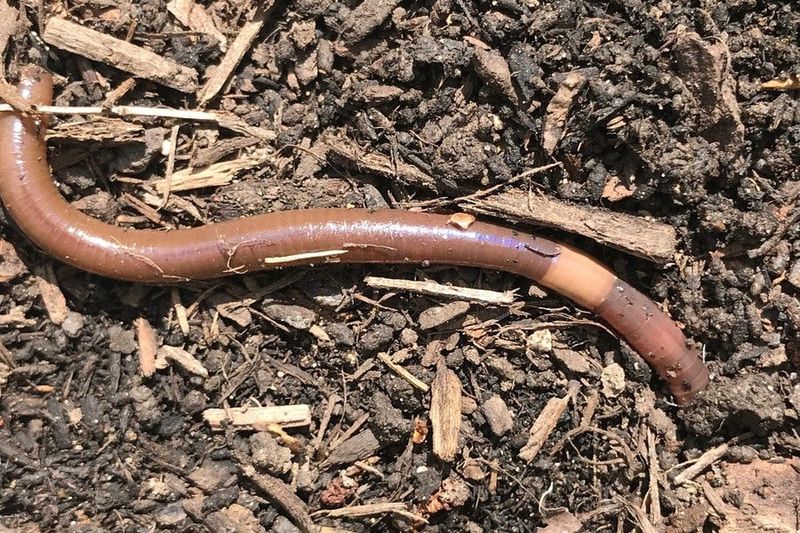
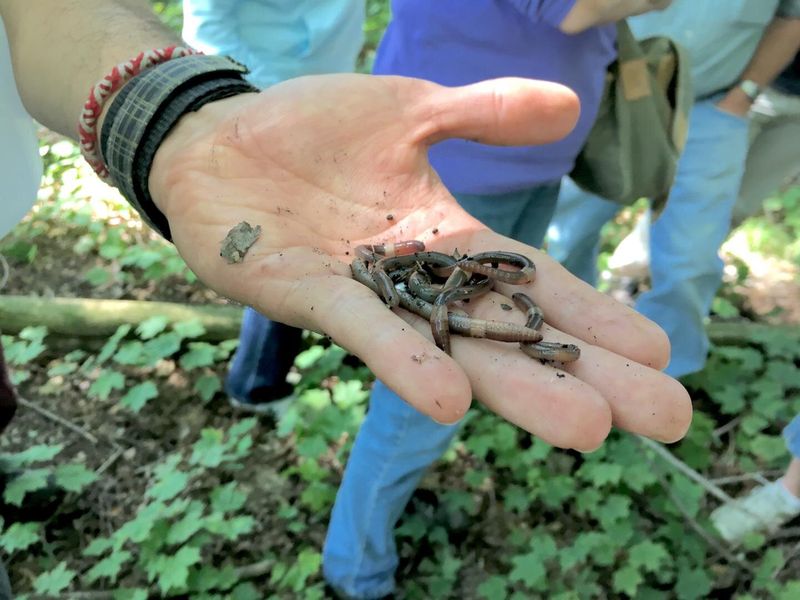
Noticing an earthworm that seems to thrash or whip around when you pick it up is often the first thing that makes Pennsylvania gardeners pause.
Jumping worms, which belong primarily to the genera Amynthas and Metaphire, can behave quite differently from the common European earthworms most people are used to seeing.
That vigorous, almost frantic movement is one of the characteristics that catches people off guard.
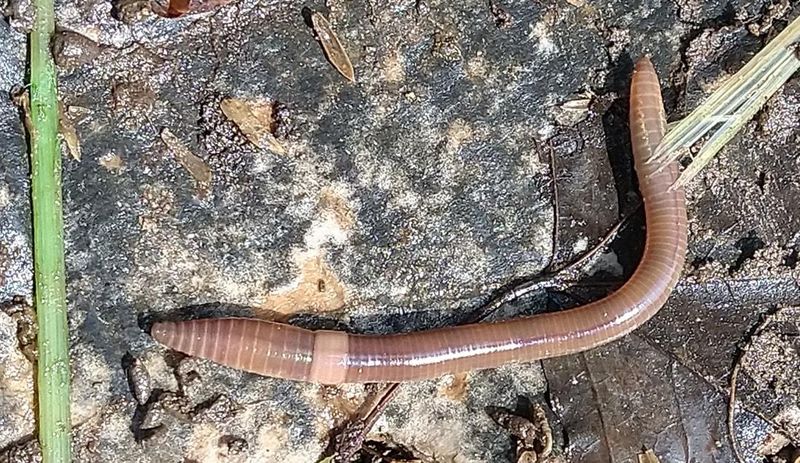
Physical appearance also matters when trying to identify these worms. One useful feature to look for is the clitellum, the band that wraps around the worm’s body.
On jumping worms, this band can appear milky-white to gray and tends to form a complete, flat ring around the body rather than looking saddle-shaped like the clitellum on many familiar earthworms. The band also tends to sit closer to the head end of the body.
Color, size, and exact appearance can vary depending on species and life stage, so no single feature provides a definitive answer on its own. Other worms may also move actively when handled, which is why relying on movement alone can lead to misidentification.
If you are uncertain about what you have found in your Pennsylvania soil, photographing the worm and reaching out to Penn State Extension or a local invasive-species diagnostic service is a smart and practical step before drawing conclusions.
2. The Coffee-Ground Soil Texture They Can Leave Behind
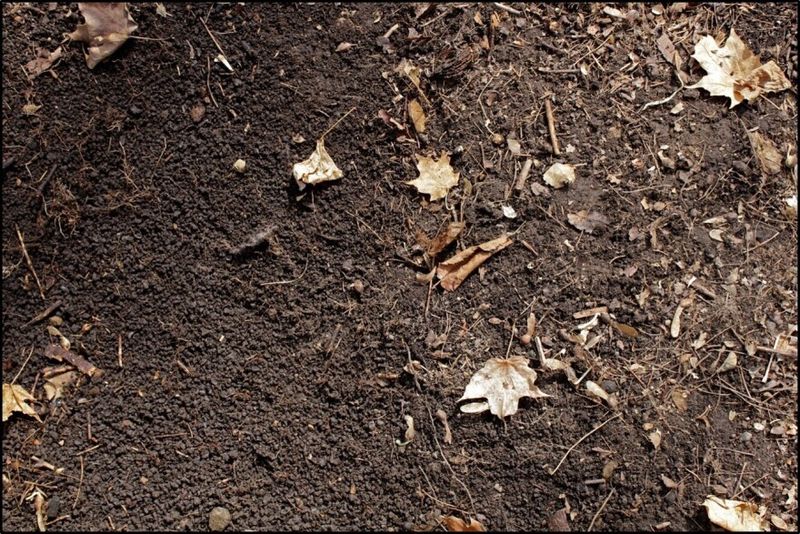
Lifting a layer of mulch or leaf litter and finding soil that looks oddly loose and grainy is one of the more telling signs that something has changed underground.
Where jumping worms are active and abundant, the upper layer of soil can develop a texture that many people describe as resembling coffee grounds.
The surface looks crumbly, dry, and almost pellet-like rather than smooth and rich.
This unusual texture develops because jumping worms feed heavily on organic matter at or very near the soil surface. As they consume and process that material, the physical structure of the upper soil layer changes in ways that become visible over time.
Gardeners who regularly work their beds may start noticing this texture while weeding or raking, often before they spot any worms at all.
Your Pennsylvania Garden Changes Every Week. Your Plan Should Too.
Gardening in Pennsylvania changes quickly throughout the season. Every Friday you’ll receive a simple weekly plan showing exactly what to plant, prune, fertilize, harvest, and protect so you never miss the right timing.
Seeing coffee-ground-like soil is a useful clue, but it is not proof on its own that jumping worms are present. Other factors can cause soil texture to shift, so it is worth looking more closely.
Try gently turning over the loose soil in a small area and watching for worms beneath the surface or at the soil line.
Combining what you observe about soil texture with other characteristics, like worm behavior and the appearance of the clitellum, gives you a more complete picture of what may be happening in your Pennsylvania garden.
3. The Way Jumping Worms Change Garden Soil
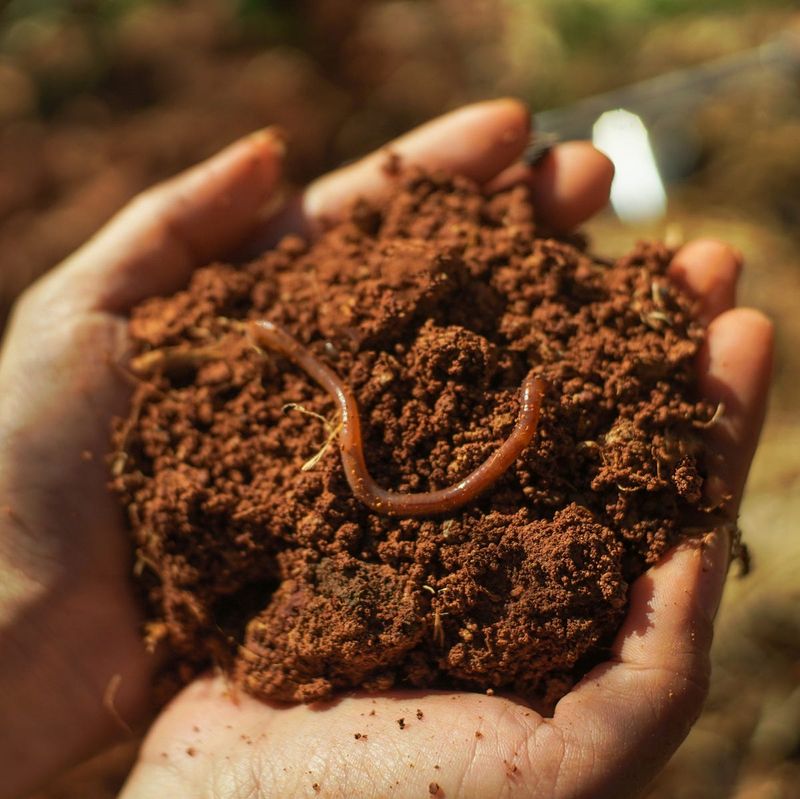
Soil that looks healthy on the surface can be going through real changes underground when jumping worms are feeding in large numbers.
These worms consume organic material concentrated near the soil surface, and that feeding behavior can alter the physical structure and nutrient dynamics of the upper soil layer in ways that differ from the activity of more familiar earthworm species.
One of the changes gardeners may observe is a reduction in the organic layer that normally sits at or just below the surface.
Organic matter in this zone supports plant roots, soil fungi, beneficial microorganisms, and a whole community of small creatures that contribute to a functioning garden ecosystem.
When that layer changes in structure or depth, the conditions for plants and other soil organisms can shift as well.
Research into the full ecological effects of jumping worms is still ongoing, so the picture is not completely settled. What scientists have observed is that effects can vary depending on factors like soil type, plant cover, worm abundance, and local climate conditions.
Jumping worms do not automatically cause every plant to fail or make soil permanently unproductive, but their presence can create challenges that Pennsylvania gardeners will want to monitor.
Staying informed through university extension publications and keeping an eye on how your soil looks and behaves over time are both reasonable approaches while research continues to develop.
4. The Garden Materials That Can Spread Jumping Worms
Purchasing a beautiful new plant from a nursery or receiving one from a neighbor feels like a straightforward garden moment, but it is one of the more common ways that jumping worm cocoons can travel unnoticed into a new location.
The cocoons these worms produce are very small, difficult to see without close inspection, and capable of surviving in soil attached to plant roots or root balls.
Gardening tools, footwear, wheelbarrows, and other equipment that carry soil from one area to another can also move cocoons without anyone realizing it.
A shovel used in a garden where jumping worms are present and then moved to a new bed or a neighbor’s property can carry soil particles that contain cocoons.
The same applies to soil that is relocated during landscaping projects or transferred between garden beds on a single property.
The risk is connected to whether soil or organic material is being moved, not to every plant or tool by default. Not every nursery plant or shared perennial carries jumping worm cocoons, but the potential exists when soil from an affected area is involved.
Being thoughtful about where plant material and soil come from, especially in parts of Pennsylvania where jumping worms have been confirmed, is a practical habit that can meaningfully reduce the chance of introducing them to a new spot in your garden.
5. Compost And Mulch As Potential Pathways For Spread
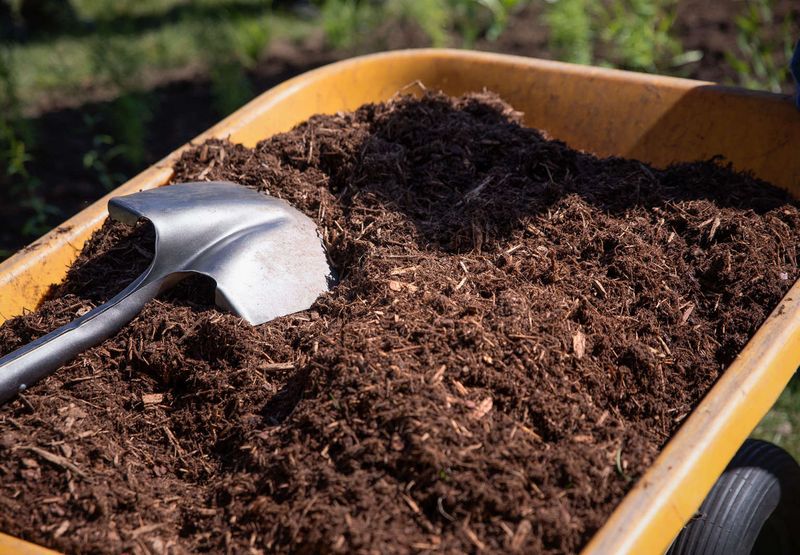
Bulk compost and mulch deliveries are a regular part of gardening in Pennsylvania, and most of the time they are exactly what a garden needs.
However, when compost or mulch is collected or processed from areas where jumping worms are active, there is a possibility that cocoons could be present in the material.
This is worth keeping in mind when sourcing organic amendments, particularly from locations that are not well-known to you.
Knowing where your soil amendments come from is one of the more practical steps a Pennsylvania gardener can take. Purchasing from reputable suppliers who have consistent sourcing and handling practices can reduce uncertainty.
The distinction between a potential pathway and confirmed contamination matters here. Not every bag of mulch or load of compost carries cocoons, but the pathway exists when material originates from an infested area.
Heat treatment and controlled composting processes can affect organisms and cocoons present in organic material, but specific guidance on temperatures and methods continues to be refined by researchers and extension specialists.
Rather than assuming that home compost piles eliminate all risk, focusing on using reliably sourced, properly managed materials is a more grounded approach.
If you are unsure about a particular source, asking questions about where and how the material was processed is completely reasonable and can help you make more informed choices for your Pennsylvania garden.
6. Simple Habits That Help Limit Their Spread
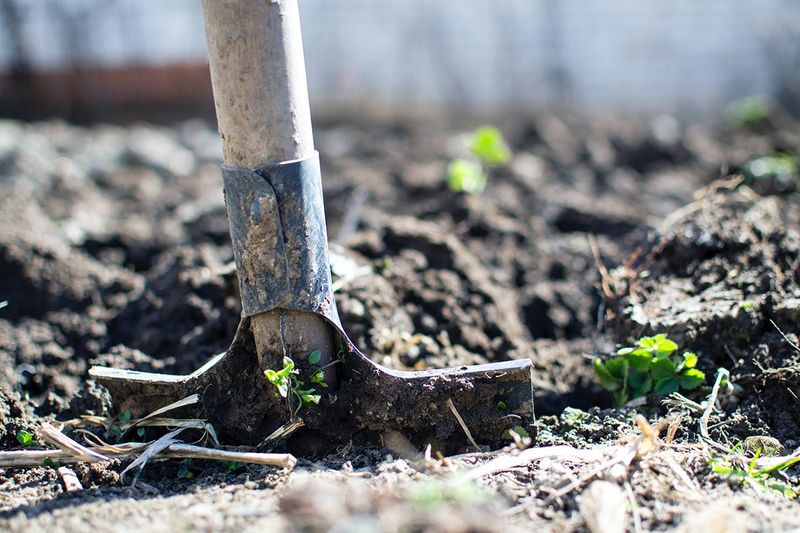
Small, consistent habits can make a real difference when it comes to reducing the chances of accidentally moving jumping worm cocoons from one place to another.
Cleaning soil off footwear, shovels, rakes, trowels, and wheelbarrows before moving them between garden beds or to a different property is one of the most direct things a homeowner can do.
Soil clinging to equipment is easy to overlook, but it is exactly where cocoons can hide.
Keeping soil movement to a minimum is another useful principle. When you are working in a part of your garden where jumping worms may be present, try to avoid spreading that soil to areas that have not yet been affected.
Moving soil from one bed to another or transporting it to a friend’s garden are situations worth pausing on, especially in parts of Pennsylvania where jumping worm activity has been reported.
Buying plants and soil amendments from reputable sources and asking questions about where they come from adds another layer of thoughtfulness to your routine. Prevention is not about stopping all gardening activity or treating every shovelful of soil as a hazard.
The goal is to reduce human-assisted movement of cocoons into new areas, which is the main way these worms expand their range beyond natural dispersal.
Consistent, low-effort habits practiced regularly are far more useful than occasional dramatic measures taken only after a problem has already developed.
7. Practical Steps After Finding Jumping Worms
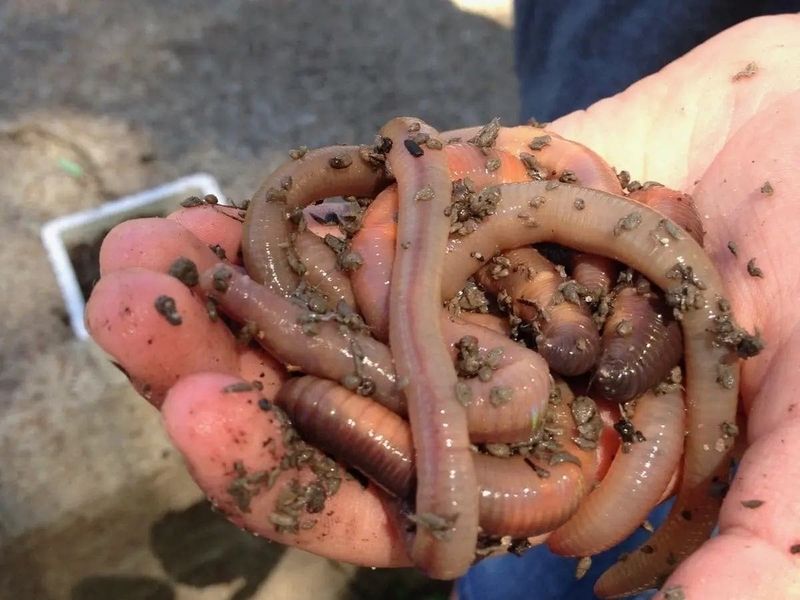
Finding what looks like a jumping worm in your Pennsylvania garden can feel alarming, but the most useful first step is careful observation rather than immediate action.
Take a photograph of the worm from a few angles, note where in the garden you found it, and record the date.
These details will be helpful if you reach out to Penn State Extension or a local invasive-species resource for guidance on identification.
Avoid moving any soil, plants with attached soil, compost, or mulch from the affected area to other parts of your property or to other locations until you have a clearer sense of what you are dealing with.
Spreading potentially infested material is one of the main ways these worms reach new gardens, so pausing on soil movement is a sensible precaution while you gather more information.
Hand-picking visible adult worms from a small area can reduce the number of active worms you see on the surface, but it does not address cocoons that are already hidden in the soil.
Broad pesticide applications or household chemicals are not recommended approaches and can cause harm to other soil organisms and plants.
Following current guidance from Pennsylvania extension services or invasive-species programs for disposal and next steps is the most reliable path forward.
Staying connected to updated local resources keeps your response grounded in current, credible information rather than outdated or generalized advice.
8. Long-Term Management In Pennsylvania Gardens
Once jumping worms have established themselves in a garden area, complete removal is very difficult because the tiny cocoons can remain hidden in soil through seasonal changes and are not easy to detect or eliminate.
Accepting that reality does not mean giving up on your garden.
It means shifting focus toward monitoring, reducing further spread, and adapting practices over time.
Regular monitoring is a practical approach for Pennsylvania gardeners who have confirmed or suspect jumping worm activity.
Checking the soil surface in affected areas during the growing season, particularly in late summer and early fall when adult worms are more visible, can help you track whether populations are changing and whether new areas of your garden are becoming affected.
Preventing movement of soil and organic material from affected areas to unaffected ones remains one of the most important long-term habits.
Researchers and extension specialists continue to study management options, and recommendations may evolve as more evidence becomes available.
There is no single treatment or one-season practice that eliminates an established population, so approaching long-term management with patience and realistic expectations matters.
Pennsylvania gardeners can continue planting, tending, and enjoying their gardens while making thoughtful adjustments to reduce the spread of these worms to new locations.
Staying connected to Penn State Extension updates ensures that your management approach reflects the most current and credible guidance available as this area of research develops.