The Weird Foam On Oregon Garden Plants That Has An Insect Hiding Inside
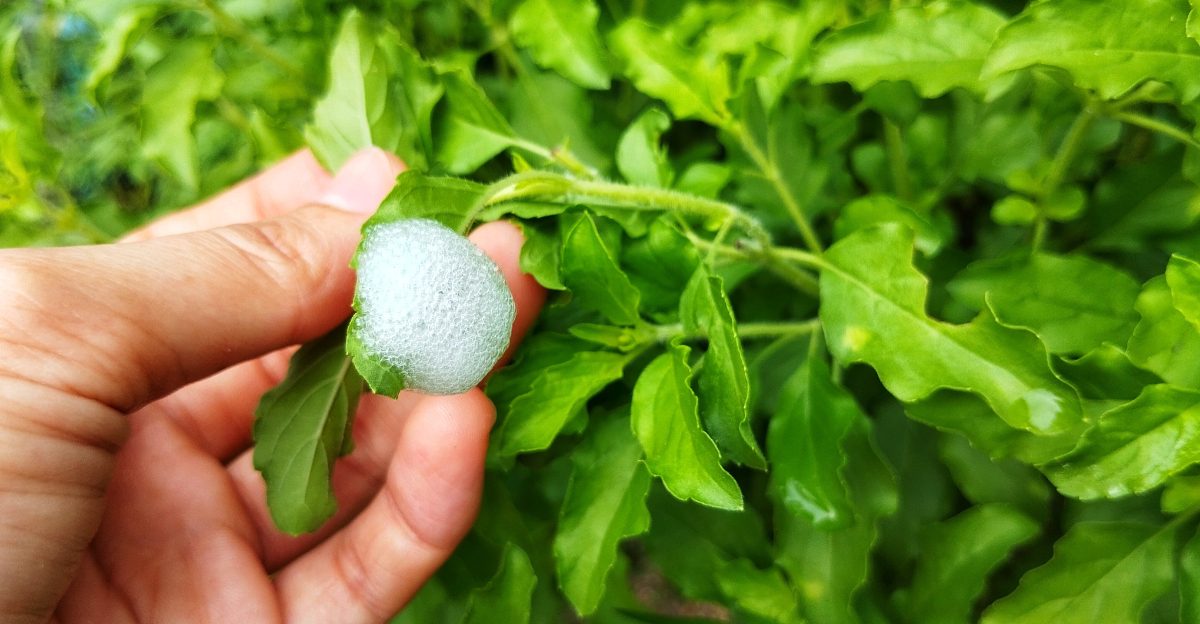
A patch of white foam clinging to a stem can look like rain residue or something splashed onto the plant. Then you notice another blob nearby, and suddenly the garden starts looking a little stranger.
This frothy coating often appears in warm Oregon weather and tends to show up where tender growth is easy to reach. What makes it unusual is that the foam is not the pest itself.
Something tiny is using it as cover, hidden in plain sight while it feeds. The plant may keep growing normally, which is why the first sighting can be easy to ignore.
Still, repeated patches can make gardeners wonder what is living underneath and whether it is doing any real damage.
Before wiping the foam away, it helps to know what created it and why that odd little hiding place appears in the first place.
1. That Foamy Blob Is Actually A Tiny Insect Hideout
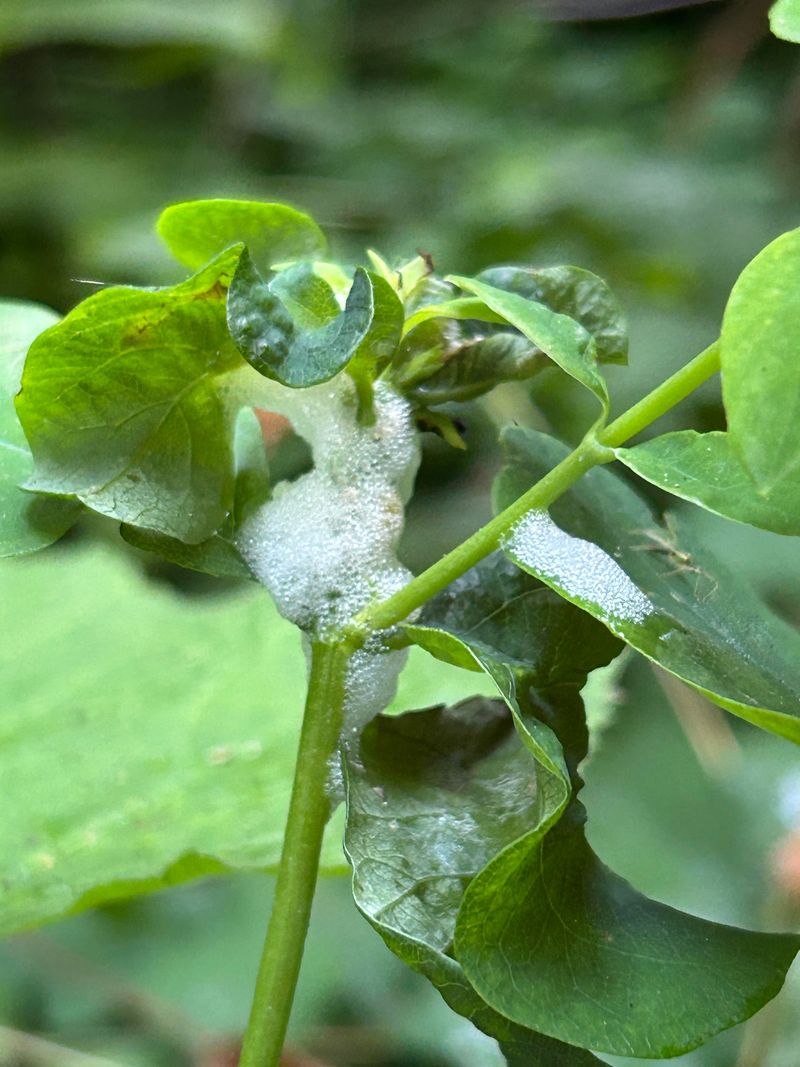
Most of us do a double-take the first time they see it. A small, wet blob of white foam sitting right on a plant stem looks totally out of place in a tidy garden bed.
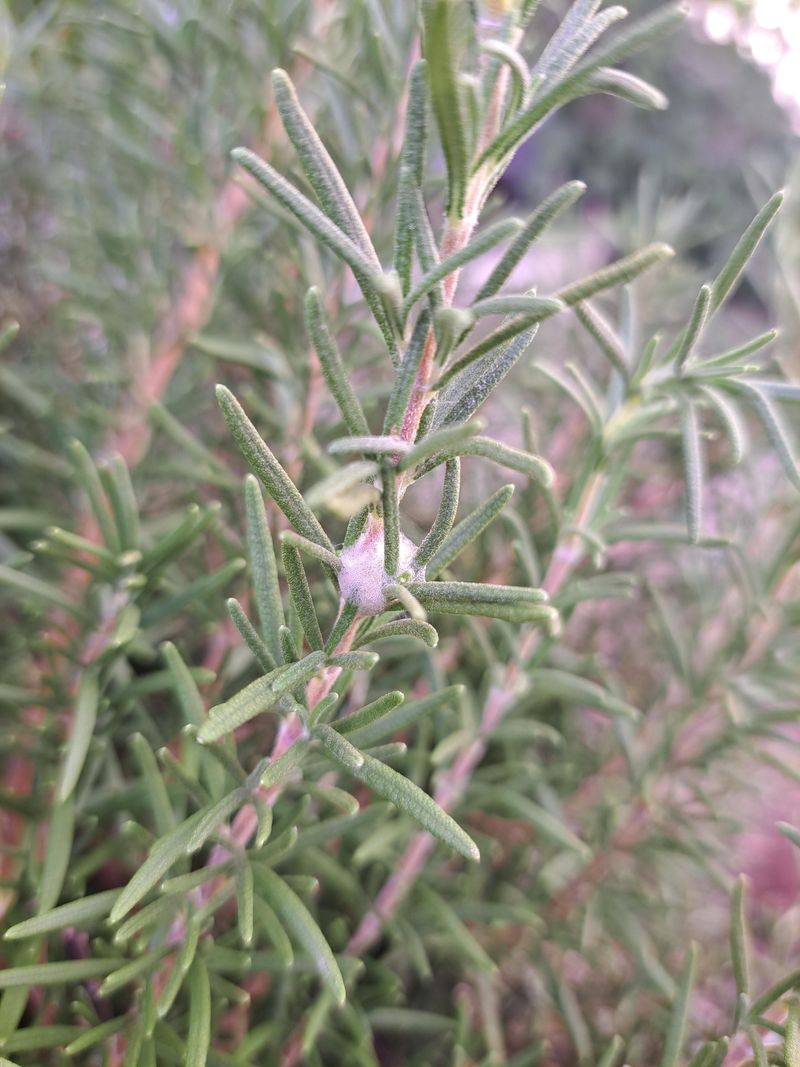
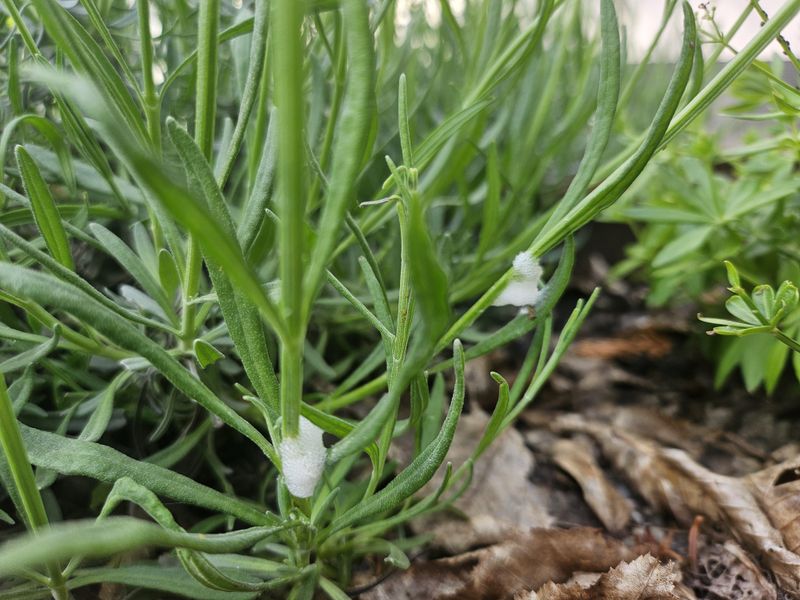
It almost looks like someone sneezed on your rosemary or lavender. That foam is not random. A tiny insect called a spittlebug nymph made it on purpose.
The nymph is the young, immature stage of the spittlebug. It settles onto a plant stem and begins feeding on the sap inside.
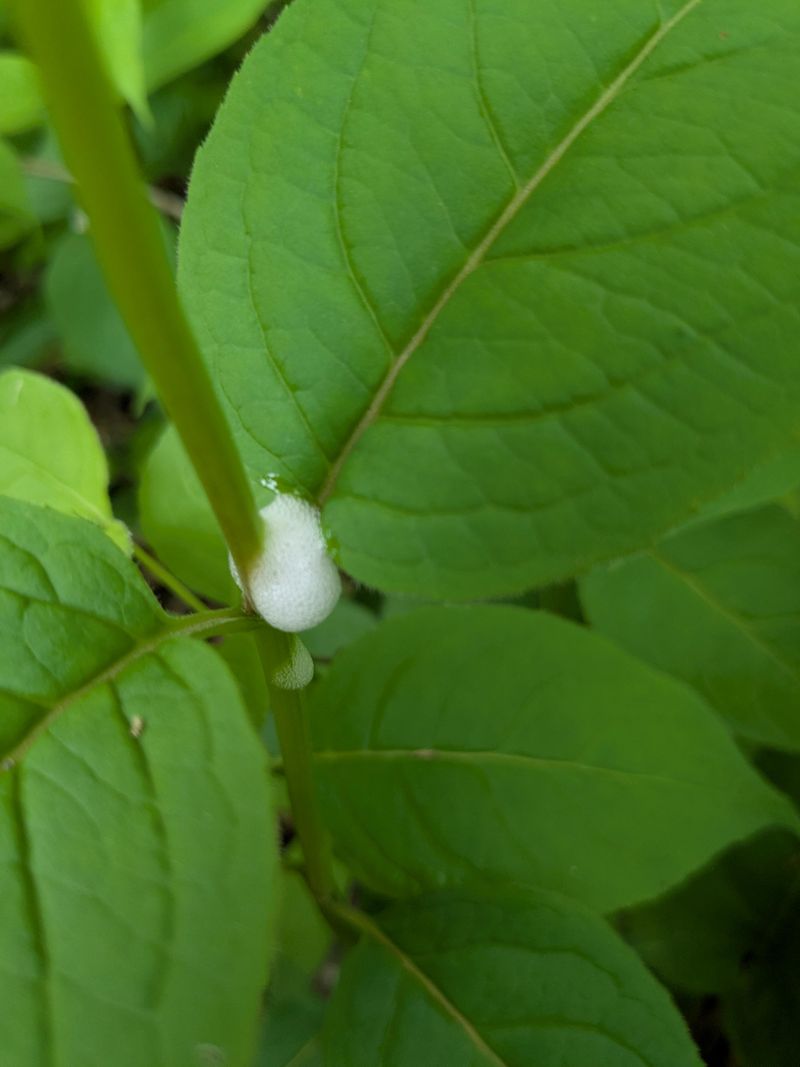
As it feeds, it releases a liquid from its body and blows air into it, creating that bubble-filled foam you see.
The foam acts like a little house. It keeps the nymph moist, hides it from predators like birds and wasps, and even helps regulate its temperature on hot days.
Without the foam, the nymph would be completely exposed and vulnerable.
Spittlebug nymphs are soft-bodied and pale green or yellow in color. They are very small, usually only a few millimeters long.
If you gently wipe away the foam, you will find the nymph sitting right underneath, usually clinging tightly to the stem.
Many gardeners are surprised to learn that this strange foam is actually a sign of a living insect. Once you know what you are looking at, it becomes much easier to decide what to do about it.
2. Spittlebug Nymphs Are Hiding Right Inside The Bubbles
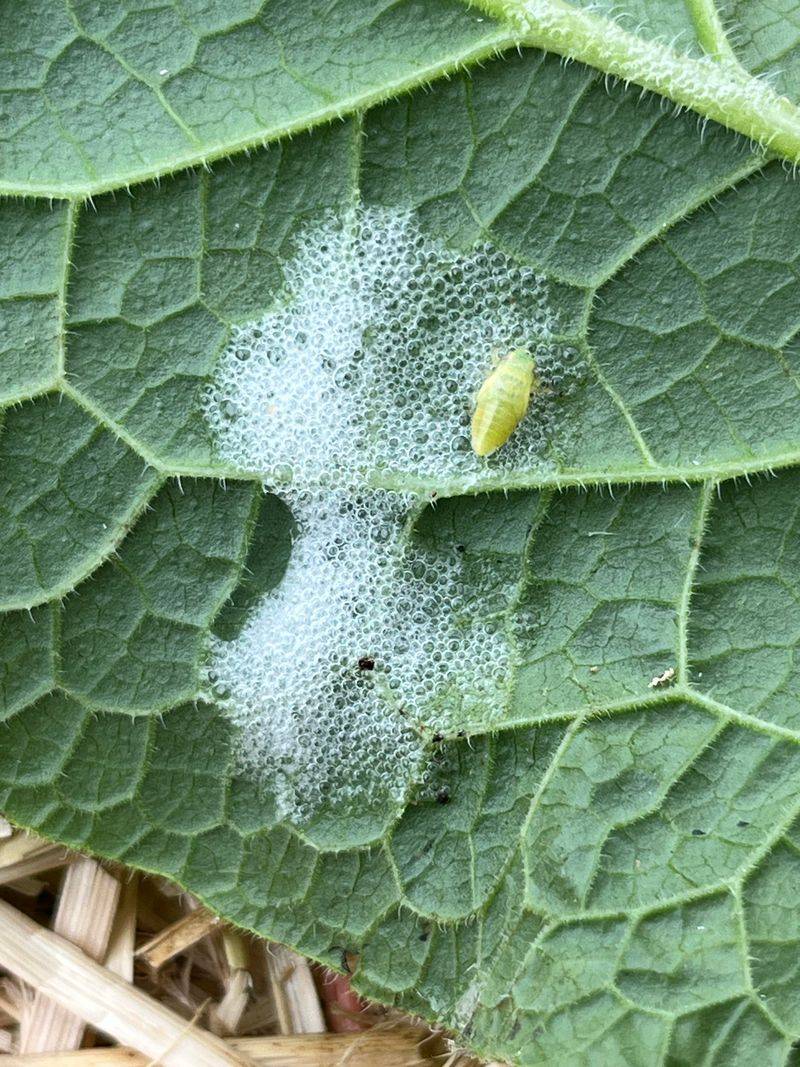
Peel back that foam and you will find one of the garden world’s best-kept secrets. Sitting snugly inside the bubbles is a spittlebug nymph, often completely still and looking almost harmless.
It is small, soft, and surprisingly hard to spot once it has foam covering it.
The nymph goes through several growth stages before becoming an adult. During all of those stages, it stays tucked inside its foam shelter.
It feeds by pushing its needle-like mouthpart into the plant stem and drawing out the sugary sap inside. This feeding behavior is what can cause harm to the plant over time, especially if many nymphs are feeding at once.
Adult spittlebugs look very different from their young. They are brown or gray, about the size of a small sunflower seed, and they can jump surprisingly far when disturbed.
Your Oregon Garden Changes Every Week. Your Plan Should Too.
Gardening in Oregon changes quickly throughout the season. Every Friday you’ll receive a simple weekly plan showing exactly what to plant, prune, fertilize, harvest, and protect so you never miss the right timing.
You might know them better as froghoppers, which is their common adult name. Adults do not make foam and are much harder to spot since they blend into plant foliage easily.
Spittlebugs are found across North America, including in the Pacific Northwest. They tend to appear in late spring and early summer, which is when nymph activity peaks.
Keeping an eye on your plants during this season will help you catch them before their numbers grow too large.
The more you know about their life cycle, the better equipped you are to manage them with confidence.
3. The Foam Helps Protect Them While They Feed
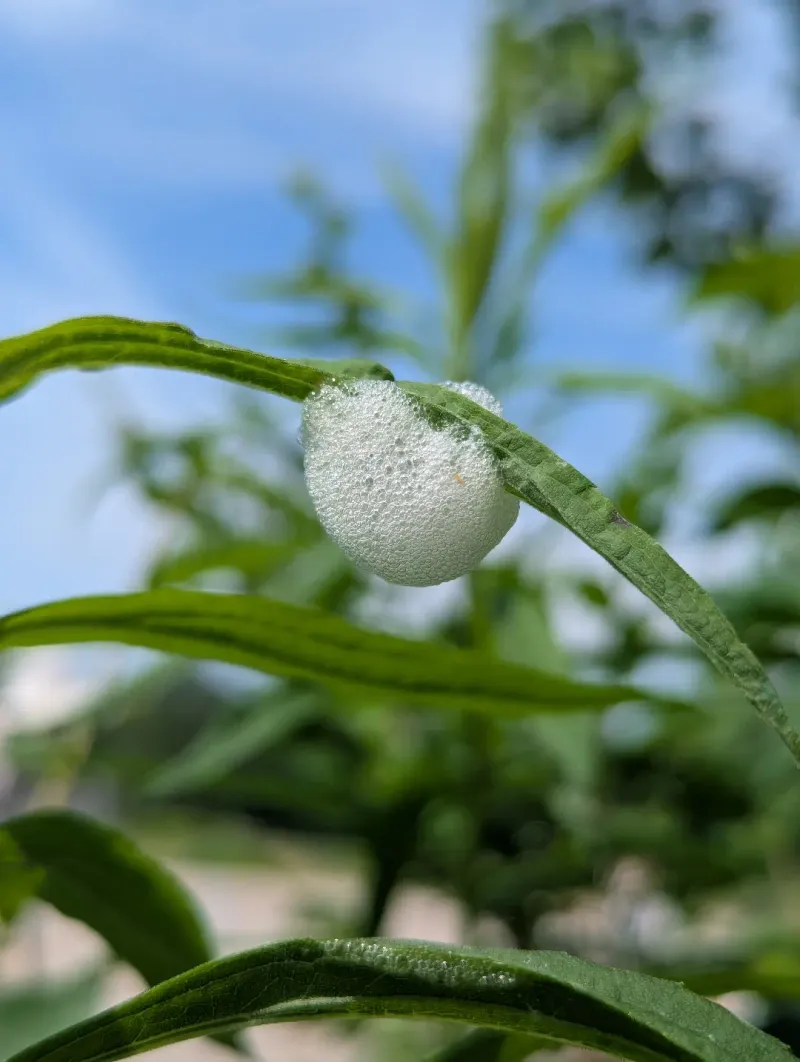
Not every insect gets to build its own protective bubble, but the spittlebug nymph does exactly that. The foam it creates is one of nature’s cleverest survival tools.
Without it, the nymph would be easy prey for birds, parasitic wasps, and other predators that patrol garden plants every day.
The foam works in several smart ways. First, it keeps the nymph’s body from drying out.
Nymphs are soft and need moisture to survive, especially during warm, dry stretches of weather. The bubbles trap moisture right around the insect’s body, acting almost like a tiny humidifier.
Second, the foam hides the nymph visually. Predators that rely on sight to find prey will often pass right over the foam without investigating.
The bubbly texture does not look like food, so it acts as a disguise as much as a shield.
Third, some research suggests the foam may have a slightly bitter or unpleasant taste, which can discourage insects and small animals from eating it.
Whether that deters all predators is still being studied, but it adds another layer of protection for the nymph inside.
The nymph produces this foam continuously while it feeds. As long as it is actively drawing sap from the plant, it keeps making more bubbles.
This means the foam stays fresh and effective throughout the nymph’s development, giving it the best chance of surviving to adulthood.
4. Why Stems And Leaves Suddenly Look Covered In Spit
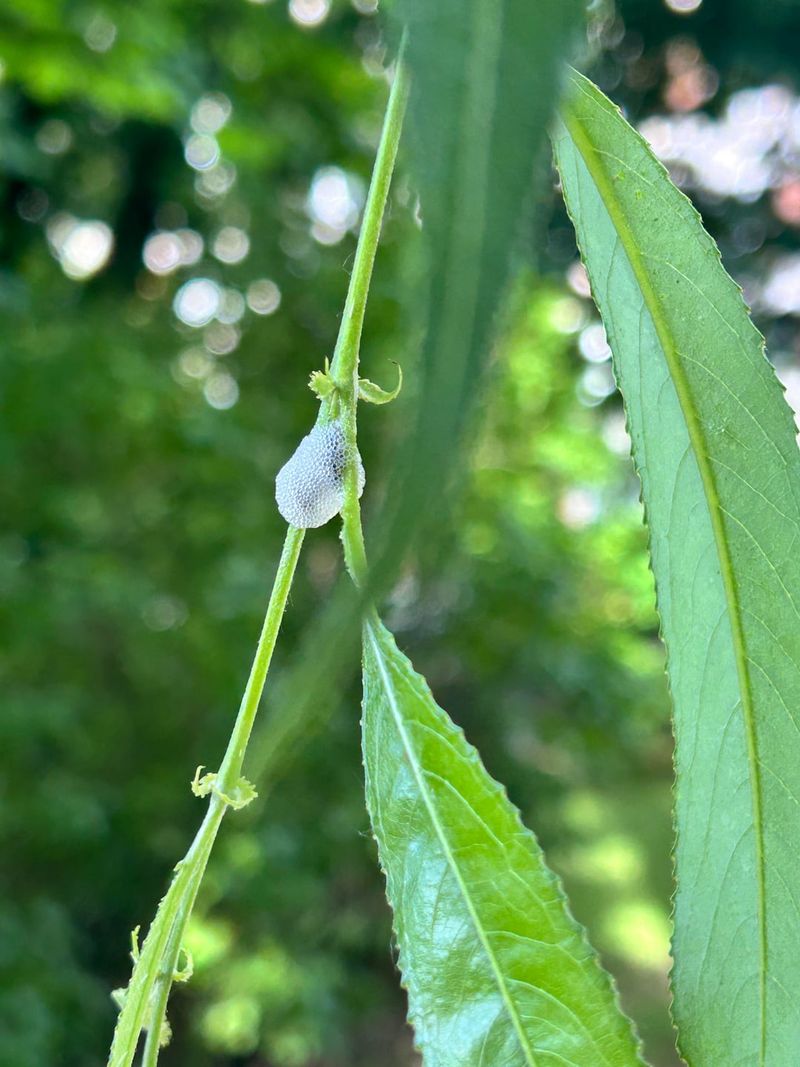
Spotting foam on one plant is surprising. Finding it on multiple plants across your garden can feel alarming.
But there is a simple explanation for why spittlebug activity can seem to pop up everywhere at once.
Spittlebugs lay their eggs in late summer, tucking them into plant debris, soil, and hollow stems. Those eggs sit through fall and winter, waiting for warmer temperatures.
When spring arrives, the eggs hatch and the tiny nymphs start feeding almost immediately. Since many eggs hatch around the same time, you can end up with a wave of nymphs all appearing within a short window.
Each nymph builds its own foam shelter, so a plant with several nymphs feeding on it can end up looking like it was hit with a foam cannon.
Lavender, rosemary, strawberries, and ornamental grasses are among the plants that spittlebugs seem to enjoy most in home gardens.
The foam can appear on stems, at leaf joints, and even near the base of plants. Wherever a nymph finds a good spot to feed, that is where the foam will show up.
Plants with soft, sappy new growth tend to attract the most attention because the sap is easier to access and richer in nutrients.
Seeing foam in several places does not mean your Oregon garden is in serious trouble. It simply means the seasonal hatch happened and the nymphs are doing what comes naturally to them.
5. Most Plants Handle A Few Spittlebugs Just Fine
Here is something reassuring for worried Oregon gardeners: a handful of spittlebugs on a healthy plant is usually not a crisis.
Most established plants can tolerate light feeding from a few nymphs without showing any real signs of stress.
The plant keeps growing, flowering, and doing its thing. Think of it like a small scratch on your arm. Your body handles it without much trouble.
A healthy plant with a good root system and plenty of water and nutrients can easily manage minor sap loss from a few feeding nymphs.
Spittlebugs have been living alongside garden plants for thousands of years. Plants and insects have co-existed for so long that many plants have developed enough resilience to handle small amounts of insect feeding.
The damage becomes noticeable only when populations grow very large or when plants are already under stress from drought, poor soil, or disease.
Young plants and seedlings are more vulnerable than mature ones. A nymph feeding on a seedling that is only a few inches tall can cause more noticeable harm than the same nymph feeding on a large, established shrub.
Paying extra attention to young plants in your garden is always a good idea during spittlebug season.
Healthy soil, regular watering, and good plant nutrition go a long way toward helping your garden stay resilient, even when spittlebugs show up for their seasonal visit.
6. Heavy Infestations Can Start Making Plants Look Tired
When spittlebug numbers climb, the story changes a bit. A plant dealing with a large number of feeding nymphs at once may start showing signs of stress.
The leaves might look a little pale, slightly curled, or less vibrant than usual. New growth can appear stunted or twisted.
All of that happens because the nymphs are pulling sap out faster than the plant can comfortably replace it. Sap carries water, sugars, and nutrients from the roots up through the stem to every leaf and flower.
When too much of it gets taken at once, the plant starts to struggle.
Ornamental plants like lavender and strawberries tend to show symptoms more visibly than tough, woody shrubs.
Gardeners in Oregon’s Willamette Valley sometimes report noticing lavender fields or herb gardens with patches of plants that look noticeably weaker during peak spittlebug season in late spring.
Flowers may also be affected. A plant under heavy feeding pressure might produce fewer blooms or drop buds early.
For gardeners who rely on their plants for cutting flowers or edible harvests, this can be frustrating.
The good news is that even plants that look tired from a heavy infestation can bounce back once the nymphs are removed and the plant gets some extra care.
A little water, some balanced fertilizer, and time are often all it takes to get a stressed plant looking healthy again.
7. A Strong Spray Of Water Can Knock Them Off
One of the easiest ways to deal with spittlebugs does not require any special products at all.
A firm blast of water from a garden hose is often enough to knock nymphs off plant stems and disrupt their foam shelters. It is simple, fast, and safe for the plant.
When you spray the foam off, the nymph underneath gets exposed. Without its protective bubble layer, the nymph is vulnerable to drying out and to predators.
Many nymphs that get knocked off plants do not make it back to a feeding spot, especially if the ground is dry and hot.
Repeat the water treatment every few days for the best results. Nymphs that survive the first spray will start rebuilding their foam fairly quickly, so consistency matters.
A few sessions of targeted spraying can significantly reduce the population on your plants.
For smaller or more delicate plants, you can use a hand-held spray bottle set to a strong stream.
This gives you more control so you do not accidentally damage tender stems or blooms while aiming at the foam.
Spraying in the morning is a smart choice. Plants have time to dry off during the day, which helps prevent fungal issues that can come from leaves staying wet overnight.
Early morning is also when nymphs tend to be less active, making them easier to dislodge with a steady stream of water.
8. Checking New Growth Helps You Spot Them Early
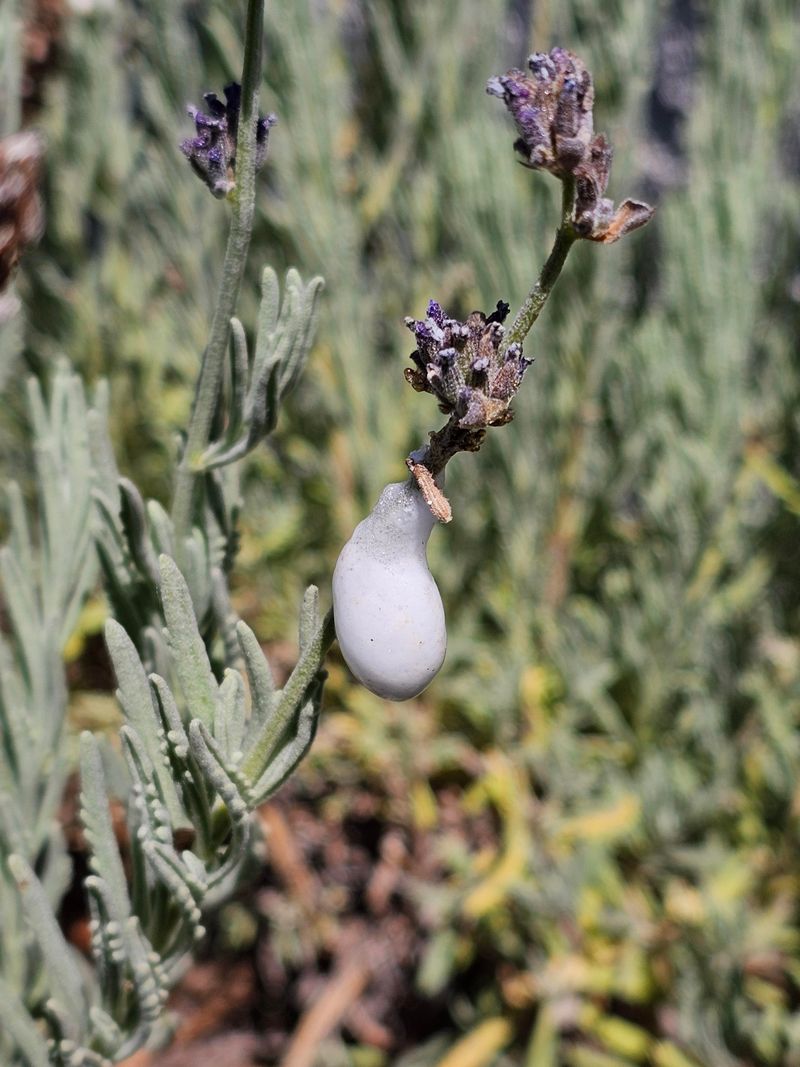
Catching spittlebugs early makes managing them much easier. The best place to look is on fresh, new growth, since that is where nymphs prefer to feed.
Tender young stems and leaf joints are their favorite spots because the sap there is soft and easy to access.
Make a habit of looking over your plants every week or two during late spring and early summer. You do not need to inspect every single leaf.
Just scan the stems and joints of your most vulnerable plants for any sign of white, frothy foam. Catching one or two nymphs early is much easier than dealing with a large group later.
Plants that are known spittlebug favorites deserve extra attention. Lavender, strawberries, clover, ornamental grasses, and many herbs are popular targets.
If you grow any of these in your garden, add them to your regular inspection routine.
Keeping your garden tidy also helps reduce spittlebug populations over time. Spittlebugs lay their eggs in plant debris, hollow stems, and thick mulch layers.
Cleaning up withered plant material in fall and raking back heavy mulch in early spring removes some of the egg-laying sites they prefer.
Regular monitoring is one of the most effective tools any gardener has. A quick look around your garden each week costs nothing and keeps you informed about what is happening with your plants before small problems have a chance to grow into bigger ones.