The Meaning Behind Growing Mint In Your Florida Garden This Summer
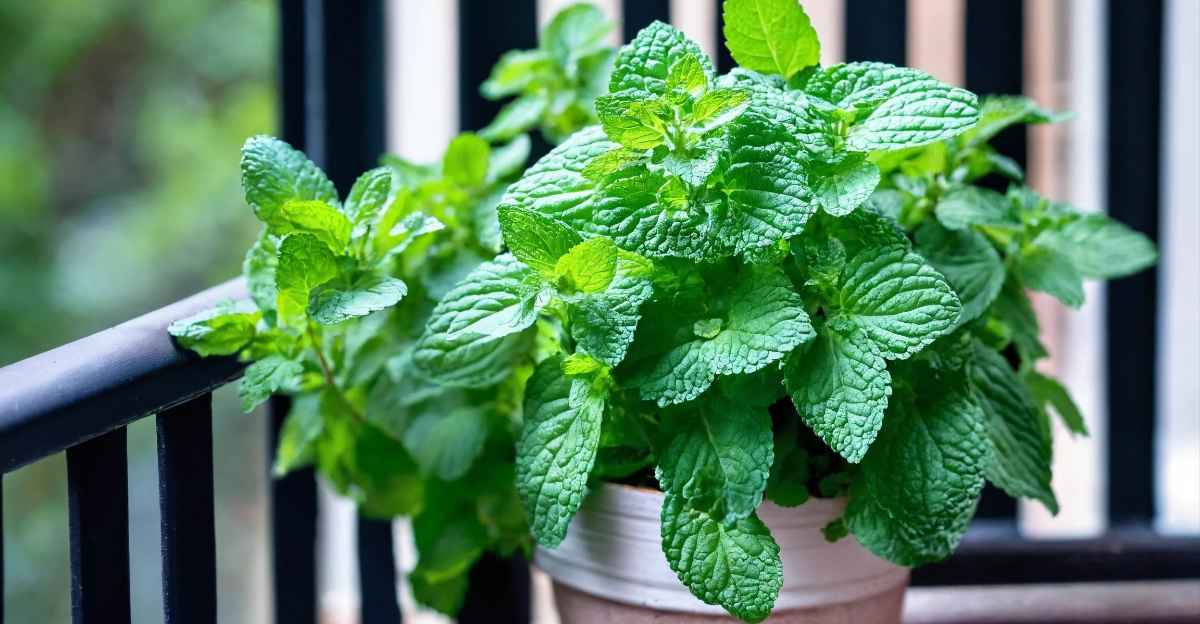
Bruise a mint leaf in a Florida backyard and something strange happens: the whole afternoon changes character. Suddenly the yard smells like it belongs somewhere colder, calmer, less humid than it actually is.
That shift is worth paying attention to. A plant that changes how a space feels, not just how it looks, is doing something most Florida gardens are missing during the heaviest months of summer.
Mint growing here is not really about the harvest. It is about what a garden feels like when it has one plant working overtime while everything else struggles just to survive.
A Practical Reason This Herb Belongs In Your Garden
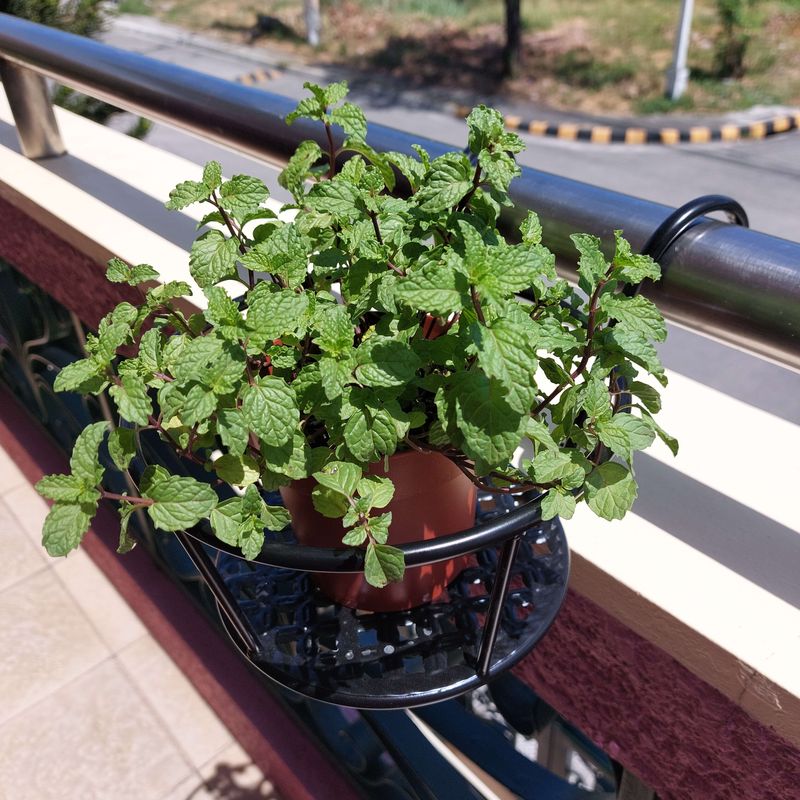
Mint earns its place in any garden fast. Growing mint in your Florida garden this summer means you always have a fresh ingredient within arm’s reach.
Think about how often you reach for mint. Iced tea, fruit salads, and even homemade lemonade all taste better with a handful of fresh leaves.
Buying fresh herbs at the grocery store adds up quickly. A single pot of mint on your porch replaces dozens of those little plastic packages you toss after one use.
Mint also works as a natural pest deterrent. Aphids, ants, and mosquitoes tend to avoid areas where mint grows thick and fragrant.
You do not need a huge yard to make this work. A container on a sunny patio or a small raised bed gives mint exactly what it needs to thrive.
The plant spreads on its own once it gets going. That means less work for you and more herb available all season long.
Florida gardeners often struggle to find herbs that survive the summer heat. Mint handles humidity better than basil and bounces back faster than cilantro after a heavy rain.
It is also a plant kids love to touch and smell. Having mint nearby turns garden time into a sensory experience that the whole family can enjoy.
Planting mint is a small effort with a big payoff. Once it takes root, this herb becomes one of the most dependable things in your entire outdoor space.
The Natural Fit Between Mint And Florida’s Summer Climate
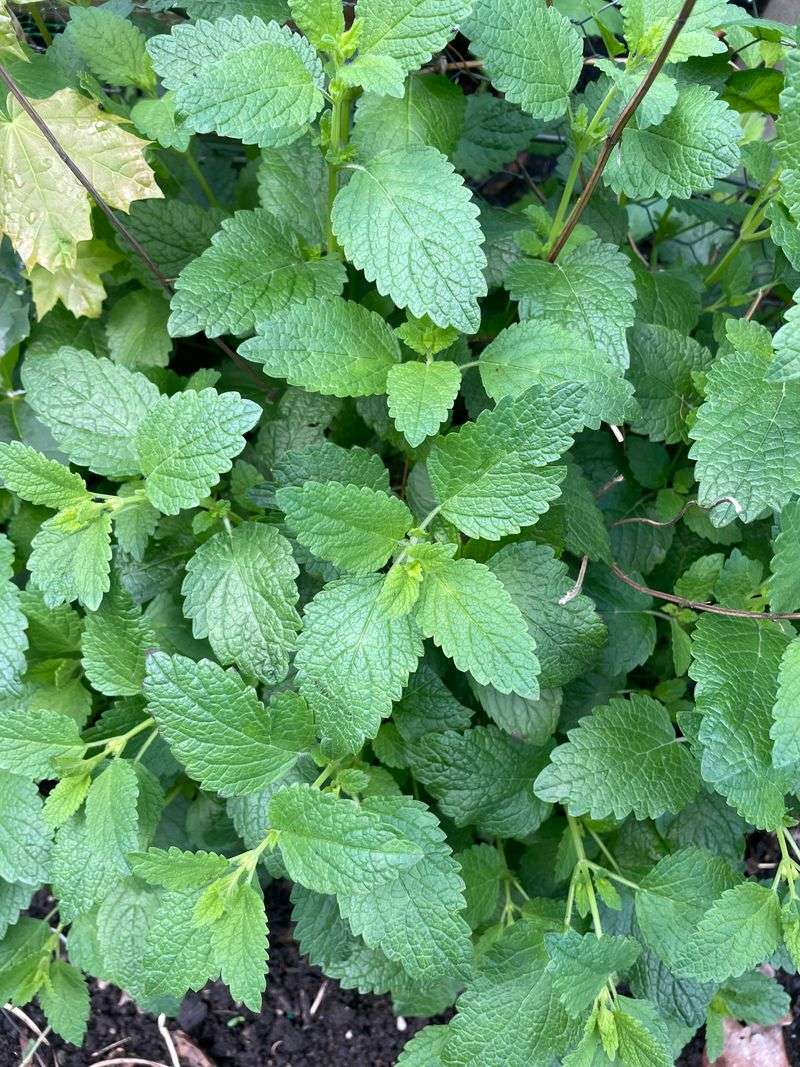
Florida summers hit hard with heat, rain, and thick humidity. Surprisingly, mint handles all three better than most herbs you could plant.
Mint originally comes from Mediterranean regions where warm temperatures and moist soil are common. That background makes it a natural fit for Florida’s summer conditions.
The plant thrives when daytime temps sit between 65 and 85 degrees. Florida mornings often land right in that sweet zone before the afternoon heat peaks.
Afternoon shade actually helps mint survive the harshest summer hours. Planting near a fence or taller plants gives it a natural break from the strongest sun.
Florida’s frequent summer rain showers keep the soil moist without much effort from you. Mint loves consistent moisture, and afternoon downpours deliver that almost on schedule.
High humidity can cause some herbs to wilt or develop mold. Mint, however, tends to soak up that moisture and push out new growth instead.
Your Florida Garden Changes Every Week. Your Plan Should Too.
Gardening in Florida changes quickly throughout the season. Every Friday you’ll receive a simple weekly plan showing exactly what to plant, prune, fertilize, harvest, and protect so you never miss the right timing.
Spearmint and peppermint are two of the most heat-tolerant varieties for this region. Both grow aggressively in warm, humid conditions and recover quickly after trimming.
Even during a stretch of dry days, mint bounces back with a good watering. Its root system holds onto moisture well once the plant is established.
Florida’s climate is not a limitation for growing mint. With the right placement and basic care, the summer season actually becomes mint’s most productive time of year.
Choosing The Right Spot To Keep Mint Contained
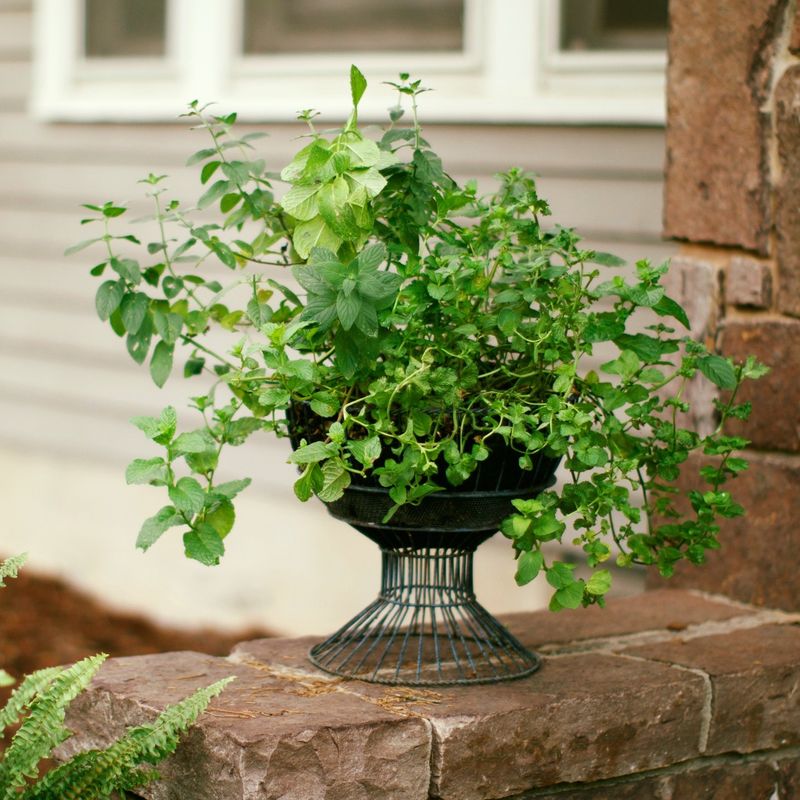
Mint spreads like it owns the place. Left unchecked, it will take over a garden bed in just one season.
Planting mint in containers is the smartest move for most Florida gardeners. A pot gives you full control over where the roots travel and how far the plant expands.
Choose a container at least 12 inches wide and deep. Mint roots grow horizontally, so width matters just as much as depth when selecting the right pot.
If you prefer planting in the ground, bury a container or plastic barrier around the root zone. This trick slows the spread without stopping the plant from growing upward.
Raised beds work well too, as long as mint does not share space with slower-growing herbs. It will crowd out neighbors if given enough time and room.
Pick a spot that gets morning sun and afternoon shade. About four to six hours of direct light each day gives mint the energy it needs without burning the leaves.
Avoid low-lying areas where water pools after rain. Mint loves moisture but suffers when roots sit in standing water for too long.
Placing your container near a porch or kitchen door makes harvesting quick and convenient. You are more likely to use an herb you can grab on the way inside.
The right location sets mint up for a full season of growth. A little planning now saves you from a spreading mint takeover later.
Watering And Soil Habits That Keep Mint Thriving
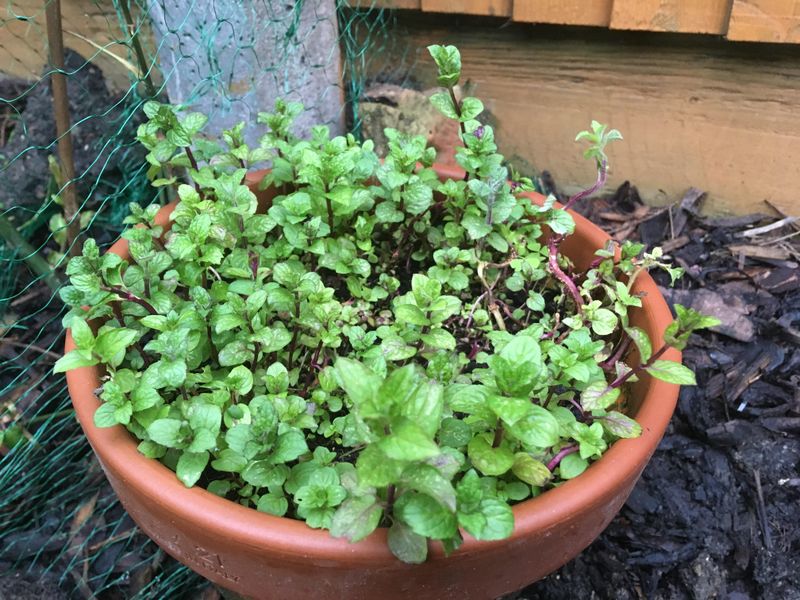
Mint is thirsty, but it is not dramatic about it. Consistent watering keeps the leaves lush and the flavor strong all summer long.
In Florida’s summer heat, container-grown mint may need water every day. Check the top inch of soil before watering and add water when it feels dry to the touch.
Ground-planted mint benefits from Florida’s summer rain but still needs monitoring. A dry week between storms can stress the plant and slow new leaf production.
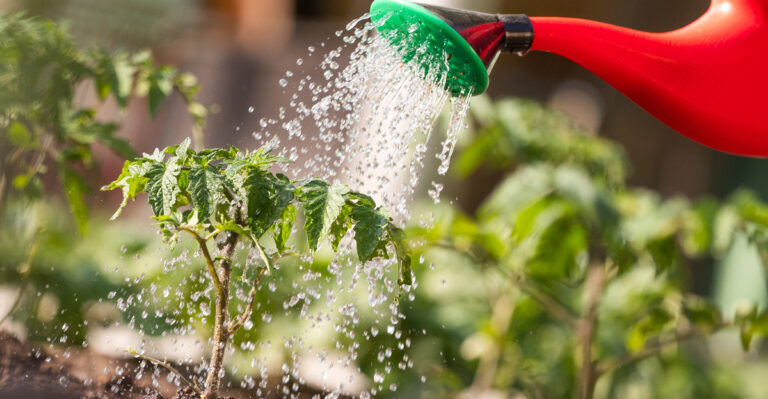
Water at the base of the plant rather than overhead. Wet leaves in humid conditions invite fungal problems that can spread quickly through a dense mint patch.
Morning is the best time to water mint. The roots absorb moisture before the afternoon heat arrives, giving the plant a strong start each day.
Soil quality matters more than most people expect. Mint prefers a rich, well-draining mix with plenty of organic matter worked in before planting.
A standard potting mix with added compost works great for container mint. Refresh the top layer of soil every few weeks to keep nutrients available as the plant feeds heavily.
Avoid heavy clay soils that hold water too long around the roots. A soggy root zone weakens the plant and opens the door to rot.
Mulching around ground-planted mint helps hold moisture and regulate soil temperature. A thin layer of shredded leaves or straw makes a big difference during the hottest weeks.
Harvesting Mint Without Slowing Its Growth
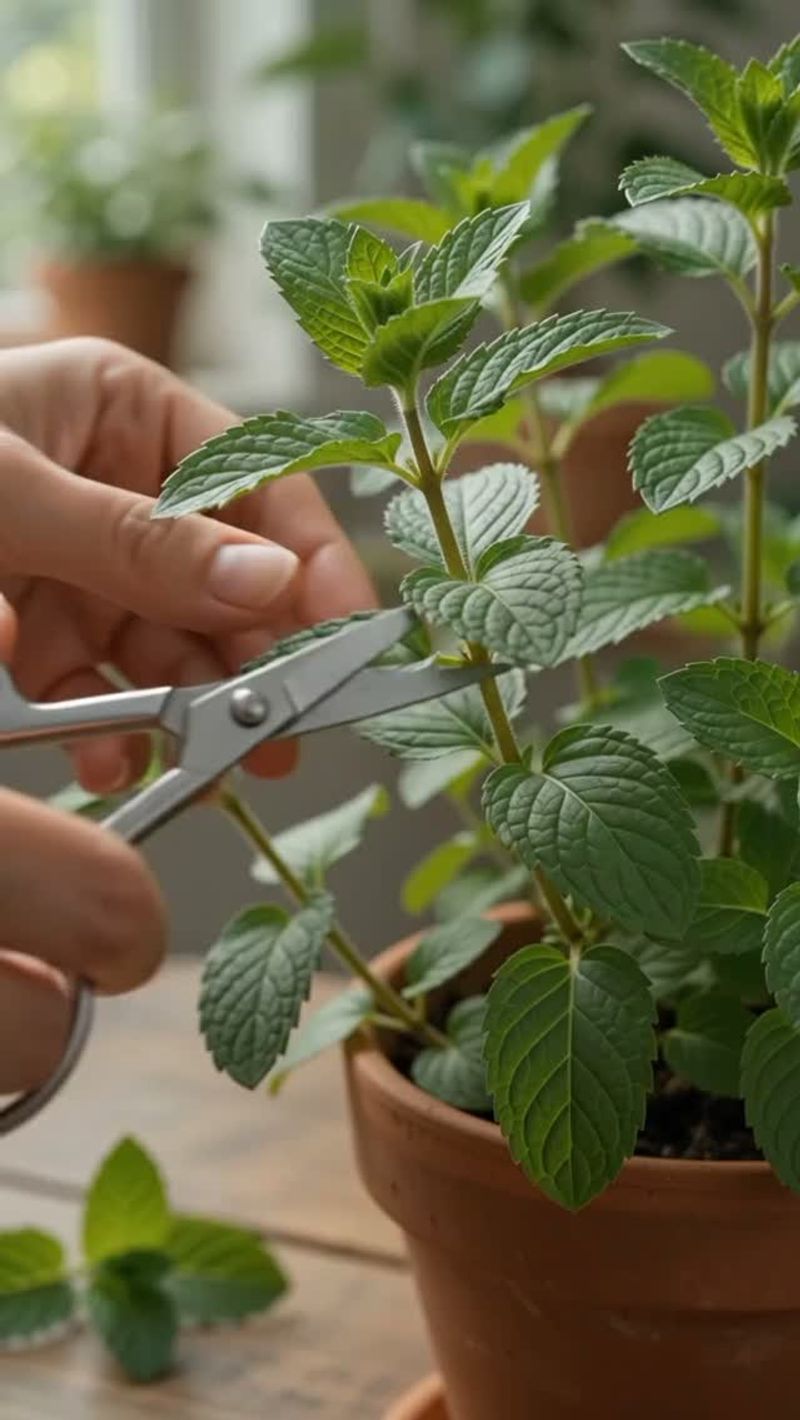
Cutting mint regularly encourages bushier, fuller growth. The more you harvest, the more the plant pushes out fresh stems and new leaves.
Start harvesting once your plant reaches about six inches tall. Snipping stems early encourages a bushier shape instead of a tall, leggy plant that flops over in the heat.
Cut just above a leaf node when trimming. That is the small bump on the stem where new growth will sprout within a few days of cutting.
Avoid removing more than one-third of the plant at one time. Taking too much at once stresses the roots and slows recovery during peak summer heat.
Morning harvests give you the most flavorful leaves. Essential oils are strongest before the afternoon sun heats up the plant and causes some of that aroma to evaporate.
Pinch off any flower buds as soon as they appear. Once mint starts to flower, the leaves lose some of their bold flavor and the plant shifts energy toward seed production.
Fresh-cut mint keeps well in a glass of water on your countertop for several days. Treat it like a bouquet of flowers and change the water every couple of days to keep it fresh.
You can also dry or freeze extra mint for later use. Freezing in ice cube trays with water is a popular trick that works perfectly for summer drinks.
Regular harvesting keeps your plant productive all season. The more attention it gets, the more it gives back. Few herbs respond to harvesting quite like this one
Companion Plants That Pair Well With Mint
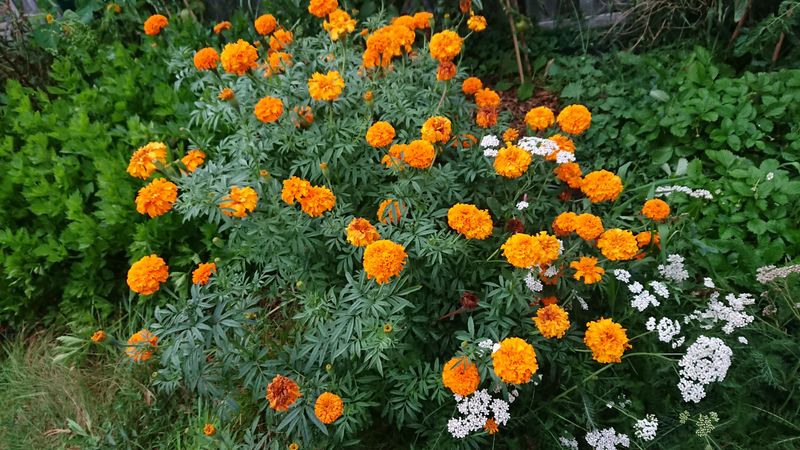
Mint plays well with certain garden neighbors. Pairing it with the right plants can boost your whole garden’s health and productivity this summer.
Tomatoes are one of mint’s best companions. The strong scent from mint leaves confuses aphids and whiteflies that often target tomato plants during hot months.
Plant mint nearby but not directly in the same bed as tomatoes. Keeping it in a container close to the tomato row gives you the pest-deterring benefit without the root competition.
Cabbage, broccoli, and other brassicas also benefit from mint’s presence. Some gardeners plant cabbage near strongly scented herbs like spearmint or peppermint, believing the scent helps keep cabbage moths away.
Marigolds and mint make a colorful and functional duo. Both plants push back against common pests while adding visual interest to a summer garden layout.
Keep mint separate from slower-growing herbs like parsley. Mint’s fast spread tends to crowd out neighbors that need more room to establish.
Chamomile is another good pairing for mint. Many gardeners grow the two together, and both tend to thrive under similar sun and water conditions.
Peppers grown near mint often benefit from the same pest-deterring effect mint offers to nearby tomatoes. The combination works especially well in raised beds where spacing can be carefully managed.
Choosing smart companion plants turns your garden into a team effort. Pick the right neighbors, and mint quietly does a lot of the pest-management work for you.