Why Pruning Texas Oak Trees During A Heat Warning Is A Costly Mistake
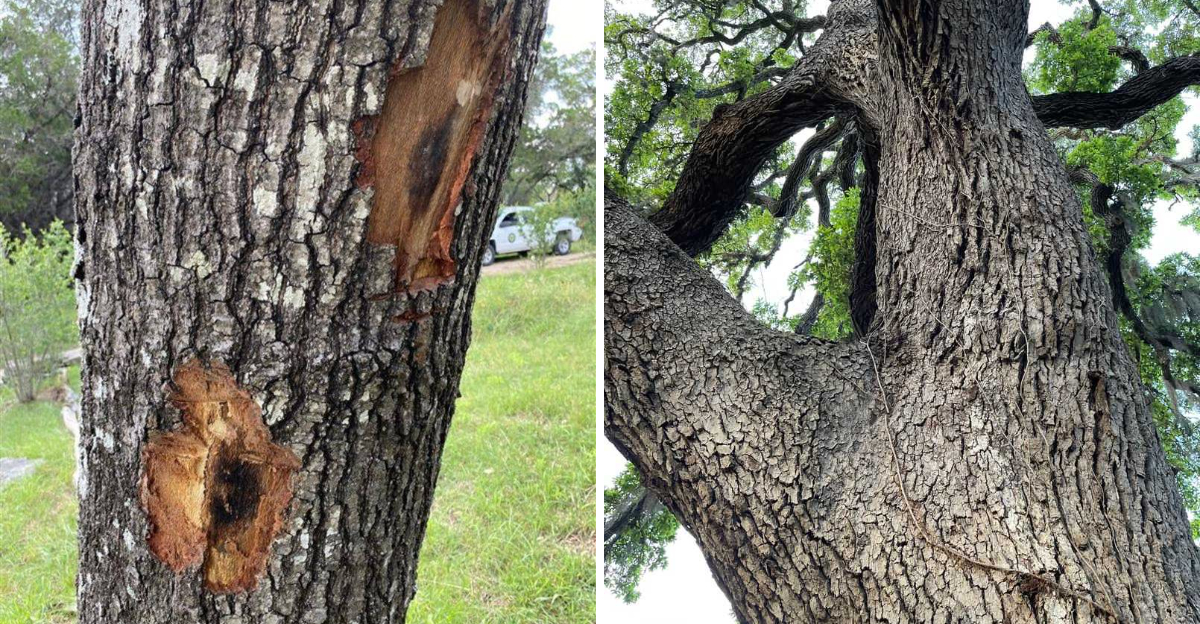
A Texas oak can look messy at the exact moment it needs you to leave it alone.
The thermometer climbs past 100. Leaves droop by afternoon. One crooked branch suddenly becomes impossible to ignore.
The saw is close. The timing feels convenient.
That is where an expensive mistake can start.
Extreme heat already forces an oak to spend water and stored energy carefully. A fresh cut adds another demand, and the canopy you remove cannot help the tree through the next brutal afternoon.
There is another Texas complication hiding behind that simple pruning job.
Fresh oak wounds matter here for a reason that has nothing to do with neat branches. The calendar matters too, but not in the way many homeowners expect.
So when should that saw stay in the garage, and when does a branch truly need attention?
The answer separates cosmetic cleanup from real safety work.
During a heat warning, that difference can protect more than your shade. It can protect a tree that took decades to build.
1. Stop Routine Pruning During Extreme Heat
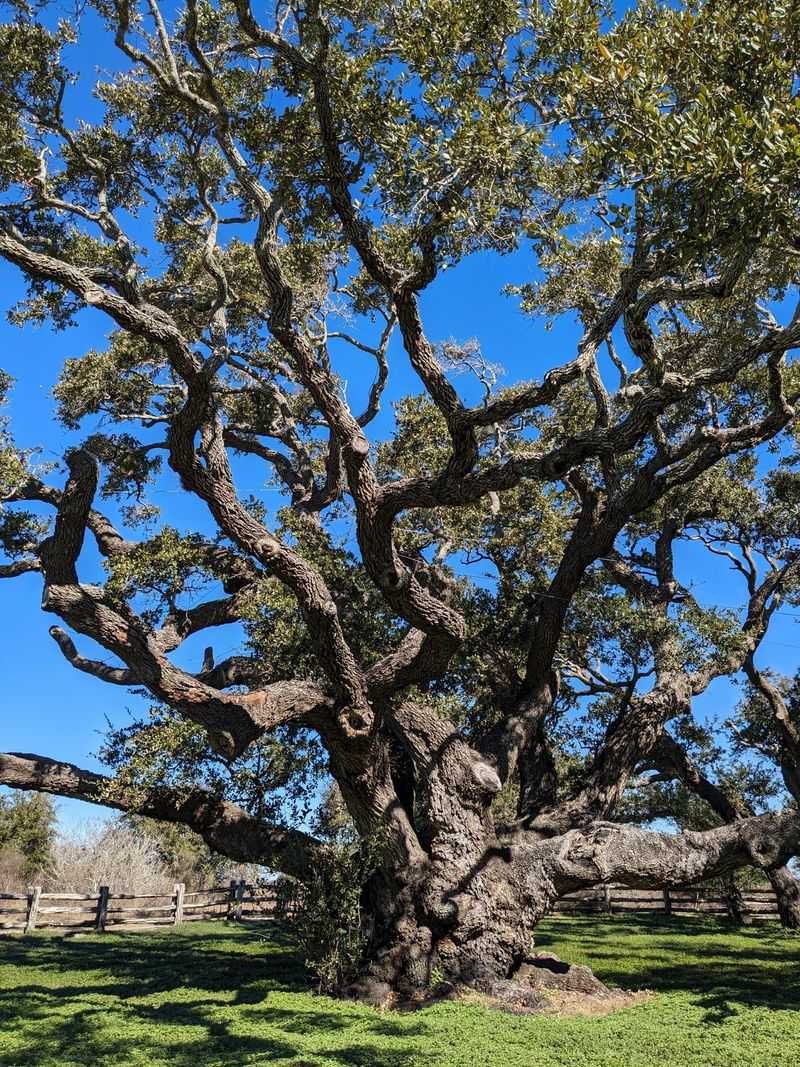
A heat warning is not the moment for an oak makeover.
Texas trees can already face intense water stress during long hot, dry stretches. Routine pruning removes live tissue and creates wounds the tree must seal. That work costs energy at a time when the tree needs reserves for heat and drought stress.
Save cosmetic cuts for another day.
A branch that looks uneven can wait. A low limb that annoys you near the patio can wait. Interior shoots that make the crown look untidy can wait too.
The exception is safety.
A cracked limb over a driveway, a broken branch above a roof, or a section that threatens people needs prompt attention. Keep that job focused on the hazard rather than turning it into a full canopy cleanup.
This distinction saves you from the classic summer trap.
The saw comes out for one problem branch. Ten minutes later, three healthy limbs are on the ground because the whole crown suddenly looks “unfinished.”
Stop after the necessary work.
For a large oak, hire a qualified arborist rather than tackle heavy limbs from a ladder in extreme heat. The tree is not the only thing under stress at 103 degrees.
Routine pruning can wait for cooler conditions.
Your oak does not need a summer haircut. It needs every advantage it can keep while Texas turns the thermostat into a dare.
2. Keep Healthy Leaves On A Stressed Oak
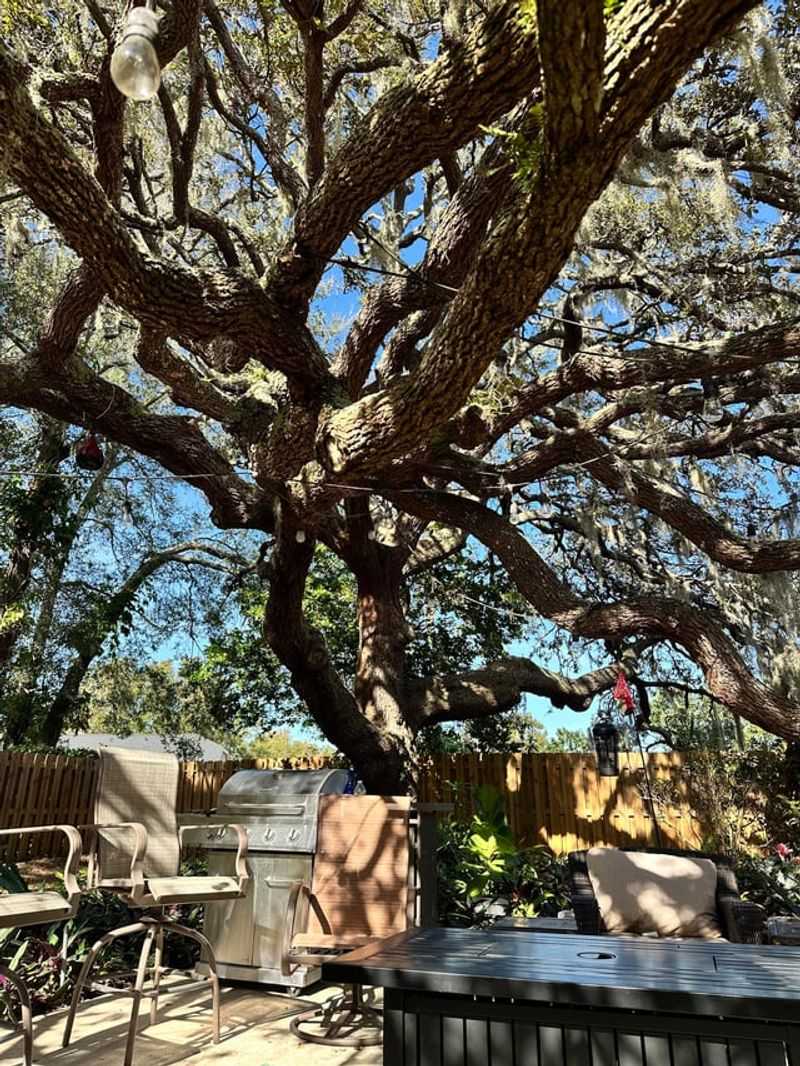
Those healthy green leaves are doing far more than making the oak look full.
They create the sugars that support roots, wood, defense, and wound response. During drought and extreme heat, the tree may already produce less food because water stress limits normal function.
A large canopy cut slices into that budget.
Leaves also shade branches and trunk tissue below them. A sudden gap in the canopy can expose bark that spent years under filtered light. Strong Texas sun can raise the heat load on those newly exposed surfaces fast.
Your Texas Garden Changes Every Week. Your Plan Should Too.
Gardening in Texas changes quickly throughout the season. Every Friday you’ll receive a simple weekly plan showing exactly what to plant, prune, fertilize, harvest, and protect so you never miss the right timing.
Keep the crown as intact as practical during a heat event.
Do not remove healthy branches simply to make the canopy look lighter. Skip an aggressive canopy reduction. Avoid the urge to “let more air through” with a dozen interior cuts.
A mature oak does not need to look transparent.
Selective pruning has a place, but heat stress changes the priority. The tree needs enough leaf area to support itself through the roughest part of summer. Excessive canopy loss can reduce growth and add stress.
Mark questionable branches with ribbon or take a few photos instead.
That gives you a record for cooler weather, when you can judge the structure without a saw already in your hand.
The leaves may look ordinary from the patio.
During a Texas heat warning, they are the oak’s solar crew, shade crew, and lunch shift all at once. That is a busy team to fire in August.
3. Avoid Opening The Canopy To More Sun
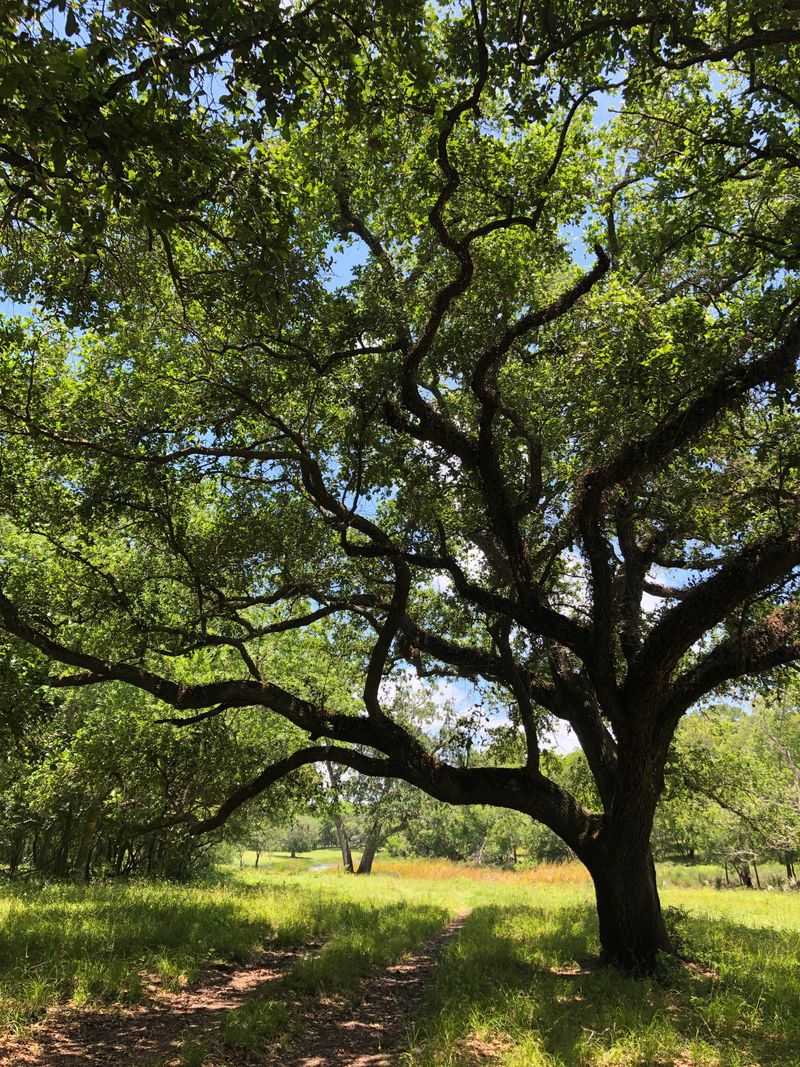
A freshly thinned oak can look clean for about five minutes.
Then the Texas sun gets a vote.
Interior limbs and bark that lived under a dense canopy may suddenly face direct afternoon light after heavy pruning. That abrupt exposure adds more solar heat to surfaces that once sat under leaf cover.
The problem starts with good intentions.
You remove one branch that rubs another. The crown looks uneven, so another comes off. Soon a shaded branch that rarely saw full sun sits under a blazing western sky.
Leave that extra light for cooler weather.
During extreme heat, favor canopy preservation rather than a dramatic reduction. Keep healthy interior growth unless a specific structural reason calls for removal. Trees under drought stress already have fewer resources available for extra wounds and canopy loss.
You can still plan ahead.
Take a photo from several angles. Mark branches that rub, cross, or crowd a future structure. Then revisit the plan when temperatures ease and the tree no longer faces the same heat load.
That pause can also change your opinion.
A branch that looked annoying in July may seem harmless once you see the whole canopy without heat-wave impatience.
Texas oaks already provide their own shade system. Heavy summer pruning can dismantle part of it right when it matters most.
Do not turn the middle of the crown into a skylight during a heat warning.
The patio may appreciate more sun. The oak probably did not request the renovation.
4. Save Cosmetic Cuts For Cooler Weather
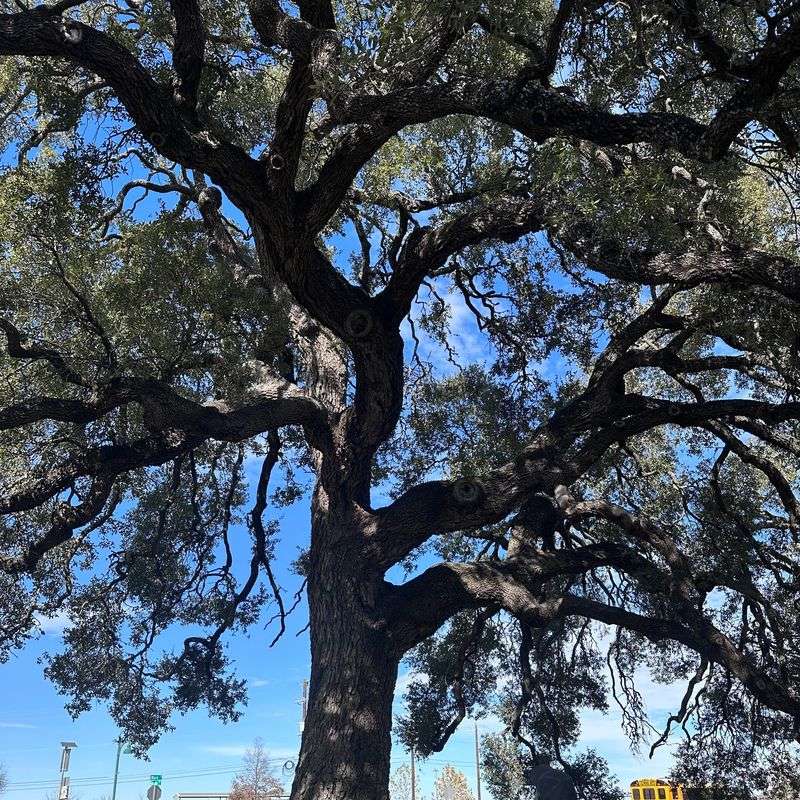
Cooler weather gives routine oak work a much better setting.
Texas A&M Forest Service identifies winter as the preferred season for most live-tissue pruning. Oaks add another calendar rule because oak wilt risk rises during the main February-through-June window.
That makes timing more important than a simple “wait until fall” note.
For optional work, aim for cooler conditions outside the February-through-June period. Late fall and early winter can offer a useful window in many parts of Texas.
Use summer for notes instead.
Walk around the oak and note low branches, limbs that rub, old stubs, and sections that need a professional look. Take clear photos. Add a small ribbon only where it will not tighten around a branch.
Then put the saw away.
By cooler weather, some concerns may no longer seem worth a cut. Others may prove more important once leaves thin or fall and the branch structure becomes easier to read.
That delay can make the final cuts more precise.
It also keeps cosmetic work away from the hottest stretch of the year.
One caution still follows every Texas oak cut, even during a better season. Fresh wounds need immediate paint for oak wilt prevention.
So yes, your crooked branch can wait.
It has survived this long without perfect symmetry. It can handle a few more months without a makeover appointment.
5. Prune Broken Limbs When Safety Demands It
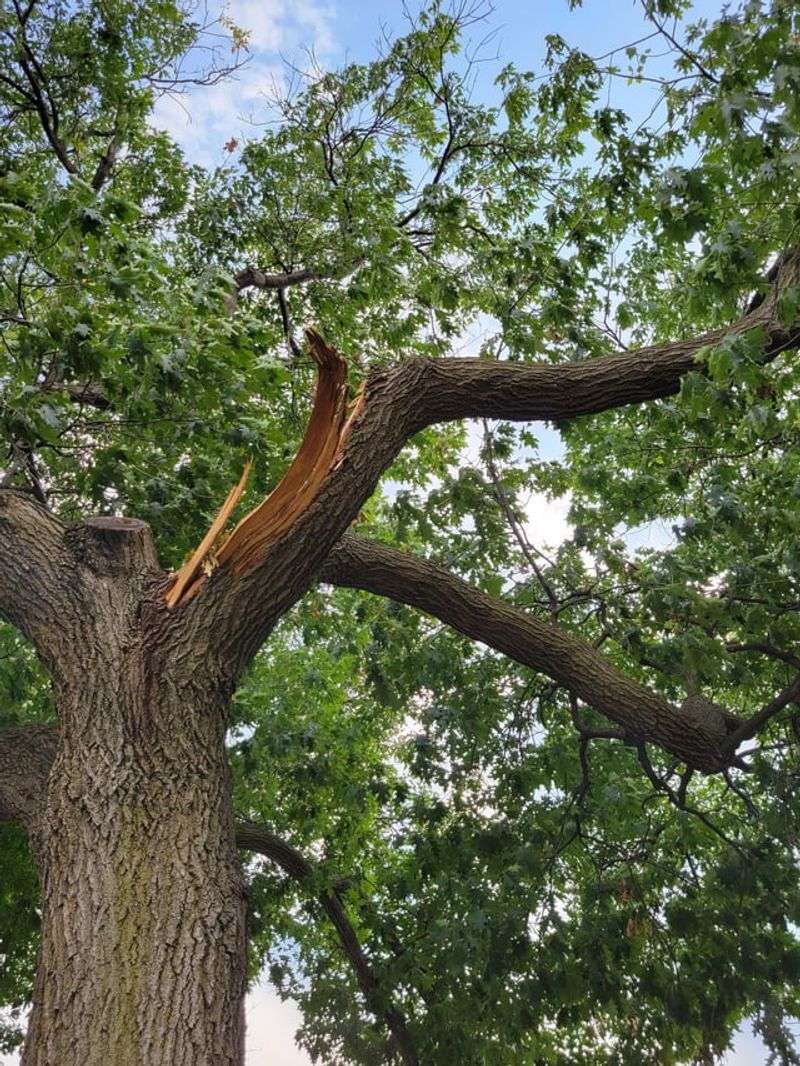
A hanging limb over the driveway changes the rules.
Heat stress makes routine pruning a poor choice, but a real hazard does not get a calendar exemption. Broken, split, or unstable branches can require immediate removal to protect people and property.
Keep the emergency job narrow.
Remove the dangerous section. Do not use the open toolbox as an excuse to reshape the rest of the crown.
Clean cuts matter too.
Avoid torn stubs and random flush cuts against the trunk. Large limbs can shift or split during removal, so significant work belongs with a qualified arborist who can control the branch safely.
Power lines raise the stakes even more.
Keep ladders, poles, and saws away from electrical conductors. Utility conflicts need the proper professionals, not a heroic afternoon with borrowed equipment.
Texas oak wounds also need another step.
Paint each fresh cut immediately after it is made to reduce oak wilt risk. Current state guidance recommends this all year, not only during the main spring risk period.
That means the wound paint should be ready before the saw starts.
Emergency work should remove one danger without adding several new ones.
The broken limb comes down. The healthy canopy stays. The fresh cut gets covered.
Then everyone gets out of the heat.
Your oak does not need bonus cuts just because the arborist already brought the ropes.
6. Paint Fresh Oak Wounds Right Away
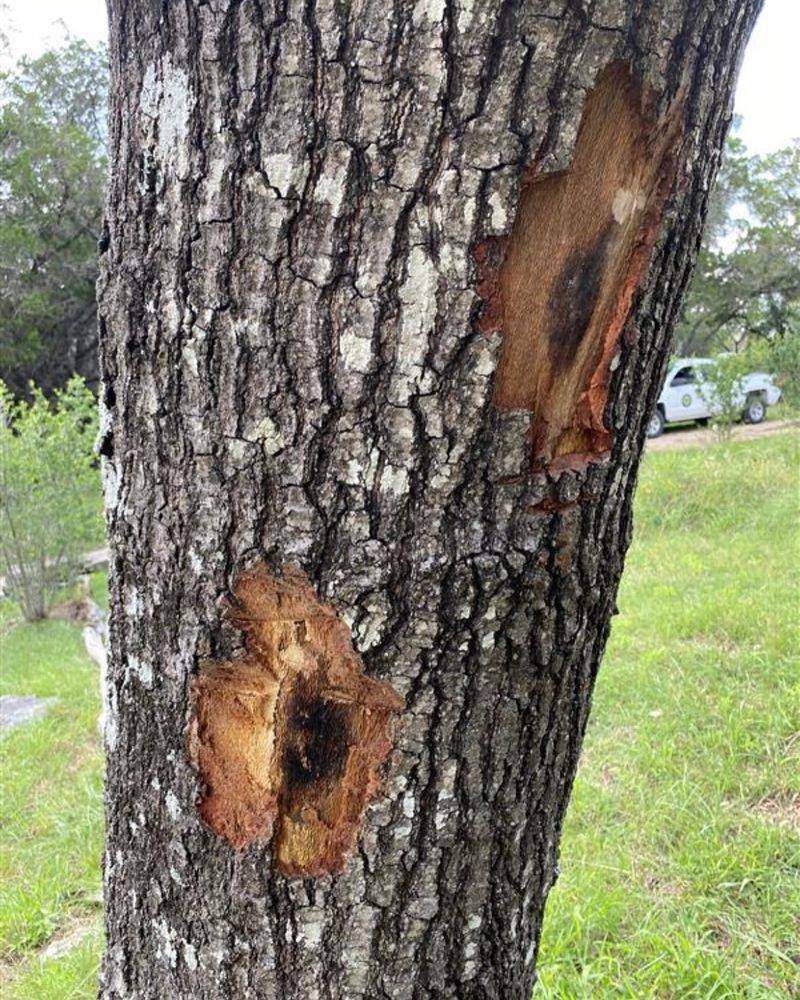
Texas oaks get one oak rule that sounds strange to gardeners from many other states.
Paint the fresh wound right away.
General tree advice often skips wound paint, but oak wilt changes the recommendation in Texas. Fresh oak cuts can attract sap-feeding beetles that may carry the fungus from infected material to healthy trees.
The barrier needs to go on fast.
Current Texas guidance says to paint all oak wounds immediately, regardless of season. A simple latex paint or pruning paint can provide that physical cover.
Have it beside you before the first cut.
For several cuts, finish one, paint it, then move to the next. Do not prune the whole tree and plan a paint session after lunch. State guidance defines immediate treatment as one cut followed by paint before the next cut.
Coverage matters more than a fancy brand.
The goal is to cover fresh exposed tissue promptly. This practice applies to oak wounds, not every tree in the yard.
That detail keeps the advice from turning into a gallon of paint on every crepe myrtle and pecan.
Storm damage can create wounds too, but old dried wounds do not gain the same benefit from late paint. The focus belongs on fresh cuts and fresh injuries.
This Texas tree-care rule deserves a simple routine.
Cut. Cover. Continue.
A fresh oak wound should not sit open while you search the garage for a brush.
The beetles do not wait for you to find the good paint tray.
7. Remember Oak Wilt Timing Is Different
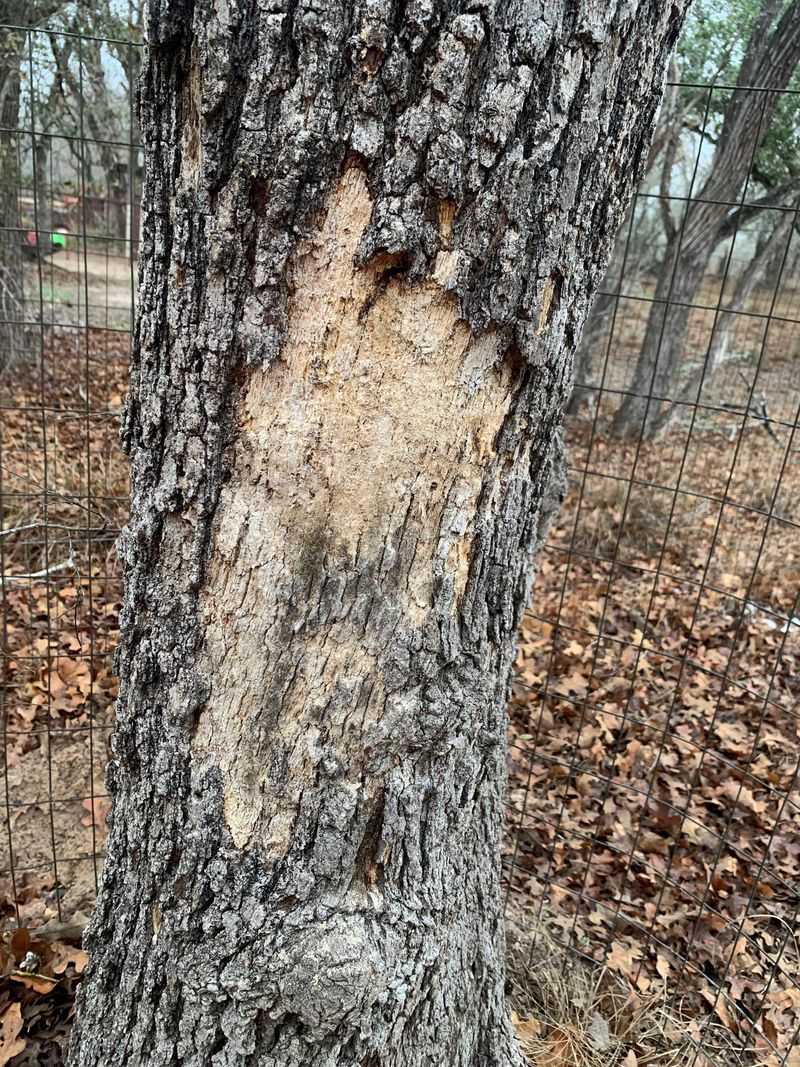
Heat stress and oak wilt belong in the same oak-care conversation, but they are not the same problem.
Texas oak wilt guidance identifies February through June as the main period to avoid oak wounds. Sap-feeding beetles are more active then, and fungal mats on infected red oaks are more likely to produce spores.
July does not suddenly make every cut harmless.
Oak wilt risk can still exist outside the main window, which is why fresh wounds need immediate paint all year.
Summer also brings a different reason to hold back.
Extreme heat and drought can leave an oak short on water and energy. A cut through live branches adds stress, even after the highest oak wilt period has passed.
That creates an important calendar lesson.
“Outside oak wilt season” does not automatically mean “great day to prune.”
Look at both conditions.
The disease calendar tells you when fresh wounds carry greater infection concern. The weather tells you how much stress the tree already handles.
Routine work belongs where those risks overlap as little as practical.
In many Texas landscapes, cooler late fall or early winter gives you a cleaner opportunity for structural work before February arrives.
Keep fresh-cut paint ready even then.
Two separate risks. Two separate reasons for patience.
The oak does not care which one ruined your Saturday pruning plan. It benefits from the delay either way.
8. Plan Major Pruning For Fall Or Winter
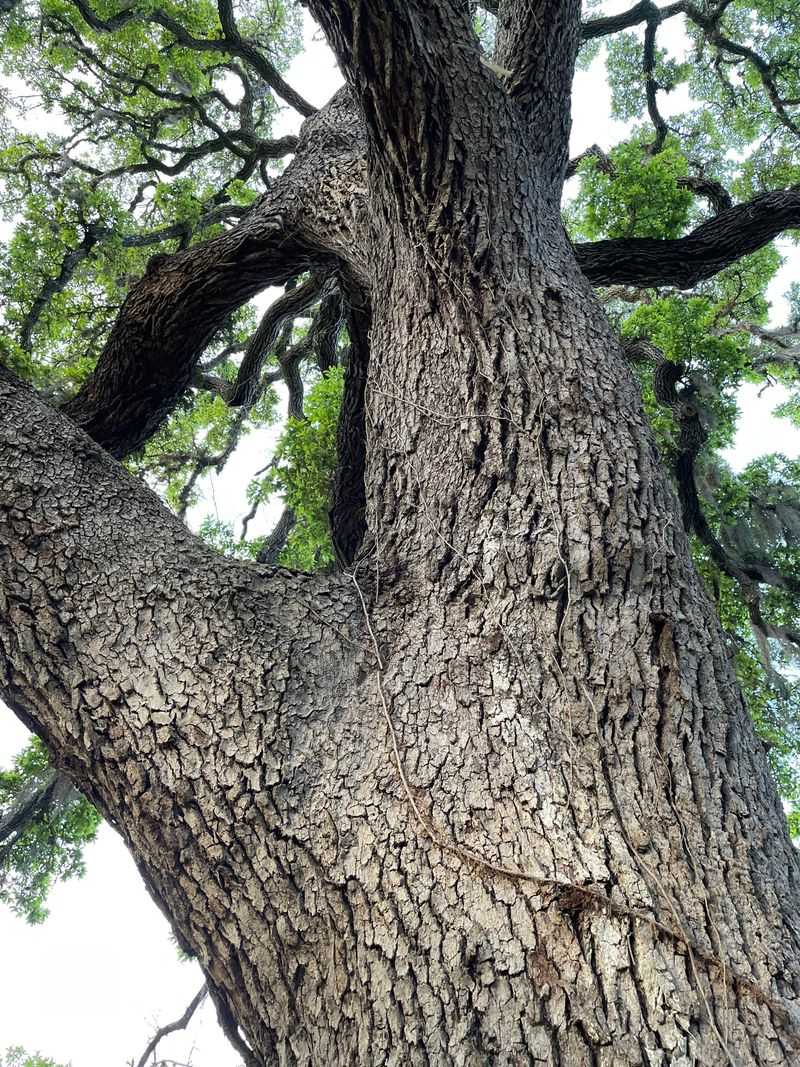
A good oak job starts months before anybody climbs the tree.
Use summer to observe.
Stand back after sunrise and again late in the day. Look for weak attachments, branches that rub, old storm damage, clearance problems, and limbs that truly affect a roof or walkway.
Take photos rather than cuts.
Then schedule major work for cooler weather outside the February-through-June oak wilt avoidance window. Winter often gives a better setting for live-tissue pruning and keeps the tree away from peak heat stress.
Large mature oaks deserve professional help.
A qualified arborist can separate a real structural defect from a branch that only looks awkward. That judgment matters because every unnecessary cut removes living tissue the tree spent years to produce.
Ask about oak wilt precautions before work begins.
Fresh wounds should receive immediate paint. Tools should stay clean, and the crew should understand local oak wilt concerns.
Avoid top cuts, lion-tail cuts, and dramatic canopy reduction.
The goal is not to make an old oak look newly assembled. Good pruning keeps useful branches, removes clear problems, and protects the tree’s natural structure.
Your summer notebook can do plenty of work without a chainsaw.
By cooler weather, you arrive with a plan instead of a reaction.
That approach saves shade, saves stress, and may save money too.
A 100-degree afternoon is excellent for noticing branches from an air-conditioned window. It is a terrible time for an impulsive oak makeover.