This Texas Flower Blooms Hardest When Everything Else Wilts In Heat
There’s a specific kind of gardening satisfaction that comes from watching one plant bloom boldly while everything around it struggles.
The heat is at its worst, other flowers are drooping by noon, and yet this one is putting out blooms with a confidence that borders on indifference to the conditions everyone else is battling. In a Texas summer, that quality is not just admirable. It’s essential.
Most Texas gardeners spend the hottest stretch of summer watching their garden fade. This flower has different plans.
It doesn’t just survive the heat. It seems to respond to it. The higher the temperature climbs, the more it blooms, as if the Texas summer is doing it a favor rather than working against it.
For a garden that needs color and life through August when most options have checked out, this flower delivers with a reliability that is genuinely hard to find in anything else.
It’s not exotic, it’s not difficult to find, and it doesn’t need special care to perform. It just needs the Texas heat, and Texas has plenty of that.
Meet The Texas Native That Doesn’t Quit When Summer Gets Brutal
Some plants look great in April and disappear by June. Texas rock rose is not one of them.
Known by several names, including rock rose, rose pavonia, and rose mallow, this tough native keeps producing flowers well into the hottest months of the year. Its scientific name is Pavonia lasiopetala, and it belongs to the mallow family, Malvaceae.
Despite having “rose” right there in the name, it is not a true rose at all. True roses belong to the family Rosaceae, while rock rose is much more closely related to hibiscus and okra.
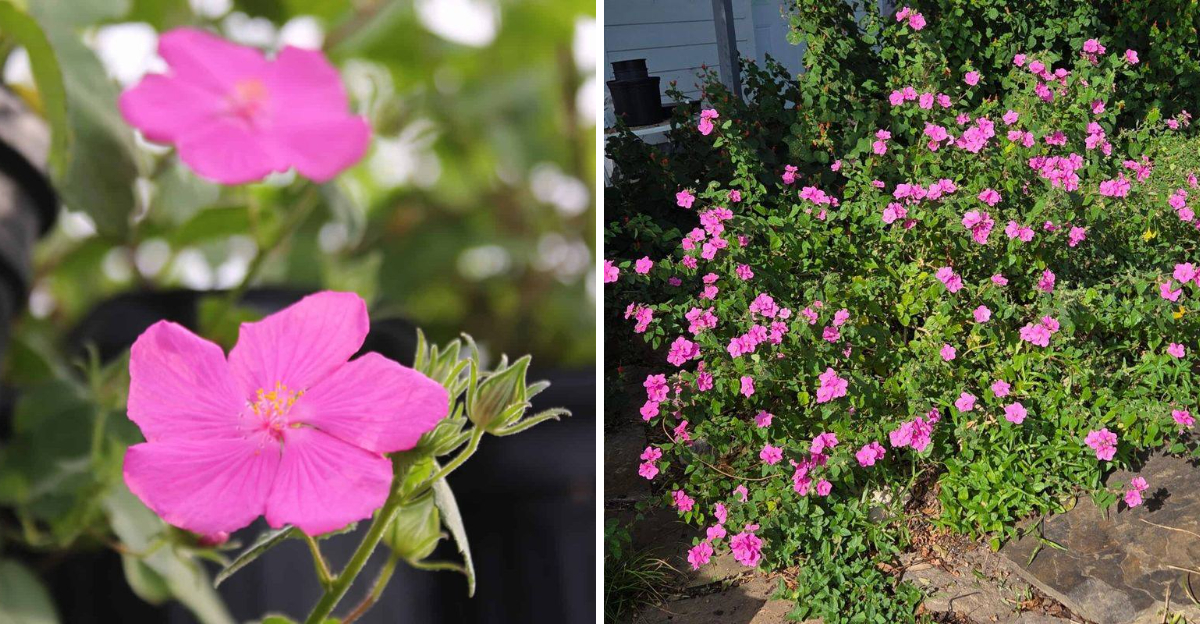
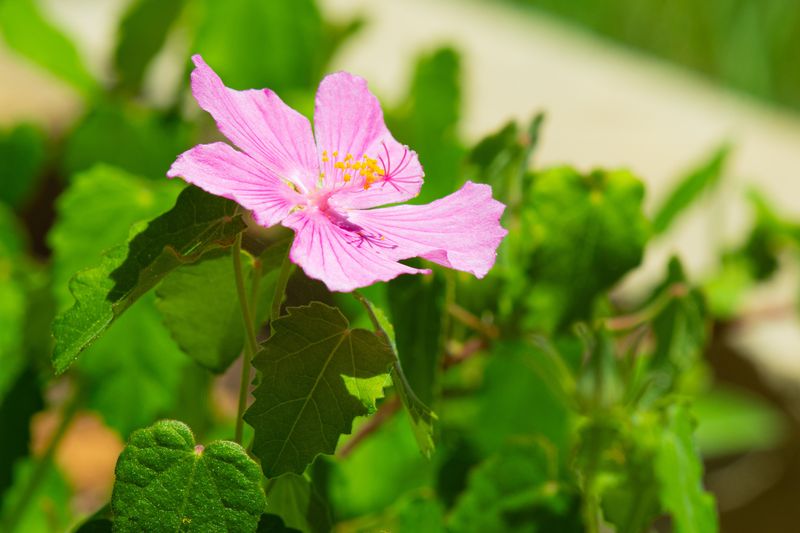
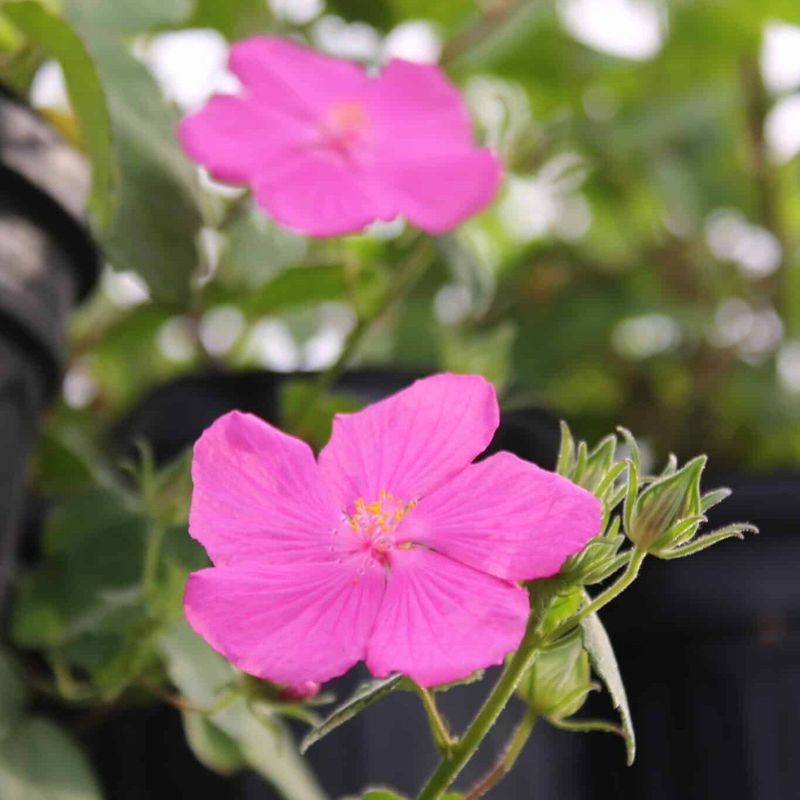
You can actually see the family resemblance the moment you look at the flower. Each bloom is small, bright pink, and shaped just like a miniature hibiscus, complete with that eye-catching yellow central column sticking up from the center.
The flowers are cheerful and vivid, making them easy to spot from across the yard. Individual blooms are relatively small, roughly an inch across, but an established plant can carry many of them at once.
That combination of color and quantity adds up fast in the garden.
What really sets rock rose apart is its stamina. While many popular flowering plants slow down or stop blooming when summer heat peaks, rock rose can continue flowering from around April all the way through November, depending on local weather conditions.
That is not a misprint. We are talking about a potential seven-month bloom window in a single growing season.
For Texas gardeners who struggle to find reliable summer color without constantly watering, that kind of staying power is genuinely hard to beat.
Why Texas Heat Doesn’t Shut This Flower Down
Rock rose did not develop its toughness in a greenhouse. It earned it the hard way, growing wild across some of the most demanding landscapes Texas has to offer.
Your Texas Garden Changes Every Week. Your Plan Should Too.
Gardening in Texas changes quickly throughout the season. Every Friday you’ll receive a simple weekly plan showing exactly what to plant, prune, fertilize, harvest, and protect so you never miss the right timing.
Its native range includes the Edwards Plateau region, a rugged stretch of central Texas known for thin limestone soils, rocky slopes, open woodlands, and wide-open savannas. These are not cushy growing conditions by any measure.
In the wild, rock rose regularly deals with blazing sun, minimal rainfall, and soil that drains so fast it barely holds moisture at all. Over time, the plant adapted to exactly those stressful conditions.
That adaptation is precisely why it holds up so well in Texas gardens when summer turns brutal and other ornamentals start looking ragged.
Its water requirement, once established, is classified as low by Texas native plant guidance. That means a mature rock rose can get by on rainfall alone in many parts of Texas without needing regular supplemental irrigation.
For gardeners trying to cut back on water use during summer drought restrictions, that is a genuinely practical advantage.
One thing worth understanding clearly: drought tolerance is not the same as drought immunity right out of the gate. A newly planted rock rose still needs consistent moisture while it is getting established and putting down roots.
Skipping water too soon can stress a young plant before it has a chance to settle in. Give it a solid first season of reasonable watering, and after that, it can largely take care of itself.
That investment of patience pays off with years of reliable, low-maintenance color through Texas summers.
The Flowers Keep Coming For Months, Not Weeks
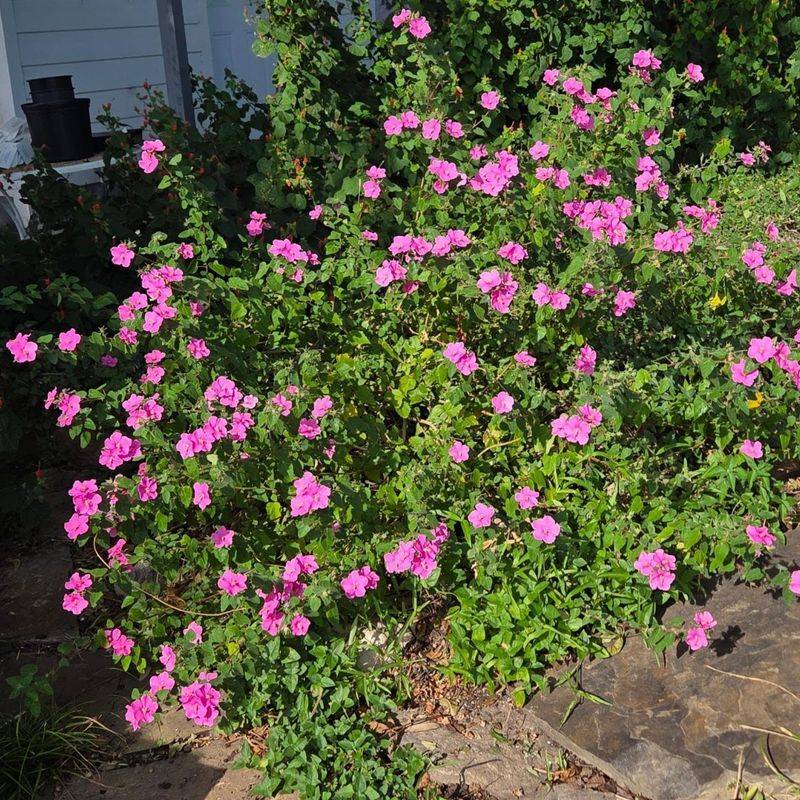
Most gardeners know the disappointment of a plant that looks spectacular for two weeks and then just sits there for the rest of the season. Rock rose flips that experience on its head.
One of its strongest landscape qualities is a flowering season that stretches from spring through fall, giving you color during months when most other plants have already wrapped up their show.
The individual flowers are on the smaller side, measuring around an inch across. But do not let that fool you into underestimating the display.
An established rock rose plant can carry a generous number of blooms at one time, and because new flowers keep opening throughout the season, the plant maintains a consistently colorful presence rather than peaking and fading all at once.
That vivid rose-pink color is especially valuable during the mid- and late-summer stretch, roughly July through September in most parts of Texas. Many popular spring bloomers have already finished by then, and gardeners are left with a lot of green and not much color.
Rock rose steps right into that gap and keeps things lively without requiring extra water or special attention to do it.
For anyone designing a Texas-friendly garden that aims to have something interesting happening across multiple seasons, rock rose fills a genuinely difficult slot.
Summer color that does not demand constant irrigation is surprisingly hard to find in native and low-water plant palettes.
Rock rose delivers it reliably, season after season, without a lot of fuss. Once you see a mature plant in full summer bloom, it becomes easy to understand why Texas native plant enthusiasts recommend it so consistently.
Give It Sun, Drainage, And Don’t Overcomplicate The Soil
Planting rock rose successfully is less about doing a lot and more about not overdoing it. Start with the right location, and the plant will handle most of the rest on its own.
Full sun is the sweet spot. Rock rose can tolerate partial shade, but more sun generally means a stronger, more upright plant with better flowering and fewer issues overall.
Soil flexibility is one of rock rose’s genuinely underrated qualities. It adapts to caliche, clay, loam, and sandy soils without needing a lot of fuss or amendment.
What it does need in every situation is good drainage. Sitting in waterlogged soil for extended periods is one of the few things that will genuinely stress this plant.
If your site tends to hold water after rain, raise the bed slightly or mix in some coarse material to improve drainage before planting.
Here is a common mistake worth avoiding: do not load up the planting hole with rich compost or fertilizer thinking you are helping. Rock rose’s natural habitat is lean, rocky, and low in nutrients.
Overly rich soil can actually push the plant toward excessive leafy growth at the expense of flowers. Keep the soil conditions relatively simple and let the plant do what it was built to do.
Powdery mildew can sometimes show up on the foliage, particularly in shadier or more humid spots. Planting in a location with full sun and good air circulation around the plant is the most straightforward way to reduce that problem.
No sprays needed, no complicated fixes. Just give it the right spot from the start, and most issues take care of themselves naturally.
It’s More Than Just A Heat-Proof Splash Of Pink
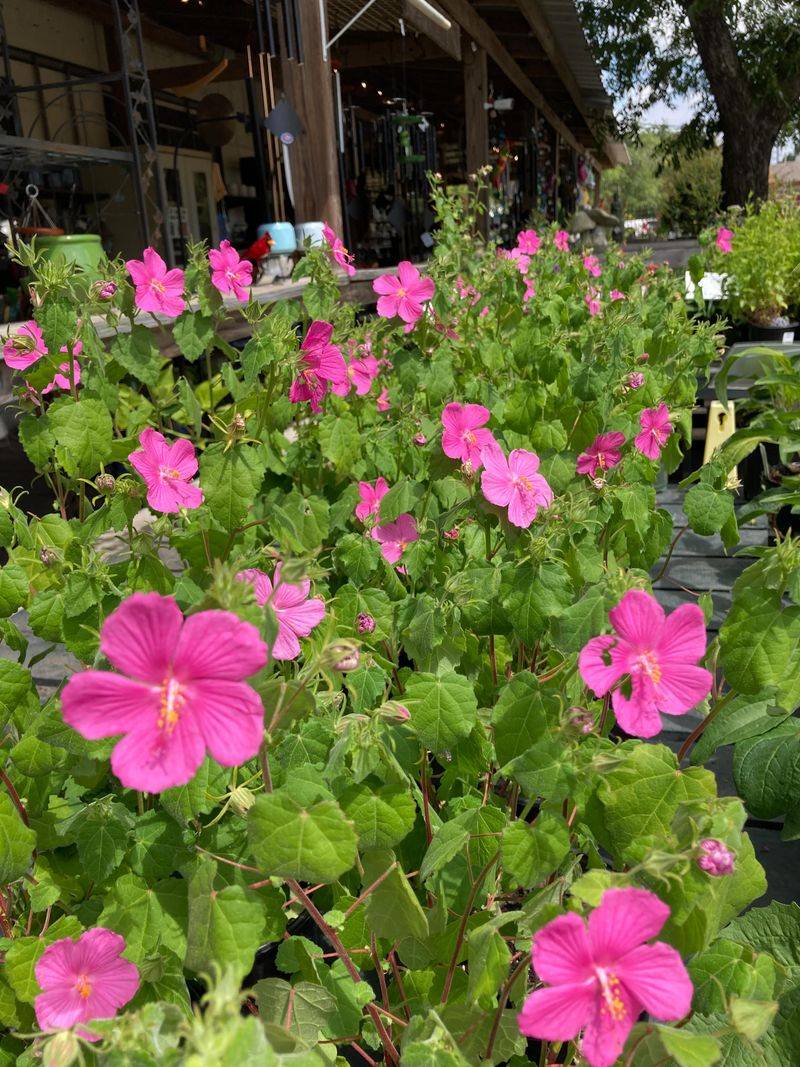
Pretty flowers are a great reason to plant something, but rock rose brings more to the garden than just good looks. Walk past a blooming plant on a warm afternoon and you will likely notice visitors.
Butterflies, moths, and hummingbirds are all documented as wildlife that benefits from rock rose, according to the Native Plant Society of Texas.
The flowers provide both nectar and pollen, making the plant an active contributor to the garden’s food web rather than just a decoration.
That wildlife value matters more than many gardeners initially realize. Pollinators in Texas face real pressure from habitat loss and the spread of high-maintenance, non-native landscapes that offer little food value for native insects and birds.
Planting something like rock rose is a small but meaningful way to push back against that trend. You get the color you want, and the local wildlife gets a resource they actually need.
Rock rose also fits neatly into several popular garden styles at once. It belongs naturally in Texas native plant gardens, pollinator gardens, and water-conscious xeriscape designs.
That kind of versatility makes it easier to work into an existing landscape without having to redesign everything around it.
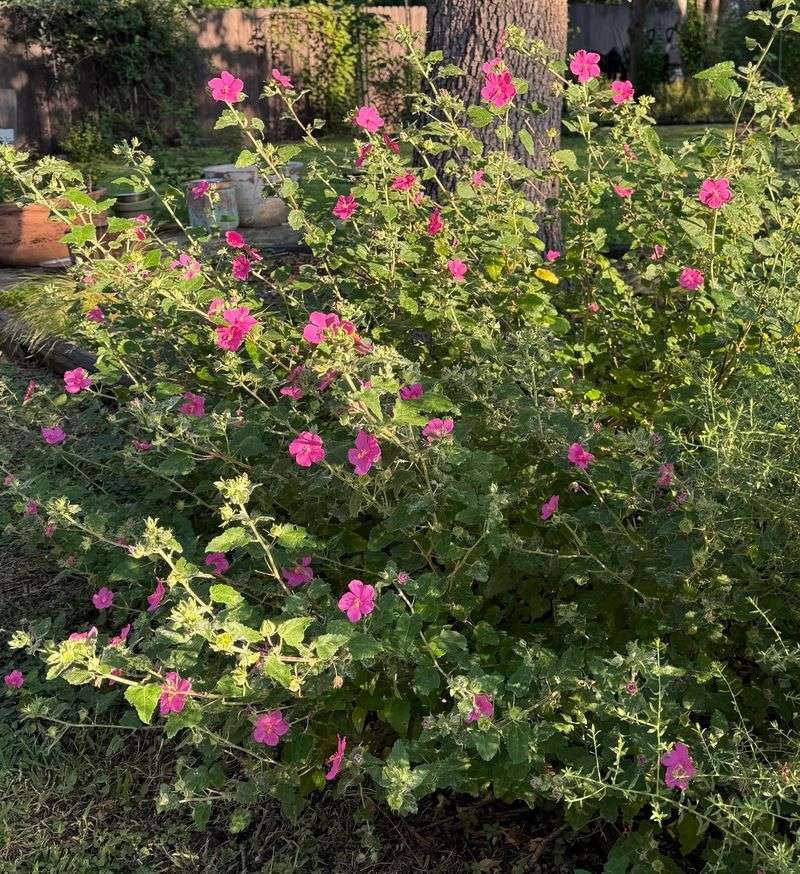
Mature plants typically reach around three to four feet tall and spread to a similar width. That compact, manageable size makes rock rose practical for residential garden beds without it taking over or crowding out neighboring plants.
It plays well with other native perennials and grasses, and its rounded form adds a soft, full look to mixed plantings. For a plant that asks for so little, it contributes a remarkable amount to the overall health and character of a Texas garden.
The Simple Maintenance Trick That Keeps Rock Rose Looking Better
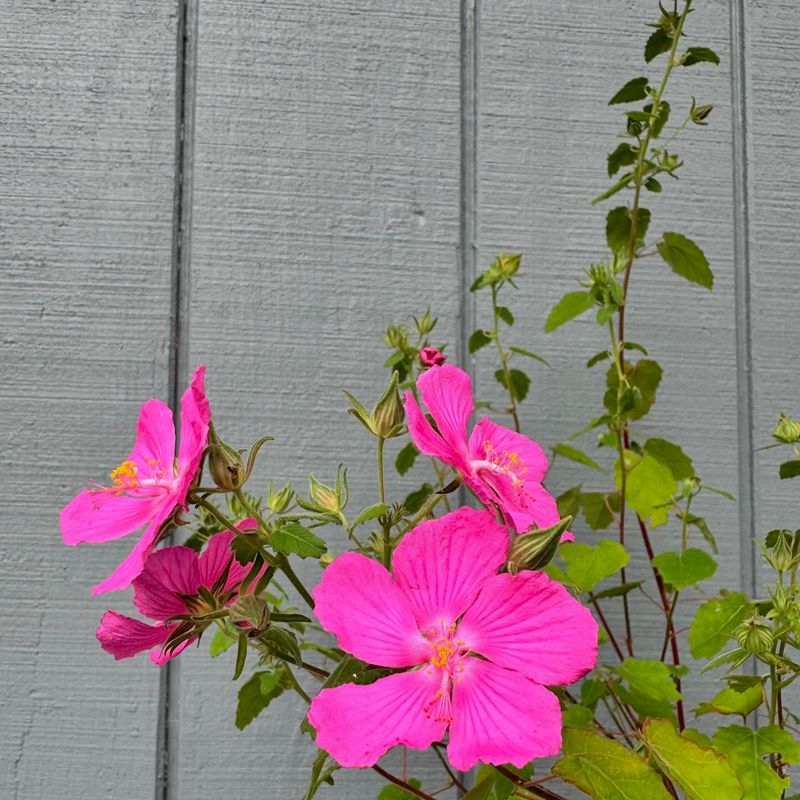
One of the best things about rock rose is how little it asks of you once it is settled in. There are no complicated feeding schedules, no constant deadheading requirements, and no need to fuss over it every weekend.
For busy gardeners or anyone who wants a lower-effort landscape, that simplicity is a real selling point.
The one maintenance task that genuinely makes a difference is occasional light pruning. Left completely alone for several seasons, rock rose can start to look a little leggy, with long, open stems and fewer blooms toward the base of the plant.
A light trim encourages the plant to branch out more, producing a bushier, fuller shape with better flower coverage. You do not need to do a hard cut.
A modest shaping once or twice a season is usually enough to keep the plant looking tidy and vigorous.
Powdery mildew is worth mentioning again here because it is the most common problem gardeners encounter.
If you notice a white powdery coating on the leaves, the fix is usually as simple as improving air circulation or moving the plant to a sunnier spot during the next growing season. Serious outbreaks are uncommon when the plant is sited well from the beginning.
Winter can make rock rose look a little rough. It is a deciduous perennial shrub, meaning it loses its leaves when temperatures drop and may look bare or scraggly during the coldest months.
That is completely normal behavior, not a sign of trouble. Come spring, new growth returns reliably.
For Texas gardeners who want months of pink blooms, low water demand, and genuine summer resilience, rock rose earns its spot in the garden long before a thirstier ornamental even gets started.