The Only Texas Flower You Need For Nonstop Color In Late Summer Heat
Late summer in Texas is when most garden color throws in the towel. The reliable performers of June and July have faded, heat stressed plants are conserving energy rather than blooming, and the garden that looked so promising earlier in the season starts feeling like something to just get through until fall arrives.
But one Texas flower never got that message. While everything around it is winding down, this flower keeps going.
Nonstop color through the hottest afternoons, through weeks without rain, through the kind of relentless August heat that most flowering plants treat as a signal to stop producing and start surviving.
It blooms like the summer is just getting started, even when every other plant in the garden is clearly ready for it to end.
It’s not demanding. It doesn’t need constant attention or special treatment to deliver this performance.
It just needs full sun and the Texas heat, and it rewards you with reliable, vibrant color that carries the garden all the way into fall.
Meet The Texas Native That Seems To Love The Hottest Part Of Summer
Most plants start to struggle when the Texas summer really gets cooking. Flowers fade, leaves droop, and gardeners find themselves wondering if anything can actually survive out there.
Texas lantana (Lantana urticoides) not only survives, it seems to thrive when things get scorching hot.
This perennial flowering shrub is native to Texas, which means it evolved right here under these brutal conditions. It did not need to be coaxed or coddled into tolerating the heat.
The heat is simply its home turf. Texas SmartScape, a trusted resource for Texas gardening, describes Texas lantana as a plant that genuinely loves Texas heat.
What makes this plant so exciting for late-summer gardeners is the bloom window. According to Texas SmartScape, Texas lantana can bloom continuously from May through November.
That is a solid six months of color, carrying your garden from spring all the way through early winter.
Here is the part that really sets it apart from other summer bloomers. Texas SmartScape notes that flowering can actually become more profuse as the heat intensifies.
While your other plants are retreating, Texas lantana is ramping up. More heat often means more flowers, which is almost the opposite of what most gardeners expect from a flowering plant during August.
For anyone who has watched a beautiful spring garden turn into a brown, bare disappointment by July, Texas lantana offers a real solution.
Planting it means you are choosing a flower that treats summer like an opportunity rather than a setback. That kind of reliability is hard to find in any garden.
Why August Heat Doesn’t Stop The Flowers
A lot of flowering plants have a breaking point. Once daytime temperatures stay above 95 or 100 degrees for weeks at a time, they simply stop producing blooms.
Texas lantana is wired differently, and understanding why helps explain why it is such a smart pick for summer gardens in the Lone Star State.
Your Texas Garden Changes Every Week. Your Plan Should Too.
Gardening in Texas changes quickly throughout the season. Every Friday you’ll receive a simple weekly plan showing exactly what to plant, prune, fertilize, harvest, and protect so you never miss the right timing.
Texas lantana is naturally suited to hot, sunny, and relatively dry conditions. Its roots, leaves, and stems have all adapted over time to handle the kind of relentless sun and dry spells that are completely normal in a Texas summer.
Once a plant is fully established, its water demand drops significantly. It becomes far better adapted to scorching conditions than many popular bedding plants that need frequent watering just to stay alive.
The Native Plant Society of Texas describes Texas lantana as highly drought- and heat-tolerant after establishment, and confirms that it keeps flowering well into fall. That is a long stretch of reliable color without needing constant attention from the gardener.
One important detail to keep in mind: newly planted Texas lantana still needs regular watering while it is getting its roots settled into the ground. Drought tolerance is strongest in mature, established plants.
Skipping water during the first growing season can stress a young plant before it ever gets a chance to show what it can do.
Give a new plant consistent moisture for its first season, and it will reward you by building the deep, strong root system that makes it so tough later on. After that, August heat becomes just another season for it to bloom through without complaint.
One Shrub Produces Yellow, Orange, And Red At The Same Time
Gardeners who love bold, layered color usually have to plant several different flowers side by side to get that effect. Texas lantana pulls it off all by itself.
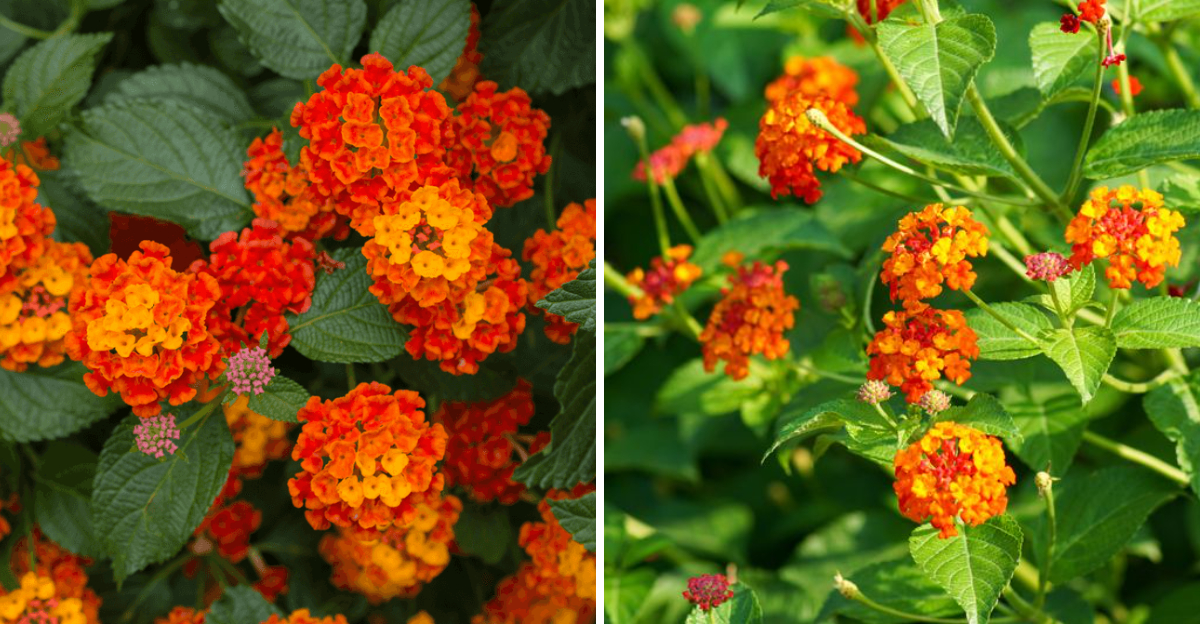
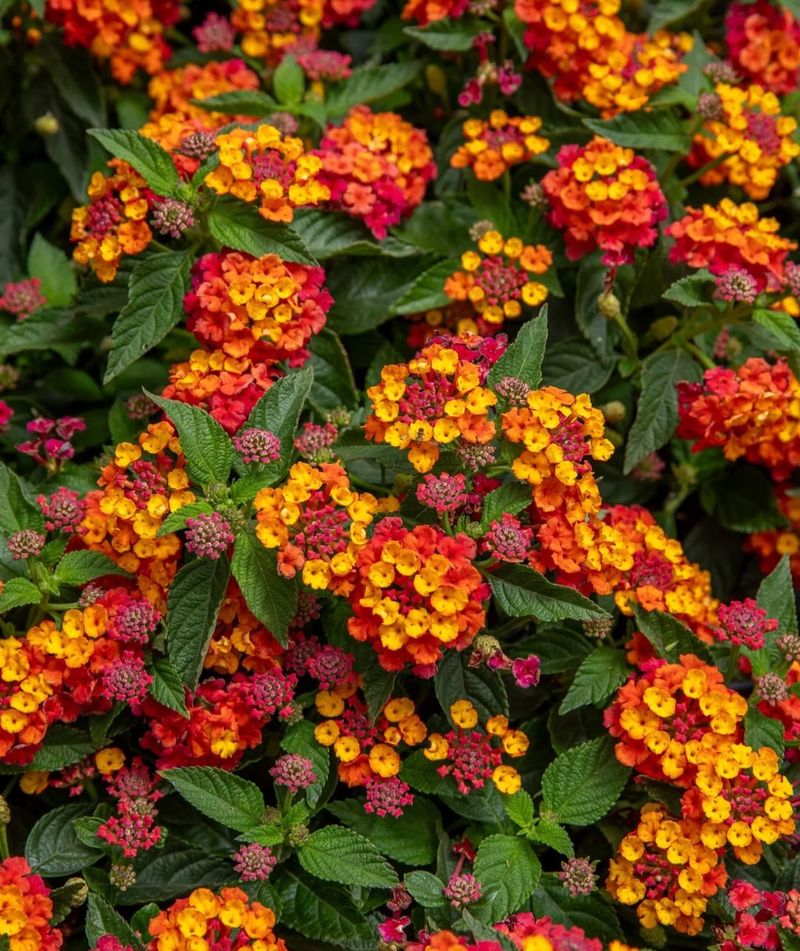
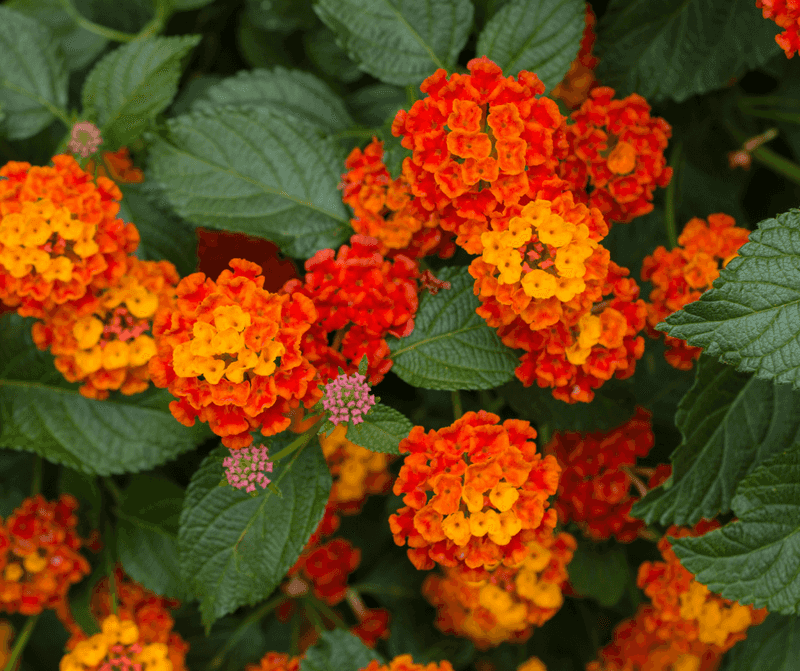
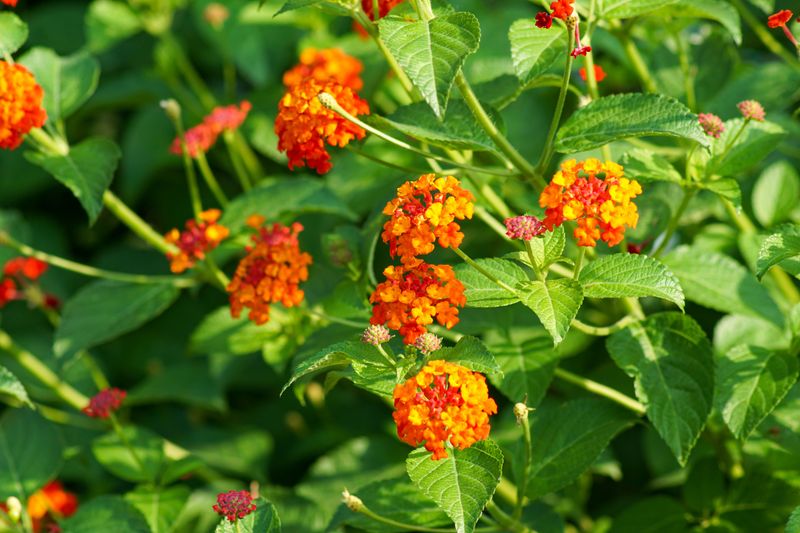
It earns its fun nickname, the Calico Bush, because of the way it displays multiple colors at once across its blooming clusters. Here is how it works. Individual flowers on the plant change color as they age.
A bloom that starts out bright yellow will gradually shift to orange and then deepen into red over time. Because different flowers on the same plant are at different stages of development, you end up with all three colors showing at the same time.
Yellow, orange, and red can all appear on a single cluster, which Texas SmartScape lists as the plant’s characteristic ornamental colors.
That color-shifting quality makes Texas lantana visually interesting in a way that single-color flowers just cannot match. You are not looking at one flat shade repeated across the whole shrub.
Instead, the plant has a warm, lively gradient that catches the eye and holds it. The effect is especially striking in late summer when so many other plants have gone quiet.
For gardeners who want a bold focal point without the hassle of coordinating multiple plant species, this shrub does the work for you. You plant one thing and get a living color show that changes gradually throughout the blooming season.
Pair it with green or silver-leafed plants nearby and those warm tones pop even more. The Calico Bush nickname really does say it all. Few plants pack this much visual variety into a single specimen.
Give It More Sun If You Want More Flowers
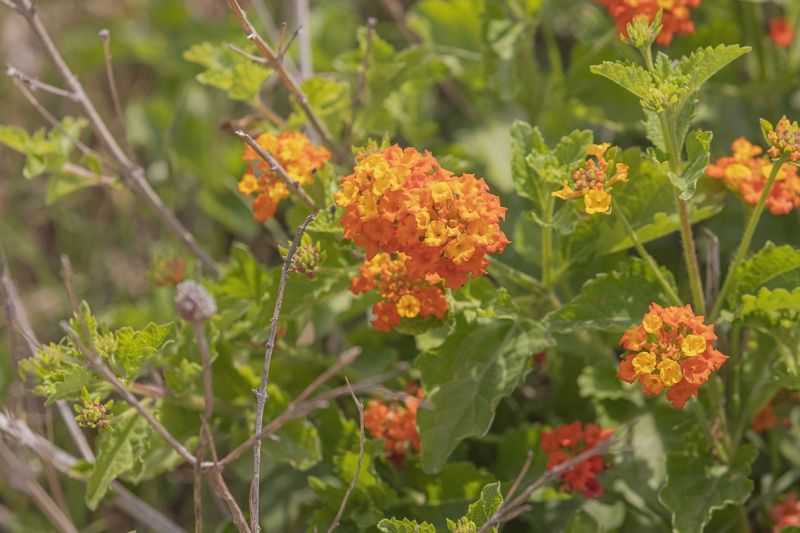
Sunlight is basically Texas lantana’s fuel. The more direct sun it gets, the harder it blooms.
Gardeners who want the most impressive flower display from this plant should choose the sunniest spot available in their yard. Full sun or mostly sun is the sweet spot for peak performance.
The Native Plant Society of Texas recommends giving Texas lantana at least about six hours of direct sun each day for the best bloom results. That is a straightforward target.
A bed that faces south or west and stays bright most of the day is going to produce a far more floriferous plant than one tucked under a tree or along a shaded fence line.
Texas lantana can tolerate some partial shade, so it is not completely inflexible. But shade does have a cost.
Too much shade reduces the number of flowers the plant produces, and in a species where the whole point is that brilliant late-summer color display, cutting back on sun means cutting back on the show.
If you have to choose between a partly shaded spot and a fully sunny one, always go with the sun.
Soil quality is another area where this plant is refreshingly forgiving. Native plant guidance notes that Texas lantana can handle poor soils as long as drainage is reasonable.
Rocky, sandy, or thin soils that would frustrate many other flowering plants are not a serious problem here. It does not need rich, amended garden beds to perform well.
Good drainage matters more than soil richness for this plant. Avoid low spots where water tends to pool after rain, and Texas lantana will settle in and start rewarding you with color season after season.
The Late-Summer Color Comes With A Pollinator Bonus
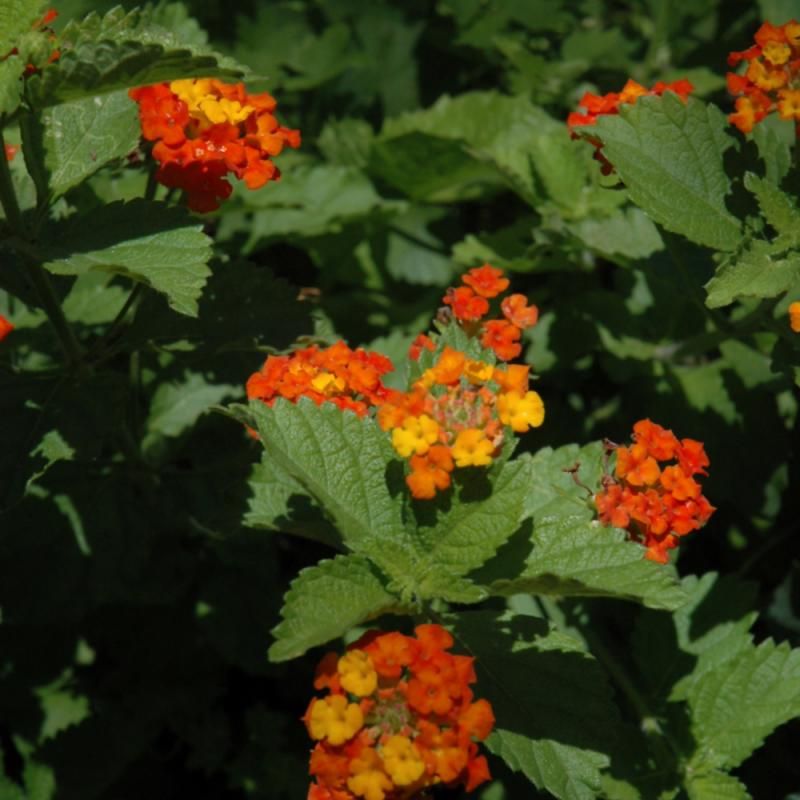
Beyond looking great in the garden, Texas lantana is doing real work for local wildlife during one of the toughest times of year. Late summer in Texas can be hard on pollinators.
Extreme heat stresses many flowering plants into stopping production, which means the nectar supply can get thin right when insects and birds still need it most.
Texas lantana steps in and fills that gap. Its small, tubular flowers are built for pollinators, and the plant draws in a lively crowd.
Butterflies are especially fond of it, which makes it a natural centerpiece for any butterfly garden. Bees also visit regularly, along with hummingbirds looking for a reliable nectar source during the long, hot stretch between midsummer and fall migration.
Other beneficial insects show up too, adding to the ecological value of a single planting. And the benefits do not stop with the flowers.
As the blooms mature, they develop into small fruits that birds find appealing. So the plant supports wildlife at multiple stages of its seasonal cycle, from bloom to fruit.
This broad wildlife appeal makes Texas lantana especially useful in native gardens, butterfly gardens, hummingbird gardens, and water-conscious landscapes.
It is not just an ornamental shrub filling a visual role. It is an active participant in a healthy backyard ecosystem. For gardeners who want their yard to do more than look good, this plant is a strong choice.
You get season-long color and a steady stream of butterflies, bees, and hummingbirds visiting the garden all the way through fall. That kind of payoff from one plant is genuinely hard to beat.
Plant The Real Texas Lantana, Not Just Anything Labeled Lantana
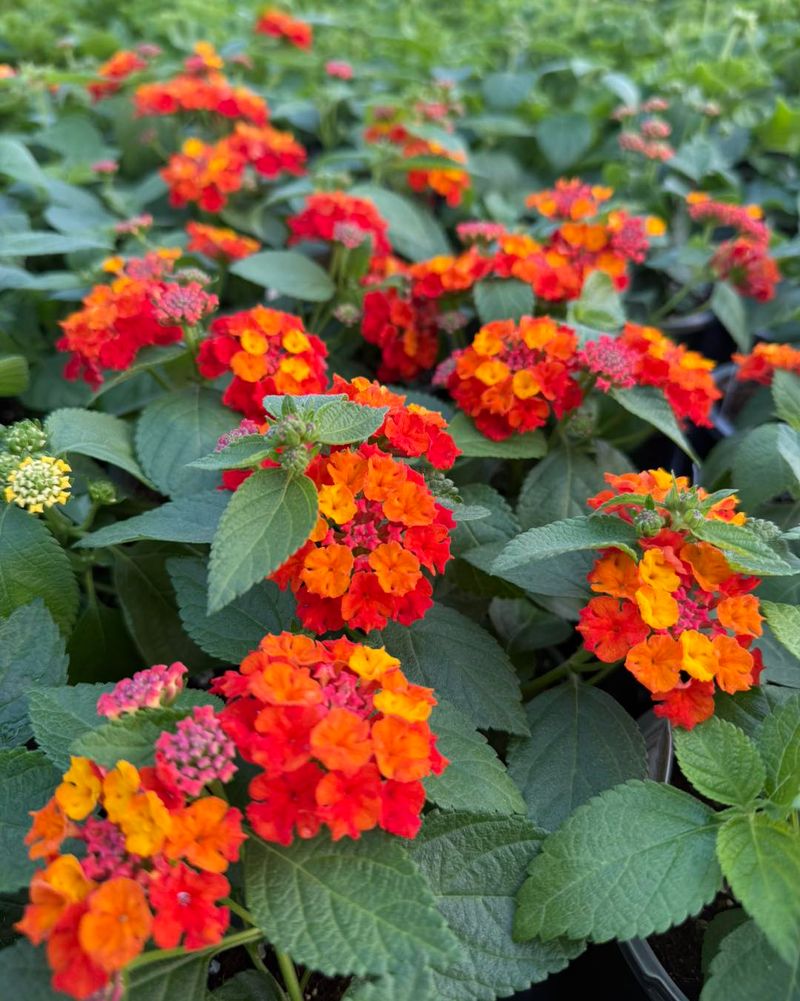
Walk into most garden centers in Texas and you will find plenty of plants labeled simply as lantana. The tag might show a pretty photo and list heat tolerance, but that does not mean you are looking at the Texas native.
Many of those plants are non-native species, cultivars, or hybrids that look similar but behave differently in the landscape.
When your goal is to grow true Texas lantana, look specifically for the botanical name Lantana urticoides. That is the name that confirms you have the actual native species, not a look-alike bred for different climates or conditions.
Asking a nursery staff member to help you locate it by that name is a smart move if you are not sure what you are looking at on the shelf.
Sizing is another thing to plan for before you plant. An established Texas lantana can grow into a substantial shrub.
Texas SmartScape lists its mature size at approximately four to six feet tall and wide. That is a significant footprint, so give the plant room to spread without crowding neighboring plants or encroaching on walkways.
Winter brings one more thing to keep in mind. Texas lantana is deciduous, meaning it will drop its foliage when cold weather arrives.
Do not assume the plant is gone just because it looks bare in January. Gardeners commonly prune old stems back before new spring growth begins, which helps tidy up the plant and encourages fresh growth.
For a sunny Texas bed that needs bright color through August, September, and well into fall, Texas lantana (Lantana urticoides) is one of the strongest native choices you can make. Plant it once and enjoy it for years.