The Late Summer Blooms Pennsylvania Pollinators Still Need
Most people assume that pollinators in Pennsylvania are fine on their own through late summer.
They’ve been visiting gardens all season, they seem to find what they need, and the idea that they might be struggling as August and September arrive doesn’t quite match the image of a bee drifting lazily through a warm afternoon.
But late summer is one of the most critical and most food stressed periods in the pollinator year. The bloom gap is real. And it matters.
Native bees are building winter reserves right now. Monarch butterflies passing through Pennsylvania on migration need reliable fuel.
Beneficial insects completing their late season life cycles depend on consistent nectar and pollen sources that are becoming harder to find as more gardens wind down.
The yards and gardens that still have something blooming in late summer are not just pretty. They’re filling a gap in the landscape that has genuine ecological consequences.
1. Asters
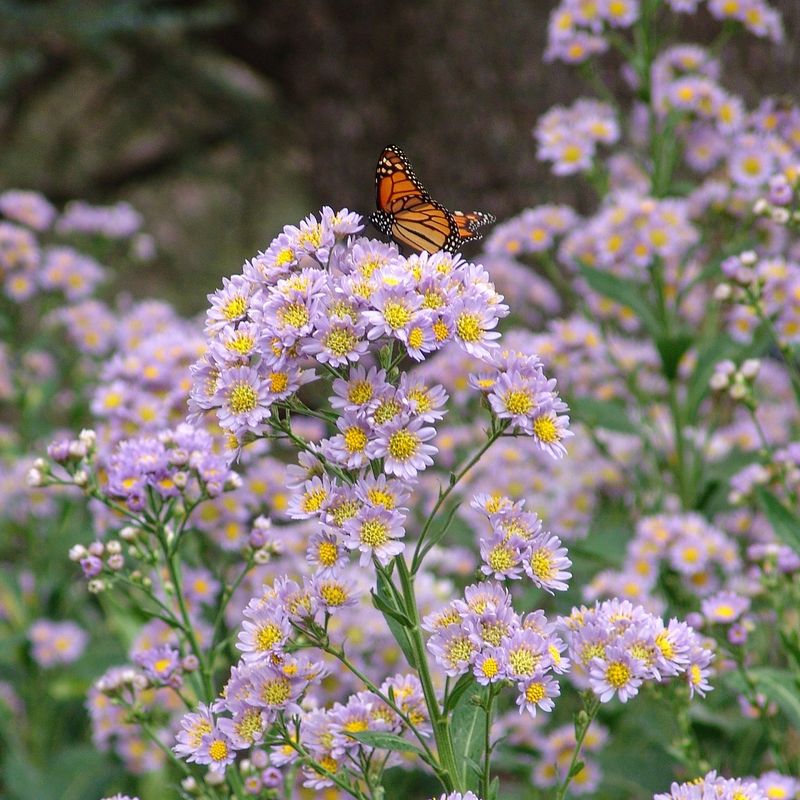
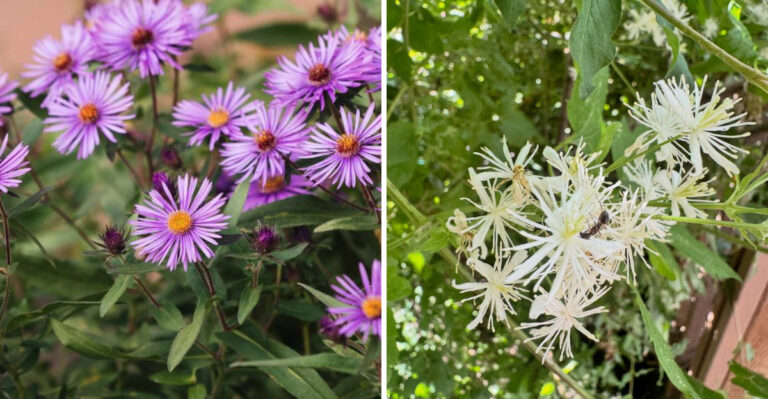
Walk through any Pennsylvania meadow in late August, and chances are you will spot the cheerful violet, blue, or white flowers of native asters nodding in the breeze.
These plants, scientifically known as Symphyotrichum spp., are among the most valuable flowers a gardener can offer to local wildlife during the final stretch of the warm season.
They bloom from August all the way into October, giving pollinators a reliable food source when many other flowers have already faded.
Asters attract an impressive variety of visitors. Bees, butterflies, flies, beetles, and other beneficial insects all stop by for nectar and pollen.
Penn State has specifically highlighted asters as a critical late-season nectar source, particularly for migrating monarch butterflies making their long journey south.
Without plants like asters along the way, monarchs would have far fewer fueling stops on their migration route.
Growing native asters is surprisingly easy. Most species thrive in average garden soil and do not need a lot of extra watering once established.
They work beautifully in borders, meadow-style plantings, or even naturalized areas where you want low-maintenance color. Some species prefer full sun, while others tolerate light shade, so there is likely an aster that fits almost any garden spot.
One fun fact worth knowing: native asters support over 100 species of native bees in North America. That is a remarkable number for a single plant group.
If you can only add one late-season bloomer to your Pennsylvania garden this year, asters are an outstanding place to start. Their long bloom time, wide pollinator appeal, and easy-going nature make them genuinely hard to beat.
2. Goldenrod
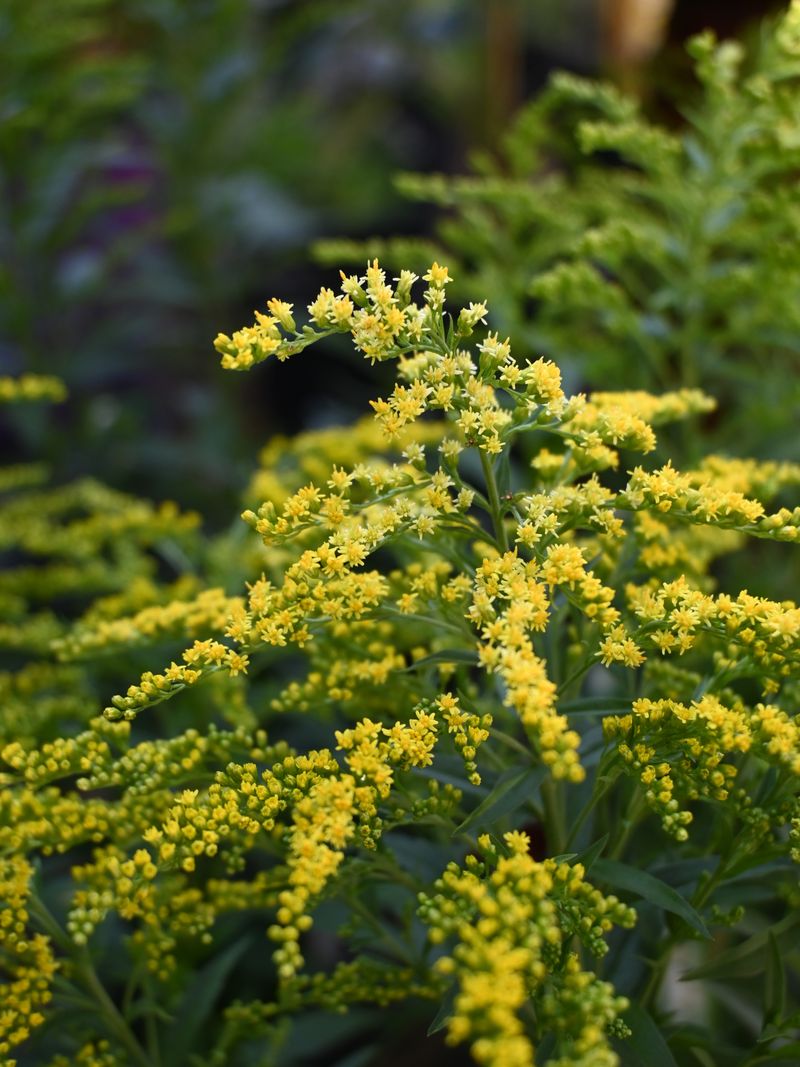
Goldenrod gets a bad reputation it does not deserve. Many people blame it for fall allergies, but the real culprit is usually ragweed, which blooms at the same time.
Goldenrod pollen is too heavy and sticky to travel through the air easily. Instead, it depends on insects to carry it from flower to flower, which is exactly why pollinators love it so much. Solidago spp. begins its showy yellow display in late summer and keeps going well into fall.
Your Pennsylvania Garden Changes Every Week. Your Plan Should Too.
Gardening in Pennsylvania changes quickly throughout the season. Every Friday you’ll receive a simple weekly plan showing exactly what to plant, prune, fertilize, harvest, and protect so you never miss the right timing.
The dense clusters of tiny yellow flowers attract an impressive crowd. Bees, butterflies, beneficial wasps, syrphid flies, and many other insects all flock to goldenrod for nectar and pollen.
Penn State has described goldenrod and asters together as some of the last major feeding opportunities pollinators have before cold weather arrives.
That makes goldenrod far more than just a pretty plant. It is a genuine lifeline for insects building up energy reserves before winter.
From a garden design standpoint, goldenrod is incredibly versatile. It grows in a wide range of soil types, tolerates drought once established, and spreads cheerfully over time to fill in bare spots.
Shorter cultivated varieties work well in formal garden beds, while taller species look stunning in meadow plantings or along fence lines. Either way, the golden color adds warmth and brightness to the late-summer landscape.
Here is something that might surprise you: goldenrod is one of the most important plants for native bees in the entire eastern United States. Some bee species depend almost entirely on goldenrod pollen to provision their nests in late summer.
Planting goldenrod is one of the simplest and most impactful things a Pennsylvania gardener can do for local pollinators.
3. Joe-Pye Weed
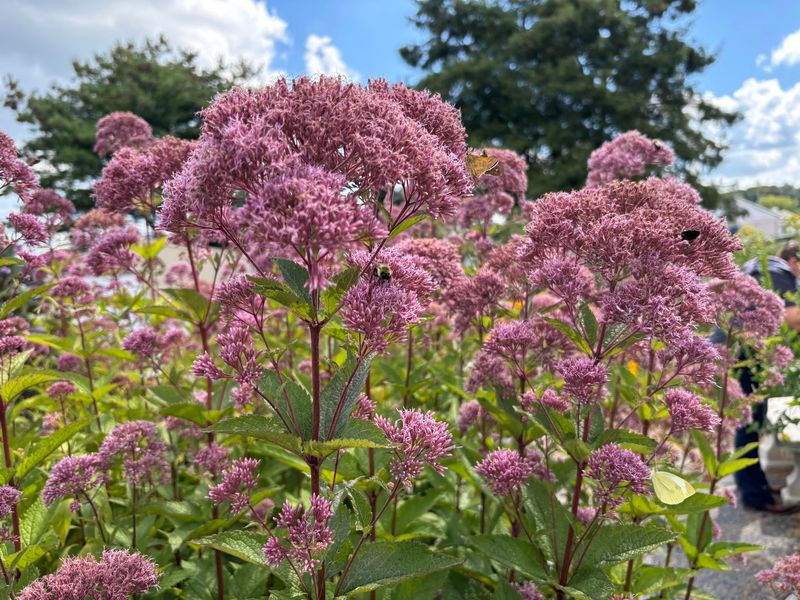
Few native plants make as bold a statement in the late-summer garden as Joe-Pye weed. Standing tall with large, dusty pink to mauve flower clusters, this plant has a presence that is hard to ignore.
Eutrochium spp. blooms from roughly July through September, placing it right in the sweet spot when pollinators are searching for reliable food sources.
Its long bloom time helps bridge the gap between the flowers of midsummer and the asters and goldenrods of early fall.
Butterflies absolutely love Joe-Pye weed. Swallowtails, fritillaries, and skippers are frequent visitors, drawn in by the rich nectar the flowers provide.
Bees and other nectar-feeding insects also show up in good numbers. Because it blooms over such a long stretch of time, a single planting of Joe-Pye weed can serve pollinators for weeks on end without any extra effort from the gardener.
Joe-Pye weed performs especially well in moist soil, making it an excellent choice for rain gardens, low spots in the yard, or areas near ponds and streams. Requirements can vary a bit among species, so it is worth checking which type suits your specific conditions.
Most varieties prefer full sun to light shade and can grow quite tall, sometimes reaching six feet or more, so plan accordingly when choosing a planting location.
The name Joe-Pye has an interesting backstory. It is believed to come from a Native American healer named Joe Pye who reportedly used the plant medicinally.
Whether or not that story is entirely accurate, it adds a layer of history to an already fascinating plant. Adding Joe-Pye weed to your garden means inviting both beauty and a piece of American botanical heritage into your outdoor space.
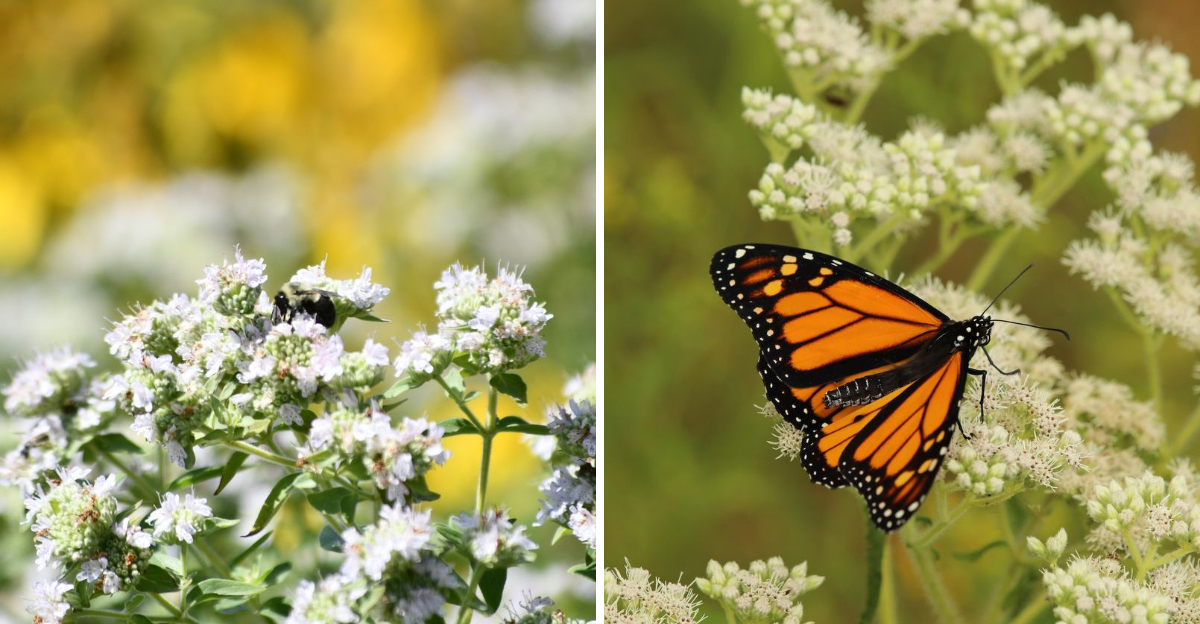
4. Mountain Mint
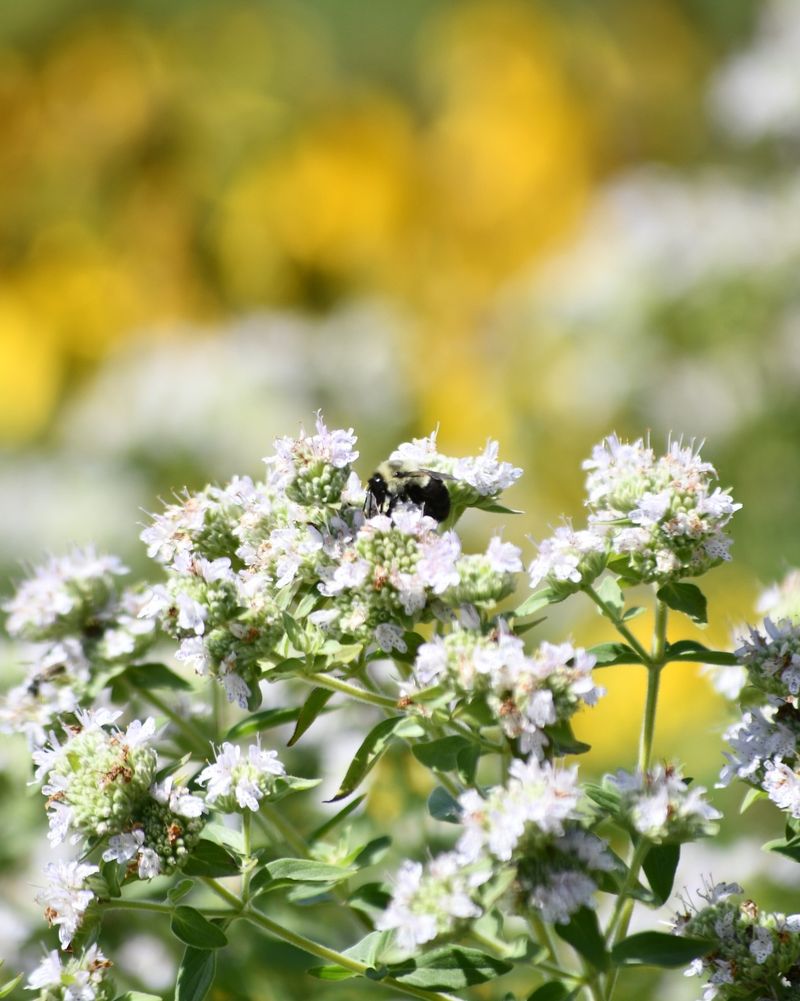
If you have ever stood next to a patch of mountain mint in full bloom, you know the experience is almost overwhelming. The hum of insect activity is constant, the air carries a crisp minty scent, and barely a flower goes unvisited.
Pycnanthemum spp. is not a flashy plant in the traditional sense. Its clusters of tiny flowers are modest compared to showier garden plants.
But when it comes to drawing pollinators, very few native plants can match its performance.
Penn State has called mountain mint a pollinator powerhouse, and that description is well earned. The flowers attract an unusually broad range of visiting insects, including native bees, honeybees, wasps, beetles, flies, and butterflies.
The bloom period stretches from July through September, giving pollinators a dependable food source across several critical weeks of late summer. Few plants offer that kind of consistent, wide-ranging appeal.
Mountain mint is also a practical choice for gardeners who prioritize function over fuss. It spreads steadily over time, filling in bare spots and outcompeting weeds once it gets established.
It grows well in average to slightly dry soil and tolerates full sun with ease. Gardeners who want maximum pollinator activity without fussy watering schedules or complex soil preparation will find mountain mint refreshingly low-maintenance.
One thing to keep in mind is that mountain mint can spread aggressively through rhizomes. If you want to keep it contained, planting it in a raised bed or using root barriers works well.
But in a naturalized area or meadow-style planting, that spreading habit is actually a benefit. More mountain mint means more flowers, and more flowers means more pollinators buzzing happily through your Pennsylvania garden all summer long.
5. Boneset
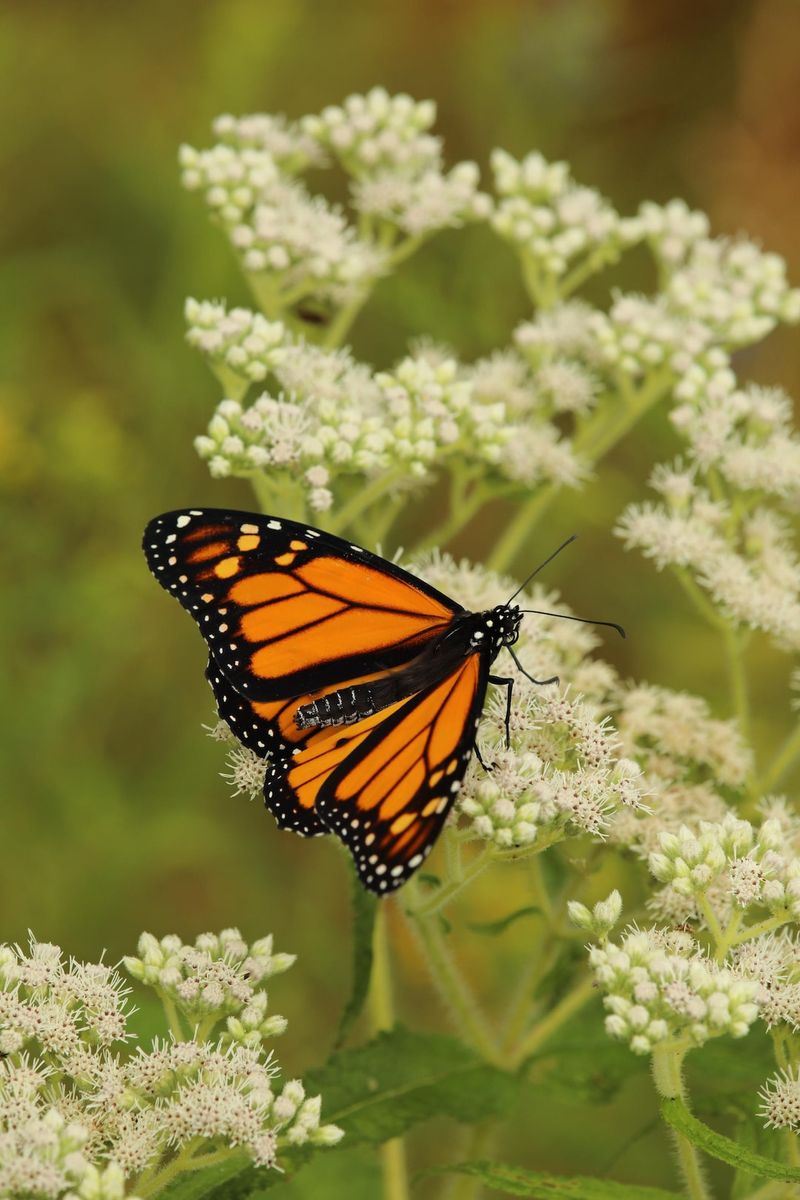
Boneset is one of those native plants that tends to fly under the radar, but pollinators have known its value for a very long time. Common boneset, or Eupatorium perfoliatum, produces flat-topped clusters of small white flowers from approximately July through September.
The bloom time overlaps perfectly with the late-summer period when many pollinators are working hard to store energy. It is not the most glamorous plant in the garden, but it is one of the most dependable.
Penn State identifies boneset as a nectar source for bees, butterflies, moths, and other pollinators. That broad appeal makes it a smart addition to any Pennsylvania garden focused on supporting wildlife.
Skippers, hairstreaks, and various native bee species are among the most frequent visitors. The flowers may be small, but they are packed with nectar and accessible to a wide range of insect body types and sizes.
Boneset prefers moist to wet conditions, which makes it especially useful in tricky spots of the yard. Rain gardens, pond edges, and naturally damp sections of Pennsylvania landscapes are ideal locations.
It grows well in full sun to partial shade and can reach three to five feet tall, adding height and texture to plantings near water features or low-lying areas that collect seasonal moisture.
There is also an interesting bit of history attached to this plant. Early American settlers used boneset medicinally, believing it helped with fevers and aches.
While modern gardeners grow it for its ecological benefits rather than folk remedies, that historical connection adds a charming layer of depth to the plant. Boneset quietly carries centuries of human and ecological history into your garden every time it blooms.
6. Great Blue Lobelia
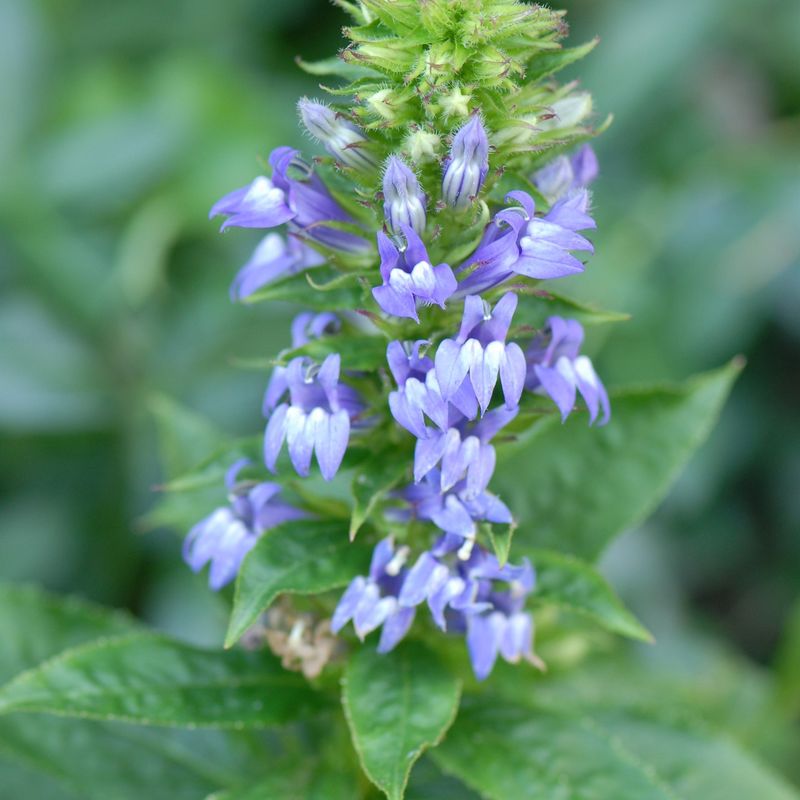
Bright blue flowers are rare in the native plant world, which is part of what makes great blue lobelia so special.
Lobelia siphilitica produces striking blue-violet flower spikes from roughly July through October, offering color and nectar at a time when the garden palette often shifts toward yellows and purples.
Standing one to three feet tall, these plants create eye-catching vertical interest while delivering serious value for local pollinators.
The tubular flowers are perfectly shaped for certain visitors. Bumblebees are strong enough to push into the blooms and reach the nectar inside, making them one of the most frequent pollinators.
Butterflies also visit regularly, and hummingbirds are drawn to the blue-violet color and rich nectar supply. Having a plant that attracts both insects and hummingbirds gives gardeners a dynamic, lively garden scene well into the later weeks of summer.
Great blue lobelia favors moist to wet soil, so it fits naturally into rain gardens, streamside plantings, and other areas that do not dry out completely between rain events. It grows well in full sun to partial shade, which gives gardeners some flexibility in placement.
Because it blooms well beyond August, it provides nectar at a time when many other summer flowers have already finished for the season.
A fun detail about this plant involves its scientific name. The species name siphilitica comes from an old and inaccurate belief that the plant could treat syphilis.
Early European settlers learned of the plant from Indigenous communities, though the medicinal claims were later found to be unfounded.
Today, great blue lobelia is valued for something far more reliable: its ability to support pollinators and bring stunning color to Pennsylvania gardens late into the season.
7. New York Ironweed
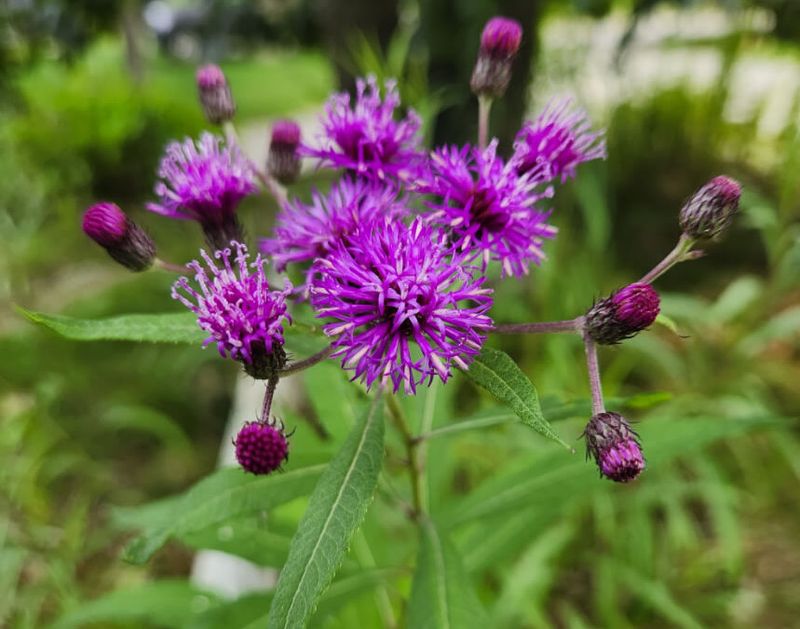
When most summer perennials start winding down in August, New York ironweed is just getting started. Vernonia noveboracensis bursts into bloom with some of the most vivid purple flowers you will find in any native plant palette.
The color is intense, almost electric, and it stands out dramatically against the golden yellows of goldenrod blooming nearby. This plant does not ease into the late-summer season.
It arrives boldly and makes sure every pollinator in the neighborhood takes notice. Penn State lists New York ironweed as a plant that is particularly attractive to native bees and butterflies. The timing of its bloom in August and September is perfectly strategic.
Many earlier summer perennials are fading by this point, so ironweed steps in to fill a critical gap in the nectar supply. Pairing it with goldenrod and asters creates a late-season pollinator buffet that keeps insects active and well-fed right up until the first frost.
From a design perspective, ironweed works best toward the back of a pollinator border or in a meadow-style planting. It can grow several feet tall, which means it needs room to stretch without blocking shorter plants nearby.
That height, combined with its bold purple color, makes it a natural focal point in large garden spaces. It grows well in average to moist soil and handles full sun with ease.
One more reason to appreciate ironweed: it is incredibly tough. Once established, it requires very little attention and comes back reliably year after year.
For Pennsylvania gardeners who want a low-effort plant that delivers maximum impact for pollinators in the late season, New York ironweed is a genuinely rewarding choice that earns its place in any native garden.