What Arizona Gardeners Should Plant Now For Color Through Early Fall
Late August may still feel intensely hot, but your garden does not have to stay stuck in its summer look. This is a good time to start thinking about fresh color for the weeks ahead.
Choosing what to plant now takes more thought than simply grabbing the brightest flowers available. Some options are much better prepared for the seasonal transition approaching your yard.
You can use this planting period to refresh tired beds and containers without completely changing your landscape. A few smart additions can make a noticeable difference.
Gardeners in Arizona should still pay close attention to heat when introducing anything new this month.
Give new plants the right start, and they can settle in as conditions gradually shift.
Early fall color begins with choices that can handle what late August still brings.
1. Globe Mallow Shows Off Warm Orange Flowers
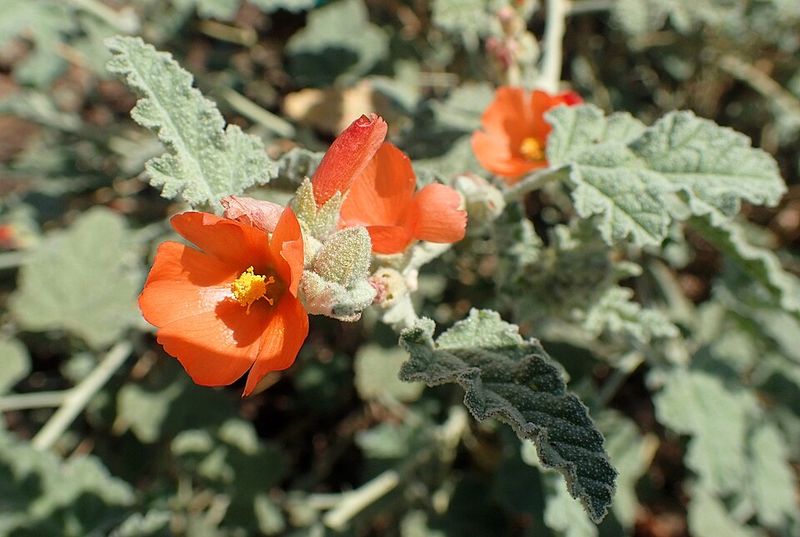
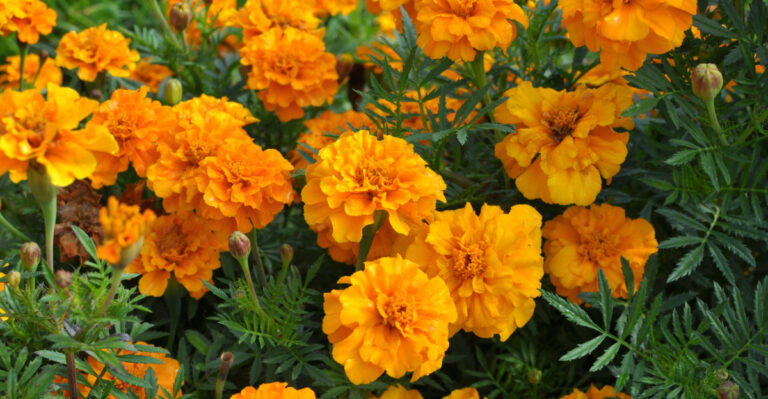
Few plants punch above their weight like Globe Mallow. Those warm orange blooms look almost tropical against dry, dusty soil.
Plant transplants or seeds in late August and roots will establish quickly before cooler nights arrive.
Globe Mallow handles poor, rocky soil without complaint. Drainage matters more than anything here.
Soggy roots cause far more trouble than dry ones ever will in this climate.
Bloom time typically runs from late summer through fall, and sometimes again in spring depending on rainfall. Flowers attract native bees and butterflies consistently.
Hummingbirds occasionally visit too, which makes this plant a solid wildlife choice.
Keep spacing generous since plants can spread two to three feet wide. Crowding limits airflow and can encourage powdery mildew on leaves.
One plant per square yard gives each one room to perform well.
Established plants need very little water once monsoon rains slow down. A deep soak every ten to fourteen days through October usually works, though your specific soil and sun exposure can change that.
Supplemental watering is more of a guide than a rule.
Globe Mallow is native to the Southwest, which means it is already adapted to the conditions found here. Starting it in late August gives it a genuine advantage going into fall color season.
It also settles in naturally without demanding much attention once the weather begins to cool.
2. Goodding’s Verbena Spreads Into A Purple Display
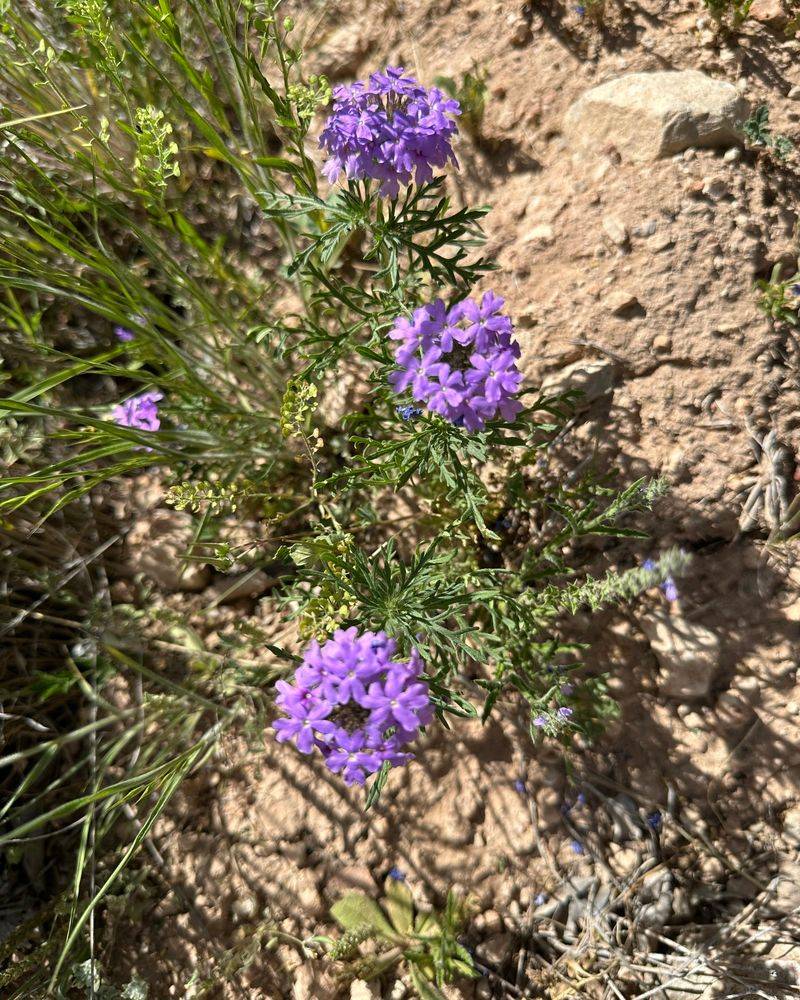
Goodding’s Verbena earns its place fast. Within weeks of planting, it starts creeping outward and pushing up clusters of vivid purple flowers.
Few low-growing plants match that kind of visual payoff in a short window.
Late August planting works well because soil is still warm enough to encourage quick root growth. Cooler September nights then slow things down just enough to keep plants from stressing out.
That combination gives this verbena a solid foundation heading into fall.
It spreads along the ground in a mat-like form, reaching two to four feet wide under decent conditions. Plant it near walkways or along garden borders where the trailing habit looks intentional rather than messy.
Your Arizona Garden Changes Every Week. Your Plan Should Too.
Gardening in Arizona changes quickly throughout the season. Every Friday you’ll receive a simple weekly plan showing exactly what to plant, prune, fertilize, harvest, and protect so you never miss the right timing.
Water needs are moderate right after planting. Once roots are established, usually within four to six weeks, irrigation can be reduced significantly.
Overwatering is a more common mistake than underwatering with this plant.
Butterflies love the flower clusters, and the plant blooms reliably through fall in most low desert zones. Bloom intensity can vary depending on soil quality and sun exposure, so results may differ from one garden to the next.
Native pollinators are drawn to the purple blooms regularly. Goodding’s Verbena is a solid choice for gardeners who want ground-level color without a lot of maintenance demands heading into the cooler season.
Its spreading growth also helps fill bare spaces naturally as the season moves forward.
3. Desert Ruellia Produces Striking Violet Trumpets
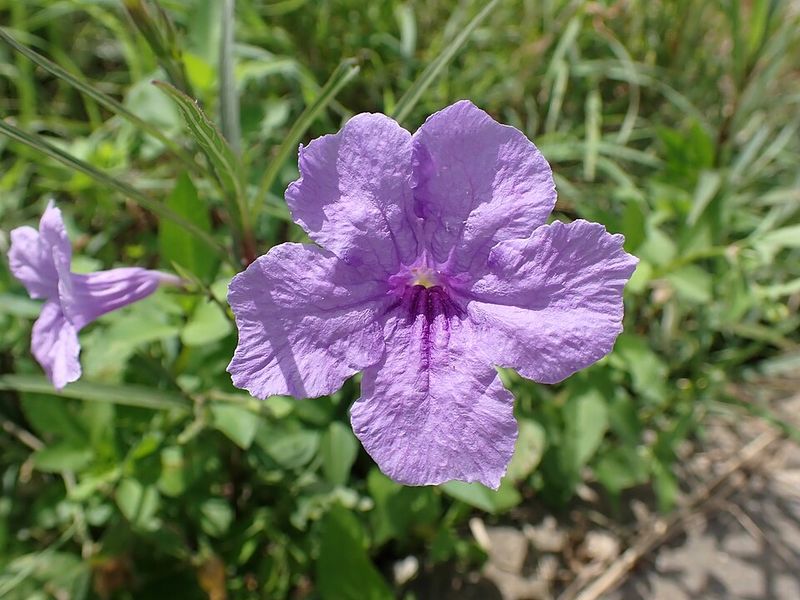
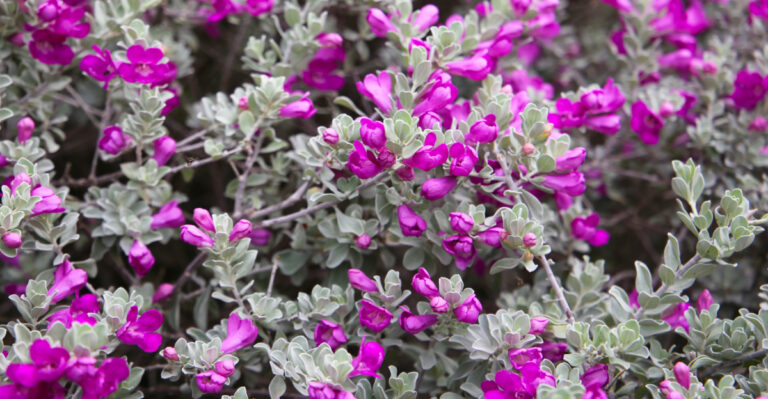
Violet trumpet flowers on a plant that basically takes care of itself? Desert Ruellia delivers exactly that.
Blooms open in the morning and fresh ones replace them the following day, keeping the display going for weeks.
Planting in late August takes advantage of warm soil without exposing new roots to the worst of summer heat. By the time October arrives, a well-placed Ruellia can be covered in flowers.
That kind of timing is hard to beat for fall color.
Plants grow two to three feet tall and wide in most conditions. Full sun brings out the best bloom production, though partial shade is tolerated.
Less sun usually means fewer flowers rather than no flowers at all.
Water deeply right after planting to help roots push outward. After the first few weeks, reduce irrigation gradually.
Desert Ruellia is fairly drought-tolerant once established, though it appreciates occasional deep watering during dry stretches in fall.
Hummingbirds visit the tubular flowers regularly, which adds another layer of interest to the garden. Native bees also work the blooms throughout the day.
One thing worth knowing is that some Ruellia species can reseed aggressively. Desert Ruellia, the native species, is generally better behaved than non-native varieties.
Checking the specific species before purchasing helps avoid surprises later in the season.
4. California Fuchsia Erupts In Fiery Red
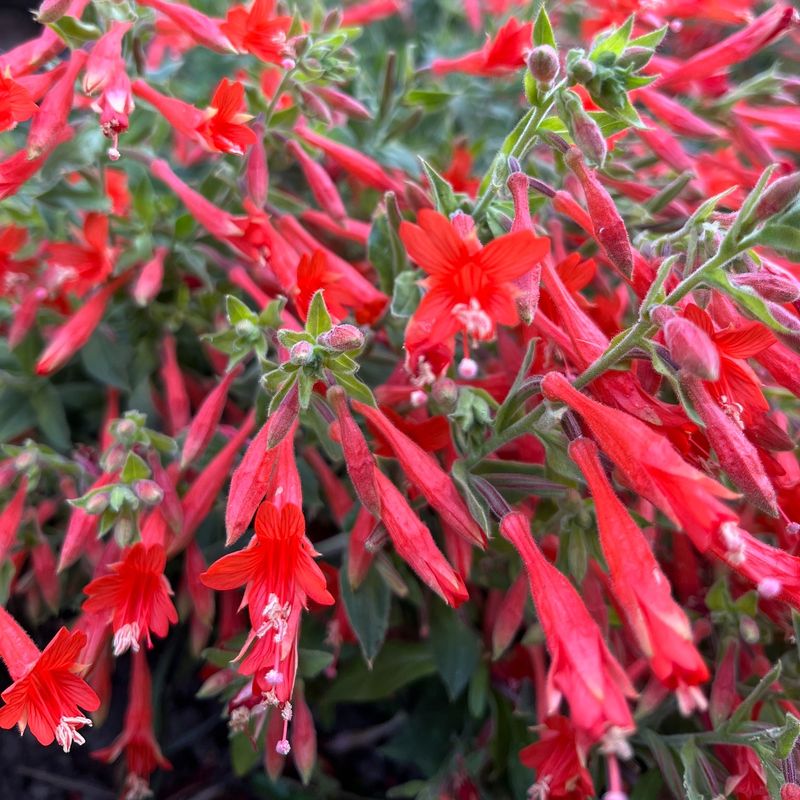
Fiery red flowers in a desert garden during fall sound almost too good to be true. California Fuchsia makes it happen reliably, and the blooms arrive right when most other plants start winding down.
Late August is an ideal planting window because the plant gets a few weeks of warm soil before fall temperatures arrive. Roots settle in quickly under those conditions.
By mid-September, plants often start pushing out their first round of red tubular flowers.
Hummingbirds are strongly attracted to the bright red blooms. A single established plant can draw multiple birds throughout the day.
Placing it near a window or patio makes that activity easy to enjoy up close.
Plants spread through underground runners and can eventually form a low, wide colony. Spacing plants three to four feet apart gives room for natural expansion without crowding.
Growth rate varies based on soil type and available water.
Watering needs are low once established. Sandy or rocky soils drain fast, so newly planted specimens may need water every five to seven days at first.
Reduce frequency once new growth appears and roots have taken hold.
California Fuchsia handles full sun well and prefers lean, well-drained soil over rich amended beds. Adding too much compost can actually reduce bloom production in some cases.
Simpler growing conditions tend to suit this plant better.
5. Chocolate Flower Opens With Sunny Yellow Petals
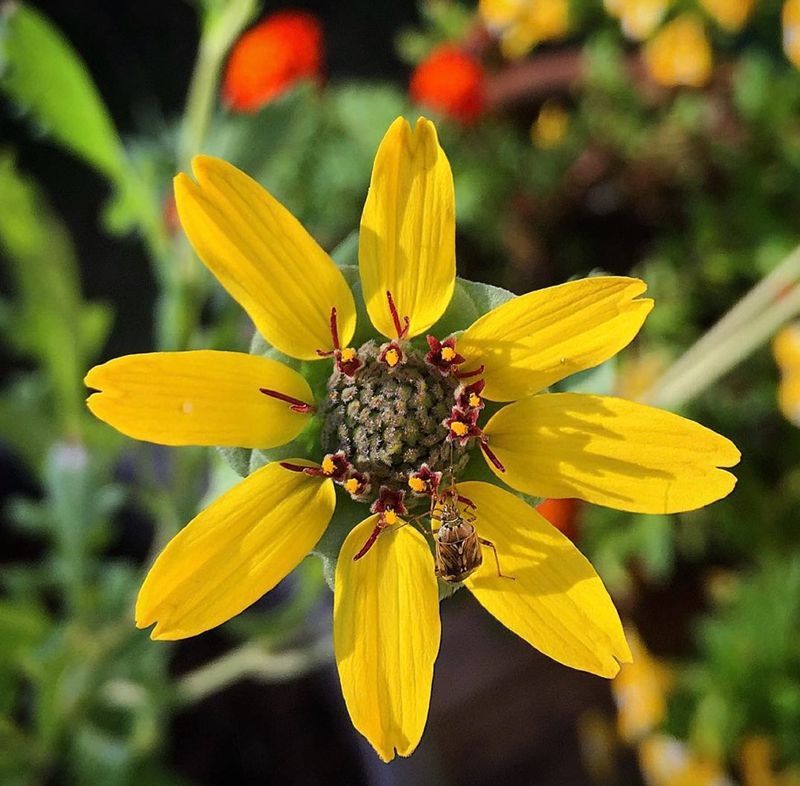
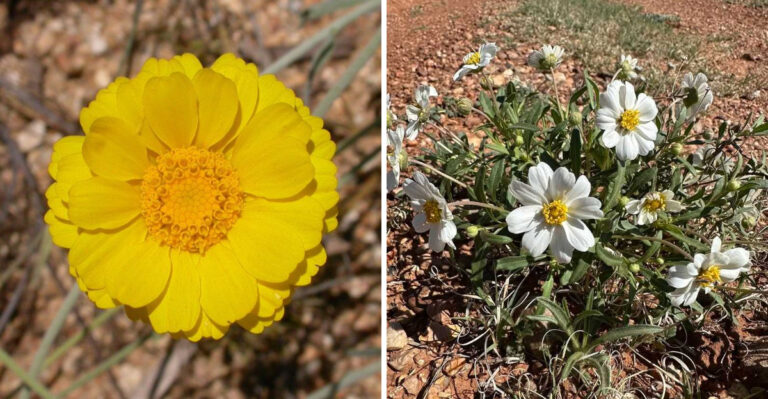
Chocolate Flower gets its name from a genuine cocoa scent that rises from the blooms on warm mornings. Walking past a patch of these cheerful yellow flowers and catching that smell is a surprisingly pleasant experience in the garden.
Planting in late August allows this Southwestern native to settle in while soil temperatures are still high. Root development happens fast under those conditions.
Flowers often begin appearing within a few weeks of planting, especially with transplants rather than seeds.
Plants grow roughly one to two feet tall with a relaxed, open shape. Full sun brings out the strongest bloom production.
Afternoon shade in the hottest garden spots can help, though it may slightly reduce the number of flowers.
Watering every seven to ten days works well during establishment. Once roots are settled, Chocolate Flower is quite drought-adapted.
Overwatering in heavy clay soil causes more problems than dry spells typically do.
Blooms attract a variety of native bees and smaller butterflies. The flowers open during daylight hours and close at night, which is a natural rhythm worth observing if you spend time outdoors in the morning.
Chocolate Flower reseeds modestly in most gardens, which means you may find new plants returning in spring without any effort on your part. That kind of low-maintenance persistence is a real bonus in a desert planting scheme.
6. White-Stem Paperflower Shines In Dry Garden Beds
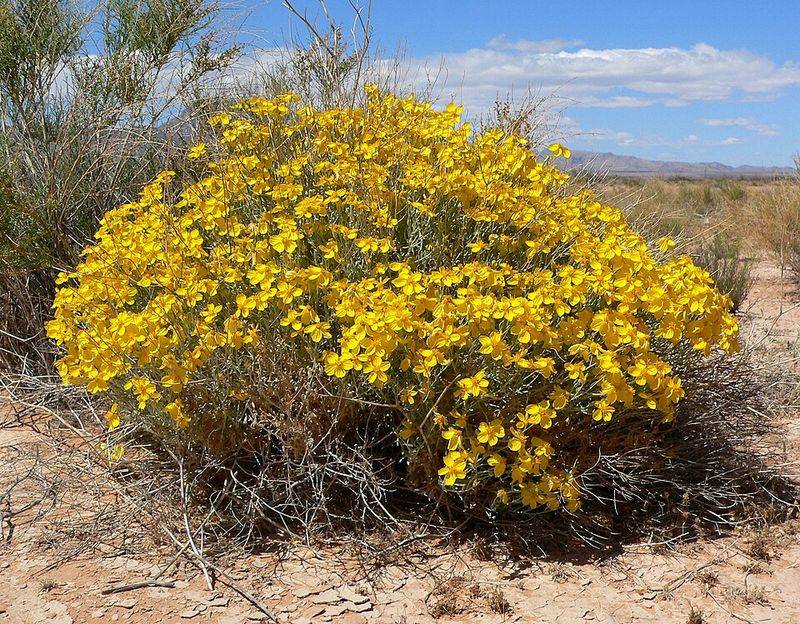
Bright yellow blooms on a plant that asks for almost nothing in return make White-Stem Paperflower hard to overlook. It fits naturally into dry garden beds where other plants might struggle to perform through fall.
Late August planting works because soil is warm and roots establish quickly before cooler weather arrives. Transplants typically handle the transition better than seeds at this time of year.
Give each plant a deep watering right after planting and let the soil dry out before watering again.
Plants grow two to three feet tall and tend to have a loose, rounded shape. White stems and silvery foliage stand out even when the plant is not in bloom.
That texture adds visual interest beyond just the flowers themselves.
Full sun is where this plant performs best. Partial shade usually results in leggier growth and fewer blooms.
Placing it in a south or west-facing bed gives it the exposure it needs to put on a good show.
Water needs are very low once established. Sandy or gravelly soils suit it well.
Rich amended soil can actually cause overly lush growth that makes the plant look out of place in a desert setting.
Pollinators visit the flowers consistently through fall. White-Stem Paperflower is native to the Chihuahuan and Sonoran Desert regions, so it is naturally suited to the heat and dry conditions gardeners in this region deal with every year.
7. Gaura Sends Soft Blossoms Above Airy Foliage
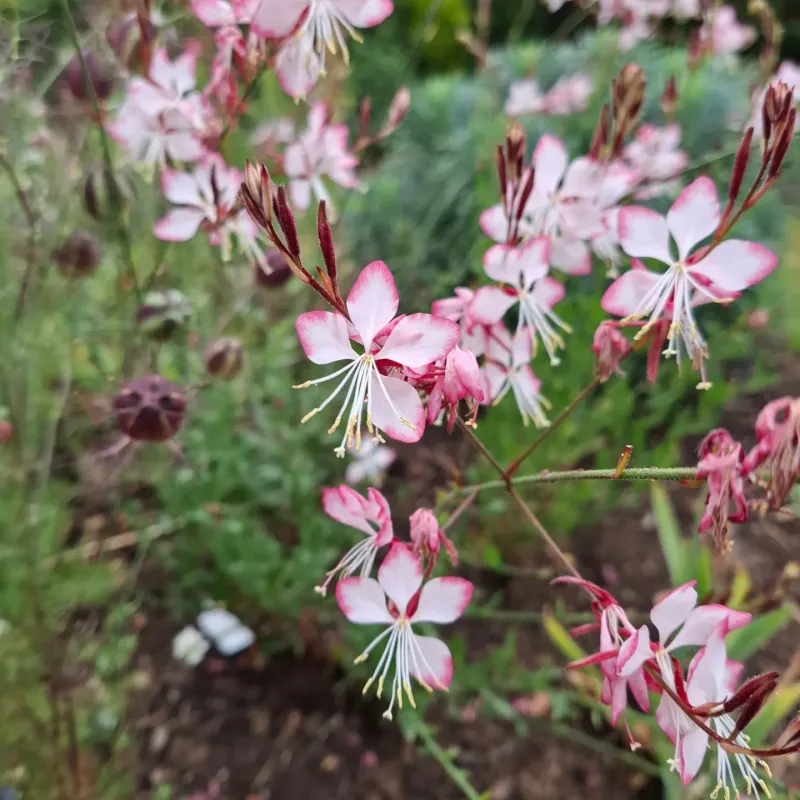
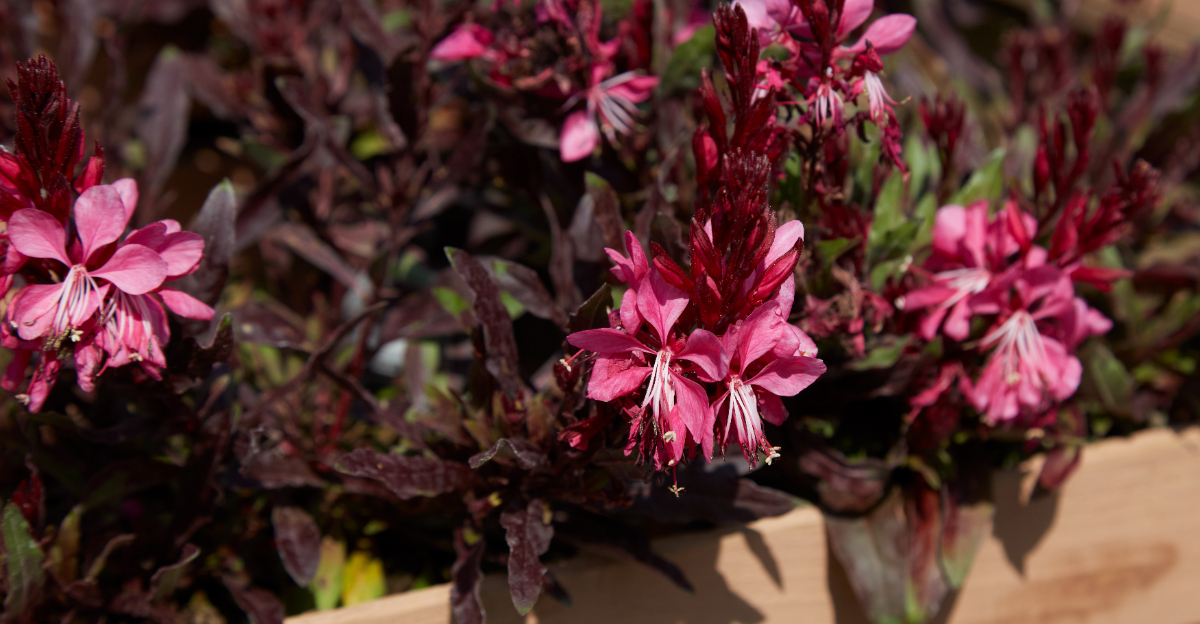
Gaura has a quality that most desert plants simply do not offer: movement. Slender stems sway in the breeze and carry delicate white or pink blossoms that flutter like small moths above the foliage.
That motion adds life to a garden in a way that stationary plants cannot replicate.
Planting in late August gives Gaura time to root in while the ground is warm. Established plants push out flowers quickly once temperatures begin to ease in September.
Expect a steady bloom display through October and sometimes into November depending on conditions.
Plants grow two to four feet tall with an open, airy structure. Full sun is preferred.
Partial shade tends to make stems lean toward light, which can reduce the upright effect that makes Gaura so visually appealing.
Watering every seven to ten days works during the first month. After that, reduce frequency based on rainfall and soil type.
Sandy soils dry out faster than clay, so adjust accordingly rather than following a fixed schedule.
Gaura attracts bees and small butterflies throughout its bloom period. It pairs well with bolder plants like Globe Mallow or Desert Ruellia because the airy texture contrasts nicely against larger, denser flowers.
Some Gaura varieties reseed lightly, which can be a bonus or a minor nuisance depending on your garden setup. Deadheading spent blooms can encourage fresh flower production through the rest of fall.
8. Desert Senna Glows With Golden Clusters
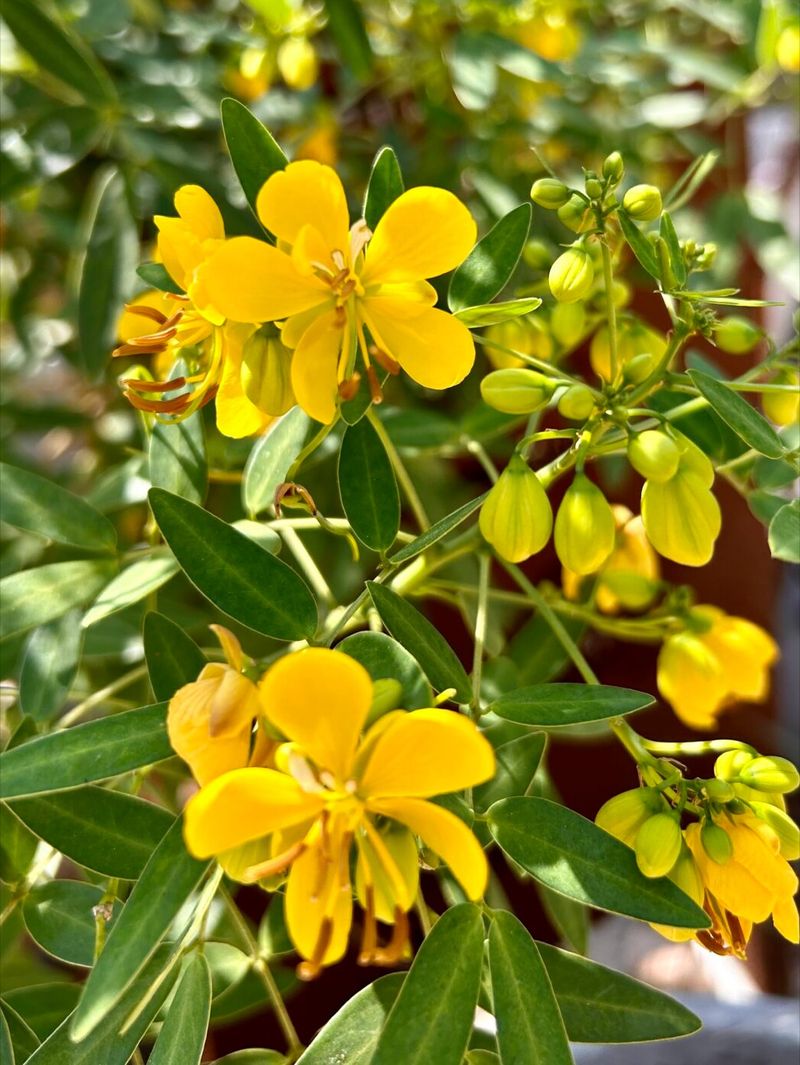
Golden flower clusters on a tough, woody shrub make Desert Senna one of the most visually striking fall bloomers available to gardeners in this region. Plants can go from quiet green shrubs to bursts of yellow practically overnight once conditions are right.
Late August is a practical time to plant because monsoon moisture is often still present in the soil. That residual moisture helps roots push out without requiring heavy supplemental irrigation.
Transplants from one-gallon or five-gallon containers establish faster than seeds at this stage of the season.
Plants grow three to eight feet tall depending on the variety and growing conditions. Spacing them at least four to five feet apart prevents overcrowding as they mature.
Pruning after bloom season helps keep the shape tidy without sacrificing next year’s flower buds.
Full sun is where Desert Senna performs best. Shade reduces bloom production noticeably.
Reflected heat from walls or pavement does not seem to bother established plants much, which makes it a strong candidate for hot, exposed spots in the landscape.
Water needs are low once roots are established, typically within one full growing season. Newly planted specimens benefit from deep watering every seven to ten days through fall.
Reducing irrigation in winter helps the plant harden off properly.
Sulfur butterflies use Desert Senna as a host plant for their larvae. That ecological role makes it more than just a pretty shrub in the fall garden.