6 Ohio Perennials You Should Divide Before Summer Ends (And What You Shouldn’t Divide At All)
Late summer division is one of those garden tasks that separates the yards that show up to spring ahead of schedule from the ones that spend April waiting on plants to recover from what happened to them in August. The window is specific.
The perennials that benefit from late summer division have enough warm weeks left to establish new roots before the ground closes out.
The ones that should not be touched until spring will tell you so in March when they come back weaker than expected and nobody remembers what happened in August to cause it.
Getting this right is not complicated. Getting it wrong costs a full growing season and produces a plant that arrives at spring already behind.
Some Ohio perennials want to be divided right now. Others need to be left completely alone.
The divide between those two groups is the most useful thing a late summer gardener can know.
1. Bearded Iris Needs Attention Soon After Its Summer Flowering Ends
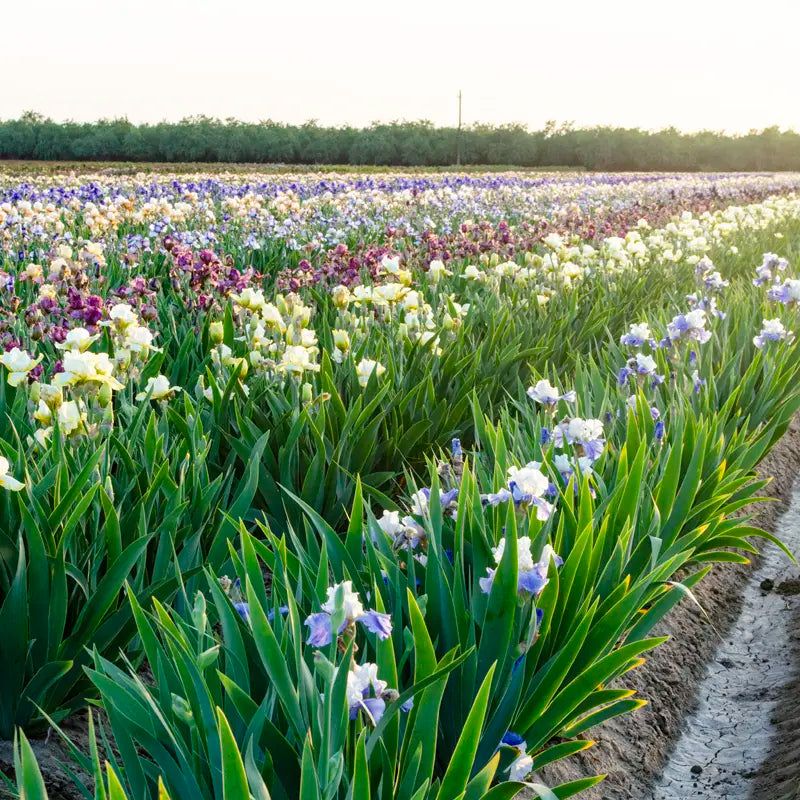
Crowded rhizomes pushing against one another near the soil surface are one of the clearest signs a bearded iris clump may need attention. When plants overlap and tangle, flowering often drops off noticeably.
A weak or hollow center in the clump can also signal that the outer sections have outgrown the original planting space.
Bearded iris grows from thick, fleshy rhizomes rather than a typical underground crown. Those rhizomes should not be buried like a standard perennial root ball.
University Extension guidance generally recommends planting bearded iris so the top of the rhizome sits at or just at the soil surface, with roots anchored below. Burying the rhizome too deeply can reduce or prevent flowering.
The preferred window for lifting and resetting bearded iris is typically in the weeks following bloom, which in most years falls in late June through July. By August 18, Ohio gardeners are near or past the ideal end of that window in many parts of the state.
An overcrowded clump still benefits from being reset, but prompt action now is better than waiting until late fall. After separating healthy outer sections, trim the foliage back and replant without delay.
Keep roots shaded and moist between lifting and replanting. Water the reset sections consistently as they settle in before colder weather arrives.
2. Daylily Clumps Can Be Split Once Their Main Flower Show Is Over
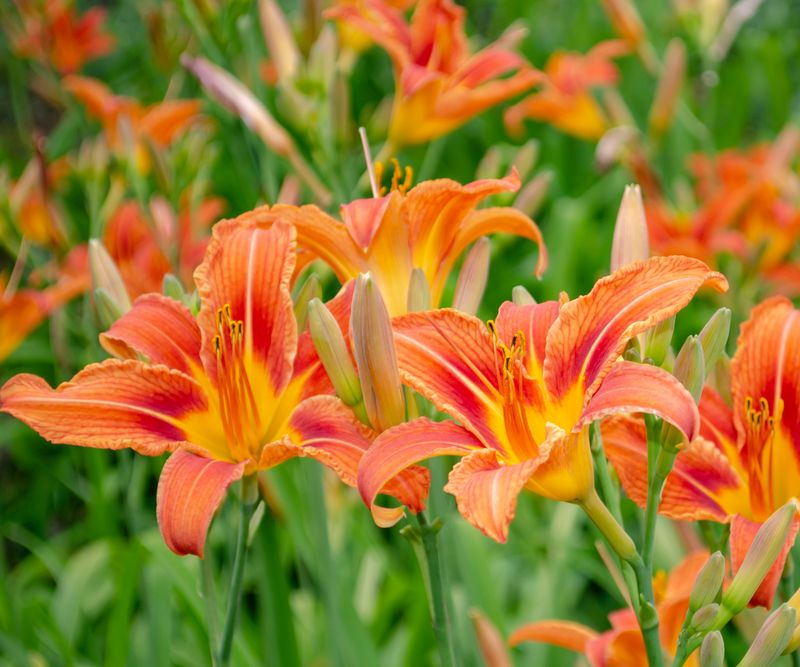
Few Ohio perennials are as forgiving about being lifted and separated as Hemerocallis spp. A clump that has expanded for several seasons may start producing fewer blooms per stem.
Its center may also become congested and less vigorous. Those are reasonable prompts to consider splitting the plant, not the calendar alone.
Late summer and early fall are workable periods for separating daylily clumps after the main flush of flowering is finished. Some cultivars rebloom, so waiting for every last flower may not be realistic.
If the primary bloom period has passed and the clump clearly needs attention, that is a sufficient basis to proceed. Extension guidance from several Midwest programs supports late summer and fall as acceptable division periods for established daylilies.
Your Ohio Garden Changes Every Week. Your Plan Should Too.
Gardening in Ohio changes quickly throughout the season. Every Friday you’ll receive a simple weekly plan showing exactly what to plant, prune, fertilize, harvest, and protect so you never miss the right timing.
Separating a large clump usually requires a sharp spade or two garden forks worked back to back. Each section should include healthy foliage and a good root mass.
Smaller divisions may take a full season to establish and flower at their best. Expecting a full bloom display the very next year from a small section is not realistic.
Replant sections at a similar depth to the original crown. Water thoroughly after planting and keep the soil consistently moist, not saturated, while the new sections settle in before cold weather arrives.
3. Peonies Enter Their Best Division Window As August Winds Down
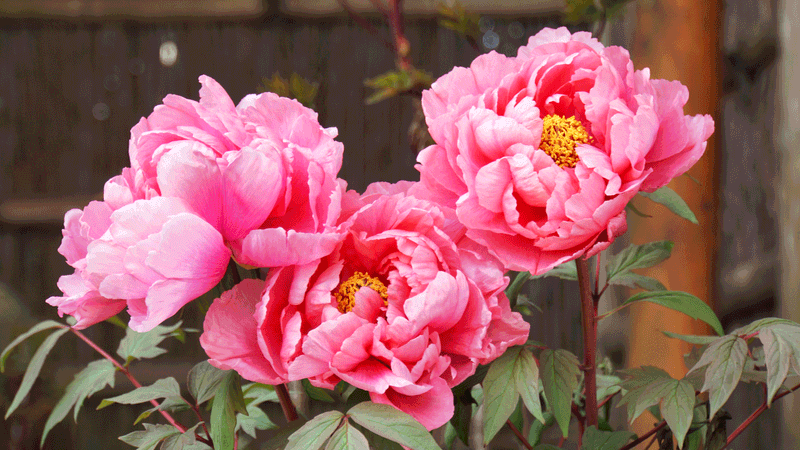
Red or pink buds just below the soil surface hold the promise of next spring’s flowers. How carefully they are handled during replanting helps determine whether that promise is kept.
Herbaceous peonies are strong candidates for late August or September division. That timing aligns with what Extension programs across the Midwest recommend for moving or propagating them.
Established peonies can remain undisturbed for many years and often perform beautifully without any intervention. The main reasons to lift peonies include relocating a plant from a poor site or propagating a valued variety.
Renovating a bed that has become crowded over time is another reason. Frequent splitting is not part of normal peony care.
Planting depth is the most critical detail to get right. Peony eyes, the reddish buds on the root, should be positioned no more than one to two inches below the soil surface in most Ohio regions.
Planting too deeply is one of the most common reasons peonies fail to flower after being moved. Expect that a divided peony may not produce its full flower display the first season after replanting.
Root reestablishment takes priority before abundant bloom returns. Prepare the new planting site before lifting the parent plant, and replant sections promptly so roots do not dry out.
4. Astilbe Can Be Divided After Its Summer Flowers Have Finished
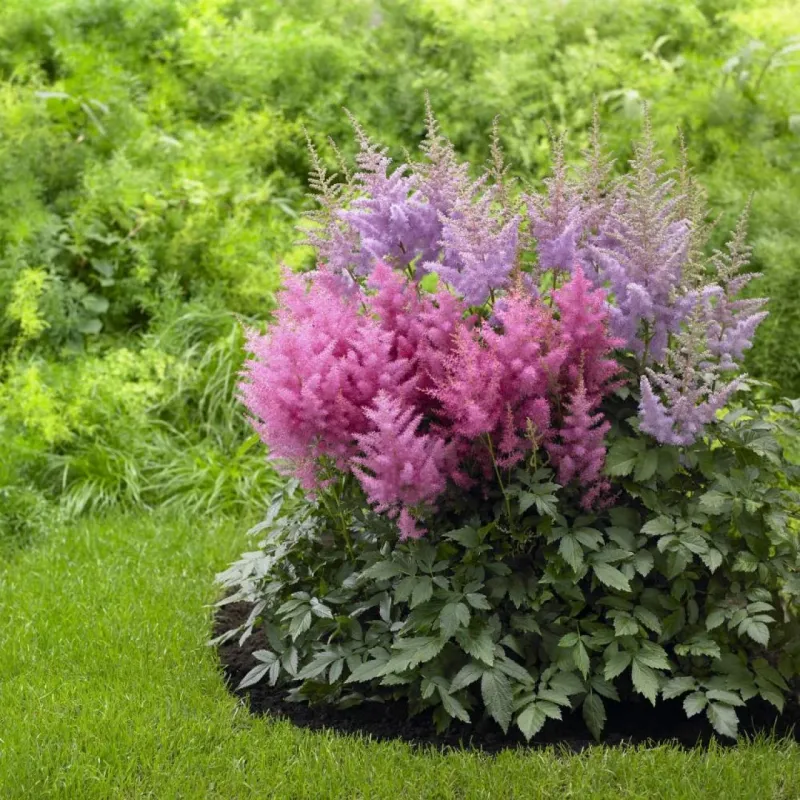
By mid-August, the feathery plumes of many astilbe cultivars have faded. They leave behind attractive seed heads and a dense crown that may have tightened considerably over the years.
Not every older clump needs to be split. Reduced vigor, noticeably congested growth, or a desire to propagate a favorite selection are practical reasons to consider division.
Late summer into early fall is generally an acceptable window for separating astilbe crowns, provided the plant is not under severe drought stress at the time. Astilbe performs best with consistent moisture and does not tolerate dry conditions well.
A plant that is already wilting from dry soil is not a good candidate for lifting and replanting until moisture conditions improve. Wait for a cooler stretch or provide thorough watering before disturbing the crown.
When separating the clump, each section should include healthy crown tissue and a good portion of the fibrous root system. Replant at a similar depth to the original.
Fresh sections are more vulnerable to drying out while roots are getting established, so keeping the soil consistently moist during that period matters more than usual. Avoid waterlogging, which creates its own problems.
Astilbe is a shade-tolerant plant that appreciates protection from harsh Ohio afternoon sun, especially right after replanting. Choosing a cooler or overcast day for the work reduces stress on the newly separated sections.
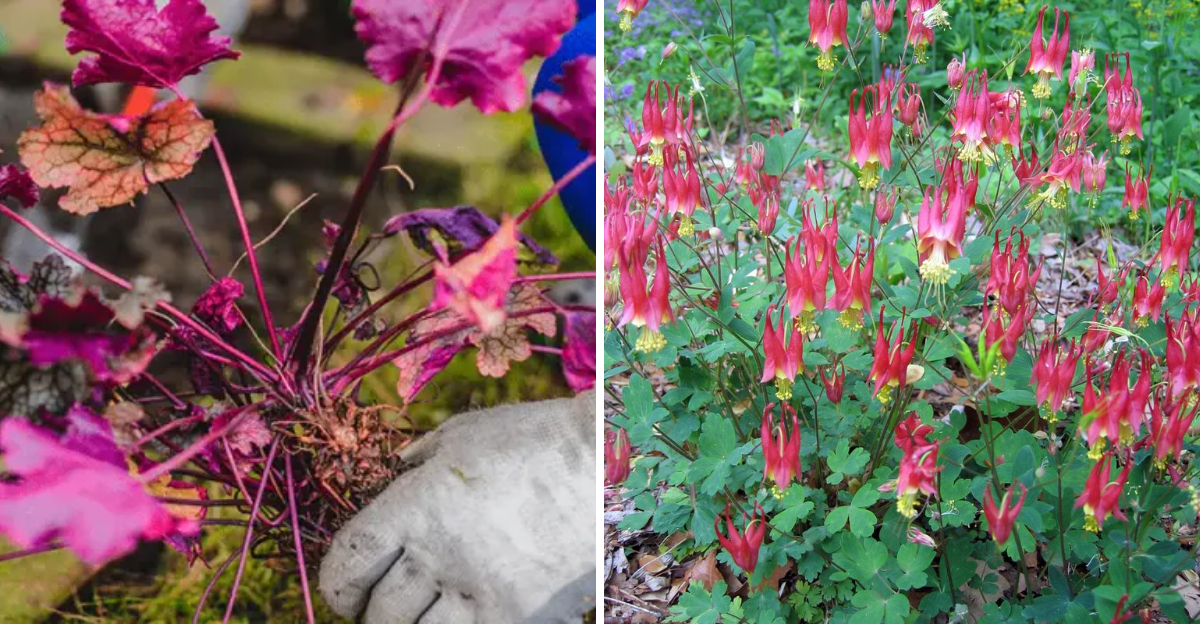
5. Coral Bells Can Be Split When Older Crowns Start Getting Crowded
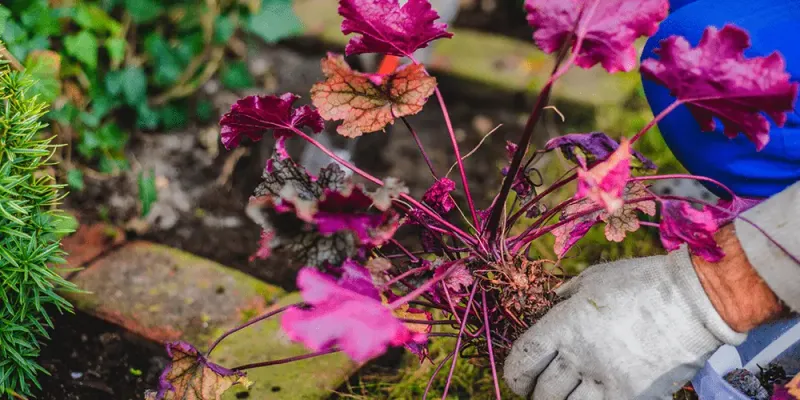
Woody stems slowly lifting above the soil surface are one of the more distinctive signs that a Heuchera clump is aging. Over time, the crown of an established coral bell plant can rise noticeably above the surrounding soil.
This crown lifting, combined with reduced vigor or a congested center, is one reason gardeners sometimes choose to lift and reset the plant.
Late summer and early fall are workable periods for this task, though spring is also considered a reasonable option by several Extension sources. Treating late summer as the only correct time would be an overstatement.
If the plant is performing well and the crown is not causing problems, there is no urgent reason to disturb it.
Heuchera encompasses multiple species, selections, and hybrids. Not every coral bell sold in nurseries is native to this region, and foliage color alone does not indicate species origin.
Keep that in mind when reading general care advice that makes broad Ohio native plant claims. After separating sections, replant with the crown at or just slightly above the soil surface rather than buried deeply.
Avoid piling mulch over the crown. Poor drainage, excess moisture, or a site that is too shaded or too exposed can all affect performance.
If a plant is struggling, ruling out site problems before assuming division will fix everything is a worthwhile first step.
6. Bee Balm Can Be Thinned Before An Older Patch Spreads Too Far
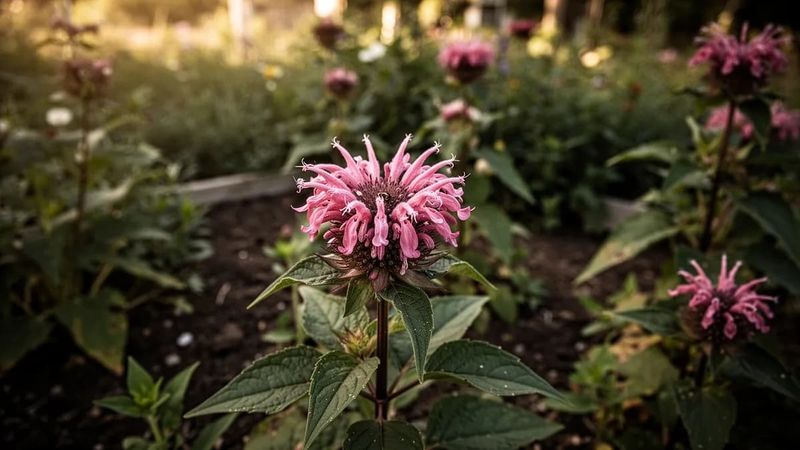
An expanding ring of stems pushing steadily beyond the original planting area is a familiar sight with Monarda spp. Bee balm spreads through underground stems and can form a wide patch over several seasons.
In a bed with limited space, that spread may eventually crowd neighboring plants or push into areas where it was not intended to grow.
Thinning or separating sections of an expanding bee balm patch is a practical way to manage its footprint. Late summer or early fall can work for this task, though moving plants during the hottest and driest stretch of summer adds stress.
A cooler period with adequate soil moisture is preferable. If the bed has enough room and the spread is not causing problems, there is no requirement to dig it simply because it has grown outward.
Monarda fistulosa is one Ohio native species found in the region, but many ornamental cultivars sold in nurseries are hybrids or selections. Not every garden bee balm is the straight native species.
Powdery mildew sometimes appears on bee balm foliage in humid summers. Thinning a congested patch can improve airflow, but splitting the plant is not a treatment for mildew.
Cultivar selection and site conditions play a larger role in susceptibility than division frequency. Replant separated sections at a similar depth and water them in well after replanting.
7. Butterfly Weed Resents Division Once Its Deep Taproot Is Established
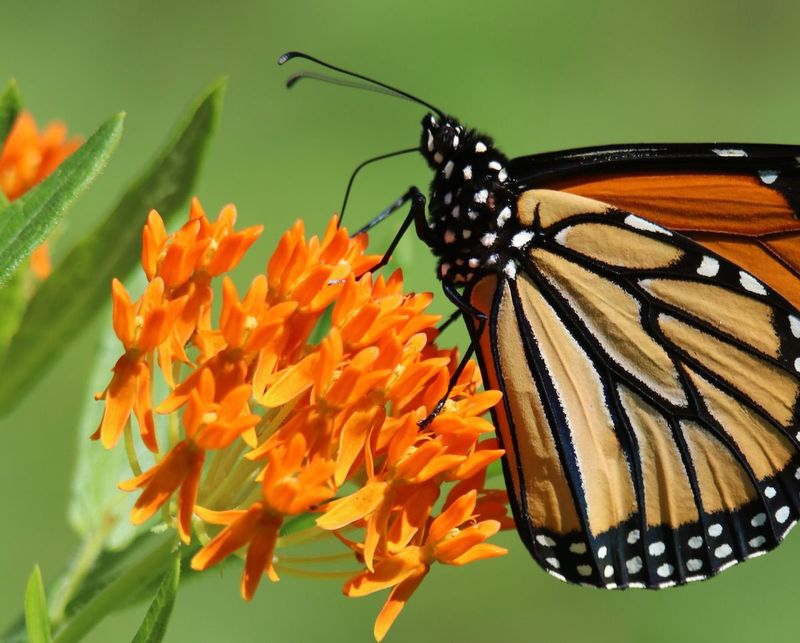
A thick taproot disappearing straight down into the subsoil is what makes Asclepias tuberosa a poor candidate for routine splitting.
Once established, butterfly weed develops a substantial root that anchors the plant deeply and stores resources for the following season.
Trying to separate that root system as you would a daylily clump is likely to cause significant damage to both pieces.
This does not mean the plant can never be moved under any circumstances. Young plants that have not yet developed a full taproot are far easier to relocate than mature specimens.
An established plant that has been in the same spot for several years, though, is usually better left undisturbed. Extension sources consistently describe butterfly weed as difficult to transplant once established.
Routine division is not a standard recommendation for this species.
Seed is generally considered a more practical way to propagate butterfly weed or to establish new plants in other parts of the garden.
If obtaining additional plants is the goal, legally sourced nursery-grown stock or seed from reputable suppliers is the appropriate route.
Do not dig plants from roadsides, prairies, or natural areas. The broader takeaway is straightforward: leave a thriving, deep-rooted plant where it is.
It generally rewards restraint more than routine digging and division.
8. False Indigo Is Better Left In Place After Its Roots Settle In
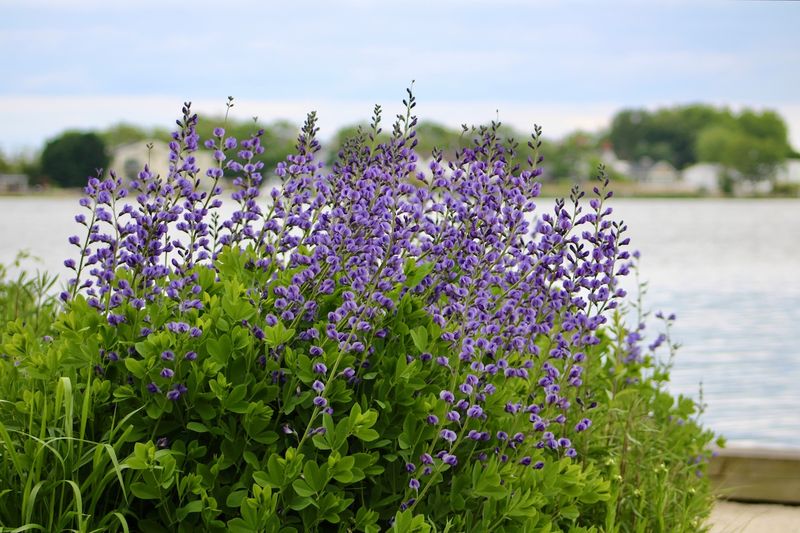
A mature Baptisia australis can become a substantial, shrub-like presence in a perennial bed. It takes a few seasons to reach its full size, but once established, it tends to perform reliably year after year in the same spot.
That stability comes partly from a deep root system that does not respond well to being cut apart and moved.
Extension guidance from multiple Midwest programs describes established Baptisia as difficult to transplant. Moving a mature plant often results in a long recovery period, and there is no guarantee the relocated specimen will perform as well in its new location.
Routine division is not a standard recommendation for this species. The better approach is to choose its planting site carefully at the outset, giving it room to develop without needing to be relocated later.
If propagation is the goal, seed is one alternative worth exploring. However, Baptisia seed has specific germination requirements, so the process is not as simple as collecting and scattering it.
Baptisia australis is native to parts of eastern North America. Its exact native range within any individual state should be verified through reliable botanical sources rather than assumed.
The practical point is simple: an established false indigo that is flowering well in a suitable spot is usually better left alone. There is little reason to disturb a plant that is already thriving.
9. Wild Columbine Is Easier To Renew From Seed Than By Splitting The Plant
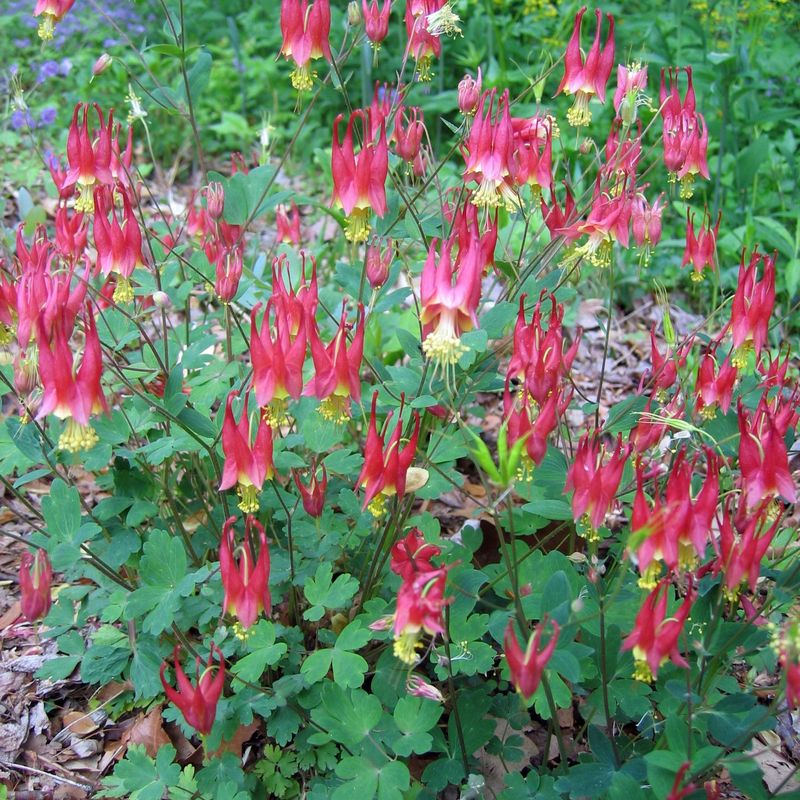
Seedlings appearing near an older columbine parent plant are often the first sign that Aquilegia canadensis is doing what it does naturally.
Wild columbine, a species native to Ohio and much of eastern North America, tends to behave as a relatively short-lived perennial.
It can renew itself through seed when site conditions are suitable, which changes the calculus around whether splitting mature plants is worth the effort.
Routine division is generally not the most practical approach to maintaining or expanding a wild columbine planting. The root system of a mature plant is not as easily separated into vigorous sections as a daylily or bee balm clump.
Some Aquilegia species can be divided, particularly in spring, but the results are less predictable than with plants that divide readily. Seed renewal fits more naturally with how wild columbine actually grows.
Self-seeding is not guaranteed. It depends on having suitable bare or lightly covered soil nearby, adequate moisture for germination, and conditions that allow seedlings to establish.
Saving seed from a garden plant is possible, but seedlings from any columbine, including straight species plants, may show some variation. Do not collect seed from protected natural populations.
The broader lesson that this plant illustrates applies across the garden: root structure and natural life cycle should shape propagation choices. Matching the method to the plant leads to better results than treating every perennial as a candidate for the same technique.