Why You Should Avoid Stepping On Wisconsin Soil Right After A Thunderstorm
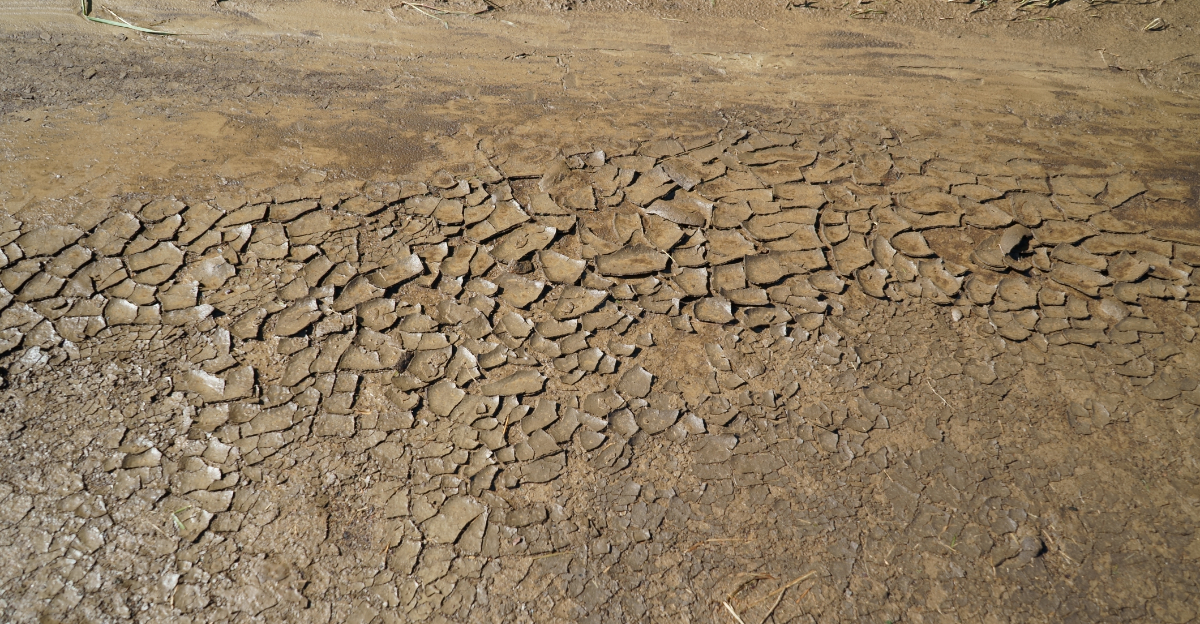
The storms just cleared, yet your soil is quietly changing beneath you. Wisconsin ground holds standing water long after heavy rain passes. Walking across it now feels harmless to you, but it isn’t.
Compaction happens fast, pressing out tiny air pockets your growing plants need. Roots weaken quietly, long before you notice any wilting leaves. Damage spreads underground, invisible until late autumn reveals dry, thin patches.
Soggy ground reacts to your weight differently than dry earth does. Pressure from a single footstep can compact that soil for months. Many Wisconsin gardeners discover this costly mistake far too late.
Recovery demands your time, effort, and sometimes complete soil replacement. Nobody warns you about this hidden, quiet cost of impatience. Science backs this up with surprising clarity and consistency.
Understanding what happens underfoot changes how you treat your garden forever. Ignore this warning, and repairing the damage could consume your entire season.
1. Walking Compacts Saturated Soil And Squeezes Out Air Pockets
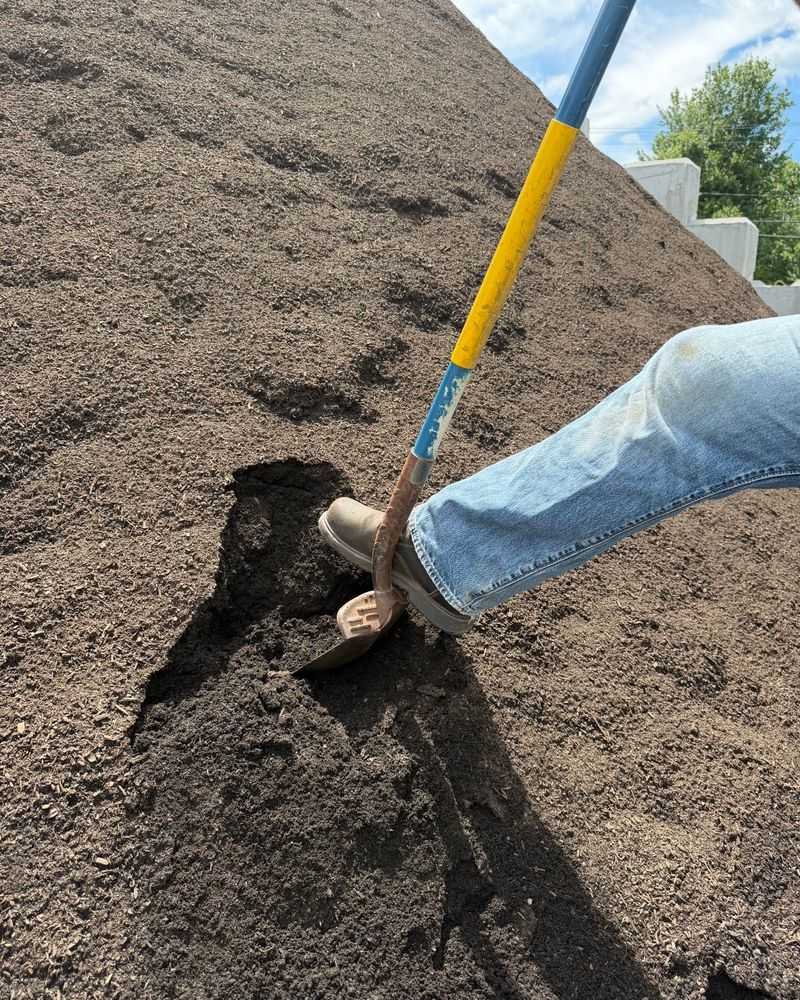
The squelch of mud underfoot is a signal worth noticing. Every step you take on wet soil after a storm compresses the tiny air pockets living inside it.
Those air pockets are not empty space wasted. They hold oxygen that plant roots desperately need to breathe and survive each day.
When soil gets saturated with rainwater, it becomes soft and unstable. The particles slide around easily, making it almost impossible for them to hold their shape under pressure.
Your body weight, even at a modest amount, puts tremendous force on a small area of ground. That force pushes soil particles together into a dense, tight layer.
Once those particles compress, the air has nowhere left to go. Oxygen levels drop fast, and roots begin to lose access to oxygen after heavy compaction.
Stepping on Wisconsin soil right after a thunderstorm is one of the easiest mistakes a homeowner can make. The damage happens instantly but takes forever to reverse.
Think of it like squeezing a sponge flat and then trying to get it fluffy again. The structure does not bounce back on its own without serious effort.
Healthy soil typically has close to half of its volume made up of pore space. One careless walk after a storm can cut that number down significantly in a single afternoon.
Staying off the lawn for at least 24 to 48 hours after heavy rain gives soil particles time to resettle. Patience here pays off in a healthier, more productive yard all season long.
2. Clay-Heavy Ground In Wisconsin Holds Compaction Longer Than Sandy Soil
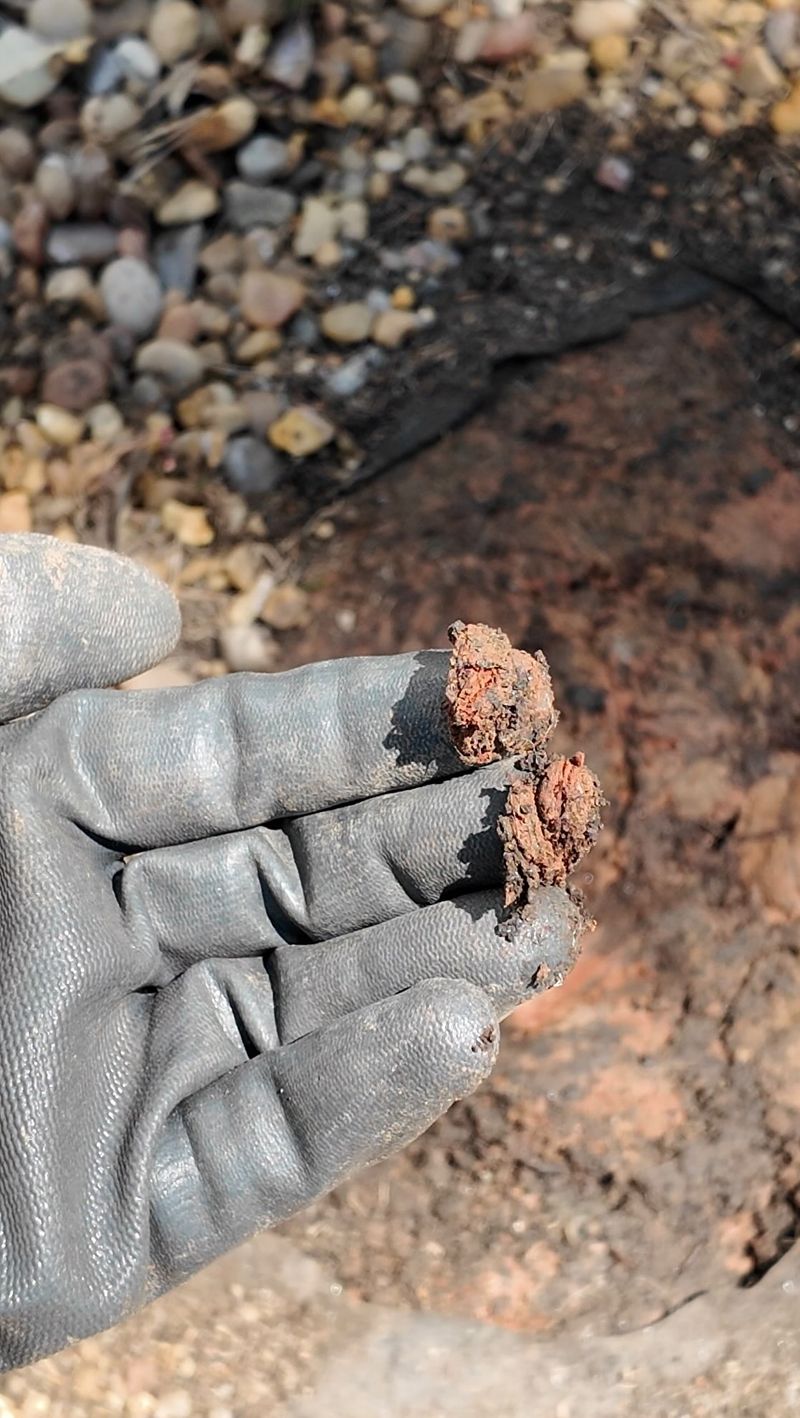
Not all soil is created equal, and Wisconsin knows this better than most states. Much of the region sits on clay-heavy ground that behaves very differently from sandy or loamy soil.
Clay particles are incredibly tiny and flat, almost like microscopic dinner plates stacked on top of each other. When water fills the spaces between them, they slide together and lock tight.
Sandy soil drains quickly because its particles are large and round. Water flows through the gaps fast, and the structure recovers within hours after a storm passes.
Your Wisconsin Garden Changes Every Week. Your Plan Should Too.
Gardening in Wisconsin changes quickly throughout the season. Every Friday you’ll receive a simple weekly plan showing exactly what to plant, prune, fertilize, harvest, and protect so you never miss the right timing.
Clay soil tells a completely different story. Water gets trapped between those flat particles, and the ground stays soft and squishy for days after the rain has stopped.
Stepping on clay-heavy ground during this window is especially destructive. The particles compact so tightly that even professional equipment struggles to break them apart later.
Wisconsin gardeners often deal with a mix called clay loam, which holds moisture stubbornly. After a thunderstorm, this type of ground can stay vulnerable for several days, depending on rainfall and drainage.
You might think the surface looks dry enough to walk on, but the layers below are still saturated. That deceptive top crust fools many homeowners into walking too early.
A simple squeeze test helps you know when it is safe. Grab a handful of soil and squeeze it into a ball, then drop it from waist height. If it shatters, you are good to go. If it stays in a clump, stay off the ground.
3. Grass Roots Get Compressed Under Foot Traffic On Soggy Earth
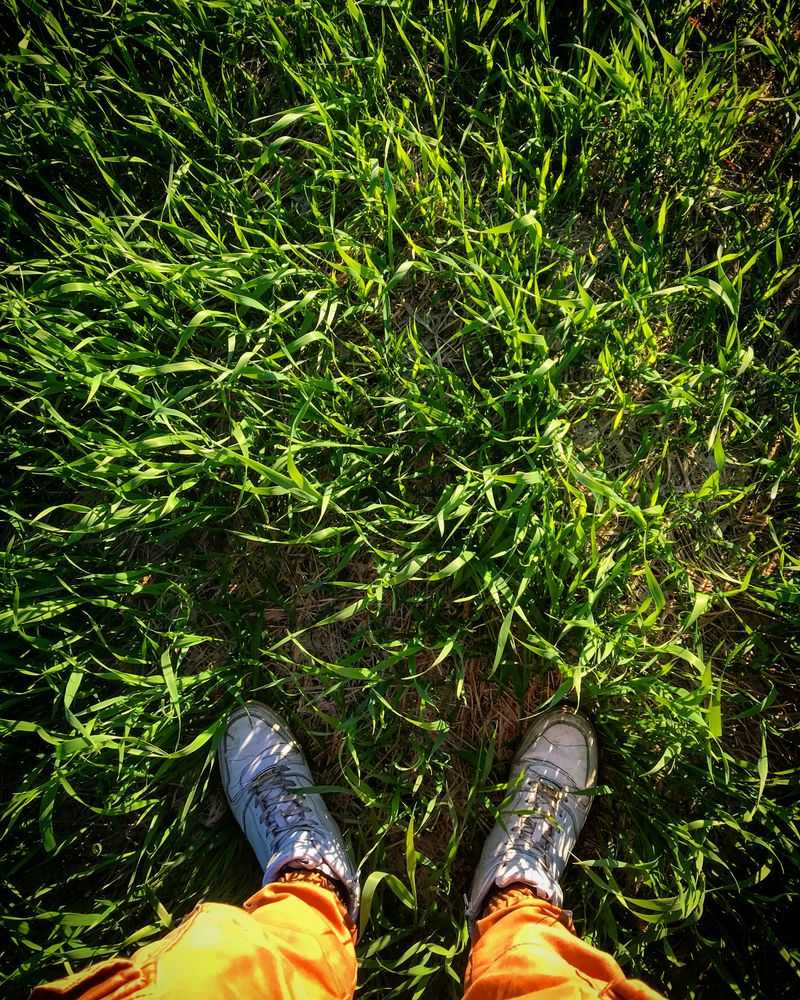
Your lawn looks green and tough from above, but the important changes happen underground. Grass roots are surprisingly fragile when the soil around them turns to mush.
After a thunderstorm soaks the ground, those roots lose their anchor. The saturated soil around them provides almost no structural support against outside pressure.
When you walk across a soggy lawn, your foot does not just press down on the surface. The force travels through the waterlogged soil and compresses the root zone directly beneath each step.
Grass roots typically extend two to six inches deep depending on the variety. That entire zone becomes vulnerable when the ground is wet and unstable after heavy rain.
Damaged roots cannot absorb nutrients or water efficiently. The grass above ground starts thinning, yellowing, and struggling within days of the damage occurring.
Wisconsin lawns already face tough conditions with cold winters and short growing seasons. Adding compaction stress during the wet months makes recovery even harder for the turf.
Kentucky bluegrass, a common Wisconsin lawn grass, is particularly sensitive to root disturbance. Once its roots are damaged in soggy conditions, thinning patches can gradually appear if the stress continues.
Rye and fescue grasses handle stress slightly better, but none are truly immune to foot traffic on waterlogged ground. Every grass type has its breaking point after a heavy storm.
Keeping foot traffic off the lawn for at least a full day protects those underground systems. Healthy roots mean a thicker, greener lawn that can fight off weeds and drought on its own.
4. Footprints Leave Lasting Ruts In Garden Beds
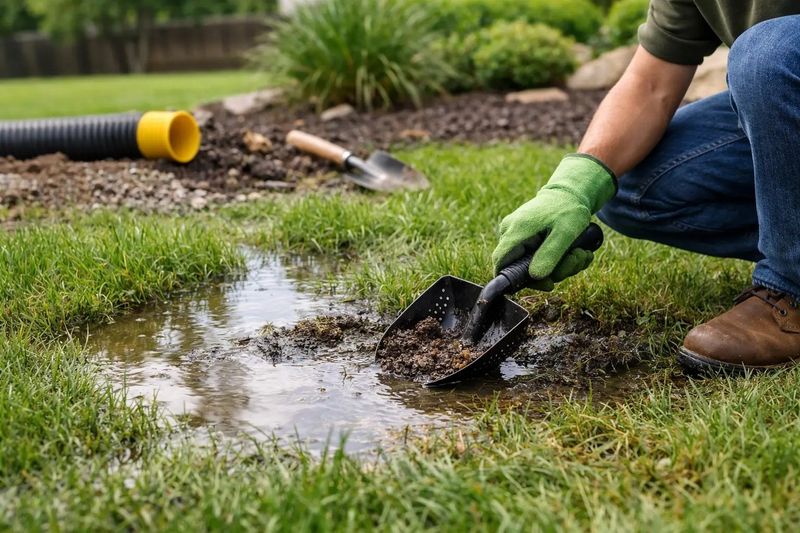
Picture this: you walk through your tomato bed after a storm to check on your plants. You mean well, but the damage you leave behind lasts for weeks.
Wet garden soil is like wet cement in slow motion. Every footprint becomes a mold pressed into the earth, and the soil hardens around that shape as it dries.
Those ruts are not just ugly. They redirect water flow during the next storm, sending runoff straight toward your plant stems instead of soaking evenly into the bed.
Water pooling around stems creates the perfect conditions for root rot and fungal disease. One careless walk through a wet bed can set off a chain reaction of plant problems.
Garden beds are especially vulnerable because they are often amended with compost and organic matter. That loose, rich texture feels great for roots but compresses dramatically under weight when wet.
A freshly tilled bed after rain is the worst possible time to walk through. The loose particles have little resistance, and your foot sinks in deep, leaving a serious impression.
Raised bed gardeners sometimes feel safe because the walls hold the soil in. But the compaction inside those walls is just as real and just as damaging to plant roots.
Installing stepping stones or wooden planks before storm season begins gives you a safe path. Stepping only on those surfaces keeps your garden beds protected no matter how much rain falls.
Protecting your beds now means your Wisconsin garden stays productive all the way through harvest season without the headache of ruts and replanting.
5. Compacted Soil Struggles To Absorb Water In Future Storms
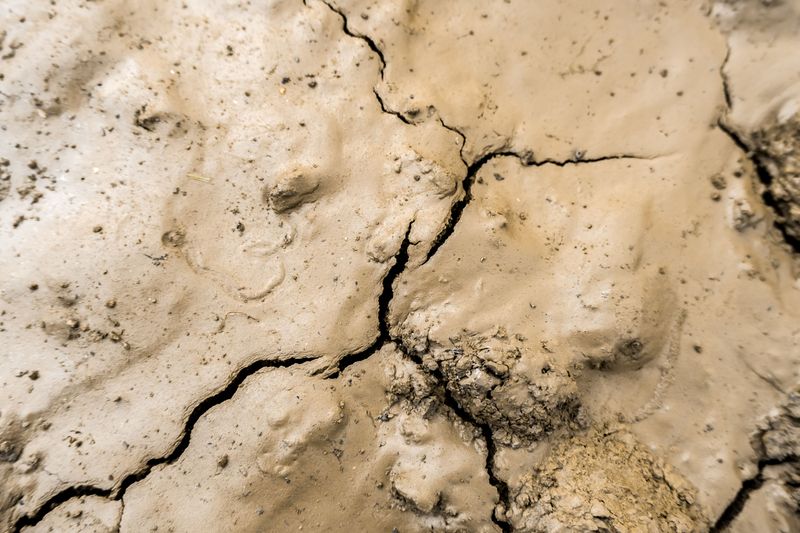
Here is a problem that sneaks up on you slowly. Compacted soil from one storm makes your yard worse at handling the next storm that rolls through.
Healthy soil absorbs water through its network of pores and channels. Rainwater flows down through those spaces and gets stored in the ground where plants can reach it.
When you compact that structure by walking on wet ground, those channels collapse. The next time rain falls, water has nowhere to go and just sits on the surface.
Standing water creates a flood risk in low areas of your yard. It also drowns grass and plants by cutting off oxygen to their roots for extended periods.
Wisconsin thunderstorms can drop heavy rainfall in a short amount of time. If your soil is already compacted from the last storm, that water goes straight to runoff.
Runoff carries topsoil with it as it flows across your yard. You lose that nutrient-rich layer that took years to build, washing it right down the storm drain.
Over time, compacted yards develop a hardpan layer just below the surface. This dense shelf acts like a barrier, stopping water from reaching deeper soil layers where roots need it most.
Neighbors with loose, healthy soil barely notice a heavy storm. Their yards drain quickly, their plants perk up, and life goes on without flooding or puddles lingering for days.
Breaking this cycle starts with staying off the lawn when it is wet. One good decision after a storm protects your yard from a long line of future headaches.
6. Recovery From Compaction Often Takes A Full Growing Season
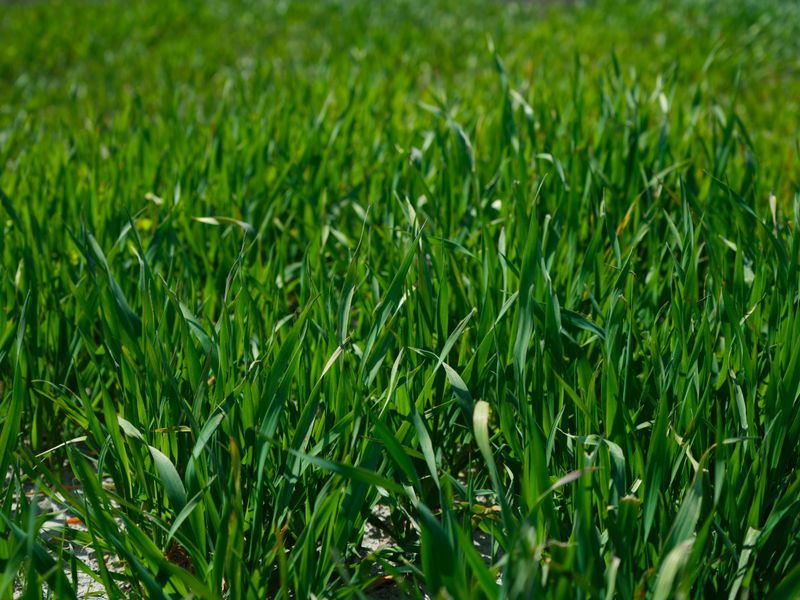
You might think soil bounces back on its own after a few sunny days. The reality is much more frustrating and time-consuming than most homeowners expect.
Mild surface compaction can loosen slightly as soil dries out and freezes and thaws through seasonal changes. But serious compaction, especially in clay-heavy ground, does not fix itself without help.
A full growing season can mean several months of active effort before your soil returns to a healthy state. That is a long time to wait for a problem you caused in one afternoon.
During that recovery window, your lawn and garden operate at reduced capacity. Plants grow slower, roots stay shallow, and the ground stays harder than it should be.
Grass in compacted areas often thins out and leaves bare patches. Weeds love those bare spots and move in fast, adding another layer of work to your recovery plan.
The freeze-thaw cycle in Wisconsin winters does help break up some compaction naturally. But relying solely on winter to fix the problem usually leaves you disappointed come spring.
Gardeners who compact their beds in late summer often find their plants struggling to finish the season strong. Yields drop, fruit sizes shrink, and the harvest feels like a letdown after months of hard work.
Soil health is a long game, and setbacks cost you more than just time. They cost you money in replacement plants, amendments, and professional treatments.
Avoiding compaction in the first place is always faster and cheaper than spending an entire season fixing it. Think of staying off wet soil as protecting your biggest outdoor investment.
7. Microbial Activity And Earthworms Decline In Compressed Soil
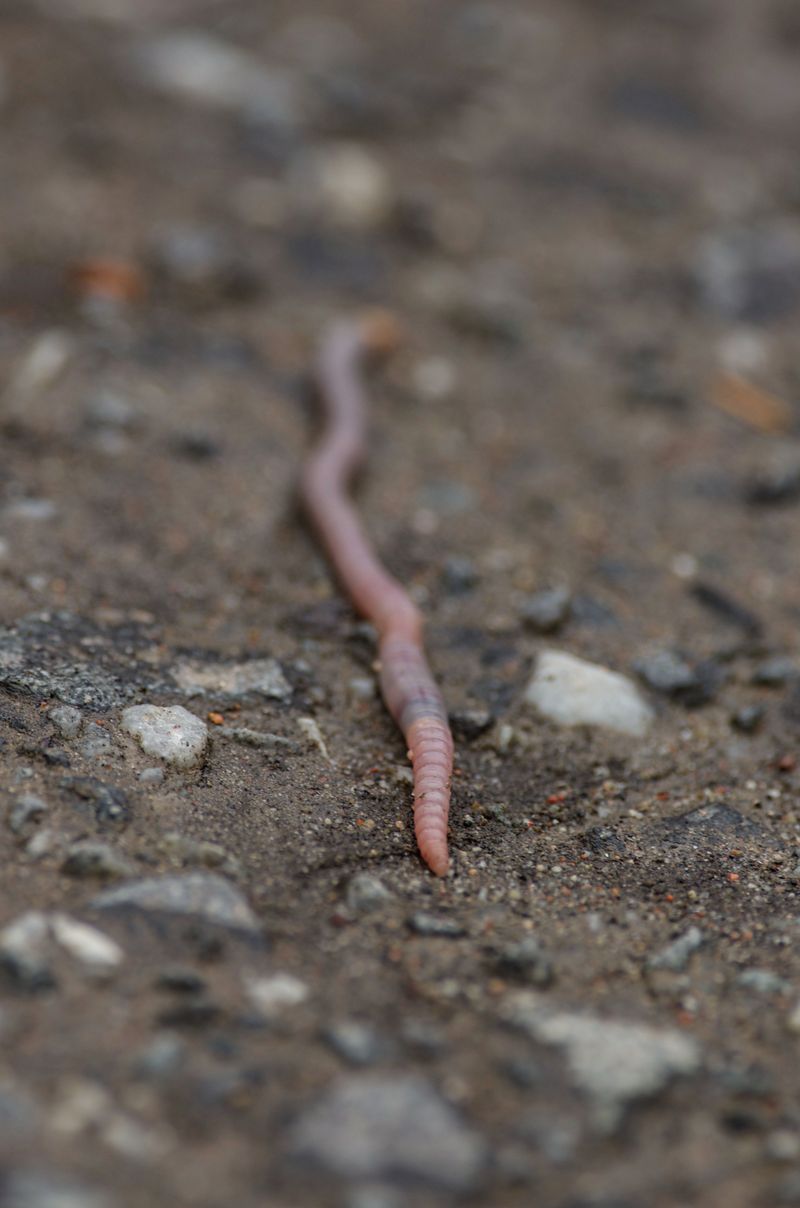
Beneath your feet lives an entire world most people never think about. Billions of bacteria, fungi, and tiny organisms work around the clock to keep your soil alive and fertile.
Earthworms are the most visible members of this underground crew. They tunnel through soil, breaking down organic matter and creating channels that improve drainage and aeration naturally.
When soil gets compacted, these tunnels collapse. Earthworms cannot move through dense, compressed earth, so they retreat to softer areas or disappear from the affected zone.
Losing earthworms from a section of your garden is a significant setback. Healthy soil can support thousands of earthworms across a single yard.
Microbial activity also drops sharply in compacted soil. Bacteria and fungi need oxygen to do their jobs, and compressed ground cuts off that oxygen supply quickly after the pores collapse.
Without active microbes, organic matter stops breaking down efficiently. Nutrients get locked up in a form that plant roots cannot absorb, even if you add fertilizer on top.
Compacted soil also traps carbon dioxide produced by root respiration. That gas buildup becomes harmful to both roots and the microbes trying to survive in the compressed zone.
Rebuilding a healthy microbial community takes time, compost, and patience. You cannot just add worms back and expect them to thrive in ground that is still too dense to support them.
Protecting the living ecosystem in your soil is just as important as watering and fertilizing. Stepping off the wet ground is the simplest way to keep that underground community thriving.
8. Aeration Becomes Necessary To Reverse The Damage Done
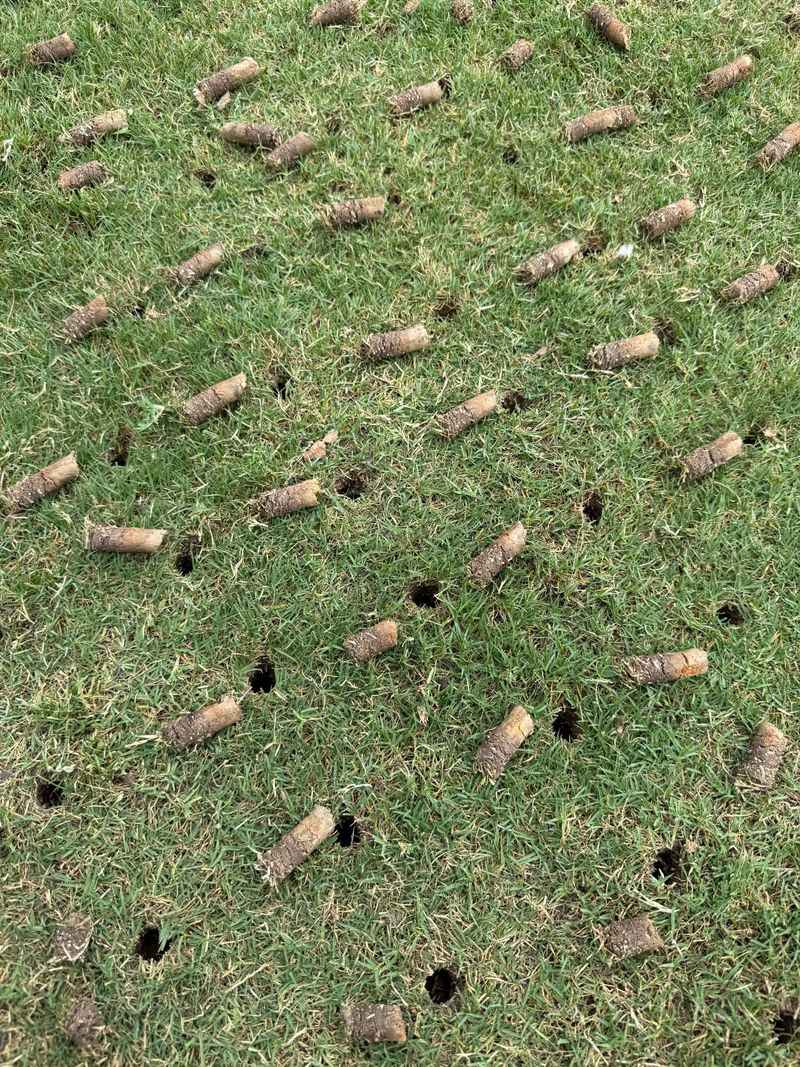
When the damage is done, aeration is your best tool for bringing soil back to life. This process involves pulling small plugs of soil out of the ground to open up space again.
Core aeration uses hollow tines that punch into the earth and remove cylinders of compacted soil. Those holes allow air, water, and nutrients to reach the root zone once more.
Spike aeration is a cheaper option, but it can actually make compaction worse. Pushing a spike into dense ground just moves the problem sideways rather than removing the compressed material.
That expense adds up fast when you consider it could have been avoided entirely by staying off wet soil.
The best time to aerate in Wisconsin is early fall, when soil temperatures are still warm but air is cooling down. Grass recovers quickly during this window and fills in the holes before winter arrives.
After aeration, top-dressing with compost helps rebuild the microbial community and improves soil texture over time. Overseeding at the same time gives thin areas a fresh start before the cold sets in.
Aeration alone does not fix severe compaction in a single session. Heavily damaged areas may need two or three rounds of treatment spread across different growing seasons.
Stepping on Wisconsin soil right after a thunderstorm sets off a chain of events that ends with expensive equipment rentals and months of extra yard work. One patient afternoon indoors saves you a whole season of frustration outside.