The Underrated North Carolina Native Flower That Keeps Blooming Through August Storms
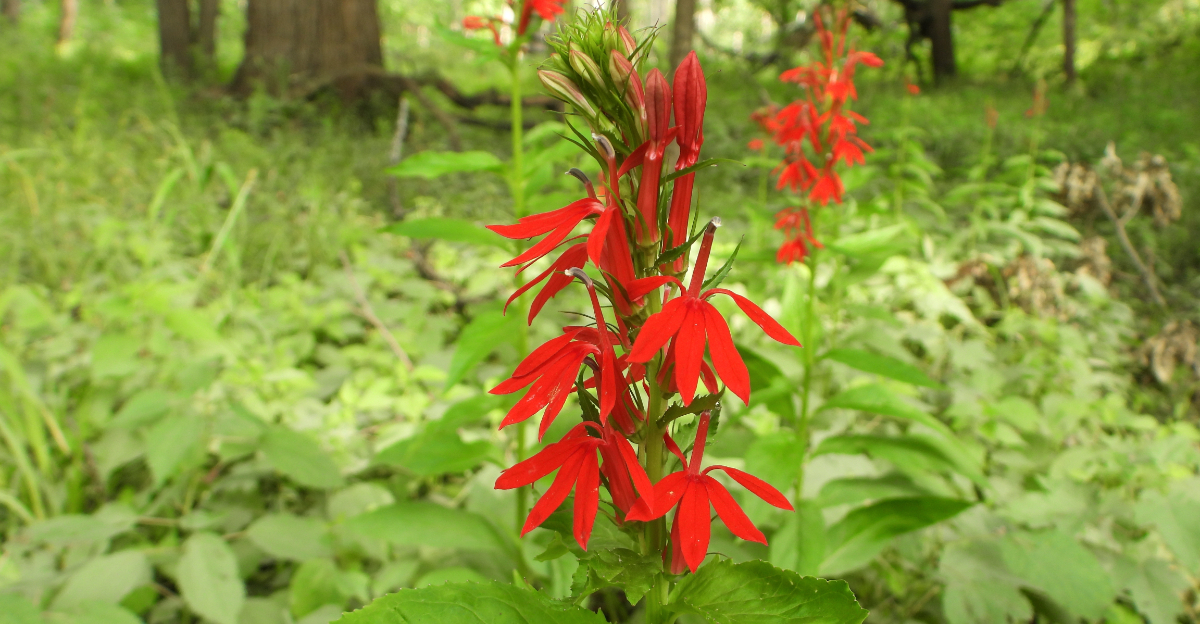
Cardinal flower deserves far more attention for how reliably it keeps blooming right through North Carolina’s unpredictable August storms.
This native perennial produces striking red flower spikes that hold up well against heavy wind and rain that often damage more delicate blooms nearby.
Its preference for consistently moist soil makes it a natural fit for low lying areas or spots near ponds where other plants often struggle during rainy stretches.
Cardinal flower’s sturdy stems bend rather than snap, allowing the plant to recover quickly once a storm passes through.
Once established, this native requires very little maintenance, returning reliably each year with minimal additional care needed.
Hummingbirds are especially drawn to its vivid red blooms, making it a valuable late summer nectar source during their fall migration preparations.
Its height adds vertical interest toward the back of garden beds without overwhelming smaller surrounding plants.
Choosing cardinal flower brings dependable, vibrant color to a North Carolina garden exactly when storms threaten to disrupt everything else.
1. Cardinal Flower Loves August
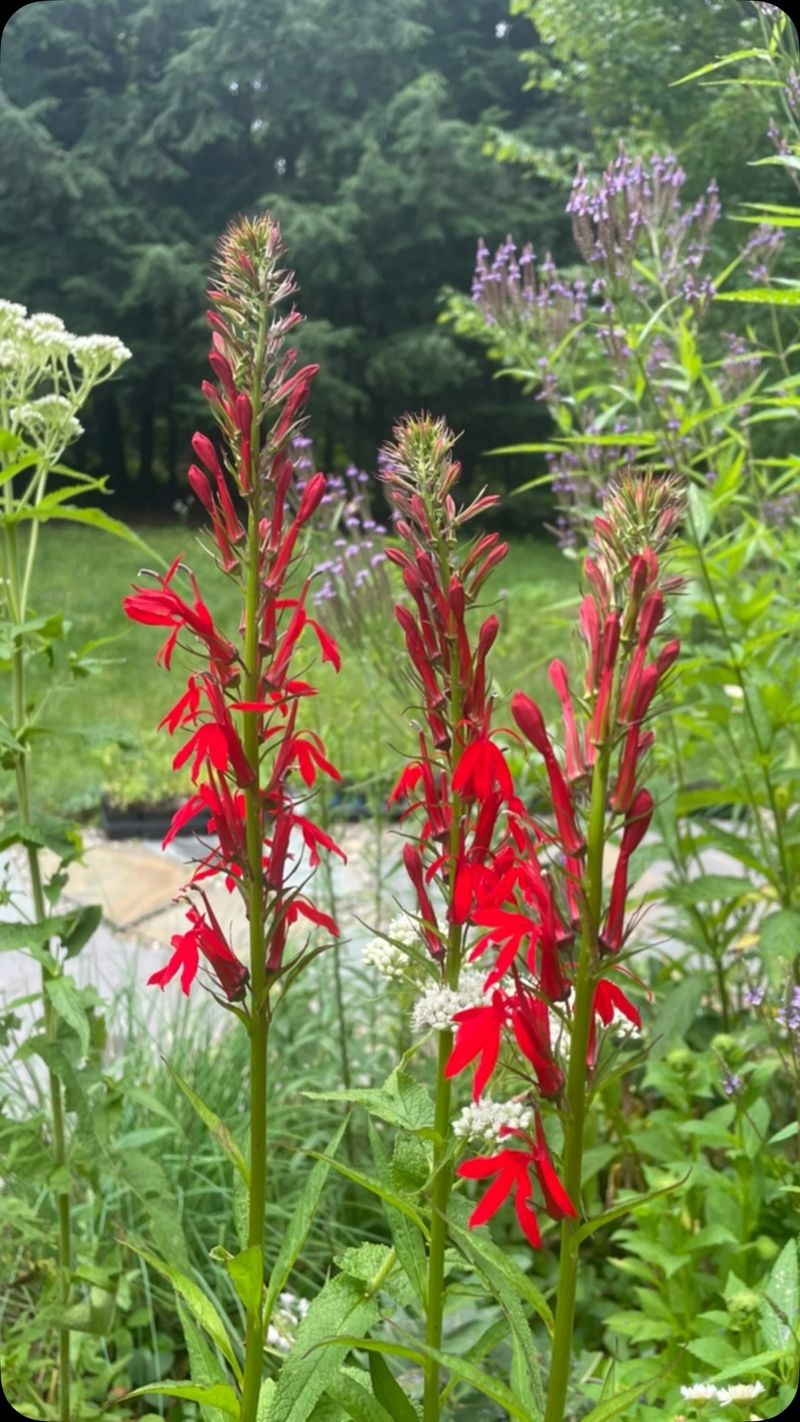
Right when the summer heat feels like too much, cardinal flower shows up with tall spikes of glowing red blooms. This North Carolina native does its best work in late summer, filling gardens with color when many other plants look tired and worn out.
The scientific name is Lobelia cardinalis, and it grows naturally along streams, marshes, and low wet areas across the state. Its flowers stack up along stems that can reach three to four feet tall, creating a red tower that is hard to miss from across the yard.
August can be a tough month for gardens in North Carolina. Heat, humidity, and sudden storms wear down a lot of flowers, but cardinal flower seems to enjoy the challenge.
It stays fresh and vibrant while other blooms fade into the background. The deep red color is not just pretty. It signals to pollinators that a rich meal of nectar is waiting inside those tubular flowers.
That combination of beauty and purpose makes it a favorite among gardeners who want their late summer beds to stay lively.
If your garden usually looks a little sad by August, this plant can turn things around. It brings energy and boldness at a time of year when most flowers have given up.
Native plant lovers often call it a hidden gem because so few people know just how reliable and striking it really is through the hottest weeks.
2. Rain Does Not Scare It
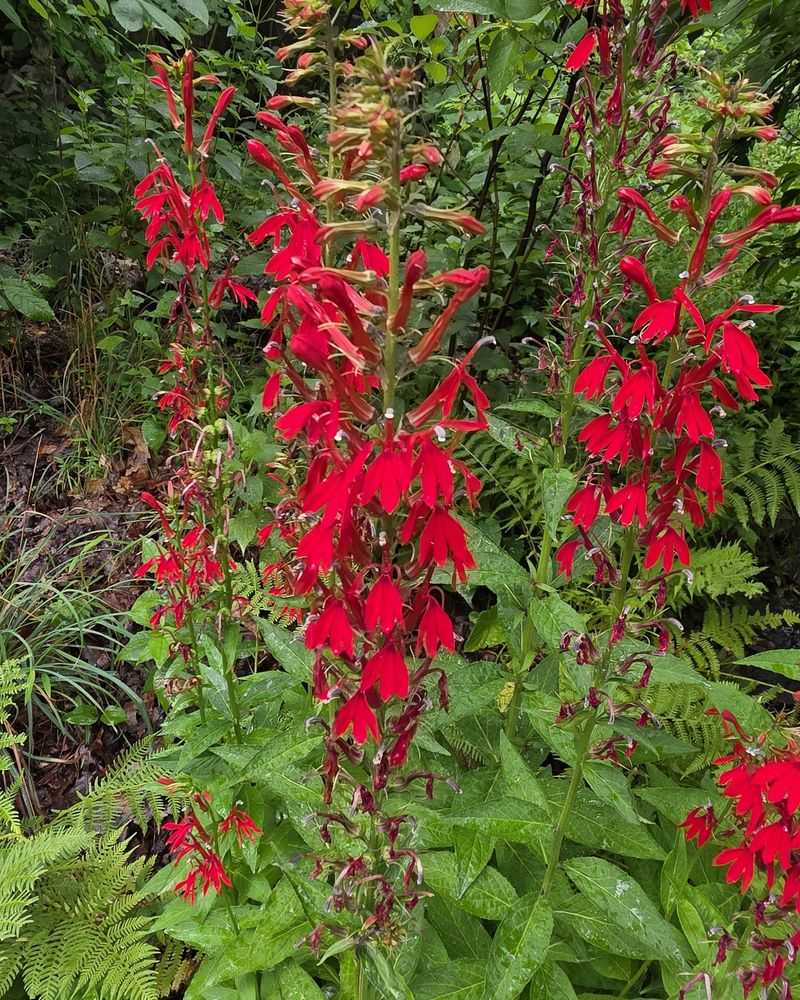
While a lot of garden plants sulk when soil gets soggy, cardinal flower feels right at home. This plant grows naturally in wet places like riverbanks and low spots that flood after heavy rain, so damp ground is exactly what it wants.
Most flowers need soil that drains quickly, and their roots can suffer if water sits around too long. Cardinal flower flips that rule. Its roots are built for moisture, and brief flooding does not bother them one bit.
North Carolina summers bring plenty of afternoon thunderstorms, and those bursts of rain can leave gardens waterlogged for hours. Instead of drooping, cardinal flower drinks it all up and keeps pushing out fresh blooms.
Your North Carolina Garden Changes Every Week. Your Plan Should Too.
Gardening in North Carolina changes quickly throughout the season. Every Friday you’ll receive a simple weekly plan showing exactly what to plant, prune, fertilize, harvest, and protect so you never miss the right timing.
This tolerance makes it a smart pick for tricky spots in your yard. That low corner where water always pools after a storm?
A spot near the downspout that stays muddy? These are the exact places where cardinal flower thrives while other plants would rot.
Because it handles both regular moisture and short flooding, you get a plant that solves problems instead of creating them. You spend less time worrying about drainage and more time enjoying the show.
Just remember that cardinal flower likes wet, not bone dry. It handles too much water far better than too little.
So when the storms roll in and your yard turns squishy, this native flower keeps standing tall and colorful, proving that a little extra rain is nothing to fear.
3. The Flowers Keep Coming
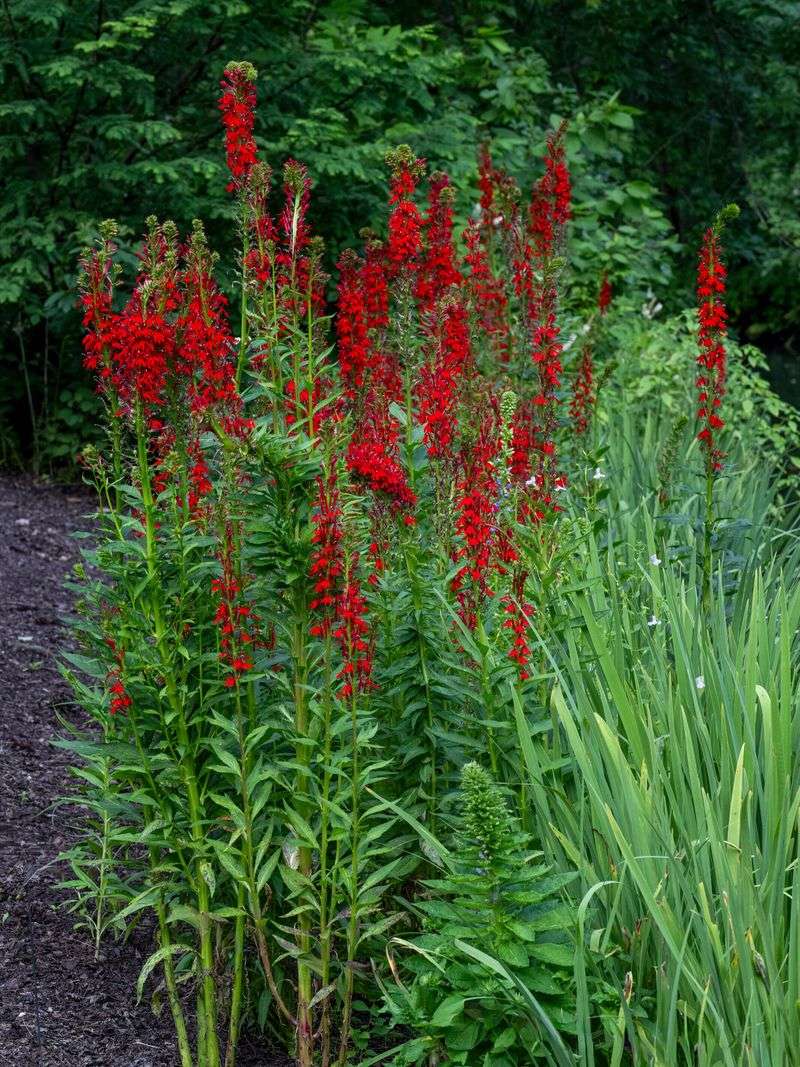
One of the best things about cardinal flower is how long the color lasts. The blooms often start showing up in July and keep going all the way into October, giving you months of red instead of just a quick flash.
Each flower spike opens slowly from the bottom up. As lower blooms finish, new buds higher on the stem burst open, so there is almost always fresh color on display. This staggered timing stretches the show out for weeks.
A single plant can send up several spikes over the season too. Just when one stem starts to slow down, another shoots up and takes its place, keeping your garden bright long after spring flowers have called it quits.
You can help the plant bloom even longer with a simple trick. Snip off the old flower spikes once they finish, and the plant may put its energy into producing more.
This gentle grooming keeps things looking tidy and encourages extra rounds of color.
That long bloom window is a huge win for gardeners. Many showy flowers only last a couple of weeks, but cardinal flower rewards you month after month. It bridges the gap between summer and fall beautifully.
Pollinators love this stretched out schedule as well, since they get a steady supply of nectar during a time when food can be scarce. So you end up with a plant that feeds wildlife and paints your yard red from midsummer through early autumn.
4. Hummingbirds Find It Fast
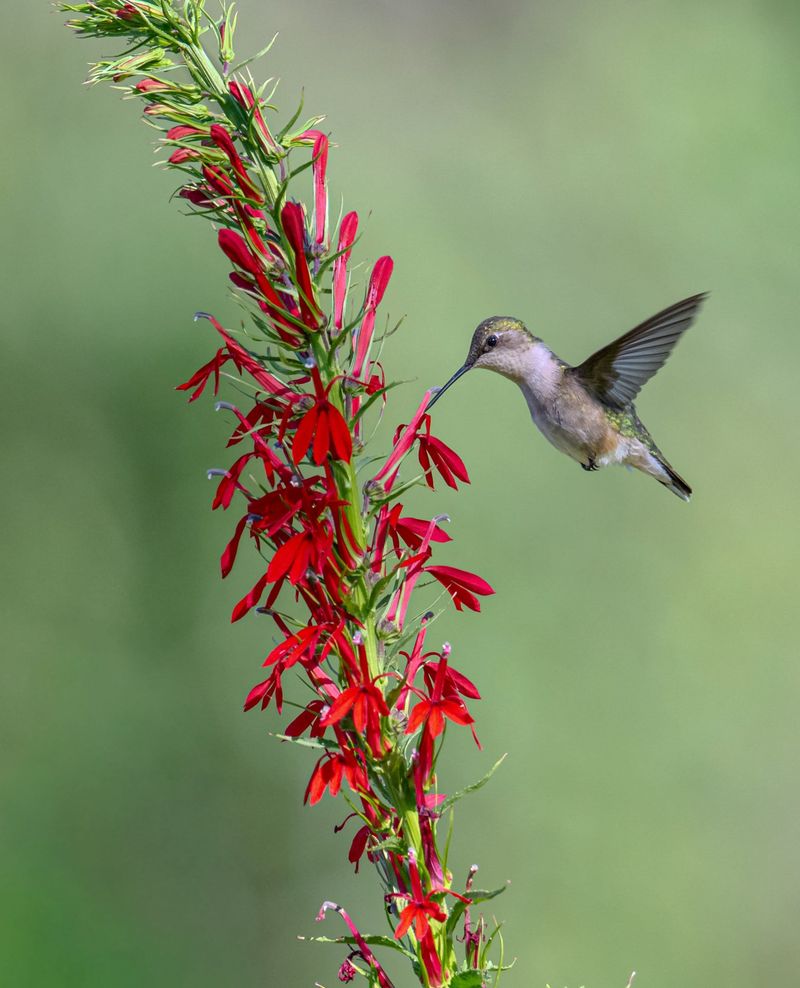
If you want hummingbirds zooming around your yard, cardinal flower might be the easiest invitation you can send. Those bright red tubular blooms act like a flashing sign that says free nectar is waiting.
Hummingbirds have amazing eyesight and are strongly drawn to the color red. The vivid shade of cardinal flower catches their attention from far away, pulling them straight toward your garden.
The shape of the flower matters just as much as the color. Each bloom is long and tube shaped, which fits perfectly with a hummingbird’s slender beak and tongue.
While the birds sip nectar deep inside, they brush against the flower and carry pollen from plant to plant.
This is a partnership that works out well for both sides. The hummingbirds get an energy packed meal, and the cardinal flower gets help spreading its pollen so it can make seeds. Nature designed them to team up.
Ruby throated hummingbirds are common in North Carolina during summer, and they especially need reliable food as they fuel up for their long fall trip south. A patch of cardinal flower gives them exactly what they crave right when it counts.
Planting a few of these near a window or patio turns into free entertainment. You get to watch tiny birds hover and dart just feet away, all thanks to a native flower doing its natural job.
For anyone who loves wildlife gardening, cardinal flower is a no brainer. It brings buzzing, darting life to your yard almost as soon as the blooms open.
5. Rain Gardens Are A Perfect Fit
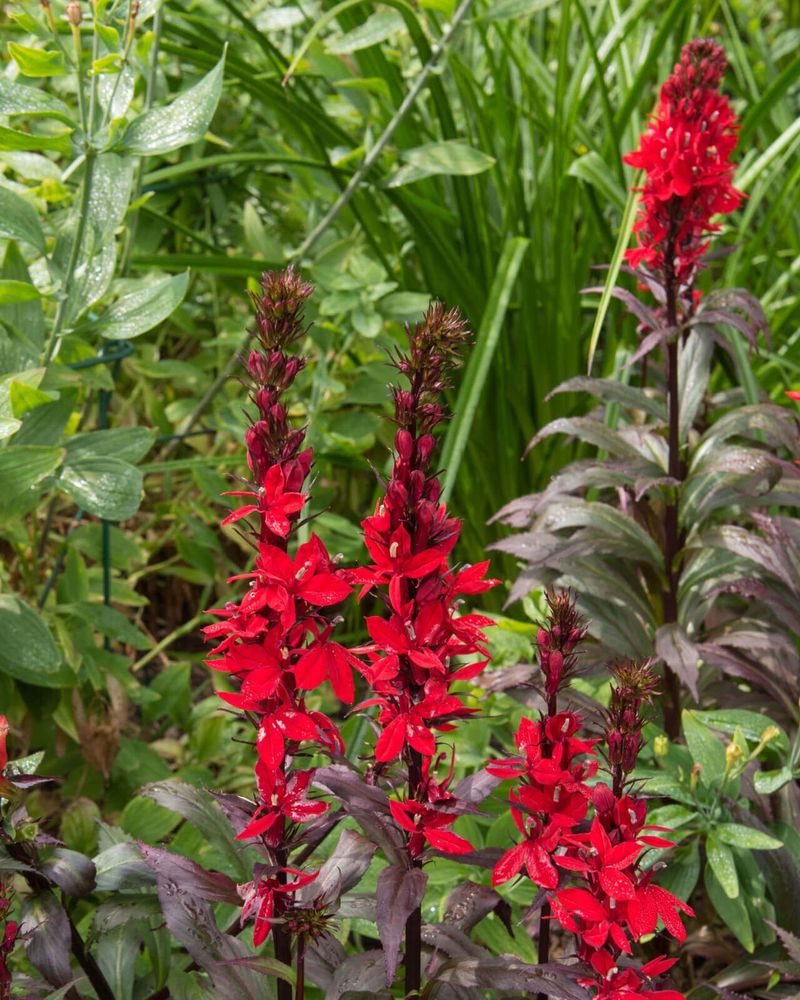
Some plants just belong in certain places, and cardinal flower belongs in a rain garden. These special garden spots are designed to catch and soak up runoff, and cardinal flower loves the extra moisture they hold.
A rain garden usually sits in a low area where water collects after storms. Since cardinal flower naturally grows in damp, low ground, it fits right into this setup without any fuss. The soggy conditions that trouble other plants are its happy place.
Pond edges are another spot where this flower shines. Plant it along the border where soil stays wet, and you get a ribbon of red reflected in the water. It softens the edge and pulls in hummingbirds at the same time.
Ditches, stream banks, and boggy corners work too. Anywhere the ground stays reliably damp, cardinal flower can settle in and thrive with very little help from you.
Using it this way solves two problems at once. You fill a tricky wet area that is hard to plant, and you add stunning color that lasts for months. That is a smart, low effort win for any gardener.
Rain gardens also help the environment by slowing runoff and filtering water before it reaches streams. Adding native plants like cardinal flower makes them even better, since the roots support local pollinators and hold soil in place.
So if you have a damp problem area, do not fight it. Turn it into a rain garden and let cardinal flower turn that soggy spot into the star of your yard.
6. Afternoon Shade Helps
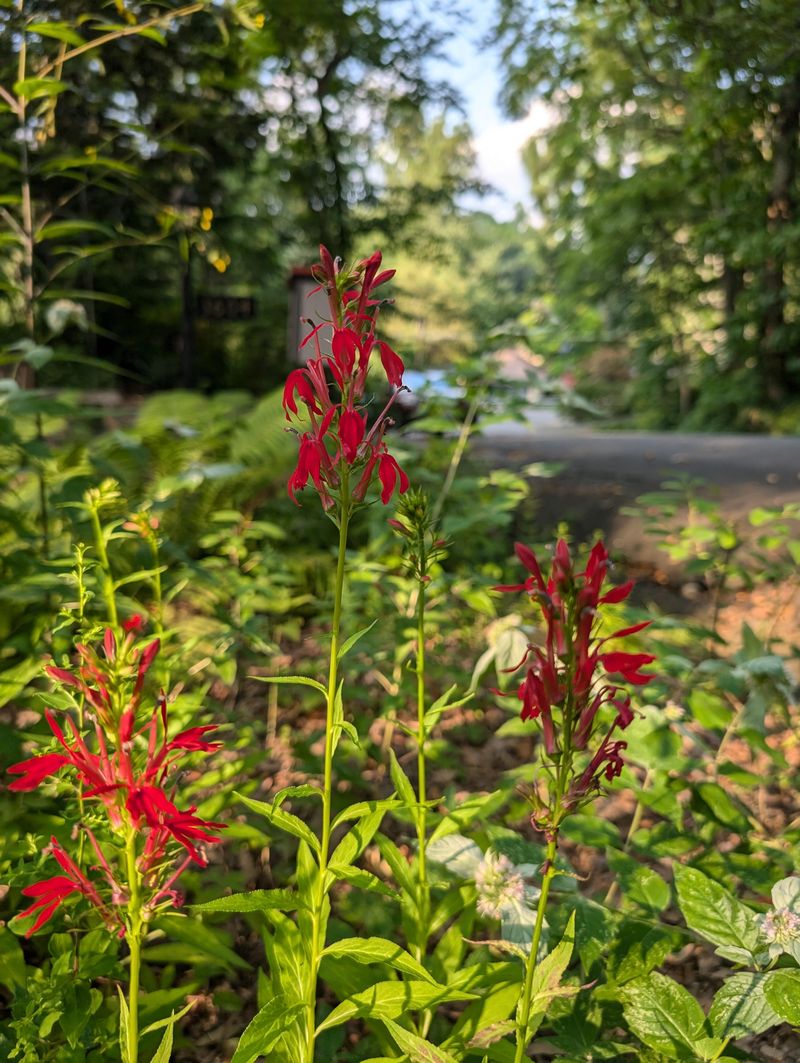
North Carolina summers can turn brutally hot, and even a tough plant like cardinal flower appreciates a little break from the blazing sun. A spot with some afternoon shade can keep it looking its best.
Cardinal flower happily grows in full sun as long as the soil stays moist. But when temperatures climb high in July and August, that strong afternoon light can stress the plant and dry out the ground faster than it likes.
Giving it shade during the hottest part of the day takes off some of that pressure. Morning sun followed by afternoon shade is often the sweet spot, letting the plant soak up light while avoiding the harshest heat.
Shade also helps the soil hold onto moisture longer. Since this flower depends on steady dampness, anything that slows evaporation is a bonus. You water less often, and the plant stays comfortable.
A great trick is to plant cardinal flower where a tree or tall shrub casts a shadow in the late afternoon. The dappled light protects the blooms and can even make the red color look richer and deeper.
Keep in mind that too much shade is not ideal either. In heavy, all day shade the plant may get leggy and produce fewer flowers. The goal is balance, with plenty of light but relief from the fierce midday and afternoon sun.
Find that middle ground, and your cardinal flower will reward you with strong, healthy stems and blooms that pop against the greenery around them all summer long.
7. Never Let It Dry Out
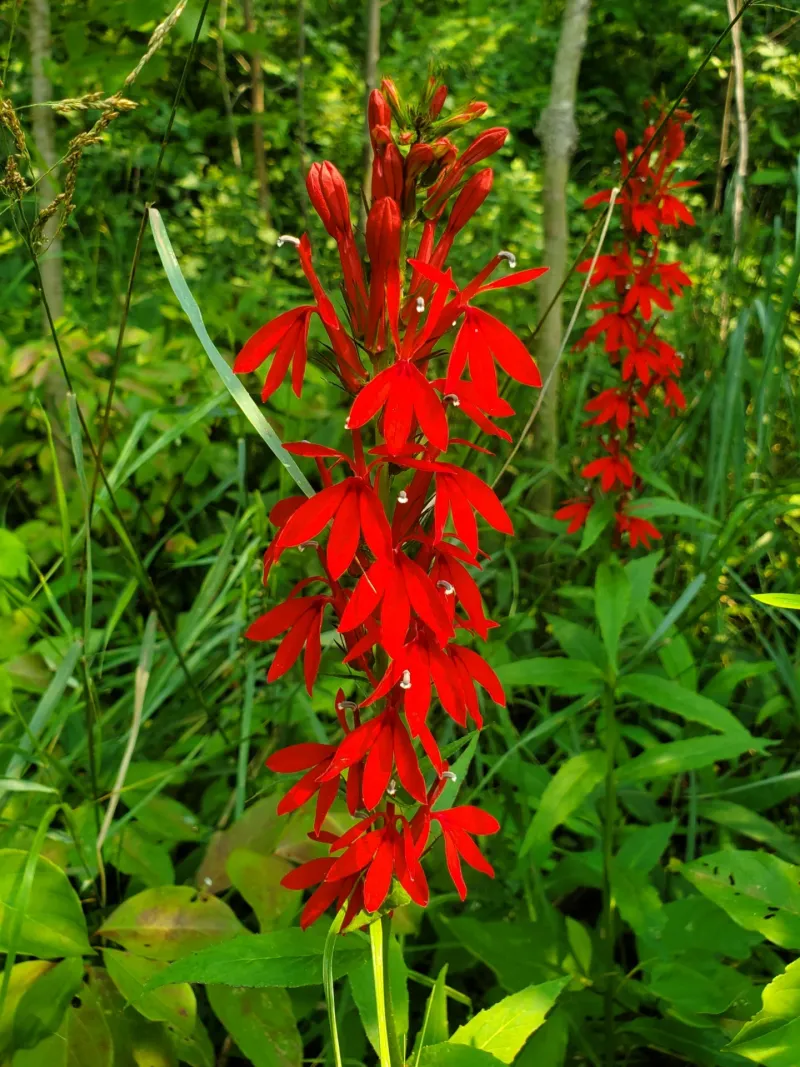
If there is one rule to remember with cardinal flower, it is this: keep the soil moist. Letting the ground go dry is the fastest way to see this plant struggle and lose its lush look.
Unlike drought tough natives that shrug off dry spells, cardinal flower needs consistent water to stay healthy. Its roots come from wet habitats, so they never really learned to handle bone dry conditions.
During hot North Carolina summers, the soil can dry out surprisingly fast. If you skip watering for a few days in a heat wave, the leaves may wilt and the flowers can fade before their time.
The good news is that keeping it happy is simple. Check the soil regularly, especially during dry stretches, and water whenever the top layer starts to feel dry. Aim for damp, not swampy, all through the growing season.
Mulch is your best friend here. A layer of shredded bark or leaves around the base helps lock in moisture, keeps roots cool, and cuts down how often you need to grab the hose.
Planting it in a naturally damp spot makes the whole job easier. Near a downspout, beside a pond, or in a low area, the ground stays wet on its own and you barely have to lift a finger.
Stay on top of watering, and cardinal flower rewards you with tall, sturdy stems and blooms that keep coming. Slack off during a dry summer, and you will quickly see why steady moisture is the secret to success.
8. Give It A Moist Garden Spot
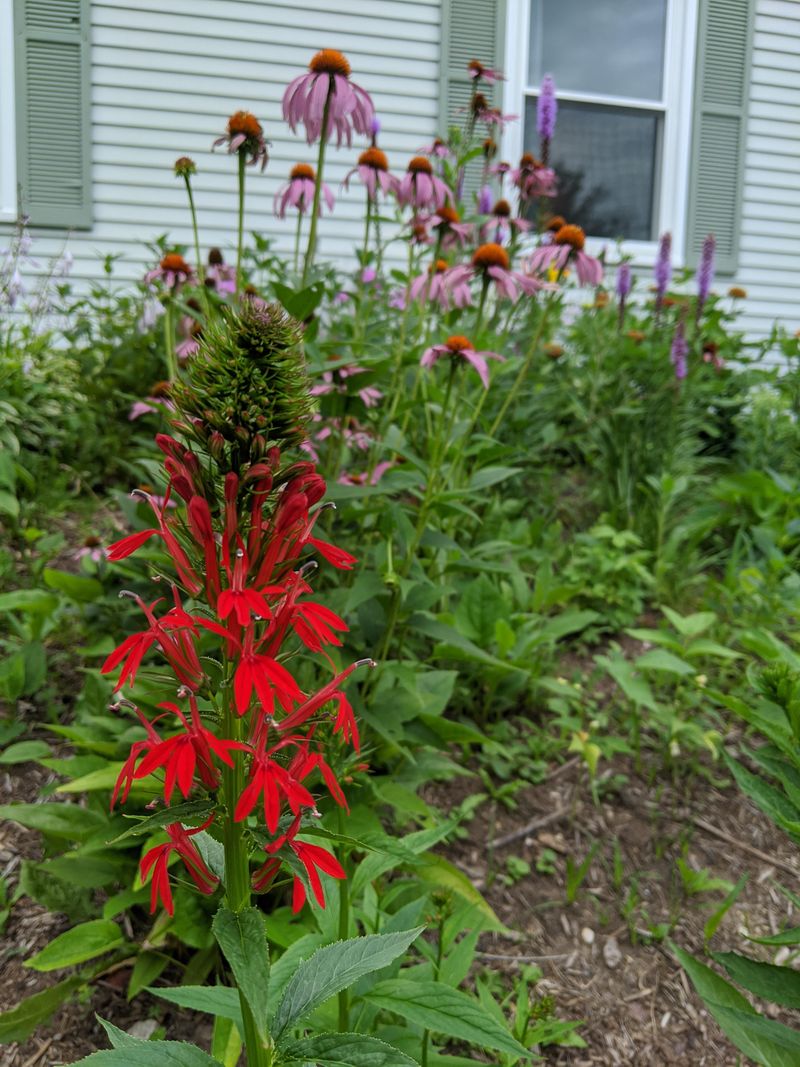
No matter where you live in North Carolina, cardinal flower can find a home in your garden. From the mountains to the piedmont to the coastal plain, this native thrives as long as the soil stays reliably moist.
Up in the mountains, cooler temperatures and shady stream banks suit it perfectly. Gardeners there often find it grows with almost no effort, popping up along creeks and damp woodland edges.
Across the piedmont, where summers get hot and clay soil is common, cardinal flower still does well in low spots that hold water. Adding organic matter to heavy clay helps roots settle in and keeps moisture where the plant wants it.
Down on the coastal plain, sandy soil drains quickly, so the trick is choosing a naturally wet area or watering more often. Near ditches, ponds, and wetlands, this flower feels right at home in the warm, humid air.
The key across every region is the same: give it a spot where the ground stays damp. Match that one need, and cardinal flower adapts to your local climate with ease.
This flexibility makes it one of the most rewarding natives you can grow statewide. You get bold red color, happy hummingbirds, and a plant that supports the local environment all in one.
So take a walk around your yard and look for that moist, low corner you never knew what to do with. Plant cardinal flower there, and you will turn a forgotten damp spot into a bright, buzzing highlight that lasts from summer into fall.