The One Thing North Carolina Gardeners Should Check On Rain Barrels Before The Next August Storm
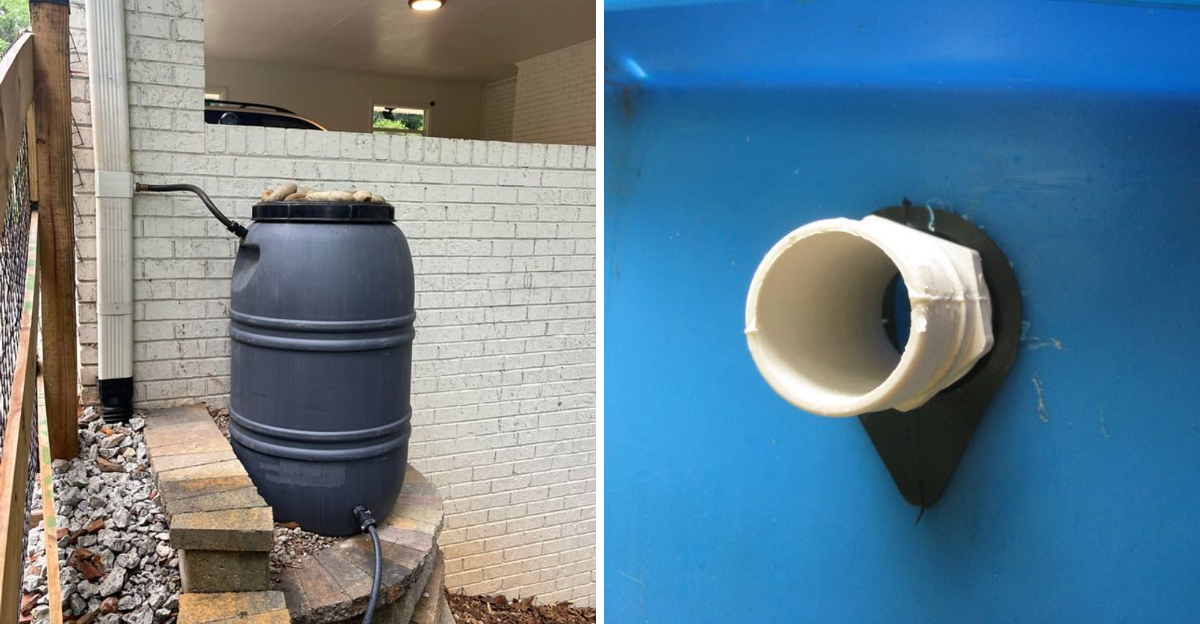
August storms in North Carolina do not always give much warning. One minute, the yard looks calm. The next, thunder shakes the windows and rain pounds the roof hard enough to drown out conversation.
Your rain barrel seems ready for it. Maybe too ready.
It sits beside the house, collects water like usual, and looks perfectly harmless from the patio. But one small part can cause trouble once the barrel fills and another downpour arrives.
Would you know where to look before the clouds open?
This is the kind of garden check that takes only a couple of minutes but can matter far more than its size suggests. Skip it, and water may end up exactly where you do not want it, near paths, beds, or the foundation.
The good news is that you do not need fancy tools or a long maintenance routine.
Before the next August storm rolls across North Carolina, give your barrel one quick inspection. That tiny detail may decide where all that extra rain goes.
Check The Overflow Before The Next Storm Hits
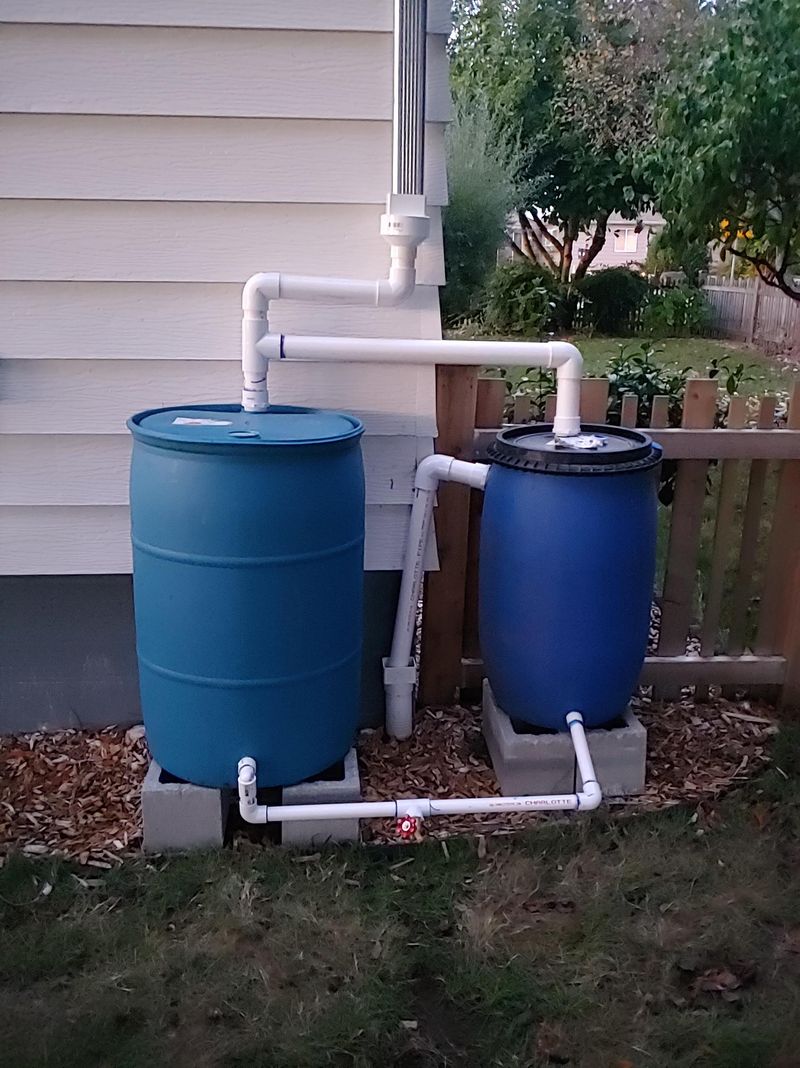
The overflow outlet deserves your attention before anything else on the barrel.
A full rain barrel still has to send new water somewhere. During a hard August downpour, a 55-gallon barrel can fill surprisingly fast.
A blocked outlet can leave excess water spilling beside the house, across a path, or into a garden bed that already has plenty.
Start with a quick visual check near the top of the barrel. Look for leaves, twigs, spider webs, dirt, or small nests around the opening. Even a partial clog can slow the escape route when rain starts coming down hard.
Grab a small brush, pipe cleaner, or old toothbrush and clear the opening. Nothing fancy required. This is five-minute garden maintenance, not barrel surgery.
Next, check the fitting itself. Run your fingers around the connection and look for cracks, gaps, or looseness. A loose fitting can send water around the seal instead of through the outlet. Tighten it carefully when needed.
Do not stop at the barrel wall. Follow the overflow hose or pipe and make sure that route stays open too. A clear outlet attached to a clogged hose still leaves you with the same soggy problem.
Then check where that hose ends. Direct excess water away from the foundation and toward a safe drainage area.
Your rain barrel can handle the storm. Just make sure it has somewhere to send the encore.
Make Sure The Overflow Hose Points Away From The House
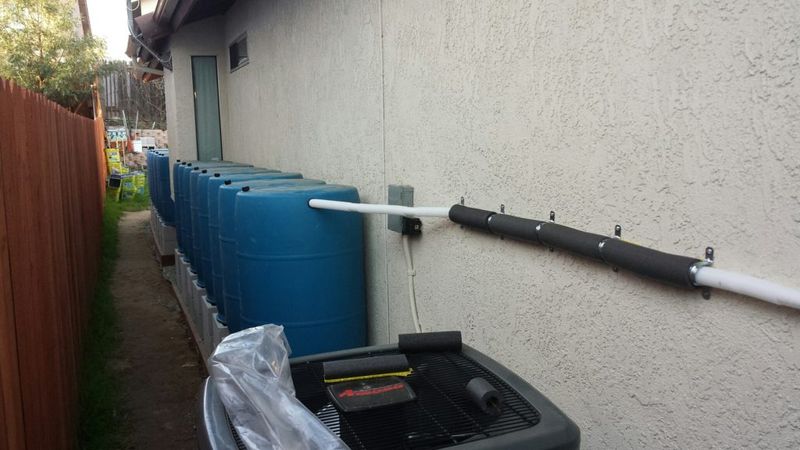
A clear overflow outlet only solves half the problem.
The water still needs a safe place to go once it leaves the barrel. During a strong North Carolina thunderstorm, that can mean a surprising amount of water moving through one hose in a short stretch of time.
Follow the overflow hose from the barrel to its end. Make sure it does not dump water beside the foundation, beneath a deck, or onto a low spot that already turns muddy after rain.
Your North Carolina Garden Changes Every Week. Your Plan Should Too.
Gardening in North Carolina changes quickly throughout the season. Every Friday you’ll receive a simple weekly plan showing exactly what to plant, prune, fertilize, harvest, and protect so you never miss the right timing.
Aim for an area where water can spread out and soak into the soil without creating trouble.
A planted bed can work well when the soil drains properly. A grassy section farther from the house may also handle overflow nicely. The important part is distance. Water should move away from the structure rather than circle back toward it.
Check the hose for bends too. A sharp kink can restrict flow even when the opening at the barrel looks perfectly clear.
This is also a good time to make sure the hose has not shifted since spring. Lawn equipment, pets, summer yard projects, and curious feet can all send it somewhere unintended.
You want the storm water taking the scenic route away from the house.
Your foundation does not need a front-row seat to everything the roof collects.
Check The Screen Before Debris Reaches The Barrel
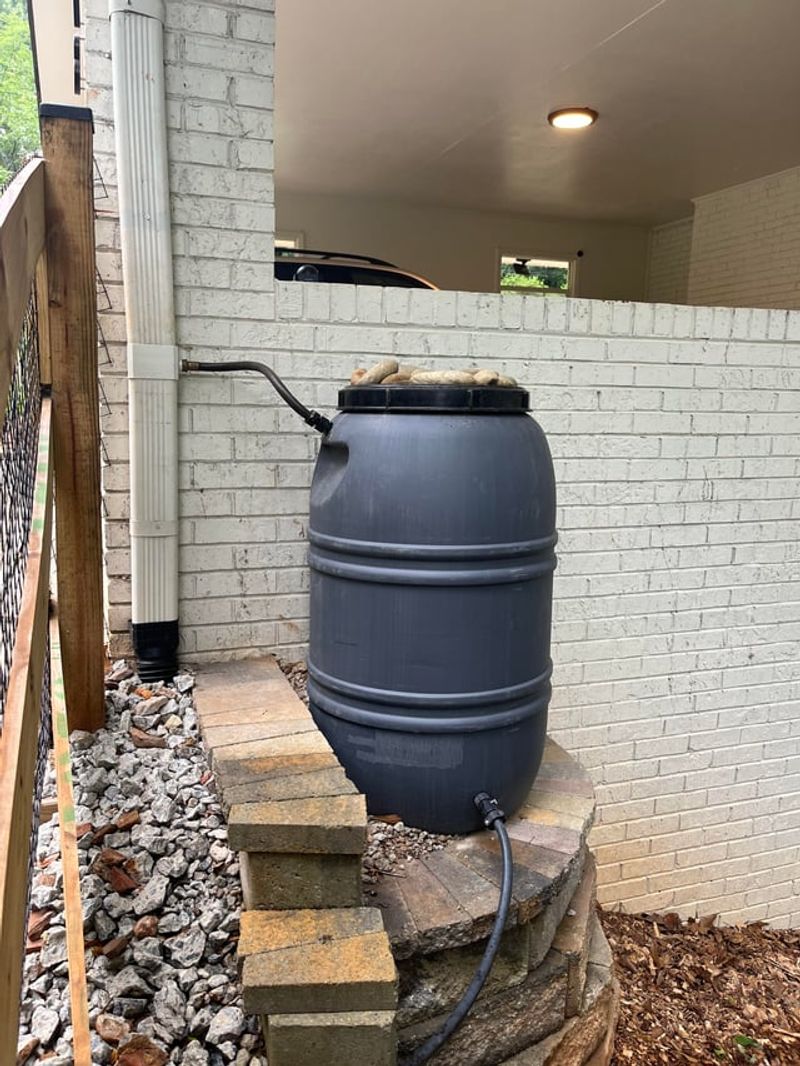
The top of the rain barrel deserves a quick inspection before storm clouds arrive.
Most barrels use some type of screen where water enters. That screen helps catch leaves, twigs, roof debris, and other material before it drops into the stored water.
By August, it may have collected quite a summer résumé.
Look closely at the mesh and remove anything sitting across it. A layer of leaves can slow incoming water and cause runoff to spill around the barrel instead of flowing neatly inside.
Small debris can also work its way toward the overflow system later, which creates another reason to keep the top clean.
Brush the screen gently rather than pushing material through it. A soft hand brush usually handles loose debris without damaging the mesh.
Check for tears while you are there. Small holes deserve attention because an intact screen helps keep larger debris and insects out of the barrel.
Make sure the screen also sits securely over the opening. A corner that has lifted can become an easy entry point for whatever the storm carries off the roof.
This check takes only a few minutes, but it keeps the whole system cleaner from the start.
A rain barrel works much better when the storm water arrives without bringing half the gutter along for the ride.
Empty Some Water When The Barrel Is Already Full
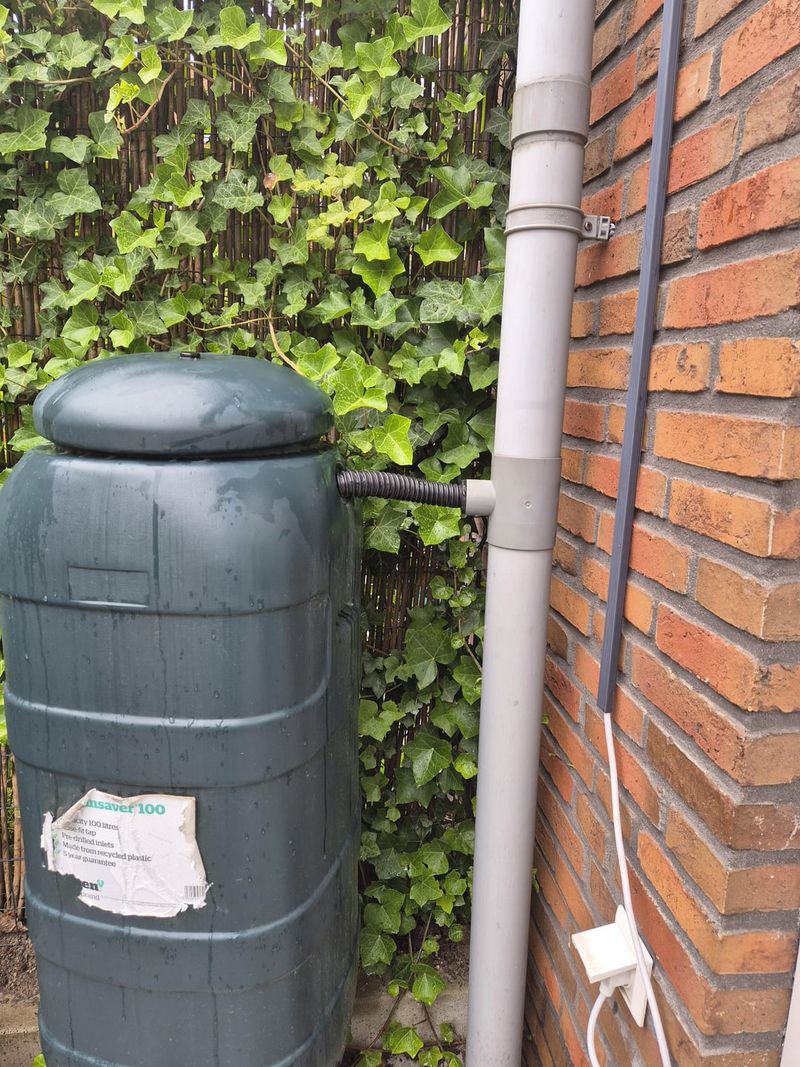
A full rain barrel feels like success until another storm appears on the forecast.
Then you have a storage problem.
A barrel already sitting near capacity has very little room for the next round of roof runoff. The overflow system should handle the extra water, but creating some space before a major storm can reduce how quickly that system gets tested.
Use some of the stored water before the rain arrives.
Water container plants, shrubs, vegetable beds, or other areas that need moisture. Even a modest drop in the barrel gives the next storm more room to work with.
This step makes especially good sense after several wet days. August weather in North Carolina can pile one storm on top of another, so yesterday’s full barrel may still be waiting when the next dark cloud rolls over.
Do not empty the barrel just for the sake of emptying it. Stored rainwater still has value. The goal is to create useful capacity when more rain appears likely.
Take a quick look at the water level as part of your pre-storm routine. That one glance tells you how much room remains.
Then put the water to work before the sky sends you another delivery.
Your barrel does not need to hoard every gallon. Even rainwater benefits from a little turnover before company arrives.
Inspect The Barrel Base For Wobbling Or Sinking
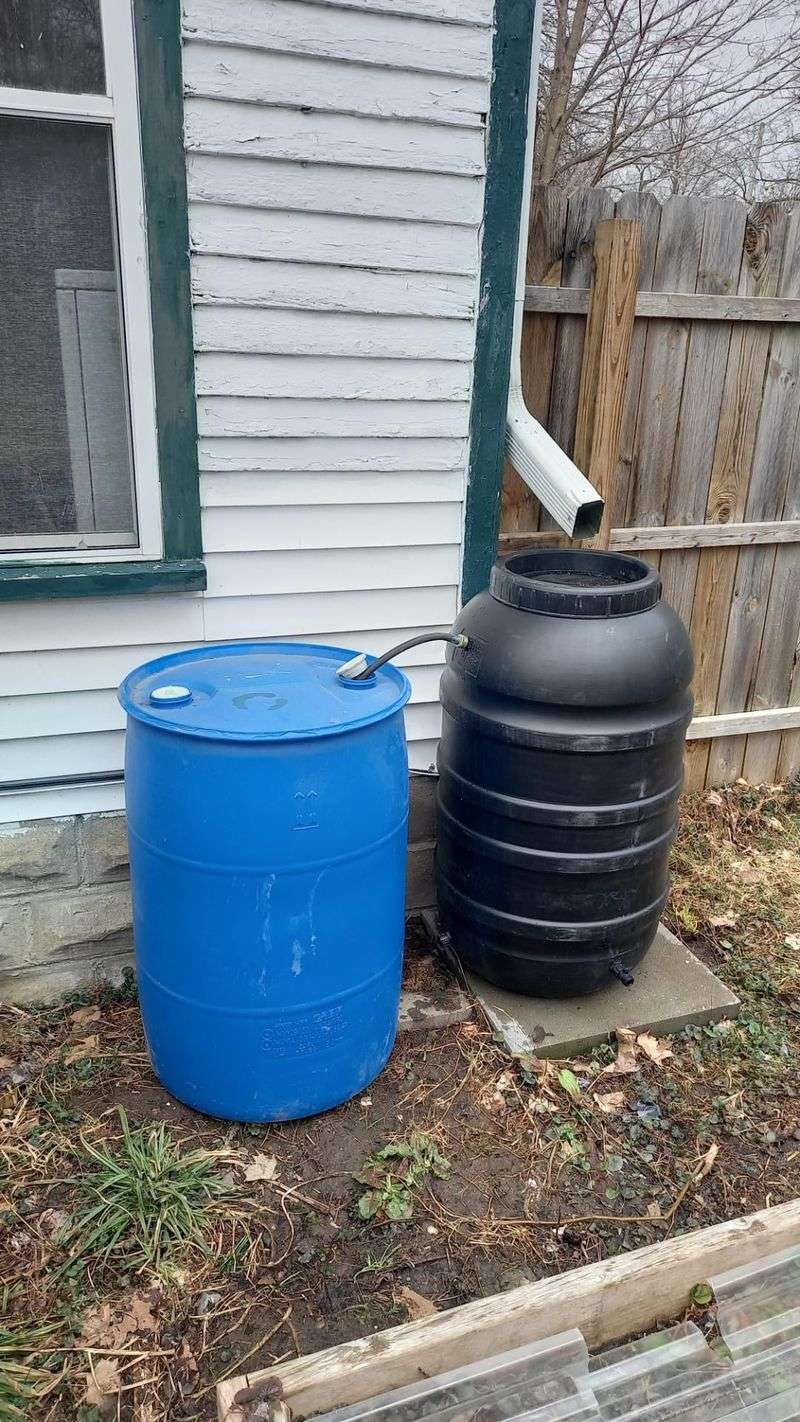
A rain barrel gets heavy fast once it fills.
Fifty-five gallons of water can weigh well over 400 pounds before you even count the barrel itself. That makes the base beneath it far more important than it may look on a dry summer afternoon.
Check the barrel from several angles before the next storm.
It should sit level and feel stable. A stand that rocks, leans, or has started sinking into softened soil deserves attention before another load of rainwater arrives.
North Carolina summer storms can saturate the ground quickly. Soil that felt firm during a dry week may become much softer after repeated downpours.
Look underneath the stand for erosion, washed-out soil, cracked blocks, or boards that have started to warp.
Do not try to reposition a completely full barrel by yourself. Use some of the stored water first so the container becomes easier and safer to manage.
A solid, level platform made for the barrel’s weight gives the system a much better foundation.
This check matters even more when the barrel sits close to the house, a walkway, or a frequently used garden area.
The barrel should collect storm water, not develop its own dramatic lean halfway through August.
Give the base a quick look now. A rain barrel should be the most grounded thing in the yard when the weather gets lively.
Give The Spigot And Fittings A Quick Leak Check
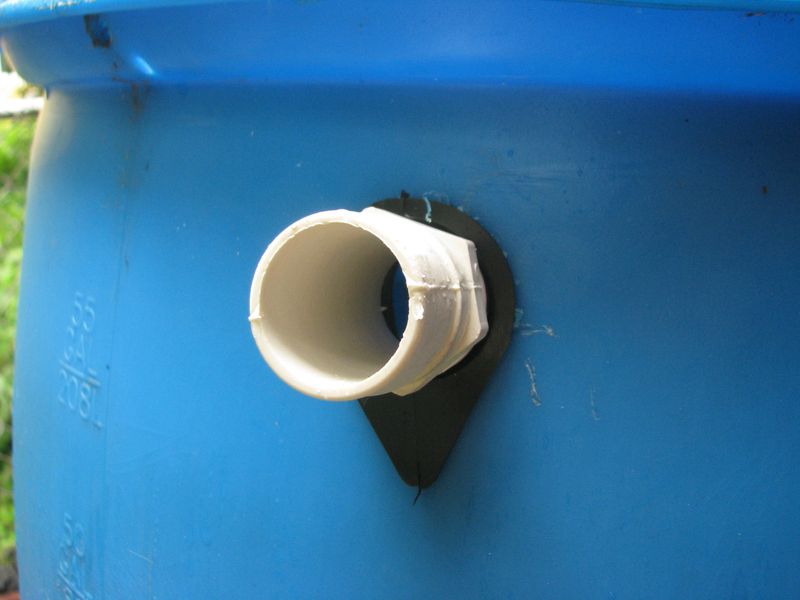
The overflow gets most of the attention before a storm, but the lower fittings deserve one final glance.
Start with the spigot.
Look around the connection for damp spots, slow drips, cracks, or signs that the fitting has loosened. Small leaks can become much more noticeable once a barrel fills and pressure increases.
Turn the spigot gently and make sure it opens and closes without feeling loose.
Then inspect any other fittings, connectors, or hoses attached lower on the barrel. Summer heat and repeated use can work connections loose over time.
A dry day makes this inspection especially easy. Moisture around a fitting stands out when everything else looks dry.
Do not overtighten plastic parts. A careful adjustment is usually better than forcing a fitting and creating a new problem.
Take a look at the barrel itself too. Watch for cracks, bulges, or damaged areas around connection points. Problems near the base deserve particular attention because a full barrel puts plenty of pressure on that section.
None of this needs to become a major maintenance project.
You are simply giving the system one last once-over before another August storm adds hundreds of pounds of water.
Clear overflow, secure hose, clean screen, stable base, tight fittings.
Then let the thunder do its thing. Your rain barrel has already had its pregame meeting.