The Reasons Why Your Texas Hydrangea Flowers Fade To Green Instead Of Staying Colorful
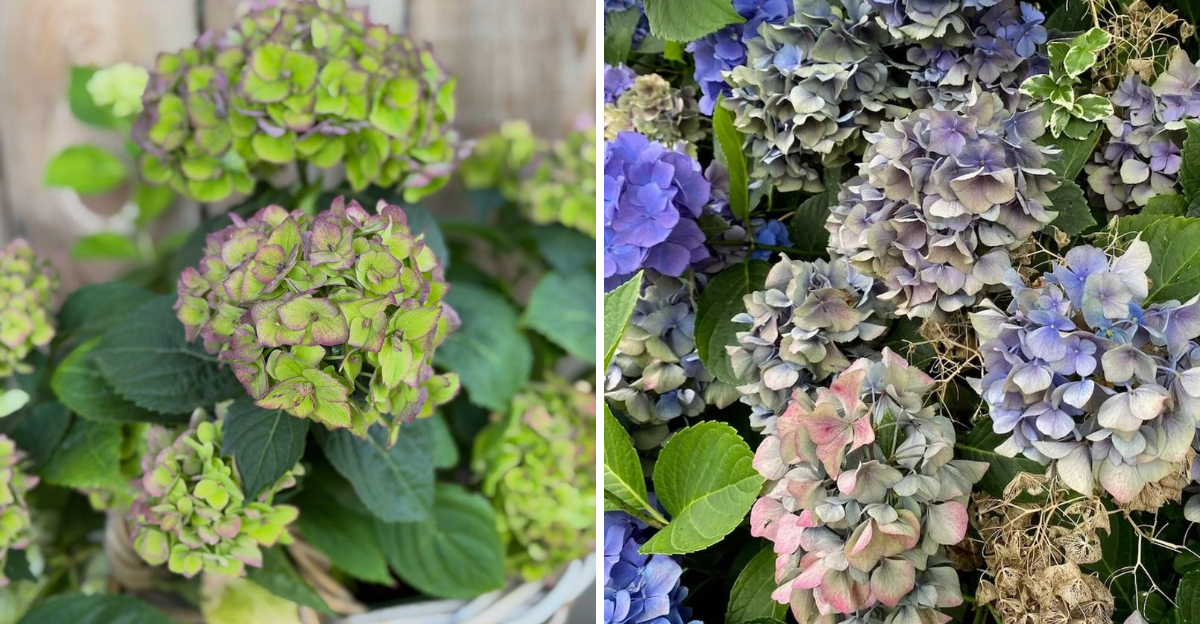
You plant a hydrangea for the blooms. That vivid pink, that deep blue, that crisp white that looks so good against the green foliage. And for a while, you get exactly that. Then something shifts and the color starts changing.
The blooms that were so striking begin to take on a greenish tint, and the color that made you plant it in the first place fades into something that looks more like a plant that ran out of ideas than one that’s putting on a show.
It’s one of the most common hydrangea disappointments in Texas gardens. And it almost always has an explanation.
Hydrangea flowers fading to green is not random, and it’s not simply what hydrangeas do. It’s a response to specific conditions that are happening in your garden, and in Texas, several of those conditions are more common and more pronounced than they are in other climates.
Some of the causes are environmental. Some are fixable. And some point to a variety choice that was never quite right for the Texas climate to begin with.
1. The Blooms Are Simply Getting Older
Every flower has a lifespan, and hydrangeas are no different. As the blooms age, they go through natural changes that affect their color.
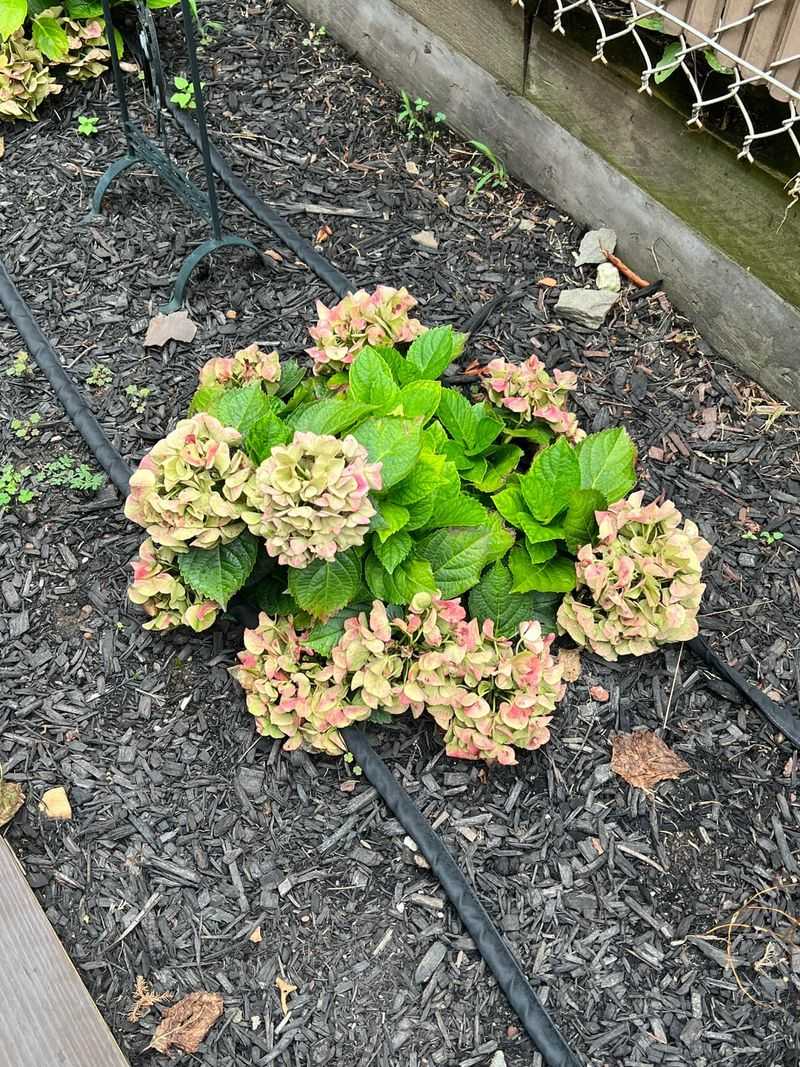
Green is actually one of the last stages in the color cycle for many hydrangea varieties. So when you see that green creeping in, it often just means your flowers have been around for a while.
Think of it like a sunset. The colors shift and change as time passes, and eventually the sky goes dark.
Hydrangea blooms work in a similar way. They start out vivid and bright, then slowly transition through softer shades before landing on green. Many gardeners are surprised to learn that this is completely normal plant behavior.
The green color you see in older blooms comes from the flower’s natural aging process. As the bloom matures, the cells inside the petals change.
The colorful pigments that gave the flower its original shade begin to break down. This is not a sign that something is wrong with your plant.
Older blooms also tend to feel papery or dry to the touch. You might notice the edges curling slightly or the petals becoming more rigid.
These are all normal signs of a bloom that has completed most of its life cycle. Hydrangeas in Texas often bloom earlier in the season, so by midsummer, many flowers are already well into this aging stage.
One helpful tip is to deadhead spent blooms before they reach the green stage if you want to keep your garden looking fresh and colorful. Removing older flowers also encourages the plant to put more energy into producing new ones.
2. Your Hydrangea Variety Is Supposed To Change Color
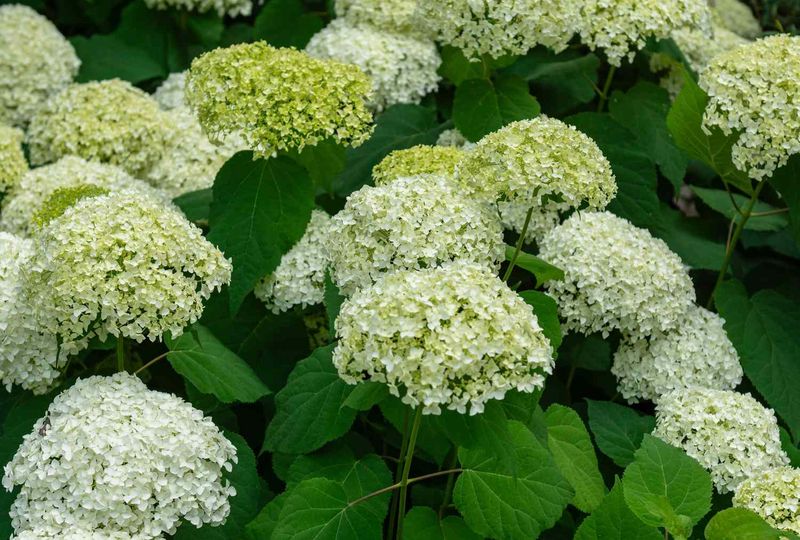
Not all hydrangeas are the same. Some varieties are actually bred or naturally inclined to shift colors as they mature.
If you planted a cultivar like Limelight, Annabelle, or Incrediball, color changes are part of the deal. These plants are known for starting out white or cream and then moving through shades of green as the season goes on.
Your Texas Garden Changes Every Week. Your Plan Should Too.
Gardening in Texas changes quickly throughout the season. Every Friday you’ll receive a simple weekly plan showing exactly what to plant, prune, fertilize, harvest, and protect so you never miss the right timing.
Even pink and purple hydrangeas can shift to green depending on the variety. Some cultivars cycle through multiple colors in a single season.
That is not a flaw. It is actually one of the things that makes hydrangeas so interesting to grow.
Knowing your specific variety helps you set realistic expectations for what your blooms will look like over time.
A great way to find out what your hydrangea is supposed to do is to check the plant tag or look up the cultivar name online. Most hydrangea varieties have detailed bloom descriptions that tell you exactly what color stages to expect.
If you no longer have the tag, your local Texas nursery can often help you identify the plant. Some cultivars are marketed specifically because of their color-changing ability. Gardeners love the drama of watching blooms shift from one shade to another.
Hydrangeas like Vanilla Strawberry start white, turn pink, and then take on green tones by late summer. That color journey is considered a feature, not a problem.
Choosing the right variety for your garden goals matters a lot. If you want long-lasting color, look for cultivars that hold their shades well in heat. Texas summers are tough, and some varieties handle the color shift better than others.
3. Green Chlorophyll Is Becoming More Visible
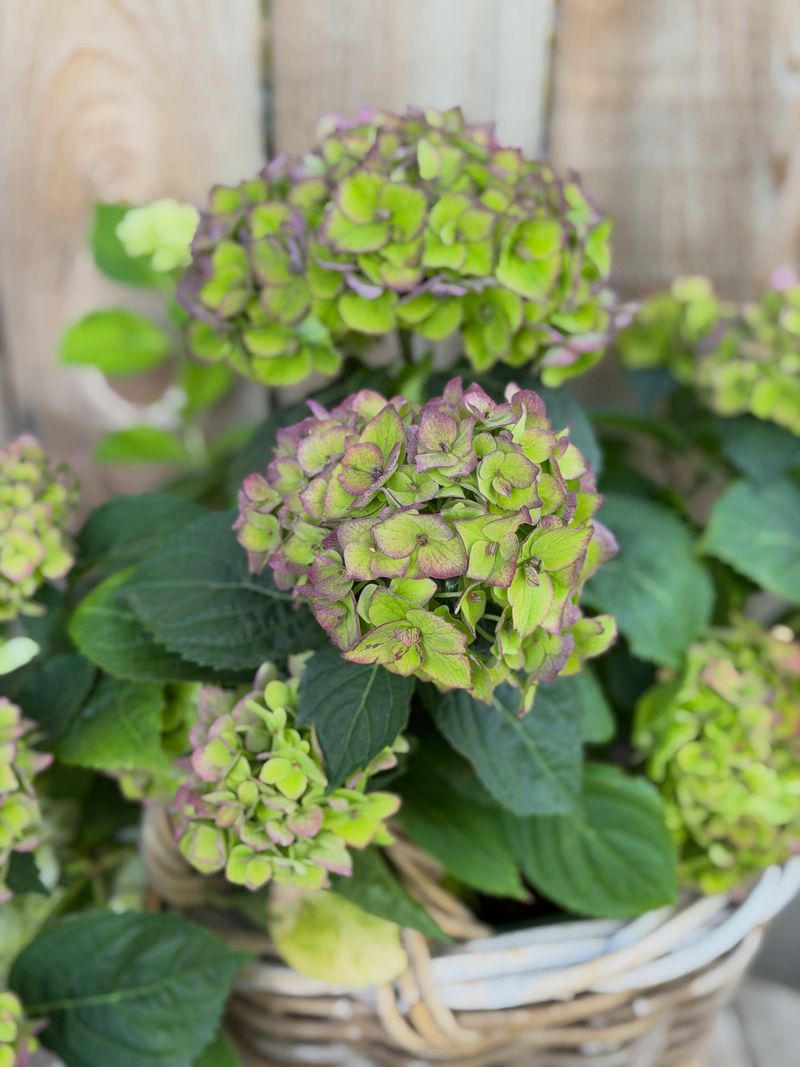
Here is a plant science fact that might surprise you. Hydrangea flowers are not actually true petals.
What we call the flower is made up of sepals, which are leaf-like structures. And just like leaves, sepals contain chlorophyll.
Most of the time, colorful pigments hide that green chlorophyll. But as the bloom ages and those pigments fade, the chlorophyll starts to show through.
Chlorophyll is the green pigment that helps plants absorb sunlight and make food. It is present in almost every green part of a plant, including those showy sepals on your hydrangea.
When the colorful pigments like anthocyanins and carotenoids break down, there is nothing left to mask the chlorophyll underneath. The result is a bloom that looks increasingly green.
This process happens faster in some plants than others. Environmental factors like heat, sun exposure, and watering habits can all speed up or slow down how quickly the colorful pigments fade.
In Texas, where summer temperatures can be intense, this process often moves along quickly. You might notice your blooms going green faster than those of gardeners in cooler climates.
There is actually something kind of beautiful about this. The green you see in an aging hydrangea bloom is a sign that the plant is still very much alive and active.
The chlorophyll is doing its job, even in the flower parts. Some gardeners have started to appreciate the green stage as part of the natural charm of growing hydrangeas.
If you want to slow down the color fade, try providing afternoon shade during the hottest months. Keeping the plant cooler can help those colorful pigments stick around a little longer before the green takes over.
4. Texas Heat Can Make Flower Color Fade Faster
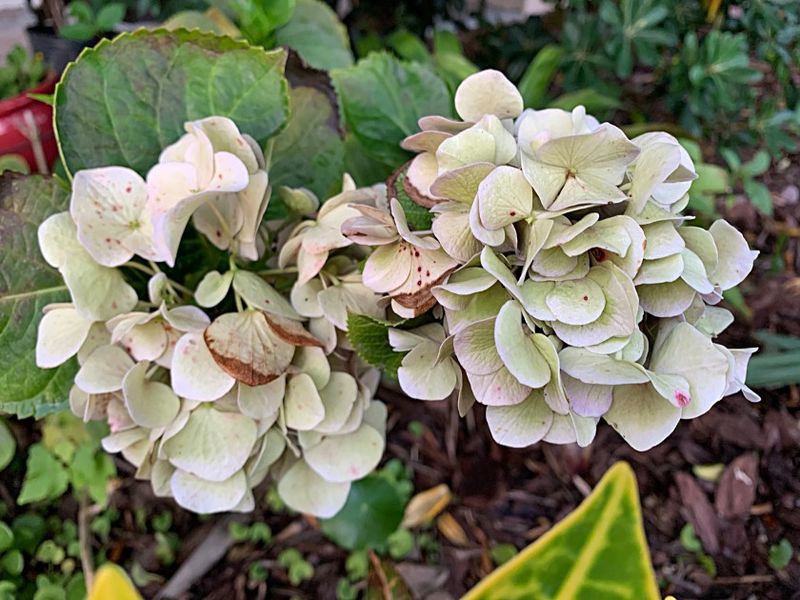
Anyone who gardens in Texas knows that summer heat is no joke. Temperatures regularly climb well above 90 degrees Fahrenheit, and that extreme warmth has a real effect on hydrangea blooms.
The pigments responsible for those stunning pink, purple, and blue shades are called anthocyanins. These pigments are sensitive to heat, and high temperatures can cause them to break down faster than normal.
When anthocyanins degrade, the bloom loses its color. What is left behind is often a pale or greenish tone.
This is especially noticeable in Texas gardens where the heat can last for weeks without a break. Even varieties that hold their color well in cooler climates may struggle to maintain vibrant shades in the intense Texas summer.
Watering habits also play a role here. Heat and drought stress together can speed up the color change.
When a plant is working hard to survive the heat without enough water, it shifts its energy away from keeping blooms colorful. The flowers tend to fade more quickly under these conditions.
Making sure your hydrangeas are well-watered during heat waves can help slow the fading process.
Mulching around the base of your hydrangea is a smart move in Texas. A good layer of mulch helps keep the soil cool and moist.
Cooler roots mean a less stressed plant, and a less stressed plant tends to hold its bloom color longer. Aim for about two to three inches of mulch around the base without piling it against the stem.
Choosing heat-tolerant hydrangea varieties is also worth considering. Some cultivars have been developed specifically to handle warmer climates, and these tend to perform much better in Texas conditions.
5. Intense Sun Can Stress The Blooms
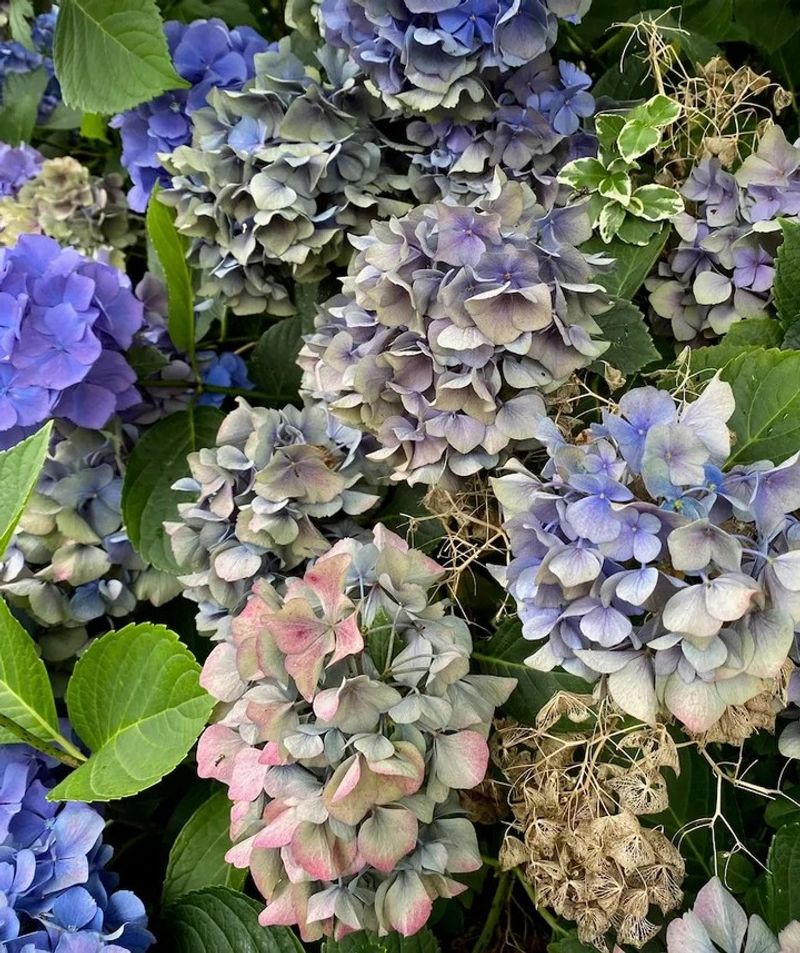
Sunlight is essential for plants to grow, but too much of a good thing can cause real problems for hydrangeas. Hydrangeas are not full-sun plants by nature.
Most varieties prefer morning sun and afternoon shade. When they are planted in a spot that gets intense all-day sun, especially in Texas where the summer sun is particularly strong, the flowers can become stressed and lose their color much faster.
Strong sunlight can actually bleach the blooms. The UV rays break down the pigments in the flowers, washing out the color and leaving behind a faded or greenish look.
This is different from the natural aging process, though both can happen at the same time. Sun bleaching tends to happen more on the outer parts of the bloom that are most exposed to direct light.
You might also notice that blooms on the south or west side of the plant fade faster than those on the north or east side. That is a clear sign that sun exposure is playing a role.
Moving your hydrangea to a more sheltered spot, or adding a shade cloth during the hottest part of the day, can make a noticeable difference in how long the blooms hold their color.
Moisture stress from intense sun makes the problem worse. When a plant loses water faster than it can absorb it, the blooms suffer first.
Fading and wilting go hand in hand under these conditions. Watering deeply and consistently helps your plant handle the sun load better.
Planting hydrangeas near a fence, building, or tall shrub that provides afternoon shade is one of the best long-term solutions for keeping blooms colorful in the Texas climate.
6. Late-Summer Conditions Are Changing
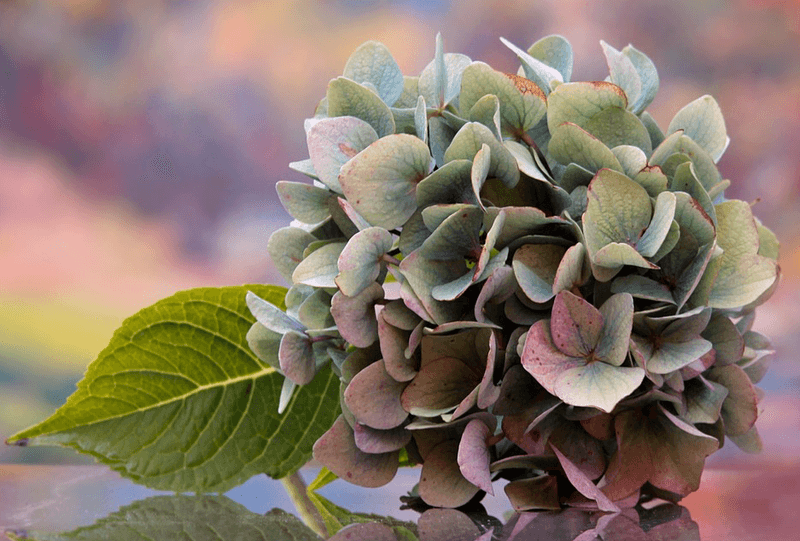
By the time late summer rolls around in Texas, a lot has changed in the garden. The days are still hot, but the light starts to shift.
The angle of the sun is different, the nights get slightly cooler, and the overall growing conditions begin to change. All of these factors combine to affect how hydrangea blooms look during this part of the season.
Late-summer blooms are often the most affected by color fading. The flowers that opened in spring or early summer have now been on the plant for weeks or even months.
They have dealt with heat, sun, humidity, and maybe some dry spells. By the time fall approaches, those blooms are naturally at the end of their journey, and green is often the final color they show before they dry out completely.
The changing light in late summer also plays a role. Plants respond to light cues, and as the days get shorter, the plant starts preparing for dormancy.
Less energy goes into maintaining bloom color and more goes into storing nutrients for the following season. This is a natural and healthy process, even if it makes your garden look less vibrant than it did in June.
One way to enjoy late-summer hydrangeas is to let the green blooms dry naturally on the plant.
Dried hydrangea heads are actually quite beautiful and can be used in fall flower arrangements. Many crafters and decorators love them for their texture and muted green tones.
Cutting blooms for drying before they fully turn brown gives you the best results. Late summer is actually the ideal time to harvest hydrangea blooms for dried flower projects, so that green stage can be something to look forward to.