The Invasive Summer Grass Quietly Taking Over Texas Garden Beds Every August
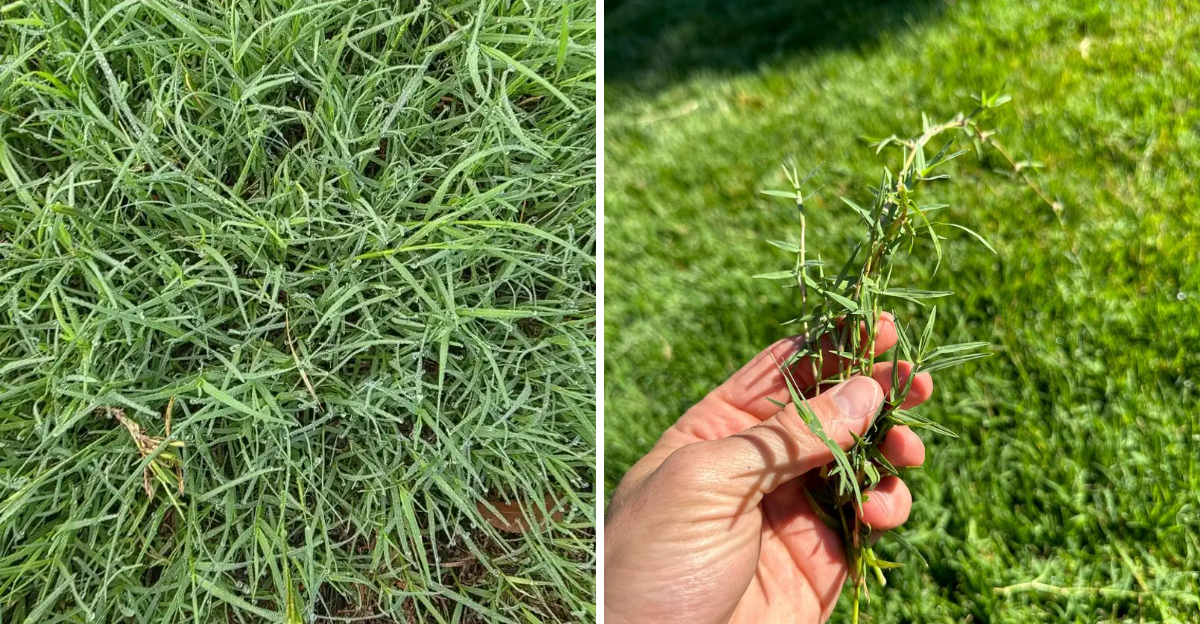
Every August, the same unwelcome visitor returns to Texas garden beds across the state. It starts at the edges, slips in under established plants, and by the time most gardeners notice it, it has already gotten further than they realize.
This invasive grass is one of the most persistent and frustrating warm season weeds Texas gardeners deal with, and August is when it makes its most aggressive push into spaces you’ve been carefully tending all season. It looks almost innocent at first glance.
The fine texture and upright growth habit can make it easy to overlook in the early stages, blending in with desirable plants at the edges of beds before it spreads wide enough to become unmistakable.
And by the time it’s unmistakable, it’s usually well established, with a root system that makes removal significantly more work than it would have been a few weeks earlier.
Understanding what this grass is and how it spreads is the most useful first step in stopping it.
Bermudagrass Spreads Fast In Texas Summer Heat
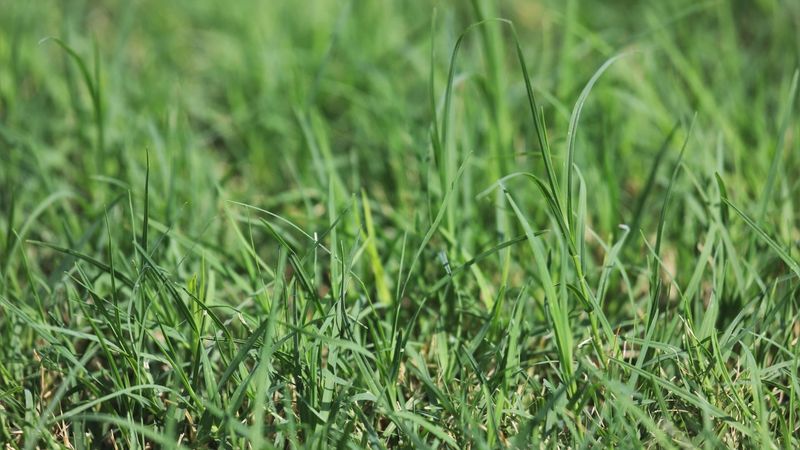
August in Texas is basically a welcome party for Bermudagrass. While most plants slow down in the intense heat, Bermudagrass does the opposite.
It actually speeds up, pushing runners in every direction and filling in bare spots faster than most gardeners expect.
Bermudagrass is what scientists call a warm-season grass, which means it hits its peak growth during the hottest months of the year.
Temperatures between 95 and 100 degrees Fahrenheit, which are totally normal across Texas in August, create near-perfect conditions for this grass to thrive.
It loves full sun, handles drought surprisingly well, and can bounce back from dry spells the moment any moisture shows up.
What makes it especially tricky in garden beds is how quickly it can go from a few stray runners to a full takeover. A small patch that looks harmless in late June can turn into a thick mat by mid-August.
Many gardeners are caught off guard because the grass blends in with other low-growing plants early on.
Bermudagrass also responds to fertilizer and irrigation that gardeners apply to their vegetables and flowers. When you water your tomatoes or feed your roses, you are often giving the surrounding Bermudagrass exactly what it needs to grow even faster.
Recognizing this early in the season gives you a real advantage. Catching new runners while they are still short and shallow makes removal much easier than waiting until they have had weeks to dig in and spread across your entire bed.
It Creeps In Above And Below Ground
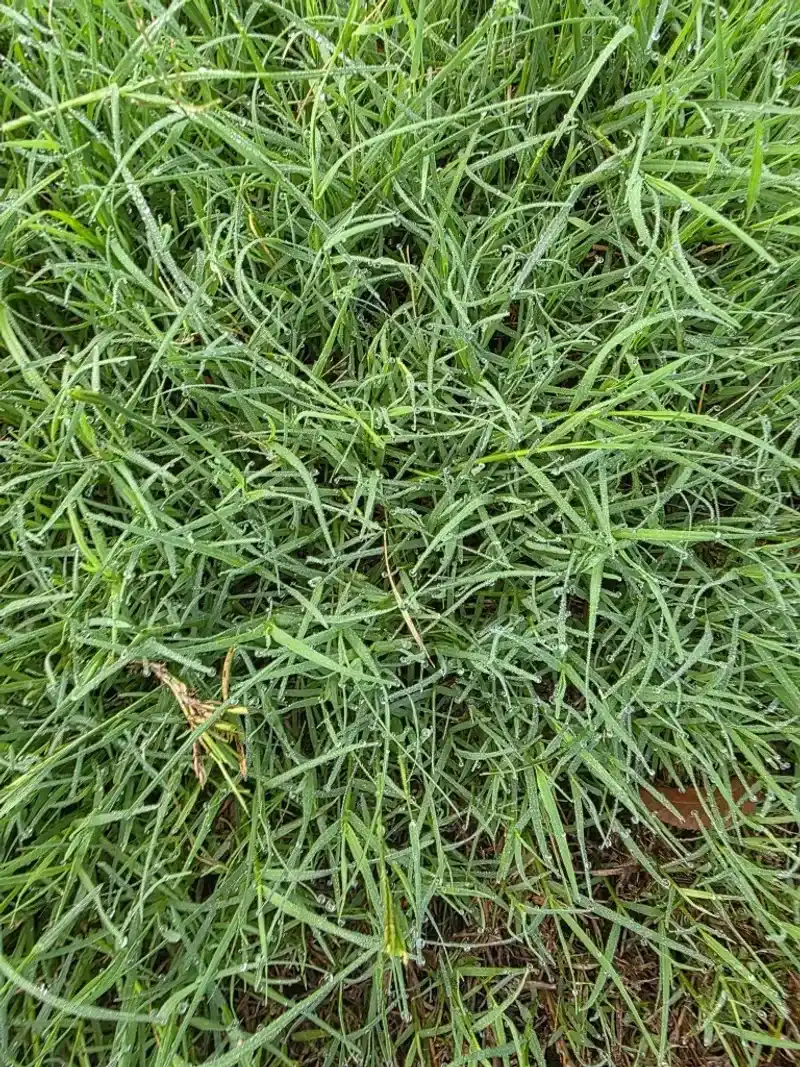
One of the reasons Bermudagrass is so hard to control is that it attacks from two directions at once. Above the soil, it sends out long, flat stems called stolons that creep across the ground and root wherever they touch the soil.
Below the surface, it grows thick underground stems called rhizomes that travel horizontally through the dirt, sometimes reaching several inches deep.
Most people only see the above-ground part when they spot Bermudagrass in their garden beds. They pull out the visible runners and think the job is done.
Your Texas Garden Changes Every Week. Your Plan Should Too.
Gardening in Texas changes quickly throughout the season. Every Friday you’ll receive a simple weekly plan showing exactly what to plant, prune, fertilize, harvest, and protect so you never miss the right timing.
But the rhizomes underground are still very much alive and ready to send up new shoots within days. This is why Bermudagrass seems to reappear almost magically after you have just cleared an area.
The rhizomes are tough and fibrous, and they can survive a lot. They store energy, which allows the plant to push new growth even after the top has been removed.
In sandy or loose Texas soils, rhizomes can spread especially far because there is little resistance to stop them. In clay-heavy soils, they may not travel as far horizontally, but they can still go surprisingly deep.
Understanding this two-front growth strategy changes how you approach removal. Just skimming the surface is rarely enough.
You need to dig down several inches and follow the rhizome trail to get a meaningful amount of the root system out. Even then, small fragments left behind can generate new plants.
Patience and repeated effort over several weeks are usually what it takes to make a real dent in an established patch of Bermudagrass.
Hand-Pulling Often Leaves Pieces Behind
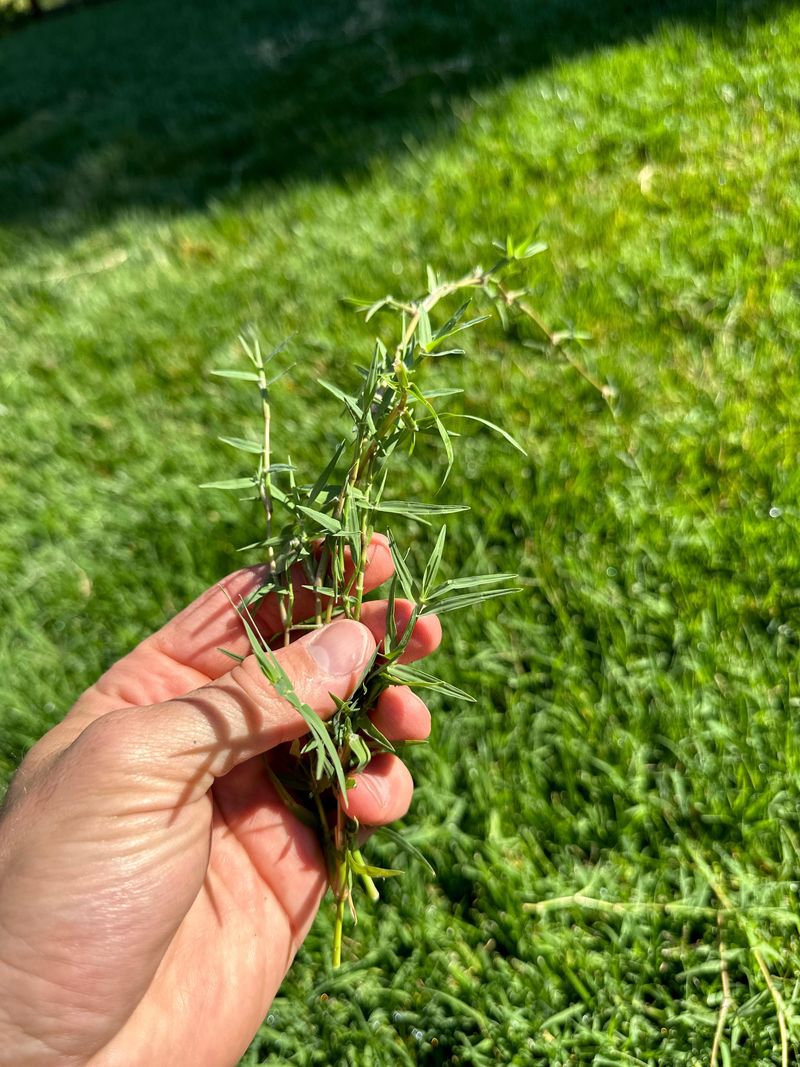
Ask any Texas gardener who has battled Bermudagrass by hand, and they will tell you the same thing: it almost always comes back. Hand-pulling feels satisfying in the moment, but the biology of Bermudagrass makes complete removal by hand nearly impossible in most cases.
Here is the problem. Bermudagrass rhizomes are fragile in a useful-for-the-plant kind of way.
When you grab a runner and pull, the stem often snaps rather than sliding out cleanly. Each small piece left in the soil, even a tiny one-inch segment, has the potential to sprout a new plant. In warm August soil, those fragments can start growing again within a week or two.
Loose, sandy soils make this worse because the rhizomes break apart more easily when you pull. Clay soils can grip the roots tightly, which also causes them to snap off deep underground where you cannot easily reach them.
Either way, the result is the same: incomplete removal and a fresh round of regrowth a few weeks later.
That does not mean hand-pulling is useless. It is actually a helpful part of a larger strategy, especially when you catch the grass early before it gets deeply rooted.
The key is to use a hand tool like a weeding fork or a narrow trowel to loosen the soil around the runners before pulling. Go slowly and try to follow the rhizome as far as it goes.
Dispose of all pulled material in a bag rather than composting it, because Bermudagrass fragments can root in compost piles and create a whole new problem somewhere else in your yard.
Garden Edges Are A Common Entry Point
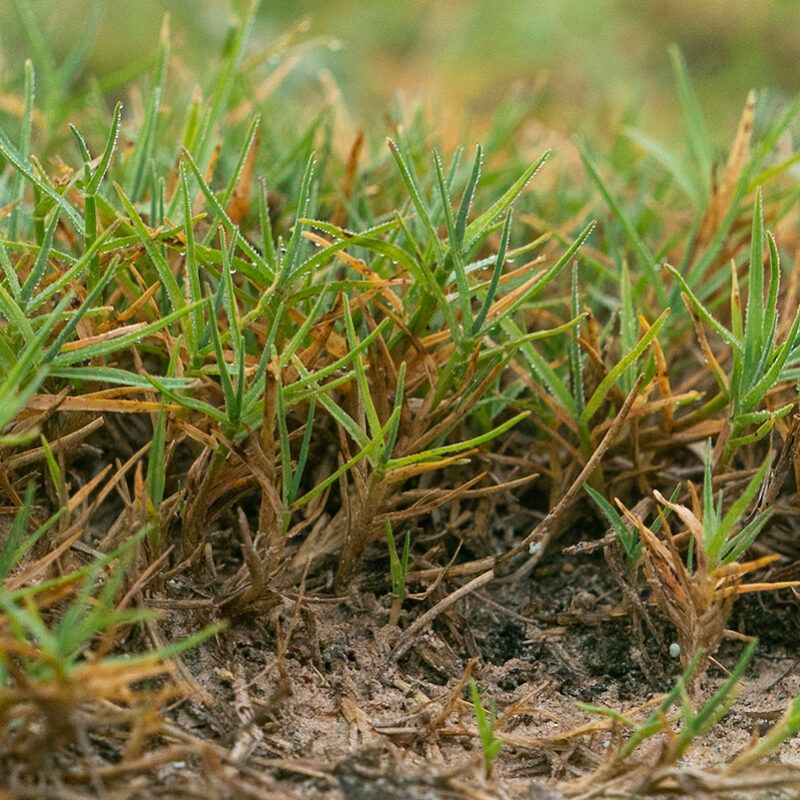
Picture a tidy garden bed sitting right next to a green Texas lawn. That edge between the lawn and the bed is one of the most active battlegrounds in your yard every August.
Bermudagrass does not need much of an opening to move from the lawn into a garden bed, and the edge is exactly where it starts.
Stolons, those above-ground runners, crawl right across the border. They are low to the ground, thin, and easy to miss until they have already anchored themselves a few inches into the bed.
Underground rhizomes take a different path, tunneling beneath any edging material that does not go deep enough into the soil.
Many gardeners use plastic or metal edging strips to create a barrier, and these can help slow the spread. However, the edging needs to be installed several inches deep to block rhizomes effectively.
Shallow edging might stop the stolons on the surface but will not prevent underground travel. Checking and maintaining your garden edges every two to three weeks during peak summer growth is one of the most effective habits you can build.
A clean, sharp edge cut with a half-moon edger or a flat spade is also helpful. Cutting back the lawn border regularly removes stolons before they get a foothold.
Some gardeners pair physical edging with a strip of heavy landscape fabric tucked into the edge trench for extra protection.
Staying on top of the border is not glamorous work, but it genuinely makes a difference in keeping Bermudagrass from treating your flower bed like an extension of the lawn.
Mulch Alone May Not Stop An Established Patch
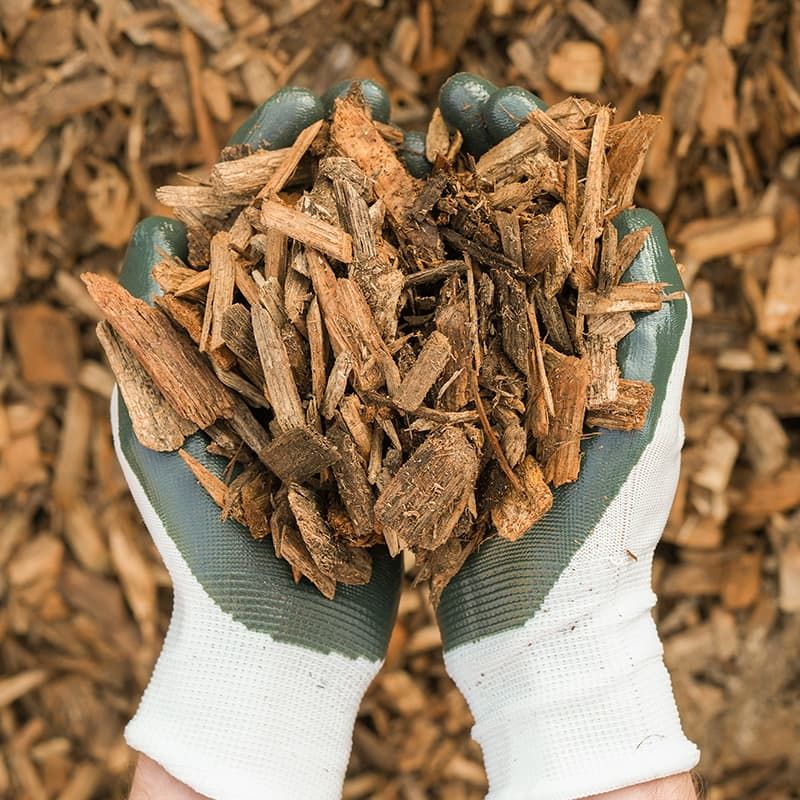
Mulch is one of the most popular tools gardeners reach for when they want to suppress weeds and unwanted grass. It works well in many situations, and it is absolutely worth using.
But if Bermudagrass has already established itself in your garden bed, a fresh layer of mulch alone is not going to solve the problem.
Young, newly sprouted Bermudagrass can be slowed down or stopped by a thick layer of mulch, usually three to four inches deep. The lack of sunlight reaching the soil surface makes it harder for new seedlings to get started.
However, established Bermudagrass with a developed rhizome network underground does not need sunlight to travel. The rhizomes move through the soil in the dark, and once they reach a spot where light is available, they push up through even thick layers of mulch.
Gardeners sometimes add mulch and assume the problem is handled, only to find pale, yellowish Bermudagrass shoots poking through the surface a few weeks later.
Those pale shoots are rhizomes that have pushed up from below and are searching for light. Once they find it, they green up quickly and start spreading again.
Mulch still plays a valuable supporting role. It keeps soil moisture in, moderates soil temperature, and makes it easier to spot and pull new Bermudagrass shoots before they root deeply.
Combining mulch with regular hand removal and edge maintenance gives you a much stronger defense than mulch on its own.
Think of mulch as one layer of a multi-step approach rather than a complete solution when dealing with a stubborn, well-rooted patch of Bermudagrass in a Texas garden bed.
Control Works Best With Persistence
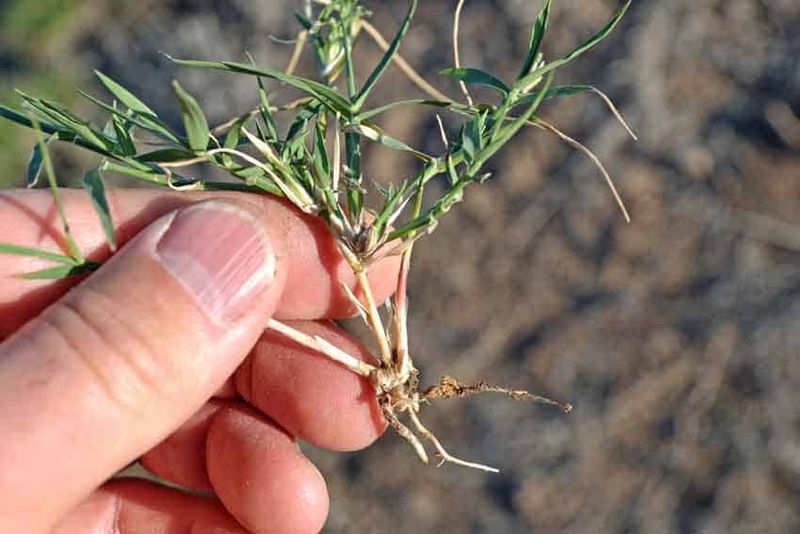
No single action is going to clear Bermudagrass from your garden bed in one afternoon. That is just the honest truth about this particular grass.
What actually works is showing up consistently, week after week, and chipping away at the problem a little at a time.
The goal with persistent control is to wear the plant down. Bermudagrass rhizomes store energy, and that energy is what keeps sending up new shoots after you remove the visible growth.
Each time you remove new runners before they can photosynthesize and recharge the root system, you are slowly depleting those underground energy reserves. Over several weeks of consistent removal, the regrowth gets weaker and less frequent.
Start by removing all visible runners as soon as you spot them. Do not let new stolons root into the soil.
Follow each runner back toward its source and dig out as much of the rhizome as you can. Repeat this process every one to two weeks throughout August and into September while the grass is still actively growing.
Targeted grass-specific herbicides can also be used carefully around ornamental plants, following label directions closely to avoid harming your garden plants. These products work on the grass without affecting most broadleaf plants when applied correctly.
Combining physical removal with targeted herbicide application often produces faster results than either method alone.
Staying consistent through the end of summer and into early fall, when Bermudagrass begins to slow down naturally, gives your garden bed the best chance of staying cleaner heading into the cooler months.
Persistence really is the most powerful tool you have against this tough Texas grass.