This Backyard Feature Draws More Snakes To Pennsylvania Homes Than Anything Else
Most Pennsylvania homeowners who deal with snakes regularly assume the problem is their location. Near the woods, adjacent to a field, backing up against some natural area where snakes are simply going to show up.
And sometimes geography is genuinely part of the story. But for a surprising number of people, the real reason snakes keep appearing in the yard has nothing to do with what’s beyond the fence.
It’s something in their own backyard. And most people would never connect it to a snake problem.
One specific backyard feature draws more snakes to Pennsylvania homes than almost anything else. It’s not unusual or exotic.
It exists in countless yards across the state without ever raising concern, because it doesn’t look like something that would attract wildlife.
But from a snake’s perspective, this feature reliably signals the conditions they’re always searching for, shelter, prey, and the temperature regulation that cold blooded animals depend on. Once you know what it is, the connection makes immediate sense.
Bird Feeders Can Indirectly Bring Snakes Closer
Most people set up a bird feeder because they love watching cardinals and sparrows stop by for a snack. Nobody expects a snake to be part of the deal.
But that is exactly what can happen, and it all starts with something as simple as spilled seed.
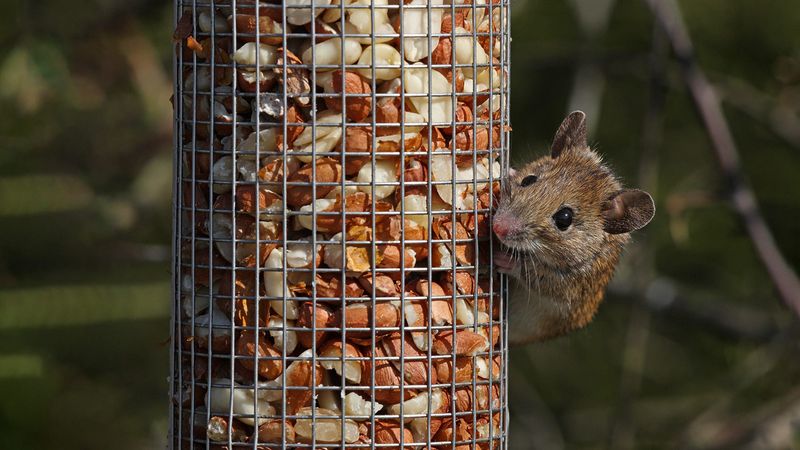
When birdseed falls to the ground beneath a feeder, it does not just sit there untouched. Mice, voles, and other small mammals quickly pick up on the free food source.
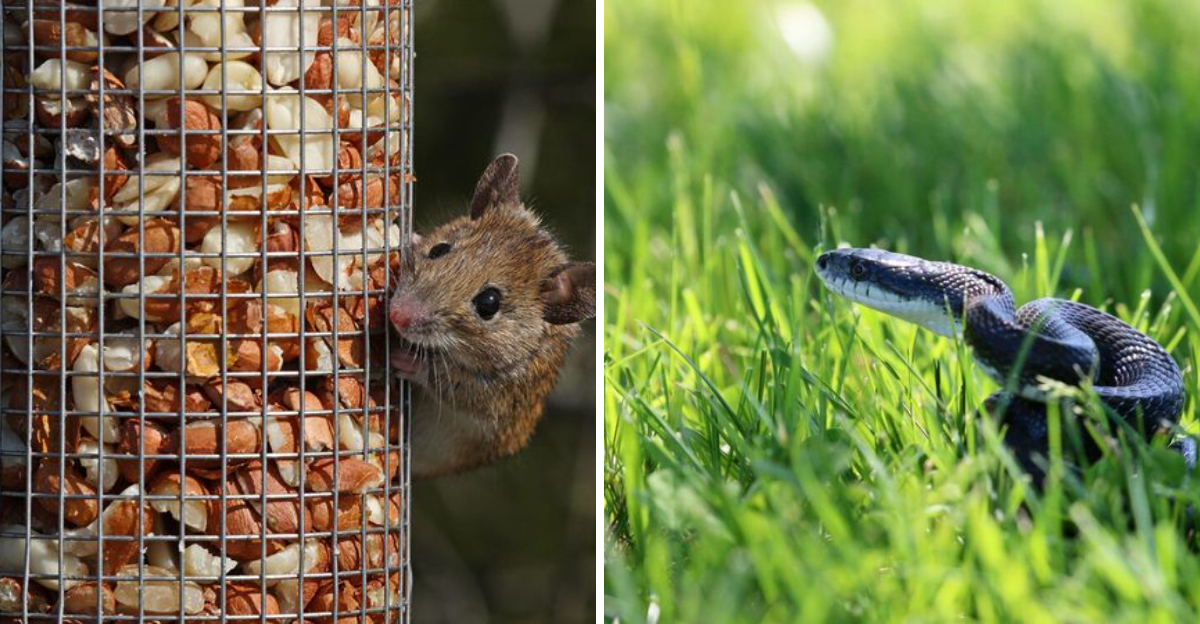
They start visiting regularly, sometimes even moving in nearby. These small animals are a favorite meal for several Pennsylvania snake species, including the eastern rat snake and the northern black racer.
Snakes are not attracted to the feeder itself. They are not eating the seed. What draws them in is the steady supply of prey that gathers underneath. Think of the bird feeder as the first link in a chain.
The seed brings the rodents, and the rodents bring the snakes. Once a snake finds a reliable hunting spot, it tends to return. You might spot one near your feeder more than once because it has learned that food is easy to find there.
Knowing this connection is the first step toward fixing the problem without giving up bird feeding altogether.
Rodents Are The Real Problem
Here is something a lot of homeowners do not realize: snakes are not wandering into your yard by accident. They are following a food trail, and that trail almost always leads back to rodents. If your yard has a steady rodent population, snakes will find it eventually.
Bird feeders that constantly drop seed onto the ground are basically an all-you-can-eat buffet for mice and voles. These animals are quick breeders, so a small problem can grow fast.
Once rodents move in close to your home, snakes will not be far behind. Eastern rat snakes, in particular, are excellent climbers and hunters that actively seek out areas with high rodent activity.
Your Pennsylvania Garden Changes Every Week. Your Plan Should Too.
Gardening in Pennsylvania changes quickly throughout the season. Every Friday you’ll receive a simple weekly plan showing exactly what to plant, prune, fertilize, harvest, and protect so you never miss the right timing.
A single feeder might not cause a huge issue right away. But over weeks and months, consistent seed spillage can support a growing number of rodents.
That growing population signals to nearby snakes that your yard is worth checking out regularly. The snake is just doing what comes naturally. It is following the food.
Rodents also tend to nest in hidden spots like woodpiles, thick mulch, and gaps under sheds. Once they settle in close to your home, the situation becomes harder to manage.
Addressing the rodent activity is the most direct way to reduce snake sightings in your yard. No rodents means far less reason for a snake to stick around.
Ground-Level Feeding Makes The Attraction Stronger
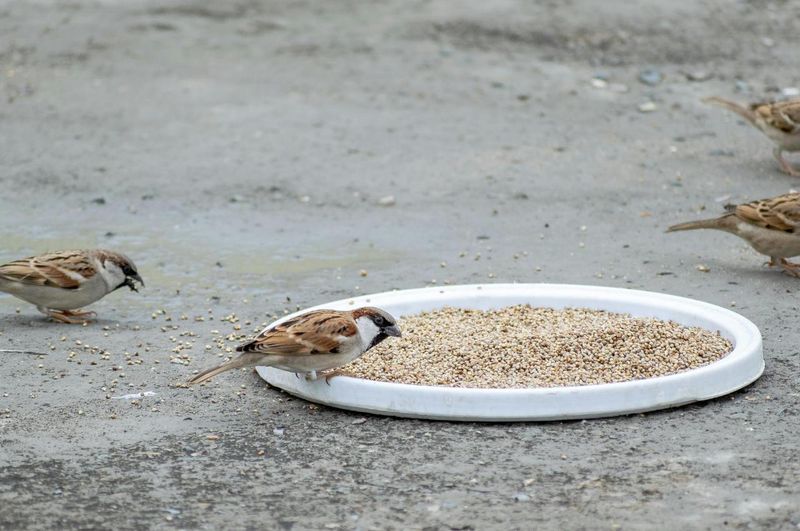
Not all bird feeders are created equal when it comes to attracting unwanted wildlife. The style and placement of your feeder can make a big difference in how much seed ends up on the ground and how easy it is for rodents to access it.
Platform feeders sit low and often have wide, flat surfaces that let seed scatter easily. Overflowing seed trays make the problem even worse.
When seed is close to ground level, it is incredibly easy for mice and voles to find. They do not have to work hard at all. The food is basically delivered right to them.
Tube feeders with small ports can reduce spillage somewhat, but birds are still messy eaters. Even a well-designed feeder will drop some seed.
The issue gets bigger when feeders are overfilled or when the seed is left to pile up for days without being cleaned up. Wet, clumped seed on the ground is especially attractive to rodents because it softens and becomes easier to eat.
Switching to a feeder style that limits spillage is a smart move. Some feeders come with built-in seed-catching trays that collect fallen seed before it hits the ground.
Others use weight-sensitive perches that close off access when heavier animals try to feed. Small upgrades like these can significantly reduce the amount of seed reaching the ground, which in turn makes your yard less appealing to the rodents that attract snakes.
Nearby Cover Gives Snakes A Place To Hide
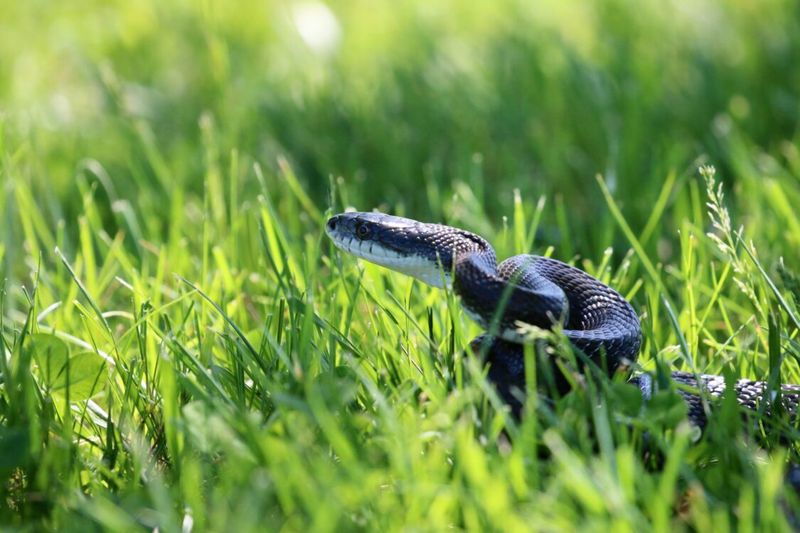
Snakes need more than just food to settle into an area. They also need shelter.
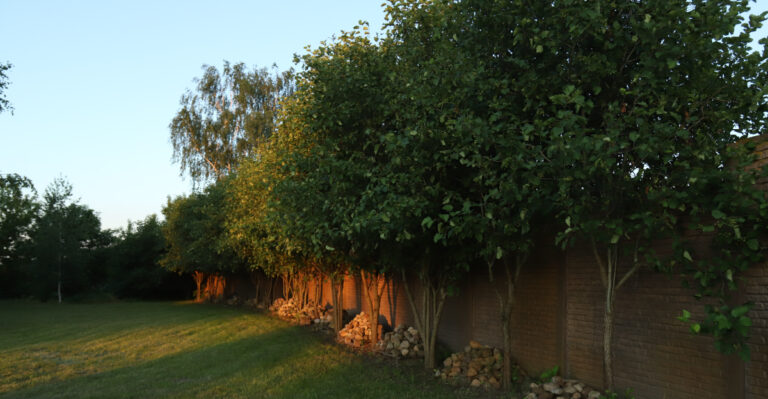
If your bird feeder happens to be sitting next to a woodpile, a stone wall, or a thick row of shrubs, you may have accidentally created the perfect snake habitat right in your own backyard.
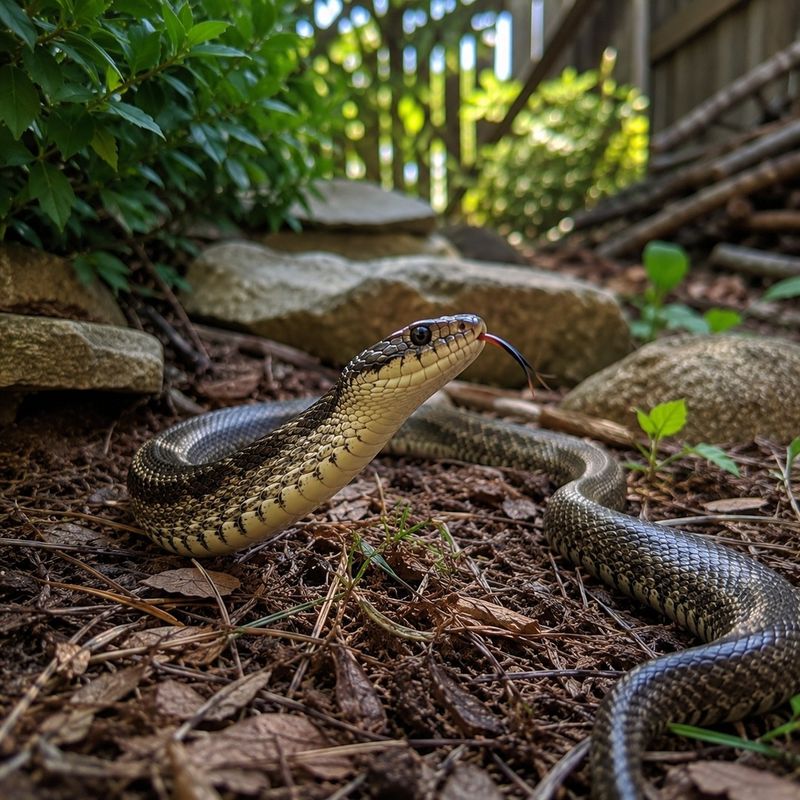
Cover is critical for snakes. They use it to stay hidden from predators, to regulate their body temperature, and to wait patiently for prey to wander close.
A snake hunting near a bird feeder does not want to sit out in the open. It wants to be tucked under something or coiled behind something while it waits for a mouse to pass by.
Tall grass is another big one. Unmowed areas near feeders give snakes an easy place to move around without being seen.
Stone walls and rock piles are especially attractive because they absorb heat during the day, giving snakes a warm place to rest. Woodpiles are classic snake hiding spots, and when they are near a feeder, the combination becomes very appealing.
Placing your feeder away from these types of cover can reduce the chances of snakes using your yard as a regular hunting ground. Try to keep the area around your feeder open and clear.
Mow grass regularly near the feeder location. Move woodpiles and rock piles away from the feeder zone.
Reducing available cover forces snakes to work harder to hide, which makes your yard a less comfortable place for them to hang around.
Clean Up Seed Before Rodents Move In
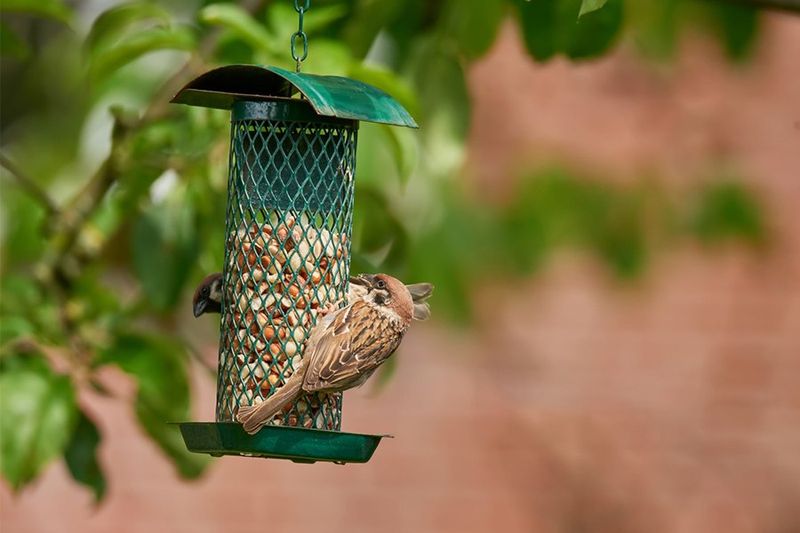
Sweeping up spilled seed might sound like extra work, but it is one of the most effective habits you can build to keep rodents and snakes away from your yard. A quick cleanup a few times a week can make a real difference over time.
Seed that sits on the ground for more than a day or two starts to attract attention. Mice are active at night, so they may already be visiting your feeder area after dark without you even noticing.
Raking or sweeping the area beneath your feeder removes the food source before rodents have a chance to get comfortable. It is a simple step that breaks the chain before it starts.
Storing birdseed properly is just as important as cleaning up the spills. Many people keep large bags of seed in garages or sheds without sealing them.
Open bags of seed are an easy target for mice. They will chew through the bag, set up a nest nearby, and start breeding.
Before long, you have a rodent problem that has nothing to do with the feeder itself. Use a metal or heavy-duty plastic container with a tight-fitting lid to store your seed. Metal containers work especially well because rodents cannot chew through them.
Keep the storage container away from your home if possible, or store it in a secured area. Combining regular ground cleanup with proper seed storage takes away two of the biggest reasons rodents are drawn to your yard in the first place.
Keep Feeding Birds Without Encouraging Snakes
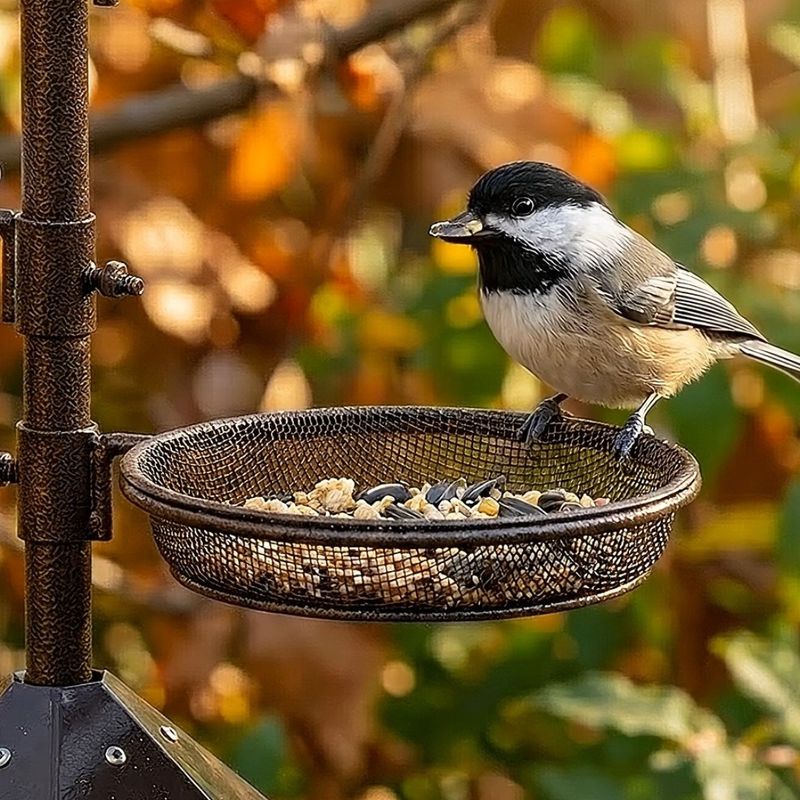
Giving up your bird feeder is not the answer. With a few smart adjustments, you can still enjoy watching birds visit your yard without creating conditions that attract snakes. Small changes to placement and feeder style go a long way.
Start by moving your feeder away from your home’s foundation, brush piles, and dense groundcover. Placing it in an open area of the yard with at least ten feet of clear space around it makes the spot less appealing to snakes looking for cover.
Mounting the feeder on a pole rather than hanging it from a tree branch near shrubs also helps reduce the shelter available to hunting snakes nearby.
Adding a seed-catching tray beneath your feeder is a practical upgrade. These trays collect seed before it reaches the ground, cutting down on the mess that attracts rodents.
They are inexpensive and easy to find at most garden or home improvement stores. Empty the tray every couple of days so seed does not pile up and get wet.
Avoid overfilling your feeder. Fill it just enough to last a day or two so birds eat what is there without wasting much.
You can also try no-mess seed blends made from hulled sunflower seeds or nyjer seed. These blends produce less debris because the shells are already removed.
Less mess on the ground means fewer rodents, and fewer rodents means far less reason for a snake to visit your yard. Enjoying backyard birds and keeping snakes away is absolutely possible with these easy, practical steps.