Top Texas Flowers For Cottage Garden Charm
There’s a particular kind of garden that feels less designed and more discovered. Flowers spilling over each other in relaxed, generous abundance.
Color that looks like it arrived on its own rather than being carefully arranged. The easy, layered charm of a cottage garden is one of the most appealing aesthetics in all of gardening, and it’s completely achievable in Texas once you know which flowers actually deliver that look through the demands of the Texas climate.
Not every cottage garden flower can handle a Texas summer. That soft, romantic aesthetic requires plants with real toughness behind it in this state.
The flowers that create genuine cottage garden charm in Texas are the ones that bloom abundantly, layer beautifully with their neighbors, and keep producing through heat conditions that would shut down a traditional English cottage garden entirely.
They’re not delicate. They just look like they are. Getting the plant selection right is everything. Here are the top Texas flowers that bring true cottage garden charm to yards that also have to survive triple digit afternoons.
1. Texas Bluebonnet
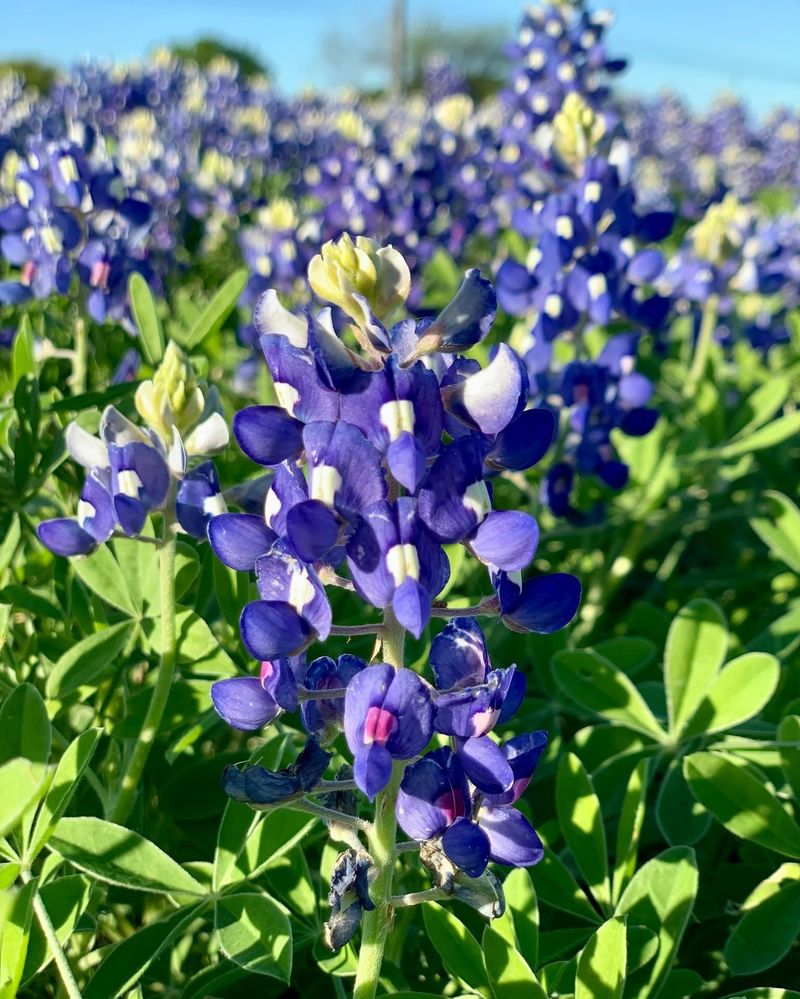
Few flowers carry as much Texas pride as the Bluebonnet. Named the official state flower in 1901, this beloved wildflower has been painting Texas roadsides and fields blue every spring for centuries.
Spotting a field of Bluebonnets in March or April feels like a true Texas tradition. Bluebonnets grow best when seeds are planted in the fall, around October or November.
They need cool temperatures to get established before winter, and then they burst into bloom when spring arrives. Planting them in a sunny spot with well-drained soil gives them the best chance to thrive.
In a cottage garden, Bluebonnets bring that wild, natural look that makes the space feel relaxed and charming. They mix beautifully with Indian Paintbrush and other Texas wildflowers.
Let them grow in loose clusters instead of neat rows for the most natural effect. One thing many gardeners love is that Bluebonnets reseed themselves each year. Once established, they often come back without much effort on your part.
Just leave the seed pods on the plant after blooming so new seeds can drop to the ground naturally.
Bluebonnets also help the environment. They are nitrogen-fixing plants, which means they actually improve the soil as they grow.
Bees love them too, making them a great choice for a pollinator-friendly garden. With minimal watering and care, this iconic Texas wildflower adds unforgettable spring color to any cottage garden space.
2. Texas Lantana
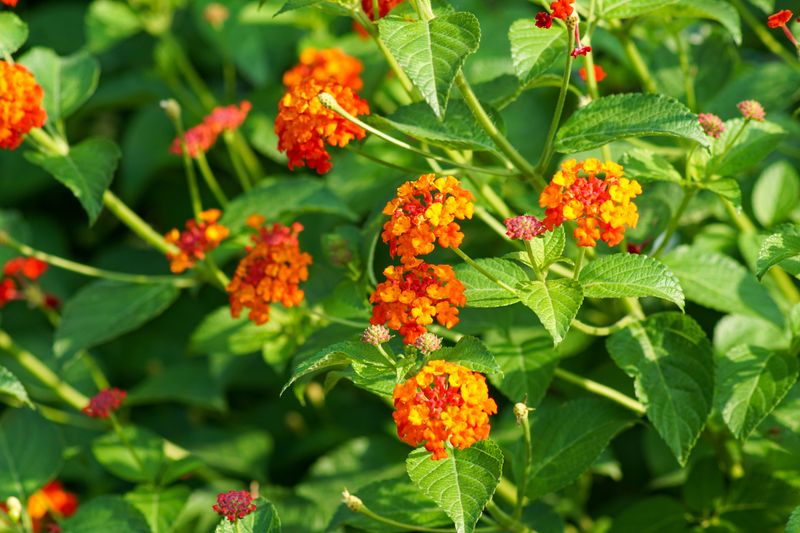
If you want a flower that laughs in the face of Texas summer heat, Texas Lantana is your answer.
This tough native plant keeps producing cheerful clusters of warm-colored blooms even when temperatures climb past 100 degrees. It is practically built for the Texas climate.
Texas Lantana blooms in shades of orange, yellow, and red, sometimes all on the same flower cluster. The colors shift slightly as the flowers age, giving each plant a rich, layered look.
Butterflies absolutely love it, and you will often see Monarchs and Swallowtails visiting throughout the day.
Your Texas Garden Changes Every Week. Your Plan Should Too.
Gardening in Texas changes quickly throughout the season. Every Friday you’ll receive a simple weekly plan showing exactly what to plant, prune, fertilize, harvest, and protect so you never miss the right timing.
Growing Texas Lantana is simple. Plant it in full sun and well-drained soil, and once it is established, it handles drought conditions with ease.
You do not need to water it constantly, which makes it perfect for gardeners who want beauty without a big maintenance commitment.
In a cottage garden setting, Texas Lantana works well as a border plant or as a loose, sprawling shrub that adds wild texture.
It pairs nicely with Black-Eyed Susans and Zinnias for a bright, summer-long color show. Trim it back occasionally to encourage fresh new growth and even more blooms.
Did you know that Texas Lantana is actually toxic to livestock, so it is smart to keep it away from areas where animals graze? For a typical backyard garden, though, it is a safe and stunning choice.
This plant proves that tough and beautiful can absolutely go hand in hand in a Texas cottage garden.
3. Zinnia
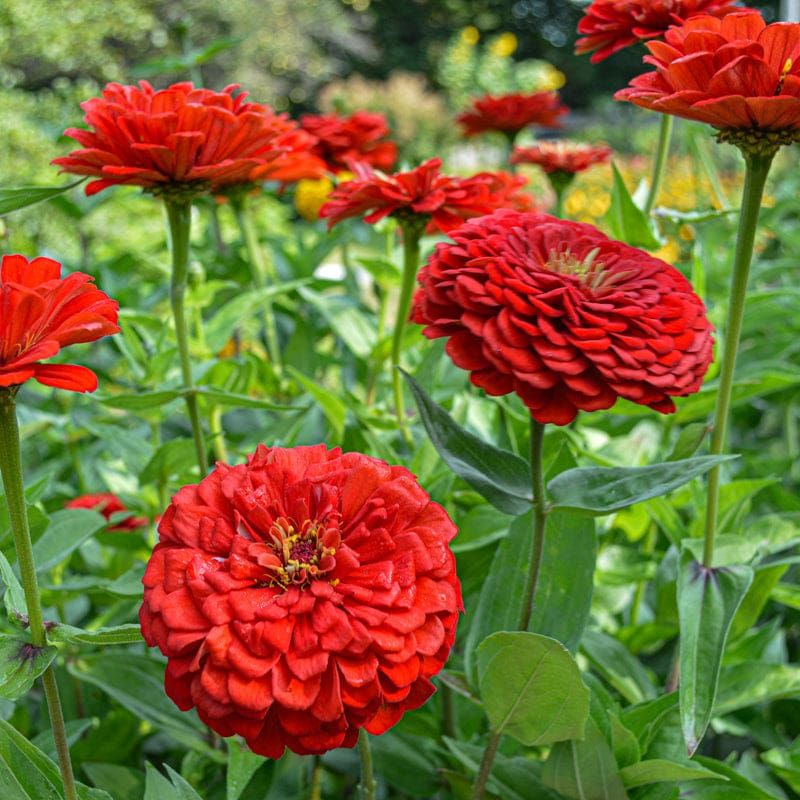
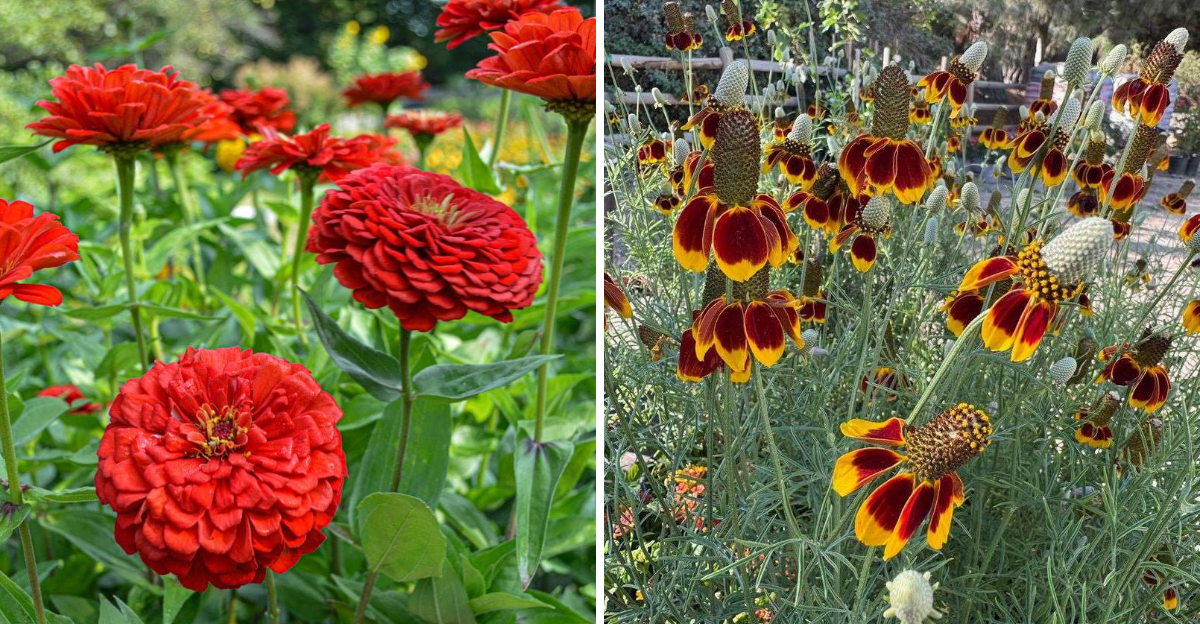
Walk through almost any Texas cottage garden in the summer and you are likely to spot Zinnias standing tall and bright like little bursts of confetti.
These cheerful flowers come in nearly every color imaginable, from deep red to soft lavender, making them one of the most fun plants to grow.
Zinnias are incredibly easy to start from seed. Simply scatter the seeds directly in your garden bed after the last frost, cover lightly with soil, water gently, and watch them grow.
They sprout quickly and start blooming within a couple of months, rewarding you with color all the way through fall.
One of the best things about Zinnias is that the more you cut them, the more they bloom. Snipping flowers for indoor bouquets actually encourages the plant to produce even more.
So they are just as wonderful inside your home as they are outside in the garden. Texas summers can be brutal, but Zinnias handle the heat without complaint. They prefer full sun and regular watering, but they are forgiving if you miss a day or two.
Good air circulation around the plants helps prevent powdery mildew, which can sometimes appear in humid conditions.
Zinnias also attract hummingbirds, bees, and butterflies, turning your garden into a lively, buzzing habitat. Plant them in big, bold groupings for the most dramatic visual impact.
Whether you choose one color or a wild mix, Zinnias bring an upbeat, joyful energy to any cottage garden space that is hard to match.
4. Autumn Sage
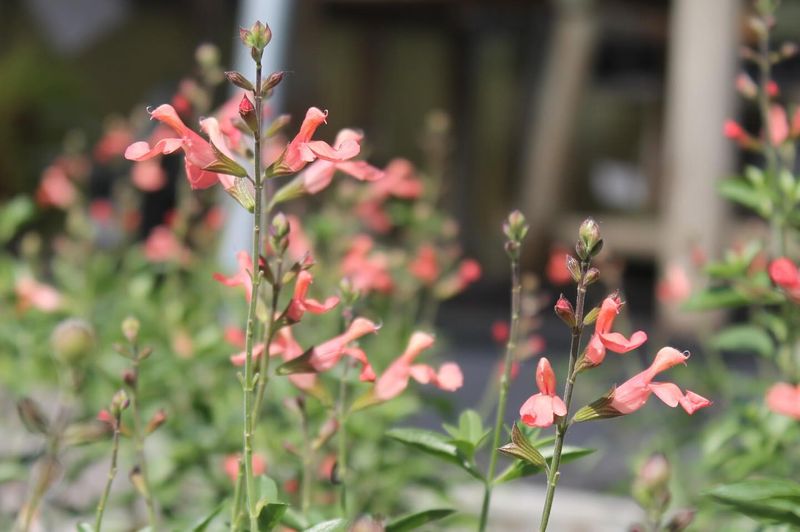
Autumn Sage might just be one of the most reliable bloomers in the Texas garden world. This native perennial starts flowering in spring and keeps going all the way through fall, often producing fresh blooms after a light trim.
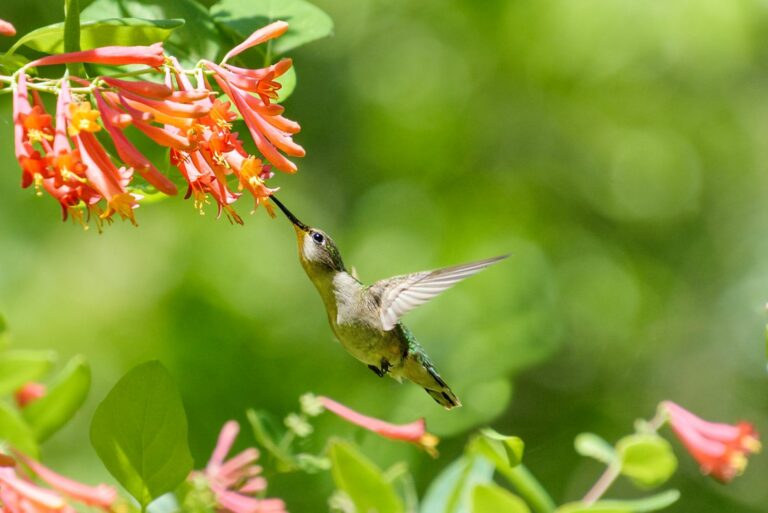
Gardeners who want long-lasting color without constant replanting absolutely love it. The tubular flowers come in shades of red, pink, coral, and white. Hummingbirds cannot resist them.
Plant a few Autumn Sage shrubs near a window or porch, and you will have a front-row seat to some of the most entertaining garden visitors around. They are fast little fliers that hover perfectly still to sip nectar.
Autumn Sage is drought-tolerant once established, which makes it a smart choice for Texas gardens where water can be limited. It grows best in full sun to partial shade and prefers well-drained soil.
Avoid overwatering, as the roots can rot if they sit in soggy ground for too long. To keep Autumn Sage blooming at its best, give it a light trim after each big flush of flowers. This encourages the plant to send out new growth and fresh buds.
You do not need to do a hard cut, just a gentle shaping is enough to keep things tidy and productive.
In a cottage garden, Autumn Sage adds wonderful texture and vertical interest. It pairs beautifully with Mexican Hat and Black-Eyed Susans.
With its cheerful colors, wildlife appeal, and low-maintenance personality, Autumn Sage earns a well-deserved spot in any Texas cottage garden plan.
5. Black-Eyed Susan
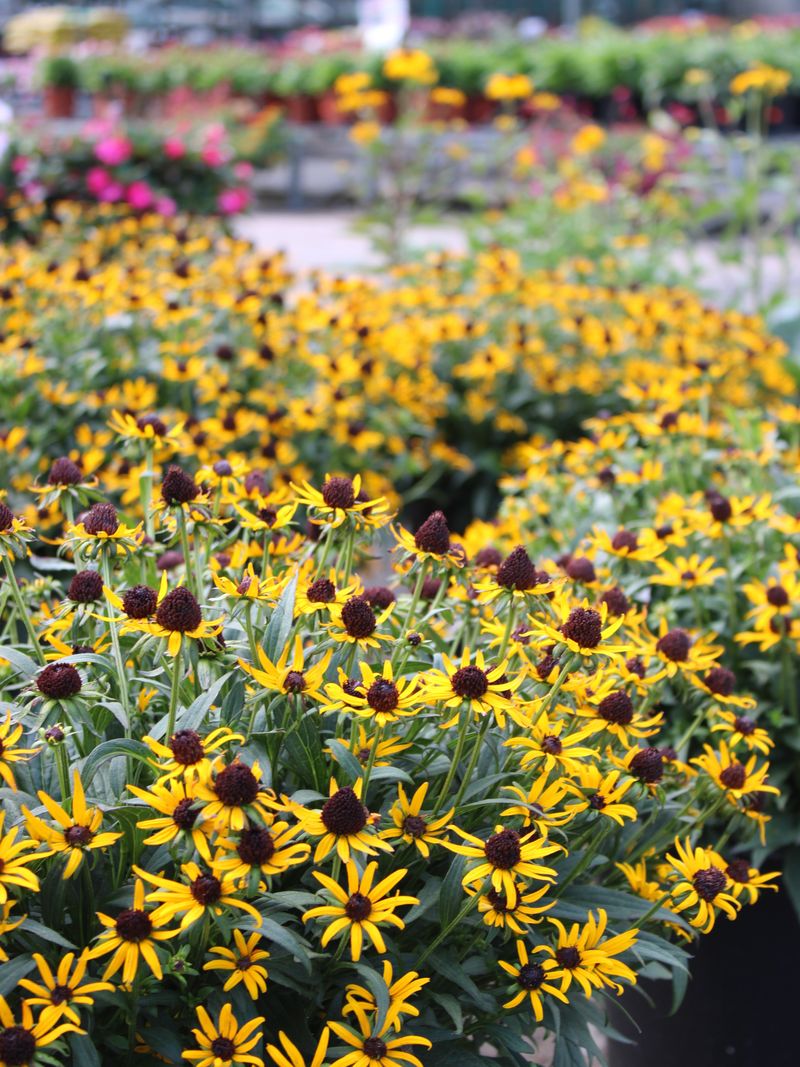
There is something wonderfully old-fashioned about a patch of Black-Eyed Susans. Their golden yellow petals surrounding a rich, dark brown center give them a classic cottage garden look that never goes out of style.
They feel like something you might find growing outside a farmhouse on a warm summer afternoon.
Black-Eyed Susans are native wildflowers that thrive across Texas. They love full sun and can handle poor, dry soil conditions that would stress out many other plants.
Once established, they are remarkably self-sufficient, asking for very little in return for a whole season of golden color.
These flowers bloom from late spring all the way through early fall, giving you months of cheerful color. They also reseed themselves, so a small planting one year can spread into a lovely, naturalistic drift over time.
Just allow the seed heads to remain on the plant at the end of the season. Pollinators go wild for Black-Eyed Susans. Bees, butterflies, and even goldfinches visit regularly, making your garden feel alive and buzzing with activity.
Planting them alongside Zinnias and Autumn Sage creates a rich, colorful combination that supports a wide variety of local wildlife.
For cottage garden styling, plant Black-Eyed Susans in relaxed groupings rather than rigid rows. Their casual, open growth habit looks best when they can spread naturally.
They also make excellent cut flowers, lasting well in a vase. Tough, beautiful, and full of character, Black-Eyed Susans are a true Texas garden classic worth growing every single year.
6. Gregg’s Mistflower
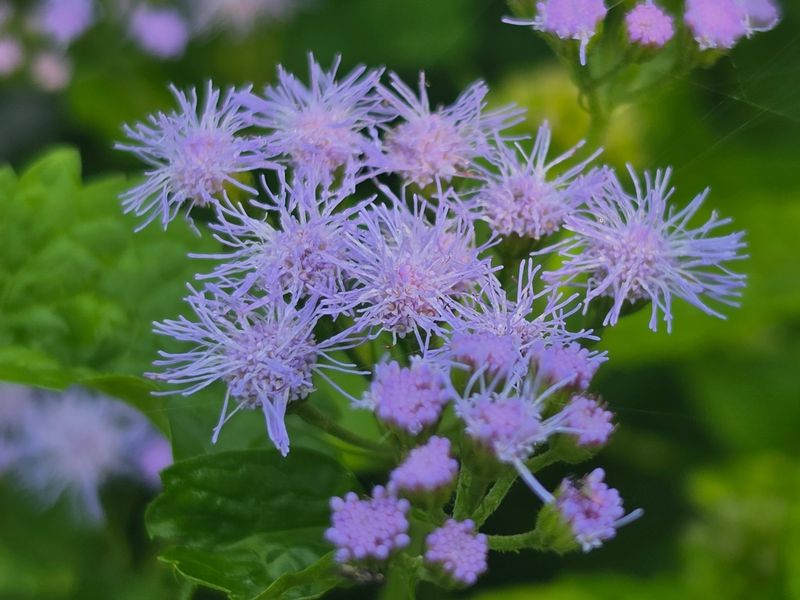
Soft, hazy, and absolutely irresistible to butterflies, Gregg’s Mistflower is one of those plants that quietly steals the show in a fall garden.
When most other flowers are winding down, this native Texas perennial bursts into clusters of misty blue-purple blooms that light up the landscape.
Queen butterflies and Monarchs are especially drawn to Gregg’s Mistflower. During fall migration, you can sometimes find dozens of butterflies feeding on a single plant.
If you want your garden to feel like a living nature scene, this is the plant that makes it happen. It is genuinely exciting to watch.
Gregg’s Mistflower grows best in full sun to light shade and prefers well-drained soil. It is drought-tolerant once established, though it appreciates a little extra water during very dry stretches.
In colder parts of Texas it may behave as an annual, but in warmer regions it often returns each year from its roots.
In a cottage garden, the soft color of Gregg’s Mistflower provides a beautiful contrast to the bolder oranges and yellows of fall bloomers like Black-Eyed Susans and Mexican Hat.
Its fuzzy, rounded flower clusters have a light, airy texture that adds softness and depth to mixed garden beds.
Trim the plant back in late winter to encourage fresh, bushy growth in spring. It spreads gradually over time, filling in gaps and creating a natural, lush look.
For gardeners who want to support butterfly migration while adding cool-toned beauty to their yard, Gregg’s Mistflower is a genuinely special and rewarding choice.
7. Mexican Hat
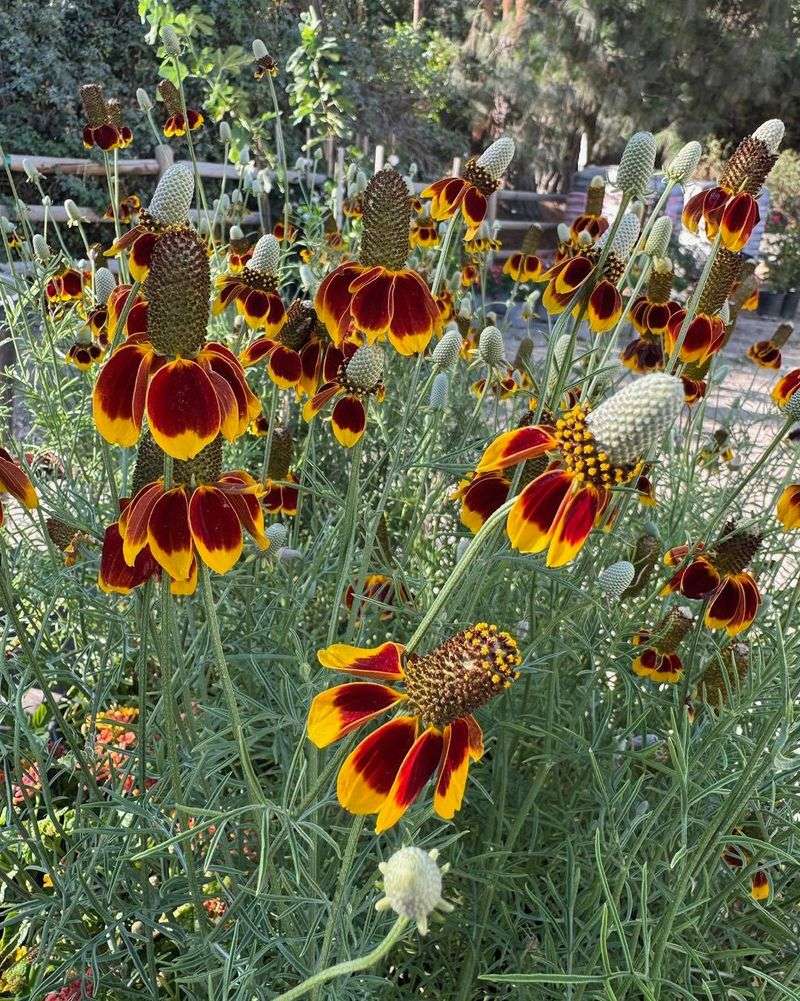
Named for its resemblance to a traditional sombrero, Mexican Hat is one of the quirkiest and most eye-catching wildflowers in Texas.
The drooping red and yellow petals surrounding a tall, cone-shaped center give it a look unlike anything else in the garden. Once you see it, you never forget it.
Mexican Hat is a tough, sun-loving plant that thrives in open, naturalistic spaces. It handles poor soil, rocky ground, and long dry spells without much trouble at all.
In fact, overly rich or wet soil can actually work against it, so lean soils are perfectly fine for this resilient wildflower.
Blooming from late spring through summer, Mexican Hat adds bold color and interesting structure to cottage garden beds. It grows about two to three feet tall, making it a nice mid-height option for layered garden designs.
Plant it toward the middle or back of a border for the best visual effect. Bees and butterflies visit Mexican Hat regularly, and the seed heads that form after blooming attract small birds.
Leaving the spent flower heads on the plant through fall provides food for wildlife and allows seeds to drop naturally, helping the plant spread over time into a cheerful, low-care colony.
Mexican Hat pairs wonderfully with Indian Blanket, Texas Bluebonnet, and Black-Eyed Susan for a wildflower meadow feel. It reseeds freely and comes back reliably each year.
For gardeners who love a relaxed, prairie-inspired cottage style, Mexican Hat brings exactly the kind of bold, free-spirited energy that makes a Texas garden feel truly alive.
8. Indian Blanket
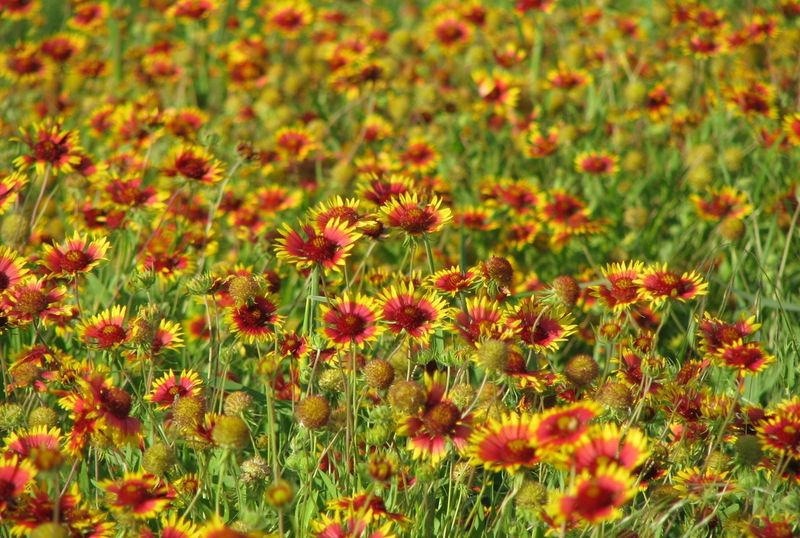
Spread across Texas roadsides and open fields every spring, Indian Blanket is a wildflower that looks like it was painted by hand.
The bold red petals tipped with bright yellow create a fiery, two-toned look that is both striking and unmistakably Texan. It is hard not to smile when you see a whole patch of them swaying in the breeze.
Indian Blanket, also called Firewheel, is one of the easiest wildflowers to grow from seed. Scatter seeds in a sunny, open spot in fall or early spring, press them lightly into the soil, and let nature handle the rest.
It asks for almost nothing in return and rewards you with weeks of cheerful blooms. This wildflower is perfectly suited for dry, sunny Texas conditions. It actually prefers poor, sandy, or rocky soil over rich garden soil.
Too much fertilizer or moisture can cause it to grow leafy and tall without producing as many flowers, so a hands-off approach really is the best approach here.
Indian Blanket blooms from late spring into early summer, filling the garden with warm, saturated color during a time when the landscape can start to feel dry and faded.
The daisy-like flowers are a good size, making them easy to spot and enjoy from a distance across a yard or garden space.
Birds eat the seeds and bees visit the blooms regularly, making Indian Blanket a valuable addition to any wildlife-friendly garden. It reseeds naturally and spreads beautifully over time.
Combined with Mexican Hat and Texas Bluebonnet, it creates a stunning, low-maintenance wildflower display that captures the true spirit of a Texas cottage garden.