The Shade Tree South Floridians Are Planting Now To Cool Yards During 95° Heat
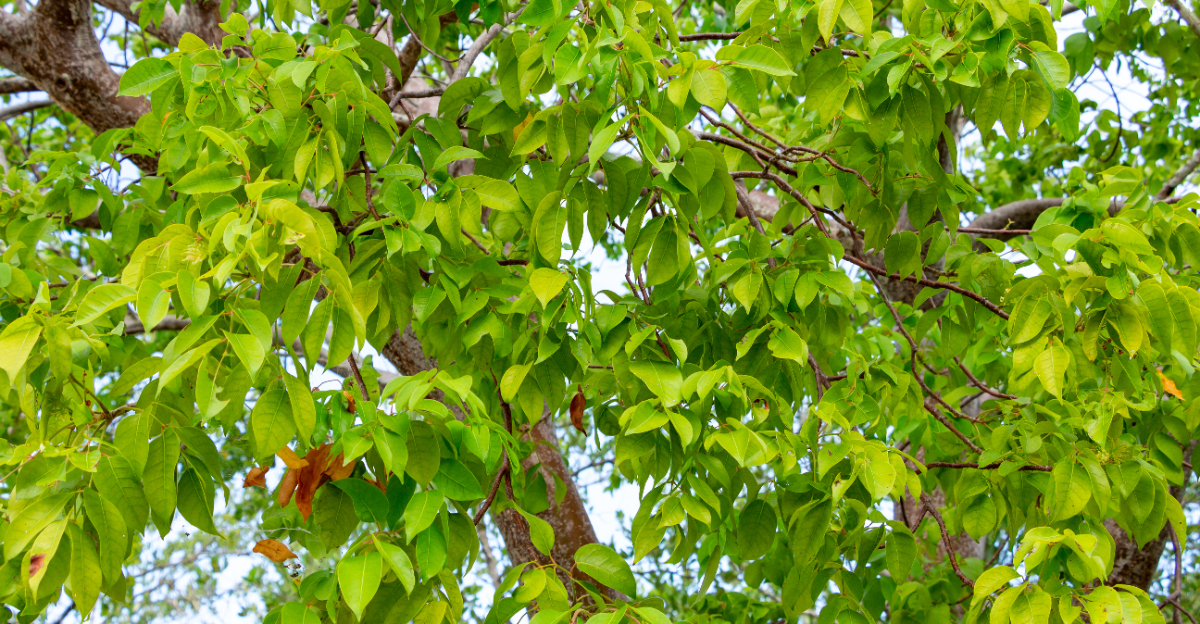
95° heat is punishing South Florida yards right now, and one tree just shrugs it off while everything else wilts. Step under its canopy and you’ll feel the difference immediately, air that’s noticeably cooler than the open lawn just a few feet away.
This tree grows fast, spreads wide, and laughs off hurricane winds that snap far sturdier-looking species in half. Its bark alone makes it impossible to forget.
Reddish, peeling, almost sunburned-looking, it’s earned a nickname locals have used for generations. Sandy soil, drought, brutal sun, none of it slows this tree down once it takes root.
Plant it now and you’re not just adding shade. You’re adding the one tree engineered by nature itself to thrive in exactly the conditions breaking everything else in your yard.
1. Gumbo Limbo Builds Shade Where Heat Hits Hardest
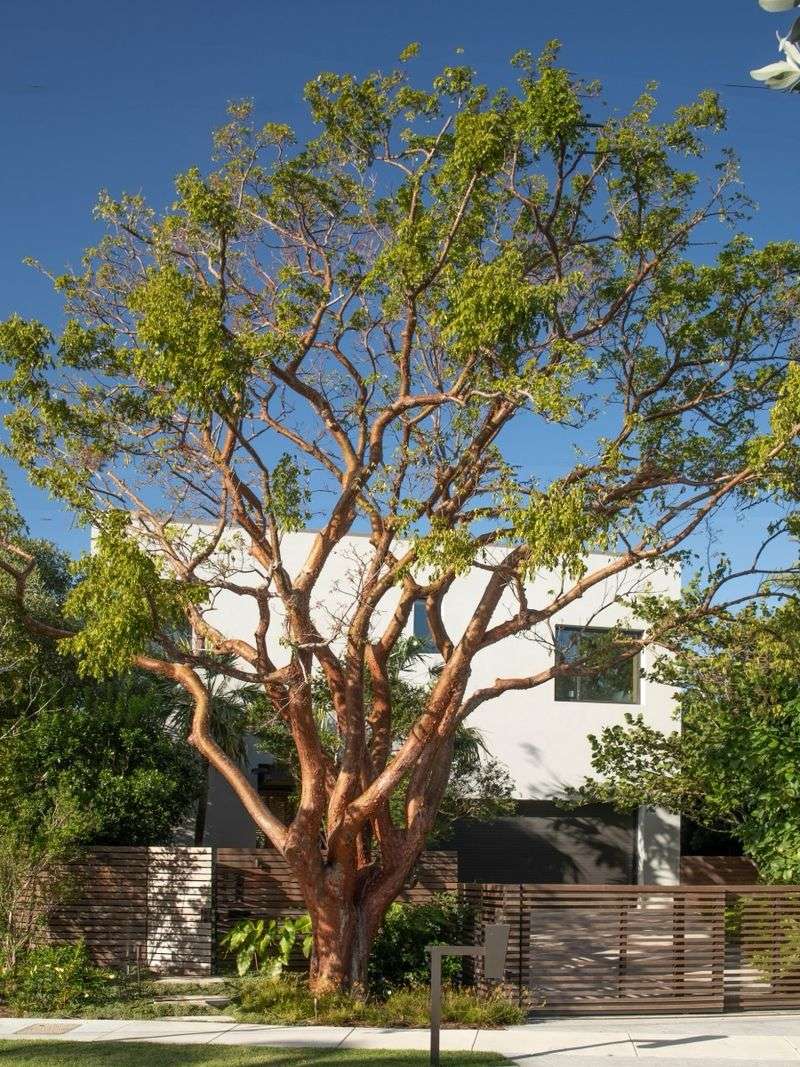
A broad canopy does something a row of shrubs or a small ornamental tree cannot. It intercepts direct sunlight before it reaches the ground beneath, reducing the intensity of heat at the surface level.
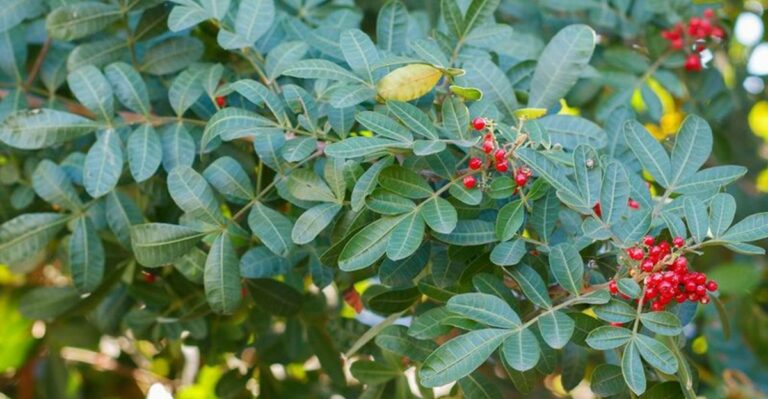
Gumbo limbo, Bursera simaruba, is a canopy tree capable of reaching that scale in the right setting.
Mature specimens can develop wide, spreading crowns. That spread is what creates usable shade over Florida patios, lawn areas, and walkways.
The difference between a tree and a large shrub comes down to canopy height and spread. A canopy positioned well above head level casts shade across a broader footprint than low-growing plants can manage.
Placement shapes how much benefit a homeowner actually gets. A gumbo limbo positioned on the west or southwest side of a yard can intercept the harshest afternoon sun.
That positioning takes planning before the tree goes in the ground. Moving a large tree later is not practical.
No single tree shades an entire property. The goal is strategic coverage near the spaces where people spend time outdoors.
A well-chosen location near a seating area or patio makes the canopy most useful. Thinking about how the sun moves across a specific yard in July helps identify where a large canopy tree would do the most good.
2. Give This Fast Growing Native Room To Expand
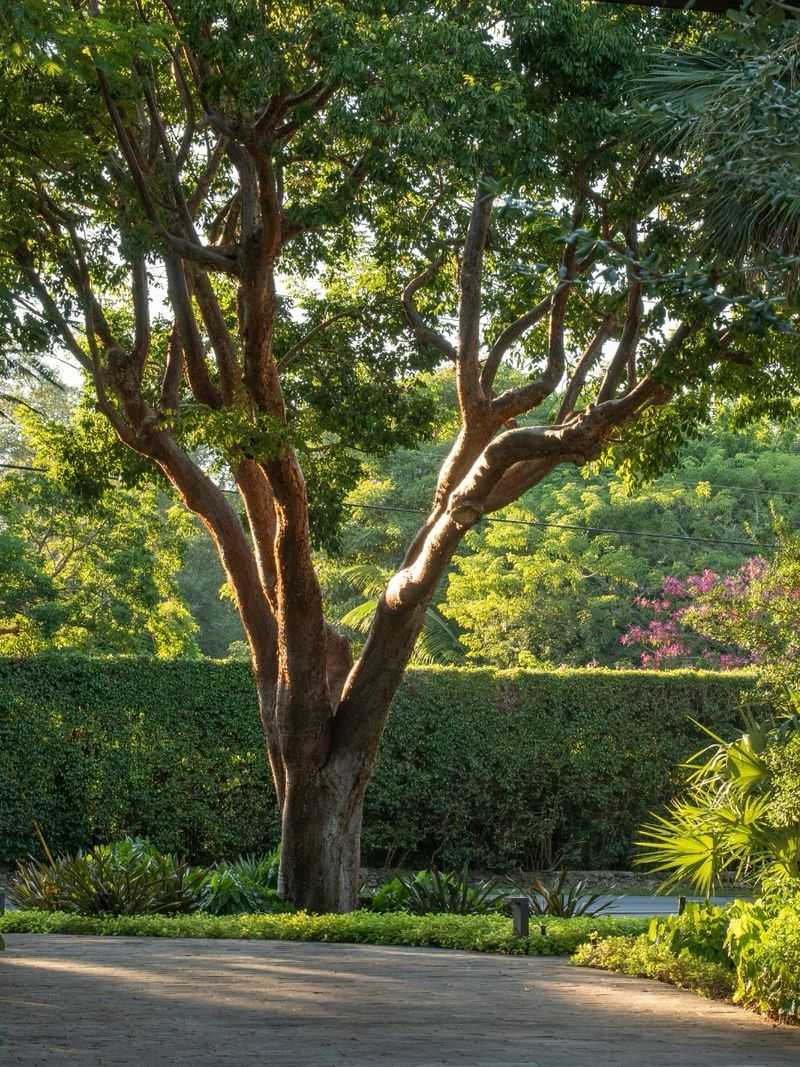
A homeowner who plants a gumbo limbo near a fence line or close to a structure is making a decision that the mature tree will eventually challenge. Gumbo limbo can grow into a large tree.
According to UF/IFAS, it typically reaches 40 to 60 feet in height with a canopy that can spread considerably. That mature size requires open space from the start.
Growth speed appeals to many homeowners, but fast growth still means years before a meaningful canopy develops. A sapling does not shade a patio.
The early years are about establishment and structural development, not immediate comfort. Planning for what the tree becomes at year ten or fifteen matters far more than how it looks when first planted.
Roots also need room. A tree with a large canopy has a corresponding root system that expands outward to support that growth.
Your Florida Garden Changes Every Week. Your Plan Should Too.
Gardening in Florida changes quickly throughout the season. Every Friday you’ll receive a simple weekly plan showing exactly what to plant, prune, fertilize, harvest, and protect so you never miss the right timing.
Tight planting areas restrict both root development and canopy expansion. A cramped tree rarely performs as well as one given adequate space from the beginning.
Choosing an open area of the yard, away from driveways, sidewalks, and structures, gives the tree the best chance to develop naturally.
The investment in a gumbo limbo pays off most when the site allows the tree to grow without constant conflict with surrounding features.
3. Plant The Canopy Before The Next Heat Wave
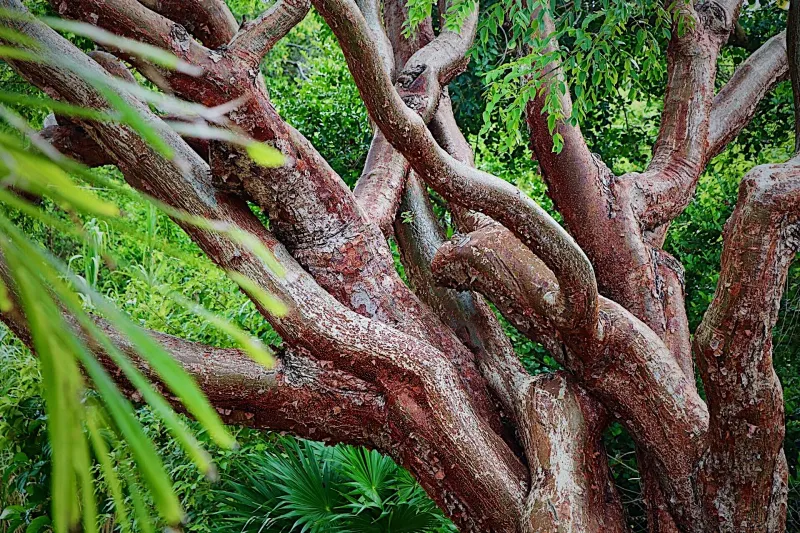
Shade trees are not a response to this summer. They are preparation for summers years from now.
A freshly planted gumbo limbo needs time to establish its root system before it can support significant canopy growth. Expecting dramatic shade in the first season sets up disappointment.
UF/IFAS guidance on tree establishment emphasizes consistent watering during the first months after planting. A new tree has a limited root zone.
It cannot draw moisture from a wide area the way an established tree can. Watering frequency depends on soil type, drainage, and rainfall.
Checking soil moisture rather than following a fixed schedule helps avoid both underwatering and overwatering.
Mulching around the base, kept away from the trunk itself, helps retain soil moisture and moderate soil temperature. That support during the establishment period directly influences how well the tree grows in later years.
Skipping early care often means slower development overall.
Patience is part of the process. A tree planted now may not cast meaningful shade for several years.
That timeline is not a flaw. Landscapes built around long-lived canopy trees tend to become more comfortable and more valuable over time.
Planting earlier rather than waiting for the perfect moment is the practical approach for anyone serious about future outdoor comfort.
4. Use South Florida’s Tough Tree In The Right Spot
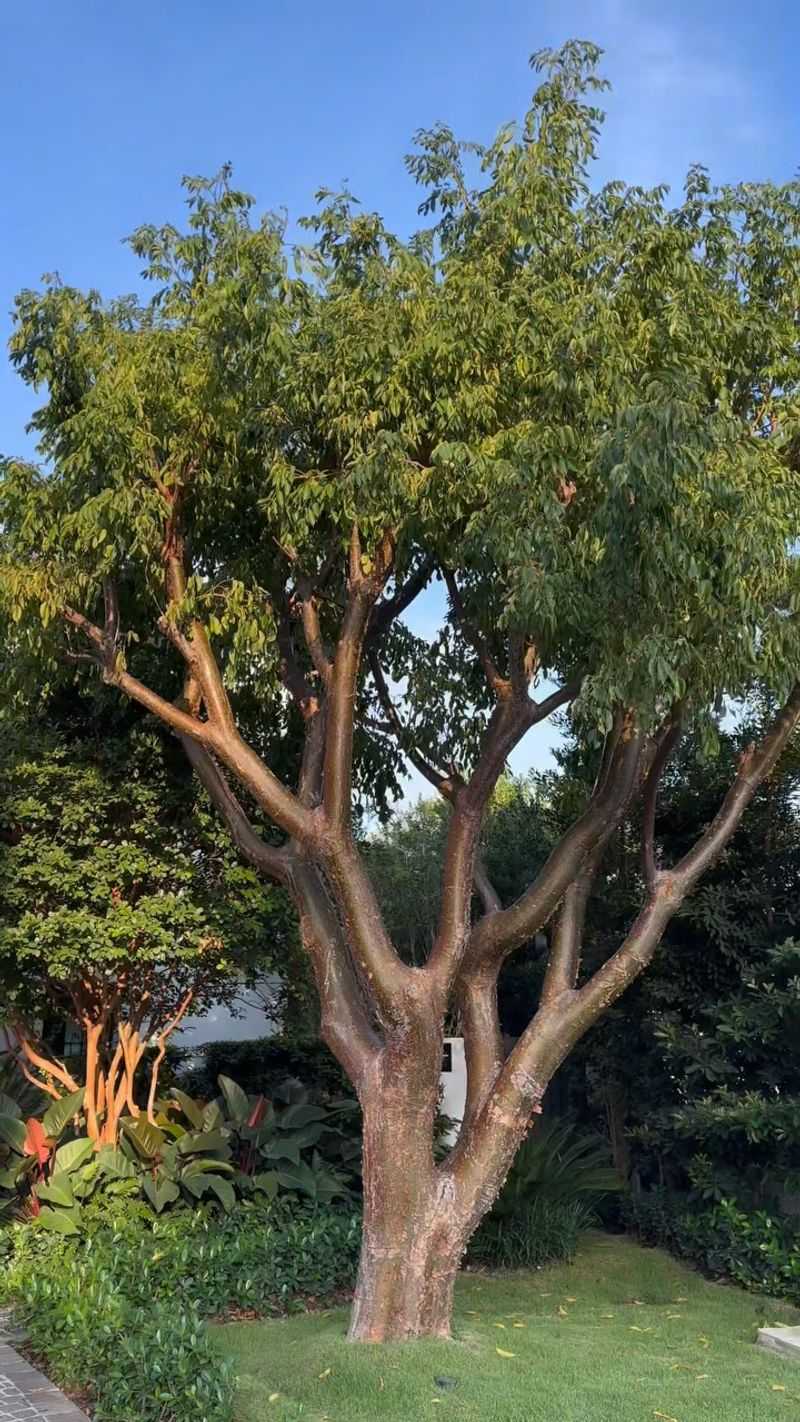
Coastal yards, sandy soils, and prolonged dry stretches during winter months are familiar challenges across South Florida. Gumbo limbo handles many of these conditions well.
UF/IFAS notes that the tree tolerates drought after establishment, grows in a range of soil types, and adapts to coastal exposure. Those qualities make it a reasonable candidate for many regional landscapes.
Salt tolerance is a practical consideration near the coast. Gumbo limbo has moderate salt tolerance according to UF/IFAS, which makes it more suitable for coastal settings than many other large trees.
Salt spray from nearby water can stress trees that lack this tolerance, limiting their growth and canopy development.
Full sun is where this tree performs best. It needs direct light to develop the canopy that makes it useful.
Shaded or crowded planting areas do not allow the tree to reach its potential. Soil drainage also matters.
Standing water around the root zone stresses most trees, and gumbo limbo is no exception.
Even a tree well-suited to regional conditions needs the right individual site. A yard with compacted soil, overhead utility lines, or limited horizontal space may not be a good match.
Matching the tree to a site where it can grow without obstruction is what separates a successful planting from one that creates problems over time.
5. Avoid The Small Yard Mistake That Limits Growth
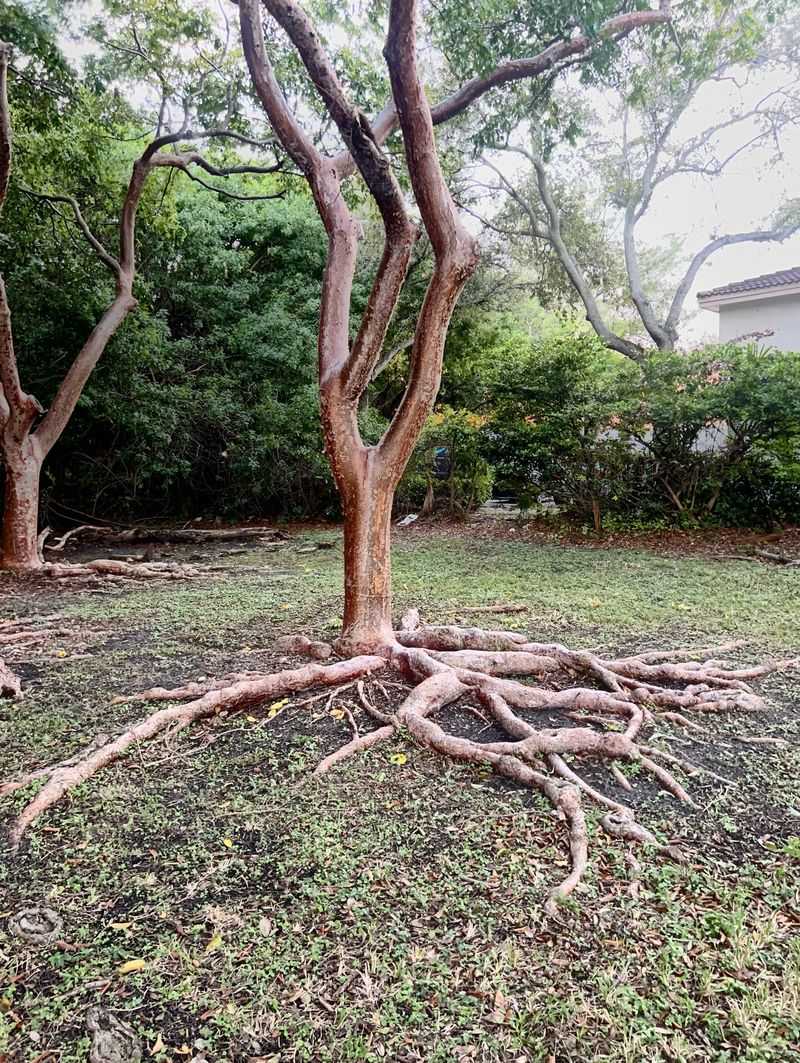
A cramped planting area is one of the most common mistakes made with large canopy trees. Gumbo limbo is not a tree for tight spaces.
When planted too close to a house, fence, driveway, or sidewalk, it eventually outgrows the available room. That conflict creates ongoing maintenance pressure and limits what the tree can become.
Utility lines above and below ground are a serious consideration. Overhead lines restrict canopy development and require repeated pruning that damages tree structure.
Underground utilities can conflict with expanding root systems. Checking utility locations before choosing a planting spot is a basic step that prevents costly problems later.
Driveways and sidewalks near large trees can experience surface cracking as root systems expand. This is not unique to gumbo limbo.
Any large tree planted too close to a hard surface creates this risk. The solution is distance from the beginning, not removal of a healthy tree after the fact.
Small residential lots may simply not have a suitable location for a tree of this eventual size. Recognizing that honestly is more useful than forcing a large tree into a space where it cannot thrive.
A homeowner who evaluates available space carefully before purchasing a tree avoids years of conflict between a growing canopy and a constrained yard.
6. Let Strong Roots Support A Bigger Canopy
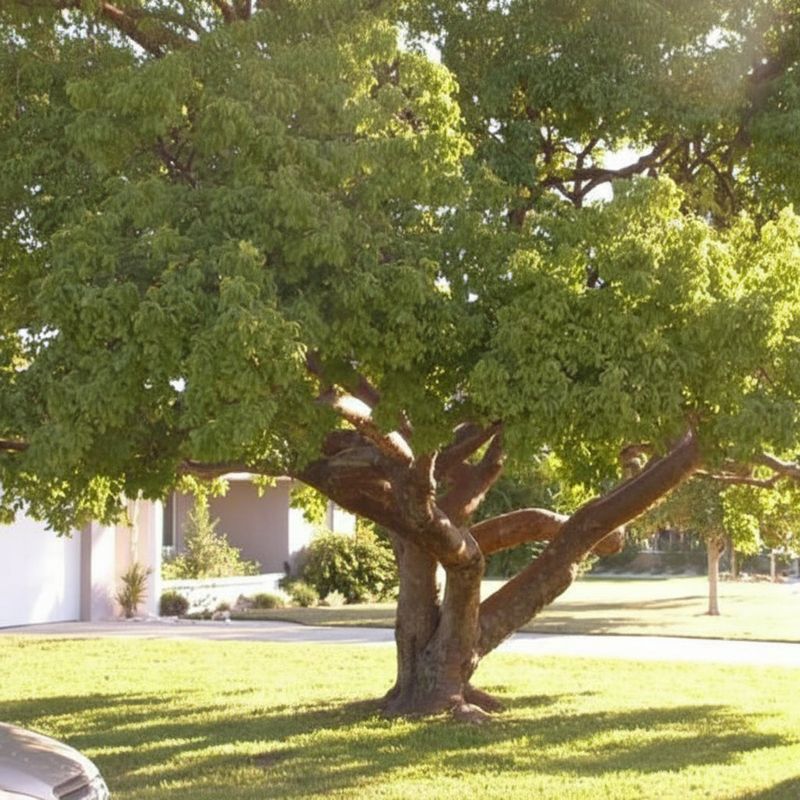
Root development during the early years of a tree’s life shapes its long-term performance. A gumbo limbo with a well-established root system draws water and nutrients more efficiently.
That efficiency supports canopy expansion and overall structural health. Roots that struggle in poor conditions limit what the tree above ground can achieve.
Soil quality influences how roots grow. Compacted soils restrict root expansion and reduce oxygen availability around the root zone.
Loosening compacted soil before planting and avoiding heavy foot traffic around the root zone afterward gives roots a better environment to spread. Sandy soils common across South Florida drain quickly, which affects moisture availability for establishing trees.
Mulching with organic material helps moderate soil temperature and retain moisture around the root zone. UF/IFAS recommends keeping mulch a few inches away from the trunk to avoid moisture buildup against the bark.
A proper mulch ring extending several feet from the trunk supports root health without creating problems at the base of the tree.
Overwatering during establishment is as damaging as underwatering. Roots need oxygen as well as moisture.
Soil that stays saturated for extended periods stresses root systems. Monitoring soil conditions and adjusting irrigation based on rainfall and drainage helps roots develop the depth and spread that support a large, stable canopy over time.
7. Know When Gumbo Limbo Is The Wrong Choice
Not every yard suits a large canopy tree, and recognizing that early saves time and money. Gumbo limbo grows into a substantial tree.
Lots with limited square footage, restricted setbacks, or overhead utility lines running through the canopy zone are not good candidates for this species.
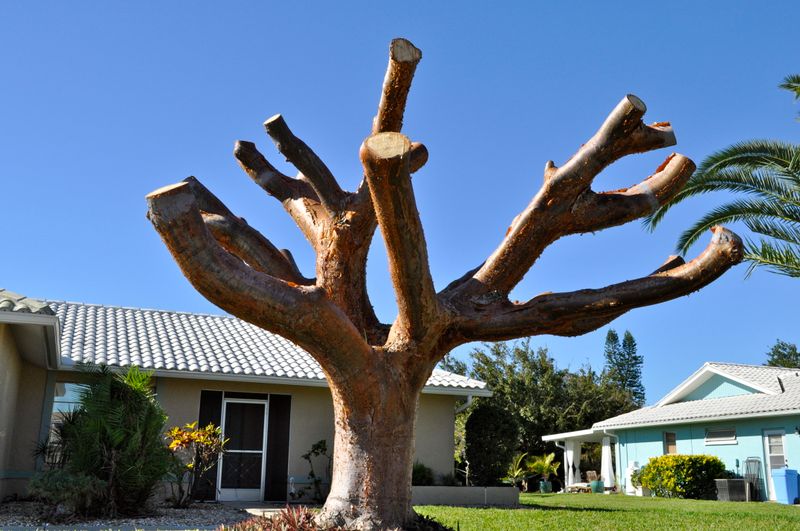
Homeowners who want a tree that stays small, fits under eaves, or works in a narrow planting strip need a different species entirely. Gumbo limbo is not a tree that can be kept small through regular pruning without compromising its structure and appearance.
Repeated heavy pruning removes the natural form that makes it appealing.
HOA restrictions, local ordinances, and utility easements all affect where and what a homeowner can plant. Checking these before purchasing a tree prevents conflicts after planting.
Some neighborhoods have canopy requirements or restrictions that affect species selection and placement options.
Storm exposure is another consideration. Gumbo limbo is noted for reasonable wind resistance among Florida native trees, but no tree is storm-proof.
Placement near structures, vehicles, or high-traffic areas increases risk if a branch or limb fails during a severe storm. Every tree carries some level of risk in extreme weather.
Choosing a tree that fits the site and the homeowner’s expectations leads to better results. Avoid selecting a species based only on reputation.
8. Create Summer Shade That Keeps Paying Off
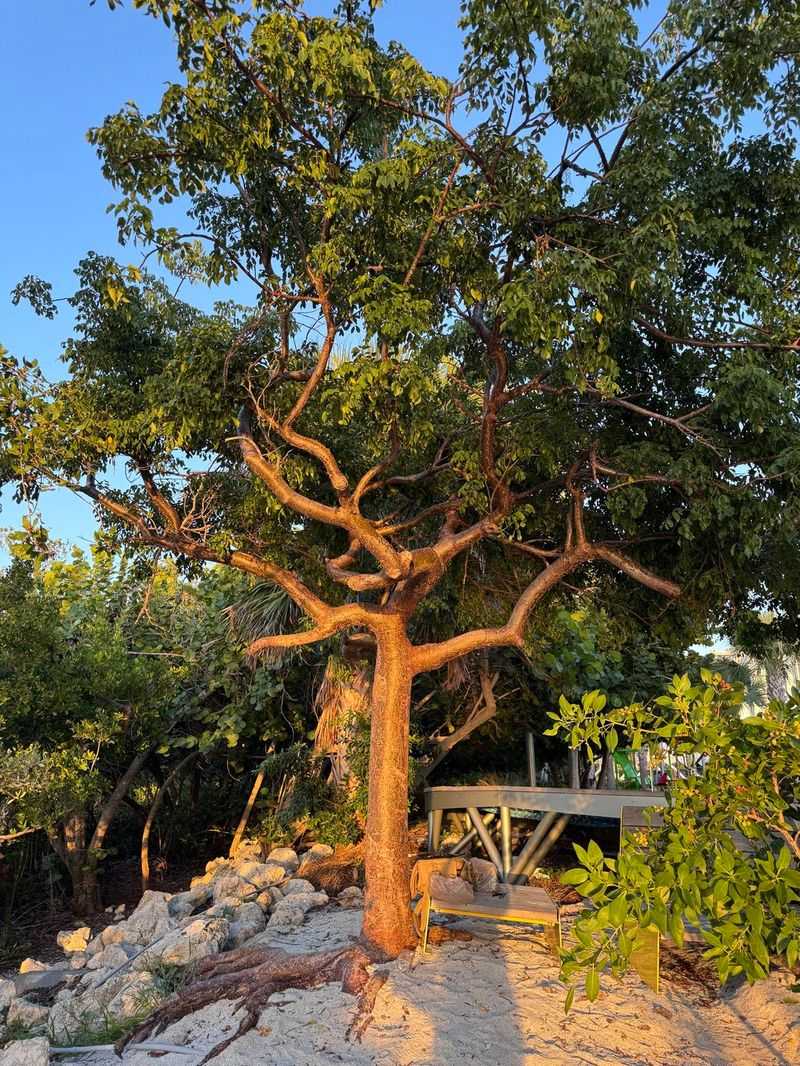
A landscape shaped around a mature canopy tree feels different from one without it. Deep shade over a seating area changes how that space gets used during hot months.
Outdoor areas that were too uncomfortable to enjoy in the afternoon become more inviting when a broad canopy filters the sun above them.
That outcome takes years to develop. A gumbo limbo planted today may not reach its full canopy spread for a decade or more.
Homeowners who understand that timeline plant with intention rather than impatience. The tree becomes more valuable every year as the canopy grows wider and the shade it casts deepens.
Canopy trees also contribute to the character of a landscape in ways that smaller plants cannot match. A large, well-established tree adds visual scale, provides perching and nesting habitat for birds, and anchors the overall design of a yard.
These benefits accumulate quietly over years of healthy growth.
Gumbo limbo does not eliminate heat. No tree does.
What a well-placed canopy tree does is reduce direct sun exposure in specific areas, making outdoor spaces more livable during the hottest parts of the day. Creating lasting shade requires planning ahead.
Choose the right site, provide enough space, and support early growth for long-term success.