These Are The Reasons Plant Pathogens Thrive In Virginia Gardens During Late Summer
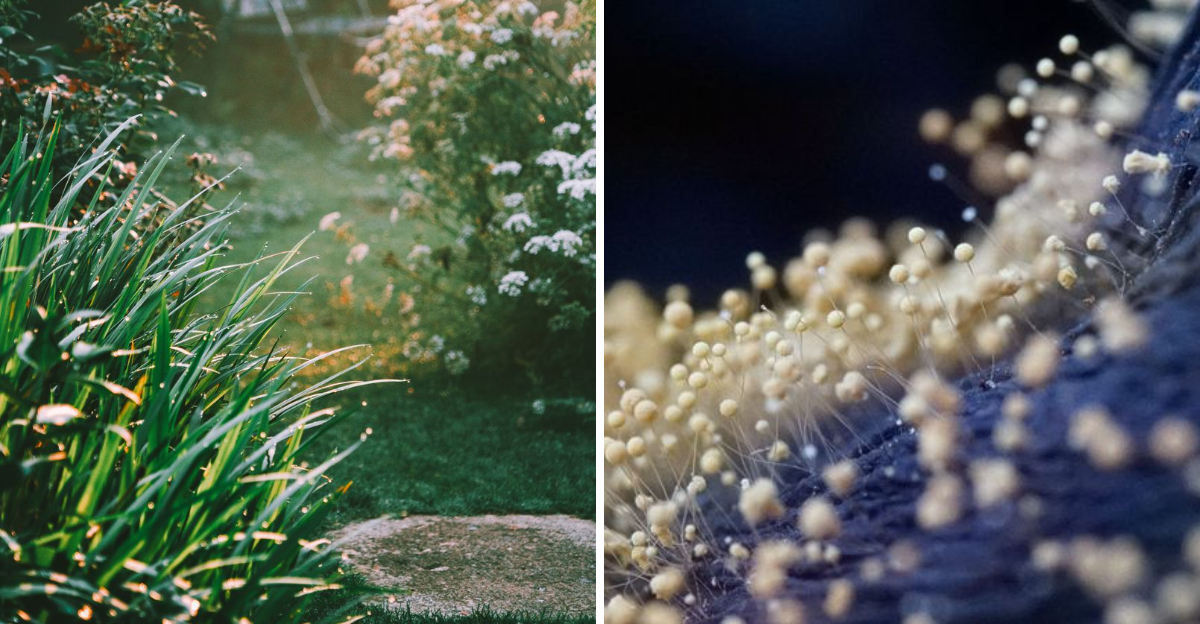
Spots don’t appear on your tomatoes by accident. Fuzzy mold coats your basil almost overnight.
Virginia summers create conditions your plants can’t escape. Humidity traps moisture against every leaf you grow.
Warm nights keep bacteria active near your tomatoes. Temperatures rarely drop enough to protect your garden. Squash reacts when stress weakens your plant’s defenses.
Rain splashes bacteria onto your leaves fast. Airflow stops when your plants crowd together.
Spores travel fast once your conditions turn favorable. Gardeners often blame luck, not your soil.
Add Virginia’s climate and everything shifts against you. Nothing in your garden stays still during this stretch. Pathogens multiply while you sleep and while you work.
Understanding why gives you real power right now. Every wet leaf invites infection into your garden.
Disease spreads faster than you think across your garden. Your next move determines whether your entire garden thrives or quietly falters this whole season.
1. Dense Foliage Traps Excess Moisture
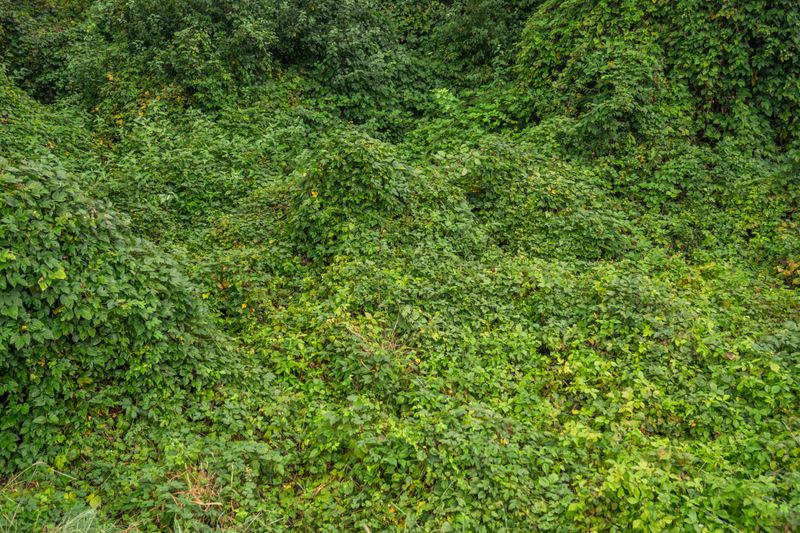
By late summer, your garden looks like a jungle. That abundance is beautiful, but it is also a problem hiding in plain sight.
Dense plant canopies trap moisture between leaves and stems, creating a humid microclimate that pathogens absolutely love. Air cannot circulate freely when plants are packed in tightly.
Morning dew sits longer on leaves buried inside a thick canopy. That extended wetness gives spores extra time to germinate and penetrate leaf tissue.
Virginia gardeners often celebrate big, bushy plants as a sign of success. But a densely branched, unpruned tomato plant is an invitation for Septoria leaf spot and early blight.
The inside of a dense plant rarely dries out before noon, even on sunny days. Those shaded interior leaves stay damp for five or six hours after the outer leaves are dry.
Pruning is not just an aesthetic choice. Removing lower leaves and thinning interior stems improves airflow dramatically and reduces the damp conditions pathogens depend on.
Indeterminate tomato varieties grown without caging or staking create the worst foliage density problems. Letting them sprawl across the ground significantly increases the risk of disease.
A good rule of thumb is to keep the bottom foot of any plant stem clear of leaves. That one habit alone reduces splash-back infection and improves air movement near the soil.
Dense foliage is one of the most correctable reasons plant pathogens thrive in Virginia gardens during late summer. A pair of pruning shears used regularly can change the entire disease trajectory of your season.
2. Stressed Plants Attract More Disease
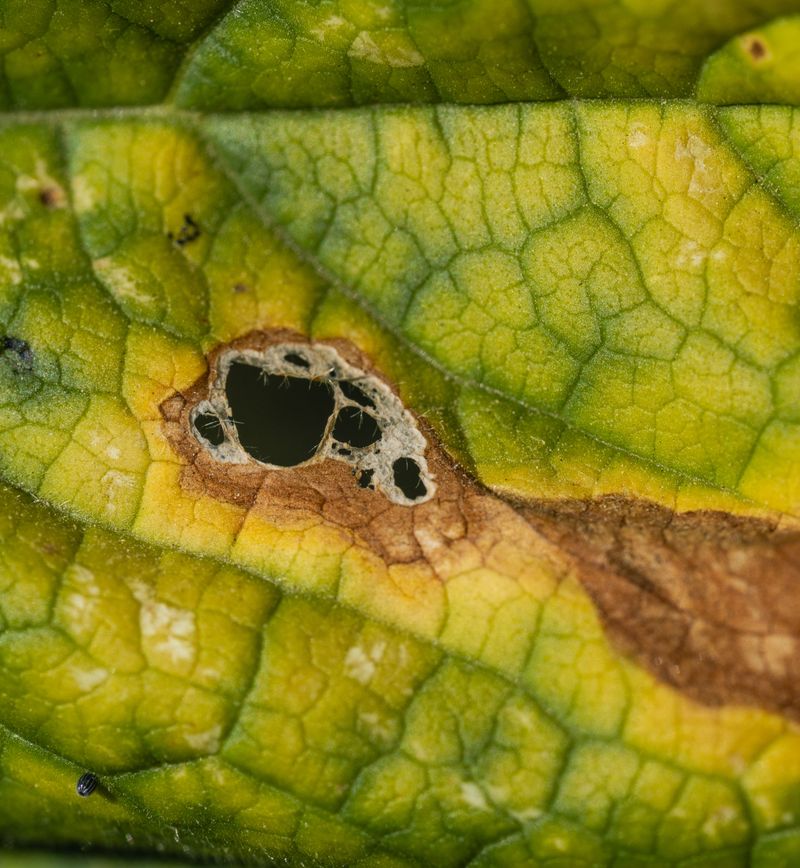
A stressed plant has significantly reduced natural defenses, and pathogens take advantage. Its defenses drop, and everything gets in.
Heat, drought, waterlogging, and nutrient deficiency all stress garden plants in late summer. Each stressor weakens the plant’s natural ability to resist infection.
Virginia late summers often swing between drought stretches and sudden heavy rains. That boom-bust moisture cycle is one of the most stressful experiences a garden plant can endure.
Stressed plants produce less of the chemical compounds they use to fight pathogens. Their cell walls also weaken, making physical penetration by fungi and bacteria much easier.
Your Virginia Garden Changes Every Week. Your Plan Should Too.
Gardening in Virginia changes quickly throughout the season. Every Friday you’ll receive a simple weekly plan showing exactly what to plant, prune, fertilize, harvest, and protect so you never miss the right timing.
Tomatoes affected by inconsistent watering develop blossom end rot and cracked skin. Those cracks give bacterial infections an easy entry point.
Nutrient-deficient plants are equally vulnerable. A pepper plant low on potassium, for example, has more difficulty regulating its stomata, which can leave it more exposed to fungal entry points.
Overwatering causes its own brand of stress by cutting off oxygen to roots. Root rot sets in fast, and a plant with compromised roots cannot mount any defense against foliar pathogens either.
The fix starts with consistent care. Deep watering twice a week beats shallow daily watering for building drought resilience in most garden vegetables.
Keeping plants well-fed with a balanced fertilizer through midsummer reduces stress vulnerability significantly. Healthy, well-nourished plants are far better equipped to resist the pathogens that surge through Virginia gardens each late summer.
3. Warm Nights Keep Pathogens Active
Most gardeners assume the night shift is safe for their plants. Pathogens remain active regardless.
When nighttime temperatures stay elevated, fungi and bacteria never get a cold-weather break. They keep reproducing, spreading, and infecting through the dark hours.
In much of central and eastern Virginia, July and August nights often stay warm, though mountainous and western regions typically cool more.
Cooler nights used to act as a natural reset button for garden ecosystems. Warm nights remove that protection entirely, and pathogens stay in overdrive.
Early blight on tomatoes is a perfect example of a disease that spreads rapidly during warm nights. The fungus responsible, Alternaria solani, loves temperatures between 59 and 80 degrees.
Bacterial diseases follow the same pattern, multiplying rapidly when warmth persists after sunset. Fire blight on fruit trees and bacterial leaf spot on peppers both surge in warm overnight conditions.
Gardeners often notice disease symptoms at dawn and assume infection happened during the day. In reality, the overnight hours were the most dangerous window of all.
One practical response is increasing airflow around plants before nightfall. Pruning lower leaves in the late afternoon reduces the humid microclimate that warm nights create near the soil.
Plant pathogens thrive in Virginia gardens during late summer partly because the climate offers no overnight relief. Warm nights are one of the most underrated factors in the annual disease surge gardeners face each August.
4. Humidity Spikes Fungal Growth Rates
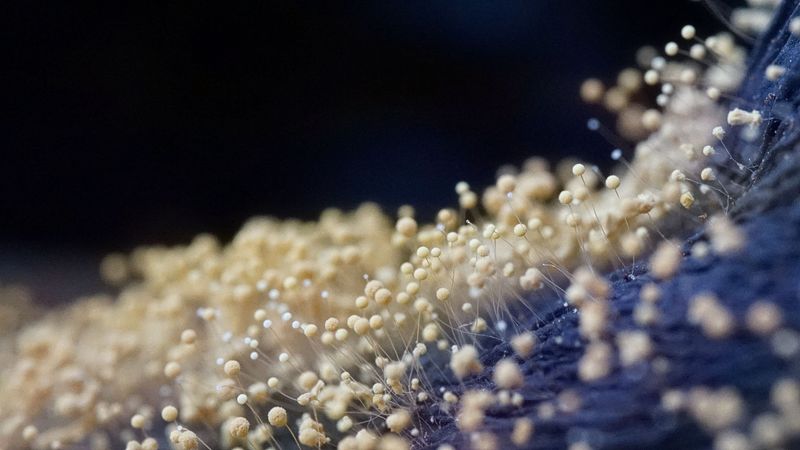
Step outside on a Virginia August morning and your glasses fog up instantly. That thick, wet air creates ideal conditions for fungal growth.
Humidity is the single biggest driver of fungal outbreaks in late summer gardens. When relative humidity stays high for extended periods, spores germinate rapidly.
Fungi need moisture on leaf surfaces to take hold. High humidity keeps those surfaces wet for hours, even without rain.
Powdery mildew, downy mildew, and botrytis are the usual suspects showing up when humidity peaks. Each one spreads aggressively once conditions tip in their favor.
Humidity in much of central and eastern Virginia often climbs sharply by mid-morning during summer. That window of wetness is all a pathogen needs to colonize a new leaf.
Gardeners often blame rain for fungal problems, but still air and high humidity do just as much damage. You can have a dry week and still lose a crop to fungus.
Monitoring a cheap outdoor hygrometer near your beds gives you a real-time heads-up. When your hygrometer readings creep steadily upward, it is time to act before the fungi do.
Applying a preventive copper or sulfur spray during high-humidity stretches can slow fungal spread significantly. Timing matters more than the product you choose.
Plant pathogens thrive in Virginia gardens precisely because the state sits in a humid subtropical climate zone. Understanding that one fact changes everything about how you garden in August.
5. Crowding Limits Airflow Between Plants
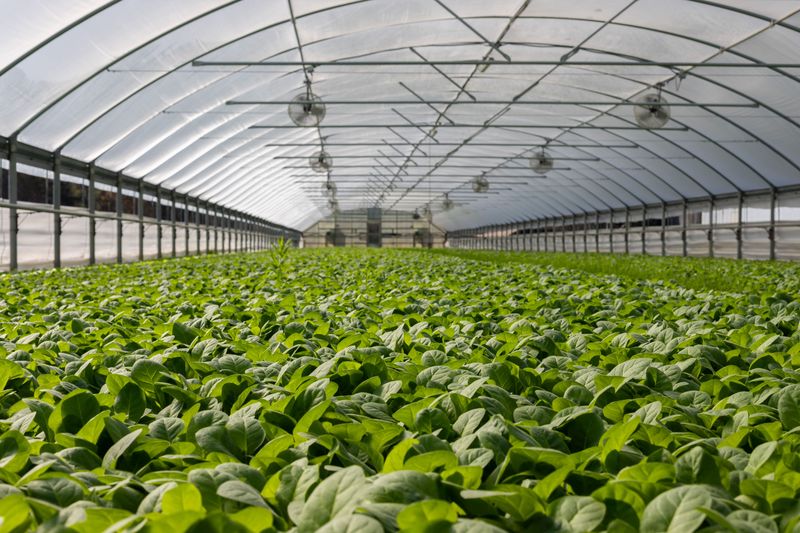
Planting too close together feels efficient in spring. By August, that decision starts causing problems.
Crowded plants block airflow between stems and leaves, creating stagnant pockets of moist air. Pathogens reproduce fastest in exactly those still, humid conditions.
Most seed packets and plant tags list spacing recommendations for a reason. Those numbers are not arbitrary. They reflect the airflow each plant needs to stay healthy through a full season.
Virginia gardeners often push spacing limits to maximize production in small raised beds. That strategy works in spring but creates a disease hotspot by late July and August.
When leaves from neighboring plants overlap, moisture transfers directly from one plant to another. A single infected leaf can spread spores to three or four neighbors with one good gust of wind.
Squash and cucumbers are especially prone to crowding problems. Their broad leaves create dense shade underneath, and that shaded zone stays wet and warm all day long.
Thinning plants mid-season feels painful, but it is sometimes the smartest move in a crowded bed. Removing one plant to save five others is always a worthwhile trade.
Vertical growing systems help enormously in tight spaces. Training cucumbers, beans, and squash up a trellis opens up the lower canopy and allows air to move freely through the bed.
Crowding is one of the most preventable reasons plant pathogens thrive in Virginia gardens during late summer. Next spring, trust the spacing guide and resist the urge to squeeze in just one more seedling.
6. Rain Splash Spreads Spores Around

Watch a raindrop hit bare soil next to your tomato plant. That tiny splash travels farther than you think.
Rain splash is one of the most efficient delivery systems nature has for moving fungal spores from soil to leaves. A single raindrop can carry spores well above the soil line onto lower leaves.
Virginia late summers bring intense afternoon thunderstorms that pound garden beds hard. Those heavy drops hit infected soil and launch spore-laden mud onto lower plant leaves.
Early blight on tomatoes almost always starts on the lowest leaves. That pattern is rain splash at work, moving Alternaria spores from the soil surface upward with every storm.
The same mechanism spreads bacterial diseases like bacterial speck and angular leaf spot. Infected plant debris sitting in the soil becomes a spore reservoir that rain redistributes freely.
Mulching is the most effective counter-measure against splash dispersal. A two-to-three-inch layer of straw or wood chips around plant bases absorbs raindrop impact and blocks soil from splashing up.
Removing fallen leaves and plant debris from the garden floor cuts off the spore reservoir at the source. Clean beds mean fewer spores available for the next storm to launch.
Drip irrigation is another smart choice for Virginia gardeners managing splash-spread disease. Keeping water at soil level instead of overhead reduces the splash factor significantly during routine watering.
Rain splash is a quiet but relentless force behind the disease outbreaks that hit Virginia gardens each late summer. A layer of mulch costs almost nothing and stops the cycle before it starts.
7. Weak Immunity Invites Bacterial Infections
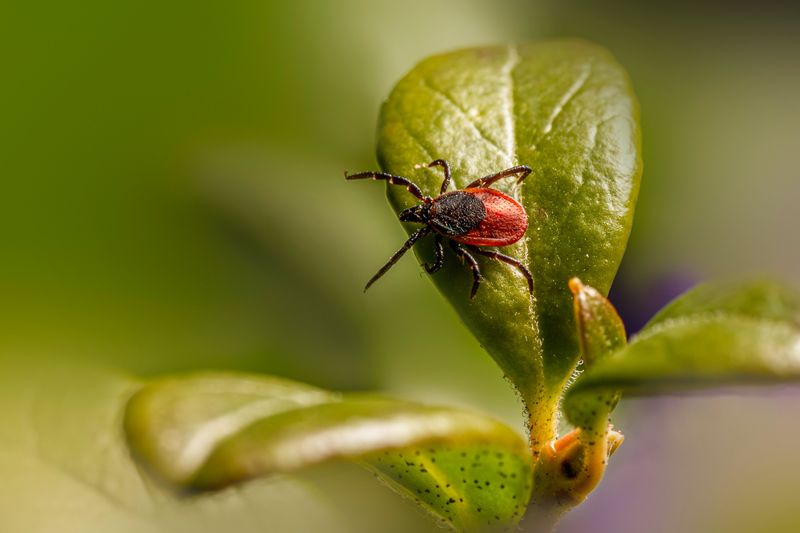
Bacteria are always present in the garden. They only become a problem when plants cannot fight back.
A plant’s immune system depends on strong cell walls, active chemical defenses, and consistent access to key nutrients. When any of those factors falter, bacterial infections find an opening.
Late summer is a perfect storm for reduced plant immunity. Heat stress, root fatigue from a long season, and depleted soil nutrients all chip away at a plant’s defensive capacity.
Bacterial infections often look like water-soaked spots that turn brown or black as they expand. Unlike fungal disease, bacteria spread rapidly through plant tissue once they breach the outer leaf layer.
Xanthomonas bacteria cause bacterial spot on tomatoes and peppers, one of the most common late summer diseases in Virginia. Warm, wet conditions after a rain event are its ideal launch window.
Calcium deficiency is a sneaky contributor to bacterial vulnerability. Calcium strengthens cell walls, and without enough of it, bacteria penetrate leaf tissue far more easily during hot, humid weather.
Foliar calcium sprays applied every two weeks through midsummer can shore up plant defenses before the late summer disease surge hits. Prevention always beats treatment with bacterial infections.
Copper-based bactericides offer some control once infection appears, but they work best as a protectant before symptoms show. Timing the spray before a predicted rain event gives the best results.
Plant pathogens thrive in Virginia gardens during late summer because immunity naturally weakens over time. Supporting your plants nutritionally through August is one of the highest-return investments a gardener can make.
8. Daylight Fuels Faster Pathogen Growth
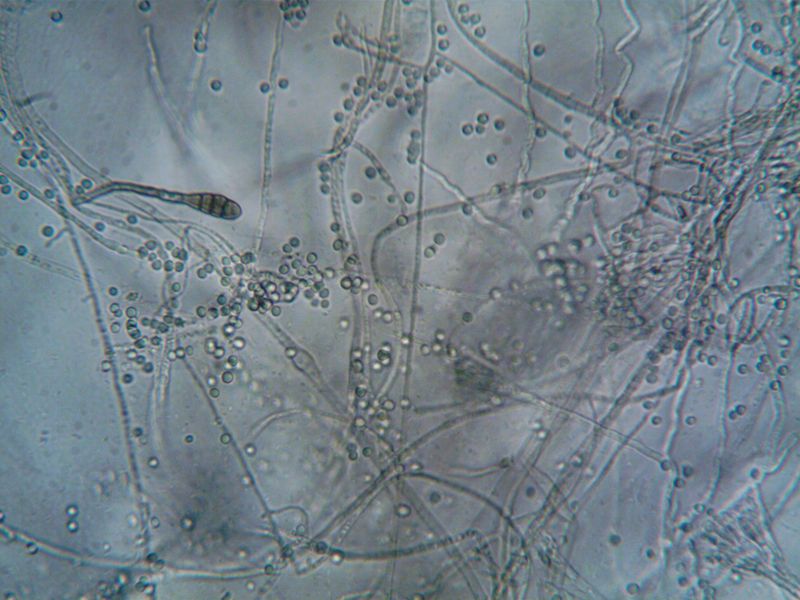
Sunlight sounds like the hero of the garden story. For some pathogens, it is actually fuel. Certain fungal species use long daylight hours as a biological cue to accelerate spore production.
Virginia’s late summer days still offer long stretches of daylight, which keeps those cycles running fast.
Powdery mildew is a great example of a pathogen that thrives in bright, warm daylight. Unlike most fungi, it does not need wet leaves to spread. It only needs warm air and light.
The combination of intense afternoon sun and high humidity creates a cycle of surface drying and rehydration on leaves. That cycle weakens the waxy leaf coating that normally blocks pathogen entry.
UV light does suppress some pathogens, but many have evolved to time their spore release for early morning or late afternoon. They sidestep the strongest UV hours entirely.
Long days also mean plants are photosynthesizing and transpiring for more hours each day. That extra moisture release from leaves raises the local humidity around the plant canopy.
Shade cloth rated at 30 to 40 percent can reduce leaf surface temperature and slow moisture stress during peak afternoon heat. Lower leaf temperatures also reduce the rate at which some fungal spores germinate.
Rotating crops each season disrupts the pathogen populations that build up in soil over time. A pathogen adapted to your tomato bed loses its advantage when you plant squash there instead.
Plant pathogens thrive in Virginia gardens during late summer because every environmental factor lines up in their favor. Understanding daylight’s role gives you one more tool to tip the balance back toward healthy, productive plants.