The One Thing North Carolina Zinnias Need After Days Of Rain To Prevent Powdery Mildew
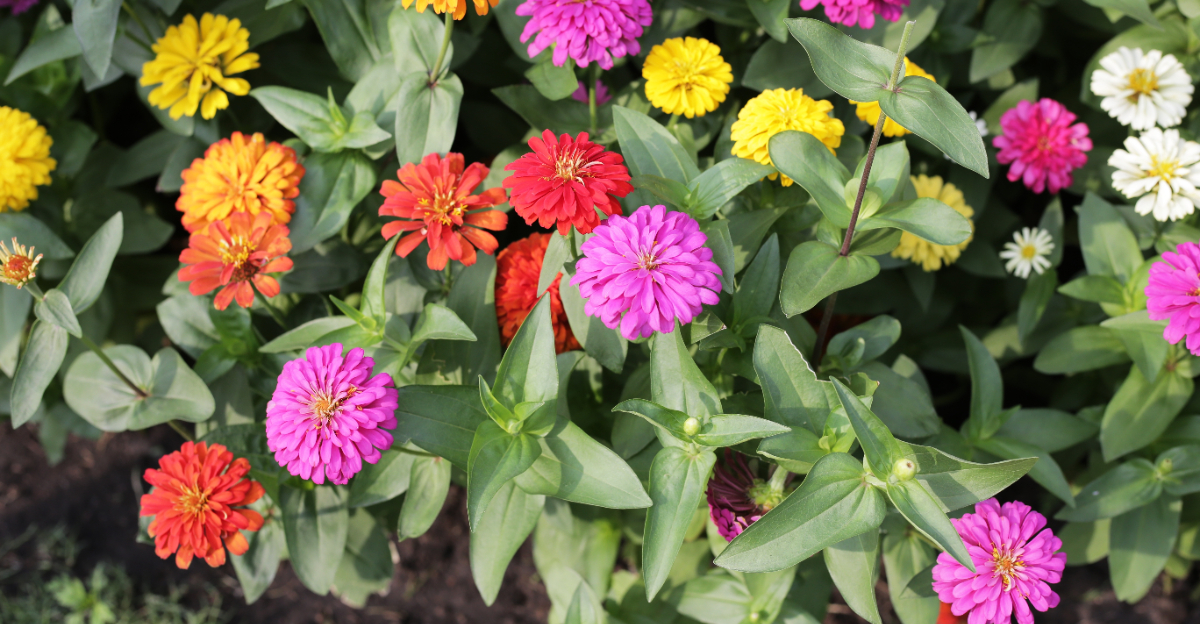
Zinnias bounce back fast after a good soaking rain, but that same moisture sets the stage for a problem that shows up just a few days later without warning.
Most gardeners assume the danger has passed once the sun returns and puddles dry up around the base of the plant.
But there’s one specific task that actually matters most right now, and skipping it is exactly how powdery mildew gets its foothold on zinnias every summer.
It has nothing to do with fungicide sprays or expensive treatments, and everything to do with a simple adjustment most people never think to make.
Understanding what zinnias truly need in these first few days after rain could be the difference between healthy foliage and a plant covered in that telltale white coating.
Many gardeners only learn this lesson after mildew has already taken hold and spread across the entire bed.
A few minutes of attention right now could save your zinnias from a problem that’s much harder to reverse later.
Open Up Airflow First
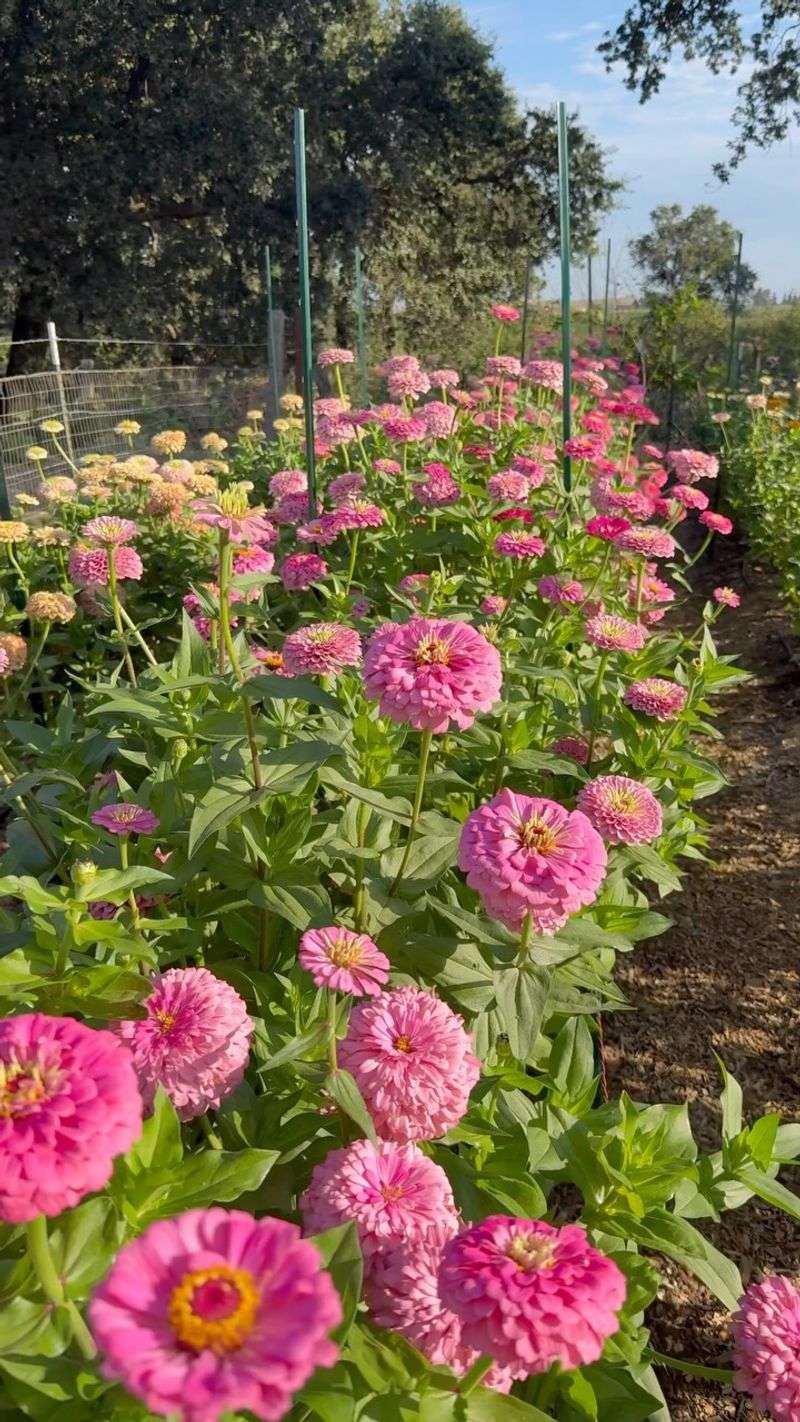
Moving air is your zinnia’s best friend after a stretch of wet weather. When a breeze can slip through the plants, leaves dry quickly, and that quick drying is what keeps powdery mildew from settling in.
Think about how a wet towel dries faster on a windy day than in a stuffy closet. Zinnia leaves work the same way.
Rain leaves water sitting on the leaf surface, and mildew loves that damp, still air. A little movement breaks up the moisture and clears the way for healthier growth.
You can boost airflow in a few simple ways. Space your plants far enough apart so their leaves are not touching.
Pull weeds that block the breeze near the base. If your zinnias sit against a fence or wall, make sure air can still flow around them.
Raised beds and open garden spots naturally get more wind than tight corners. Planting in a sunny, breezy location gives your flowers a head start before storms even arrive.
After heavy rain, gently shake off extra water if the plants are small enough to handle it.
Good airflow also helps every other tip on this list work better. Dry leaves resist disease, bloom longer, and look brighter.
When you make air movement your first priority, you set your whole flower bed up for success. It is one of the easiest changes to make, and your zinnias will thank you with strong stems and cheerful, healthy petals all season long.
Thin Crowded Plants
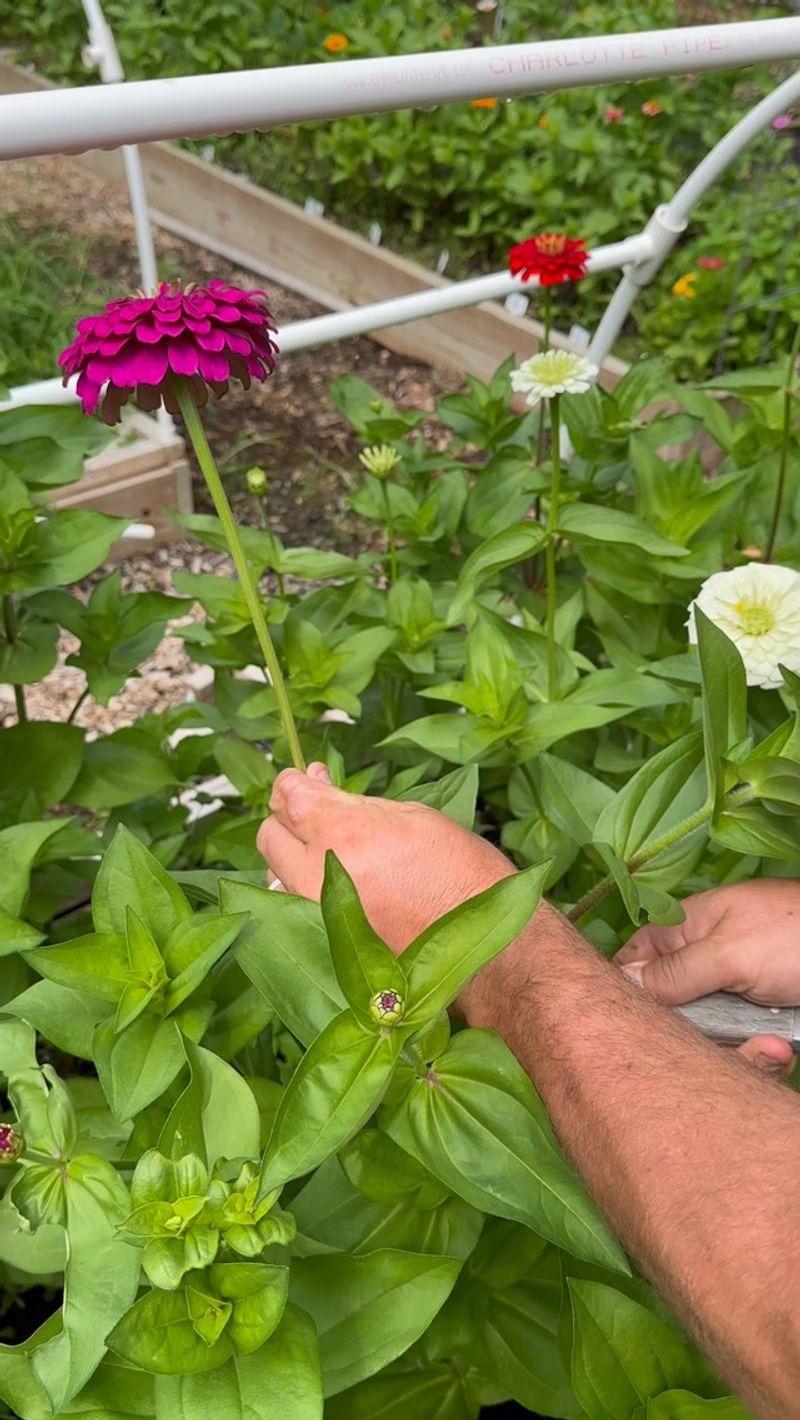
Crowded zinnias may look full and lush, but all those packed leaves trap warm, wet air inside the plant. That trapped humidity is exactly the cozy home powdery mildew wants after days of rain.
Picture a bunch of people squeezed into a small room with no windows. The air gets thick and damp fast.
Zinnias jammed together create the same sticky pocket, and moisture lingers on the leaves long after the rain stops.
Thinning your plants gives each one room to breathe. When seedlings first pop up, pull out the weaker ones so the strongest have space to stretch.
Your North Carolina Garden Changes Every Week. Your Plan Should Too.
Gardening in North Carolina changes quickly throughout the season. Every Friday you’ll receive a simple weekly plan showing exactly what to plant, prune, fertilize, harvest, and protect so you never miss the right timing.
Most zinnias do well when planted about eight to twelve inches apart, depending on the variety.
If your bed is already full grown, you can still help. Snip a few crowded stems here and there to open up the middle of the clump.
Focus on removing stems that cross over each other or block the center from getting light and air.
Thinning might feel harsh at first, since you are removing healthy growth. Trust the process. Fewer plants with plenty of space produce more blooms than a jammed cluster fighting for air.
You will notice the difference after the next rainstorm. Leaves dry faster, the plants look tidier, and mildew has a much harder time getting a grip.
A little space now saves you a lot of trouble later, and your zinnia patch stays colorful and strong through North Carolina’s muggy summer weeks.
Remove Damaged Leaves
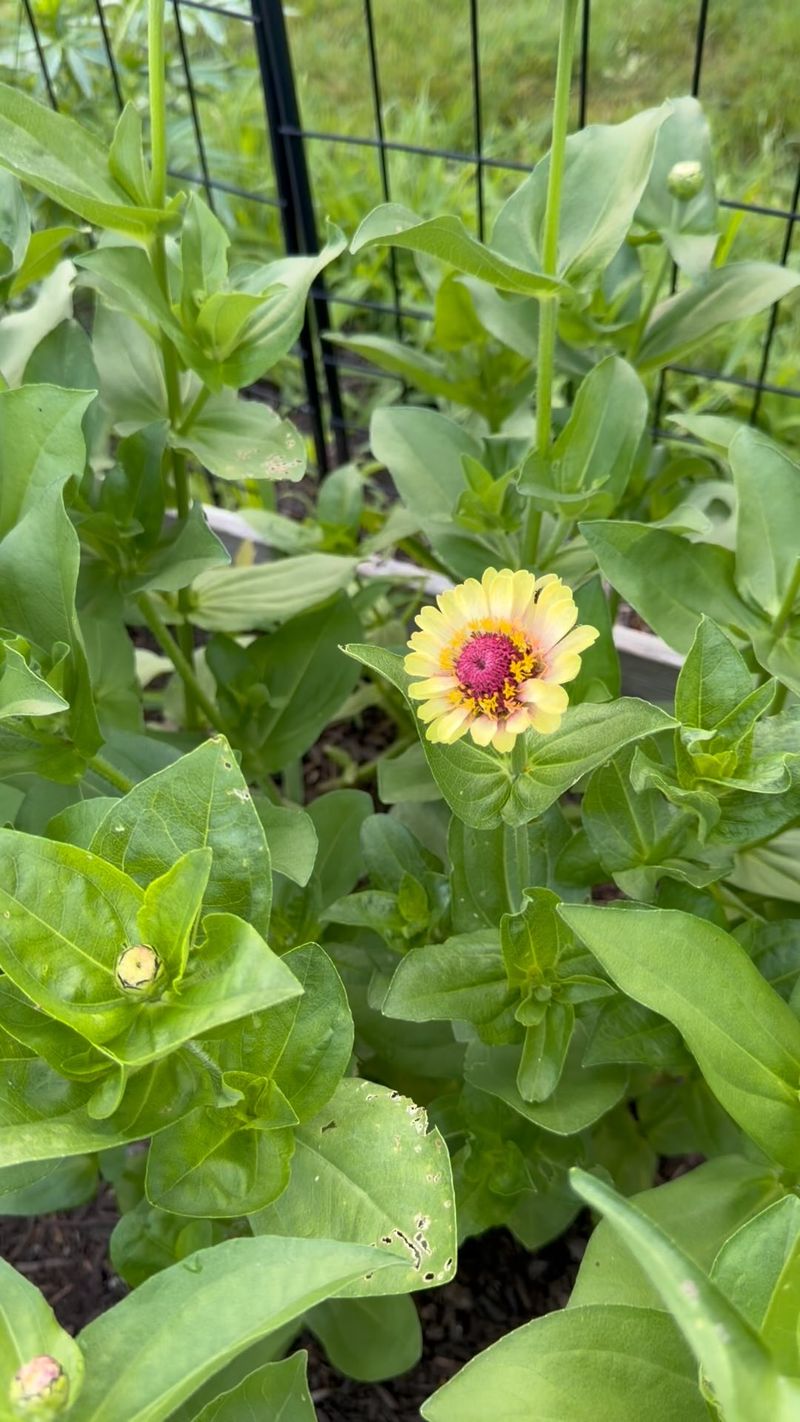
Once you spot leaves with that telltale white, dusty coating, it pays to act quickly. Removing damaged foliage slows the spread and gives the rest of the plant a fighting chance.
Powdery mildew works like a slow-moving stain. It starts on one leaf, then sends tiny spores drifting to neighbors nearby.
Every infected leaf you leave behind becomes a launching pad for more trouble across your flower bed.
Grab a clean pair of scissors or garden snips and cut off the worst leaves. Pinch or clip near the stem so you get the whole leaf, not just the tip. Try to work on a dry day so spores are less likely to scatter as you move around.
What you do with the clippings matters too. Toss infected leaves in the trash rather than the compost pile, since compost can let spores survive and return next season.
Wiping your snips with rubbing alcohol between plants keeps you from carrying the problem along.
Do not strip the plant bare. Removing too many leaves at once stresses the zinnia and cuts down on blooms. Take the badly spotted ones and leave the healthy green foliage to keep growing.
Checking your plants every few days after rain helps you catch problems early. A quick clean-up session takes only minutes, but it keeps mildew from taking over.
Staying on top of it means brighter flowers, stronger plants, and a garden that looks cared for all season.
Water At The Soil Line
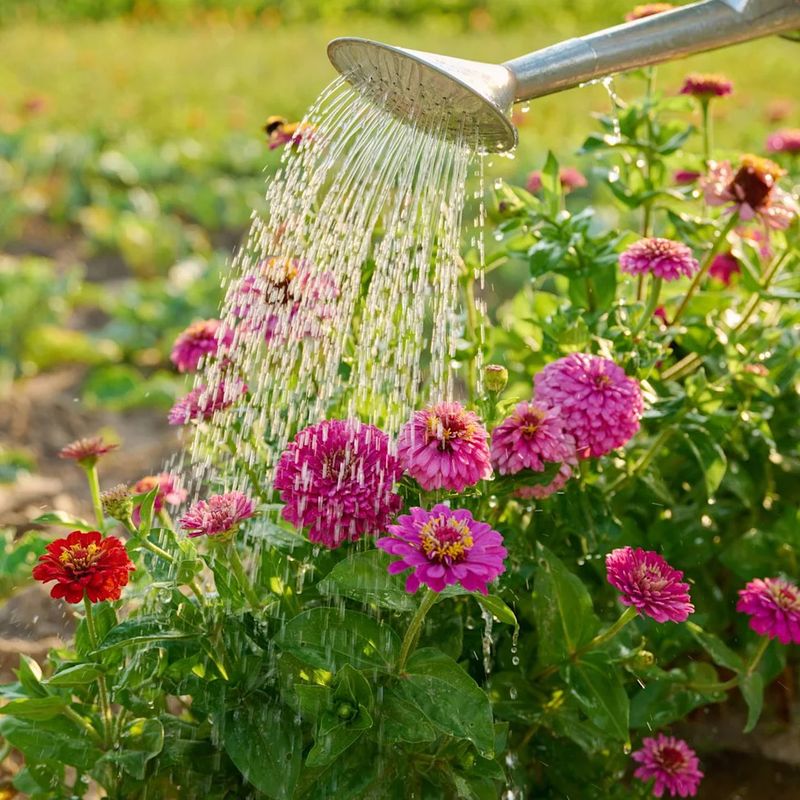
How you water your zinnias matters just as much as how often. Aiming for the soil instead of splashing the leaves keeps foliage drier and far less friendly to mildew.
Wet leaves are like an open invitation for disease. Every time water sits on top of a leaf, it creates the damp surface spores need to grow.
Watering the base skips that step and sends moisture straight to the roots where it belongs.
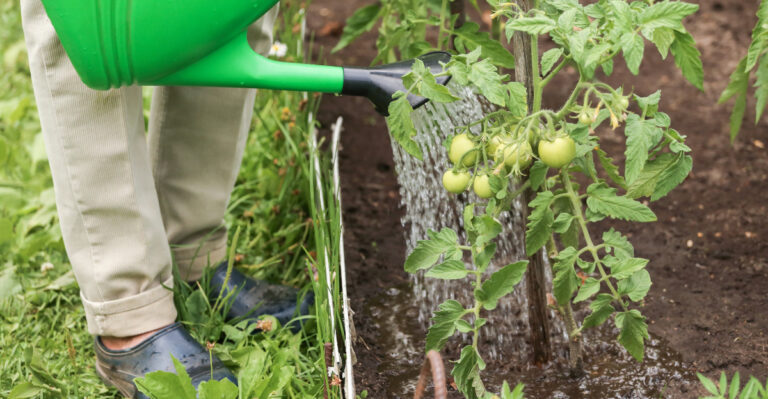
Try using a watering can with a long spout or a soaker hose that lets water seep slowly into the ground. Drip irrigation works wonderfully too, since it delivers water low and steady without any overhead spray.
Timing helps as well. Water early in the morning so any stray drops dry off fast in the sun. Evening watering leaves plants damp overnight, and cool wet leaves are exactly what mildew loves.
After a rainy spell, you might not need to water much at all. Check the soil with your finger first. If it feels moist an inch down, hold off and let things dry out before adding more.
Roots that get deep, steady watering grow stronger and support taller stems with more blooms. Meanwhile, dry leaves stay clean and green.
Making this one small switch in your watering habit protects your zinnias from a whole range of leaf troubles, and it saves water too. Your flowers stay lush, and you spend less time fighting problems all summer.
Let The Sun Reach Inside
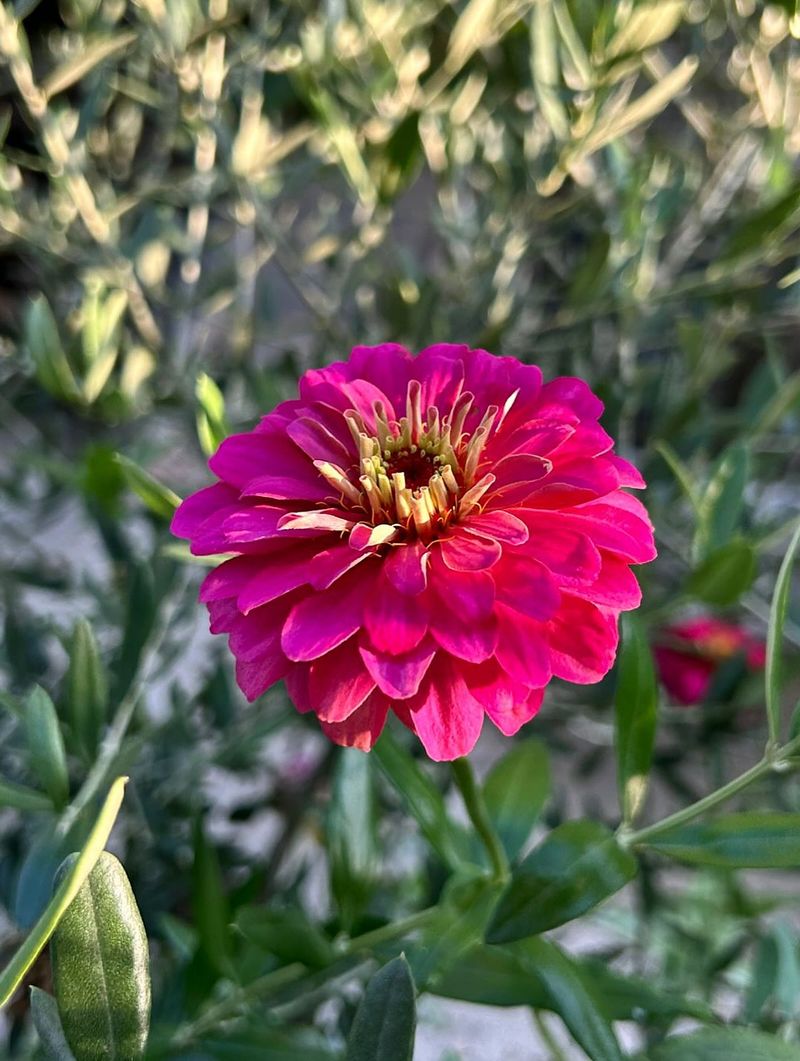
Sunlight is a natural mildew fighter, and zinnias soak it up happily. When bright light reaches deep into the plant, it warms the leaves, dries the moisture, and makes the whole area less welcoming to disease.
Mildew thrives in shady, damp corners where the air stays cool and still. Open, sunny beds do the opposite. The warmth burns off dew and rain fast, so leaves spend less time wet after a storm.
Plant your zinnias where they get at least six hours of direct sun each day. A spot that catches morning light is especially helpful, since it dries the plants early before humidity builds.
Spacing plays a big part here too. When plants sit close together, the outer leaves shade the inner ones, and those inner leaves stay damp and dark.
Giving each plant room lets sunshine slip between the stems and reach every part of the canopy.
Take a look at nearby trees or tall shrubs. If they cast long shadows over your flower bed for much of the day, your zinnias may struggle to dry out. Trimming back a branch or moving the bed can make a real difference.
Sun-drenched zinnias grow sturdier, bloom more, and show off richer colors. The light does double duty by keeping leaves dry and fueling healthy growth at the same time.
Pair good sun with smart spacing, and you build a garden that shrugs off mildew even during North Carolina’s stickiest, rainiest stretches.
Check Lower Leaves First
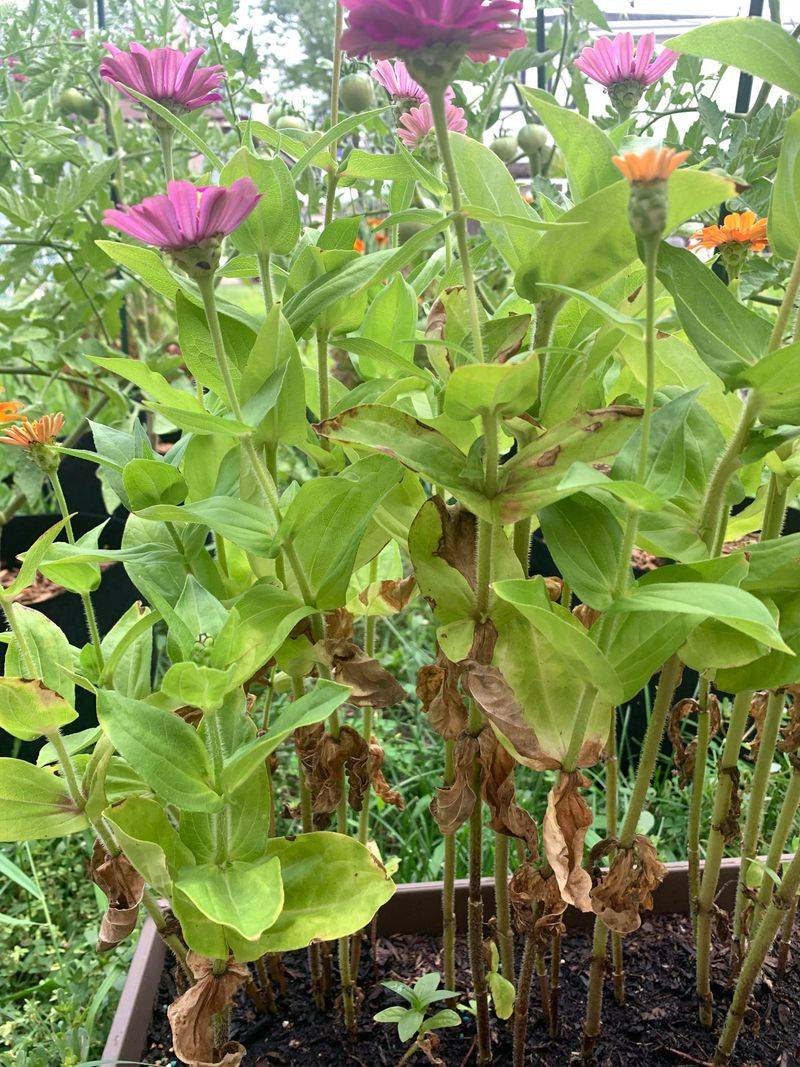
When you go hunting for early signs of mildew, start at the bottom of the plant. The older, lower leaves usually show the first fuzzy white spots before the trouble climbs upward.
There is a reason mildew picks those leaves first. Lower foliage sits close to the ground where air moves slowly and moisture hangs around longest. Splashing rain also flings soil and spores up onto those bottom leaves.
Get in the habit of lifting a few lower leaves and peeking underneath every few days. Powdery mildew often hides on the shaded undersides where you might miss it at a glance. Catching it early gives you the upper hand.
Older leaves are also weaker than fresh new growth. As they age, their natural defenses fade, making them an easy target. That is why a plant can look perfectly healthy up top while trouble is quietly starting below.
If you find spots on those lower leaves, clip them off right away and clean up any leaves that have fallen to the ground. Fallen foliage keeps spores alive and ready to jump back onto the plant.
Regular bottom-up checks turn you into an early responder instead of a firefighter. You handle small problems before they spread to the pretty blooms above.
It only takes a minute during your usual garden stroll, and the payoff is huge. Healthy lower leaves support the whole plant, so keeping an eye on them helps your zinnias stay vibrant right through the season.
Avoid Too Much Nitrogen
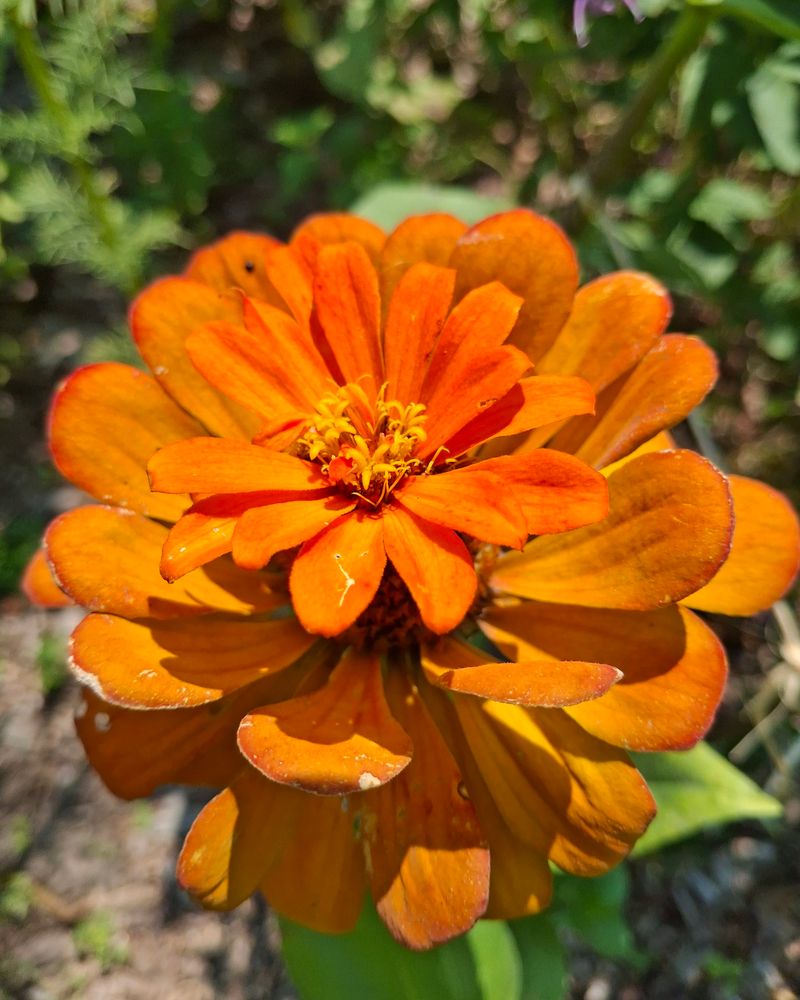
Fertilizer feels like a gift to your plants, but too much of the wrong kind can backfire. Heavy nitrogen pushes zinnias to grow soft, leafy, and tender, and that tender growth is exactly what mildew targets.
Nitrogen is the nutrient that fuels leaves and stems. A little helps plants fill out nicely. Pile on too much, though, and you get a burst of weak, watery leaves that disease slips into easily.
Soft new growth has thin cell walls that spores can pierce with little effort. Firm, steady growth resists infection far better. So the goal is balance, not a big feeding rush.
Choose a fertilizer made for flowers, one with a good dose of phosphorus and potassium rather than a nitrogen-heavy lawn blend. Those nutrients encourage strong roots and lots of blooms instead of floppy foliage.
Follow the directions on the label and resist the urge to add extra. More is not better here. Feeding lightly every few weeks beats dumping a large amount all at once.
Zinnias are actually pretty easygoing plants. They often do well in average soil with just a modest boost.
If your leaves look huge and green but flowers are scarce, that is a sign you have gone too heavy on nitrogen. Dialing back your feeding gives you sturdier plants that stand up to humid weather.
You end up with more of those bright, cheerful blooms and far fewer mildew headaches. A gentle hand with fertilizer keeps your garden balanced and beautiful.
Choose Resistant Zinnias
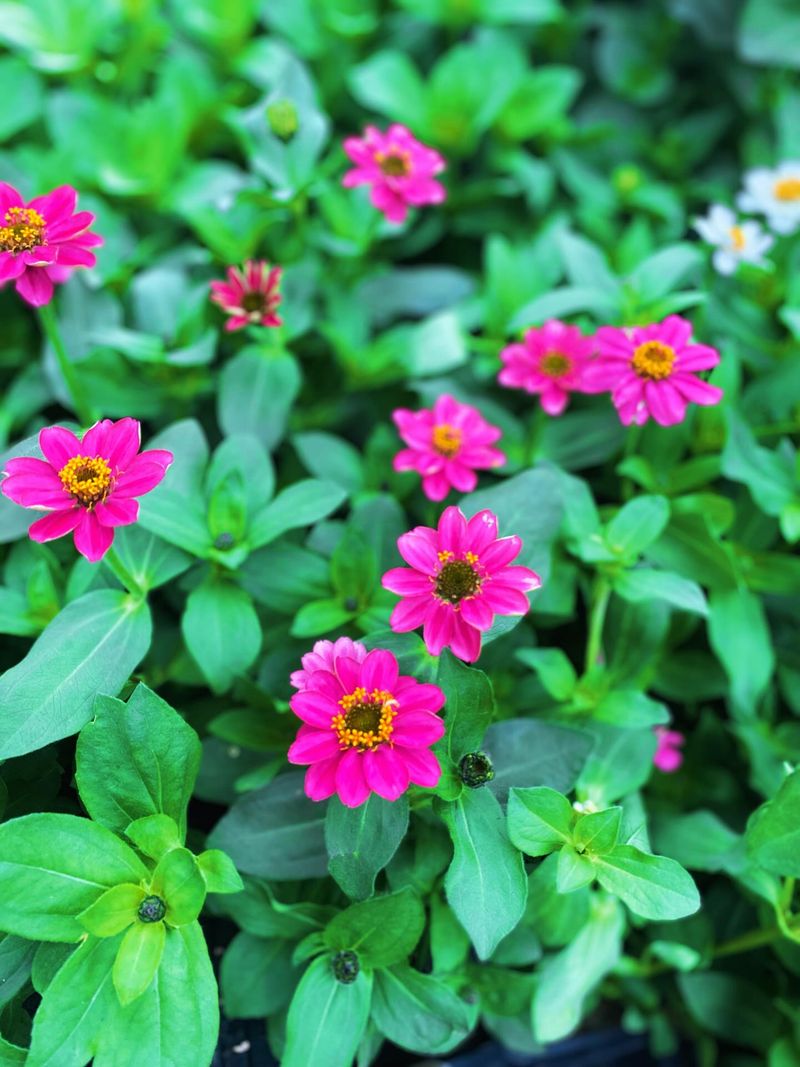
Sometimes the smartest way to beat mildew is to start with plants that fight it naturally. Certain zinnia varieties are bred to resist powdery mildew, and they are a wonderful pick for North Carolina’s humid gardens.
Not all zinnias handle dampness the same way. Some tall, old-fashioned types get mildew easily when the air turns muggy.
Others have been developed over years to shrug off the very conditions that trouble their cousins.
The Profusion and Zahara series are two popular groups known for standing up to mildew. They bloom nonstop, come in loads of colors, and keep their leaves cleaner through wet spells.
Gardeners love how little fuss they need. When you shop for seeds or plants, read the labels and tags. Words like disease resistant or mildew resistant tell you the variety was chosen for tougher performance.
Those few extra seconds of reading save you weeks of worry later. Resistant does not mean invincible, though. Even tough varieties still enjoy good airflow, smart watering, and plenty of sun.
Pairing strong genetics with good care gives you the best possible results. Starting with the right plant is like building on a solid foundation. You spend less time treating problems and more time enjoying the flowers.
For anyone tired of battling that chalky white coating year after year, switching to a resistant type can feel like a fresh start. Your garden stays colorful, your work gets easier, and those cheerful blooms keep coming all summer long.