7 Old Fashioned Garden Plants Making A Comeback In North Carolina Gardens
Plants that filled grandmother’s garden decades ago are quietly reappearing in North Carolina yards, surprising longtime gardeners who assumed these varieties had gone out of style for good.
Younger gardeners, in particular, are rediscovering these old fashioned favorites for reasons that go well beyond simple nostalgia.
There’s a practical explanation behind this growing trend, one that becomes obvious once you understand what these plants actually offer compared to more modern varieties.
Many people are surprised to learn how well these classic choices perform compared to trendier options sold at garden centers today.
Understanding this list could completely change what ends up going into your garden beds this year. Some of these plants might already be growing quietly in an older relative’s yard without anyone realizing their renewed popularity.
Once you know what’s making a comeback, you’ll likely start spotting these old favorites everywhere.
1. Marigolds Bring Back The Classic Summer Garden
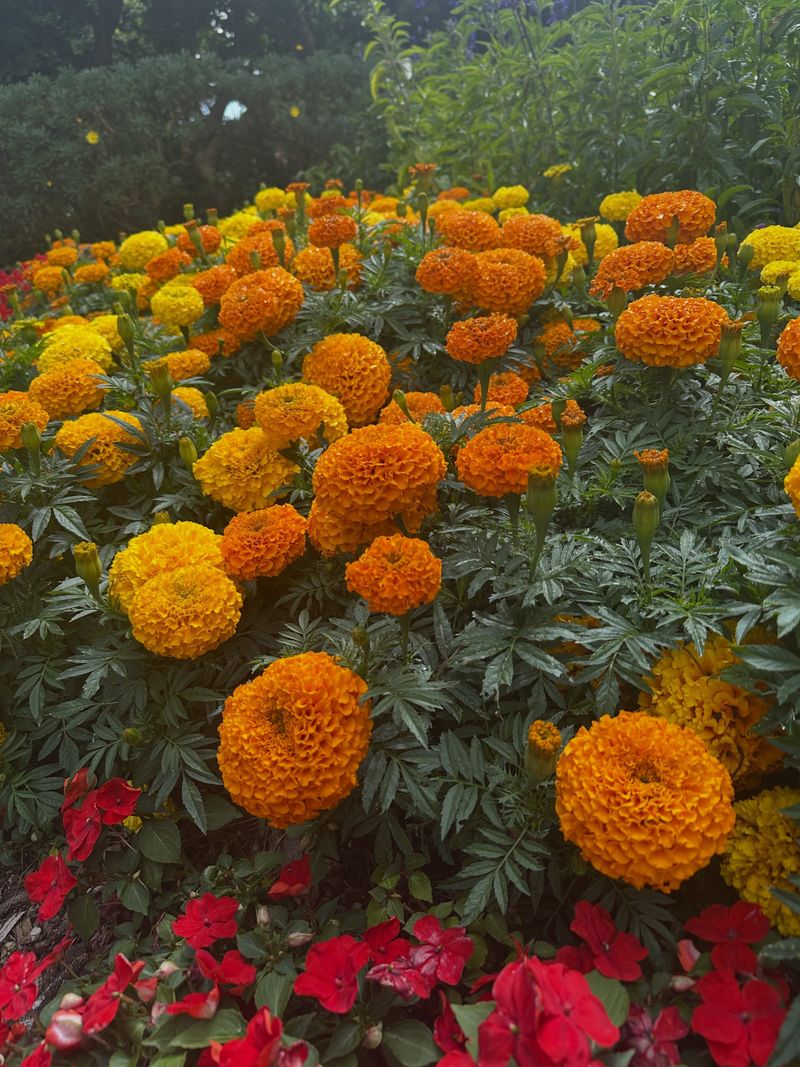
Nothing says a Southern summer garden quite like a row of golden marigolds soaking up the sun. Gardeners in North Carolina have grown these cheerful flowers for generations, and their bright colors still light up yards today.
Part of the reason marigolds stay so popular is how easy they are. You can drop a few seeds in the soil, give them plenty of sunshine, and they reward you with blooms all season long.
They handle our hot summers without much fuss, which makes them great for new gardeners.
Marigolds come in warm shades of orange, yellow, and deep red. Their long bloom season stretches from late spring until the first cool nights of fall. That means months of color with very little work on your part.
Old-time gardeners also planted marigolds near their vegetables for a good reason. The strong scent of the leaves helps keep certain pests away from tomatoes and beans. Because of that, marigolds became a smart companion plant in many family gardens.
To keep yours looking full and fresh, pinch off the faded flowers every week or so. This simple habit pushes the plant to make even more blooms. Water them when the soil feels dry, and they will thank you.
Whether you tuck them into pots on the porch or line them along a walkway, marigolds add instant warmth. They connect today’s gardens to the ones our families loved long ago, proving some classics never fade.
2. Zinnias Return To Grandma’s Cutting Garden
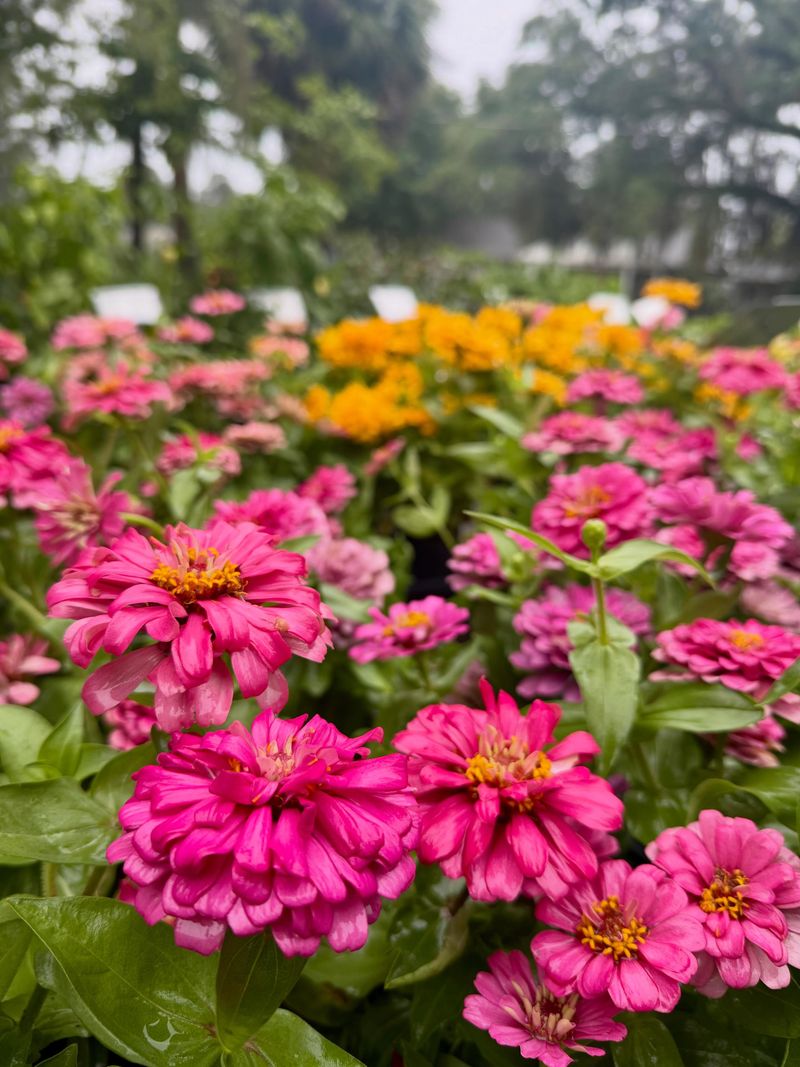
Picture a jar of homegrown flowers sitting on a kitchen table, and chances are those blooms were zinnias. These happy flowers were a staple in Grandma’s cutting garden, and they are making a strong comeback across North Carolina.
Zinnias have that old-fashioned look people love, with layers of petals in nearly every color you can imagine. Hot pink, sunny yellow, deep red, and soft peach all mix together beautifully.
A single packet of seeds can fill a whole bed with cheer. What makes them perfect for our state is their love of heat. While some flowers wilt in July, zinnias keep pumping out blooms even during the muggiest weeks of summer.
Your North Carolina Garden Changes Every Week. Your Plan Should Too.
Gardening in North Carolina changes quickly throughout the season. Every Friday you’ll receive a simple weekly plan showing exactly what to plant, prune, fertilize, harvest, and protect so you never miss the right timing.
They barely slow down until fall arrives. Cutting zinnias actually helps them grow better. Every time you snip a stem for a bouquet, the plant sends up more flowers to replace it.
That means the more you pick, the more you get to enjoy. Butterflies adore zinnias too, so your garden will buzz with visitors all season. Planting a patch near your porch gives you a front-row seat to the show.
Start seeds after the last frost in a sunny spot with decent soil. Space them out a bit so air can move around the leaves, which helps keep them healthy. Water at the base rather than over the top.
With their bold colors and generous nature, zinnias bring back the joy of homegrown bouquets and the simple pleasure of gardening the way our families once did.
3. Roses Keep Their Heirloom Charm
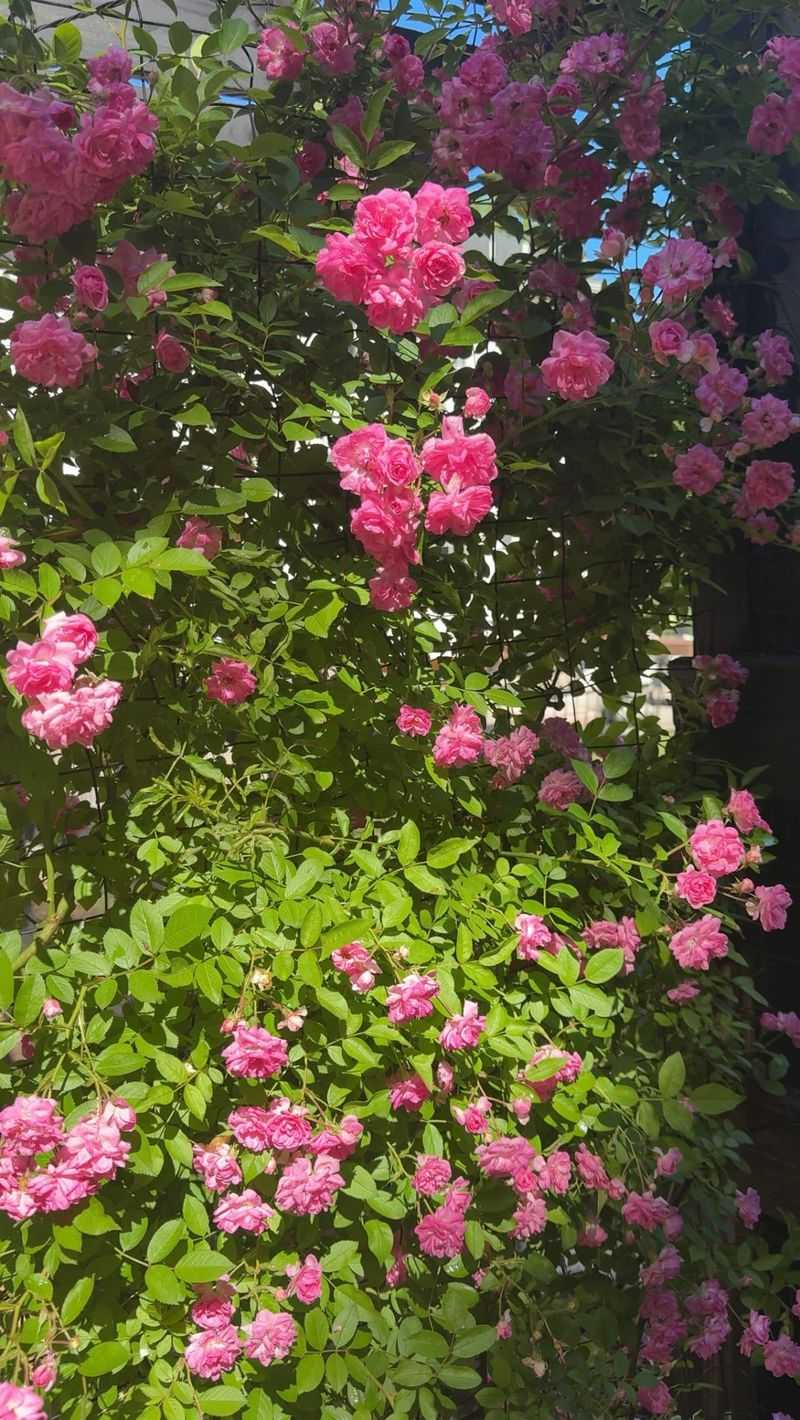
Few flowers carry as much history and romance as the rose. For hundreds of years, gardeners have planted them near porches, fences, and front gates, and North Carolina yards are welcoming them back in a big way.
Roses earned their fame with soft petals, sweet fragrance, and colors that range from creamy white to deep velvet red. Older gardens often had one special rosebush that bloomed year after year, becoming a family treasure passed down through time.
In the past, roses had a reputation for being fussy. They caught leaf spots and needed lots of spraying to stay healthy. That scared off many busy gardeners who wanted beauty without the extra chores.
Good news has arrived, though. Modern rose breeders have created tough, disease-resistant types that shrug off many common problems.
Groups like the Knock Out roses bloom for months and rarely need special care, which makes them a great match for our humid climate.
Give your roses a sunny spot with at least six hours of light each day. Plant them in rich soil that drains well, since soggy roots can cause trouble. A layer of mulch keeps the ground cool and holds in moisture.
Prune in late winter to shape the plant and remove any weak stems. This simple trim encourages fresh, strong growth in spring.
With easier varieties available now, anyone can enjoy the timeless beauty of roses. They bring that classic heirloom charm to modern gardens without all the old headaches.
4. Peonies Bring Back Cottage Garden Memories
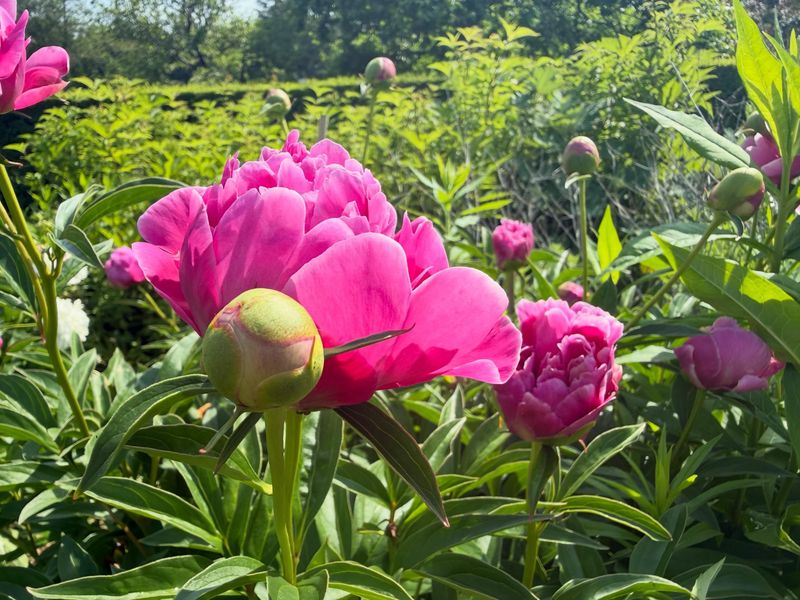
When peonies burst open in spring, their huge, ruffled flowers look almost too pretty to be real. These beloved plants filled cottage gardens long ago, and gardeners across North Carolina are rediscovering their old-fashioned magic.
Peonies produce some of the largest blooms you can grow, often the size of a softball. Their petals come in dreamy shades of pink, white, and rich rose. Many types carry a soft, sweet scent that drifts across the yard on a spring breeze.
One of the best things about peonies is their long life. Once planted in the right spot, a single plant can keep blooming for decades. That makes them a wonderful gift to pass along to family or neighbors.
Choosing the correct location matters most in our state. Peonies need full sun and cool winter chill to bloom their best, so cooler mountain and Piedmont areas often suit them well. Pick a spot with rich, well-draining soil.
Plant the roots shallow, with the little buds sitting just an inch or two below the surface. Planting them too deep is the most common reason they refuse to flower.
The plants stay small the first year while their roots settle in. Be patient, because your reward grows bigger each spring that follows.
A few peony bushes can turn an ordinary yard into a storybook scene. Their giant blooms and lasting beauty bring back the cozy, romantic feel of cottage gardens that families cherished for generations.
5. Hollyhocks Add Old-Fashioned Height
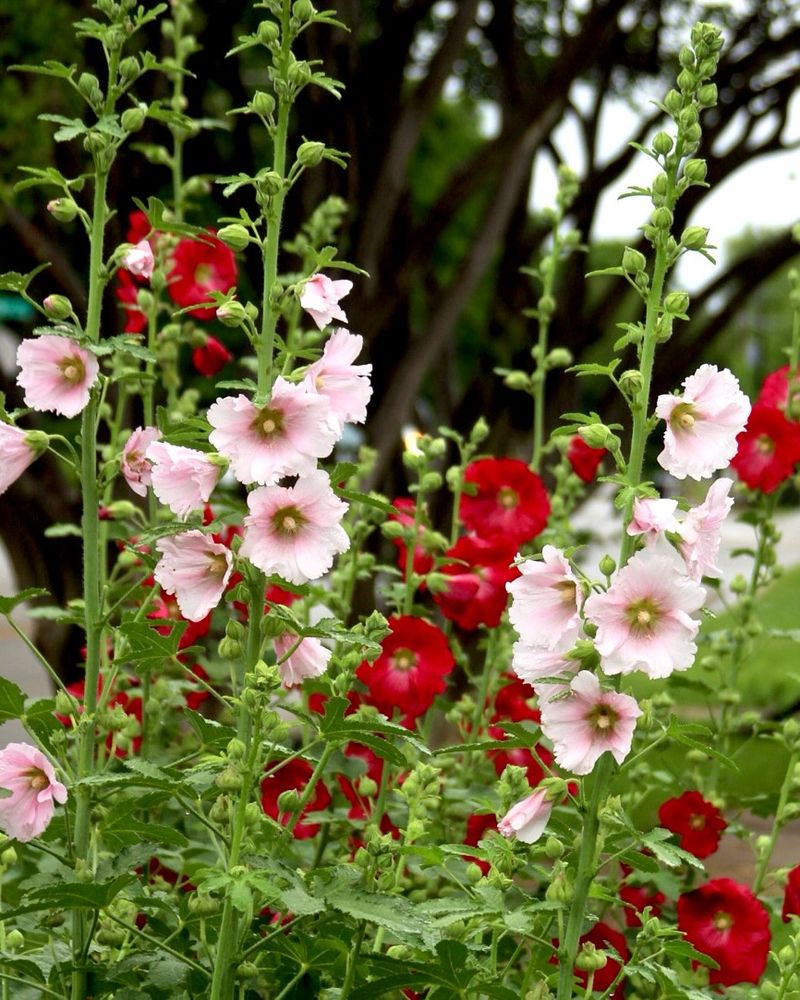
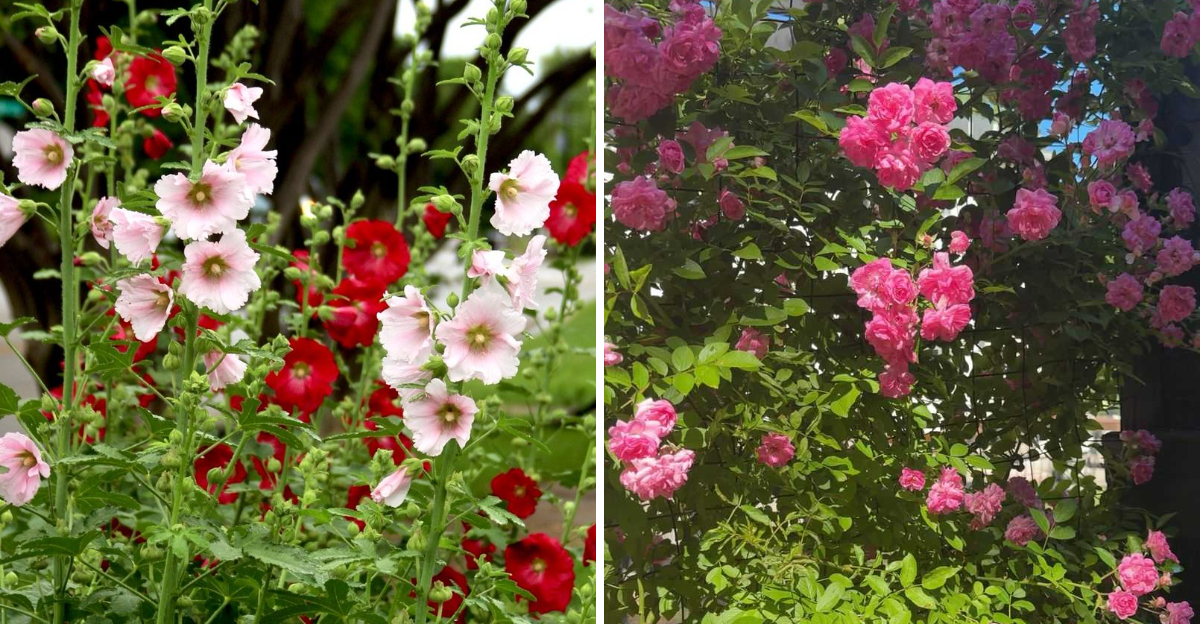
Standing tall along fences and barns, hollyhocks give a garden that dreamy, old-country look. These towering flowers can reach several feet high, and they are climbing their way back into North Carolina gardens.
Hollyhocks grow on long spikes covered in wide, cup-shaped blooms. Colors range from soft pink and white to deep maroon and buttery yellow.
Their height makes them perfect for the back of a flower bed or against a wall where they can show off.
Gardeners love them for that classic cottage feel. A row of hollyhocks instantly makes a yard look charming, like something from an old painting or a country postcard.
Because they grow so tall, they sometimes need a little support. Planting them next to a fence or wall helps hold the stems steady during summer storms and gusty winds.
Humidity can be a challenge here, since crowded leaves may catch rust spots. Giving each plant plenty of room helps air flow freely and keeps the foliage healthier. Watering at the base instead of the leaves also makes a big difference.
Hollyhocks often act like biennials, meaning they grow leaves the first year and flower the second. Once they settle in, they drop seeds and pop up again on their own, which feels like a fun surprise.
Bees and butterflies flock to their open blooms all summer long. With a little planning and good spacing, hollyhocks bring cheerful, old-fashioned height that makes any garden feel special.
6. Garden Phlox Returns To Flower Borders
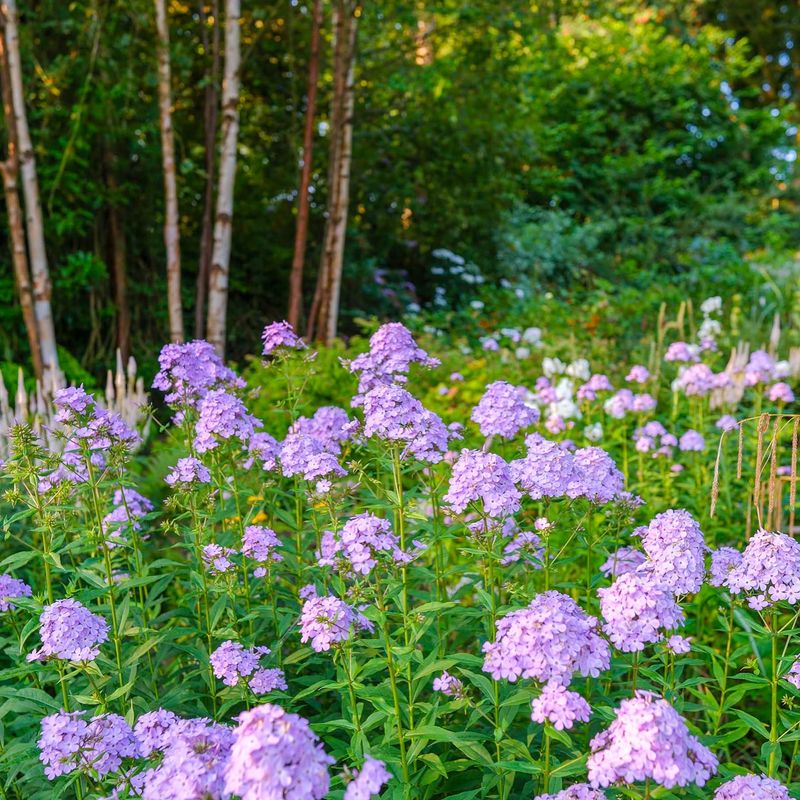
Sweet-smelling and full of color, garden phlox has quietly been a favorite for well over a century. This dependable perennial is finding its way back into North Carolina flower borders, and for good reason.
Phlox grows in rounded clusters of small flowers that sit on top of sturdy stems. The blooms come in pink, purple, white, and red, and they release a lovely fragrance that fills the summer air.
Planted in groups, they create a soft, cloud-like wave of color. Butterflies and hummingbirds cannot resist these flowers. On a warm afternoon, a patch of phlox becomes a busy landing pad for all kinds of pollinators.
One challenge with older types was powdery mildew, a white coating that can appear on leaves during humid weather. Since North Carolina summers stay muggy, this used to be a real problem for gardeners.
Thankfully, plant breeders have developed mildew-resistant varieties that stay clean and green all season. Choosing these newer types saves you a lot of trouble and keeps your border looking fresh.
Give phlox a sunny or lightly shaded spot with rich soil. Space the plants apart so air can move between them, which cuts down on mildew even more. Water at the roots to keep the leaves dry.
Cutting back the stems after blooming can sometimes bring a second round of flowers. As a perennial, phlox returns faithfully each summer, growing fuller over the years. With its scent and lasting color, garden phlox brings timeless beauty back to the border.
7. Black-Eyed Susans Bring Back A Wildflower Feel
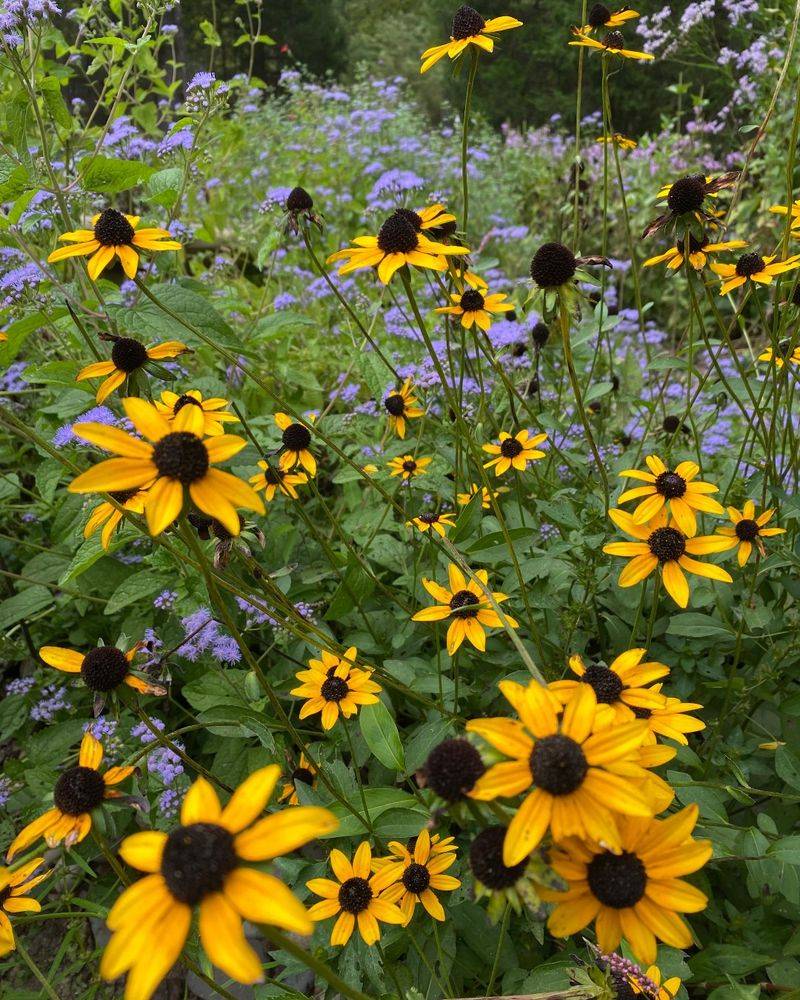
Golden petals circling a dark brown center make black-eyed Susans one of the most cheerful sights in any garden. These native wildflowers give yards a relaxed, meadow-like feel, and North Carolina gardeners are planting them again with pride.
Black-eyed Susans grow wild across much of the South, so they feel right at home in our climate. That toughness is a huge bonus.
They handle heat, poor soil, and dry spells without complaint, making them ideal for busy or beginning gardeners.
Their sunny blooms appear from midsummer into fall, keeping color going when many other flowers start to fade. Planted in a big group, they create a bright golden sweep that catches every eye.
Pollinators treasure these flowers. Bees and butterflies visit the blooms for nectar, and later, small birds like goldfinches enjoy the seeds. Leaving the spent flower heads through fall gives wildlife a helpful food source.
Because they spread on their own, black-eyed Susans slowly fill in bare spots over time. This makes them perfect for a natural, informal garden style rather than a tidy, formal one.
Plant them in full sun for the best show. They are not picky about soil, though decent drainage keeps them happiest. Once established, they need very little watering.
Divide clumps every few years to keep them strong and to make new plants for other beds. With their easygoing spirit and glowing color, black-eyed Susans bring back that carefree wildflower charm that makes a garden feel warm, welcoming, and alive.