Which North Carolina Trees To Prune In September And Which Ones To Leave Alone
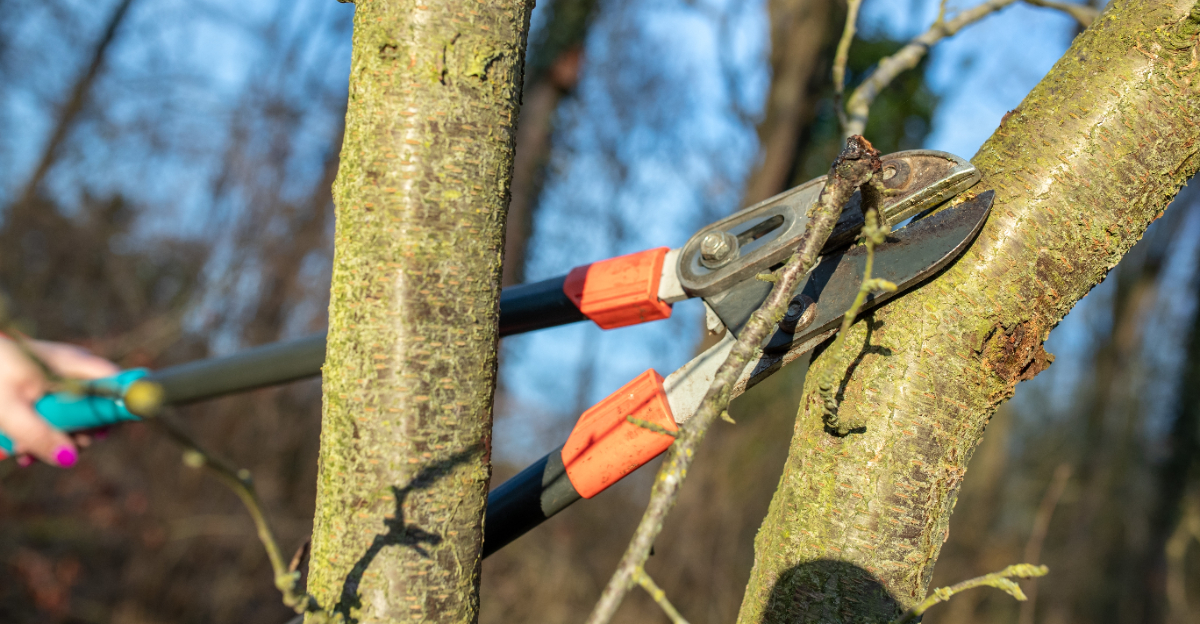
September feels like an obvious time to tackle overdue tree pruning, especially as yard cleanup starts creeping back onto everyone’s mind.
But not every North Carolina tree responds well to cuts made this time of year, and getting it wrong can cause more harm than the mess you were trying to fix.
Some trees genuinely benefit from September attention, while others need to be left completely alone until a different season arrives.
Knowing exactly which category your trees fall into changes how you should approach this month’s yard work entirely.
Many homeowners assume all pruning follows the same general rules, missing important distinctions that matter a lot more than expected. Understanding this list now could prevent damage that takes years to fully recover from.
Getting the timing right here makes all the difference between healthy growth and an unnecessary setback.
1. Prune Dogwoods
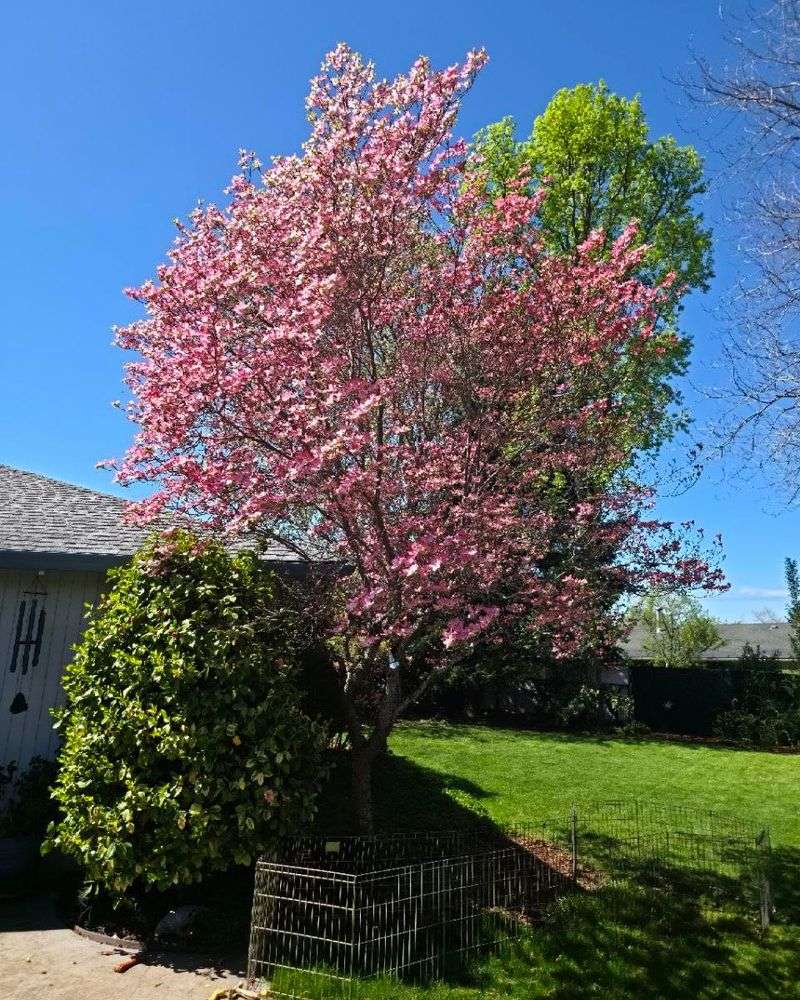
Dogwoods hold a special spot in Carolina yards, with their layered branches and soft spring blooms. Come September, they can pick up broken twigs, wilted limbs, or spots touched by disease.
Clearing away those trouble spots is perfectly fine right now. When you snip off a branch that looks sick or snapped, you stop problems from spreading to healthy wood.
Anthracnose, a fungus that bothers dogwoods, loves to hide in weak limbs, so removing them helps the whole tree breathe easier.
The trick is keeping your cuts light and simple. This is not the time to reshape the tree or thin out big sections. Heavy shaping in early fall can push new growth that will not harden before cold weather arrives.
Reach for clean, sharp tools and wipe the blades between cuts, especially if you spot disease. That small habit keeps you from carrying germs from one branch to the next.
Cut just outside the raised collar where the branch meets the trunk. That spot heals fastest and keeps the tree strong.
Once you finish, step back and take a look. A tidy dogwood with its damaged parts gone will handle the coming winter far better than one left cluttered.
Save any real reshaping for late winter, when the tree rests and you can clearly see its bones. For now, think of your September work as gentle first aid rather than a full makeover, and your dogwood will thank you next spring.
2. Prune Storm-Damaged Maples
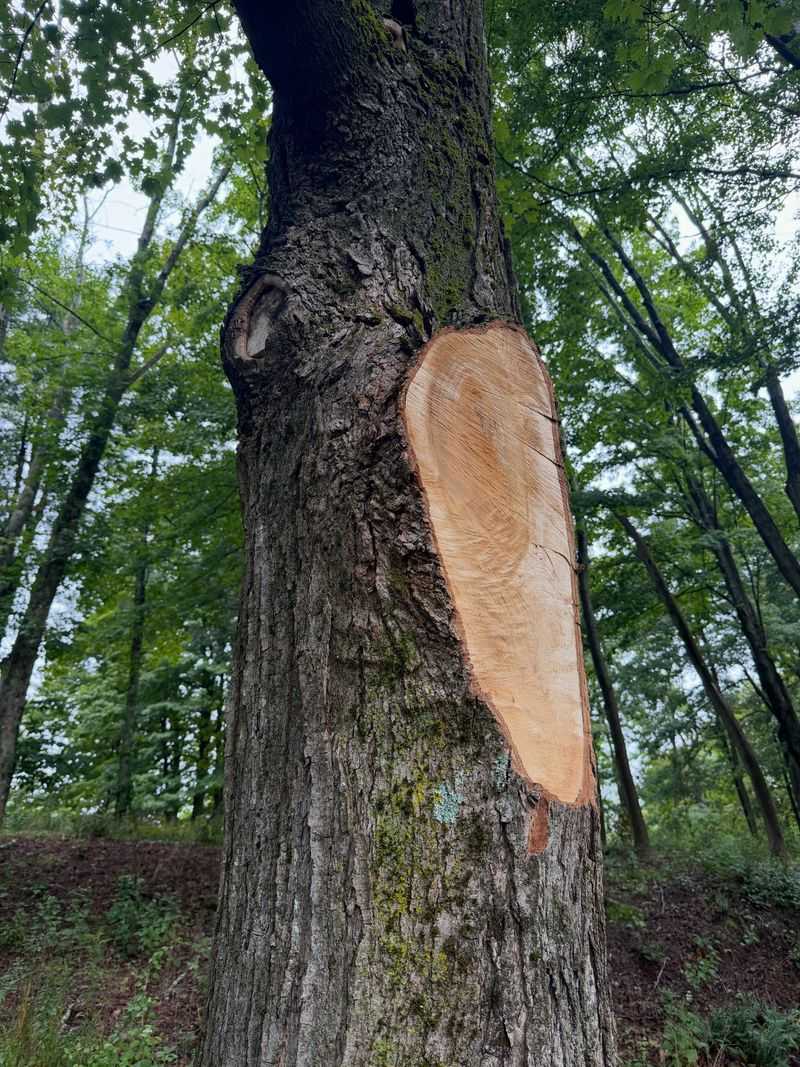
Summer storms roll through North Carolina with wind and rain that can leave maples with cracked or dangling limbs. Those hanging branches are more than an eyesore, and waiting until winter to deal with them is a risky idea.
A limb that hangs by a thread can drop without warning onto a car, a fence, or someone walking below. Because of that danger, safety trumps the usual pruning calendar every time.
Removing a broken maple branch right away protects your family and your property. It also helps the tree, since a torn limb leaves a ragged wound that invites pests and rot.
Clean cuts heal much better than jagged tears. Trim back to healthy wood just past the branch collar, and the tree can seal the spot on its own.
Your North Carolina Garden Changes Every Week. Your Plan Should Too.
Gardening in North Carolina changes quickly throughout the season. Every Friday you’ll receive a simple weekly plan showing exactly what to plant, prune, fertilize, harvest, and protect so you never miss the right timing.
For limbs high overhead or near power lines, calling a certified arborist is the smart move. Professionals have the gear and training to work safely at heights, and they know how to spot hidden cracks you might miss.
Keep your fall cleanup focused only on the damaged parts. Big shaping jobs, like thinning the whole canopy, belong in the dormant season when the tree is resting.
Maples can bleed sap heavily when cut during active growth, though the tree handles it fine when the goal is removing a real hazard. After clearing the mess, water the tree well and add mulch. A little care now sets your maple up for a strong comeback next spring.
3. Prune Dry Oak Branches
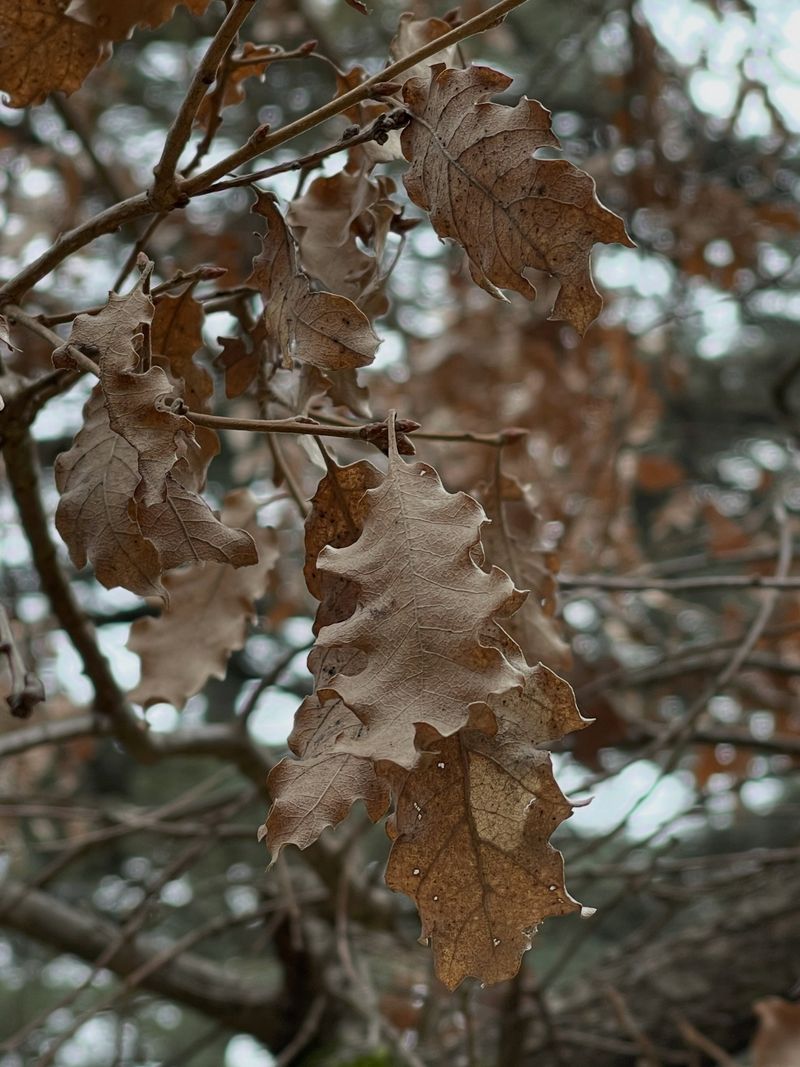
Mighty oaks give Carolina yards shade that lasts for generations, but even these giants grow limbs that stop living over time. When you spot a bare, brittle branch with no leaves in September, that one is safe to remove.
Getting rid of lifeless or hazardous limbs protects everything below. A heavy oak branch that lets go can cause real harm, so clearing it out is smart safety planning.
Here is the important part. Major oak pruning, like thinning the canopy or shortening big living limbs, should wait for the dormant months of late fall and winter.
Oaks in the South face a serious threat called oak wilt, a fungus that spreads through fresh cuts during warm weather. Beetles carry the disease from tree to tree, and they are most active while the weather stays mild.
By limiting your September work to branches that are already lifeless, you avoid opening fresh wounds that could invite trouble. A limb with no living tissue does not attract those beetles the way a green cut does.
Use proper cuts just outside the branch collar, and never leave a stub. Clean tools matter here too, so wipe your blades before moving to another tree.
If the branch is large or high up, hire a trained arborist rather than climbing yourself. Oaks reward patience, and saving the big shaping jobs for cold weather keeps them thriving. For now, tidy up the obvious hazards and let your oak stand proud through the season.
4. Prune Small Fruit Tree Problems
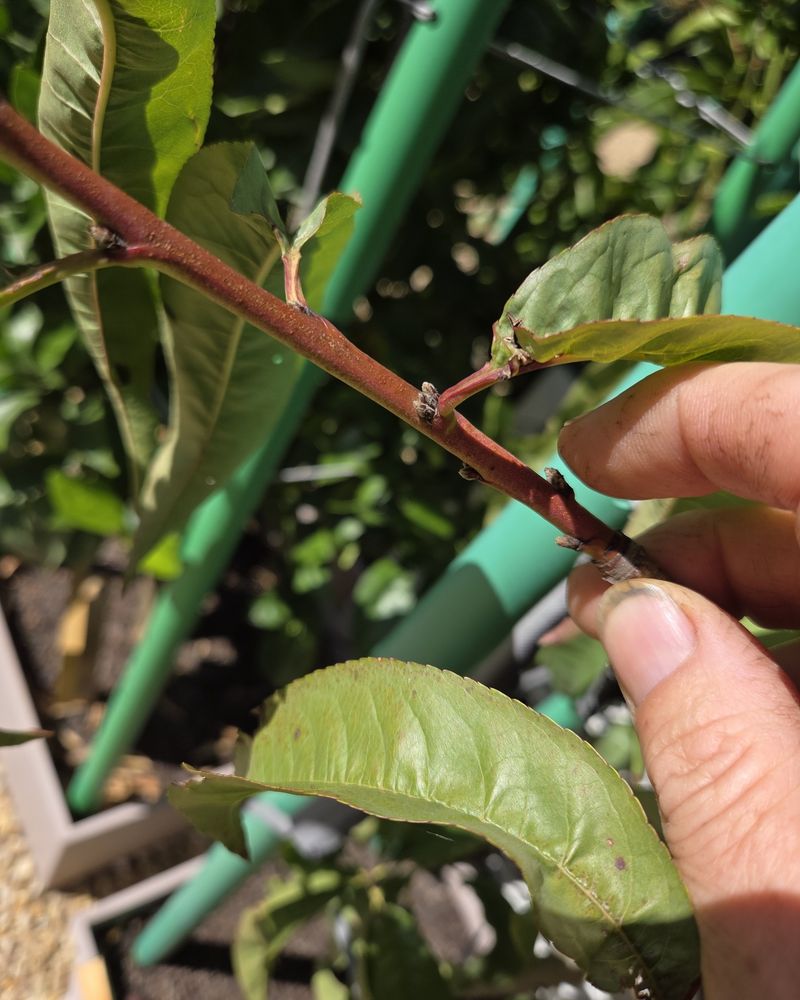
Backyard fruit trees like apple, peach, and plum work hard all summer to give you a tasty harvest. By September, some of their branches may look broken, lifeless, or tangled together, and those trouble spots are fair game whenever they show up.
Snipping off a snapped limb or one with no life left helps the tree focus its energy on the parts that count. It also keeps pests and fungus from settling into weak wood.
Crossing branches deserve attention too. When two limbs rub against each other, they wear away the bark and open little wounds that invite problems.
Removing one of the rubbing branches lets air and light move freely through the tree. Good airflow means fewer fungal issues and sweeter fruit next season.
Keep these fall cuts on the small side. This is spot treatment, not the big shaping job that fruit trees usually get in late winter.
Heavy pruning now could push tender new shoots that will not toughen up before cold weather. Those soft shoots often struggle when frost arrives.
Grab clean, sharp tools and cut just past the branch collar for the fastest healing. Pick up any fallen fruit and trimmings from the ground too, since old fruit can harbor pests over winter.
A quick cleanup keeps your little orchard tidy and healthy heading into the cooler months. Save the real shaping and thinning for the dormant season, and your fruit trees will reward your patience with a strong, sweet crop when spring rolls back around.
5. Leave Crape Myrtles Alone
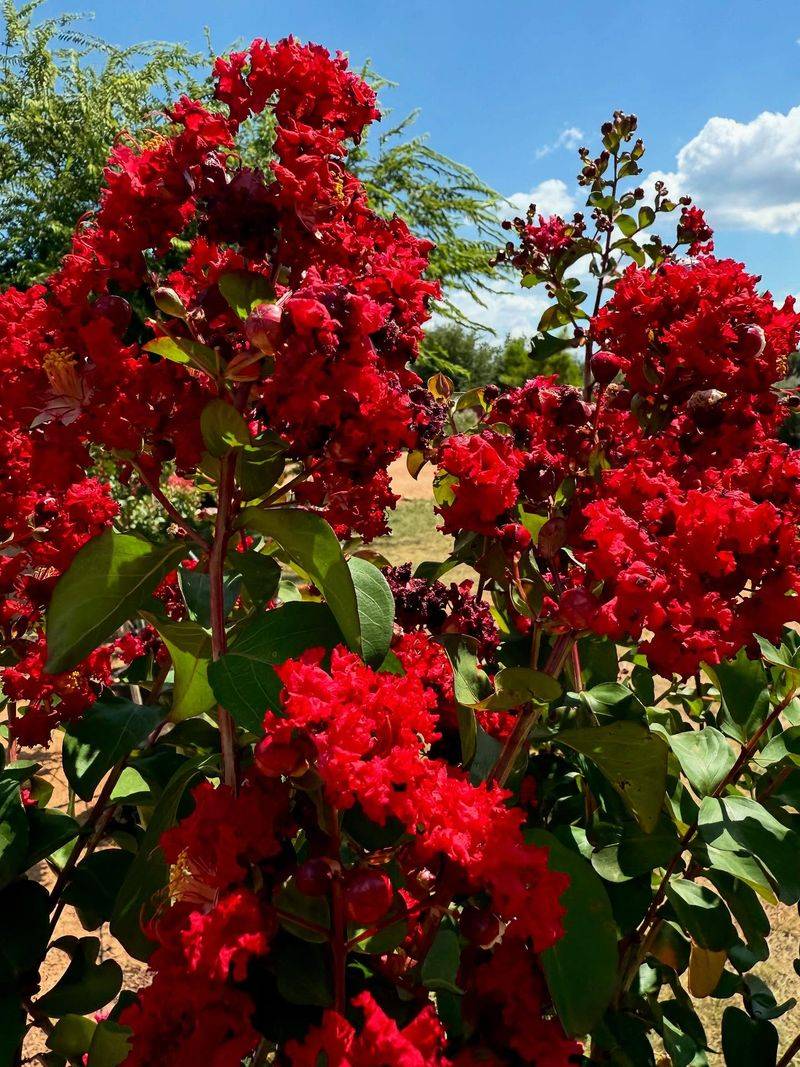
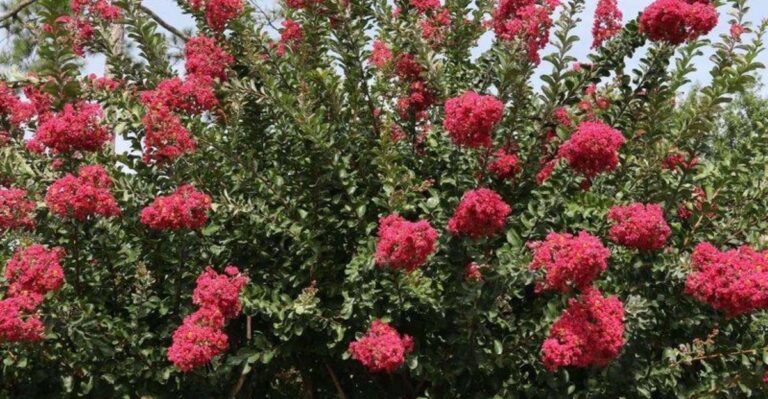
Crape myrtles light up Carolina neighborhoods with clouds of pink, white, and purple blooms all summer long. As tempting as it is to shape them in September, this is the wrong month to reach for the saw.
Cutting these trees now can spark fresh growth that has no time to toughen before winter. Those tender new shoots often suffer once cold weather settles in.
There is another good reason to hold back. Heavy fall cuts can rob the tree of the natural shape and pretty bark that make crape myrtles so special.
You may have seen trees chopped down to ugly stubs. That harsh style weakens the tree and leaves knobby scars that never really look right.
Late winter is the golden window for shaping. When the tree rests and its branches are bare, you can clearly see where to make thoughtful cuts.
Trimming in February or early March also lets the tree pour its spring energy into healthy new blooms. The timing lines up perfectly with its natural rhythm.
For now, simply enjoy the show. Let the seed pods and colorful bark add texture to your fall and winter garden.
If a branch is truly broken, you can remove that single limb for safety. Otherwise, keep your tools in the shed and admire the tree as it is. A little patience now leads to a fuller, prettier crape myrtle when the warm days return next year.
6. Leave Flowering Dogwoods For Winter
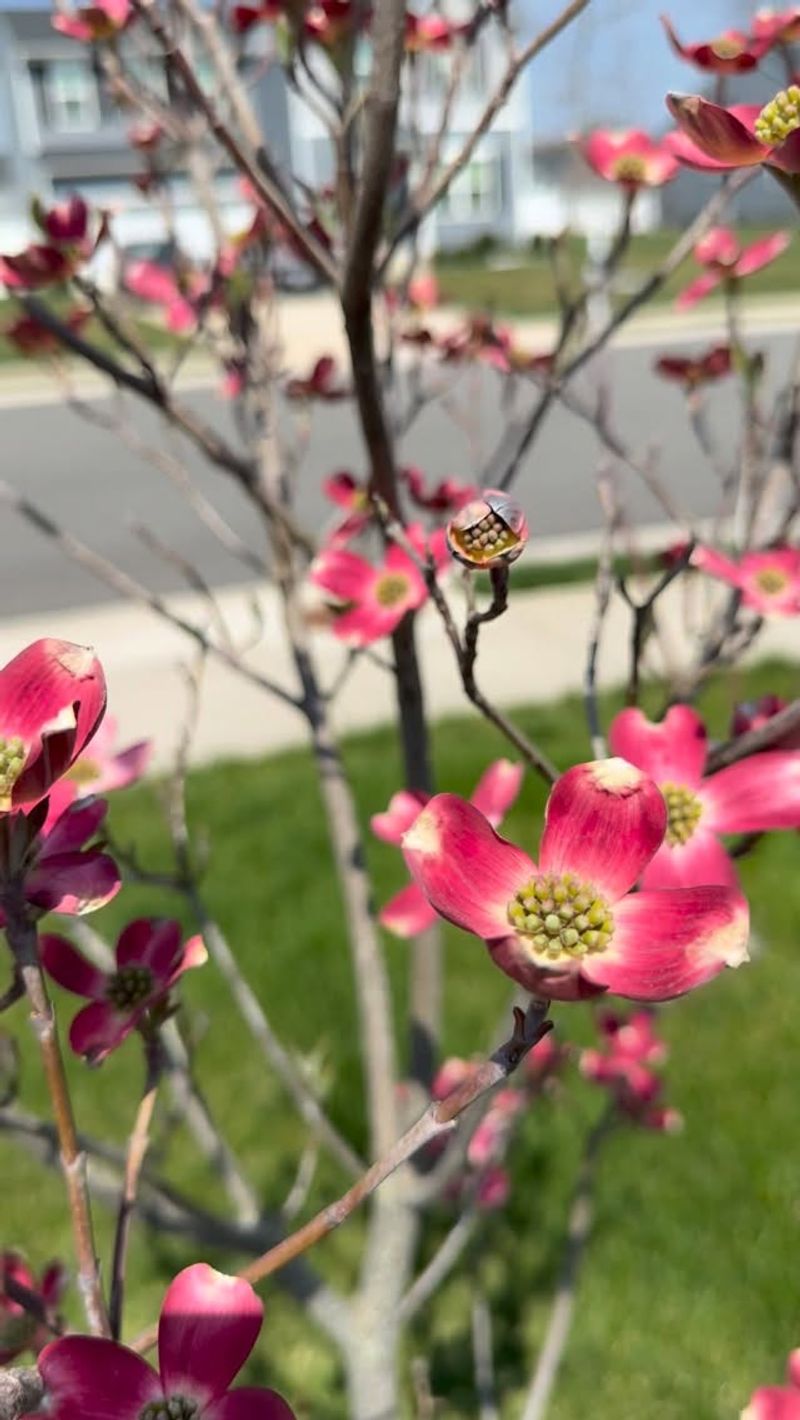
Beyond quick damage cleanup, your flowering dogwood really does not need a big trim in September. These trees carry a graceful, layered shape that shows off best when you leave it be.
Snipping away healthy branches in fall can strip out that natural structure. Once those tiered limbs are gone, the tree loses part of what makes it so charming.
Fall pruning also stirs up growth at the wrong moment. As the tree gets ready to rest for winter, fresh cuts pull energy away from that important slowdown.
A stressed dogwood heading into cold weather is more open to disease and weather trouble. Giving it a calm, undisturbed fall helps it store strength for spring.
Dogwoods set their flower buds in late summer and early fall. Cutting now could remove the very buds that would burst into bloom next April.
Imagine trimming away half your spring color without meaning to. That is exactly what unnecessary fall pruning can do.
Instead, let the tree do its thing. The red berries it produces feed birds through the chilly months, adding life to your yard when other plants fade.
Save any real shaping for late winter, once the tree is fully dormant and the flower buds have done their job. At that point you can see the branch pattern clearly and make smart choices.
For September, admiring your dogwood is the best move. Rake around its base, add fresh mulch, and let this lovely native tree settle in for a peaceful winter rest.
7. Leave Young Trees Alone
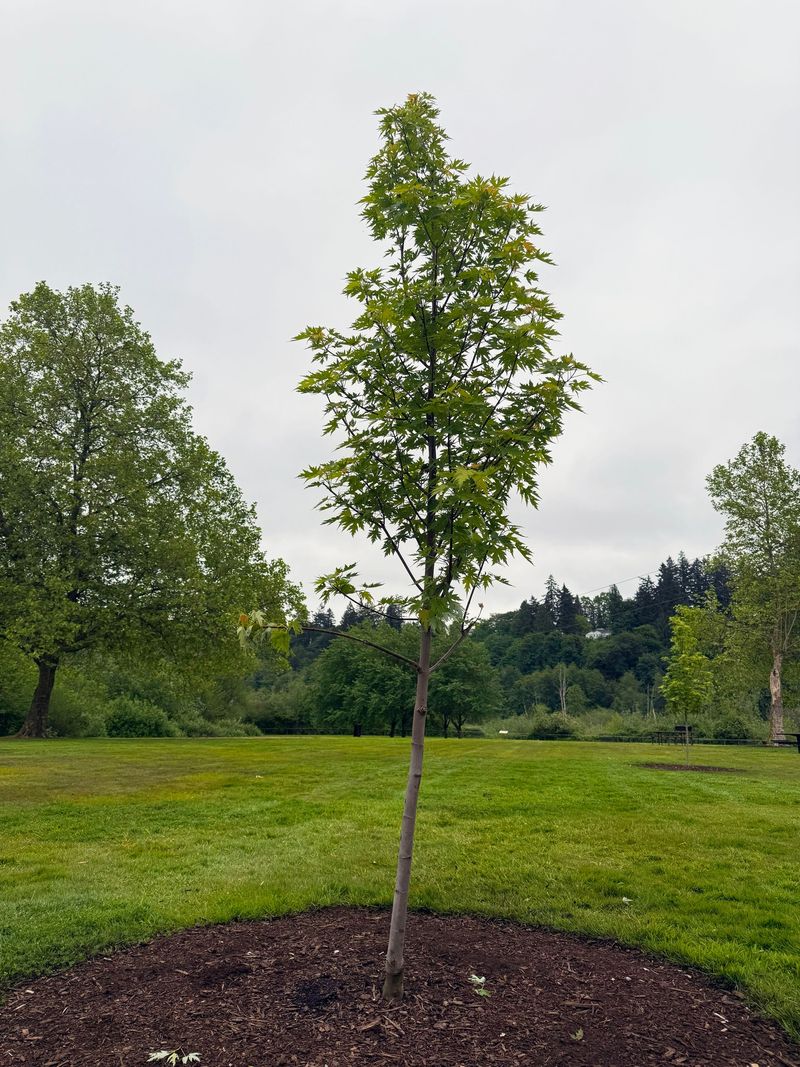
Newly planted trees stir up excitement, and it is natural to want to help them along with a little trimming. In truth, a young, healthy tree usually needs your hose far more than your shears.
Fresh trees are busy building strong roots below the ground. Every leaf they hold helps make the food that powers that root growth.
Snip away too many branches and you take away the tree’s food factory. That slows down the very roots you are hoping to strengthen.
Water is the real gift during these early years. A deep, slow soak once or twice a week helps roots reach down and settle in for good.
Mulch is the second best helper. A ring of mulch a couple of inches deep keeps the soil moist and cool while blocking thirsty weeds.
Just keep that mulch pulled back a few inches from the trunk. Piling it against the bark can trap moisture and cause rot.
Light corrective pruning has its place, like removing a broken twig or fixing two branches that grow into each other. Beyond that, hold off on shaping a young tree in late summer.
Fall cuts can push tender growth that will not toughen before the first frost. Those soft shoots often struggle when cold weather rolls in.
Give your young tree steady water, a tidy mulch ring, and a little patience. With that simple care, it will grow tall and strong, and there will be plenty of time for shaping once it matures.