Avoid These Tennessee Lawn-Care Mistakes During Late-August Heat
Heat like this doesn’t forgive mistakes. Tennessee summers test sloppy lawn habits without warning. Most homeowners never see it coming. Your grass isn’t struggling from bad luck.
Decisions you barely notice are quietly shaping it instead. Humidity thickens the air until every misstep shows fast.
You feel the difference within hours, not days. Watering at the wrong hour stresses tender blades quickly.
Cutting too short softens roots beneath the surface. Careless fertilizing feeds weeds instead of feeding grass.
The wrong habit spreads through your entire lawn. Late summer in Tennessee exposes shortcuts other regions forgive.
Nothing about this season rewards guesswork or hesitation. Small errors compound fast under relentless sun and heavy air.
Precision matters more than good intentions right now. Momentum decides everything because change spreads while you wait.
Every choice you make today truly shapes what remains tomorrow. Skip the wrong move again, and your entire yard feels it.
1. Mowing Grass Too Short During Peak Heat
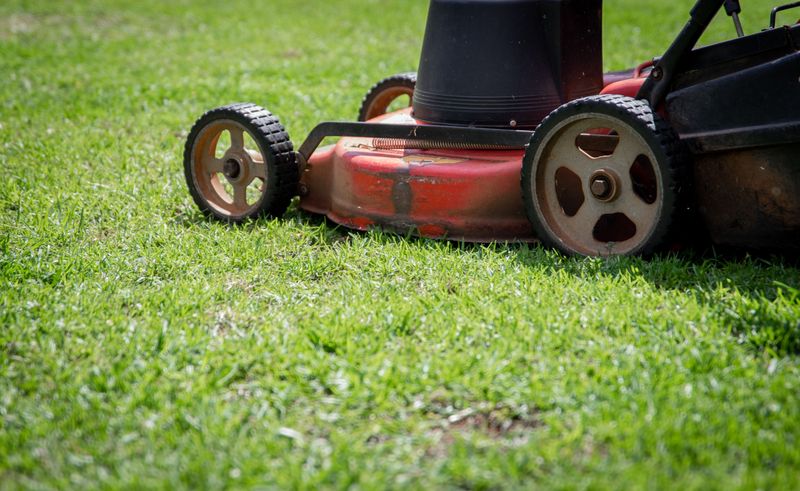
Scalping your lawn in summer heat is stressing the grass unnecessarily. Many folks crank the mower deck down low, thinking shorter grass means less mowing. That logic produces the opposite result when temperatures soar past 90 degrees.
Grass needs its blade length to shade the soil underneath. When you cut too short, the roots lose that natural canopy and dry out within hours. The soil heats up faster, and your turf starts to thin out in patches.
A good rule during late-summer heat is to mow no lower than three to four inches. Taller grass holds moisture longer and keeps the root zone cooler. It also crowds out weeds that love bare, hot soil.
Fescue handles heat better when left a little longer, ideally three to four inches. Zoysia performs best kept low, around one to two inches. Straying far outside either range increases risk of damage.
Think of mowing height as a small decision with a big payoff. A few extra inches of grass blade can mean the difference between a lush lawn and a thin, damaged lawn.
Avoiding this Tennessee lawn-care mistake is one of the easiest wins you can score this summer.
2. Watering Lightly Instead Of Deep Soaking Sessions
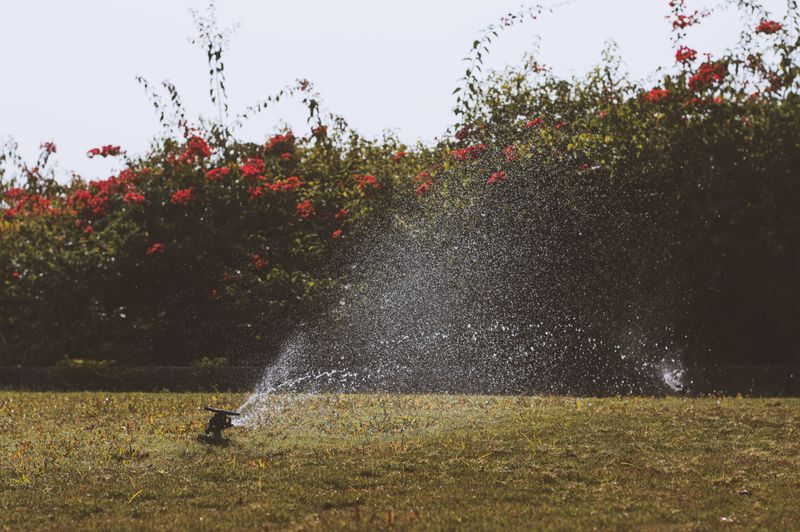
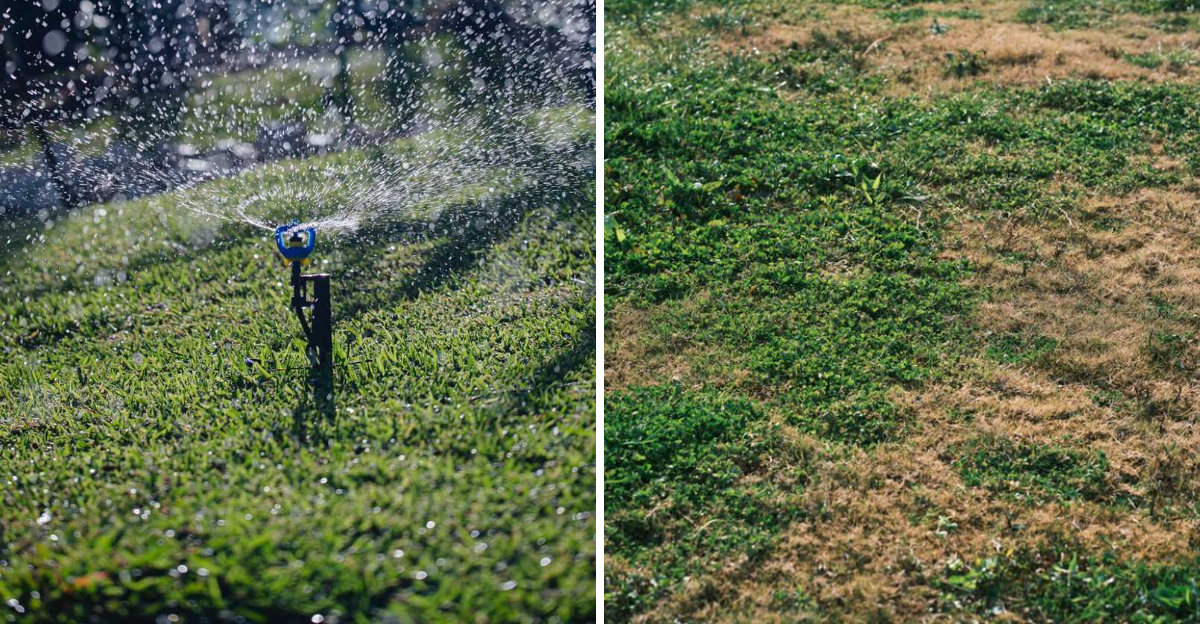
Sprinkling your lawn for ten minutes feels productive, but it barely scratches the surface. Shallow watering trains grass roots to stay near the top of the soil. That is the worst place for roots to be during an intense August heat wave.
Deep soaking encourages roots to grow downward, where the soil stays cooler and moister. When roots go deep, the lawn survives dry spells much better. A short sprinkle session does the opposite and leaves your turf less resilient.
Aim for about one inch of water per week, delivered in two deep sessions. Each session should soak the soil at least six inches down.
You can test this by pushing a screwdriver into the ground after watering. If the screwdriver slides in easily, you nailed it.
If it hits resistance quickly, you need more water time. This simple trick saves you from guessing and wasting water on ineffective sprinkles.
Your Tennessee Garden Changes Every Week. Your Plan Should Too.
Gardening in Tennessee changes quickly throughout the season. Every Friday you’ll receive a simple weekly plan showing exactly what to plant, prune, fertilize, harvest, and protect so you never miss the right timing.
Watering deeply also reduces the risk of fungal problems. Wet surface grass that never dries out increases the risk of lawn disease. Deep soaking lets the surface dry between sessions while keeping roots hydrated below.
Fixing this common Tennessee lawn-care mistake costs nothing extra. You just water less often but for longer stretches.
Your grass will grow stronger roots and handle the summer heat with far more resilience than before.
3. Fertilizing Lawns While Heat Stress Is High
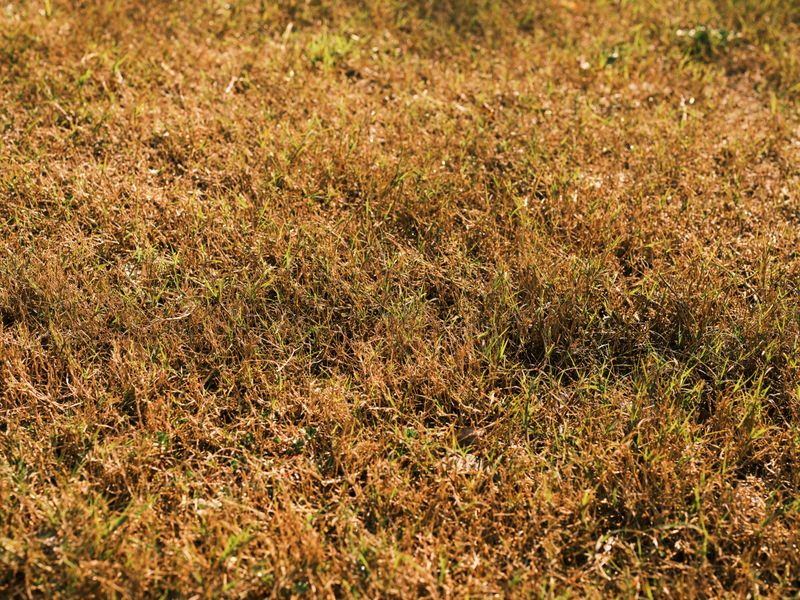
Pouring fertilizer on a stressed lawn is like forcing someone to run a marathon while they have a fever. It sounds helpful, but it can stress the grass further.
High-nitrogen fertilizers push rapid growth, and rapid growth during extreme heat can damage grass quickly.
Late August in Tennessee regularly hits temperatures that push turf into survival mode. The last thing struggling grass needs is a growth surge it cannot support.
Fertilizing now stresses the plant further and can cause brown, thin patches almost overnight.
Most lawn experts recommend skipping fertilizer applications when daytime temps stay above 85 degrees.
Wait until early fall, when temperatures cool down and grass can actually use the nutrients. September and October are the sweet spots for Tennessee lawns.
Cool-season grasses like tall fescue especially need this timing respected. Feeding them in August heat can contribute to stress, thinning, and disease.
Warm-season grasses like bermuda handle heat better but generally need lighter feeding by late summer as growth begins to slow.
If your lawn looks pale or thin right now, resist the urge to fertilize. Instead, focus on proper watering and mowing height. Those two habits will do more good than any bag of fertilizer until the weather cools.
Patience is the real fertilizer during August heat. Waiting a few weeks to feed your lawn is one of the smartest Tennessee lawn-care mistakes you can avoid this season.
4. Skipping Irrigation Checks During Dry Spells
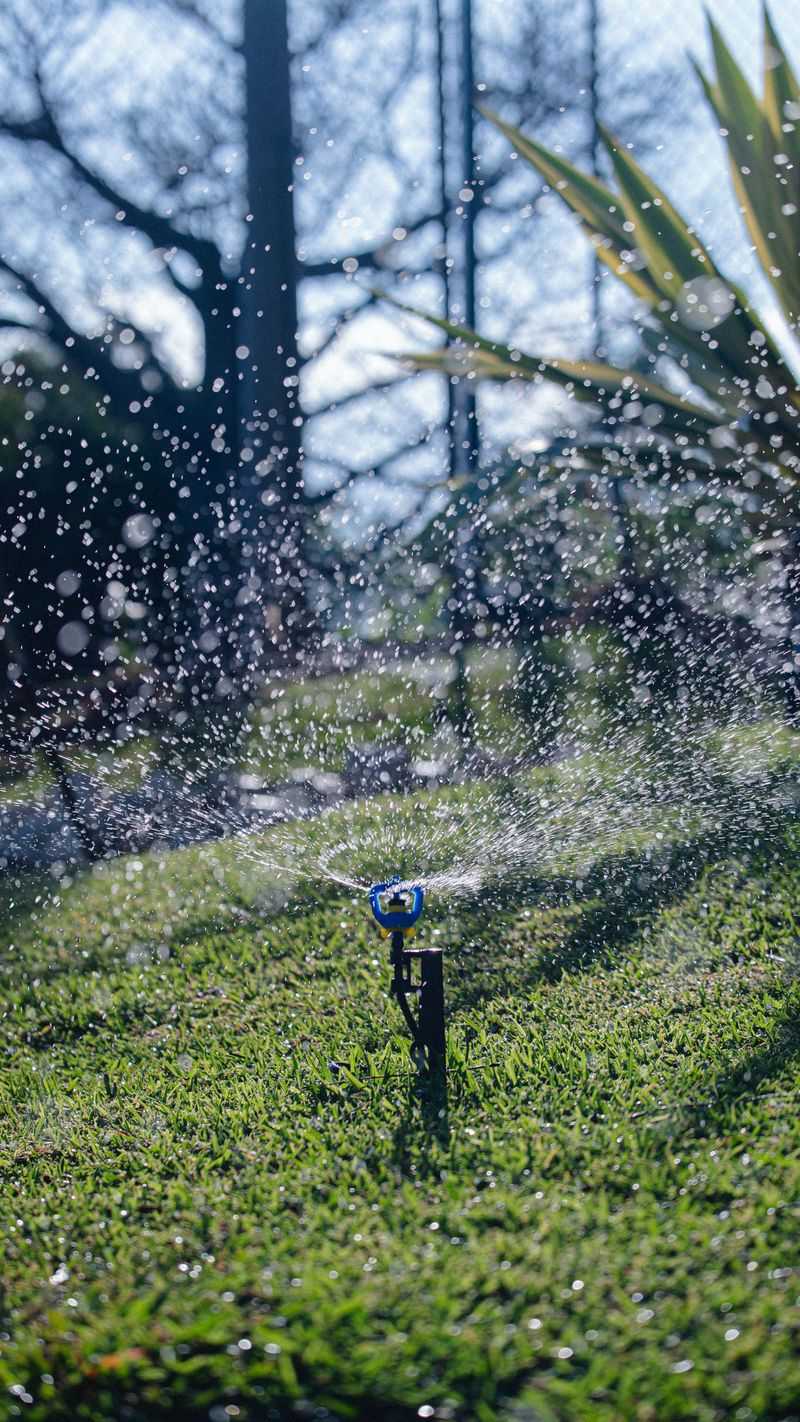
A sprinkler system that ran perfectly in May might be secretly failing you in August. Heads get clogged, lines crack, and timers drift out of schedule without anyone noticing.
Skipping routine irrigation checks during dry spells can turn small problems into bigger bare patches.
Walk your yard while the system runs and watch every zone carefully. Look for heads that are not rotating, spots that are not getting coverage, or streams shooting sideways. These issues are easy to fix early but expensive to fix after the damage is done.
Tennessee summers are unpredictable, and rainfall can disappear for weeks at a time. Your irrigation system plays a critical role during those stretches. A malfunctioning zone can damage a section of turf in just a few days of August heat.
Check your timer settings too, because daylight saving changes and power outages can reset them.
A timer running on the wrong schedule might be watering at noon instead of dawn. That single error wastes water and still leaves your grass thirsty.
Replacing a worn sprinkler head costs just a few dollars and takes minutes. Catching a broken zone early saves you from resodding an entire section in the fall. A quick monthly check during summer pays for itself many times over.
Avoiding this Tennessee lawn-care mistake is really about staying attentive. Your system cannot speak up when something goes wrong. You have to be the one who checks, adjusts, and keeps everything flowing right.
5. Ignoring Signs Of Drought Stress Too Long
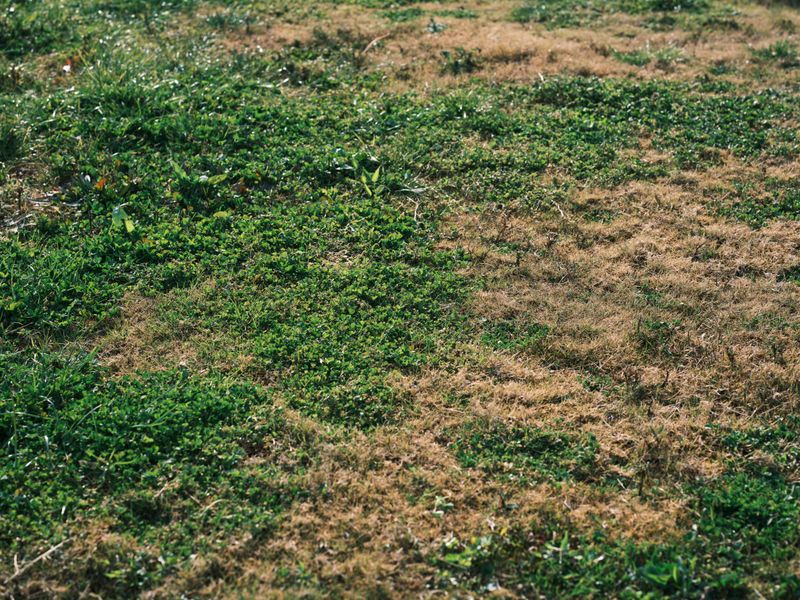
Grass shows visible signs of stress if you know what to look for. Drought stress shows up in specific ways that most homeowners brush off as normal summer browning.
Catching these signals early is the difference between a quick recovery and a full lawn replacement. One of the clearest signs is the footprint test. Step on your lawn and walk away.
If your footprints stay visible for more than a few seconds, the grass lacks enough moisture to spring back. That is your cue to water immediately.
Blades that curl inward lengthwise are another warning flag. Healthy grass blades lay relatively flat and look lush.
Curled blades mean the plant is conserving moisture by reducing its surface area exposed to the sun.
A dull, grayish-green color often appears before full browning sets in. Many people mistake this for normal summer color variation. In reality, it is an early sign of dehydration.
Acting fast when you spot these signs saves your turf from long-term damage. A lawn that goes too long without water in August heat may not recover fully until the following spring. Some areas may need reseeding entirely, which adds cost and effort.
Paying attention to your yard is a low-effort habit with high rewards. These Tennessee lawn-care mistakes are often invisible until the damage is already done. Train your eye to catch the early warnings, and your lawn stays green far longer.
6. Cutting Grass With Dull Mower Blades
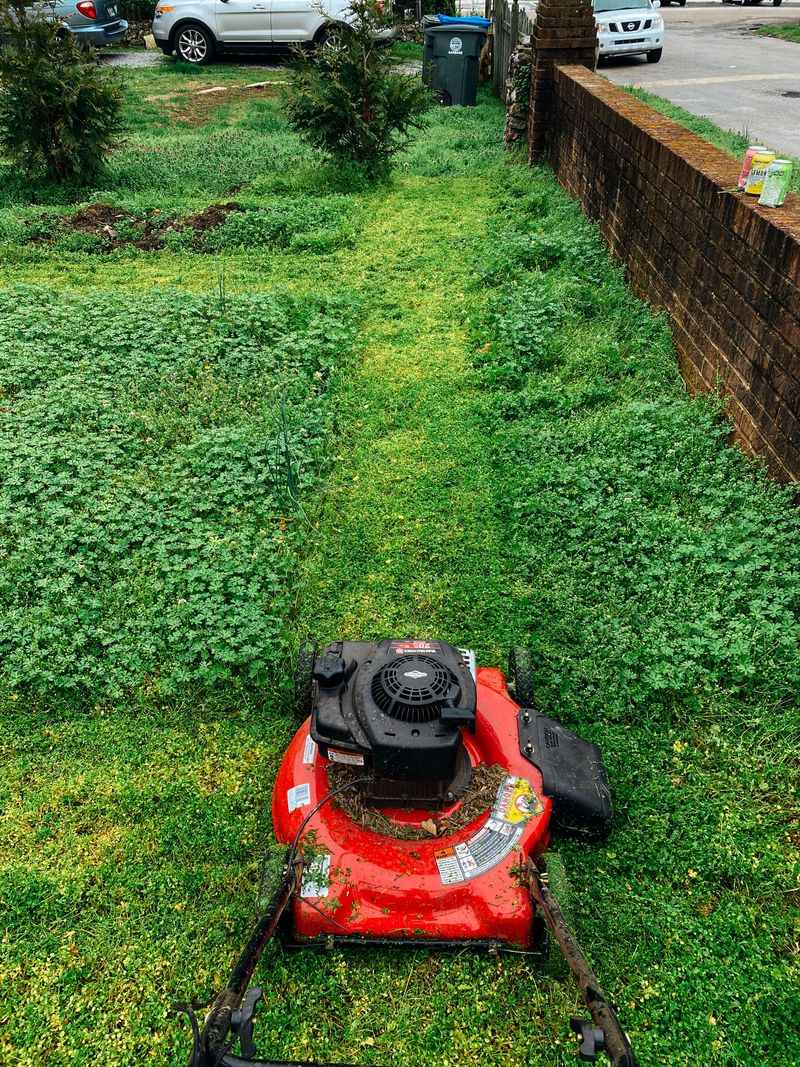
A dull mower blade does not cut grass cleanly. It tears and shreds the blades instead, leaving ragged edges that turn brown within a day.
During August heat, that kind of damage is particularly damaging because the lawn is already under stress.
Clean cuts allow grass to heal quickly and seal off the wound. Torn cuts leave the grass vulnerable to moisture loss and disease entry points. You might not notice the difference from a distance, but up close the damage is obvious.
Most lawn experts recommend sharpening mower blades at least twice per season. If you mow weekly during summer, you may need a sharpening every six to eight weeks. A blade that has hit rocks or roots needs immediate attention regardless of schedule.
Sharpening a mower blade is a simple task that takes about fifteen minutes. You can do it yourself with a metal file or angle grinder, or drop it off at any hardware store. The cost is minimal and the benefit to your lawn is significant.
After mowing with a sharp blade, grass looks clean and even across the whole yard. After mowing with a dull one, you get a hazy, brownish tint that settles over the lawn within 24 hours. That tint is thousands of stressed, torn grass tips drying out at once.
Sharpening your blade is one of the easiest Tennessee lawn-care mistakes to fix. Do it now, before your next mow, and your lawn will look noticeably better by morning.
7. Watering During Midday When Evaporation Peaks
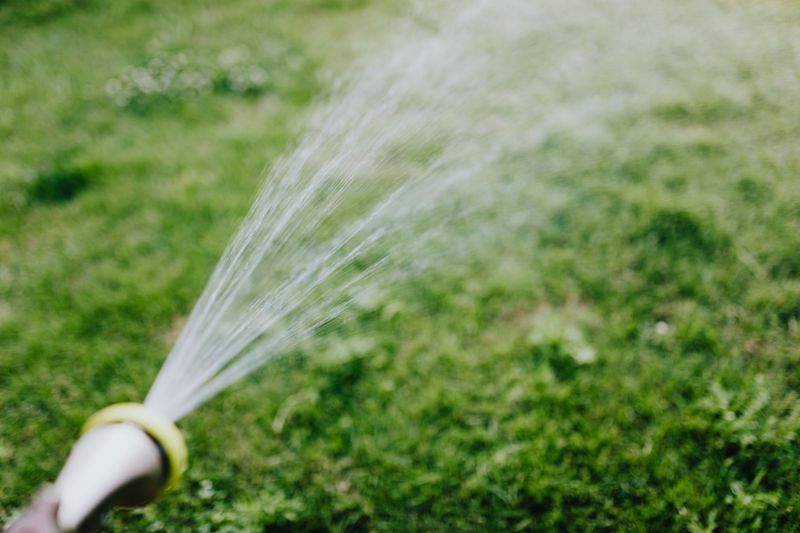
Running your sprinklers at noon on an August day results in significant water loss. Most of it disappears before it ever soaks into the ground.
Midday watering is one of the most common and costly Tennessee lawn-care mistakes homeowners make all summer long.
Evaporation rates peak between 10 a.m. and 4 p.m. when temperatures and sun intensity are highest. Water that should feed roots instead floats off as vapor. Your system runs its full cycle, your water bill climbs, and your grass still goes thirsty.
Early morning is the ideal window for irrigation, ideally between 5 and 9 a.m. Temperatures are cooler, wind is usually calm, and water has time to soak in before the sun intensifies. Grass blades also have time to dry before evening, which reduces fungal risk.
Evening watering is a second option, though not ideal. Water sitting on grass overnight creates the perfect environment for mold and lawn disease. Morning watering avoids that problem entirely while still beating the heat.
Adjusting your timer takes about two minutes and costs nothing. Shifting your watering schedule to early morning can significantly reduce water waste.
That savings adds up fast over a long Tennessee summer. Your lawn does not care what time the clock says.
It only cares whether water reaches the roots before evaporation takes it away. Schedule your irrigation smartly, and your turf stays hydrated without wasting a single drop.
8. Overlooking Pest Activity That Thrives In Heat
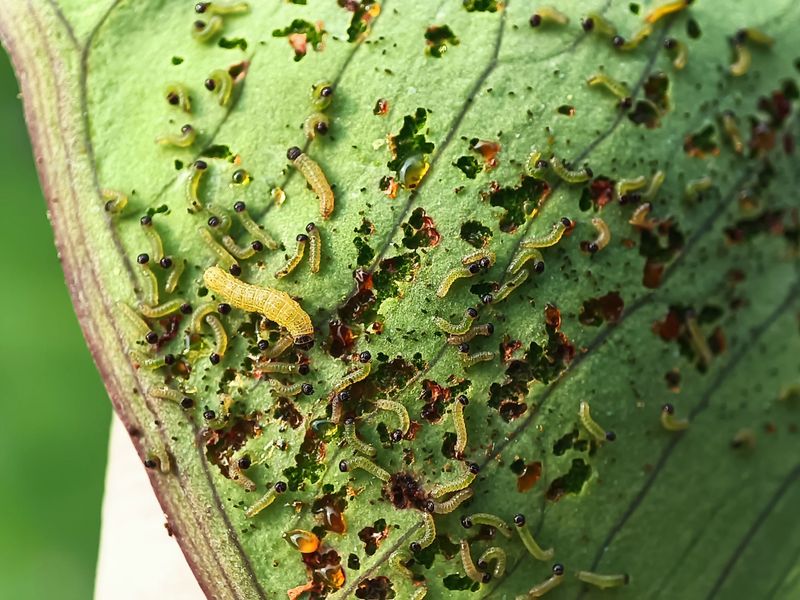
August heat does not slow pests down. For many insects, it is their most active season of the year. Ignoring pest activity during late summer is an easily overlooked mistake you can make.
Grubs are among the most damaging late-summer culprits. These small, white larvae feed on grass roots just below the soil surface.
Turf above them turns brown in irregular patches and pulls up like loose carpet when you tug it.
Chinch bugs also thrive in hot, dry conditions. They suck moisture from grass blades and leave behind yellowing, spreading damage that looks like drought stress.
Many homeowners water more, thinking the issue is dryness, when insects are actually the cause. Sod webworms are another heat-season pest that chews grass blades down to the soil level.
Their damage appears as close-cropped, irregular patches scattered across the lawn. A flashlight inspection at night often reveals the worms actively feeding.
Treating the right pest at the right time makes a huge difference. Using the wrong product wastes money and can harm beneficial insects like earthworms. Proper identification before treatment is always the smartest move.
Walk your yard weekly and look closely at damaged areas. Pull back affected turf to check for grubs, and watch for small insects near the soil surface.
Catching an infestation early keeps the damage manageable and saves your lawn from a full-scale recovery effort this fall.