The Kitchen Item Wisconsin Gardeners Are Using To Trap Earwigs Before They Wreck The Basil
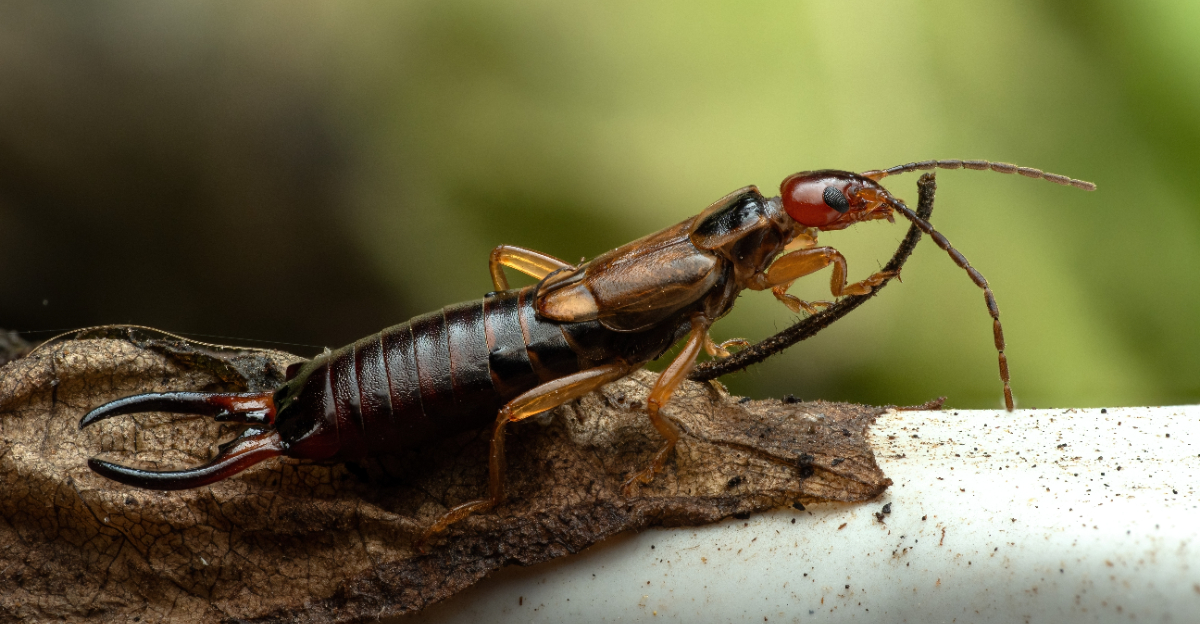
Your basil can vanish overnight without a single warning sign. Chewed leaves and ragged edges mean something is feeding on it.
Wisconsin nights hide a pest you probably never notice. Slugs and beetles usually take the blame in your garden. Damage like this spreads fast when the pest settles in.
Something smaller and faster is often the real culprit. Pincers work through darkness while you sleep soundly.
Few people think to check their own cabinets first. Kitchen shelves hold answers you have overlooked completely. Gardeners across Wisconsin have quietly relied on this trick for years.
Curiosity alone will not save what is left of your basil. A single trap changes everything before nightfall reaches your garden again.
A Simple Kitchen Fix Wisconsin Gardeners Are Trying Against A Common Yard Pest
Basil is one of those herbs that feels personal. You plant it, you water it, and then one morning you walk outside to find it shredded.
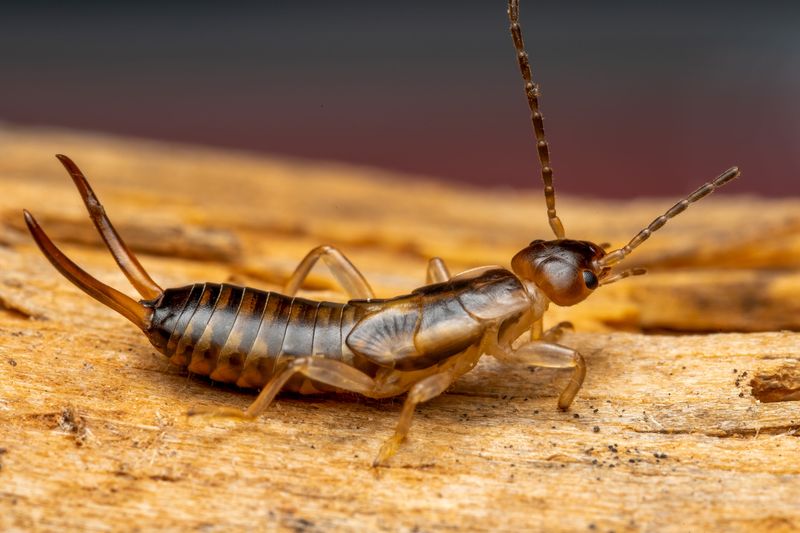
Earwigs are often the reason. These small, pincer-tailed insects are surprisingly fast and surprisingly hungry when garden season kicks off.
Local growers have quietly turned to something already sitting in their recycling bin. The method is low-cost, low-effort, and surprisingly effective for something so simple.
A damp, rolled-up newspaper or a moistened cardboard tube placed near the garden bed at night works as a natural earwig magnet. Earwigs love dark, damp, tight spaces, and they crawl right in.
By morning, the trap is loaded and ready to be disposed of. No poison, no chemicals, just a piece of your recycling bin doing serious garden work.
This approach has become a popular tip among local gardening groups. Neighbors share the tip, someone tries it, and suddenly everyone on the block is saving their basil the same way.
This setup takes almost no effort once you know how it works. It is just smart observation turned into action.
Once you understand what earwigs want, you can use that against them every single night of the growing season. Your basil does not have to suffer another surprise attack.
Identifying Earwigs Before They Reach Your Basil
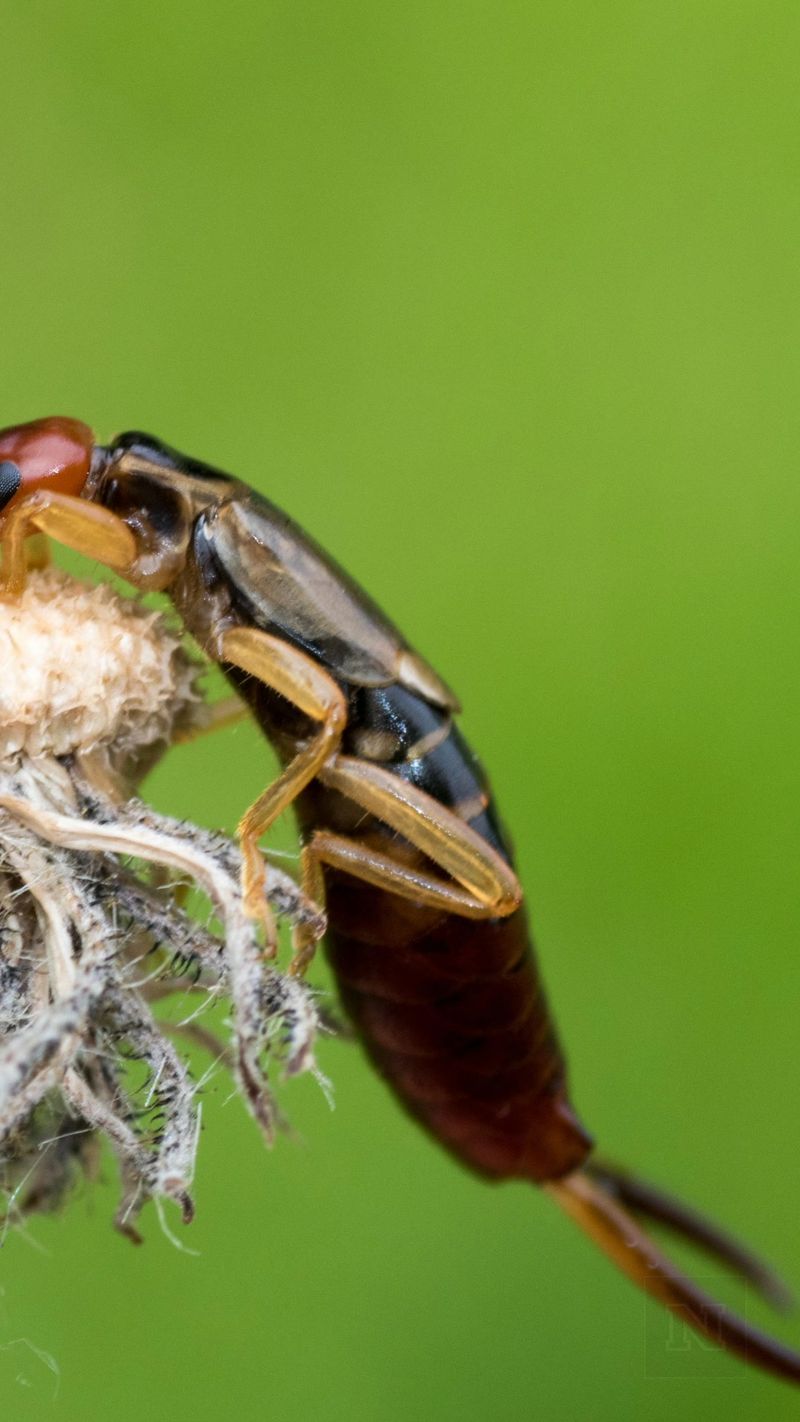
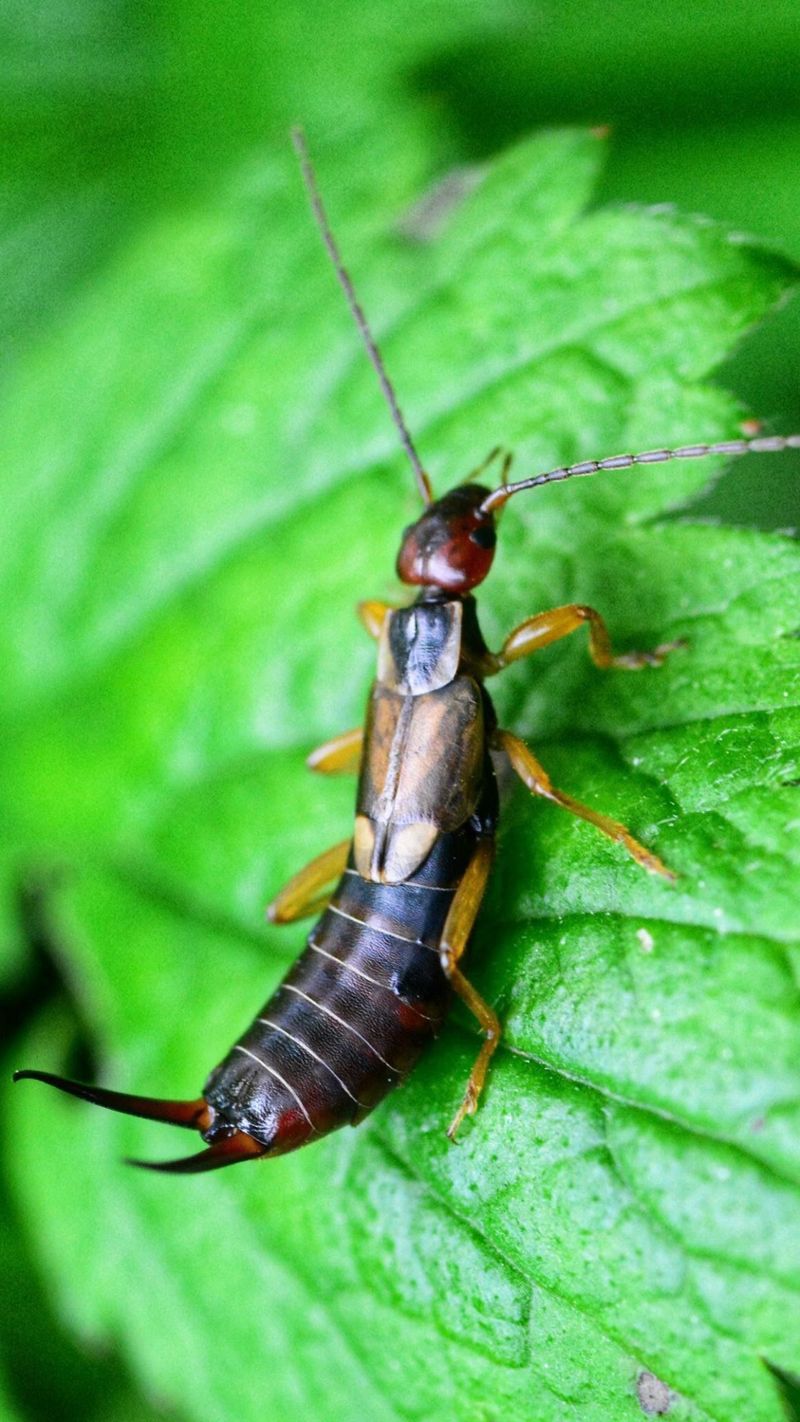
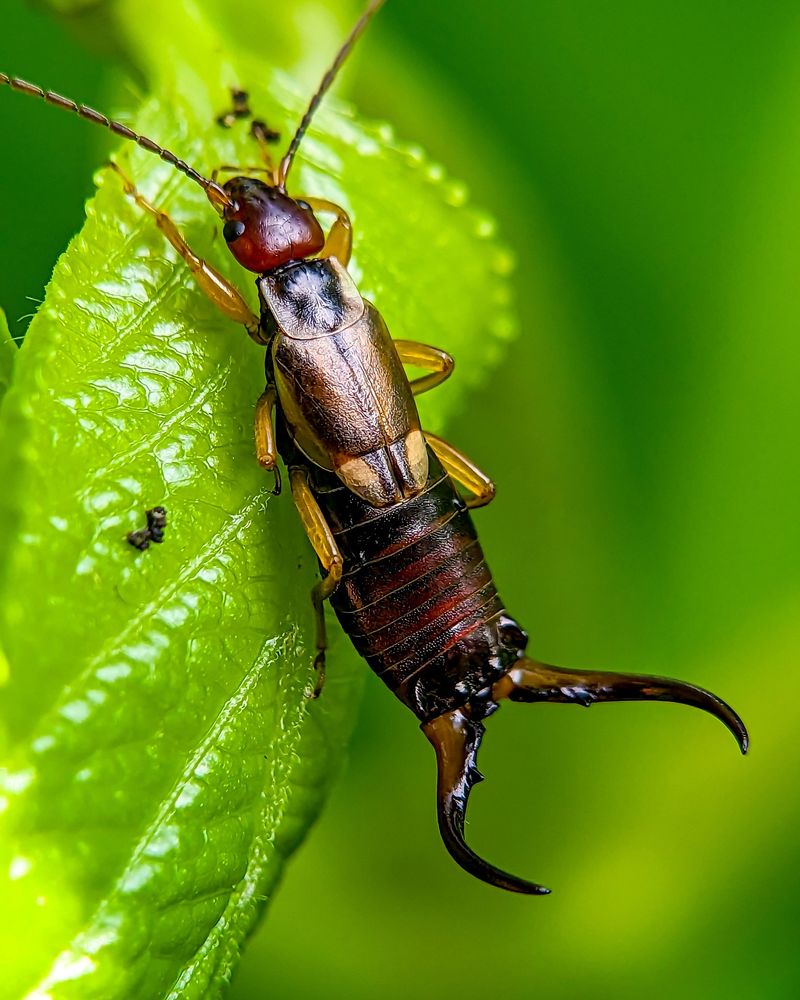
Spotting an earwig up close for the first time is a memorable experience. Those curved pincers at the tail end make them look far more threatening than they actually are.
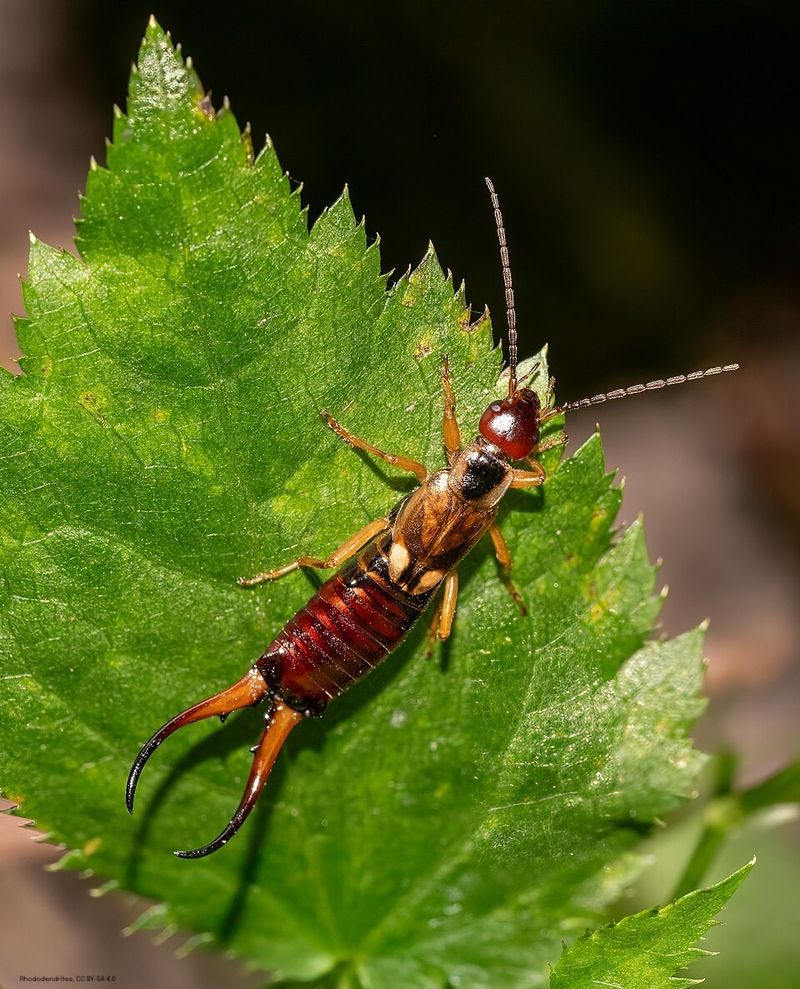
Earwigs are reddish-brown, flat-bodied insects that measure about three-quarters of an inch long. They move quickly and prefer hiding under leaves, mulch, or moist soil during daylight hours.
The damage they leave on basil is a key clue. Ragged holes in the middle of leaves, not along the edges, are a classic earwig calling card.
Slugs tend to leave slime trails, and caterpillars chew from the leaf edges inward. Earwig feeding patterns look more random and scattered across the leaf surface.
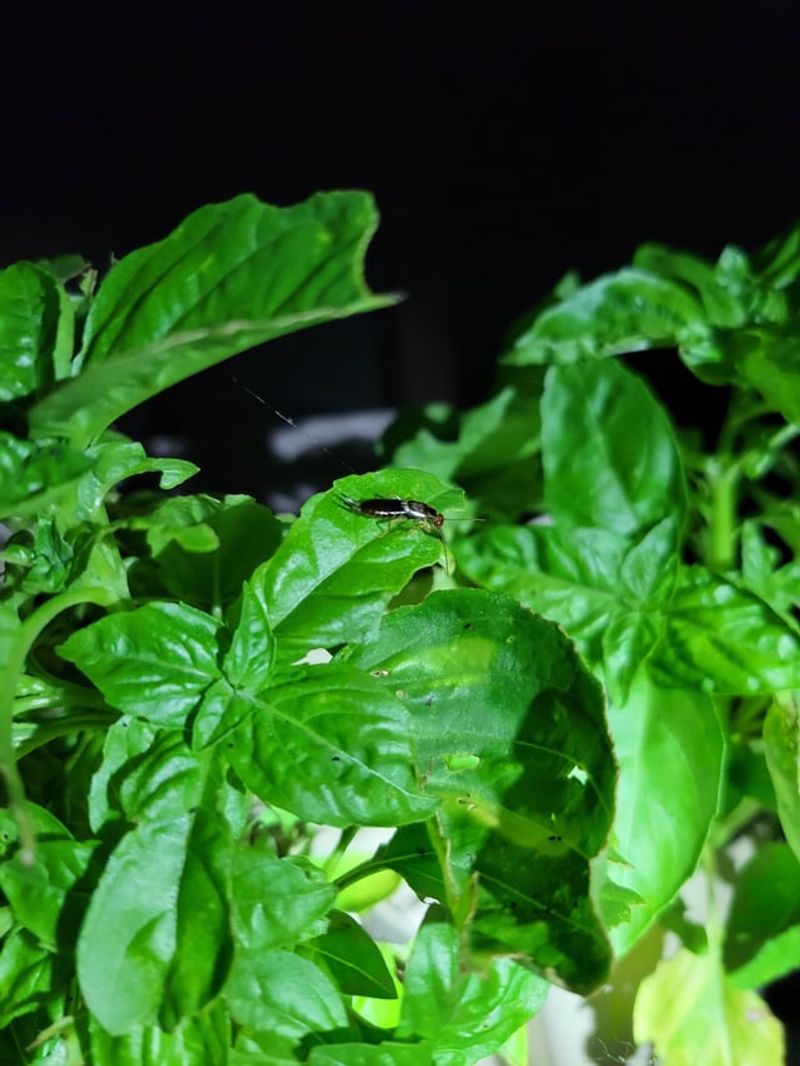
Checking your Wisconsin garden after dark with a flashlight is the most reliable way to catch them in action. They come out at night to feed, which is why the damage often seems to appear out of nowhere by morning.
Your Wisconsin Garden Changes Every Week. Your Plan Should Too.
Gardening in Wisconsin changes quickly throughout the season. Every Friday you’ll receive a simple weekly plan showing exactly what to plant, prune, fertilize, harvest, and protect so you never miss the right timing.
Young basil seedlings are especially vulnerable because the leaves are tender and close to the ground. Earwigs can wipe out a small seedling in a single night of feeding.
Getting a positive ID early in the season gives you a major advantage. Once you know what you are dealing with, the kitchen item trap becomes your simplest and most reliable safeguard.
Knowing your pest is half the battle, and earwigs are surprisingly easy to identify once you know what to look for.
The Item Most Kitchens Already Have On Hand
Chances are strong that you already own everything you need for this trap. The item that works best is something most households toss into recycling every single week.
A damp, rolled-up newspaper is the go-to choice for many Wisconsin gardeners. The paper holds moisture, creates a tight dark tunnel, and earwigs find it completely irresistible.
Cardboard tubes from paper towels or toilet paper rolls work just as well. Soak them lightly with water, set them near the garden bed before sunset, and let the earwigs do the rest.
The science behind this is simple: earwigs are thigmotactic, meaning they are strongly attracted to tight, enclosed spaces. A rolled tube mimics exactly the kind of hiding spot they search for naturally.
Some gardeners fold the newspaper into a loose cone shape instead of a tight roll. Both styles work, but the tighter the roll, the more earwigs tend to pile inside overnight.
You do not need to add bait or any kind of attractant to the trap. The moisture and the dark enclosed space do all the convincing on their own.
Cost is essentially zero, which is one reason this tip has spread so fast through local garden communities. Simple solutions that actually work tend to spread quickly among people who grow their own food.
Your recycling bin now doubles as a pest control supply source.
Setting Up The Trap Around Your Garden Beds
Placement is everything with this kind of trap. Tossing one tube randomly in the middle of the yard will not do much, but setting several strategically around your herb bed changes everything.
Place the damp tubes directly on the soil, right at the base of your basil plants or along the perimeter of the garden bed. Earwigs travel low to the ground, so ground-level placement is essential.
Use several tubes per garden bed spaced evenly apart for the best results. More entry points generally means a higher catch rate.
Push the tubes slightly into the mulch or soil so they stay in place overnight. Wind can shift them, and a displaced trap is a trap that stops working.
If you have multiple garden beds or containers, set up traps near each one separately. Earwigs do not travel far in a single night, so localized traps are far more effective than a single central placement.
Avoid placing the tubes in standing water or overly saturated spots. The tube should be damp, not soaked through, or it will fall apart before morning and lose its structure.
Setting up the traps takes only a few minutes, even for a large garden space. That is a small time investment for the protection it provides to your herbs all season long.
A little preparation each evening can mean a full, healthy basil plant waiting for you every single morning.
The Best Time Of Day To Check And Empty It
Timing your trap check correctly makes the whole system work. Check too late in the morning and the earwigs may have already escaped back into the soil.
Early morning, right after sunrise, is the sweet spot for emptying your traps. Earwigs that crawled in overnight are still groggy and slow in the cool morning air.
Pick up each tube carefully and drop it directly into a bucket of soapy water. The soap breaks the surface tension, making it very difficult for earwigs to escape once they hit the water.
Do not shake the tube out onto the ground near the garden. Earwigs that land on soil will immediately scatter and burrow, and you will have lost your advantage completely.
Wear a pair of lightweight garden gloves if handling the tubes makes you squeamish. Earwigs rarely pinch humans, but the sensation of one crawling across your hand is enough to make anyone drop the tube fast.
After emptying, you have two options: replace the tube with a fresh damp one or compost the used one and start over. Fresh tubes tend to work slightly better because they hold moisture more consistently.
Running this routine every morning during peak earwig season, typically late spring through mid-summer, keeps populations in check before they explode. Consistency is what separates a gardener who saves their basil from one who loses it.
A two-minute morning check is a small habit with a genuinely big payoff for your herb garden.
Keeping Your Basil And Other Herbs Protected Long Term
One good trap is a great start, but long-term herb protection takes a bit more consistency. Pairing the kitchen item trap with a few smart garden habits keeps earwig pressure low all season.
Reduce moisture around your Wisconsin garden beds by watering in the morning rather than at night. Wet soil in the evening creates exactly the kind of environment that earwigs find most welcoming.
Pull mulch slightly away from the base of your basil stems. Thick mulch right at the plant base gives earwigs a cozy daytime hiding spot just inches from their next meal.
Diatomaceous earth damages the exoskeletons of crawling insects and is generally considered low-risk to pets and people when used as directed.
Neem oil spray applied to basil leaves every week or two can deter feeding. Follow the dilution instructions on your product label and apply in the early evening for best coverage.
Companion planting also helps over time. Herbs like wormwood and tansy are known to repel earwigs naturally, and planting them nearby creates a less inviting environment for the whole pest population.
Check your traps every morning and refresh them every two to three days throughout the growing season. This method works best as a nightly habit rather than a single attempt.
Your basil deserves a full season of growth, and with a little daily attention, that is exactly what it will get.