7 Flower Seeds To Sow Before August Ends For A Colorful Texas Spring
Most Texas gardeners don’t think about spring color until February, and by then the window for getting the most out of spring blooming flowers has already narrowed significantly.
The gardeners who end up with the most spectacular spring displays start much earlier, and one of the best planting windows available to them is happening right now before August ends.
Certain flower seeds sown in late August establish through the fall, develop strong root systems through the cooler months, and emerge in spring with a vigor and bloom quality that seeds started in late winter simply cannot match.
The difference in performance can be significant, and the effort required right now is minimal compared to the results it produces.
Texas springs are short and beautiful and over quickly. Getting the most out of them requires working backward from that bloom window rather than forward from whenever it feels like spring is close.
Here are the flower seeds worth sowing before August ends for a Texas spring garden that delivers everything you’ve been hoping for.
1. Texas Bluebonnet
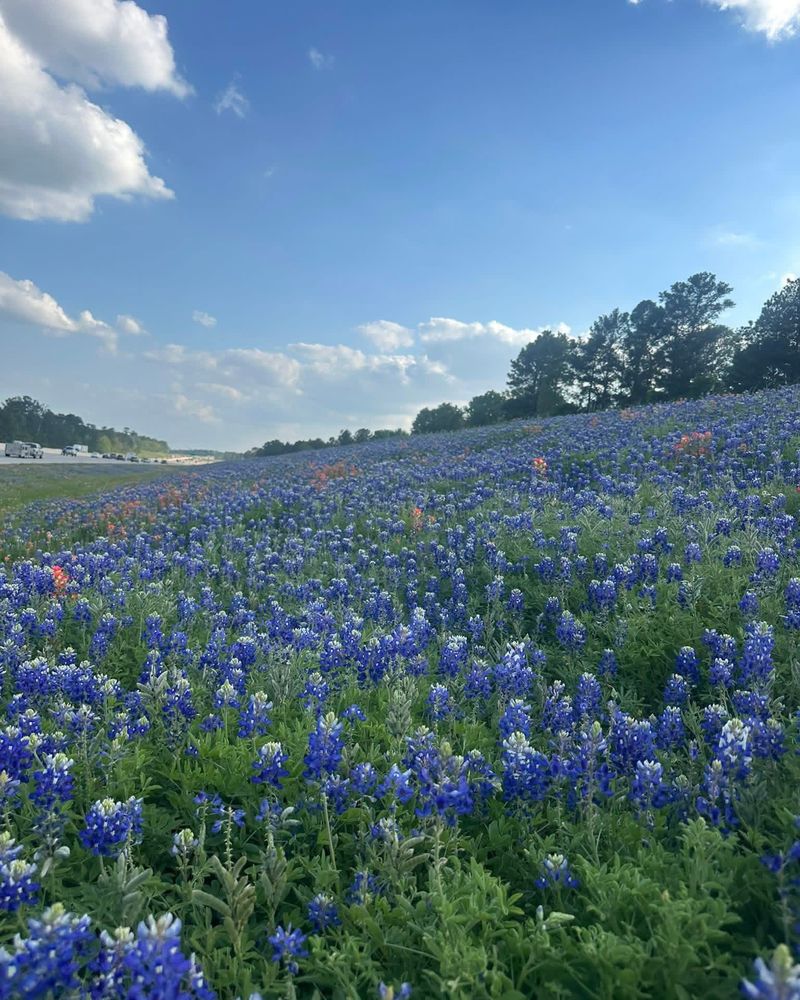
Few sights in the Lone Star State are as iconic as a hillside blanketed in bluebonnets. Late August marks the beginning of the ideal sowing window for this beloved Texas wildflower, and getting your seeds in the ground now sets you up for a spectacular spring payoff.
Lupinus texensis, the official state flower of Texas, thrives when seeds are planted in fall, giving plants time to establish a strong root system before winter.
One important step before planting is scarifying the seeds. Bluebonnet seeds have a hard outer coat that slows germination.
Lightly sanding the seeds or soaking them in water for a few hours helps water penetrate the seed coat and speeds up sprouting. You can also buy pre-treated seeds at many garden centers to skip this step entirely.
Choose a sunny location with well-draining soil. Bluebonnets do not like soggy roots.
Scatter seeds directly onto the soil surface, press them in lightly, and water gently. Once established, they are very drought-tolerant and need little extra care.
They actually prefer lean soil, so skip the fertilizer. Heavy feeding leads to lots of leafy growth but fewer flowers.
By late February or March, you will be rewarded with those gorgeous blue spikes that make Texas roadsides famous every spring. Planting them in drifts or masses creates the most visual impact.
They also look stunning paired with other Texas wildflowers like Indian Paintbrush. Did you know bluebonnets are actually legumes? Like beans and peas, they fix nitrogen in the soil, which naturally improves it over time.
2. Indian Paintbrush
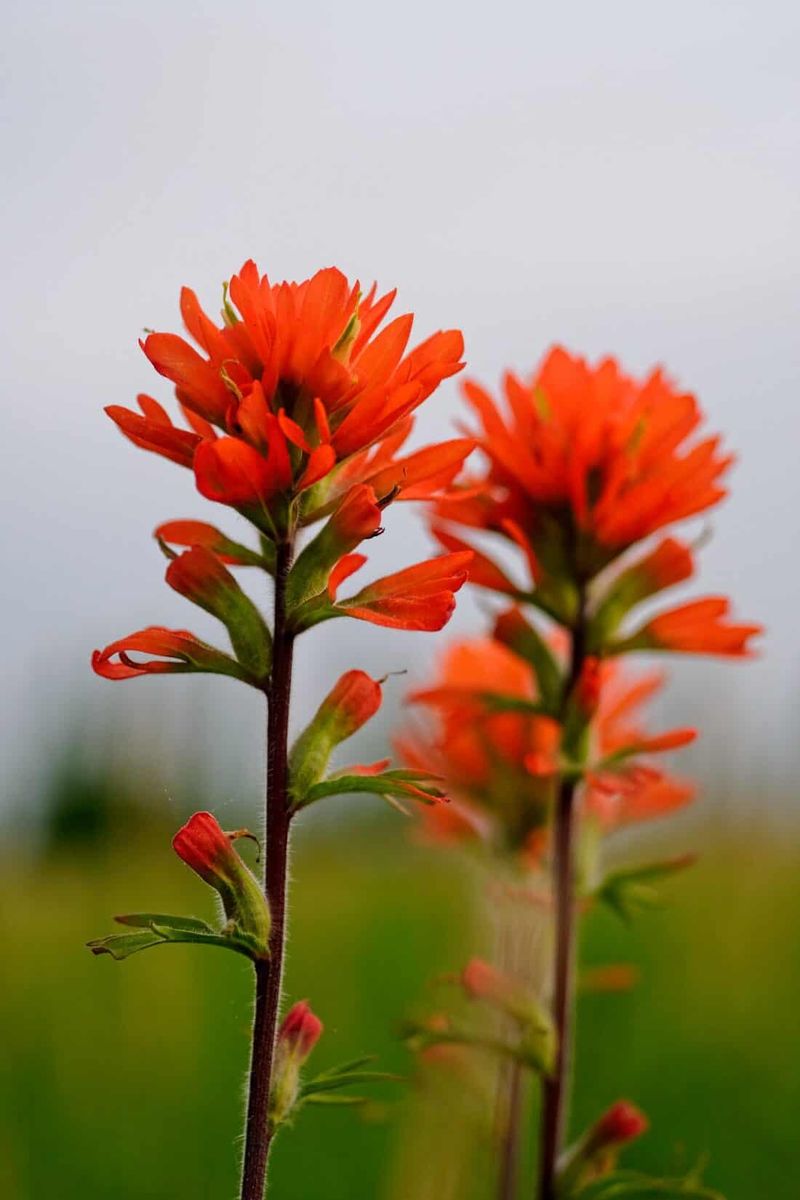
There is something almost electric about the way Indian Paintbrush lights up a Texas meadow in spring. Those fiery red-orange bracts look like the tips of paintbrushes dipped in sunset colors, which is exactly how this wildflower got its name.
Castilleja indivisa is a Texas native annual, and sowing its seeds before August ends gives it the best shot at a strong spring showing.
Your Texas Garden Changes Every Week. Your Plan Should Too.
Gardening in Texas changes quickly throughout the season. Every Friday you’ll receive a simple weekly plan showing exactly what to plant, prune, fertilize, harvest, and protect so you never miss the right timing.
A fun fact most people do not know: Indian Paintbrush is a hemiparasite. It taps into the roots of nearby grasses and other plants to steal some nutrients and water.
This is actually why it grows best when sown alongside other wildflowers or grasses rather than on its own. Bluebonnets make an especially good companion planting because the two are often found growing together naturally across Texas roadsides and prairies.
Sow the tiny seeds by mixing them with dry sand to help spread them more evenly across your planting area. Press seeds firmly against the soil surface since they need light to germinate.
Do not bury them. Choose a sunny spot with good drainage.
Indian Paintbrush struggles in heavy clay or waterlogged soil. Once established, it is quite tough and handles Texas heat and drought reasonably well. Come spring, the reward is breathtaking.
The bold red-orange color contrasts beautifully against the blue of bluebonnets, creating a classic Texas wildflower combination that photographers and nature lovers travel miles to see.
Letting the plants go to seed at the end of the season means they may naturalize and return on their own in following years.
3. Mexican Hat
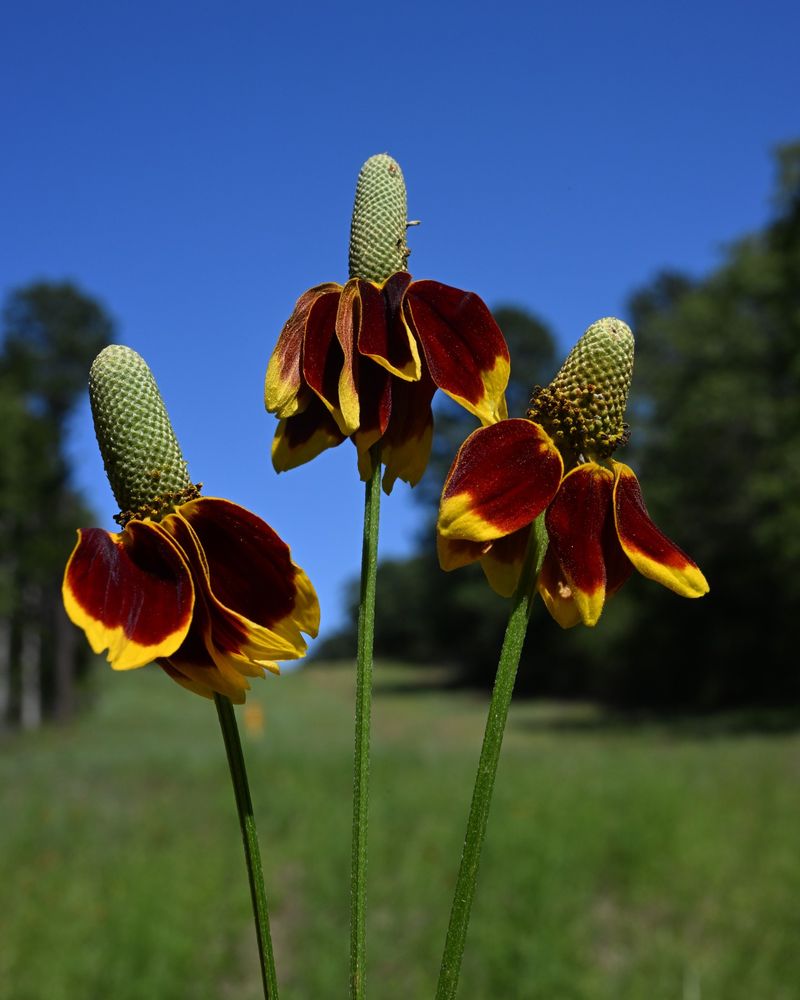
Named for its resemblance to a traditional sombrero, Mexican Hat is one of the toughest and most cheerful wildflowers you can grow in Texas. Ratibida columnifera features a tall, thimble-like central cone surrounded by drooping petals that are usually a mix of deep red and bright yellow.
The effect is playful and eye-catching, and it fits right into sunny, dry Texas landscapes where many other flowers would struggle.
Sow Mexican Hat seeds directly onto prepared soil before the end of August. Lightly rake the seeds into the top layer of soil or simply press them against the surface.
They germinate best with good soil contact and plenty of sunlight. This plant genuinely prefers lean, dry conditions, so resist the urge to amend the soil heavily or add fertilizer. Rich, moist soil actually works against it by encouraging weak, floppy growth.
Mexican Hat is a short-lived perennial that often behaves like a biennial, meaning it may bloom in its second year when fall-sown. However, once it is comfortable in your yard, it self-seeds generously and comes back reliably each spring.
That makes it a low-effort, high-reward choice for naturalized areas, roadsides, and informal wildflower gardens.
Beyond its good looks, Mexican Hat is also a magnet for pollinators. Butterflies, native bees, and other beneficial insects visit the flowers regularly throughout the blooming season.
Planting it in a sunny border or mixed wildflower meadow adds natural prairie character to your yard while supporting local wildlife. It pairs beautifully with bluebonnets, coreopsis, and other Texas natives.
4. Winecup
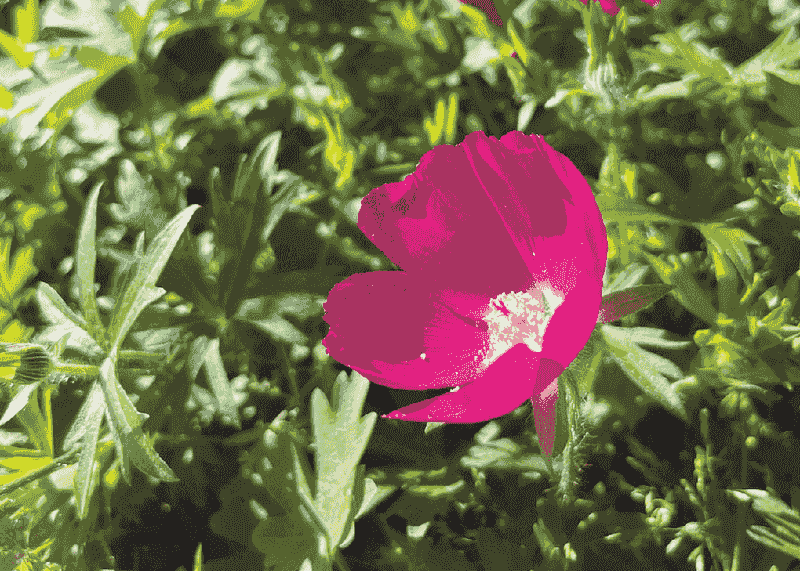
Bold, rich, and wonderfully low-maintenance, Winecup is a Texas wildflower that earns its place in any spring garden.
Callirhoe involucrata produces sprawling, ground-hugging plants that become smothered in deep purple-magenta, cup-shaped flowers from late winter through spring.
The color is intense and jewel-like, and it creates a striking contrast when planted near yellow or white flowering plants.
Sowing Winecup seeds before August ends gives the plants time to establish a deep taproot before winter arrives. That taproot is the secret to this plant’s toughness.
Once it anchors itself into the soil, Winecup becomes remarkably drought-tolerant and can handle the dry spells that Texas summers are known for. A well-established plant can even bounce back after periods of neglect.
Choose a sunny location with excellent drainage. Winecup absolutely does not tolerate wet feet.
Heavy clay soils that stay soggy can be problematic, so amend with coarse sand or gravel if needed, or plant on a slope or raised bed where water drains away quickly.
Scatter seeds directly onto the soil and press them in lightly. No need to cover them deeply.
Once the plants start blooming in spring, they spread outward in a relaxed, sprawling habit that fills in gaps between other plants beautifully. They work well along pathways, at the front of a border, or cascading over a low wall.
Winecup is also a perennial in most parts of Texas, meaning it returns year after year from the same root system. That makes your one-time planting effort a long-term investment in spring color.
5. Pink Evening Primrose
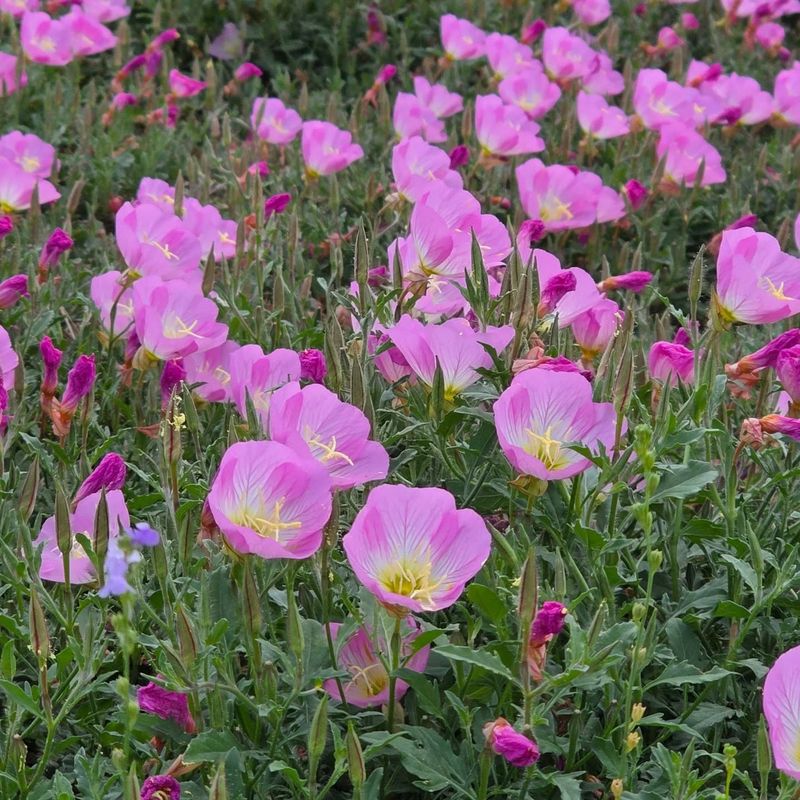
Walk past a patch of Pink Evening Primrose in full bloom and it is hard not to stop and stare. Oenothera speciosa produces masses of soft, tissue-paper-thin pink flowers that sway gently in the breeze and practically glow in morning light.
Despite the name, these flowers actually open during the day, making them a cheerful presence in any spring garden from morning to late afternoon.
Fall sowing is the key to getting this wildflower to perform its best. Seeds scattered before August ends have time to germinate in the cooler weather that follows, and the young plants slowly establish through fall and winter.
By the time spring warmth arrives, the plants are ready to burst into bloom. Without that cool-season establishment period, spring-sown seeds often struggle to catch up and may not flower as freely.
Pink Evening Primrose spreads readily once it finds a spot it likes. It spreads by underground rhizomes as well as by seed, which means it can fill in a large area over time without much help from you.
Plant it where you are happy to let it roam, such as a naturalized meadow, a sunny slope, or a large open bed. It is not the best choice for tidy, formal borders since it tends to wander.
Give it full sun and well-drained soil for the best results. Once established, it handles drought with ease and needs very little supplemental watering.
The soft pink color pairs beautifully with bluebonnets, Indian Paintbrush, and other Texas wildflowers, creating a layered, romantic spring display that looks effortlessly natural and wildly beautiful at the same time.
6. Plains Coreopsis
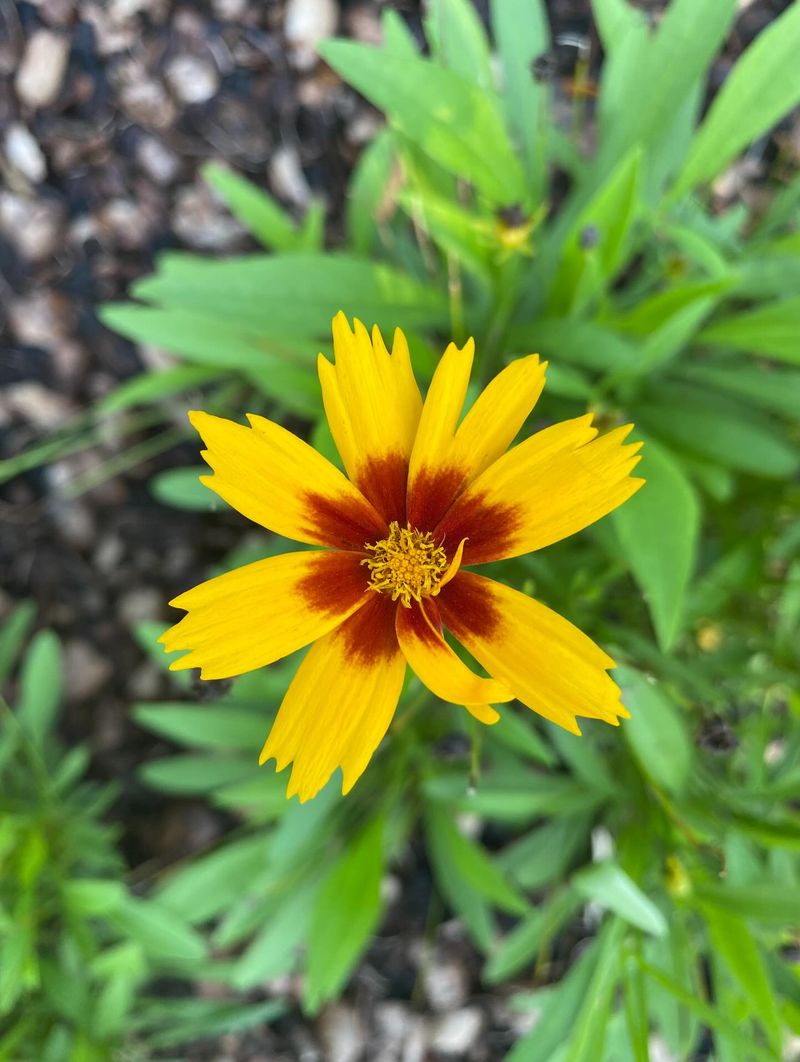
If cheerful had a flower, it would be Plains Coreopsis. Coreopsis tinctoria produces waves of bright yellow blooms, each with a bold dark reddish-brown center that gives the flower a warm, sunburst quality.
It is one of the easiest wildflowers to grow from seed, making it a fantastic choice for beginner gardeners and seasoned green thumbs alike who want reliable spring color across a sunny bed or meadow area.
Sow seeds directly onto the soil surface before August ends. Plains Coreopsis is a true annual, meaning it completes its life cycle in one growing season, but it self-seeds so aggressively that it often feels like a perennial.
Once you plant it the first time, it tends to return on its own year after year as long as you allow some plants to go to seed at the end of the season. That is a pretty great deal for very little effort.
This plant is wonderfully adaptable. It grows well in average to poor soils and does not need fertilizer or heavy watering once established.
Full sun is important though. Shaded spots produce leggy, weak plants with fewer flowers. Spacing seeds a few inches apart or thinning seedlings helps improve air circulation and overall plant health.
Plains Coreopsis blooms prolifically from spring into early summer and attracts a wide variety of pollinators, including bees and butterflies.
It looks stunning planted in large drifts or mixed into a wildflower blend with bluebonnets, Indian Paintbrush, and Mexican Hat.
The cheerful yellow and dark center combination brings a sense of warmth and energy to any informal Texas landscape.
7. Drummond Phlox
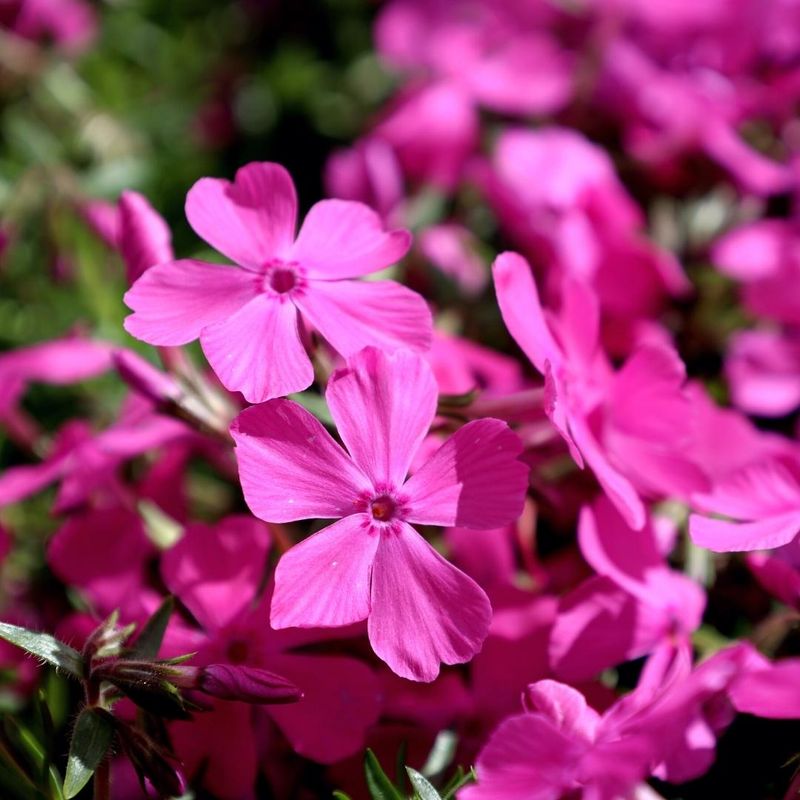
Drummond Phlox has a kind of old-fashioned charm that never goes out of style. Phlox drummondii is a Texas native annual named after Thomas Drummond, a Scottish botanist who collected plant specimens across Texas in the 1830s.
He reportedly sent seeds of this wildflower back to England, where it became a garden sensation almost overnight. That kind of history makes every bloom feel a little more meaningful.
Fall sowing is the smart move for this plant. Scattering seeds before August ends allows young plants to develop slowly through the cooler months, building a sturdy root system and compact growth habit before their spring bloom season kicks in.
Plants that establish over fall tend to flower much more heavily and last longer into the season than those sown in spring.
Drummond Phlox comes in a wide range of colors, including pink, red, white, lavender, and bicolors. Planting a mixed variety creates a patchwork of color that looks lively and vibrant across a sunny bed or roadside planting.
Sow seeds directly onto the soil surface and press them in firmly. They need light to germinate, so avoid burying them too deeply. Give this plant full sun and well-drained soil. It does not like heavy, wet conditions.
Once blooming begins in late winter or early spring, the display can be absolutely breathtaking, especially when plants are grown en masse.
Drummond Phlox is also a favorite of butterflies and hummingbirds, adding even more life and movement to your spring garden. It is a true Texas treasure worth growing every year.